
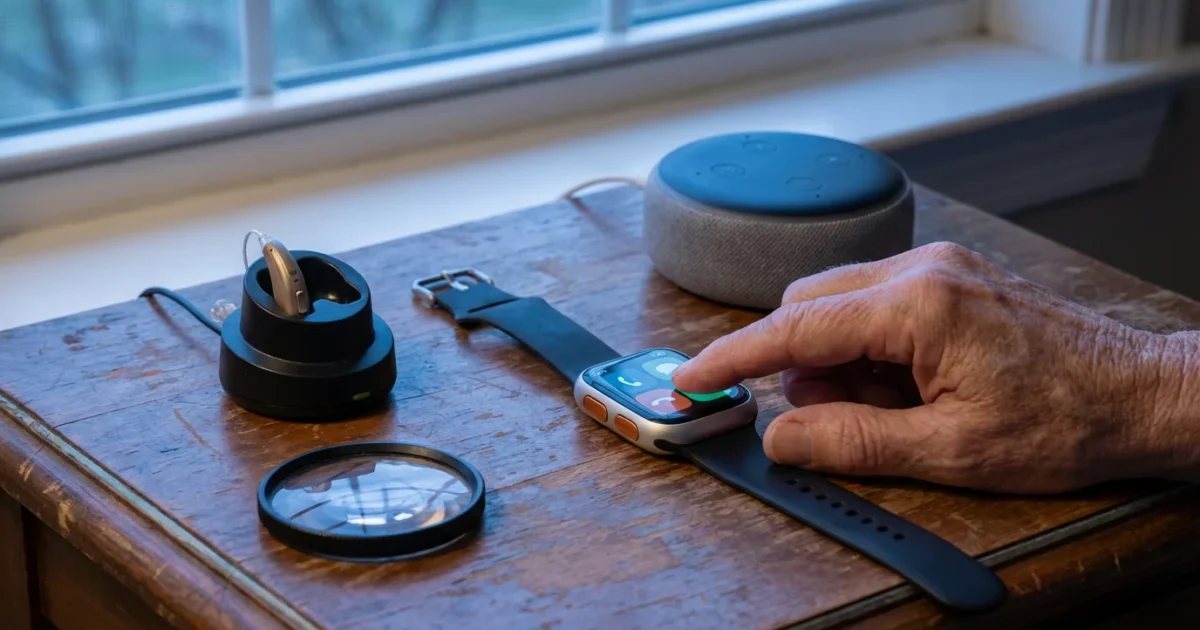
Modern retirement is about designing a life that celebrates independence, engagement, and personal choice. For many, that means actively seeking out innovative solutions to maintain a vibrant lifestyle, even when facing physical or cognitive changes. Accessible technology stands as a powerful enabler in this pursuit, transforming potential challenges into manageable aspects of daily living.
This forward-thinking approach embraces tools and devices that empower you to live on your own terms. You do not need to let physical limitations define your independence or enjoyment of life. Instead, you can leverage the latest advancements to enhance accessibility, connection, and peace of mind.
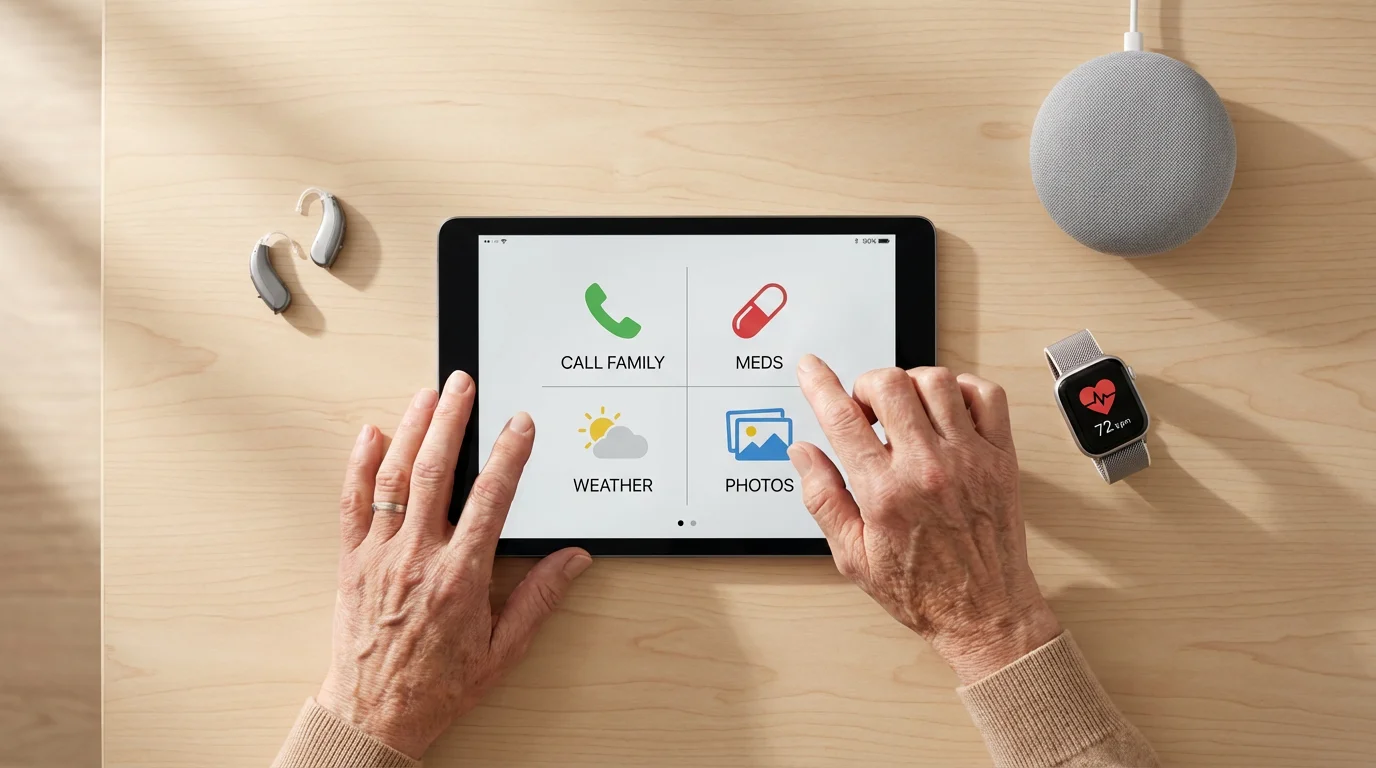
Redefining Independence with Accessible Technology
The modern era offers unprecedented opportunities for customization, particularly in how we approach aging. Forget outdated notions of “slowing down” or “giving up” certain activities. Instead, consider how technology can open new avenues for freedom and self-sufficiency.
Accessible tech is not a compromise, it is an advancement. It allows you to maintain control over your environment, your communication, and your daily routines. This proactive embrace of innovation ensures your later years are filled with comfort, capability, and continued exploration.
“Age is no barrier. It’s a limitation you put on your mind.” — Jackie Joyner-Kersee
This powerful perspective underscores the potential of accessible technology. You have the power to define your limitations, or to use tools that help you transcend them. Embracing new devices can redefine what you believe is possible.

Understanding Assistive Technology
At its core, accessible tech or assistive technology refers to any device, software, or equipment that helps individuals with disabilities perform tasks, communicate, learn, and live more independently. It bridges the gap between individual capabilities and environmental demands, making daily life more manageable and enjoyable.
Technology can also assist in decoding medical jargon, helping you understand complex test results and health reports.
This category encompasses a vast range of products, from simple, low-tech aids to sophisticated, AI-powered systems. The goal remains consistent: to enhance functionality, improve quality of life, and foster greater autonomy. Understanding what assistive devices are available empowers you to make informed choices for your needs.
For example, a smartphone with robust accessibility settings is a prime example of accessible tech. It offers adjustable text sizes, voice control, and screen readers, all designed to accommodate various needs. This integration makes widely available consumer electronics powerful assistive tools.
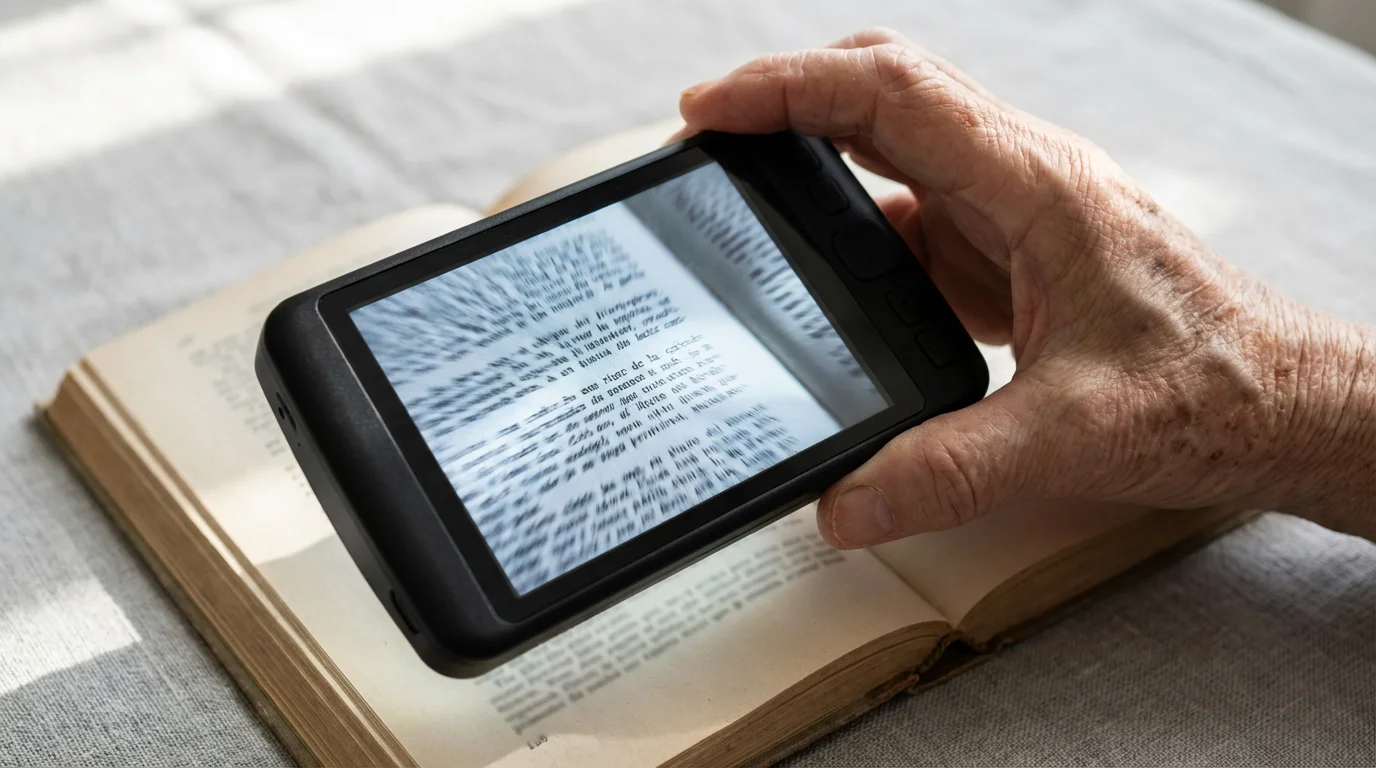
Enhancing Vision and Hearing
Maintaining clear sight and sound connections is fundamental to engaging with the world. Fortunately, a wealth of accessible tech exists to support individuals experiencing vision or hearing impairments. These tools empower you to continue reading, communicating, and enjoying media.
Using advanced visual aids is a game-changer when exploring national parks or other scenic landmarks during your travels.
With the right visual aids, you can even continue to explore creative passions such as digital photography to document your journey.
For those with visual challenges, technology offers powerful magnifiers and navigation aids. You can use apps that read text aloud or smart glasses that describe your surroundings. These solutions go far beyond traditional reading glasses, providing dynamic support for various tasks.
Consider these innovative tools for vision enhancement:
- Screen Readers: Software like JAWS or NVDA, often built into operating systems like Apple’s VoiceOver or Android’s TalkBack, read digital text aloud. They make websites, emails, and documents accessible.
- Magnification Software: Programs that enlarge portions of a computer screen or smartphone display, allowing you to customize text and image size. Built-in zoom features on most devices are a good starting point.
- Wearable Devices: Smart glasses, such as those that integrate AI for object recognition and description, offer real-time auditory feedback about the environment. OrCam MyEye is a notable example.
- High-Contrast and Large Print Devices: Specialized e-readers, tablets, and phones designed with simplified interfaces, extra-large fonts, and high-contrast color schemes.
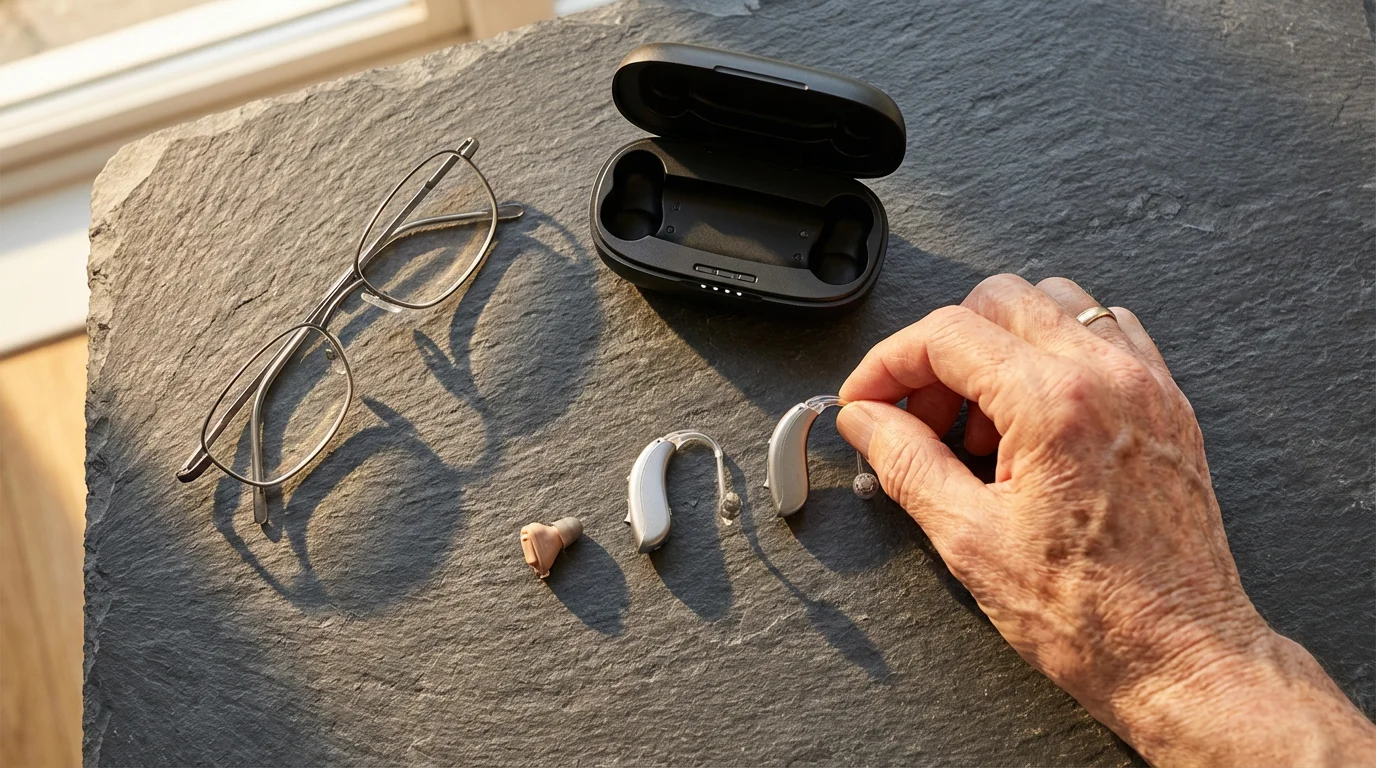
For individuals with hearing impairments, modern solutions range from advanced hearing aids to sophisticated communication tools. These devices not only amplify sound but also filter noise, provide captions, and offer alternative communication methods. They ensure you stay connected to conversations and important sounds.
Explore these cutting-edge hearing aids and communication tools:
- Smart Hearing Aids: Beyond amplification, these devices connect to smartphones via Bluetooth, allowing for personalized sound profiles, direct streaming of calls or audio, and even fall detection. Brands like Phonak and Oticon offer advanced models.
- Cochlear Implants: For severe hearing loss, these electronic devices can restore a sense of sound by bypassing damaged parts of the inner ear.
- Captioning Apps and Services: Live captioning apps, like Ava or Google’s Live Transcribe, convert spoken words into text in real time on your phone. This supports participation in conversations and video calls.
- Amplified Telephones: Specially designed phones with increased volume, tone control, and visual ring indicators make phone conversations much clearer. Some offer video call functionality with integrated captioning.
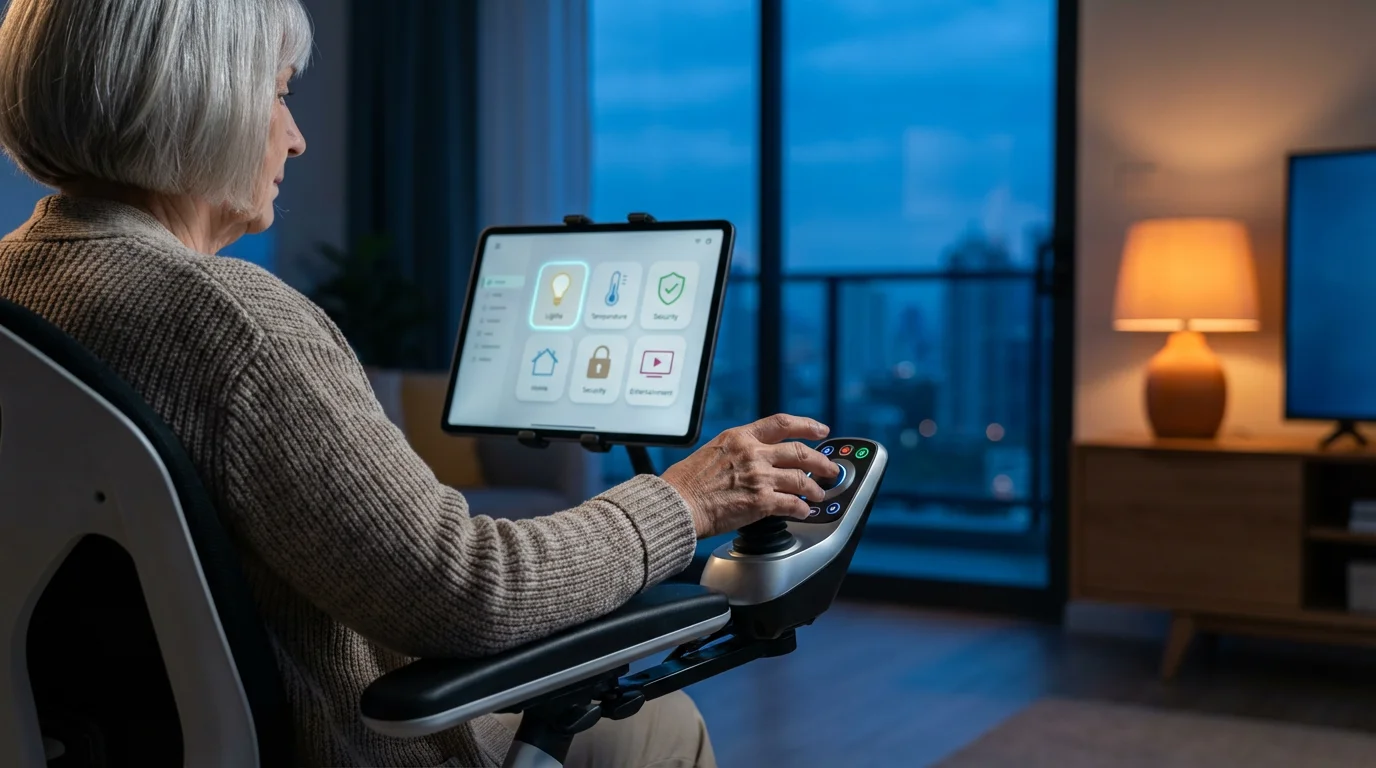
Mobility and Dexterity Solutions
Physical mobility and fine motor skills can sometimes pose challenges, but accessible tech offers robust solutions to maintain independence and ease daily tasks. From smart home controls to specialized input devices, these innovations help you navigate your environment and interact with technology effortlessly.
Technology can significantly reduce physical strain and increase autonomy for those with limited mobility or dexterity. Voice-activated systems, for instance, eliminate the need for precise movements, transforming how you control devices and access information. These advancements focus on minimizing effort while maximizing results.
Discover devices that enhance mobility and dexterity:
- Voice Control Systems: Smart speakers like Amazon Echo or Google Nest allow you to control lights, thermostats, music, and even make calls using only your voice. This bypasses physical interactions with switches and buttons.
- Assistive Robotics: For tasks like fetching objects or providing companionship, robotic assistants are emerging. While still evolving, devices like specialized robotic vacuums already ease household chores.
- Ergonomic Keyboards and Mice: Adapted input devices reduce strain and improve accuracy for computer use. Options include large-button keyboards, trackball mice, or ergonomic vertical mice.
- Adaptive Switches and Joysticks: For individuals with severe motor impairments, these devices allow control of computers or communication aids through minimal movement, such as a head tilt or breath.
- Smart Wheelchairs and Scooters: Electrically powered mobility aids with advanced features like GPS navigation, obstacle detection, and remote control capabilities offer greater freedom and safety.
Cognitive Support and Memory Aids
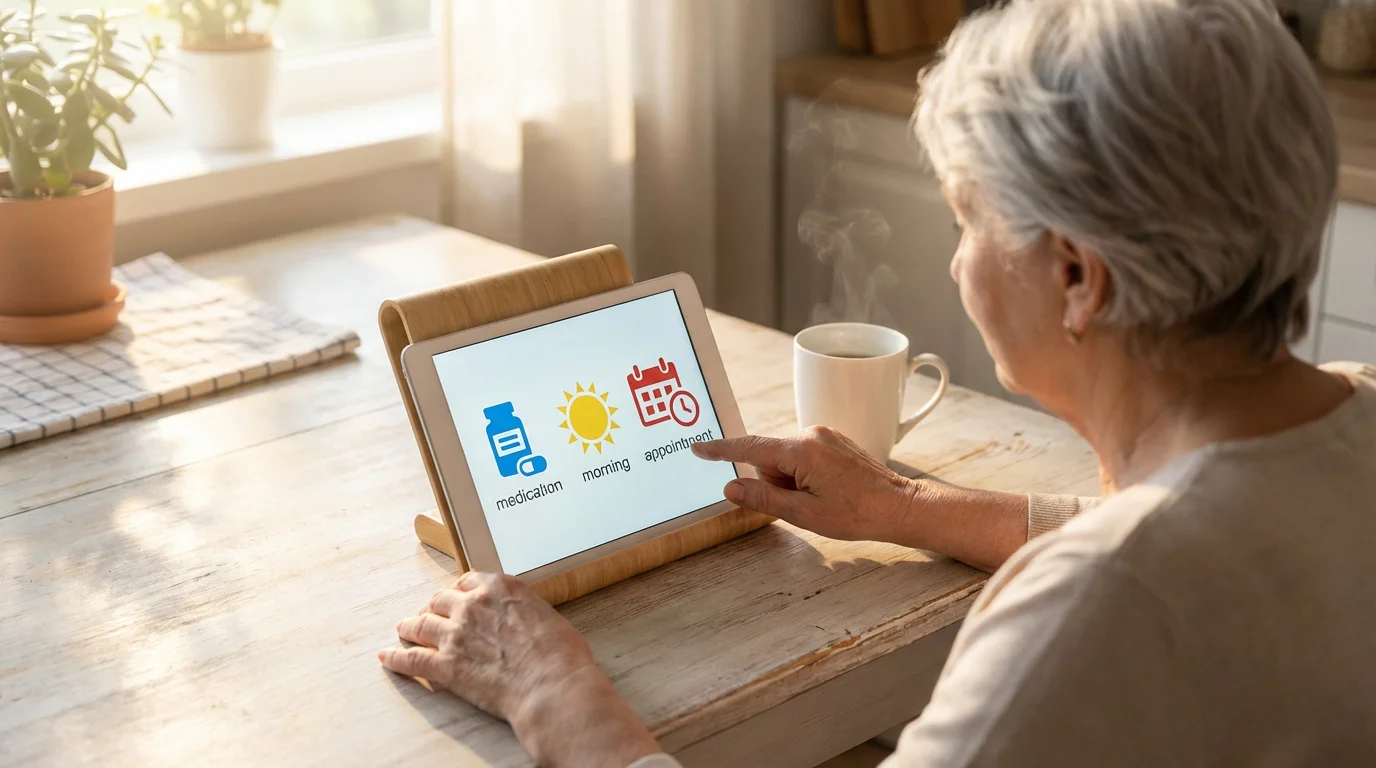
Maintaining cognitive sharpness and managing daily routines becomes easier with the right technological support. Accessible tech provides valuable assistance for memory, organization, and focus, allowing you to manage appointments, recall information, and stay oriented.
Beyond daily organization, technology simplifies managing digital health records, ensuring your medical history is securely stored and easily accessible.
These tools are designed to complement your natural cognitive abilities, providing gentle prompts and organized structures. They help reduce stress associated with memory lapses or maintaining complex schedules. You can proactively use these devices to enhance your daily cognitive function.
Here are key technologies for cognitive assistance:
- Smart Calendars and Reminders: Digital calendars like Google Calendar or Apple Calendar sync across devices, providing timely alerts for appointments, medications, and tasks. Voice-activated assistants can add entries and give reminders instantly.
- Medication Dispensers with Alarms: Automated pill dispensers with audible and visual alarms ensure you take the correct medication at the right time. Some connect to apps for family monitoring.
- Memory and Brain Training Apps: Apps like Lumosity or Elevate offer exercises designed to sharpen memory, attention, and problem-solving skills. They provide engaging activities that challenge your mind.
- GPS Trackers for Personal Safety: Wearable GPS devices can help locate individuals who may wander, offering peace of mind for both the user and their family. Many smartwatches now integrate this feature.
- Digital Voice Recorders: Simple devices or smartphone apps allow you to record important conversations, instructions, or thoughts, serving as a reliable memory backup.
Smart Home Automation for Accessibility
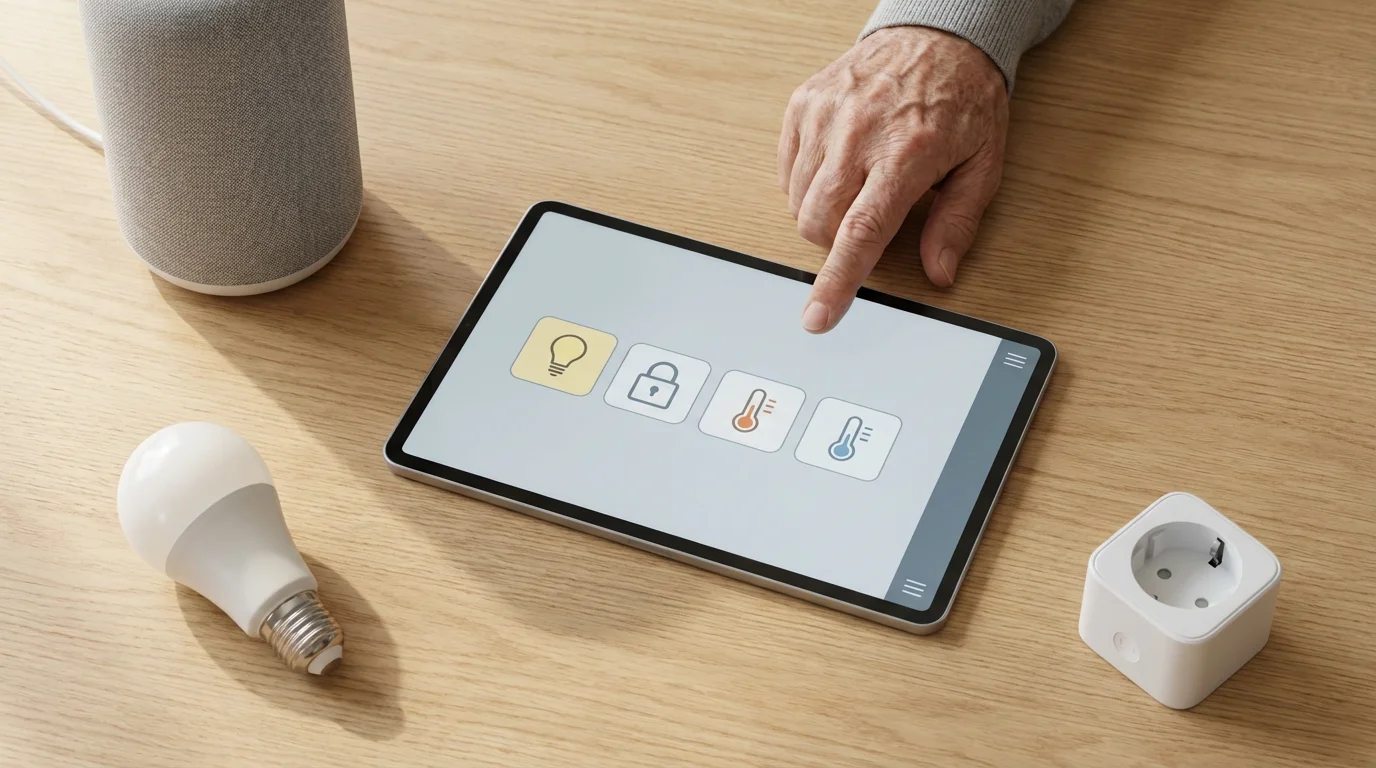
Transforming your living space into an intuitively accessible environment is one of the most impactful applications of accessible tech. Smart home systems integrate various devices, allowing you to control your surroundings with ease, often through voice commands or a single touch.
Many of these systems are among the essential gadgets that make aging in place easier, providing a comprehensive safety net for those living alone.
Imagine adjusting lights, locking doors, or managing your thermostat without leaving your chair. This level of control enhances comfort, safety, and independence significantly. Smart home automation is a proactive step toward designing a home that adapts to your needs, rather than requiring you to adapt to it.
Consider these smart home integrations for enhanced accessibility:
- Voice-Controlled Lighting and Thermostats: Smart bulbs and thermostats connect to hubs like Amazon Echo or Google Nest. You can simply say, “Turn on the living room light” or “Set the temperature to 72 degrees.”
- Smart Locks and Doorbell Cameras: Remotely lock and unlock doors, or see and speak to visitors from your smartphone or tablet. This is particularly beneficial for those who find it difficult to reach the door quickly.
- Automated Blinds and Curtains: Motorized window coverings can be opened or closed with a voice command or scheduled automatically. This helps manage light and privacy without physical effort.
- Smart Plugs: Convert any standard lamp or appliance into a smart device by plugging it into a smart plug. This enables remote control via an app or voice assistant.
- Environmental Sensors: Motion sensors, smoke detectors, and carbon monoxide detectors that integrate with your smart home system can provide alerts to your phone or emergency contacts, enhancing safety.
These systems not only add convenience but also provide a crucial layer of safety. For instance, a smart home can alert you or family members to unusual activity, such as a door left ajar or a smoke alarm activation. This proactive monitoring offers significant peace of mind.
Choosing the Right Accessible Tech for You
Navigating the vast landscape of accessible tech requires a thoughtful approach. The goal is to find solutions that truly align with your specific needs, lifestyle, and preferences. You should focus on practical benefits and ease of integration into your daily life.
Start by identifying your primary challenges and desired outcomes. Do you want to read more easily, communicate more clearly, or move around your home with greater confidence? Pinpointing these areas will guide your search effectively.
Here’s how to approach selecting assistive technology:
- Assess Your Needs: Clearly define the specific tasks or activities where you require assistance. Prioritize the most impactful areas first.
- Research Options Thoroughly: Investigate various products and read reviews from reputable sources like Consumer Reports or CNET. Look for real-world user experiences.
- Consider Ease of Use: A device, no matter how advanced, is only useful if it is easy for you to operate. Look for intuitive interfaces and clear instructions.
- Try Before You Buy: Whenever possible, test devices in person. Many tech stores or specialized accessibility centers allow trials.
- Seek Professional Advice: Consult with occupational therapists or accessibility specialists. They can offer personalized recommendations and guidance based on your unique situation.
- Factor in Compatibility: Ensure new devices integrate well with your existing technology, such as your smartphone or home Wi-Fi network.
Remember that the best technology is often the simplest to use and the one that fits seamlessly into your daily routine. Do not feel pressured to adopt every new gadget. Instead, choose solutions that genuinely enhance your quality of life.
Navigating Privacy and Security with Accessible Tech
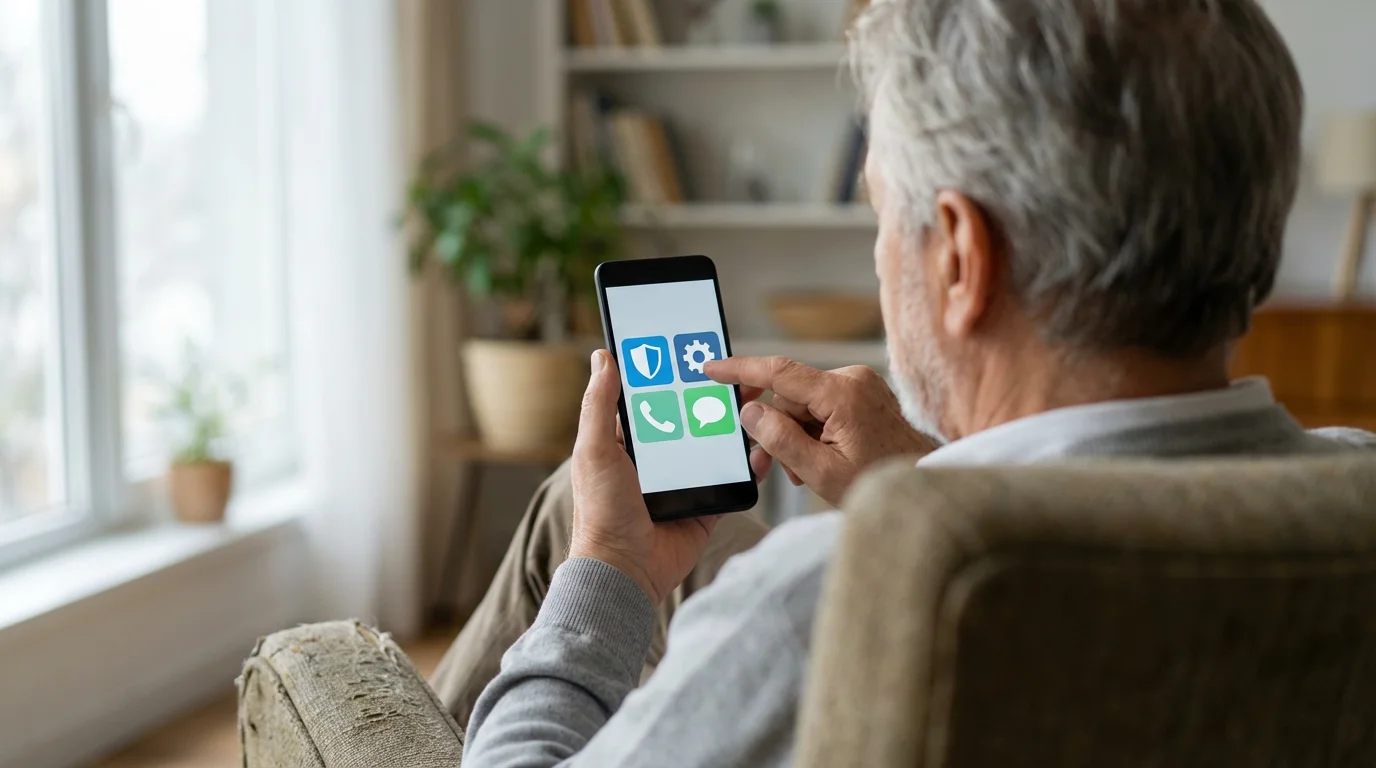
Embracing accessible tech brings incredible benefits, but it also necessitates a keen awareness of privacy and security considerations. As devices collect personal data and connect to networks, protecting your information is paramount. You can take proactive steps to safeguard your digital life.
Understanding how your devices handle data and implementing strong security practices ensures you reap the benefits of technology without compromising your privacy. This involves staying informed and utilizing available security features. Your digital well-being is as important as your physical comfort.
Follow these essential tips for securing your accessible technology:
- Use Strong, Unique Passwords: Create complex passwords for all your accounts and devices. Consider a password manager to help store and generate them.
- Enable Two-Factor Authentication (2FA): Where available, 2FA adds an extra layer of security, typically requiring a code from your phone in addition to your password.
- Regularly Update Software: Keep all operating systems and apps updated. These updates often include critical security patches.
- Review Privacy Settings: Take time to understand and adjust the privacy settings on your smart devices, apps, and social media. Limit the data they collect and share.
- Be Wary of Phishing Attempts: Exercise caution with suspicious emails, texts, or calls asking for personal information. Verify the sender before clicking links or sharing data.
- Secure Your Home Wi-Fi Network: Use a strong, unique password for your Wi-Fi and consider enabling a guest network for visitors or smart devices that need limited access.
By taking these steps, you maintain control over your personal data and ensure your accessible tech enhances your life securely. Digital literacy is a key component of modern, empowered living.
Frequently Asked Questions
What is the difference between accessible tech and assistive technology?
While often used interchangeably, “assistive technology” specifically refers to devices and software designed to help people with disabilities perform functions. “Accessible tech” is a broader term that includes features built into standard products, such as smartphone accessibility settings, making them usable by a wider range of people, including those with disabilities. Both aim to enhance functionality and independence.
How can I find out if a specific piece of technology is right for me?
You can start by researching online reviews and product specifications. Many companies offer free trials or demos. Consulting with an occupational therapist or an accessibility specialist can provide personalized recommendations. You should also consider visiting a local tech store to try out devices firsthand whenever possible.
Are accessible technology devices expensive?
The cost of accessible technology varies widely. Some basic assistive devices are quite affordable, while advanced systems can be a significant investment. Many standard consumer electronics, like smartphones and tablets, offer robust accessibility features built-in at no extra cost. Explore options, and check if health insurance or government programs offer coverage or subsidies for certain devices.
Can I integrate multiple accessible tech devices into one system?
Yes, many modern accessible tech devices are designed for integration, particularly within smart home ecosystems. Voice assistants, for example, can often control various smart devices from different manufacturers. This creates a cohesive and convenient experience, allowing you to manage multiple aspects of your environment from a single interface or voice command.
How do I get help setting up accessible technology if I am not tech-savvy?
Many resources exist to help with setup. Product manufacturers often provide customer support and tutorials. You can also seek assistance from tech-savvy family members or friends. Local community centers, senior organizations like AARP, and specialized accessibility support groups often offer workshops or one-on-one help. Professional tech support services are also available for a fee.
Disclaimer: This article is for informational purposes. Technology, apps, and services mentioned may change over time. We encourage readers to research current options and consider their individual needs when making decisions.







Leave a Reply