
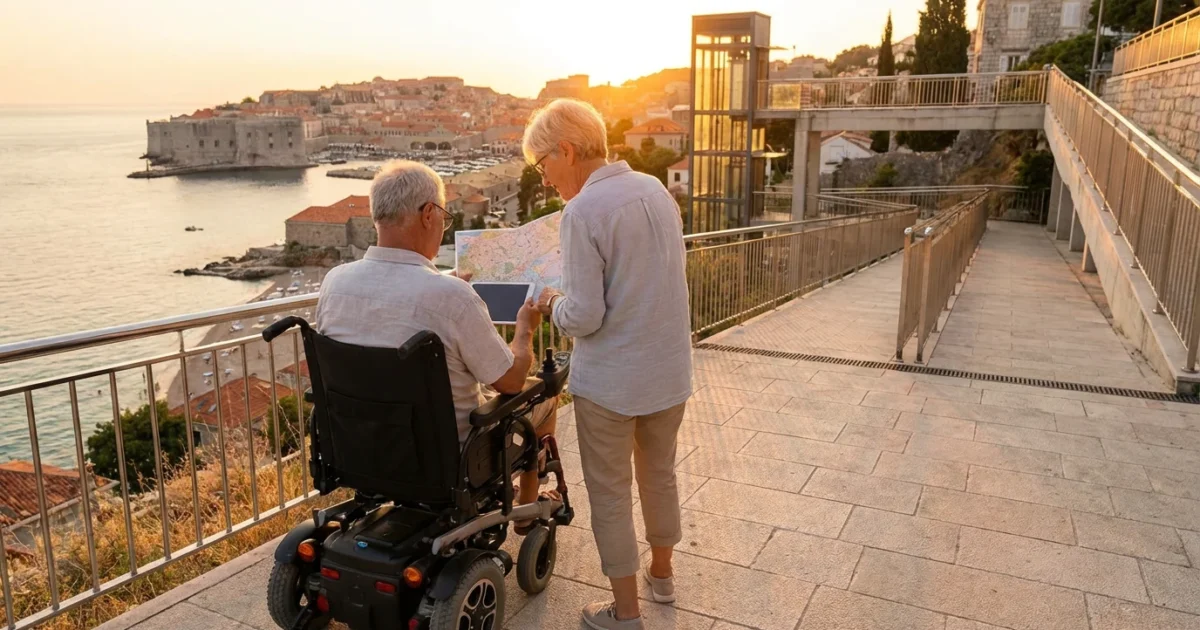
Retirement no longer signifies slowing down. Today, it means embracing freedom, exploration, and new adventures. For modern retirees, a world of travel possibilities awaits, even if you navigate the globe with mobility considerations. You define your journey, and technology now empowers you to discover destinations and experiences tailored to your needs.
For those looking to combine travel with productivity, a digital nomad retirement provides the flexibility to explore the world at a slower, more accessible pace.
While focus is often on accessibility, many savvy explorers also look for budget travel tips for retirees to make their global adventures more sustainable.
Gone are the days when mobility issues confined you to your neighborhood. The travel industry increasingly recognizes and caters to the diverse needs of an active, aging population. You possess the wisdom, the time, and the desire to see the world; let us guide you through the resources and destinations that make accessible travel not just a dream, but a vibrant reality.

Redefining Accessible Travel for the Modern Retiree
Modern retirees actively challenge traditional notions of aging. You do not accept limitations, instead seeking innovative solutions to continue living life to its fullest. Accessible travel embodies this spirit, shifting from mere accommodation to genuine empowerment.
Visualizing your travel goals by crafting your retirement vision board can keep you motivated as you plan for more complex, long-distance journeys.
Maintaining your health on the road is easier when you are choosing the right fitness tracker to monitor your activity levels during your travels.
It involves designing your trip with intention, ensuring every aspect, from transportation to lodging to activities, supports your independence. This forward-thinking approach means you no longer settle for limited options. You expect and find environments that allow full participation.
Accessible travel today incorporates cutting-edge design, inclusive services, and a comprehensive understanding of diverse mobility needs. You now enjoy more choices than ever before, reflecting a global commitment to universal design principles. This empowers you to customize your adventures, ensuring comfort and accessibility at every step.

Leveraging Technology for Seamless Accessible Travel Planning
Technology serves as your most powerful ally in planning an accessible vacation. Digital tools and platforms transform the planning process, providing information and booking capabilities that ensure a smooth journey. You find dedicated apps and websites that filter options based on specific accessibility requirements.
Keep your travel expenses in check by utilizing modern budgeting apps that allow you to monitor your vacation funds in real-time.
In addition to travel-specific software, many essential apps for the modern retiree can help you manage your daily routine and logistics while on the road.
In addition to mobility aids, some travelers may benefit from exploring assistive technology for visual impairment to further enhance their independence abroad.
These innovations save you time and reduce stress, allowing you to focus on the excitement of your upcoming trip. Embrace these digital assistants; they open up a world of possibilities.
Here are some essential tech tools and platforms for accessible travel:
- AccessibleGo: This platform specifically focuses on booking accessible hotel rooms, flights, and cruises. It provides detailed accessibility information directly from property owners.
- Wheelmap.org: A community-driven project, Wheelmap allows users to mark and find wheelchair-accessible places worldwide. You contribute to and benefit from this collaborative mapping effort.
- AccessNow: Similar to Wheelmap, this app lets you search for and rate the accessibility of businesses, restaurants, and attractions in cities around the globe. It covers everything from ramp access to accessible restrooms.
- AXS Map: Google Maps integrates accessibility data through AXS Map, allowing you to find accessible locations and add your own reviews. You access this information directly within Google’s familiar interface.
- Booking.com and Expedia: Major booking sites now include accessibility filters for hotels and transportation. While these filters improve, always verify specific details directly with the provider.
- Google Translate: Essential for international travel, this app helps you communicate needs and understand local signs. It breaks down language barriers, enhancing your travel experience.
- Personal Emergency Response Systems (PERS) apps: Many smartwatches and phones offer fall detection or emergency contact features. These provide an extra layer of safety when you travel independently.
You gain confidence knowing you have a digital toolkit ready to support your explorations. Use these resources to research, book, and navigate your way to incredible experiences.
Essential Resources for Navigating Accessible Travel
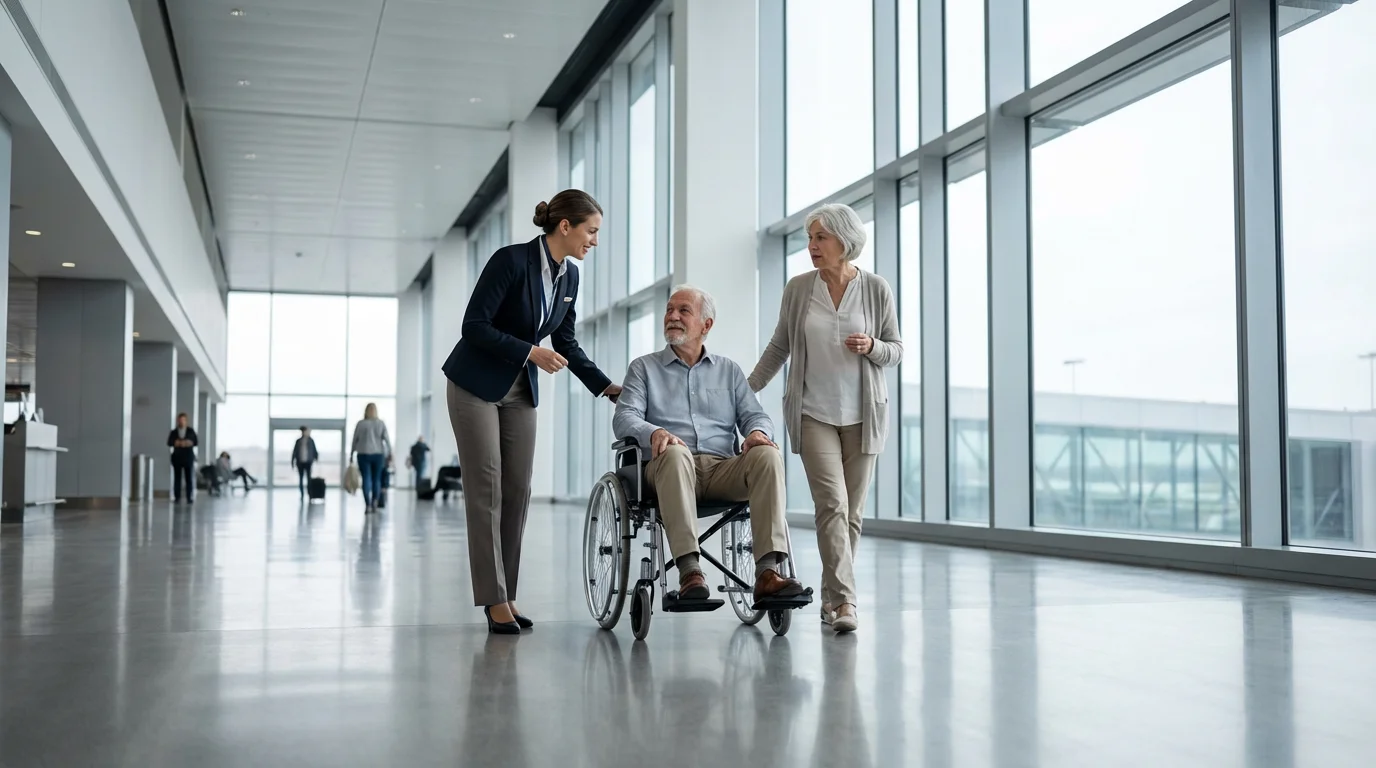
Beyond general travel sites, a specialized ecosystem of resources supports accessible travel. These organizations and agencies possess deep expertise, offering guidance, services, and even specialized tours. You benefit from their experience and dedication to making travel universally enjoyable.
Learning more about broader accessible technology tools can provide additional hardware and software solutions that improve your overall quality of life during your travels.
Engage with these resources early in your planning process. They often provide insights you might not find elsewhere, from specific destination details to travel insurance recommendations.
Consider these valuable resources:
- Specialized Accessible Travel Agencies: Companies like Sage Traveling, Limitless Travel, and Accessible Journeys focus exclusively on accessible tours and itineraries. They handle all logistics, from accessible transportation to adapted accommodations.
- Disability Travel Blogs and Forums: Online communities, such as Curb Free with Cory Lee or Spin the Globe, offer firsthand accounts, tips, and peer support. You learn from others who navigate similar travel challenges.
- Government Disability Resources: Your home country’s government websites often provide information on air traveler rights and international accessibility standards. For example, the U.S. Department of Transportation outlines Air Carrier Access Act regulations.
- Local Disability Organizations: When researching a specific destination, contact local disability advocacy groups. They offer invaluable local knowledge about accessibility, accessible transport, and cultural norms.
- Travel Insurance Providers specializing in pre-existing conditions: Companies like Allianz Global Assistance or Travelex offer plans that cover medical emergencies for individuals with pre-existing conditions. Always read the policy details carefully.
- Mobility Equipment Rental Services: In many major destinations, you can rent wheelchairs, scooters, and other mobility aids. Services like Scootaround offer rentals delivered directly to your hotel or cruise ship.
These resources empower you to build a comprehensive plan, addressing every potential need. They streamline your preparations, making your trip more enjoyable and less stressful.

Practical Tips for Planning Your Accessible Journey
Planning an accessible vacation requires meticulous attention to detail. However, this proactive approach ensures a smoother, more enjoyable experience once you arrive. You take control by anticipating potential challenges and implementing solutions beforehand.
Follow these steps to effectively plan your accessible adventure:
- Start Early: Begin planning months in advance, especially for international trips. Accessible rooms, specialized transport, and popular accessible attractions book quickly.
- Communicate Your Needs Clearly: When booking flights, hotels, or tours, explicitly state your mobility requirements. Ask specific questions about ramp access, elevator dimensions, bathroom grab bars, and shower accessibility. Document all communications.
- Verify Accessibility Claims: Do not rely solely on website icons. Call hotels, airlines, and tour operators directly to confirm accessibility features. Ask for photos or videos of accessible facilities.
- Plan Accessible Transportation: Research accessible taxis, public transport, or private transfer services at your destination. Consider booking these in advance, particularly in cities with limited options.
- Pack Smart and Light: Bring essential medications, medical documents, and any specific mobility aid parts you might need. Optimize your packing to ensure easy navigation through airports and train stations.
- Research Accessible Attractions: Identify museums, parks, and historical sites that offer accessible routes, ramps, elevators, and accessible restrooms. Many destinations provide online accessibility guides.
- Consider a Travel Companion or Assistant: While independent travel is empowering, a companion can offer invaluable assistance, providing peace of mind and practical help.
- Secure Comprehensive Travel Insurance: Choose a policy that covers medical emergencies, trip cancellations, and lost or damaged mobility equipment. Compare options from reputable providers.
- Learn Basic Phrases: Familiarize yourself with key phrases in the local language related to accessibility, like “Is this wheelchair accessible?” or “Where is the accessible restroom?”
- Build in Rest Days: Accessible travel often involves more planning and effort. Incorporate downtime into your itinerary to prevent fatigue and allow for spontaneous relaxation.
This systematic approach empowers you to manage the logistics effectively. You reduce anxiety and maximize your enjoyment, ensuring a truly memorable trip.

Discover Top Accessible Travel Destinations Worldwide
Many cities and countries actively invest in infrastructure and services to enhance accessibility. You find welcoming environments designed for ease of movement and full participation. These destinations offer rich cultural experiences, stunning natural beauty, and robust support for travelers with mobility needs.
Many urban centers now offer geocaching adventures that are fully accessible, providing a fun way to explore a city’s hidden gems while monitoring your route.
Whichever destination you choose, mastering digital photography will help you capture and share the beauty of these accessible landmarks with your loved ones.
Your choices are expanding, moving beyond a handful of well-known spots to a truly global array of options. These locations demonstrate a commitment to inclusive tourism, making them ideal for your next adventure.
Here are some of the best accessible travel destinations:
- Barcelona, Spain: This vibrant city boasts an impressive level of accessibility. Its public transportation network, including buses and many metro stations, is largely wheelchair-friendly. Most major attractions, such as the Sagrada Familia, Park Güell, and the Gothic Quarter, provide accessible routes. The city also features accessible beaches and wide, flat promenades.
- London, UK: London consistently ranks high for accessibility. The city’s bus network is 100% accessible, and many Tube stations now offer step-free access. You easily visit world-class museums like the British Museum and the National Gallery, which are fully accessible. The city also provides accessible taxis and countless accessible hotels.
- Sydney, Australia: Sydney offers a remarkably accessible environment, especially around its iconic harbor. Most ferries, trains, and buses are accessible. You explore the Sydney Opera House, Darling Harbour, and many beaches with ease. The city center itself is largely flat, making navigation straightforward.
- Amsterdam, Netherlands: Despite its historic canals, Amsterdam actively works to improve accessibility. Many canals offer boat tours with accessible boarding. The city center is relatively flat, and its tram network is becoming increasingly accessible. You find numerous accessible hotels and museums, including the Rijksmuseum and the Van Gogh Museum.
- Orlando, USA: Renowned for its theme parks, Orlando excels in accessible entertainment. Walt Disney World and Universal Studios set the gold standard for accessibility, offering detailed guides and accommodations for all mobility levels. The city also provides accessible transportation and a wide array of accessible hotels.
- Copenhagen, Denmark: This Scandinavian capital prioritizes universal design. Its efficient public transport system, including buses and metro, is very accessible. You explore Tivoli Gardens, visit the Little Mermaid statue, and enjoy accessible boat tours with minimal hassle. Copenhagen’s flat terrain further enhances ease of movement.
- Berlin, Germany: Berlin has made significant strides in accessibility since reunification. Its public transport, museums, and many historical sites offer excellent access. You easily navigate major attractions like the Brandenburg Gate, Reichstag Building, and Museum Island. The city’s modern infrastructure makes it a top choice for accessible travel.
These destinations provide robust support systems, ensuring you experience their beauty and culture without unnecessary barriers. They embody the future of inclusive tourism.
Cruises and Specialized Tours: A Simplified Accessible Experience
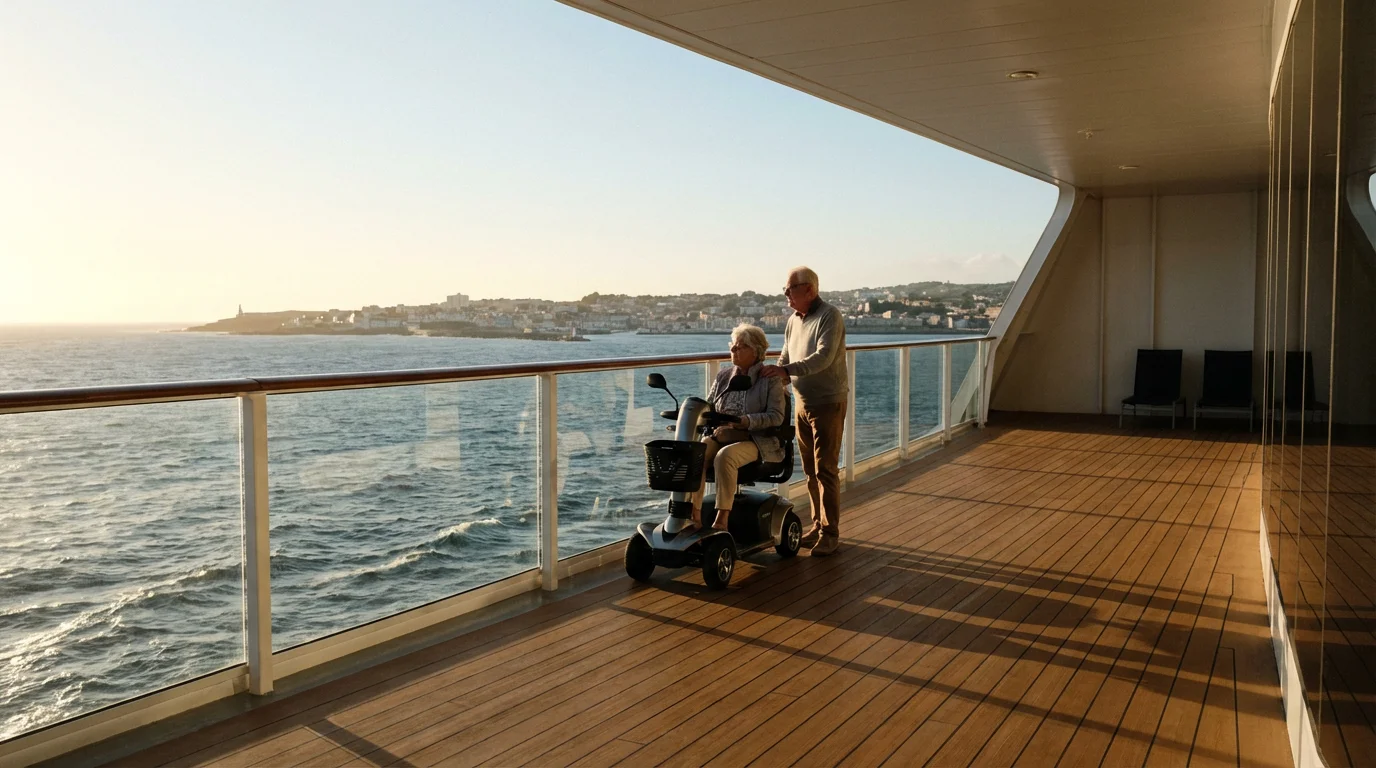
Cruises and specialized accessible tours present an excellent option for retirees seeking a streamlined travel experience. These options often simplify logistics, providing a comprehensive package designed with your needs in mind. You enjoy a curated journey where accessibility is a priority, not an afterthought.
Modern cruise lines have invested heavily in accessible cabins, public areas, and shore excursions. Similarly, specialized tour operators meticulously plan every detail, ensuring seamless transitions and enriching experiences.
Consider the benefits:
- All-Inclusive Accessibility: Major cruise lines offer accessible cabins with wider doors, roll-in showers, and grab bars. Ship common areas, including restaurants, theaters, and pools, also feature accessibility considerations.
- Accessible Shore Excursions: Many cruise lines coordinate accessible excursions in port. These might include specialized transport, accessible tour routes, and guides trained in assisting travelers with mobility issues.
- Consistent Environment: You unpack once and enjoy a floating hotel that brings you to multiple destinations. This eliminates the repeated effort of checking into new hotels and navigating unfamiliar environments.
- Expert Planning for Tours: Specialized tour operators meticulously plan every aspect of your trip. They ensure accessible hotels, ground transportation, and activities, removing the stress of individual research and booking.
- Group Support: Traveling with a specialized group often means you have fellow travelers and tour leaders who understand and share your accessibility needs. This fosters a supportive and social environment.
- Medical Assistance Onboard: Cruise ships typically have medical facilities and staff, providing peace of mind for any health concerns that may arise during your voyage.
According to AARP, cruises consistently rank high among retirees for their convenience and value, especially with growing accessibility options. You find a cruise or tour that perfectly matches your preferences, whether you desire a relaxing Caribbean getaway or an adventurous European river cruise.
Overcoming Common Challenges in Accessible Travel
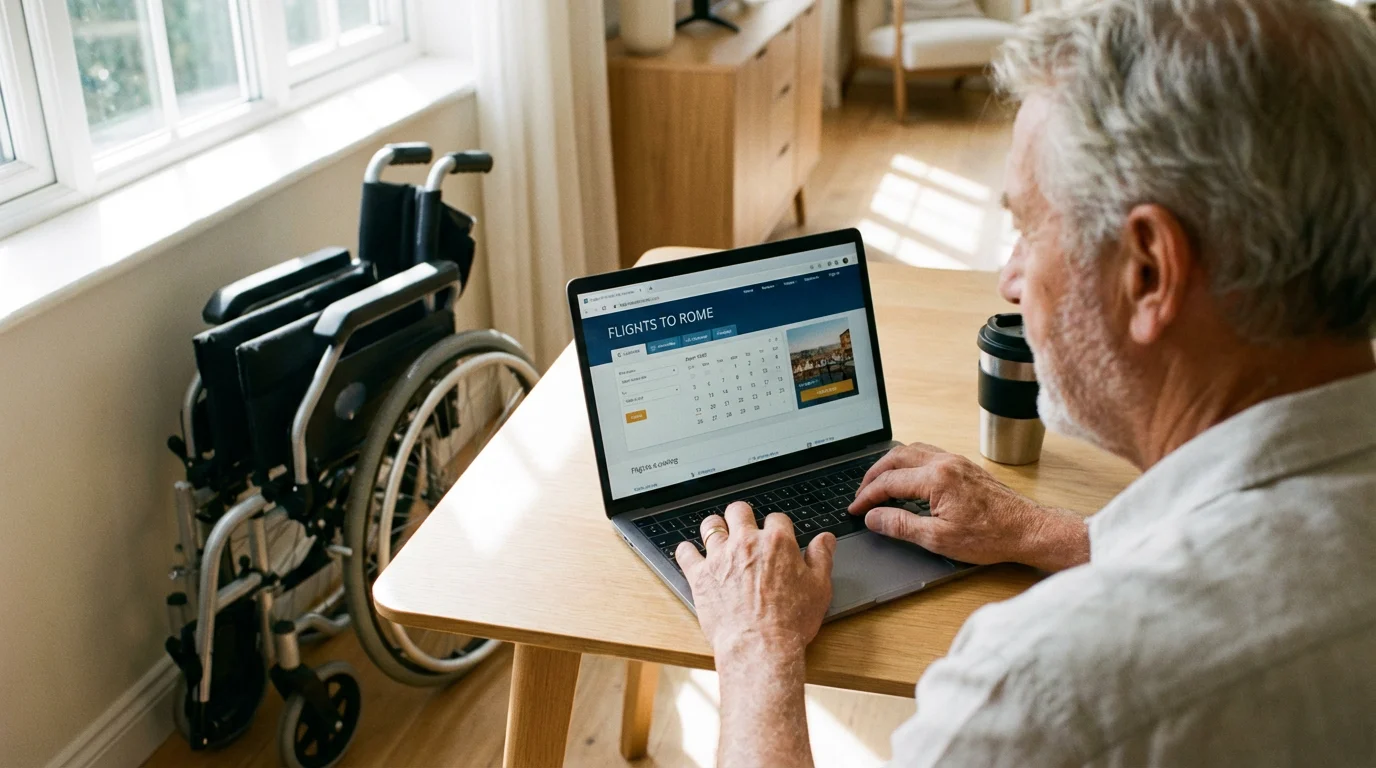
Even with thorough planning, challenges can arise during accessible travel. Proactive problem-solving and a flexible mindset equip you to handle these situations effectively. You maintain control by having strategies in place for unexpected events.
Anticipate common hurdles and empower yourself with solutions.
Here are strategies for overcoming challenges:
- Inaccurate Information: Despite asking direct questions, you might encounter situations where advertised accessibility differs from reality.
- Solution: Always have backup plans. Carry contact information for alternative accessible hotels or transportation services. Be prepared to politely advocate for your needs or seek immediate resolution with management. Take photos or videos to document discrepancies if necessary.
- Damaged or Lost Mobility Equipment: Airlines or baggage handlers occasionally mishandle wheelchairs or scooters.
- Solution: Pack a basic toolkit for minor repairs. Research local mobility equipment rental or repair shops at your destination. Document the condition of your equipment with photos before and after your flight. File a claim immediately if damage occurs.
- Unexpected Barriers: Historical sites, quaint towns, or natural attractions sometimes present unexpected steps, cobblestones, or narrow pathways.
- Solution: Consult local tourism offices or disability organizations for current conditions. Utilize street view mapping tools before visiting. Embrace flexibility, adapt your itinerary, or seek alternative accessible viewpoints.
- Language Barriers for Assistance: Communicating specific accessibility needs in a foreign country can prove difficult.
- Solution: Use translation apps like Google Translate. Prepare a card with essential phrases in the local language, explaining your mobility needs and any specific requests.
- Fatigue Management: Travel, especially accessible travel, can be physically demanding.
- Solution: Build generous downtime into your itinerary. Prioritize comfort over squeezing in too many activities. Listen to your body and adjust plans as needed.
Your resilience and readiness to adapt define your success in navigating these challenges. You maintain a positive outlook, turning potential setbacks into opportunities for creative problem-solving.
“The future belongs to those who believe in the beauty of their dreams.” — Eleanor Roosevelt

Financing Your Accessible Adventures
Accessible travel often requires specific accommodations, which can sometimes impact costs. However, smart financial planning allows you to budget effectively and explore the world without undue financial strain. You maximize value by making informed decisions about your spending.
Consider these financial strategies for your accessible travels:
- Budget Wisely: Create a detailed travel budget that accounts for all expenses, including transportation, accommodation, specialized tours, and potential equipment rentals. Factor in a contingency fund for unexpected costs.
- Seek Discounts and Deals: Many organizations offer discounts for seniors or individuals with disabilities. Always inquire about these possibilities when booking flights, hotels, or attractions.
- Travel Off-Peak: Visiting destinations during shoulder seasons or off-peak times often results in lower prices for flights, hotels, and tours. You experience destinations with fewer crowds and better rates.
- Utilize Travel Rewards Programs: Accumulate points through credit cards or airline loyalty programs. These points can significantly offset the cost of flights and hotels, freeing up funds for other accessible needs.
- Consider Travel Insurance with Adequate Coverage: Invest in a comprehensive travel insurance policy. Ensure it covers medical emergencies, trip cancellations, and especially damage or loss of mobility equipment. This protects your financial investment.
- Explore Government Grants or Assistance Programs: Some regions or organizations offer grants or financial aid for individuals with disabilities to pursue travel or recreational activities. Research options available in your area.
- Look for Value-Added Packages: Sometimes, specialized accessible travel packages or cruises offer better value. They bundle multiple services, potentially saving you money compared to booking each component separately.
By proactively managing your finances, you ensure your accessible travel dreams remain within reach. You invest in experiences that enrich your life, knowing you have planned responsibly.
Frequently Asked Questions
What is the most accessible way to fly for a person with mobility issues?
Flying successfully with mobility issues begins with early communication. Notify your airline when booking about your specific needs, such as requesting wheelchair assistance, bulkhead seating, or permission to bring your own mobility device. Arrive early at the airport to allow ample time for check-in and security. Direct communication with airline staff ensures you receive the necessary support from curb to gate and onboard.
How do I find accessible hotels that genuinely meet my needs?
Finding truly accessible hotels requires going beyond standard online filters. Use specialized platforms like AccessibleGo and AccessNow for detailed information. After initial booking, always call the hotel directly. Speak with a manager or accessibility specialist to confirm specific features, such as roll-in showers, grab bars, bed height, and room dimensions. Ask for photos if available. This proactive verification prevents disappointment upon arrival.
Are accessible public transportation options available in most major cities?
Many major cities around the world have significantly improved public transportation accessibility. Large cities like London, Barcelona, Sydney, and Berlin offer extensive accessible bus, metro, and tram networks. However, accessibility levels vary by city and specific transport line. Always research the public transport system of your destination in advance. Websites for local transit authorities often provide detailed accessibility maps and information.
What should I do if my mobility device is damaged during travel?
If your mobility device is damaged during air travel, immediately report it to the airline staff at the airport. Document the damage with photos and insist on filing a Property Irregularity Report (PIR) or similar damage report before leaving the airport. Keep all documentation. Contact your travel insurance provider promptly. Most airlines provide temporary loaner equipment while yours undergoes repair or replacement.
Can I travel internationally with a service animal?
Traveling internationally with a service animal requires extensive planning due to varying regulations across countries. Each nation has specific health, vaccination, and documentation requirements for service animals, sometimes including quarantine periods. Begin researching these requirements months in advance, consulting the embassy or consulate of your destination country. Work closely with your veterinarian to ensure all necessary paperwork and health certificates are in order.
Disclaimer: This article is for informational purposes. Technology, apps, and services mentioned may change over time. We encourage readers to research current options and consider their individual needs when making decisions.








Leave a Reply