
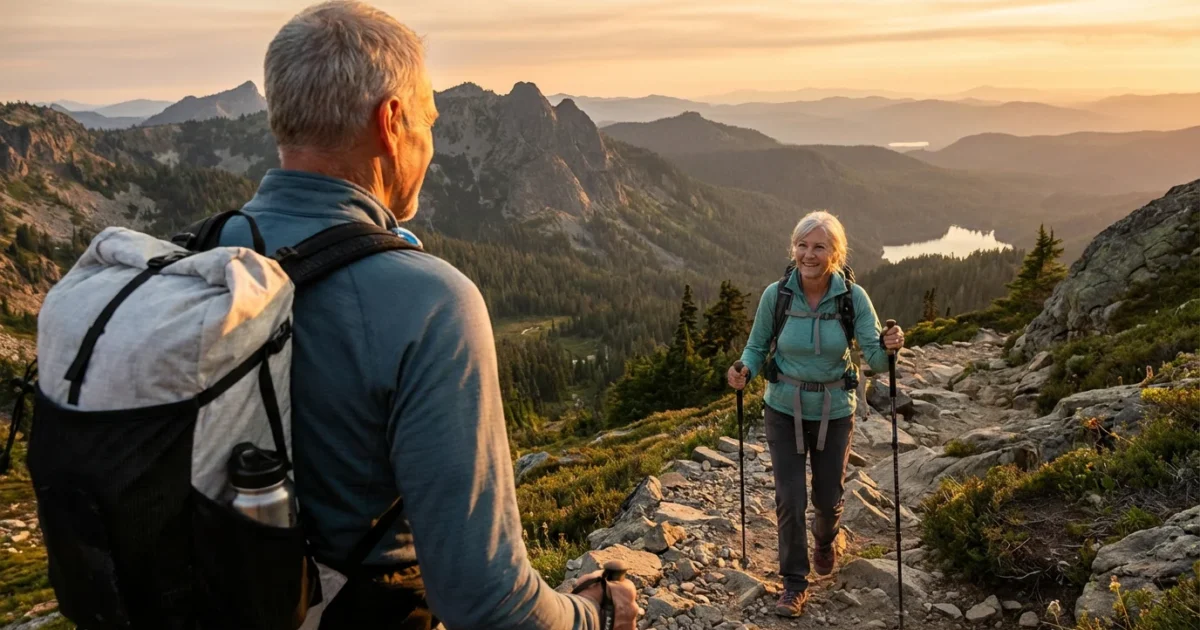
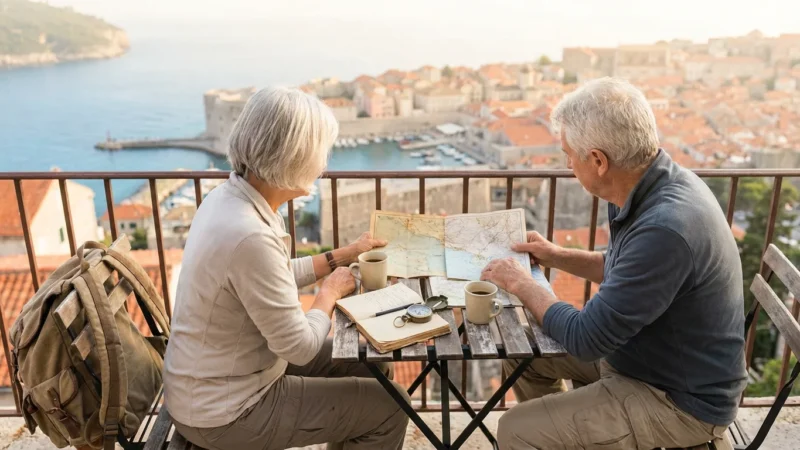
Retirement in the modern age opens doors to adventures previously unimaginable. You are not slowing down, you are gearing up for the next chapter. For many, that means embracing the open road, or more accurately, the open trail, with a backpack and a spirit of exploration. Backpacking after retirement offers an unparalleled sense of freedom and accomplishment, challenging outdated notions of what your golden years should look like.
Building these experiences into a balanced retirement routine ensures you stay both physically active and mentally fulfilled.
Imagine traversing breathtaking landscapes, connecting with nature, and experiencing cultures firsthand, all while carrying everything you need on your back. This is not just a dream for the young, it is a vibrant reality for modern retirees like you. With advancements in ultralight gear, smart technology, and tailored fitness approaches, senior backpacking has never been more accessible or enjoyable.
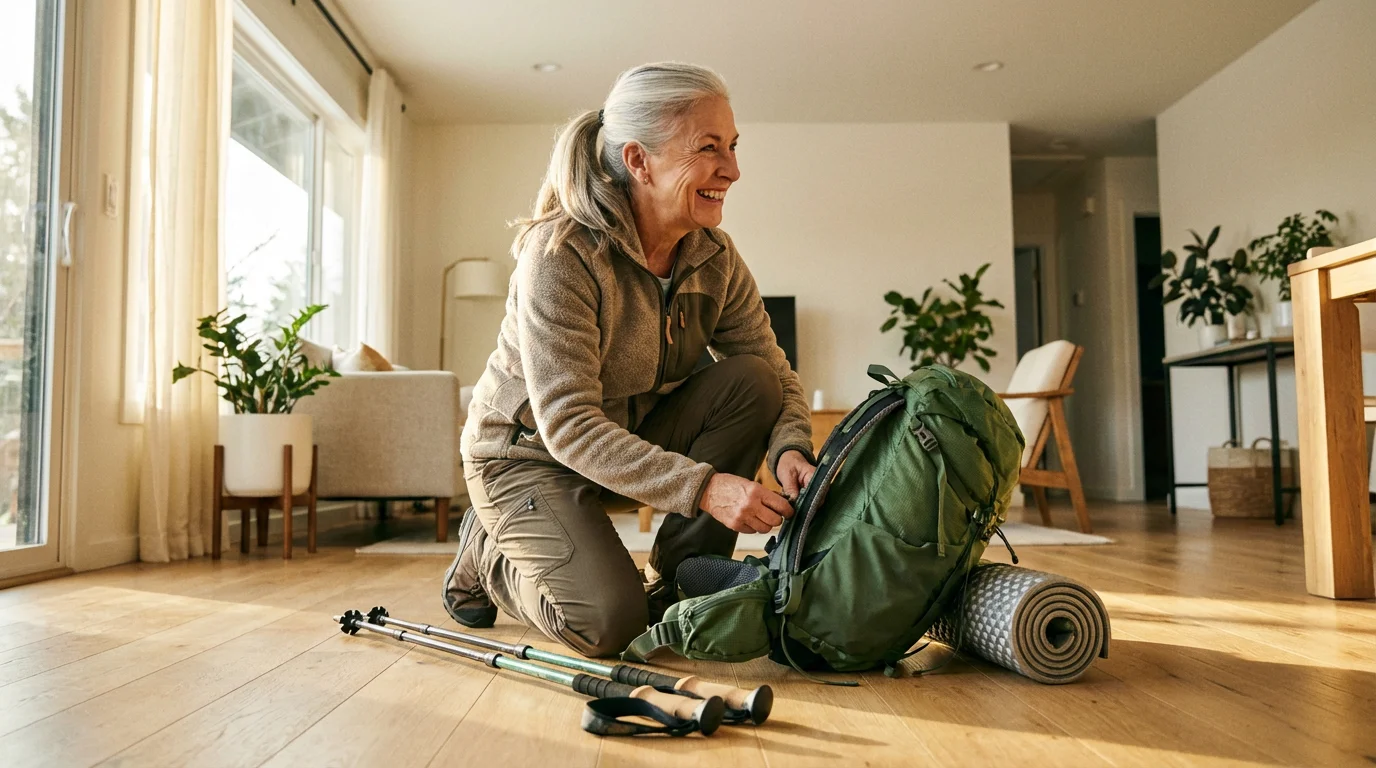
Redefining Adventure: Why Now is Your Time to Backpack
Traditional retirement narratives often suggest a slowing down, a retreat to predictable routines. You defy these expectations. Modern retirement is an opportunity to accelerate your passions, embark on new journeys, and rewrite your personal story. Backpacking embodies this spirit perfectly.
For those just starting out, exploring national parks offers a range of well-mapped trails and facilities that make transitioning to backpacking much easier.
Some even take it a step further, combining their travels with a digital nomad retirement style that keeps them connected to the world while on the move.
It offers unique benefits that align with a forward-thinking lifestyle. You gain independence, resilience, and a profound connection to the world around you. This active pursuit keeps your mind sharp and your body engaged, fostering a sense of youthful vitality that lasts throughout your travels.
“Age is no barrier. It’s a limitation you put on your mind.” — Jackie Joyner-Kersee
Moreover, the world has become more welcoming to travelers of all ages. Technology simplifies navigation, communication, and safety. Diverse communities worldwide embrace and support travelers, creating a network of shared experiences. Your accumulated life wisdom enhances your travel, allowing for deeper engagement and appreciation of new places.
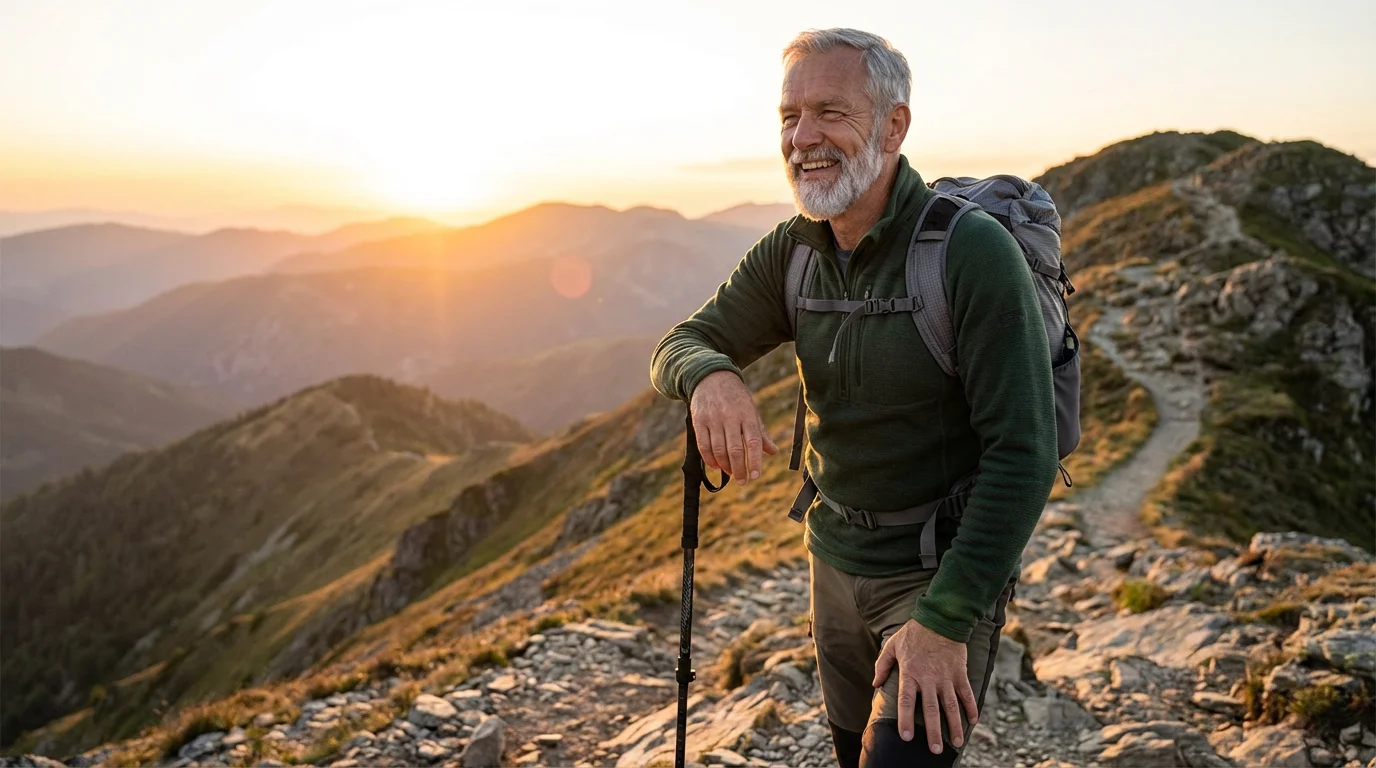
The Ultralight Advantage: Pack Smart, Travel Far
The concept of ultralight travel revolutionizes backpacking for everyone, especially for senior backpacking enthusiasts. It means carrying less weight, which translates directly to less strain on your body, increased comfort, and greater mobility on the trail or through bustling cities. An ultralight approach allows you to travel farther, faster, and more comfortably, focusing on the experience rather than the burden of your gear.
This philosophy of prioritizing only the essentials is a lesson often learned when downsizing your home for a more streamlined life.
The mobility gained from ultralight gear also makes it easier to transition between destinations if you are house sitting as a way to see the world more slowly.
Beyond physical ease, mastering budget travel tips ensures that your financial resources are as lightweight and efficient as your gear.
You do not need to sacrifice essentials. Instead, you make intentional choices about every item you pack. This philosophy encourages efficiency, durability, and multi-purpose use for all your equipment. By reducing your pack weight, you minimize fatigue, lower the risk of injury, and enhance your overall enjoyment of the journey. For instance, a lighter pack often reduces knee and back stress, enabling you to hike longer distances or navigate airports with greater ease.
What are the best backpacks for senior travelers? Look for models designed for comfort and adjustability, prioritizing an excellent fit over maximum capacity. Many modern packs offer customizable hip belts and shoulder straps, distributing weight effectively across your core. Focus on packs in the 30-50 liter range for multi-day trips, ensuring they weigh less than 3 pounds when empty.
Here are the key principles of ultralight gear selection:
- Minimize Base Weight: This refers to the weight of your pack without consumables like food or water. Aim for a base weight under 15 pounds for extended trips.
- Multi-Purpose Items: Choose gear that serves more than one function. A trekking pole doubles as a tent support, a bandana works as a towel and head covering.
- Leave No Trace: This ecological principle also applies to your gear. Pack only what you truly need and use.
- Durable, Lightweight Materials: Invest in high-quality items made from advanced materials like Dyneema Composite Fabric (DCF) or ripstop nylon.
- Digital First: Replace physical maps and books with digital versions on your smartphone or e-reader.
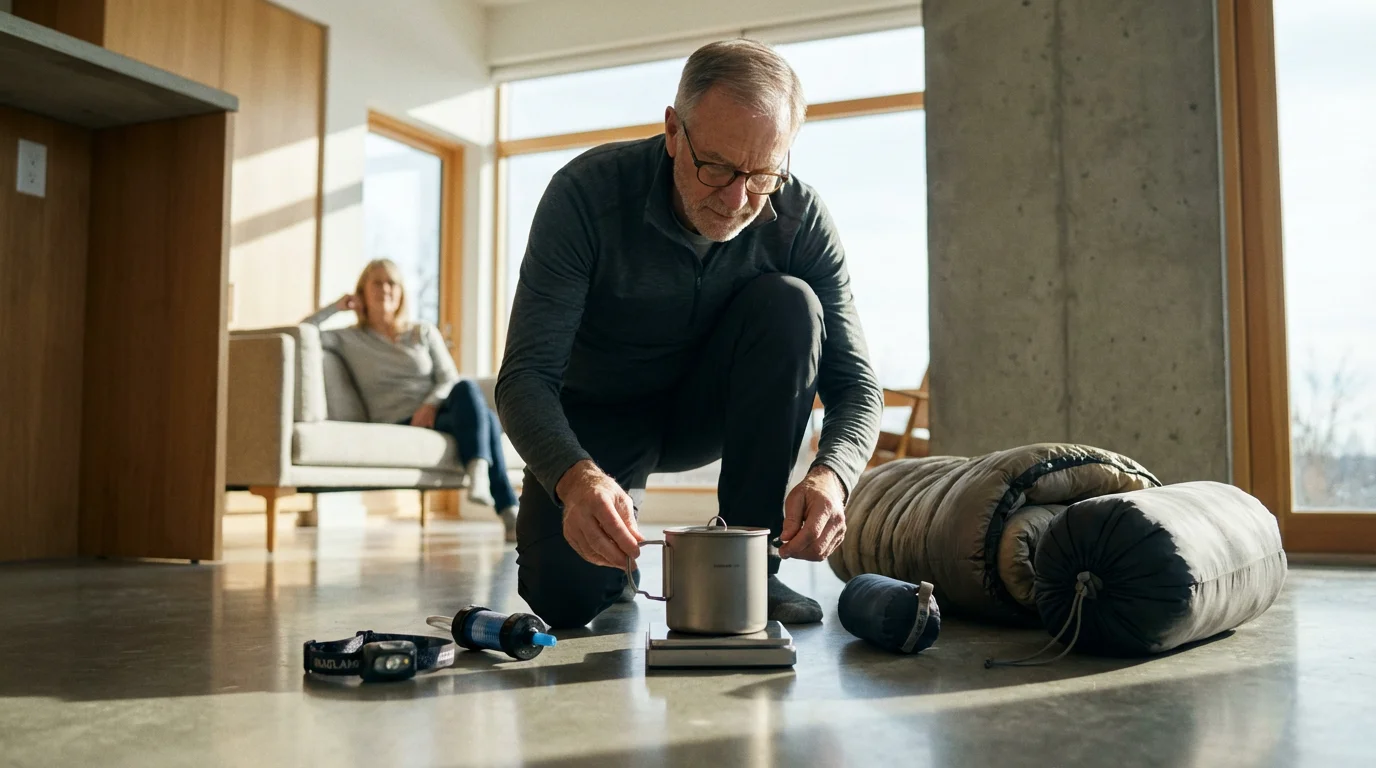
Gearing Up: Essential Ultralight Backpacking Equipment
Selecting the right gear is paramount for a successful and comfortable backpacking trip. Your choices directly impact your experience. Embrace technology and innovation to find the lightest, most efficient options available.
The Backpack: Your Mobile Home
Choose a pack that fits your torso length and hip circumference precisely. Many outdoor retailers offer professional fitting services. Look for packs with good ventilation, external pockets for easy access to water or snacks, and a comfortable suspension system. Brands like Osprey, Gregory, and ULA Equipment offer excellent ultralight options. Consumer Reports often features reviews of durable and ergonomic backpack designs, providing data-driven recommendations for various body types and needs.
Footwear: Your Foundation
Proper footwear prevents discomfort and injury. Consider lightweight hiking shoes or trail runners instead of heavy boots for most terrains. Ensure they offer good ankle support and waterproof features if you anticipate wet conditions. Break them in thoroughly before your trip. Always bring a pair of lightweight camp sandals or recovery slides for evenings, giving your feet a much-needed break.
Clothing: The Layering System
Adopt a layering system using synthetic or merino wool fabrics. These materials wick moisture, dry quickly, and regulate temperature better than cotton.
- Base Layer: Wicks moisture away from your skin.
- Mid-Layer: Provides insulation (fleece or lightweight down jacket).
- Shell Layer: Offers protection from wind and rain (waterproof jacket and pants).
Pack versatile items that you can mix and match, reducing the overall number of garments you need.
Shelter and Sleep System
For overnight trips, an ultralight tent or hammock system provides shelter. Modern tents weigh as little as two pounds. Combine this with a lightweight sleeping bag or quilt appropriate for the expected temperatures, and an inflatable sleeping pad for insulation and comfort. This setup dramatically cuts down on bulk and weight compared to traditional camping gear.
Cooking and Hydration
A small, efficient stove and a titanium pot can handle your cooking needs. Consider cold soaking if you want to eliminate stove weight entirely. Always carry a water filter or purification tablets, ensuring access to safe drinking water on the go. Hydration bladders integrate well into many backpacks, making water access easy without stopping.
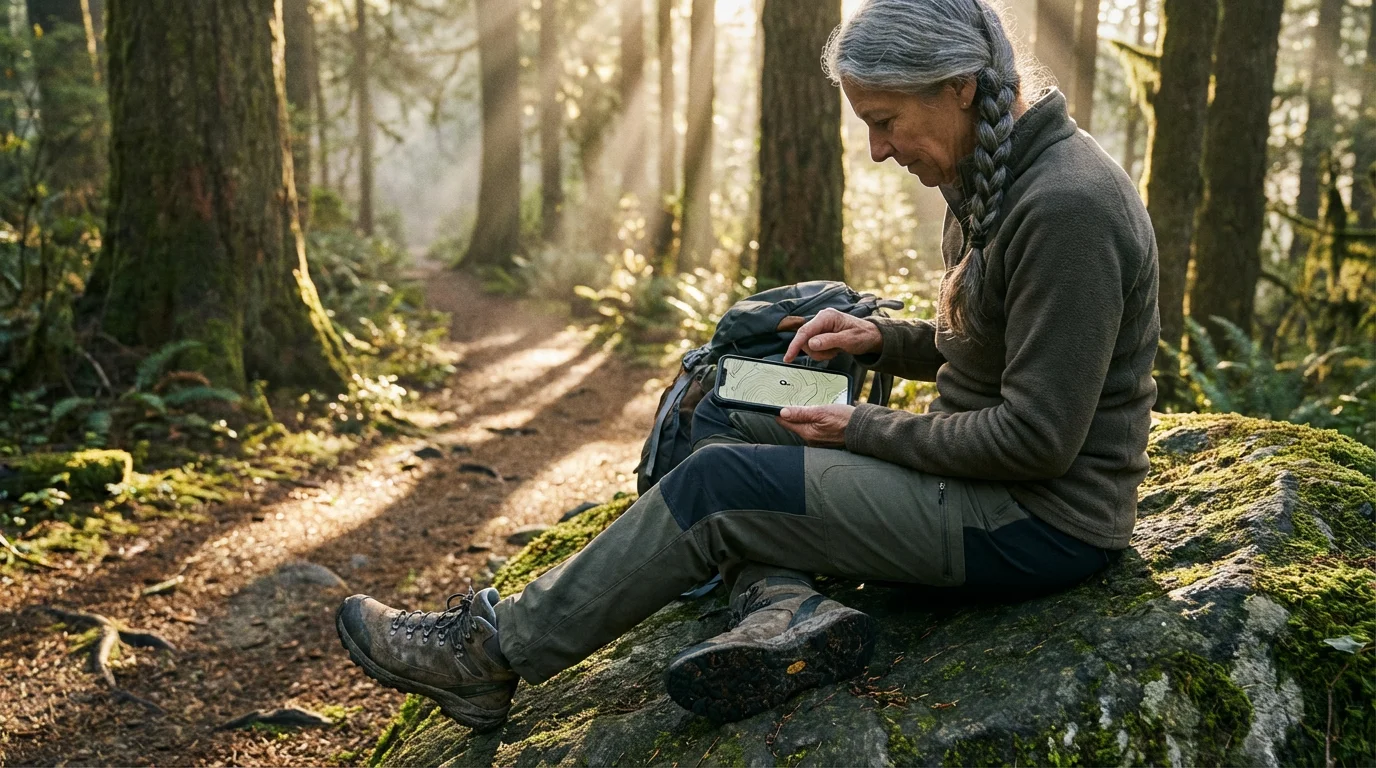
Navigating the Digital Trail: Apps and Tech for Modern Backpackers
Technology empowers you to explore with confidence and stay connected. Your smartphone becomes an invaluable tool, replacing bulky maps, guidebooks, and even some safety equipment. Embrace these digital aids to enhance your backpacking experience.
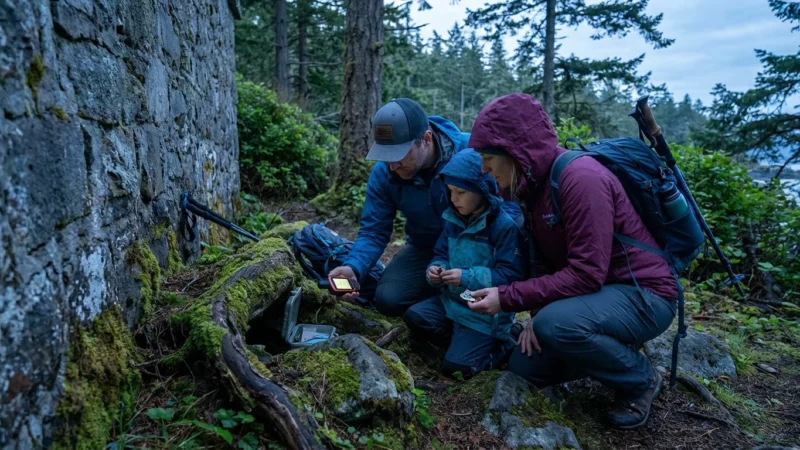
If you are looking for a way to gamify your hikes, your GPS devices are perfect for engaging in geocaching adventures along the way.
Capturing these moments is vital, so consider refining your digital photography skills to document your scenic achievements.
Essential Navigation Apps
These apps put detailed maps and route-finding capabilities directly into your hand, often working offline.
- AllTrails: Offers a vast database of hiking trails with user reviews, photos, and downloadable maps.
- Gaia GPS: Provides highly detailed topographic maps for off-grid navigation, tracking, and route planning.
- Google Maps (Offline): Download regional maps before you go for general navigation in areas with no service.
Communication and Safety Tools
Staying in touch and having emergency options provides peace of mind.
- WhatsApp/Signal: For free, encrypted communication via Wi-Fi or data.
- Garmin inReach Mini: A satellite communicator for emergency SOS, two-way texting, and GPS tracking when off-grid. This device offers vital safety, particularly for remote senior backpacking adventures.
- NOAA Weather Radar Live: Real-time weather updates to help you anticipate conditions.
Health and Wellness Support
Monitor your health and access crucial information quickly.
- First Aid App (American Red Cross): Immediate guidance for common injuries and emergencies.
- Medisafe: Helps you remember to take medications on schedule.
- Wearable Tech: Smartwatches from Apple or Garmin monitor heart rate, steps, and even detect falls, providing an extra layer of safety.
Language and Learning
Break down communication barriers and deepen your cultural immersion.
- Google Translate: Instant translation of spoken words and text via camera.
- Duolingo: Practice key phrases in your destination’s language before and during your trip.
Always carry a portable power bank or solar charger to keep your devices charged, especially for navigation and emergency communication.
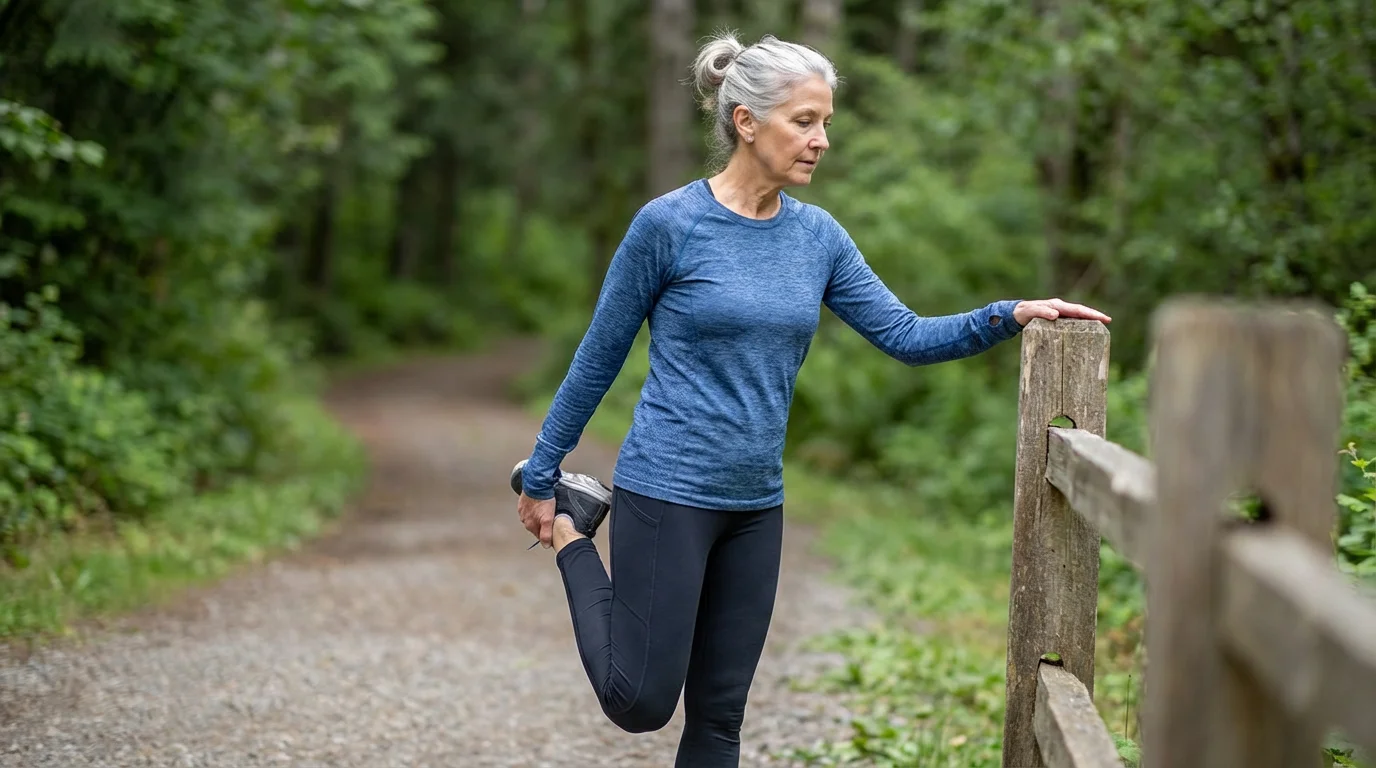
Preparing Your Body: Fitness and Health for the Trail
Your physical readiness is a cornerstone of an enjoyable backpacking experience. You do not need to be an Olympic athlete, but you benefit immensely from a targeted fitness regimen. Think of this as an investment in your adventure, ensuring you can tackle challenges with confidence and minimize strain. This is a crucial step for how to prepare for a backpacking trip effectively.
Consult your doctor before starting any new exercise program, especially if you have pre-existing conditions. They can offer personalized advice and identify any specific limitations or considerations. Many modern retirees proactively engage with their healthcare providers to optimize their active lifestyles.
Your training should focus on three main areas: cardiovascular endurance, strength, and flexibility.
Cardiovascular Endurance
This helps your heart and lungs efficiently deliver oxygen to your muscles during sustained activity.
- Walking: Start with daily walks, gradually increasing duration and intensity. Incorporate hills or stairs to simulate trail conditions.
- Hiking with a Pack: Begin with short hikes carrying a light pack, gradually increasing the weight to mimic your actual ultralight travel gear.
- Cycling or Swimming: Excellent low-impact options to build endurance without stressing joints.
Aim for at least 30-45 minutes of moderate-intensity cardio most days of the week.
Strength Training
Strong muscles support your joints and help you carry your pack more easily. Focus on your core, legs, and back.
- Leg Exercises: Squats, lunges, and calf raises build strength for uphill climbs and descents.
- Core Work: Planks and bird-dogs strengthen your abdomen and lower back, crucial for pack stability.
- Upper Body: Light rows and overhead presses improve posture and arm strength for trekking poles.
Perform strength training 2-3 times per week, allowing rest days in between. Harvard Health Publishing provides comprehensive guides on safe and effective strength training for older adults, emphasizing proper form and progressive overload.
Flexibility and Balance
These prevent injuries and improve your agility on uneven terrain.
- Stretching: Incorporate daily stretches for major muscle groups, especially your hamstrings, quads, and hips.
- Yoga or Tai Chi: Excellent for improving flexibility, balance, and mindfulness.
- Balance Exercises: Practice standing on one foot or walking heel-to-toe to enhance stability.
Remember, consistency is key. Begin your preparation several months before your trip, allowing your body ample time to adapt and strengthen.
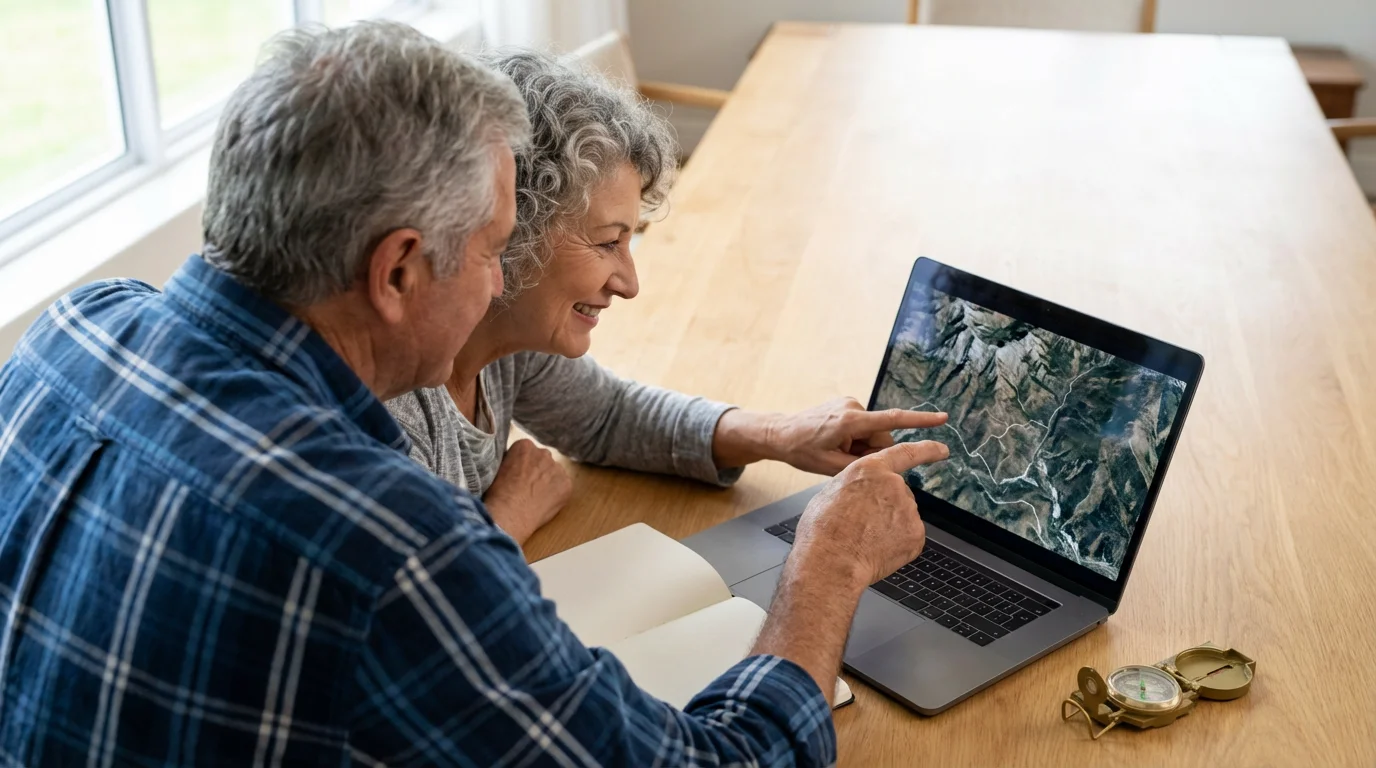
Mastering the Logistics: Planning Your Ultralight Adventure
Successful backpacking, particularly ultralight travel, hinges on meticulous planning. You gain confidence and minimize unexpected challenges by thinking through the details beforehand. This involves more than just packing; it means researching destinations, understanding local customs, and ensuring your personal safety. This is another critical component for how to prepare for a backpacking trip.
Route Planning and Research
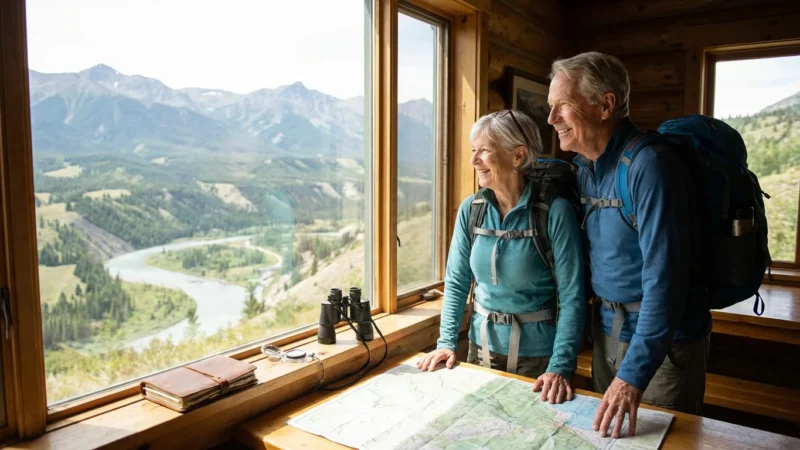
Choose trails or routes appropriate for your fitness level and experience. Consider factors like elevation gain, daily mileage, water sources, and potential weather hazards. Use online resources and guidebooks for detailed information. If traveling internationally, research visa requirements, local transportation, and cultural norms.
Permits and Reservations
Many popular backpacking trails, national parks, or long-distance routes require permits for overnight stays or even day use. Secure these well in advance, as they often have quotas. If you plan to stay in hostels or guesthouses, book accommodations ahead of time, especially during peak seasons.
Travel Insurance
Invest in comprehensive travel insurance that covers medical emergencies, trip cancellation, and repatriation. Ensure it specifically covers backpacking or hiking activities, as some policies have exclusions for adventure sports. This provides a vital safety net for any unforeseen circumstances.
Budgeting Your Adventure
Outline a realistic budget encompassing transportation, accommodation, food, permits, and emergency funds. Ultralight travel can be more cost-effective as you rely less on external services, but account for unexpected expenses. NerdWallet offers excellent resources on travel budgeting strategies, helping you track and manage your finances effectively.
Packing a “Soft” First Aid Kit
Beyond basic bandages, consider blister treatment, pain relievers, anti-inflammatory medication, and any personal prescriptions. Include a small amount of duct tape for gear repairs. Pack all medical items in a clearly labeled, waterproof bag for easy access.
Here is a pre-trip planning checklist:
- Research destination, climate, and potential hazards.
- Secure all necessary permits, visas, and reservations.
- Purchase comprehensive travel insurance.
- Inform a trusted contact of your itinerary.
- Review and update all essential documents (passport, IDs, medical records).
- Set up international phone plans or acquire local SIM cards.
- Develop a realistic daily budget.
- Download offline maps and relevant apps.
- Test all gear, especially new equipment.
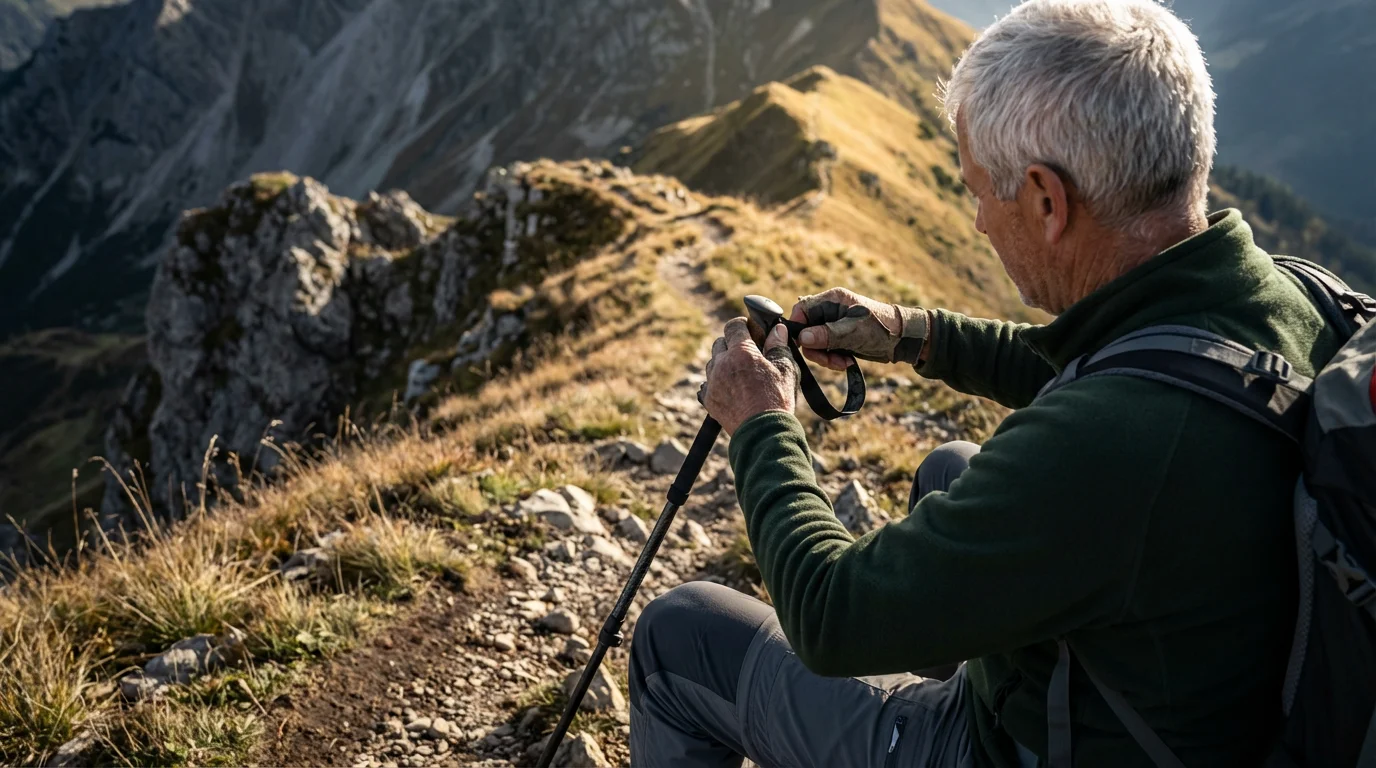
On the Trail: Tips for a Seamless Experience
Once your planning is complete and your gear is dialed in, the trail awaits. Your actual backpacking experience involves managing your energy, staying present, and adapting to the dynamic environment. Embrace these strategies to ensure a rewarding journey.
Pace Yourself
Listen to your body. Do not feel compelled to keep up with younger hikers. Maintain a comfortable pace that allows you to enjoy the scenery and conserve energy. Take frequent, short breaks for hydration and snacks. Remember, this is your adventure, designed on your terms.
Stay Hydrated and Fueled
Consistent hydration prevents fatigue and cramping. Drink water regularly, even if you do not feel thirsty. Carry easily accessible snacks like nuts, dried fruit, or energy bars to maintain your energy levels throughout the day. Plan your water refills carefully, especially in arid regions.
Embrace Flexibility
The trail often presents unexpected turns, literally and figuratively. Weather changes, trail conditions vary, or you might discover an intriguing detour. Remain adaptable. Sometimes the best adventures come from unplanned moments. Do not stress over minor deviations from your original plan.
Practice Mindful Movement
Pay attention to your foot placement, especially on uneven terrain. Use trekking poles for stability, balance, and to reduce impact on your knees. Engage your core as you walk to maintain good posture and distribute pack weight efficiently.
Leave No Trace Principles
Protect the natural environment for future generations. Pack out everything you pack in, stay on marked trails, and minimize your impact on wildlife and vegetation. This conscious approach enhances your connection to nature.
These trail-smart strategies ensure you enjoy every step of your backpacking journey:
- Start early to avoid midday heat and enjoy longer daylight hours.
- Layer your clothing effectively to adapt to changing temperatures.
- Communicate regularly with your hiking partners about your needs and pace.
- Take time to observe and appreciate your surroundings.
- Know your limits and be willing to turn back if conditions become unsafe.
Frequently Asked Questions
Can I really start backpacking in my retirement years?
Absolutely. Many modern retirees discover a passion for backpacking, finding it invigorates their lives. With proper preparation, ultralight gear, and a fitness plan tailored to your body, age poses no barrier to exploring trails worldwide.
What are the essential items for an ultralight backpacking trip?
Key essentials include a lightweight backpack, appropriate layering clothing, a compact sleeping system, a water filter, basic first aid, navigation tools (like a GPS app), and a headlamp. Focus on items that are durable and serve multiple purposes.
How do I choose the right backpack for senior travelers?
Look for backpacks specifically designed for comfort, adjustability, and proper weight distribution. Prioritize an excellent fit with customizable hip belts and shoulder straps. Test packs with weight inside to assess comfort. Lightweight designs, typically under 3 pounds when empty, are ideal.
What kind of physical preparation do I need for backpacking?
Your preparation should include a mix of cardiovascular endurance training (walking, hiking), strength training (focusing on legs, core, and back), and flexibility exercises. Consult your doctor before starting any new fitness routine. Begin training several months before your trip.
Is it safe to backpack alone after retirement?
Solo backpacking offers immense freedom, but it demands extra precautions. Always inform someone of your itinerary, carry a satellite communication device like a Garmin inReach, and stick to well-trafficked trails in areas you know well. Consider joining guided trips or groups for your first few solo adventures.
Disclaimer: This article is for informational purposes. Technology, apps, and services mentioned may change over time. We encourage readers to research current options and consider their individual needs when making decisions.
Leave a Reply