
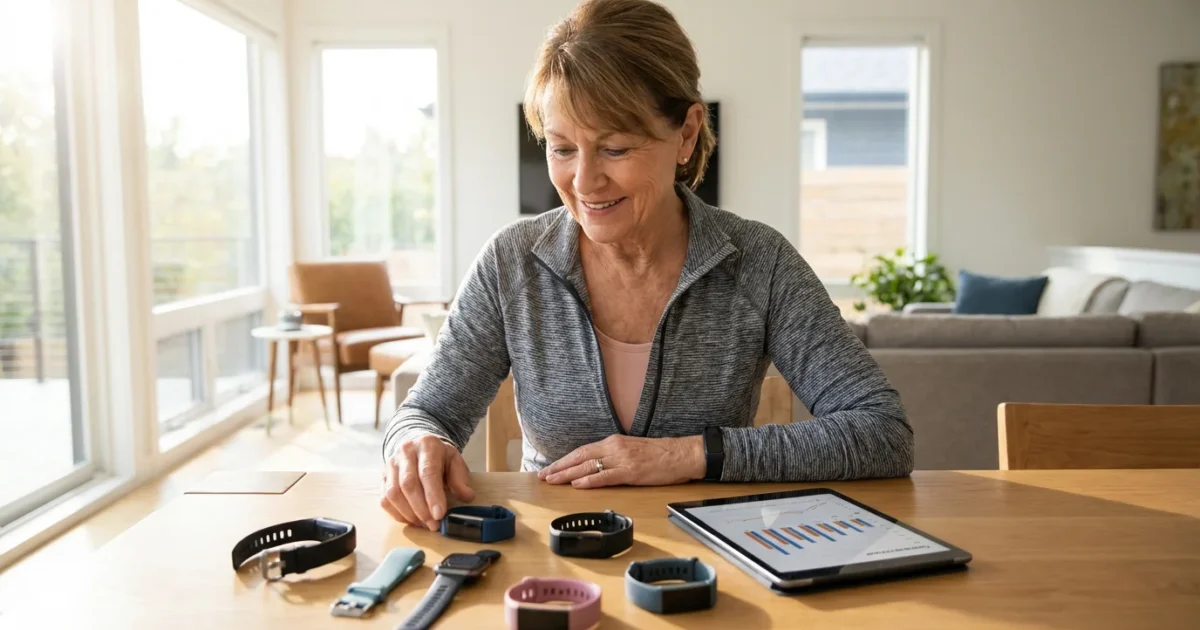
Retirement in the modern age looks nothing like previous generations envisioned. You are not slowing down; you are embracing new adventures, discovering passions, and prioritizing your well-being. Technology serves as a powerful ally on this journey, and a fitness tracker stands out as an indispensable tool. It empowers you to monitor your health, stay motivated, and truly thrive in your active retirement. This guide helps you navigate the options, ensuring you choose the right wearable tech to support your vibrant lifestyle.
Integrating these tools into your daily life is an excellent step when crafting your retirement vision board and defining your long-term wellness goals.

Why a Fitness Tracker is Your Next Essential for Active Living
Embracing an active retirement requires tools that support your goals. A fitness tracker provides real-time data, encourages consistent activity, and offers insights into your overall health. It moves beyond simple step counting to deliver a holistic view of your physical well-being. You gain a powerful personal health assistant strapped right to your wrist.
Many people wonder, “how do fitness trackers help seniors?” These devices offer numerous tangible benefits for an older, active demographic. They provide objective feedback on your daily movement, sleep patterns, and heart health. This data helps you make informed decisions about your lifestyle choices. According to Harvard Health, regular physical activity significantly reduces the risk of chronic diseases and improves cognitive function, areas where fitness trackers provide measurable support.
Your fitness tracker acts as a motivator and a data source. It celebrates your progress, reminds you to move, and keeps you engaged with your health journey. You gain the confidence that comes from understanding your body better and proactively managing your well-being.

Understanding Key Features in Wearable Tech for Modern Retirees
Modern wearable tech offers a vast array of features. Understanding which ones matter most helps you narrow down your choices for a fitness tracker that genuinely serves your needs. Focus on functionalities that enhance your lifestyle and support your health goals.
For those seeking more rugged adventures, the right GPS features make backpacking after retirement both safer and easier to track.
Key features typically include:
- Activity Tracking: Measures steps taken, distance covered, calories burned, and active minutes. This provides a baseline understanding of your daily movement.
- Heart Rate Monitoring: Continuously tracks your heart rate, offering insights into your cardiovascular health during rest and exercise. Some trackers provide high and low heart rate alerts.
- Sleep Tracking: Analyzes sleep stages (light, deep, REM) and sleep duration, helping you understand and improve your rest quality. Good sleep is crucial for energy and recovery.
- GPS: Built-in GPS accurately tracks outdoor activities like walking, running, or cycling without needing your phone. This is invaluable for mapping routes and tracking distances.
- Blood Oxygen (SpO2) Monitoring: Measures the oxygen saturation level in your blood, offering insights into respiratory health and potential sleep disturbances.
- ECG (Electrocardiogram) Capability: Detects signs of atrial fibrillation (AFib), an irregular heart rhythm. This feature can be a significant health monitoring tool.
- Fall Detection: Select smartwatches include sensors that can detect a hard fall and automatically call emergency services or designated contacts. This provides peace of mind.
- Water Resistance: Essential for swimming, showering, or simply resisting splashes and sweat. Look for ratings like 5 ATM for swimming suitability.
- Battery Life: Varies significantly between devices. Simpler fitness bands often last days or weeks, while feature-rich smartwatches typically require daily or every-other-day charging.
- Ease of Use and Display: A bright, clear display and intuitive navigation are paramount. Consider touchscreen responsiveness and button functionality.
The right fitness tracker combines these features in a way that aligns with your daily routine and health priorities.
Choosing the Right Fit: Smartwatches Versus Dedicated Fitness Bands
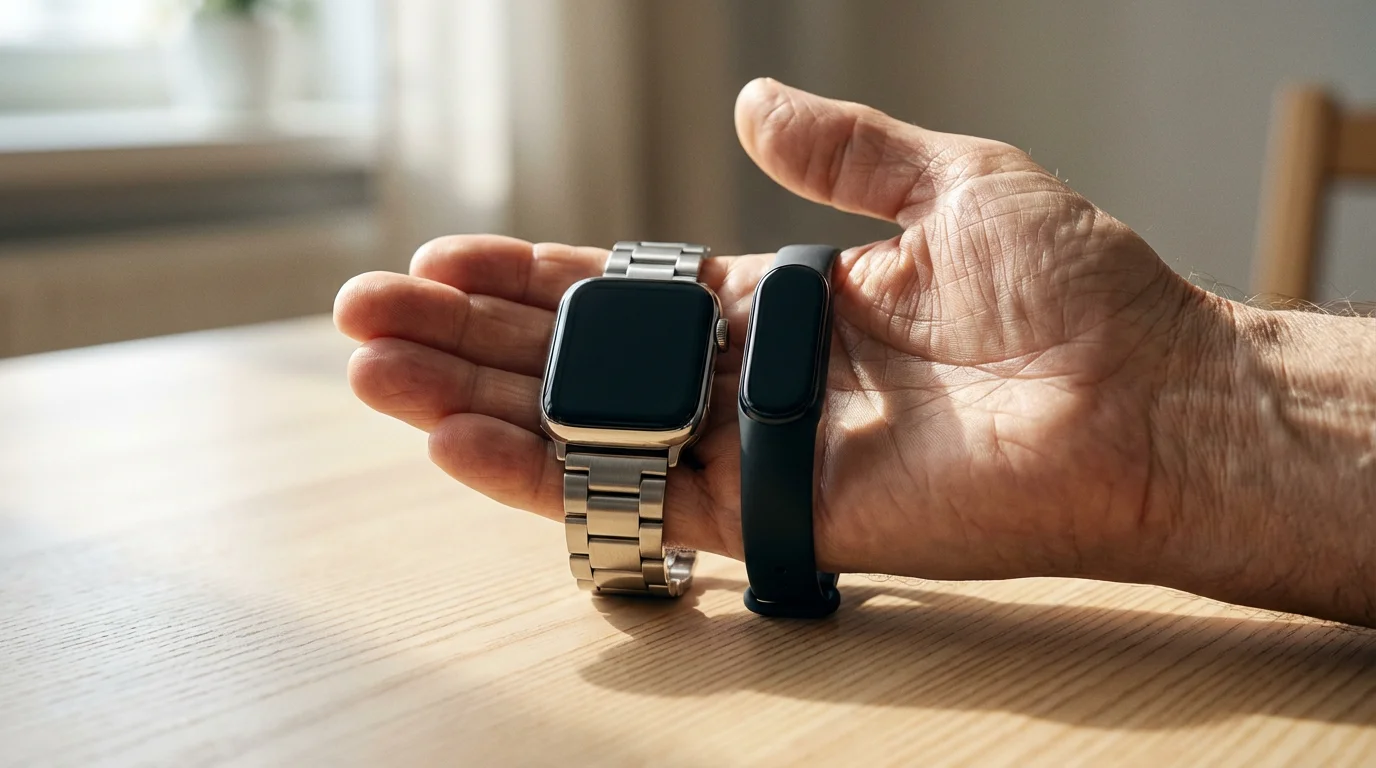
When you consider what fitness tracker buy, you primarily choose between two main categories: smartwatches and dedicated fitness bands. Each offers distinct advantages, catering to different preferences and needs.
Beyond fitness, these wearables are part of a broader suite of gadgets that make aging in place easier by providing security and health monitoring.
Smartwatches: The Versatile Companion
Smartwatches, like the Apple Watch or Samsung Galaxy Watch, offer a comprehensive suite of features. They seamlessly integrate with your smartphone, providing notifications, call handling, mobile payments, and access to a wide range of apps. You get advanced health monitoring, including ECG, blood oxygen, and often fall detection. Their vibrant, customizable displays make interaction easy, and they often come with robust GPS capabilities.
Consider a smartwatch if:
- You desire a device that extends your smartphone’s functionality to your wrist.
- Advanced health features like ECG or fall detection are high priorities.
- You appreciate a larger, more interactive display and diverse app ecosystem.
- You do not mind charging your device every day or two.
Dedicated Fitness Bands: The Focused Tracker
Fitness bands, such as those from Fitbit or Garmin, prioritize core health and activity tracking. They generally feature a more streamlined design, longer battery life, and a simpler interface. While they offer essential metrics like steps, heart rate, and sleep, they usually lack the advanced communication and app capabilities of smartwatches. They often come at a more accessible price point.
Opt for a dedicated fitness band if:
- Your primary goal is to track activity, sleep, and basic heart rate.
- You prefer a less intrusive device with a longer battery life.
- Simplicity and ease of use are more important than advanced smartphone integration.
- Budget is a significant factor in your decision.
Your choice depends on your desired level of connectivity and health monitoring, balanced with practical considerations like battery life and budget.
Top Considerations When You What Fitness Tracker Buy
Making an informed decision about your fitness tracker involves weighing several practical factors. These considerations ensure your chosen wearable tech aligns perfectly with your active retirement lifestyle and expectations.
Key aspects to evaluate include:
- Accuracy and Reliability: Research device reviews from reputable sources like Consumer Reports or CNET to understand how accurately a tracker measures heart rate, steps, and sleep. Consistent, reliable data is crucial for effective health monitoring.
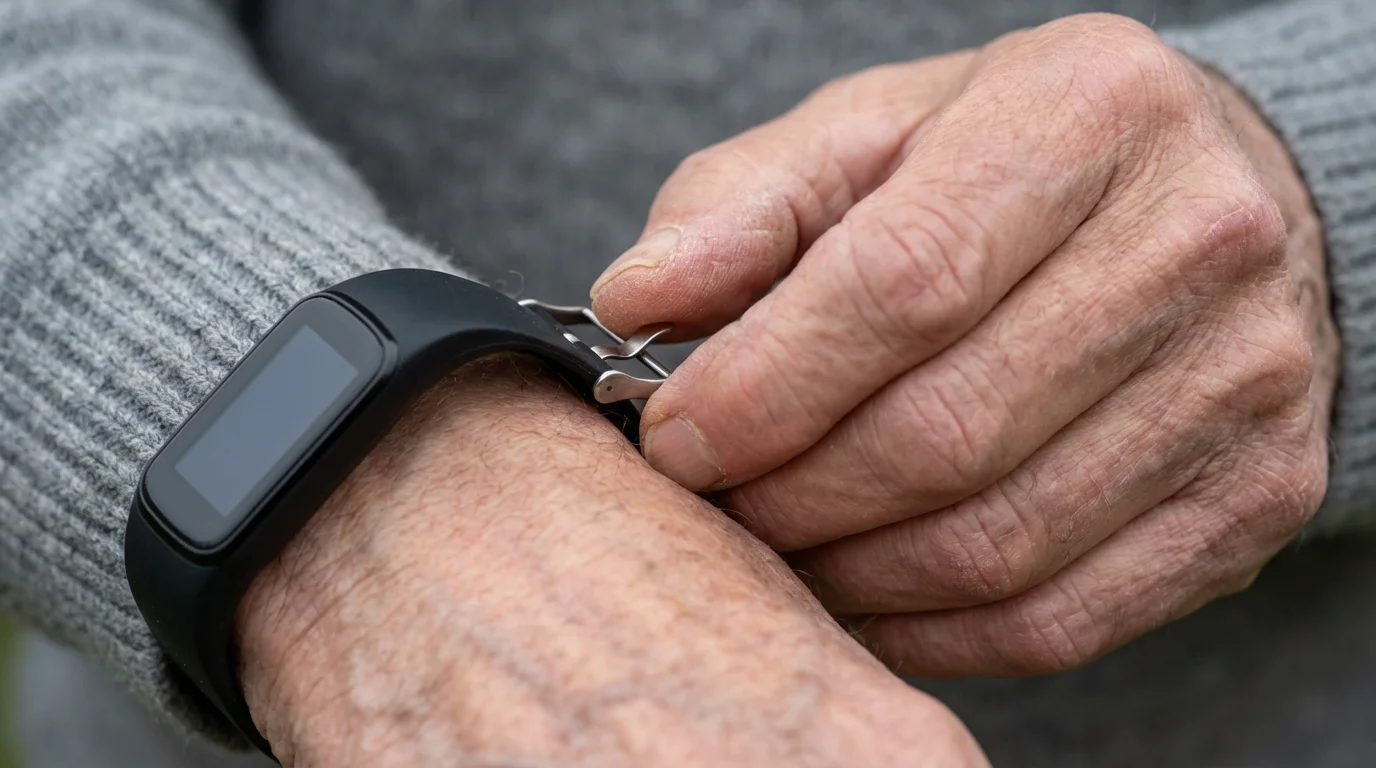
- Comfort and Design: You will wear this device daily, so comfort is paramount. Consider the material of the band, the weight of the device, and its overall fit. Many trackers offer interchangeable bands, allowing for personalization.
- Battery Life: Decide how often you are willing to charge your device. Smartwatches often require daily charging, while some fitness bands last for weeks. Longer battery life provides convenience, especially when traveling.
- Display and Interface: A clear, bright display visible in various lighting conditions is essential. Easy-to-read fonts and intuitive navigation ensure a positive user experience. Some prefer touchscreens, while others might favor physical buttons.
- App Integration and Ecosystem: Most fitness trackers connect to a companion app on your smartphone. Evaluate the app’s user-friendliness, data visualization, and compatibility with other health apps you might use. Consider if it integrates with family sharing features if that is important to you.
- Durability and Water Resistance: An active lifestyle demands a durable device. Look for scratch-resistant screens and sufficient water resistance for your activities, whether it is sweating during a workout or swimming laps.
- Price and Value: Fitness trackers range from under $100 to over $400. Determine your budget and evaluate the features offered at each price point. A higher price does not always mean better value for your specific needs.
- Privacy and Data Security: Understand how the company collects, stores, and uses your personal health data. Review their privacy policy. You want assurance that your sensitive information remains protected.
By carefully considering these points, you can confidently choose a fitness tracker that truly enhances your journey into modern retirement.
Maximizing Your Fitness Tracker for Enhanced Senior Health
Owning a fitness tracker is only the first step; actively using its capabilities maximizes its impact on your senior health. This wearable tech provides more than just numbers; it offers a pathway to a more informed, proactive approach to well-being.
Your new device is also a perfect companion for geocaching adventures, helping you track your mileage while searching for hidden caches.
Here are actionable ways to leverage your device:
- Set Realistic Goals: Start with achievable targets for steps, active minutes, or sleep duration. Gradually increase your goals as your fitness improves. Many apps provide guided goal-setting features.
- Monitor Trends, Not Just Daily Numbers: Look at your data over weeks and months to identify patterns. Are you sleeping better after certain activities? Does your heart rate vary predictably? These trends offer valuable insights into your health journey.
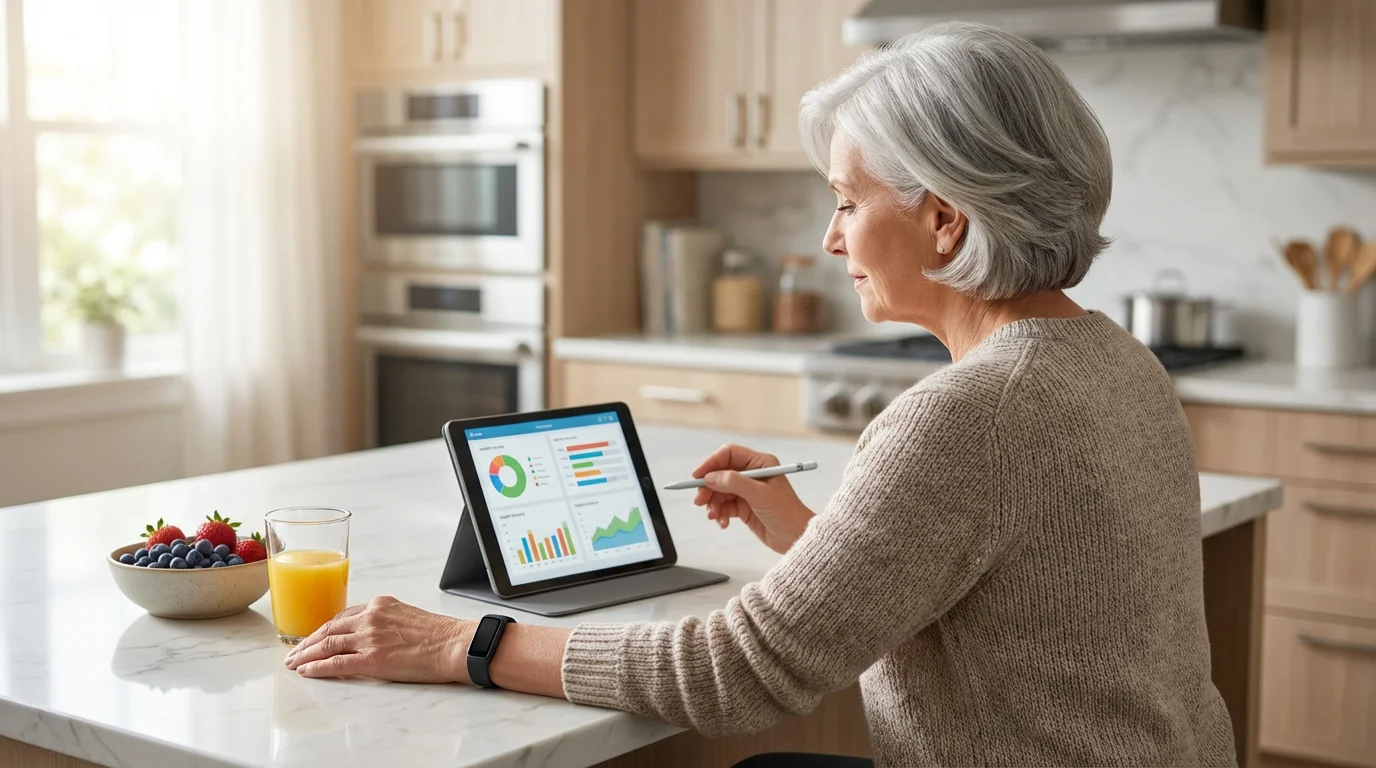
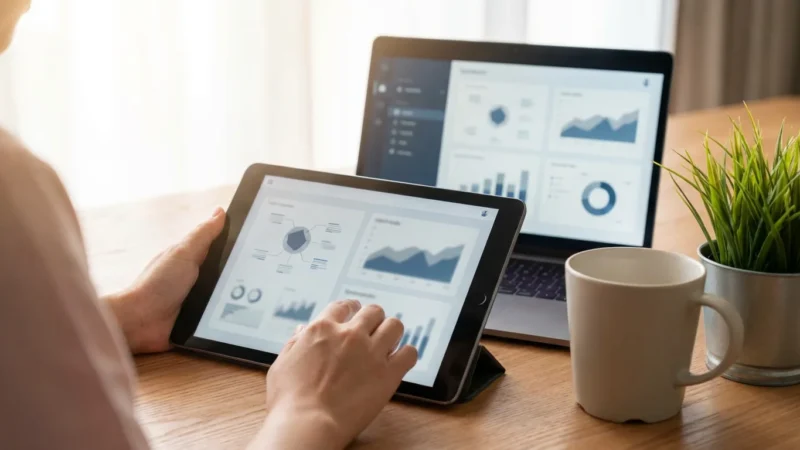
- Engage with the Companion App: The app is where the magic happens. Explore its features for detailed graphs, personalized insights, and historical data. Use it to log food, hydration, and even moods, if available.
- Participate in Challenges: Many fitness tracker apps offer community challenges or virtual races. This friendly competition or collaborative goal-setting can boost motivation and connect you with others.
- Share Data with Healthcare Providers: Your fitness tracker collects valuable objective data. Discussing your activity levels, sleep patterns, and heart rate trends with your doctor provides a clearer picture of your health. This data can inform treatment plans or lifestyle recommendations. According to AARP, sharing data with your doctor can lead to more personalized and effective care.
- Utilize Reminders: Set reminders to move throughout the day, drink water, or even take medication. These small nudges can significantly impact your daily habits.
Your fitness tracker becomes a powerful partner in maintaining and improving your health when you actively engage with its features and data.
Beyond the Basics: Advanced Features Supporting Your Retirement Journey
Modern fitness trackers offer capabilities far exceeding simple step counts. For tech-savvy retirees, these advanced features provide convenience, safety, and an enriched lifestyle experience. You can choose to integrate technology deeply into your daily routine.
Consider these sophisticated functionalities:
- Smart Home Integration: Some smartwatches can control smart home devices directly from your wrist. Adjust lights, thermostats, or lock doors without reaching for your phone.
- Medication Reminders: Set customized alerts directly on your device, ensuring you never miss a dose. This feature helps manage complex medication schedules with ease.
- Emergency SOS and Contact Alerts: Beyond fall detection, many devices allow you to manually trigger an emergency call or alert designated contacts with your location. This offers a critical layer of safety.
- Stress Monitoring and Mindfulness Prompts: Utilizing heart rate variability, some trackers assess your stress levels and offer guided breathing exercises or mindfulness prompts to help you relax and recenter.
- Contactless Payments: Leave your wallet at home. Many smartwatches enable secure payments directly from your wrist at compatible terminals.
- Music Storage and Control: Enjoy your favorite playlists during workouts without carrying your phone. Control playback directly from your fitness tracker.
- On-Device Workouts and Coaching: Access guided workouts, strength training routines, or yoga flows directly from your wrist. Some devices even offer personalized coaching based on your performance.
These advanced features transform your fitness tracker from a simple health monitor into a versatile personal assistant, enhancing your independence and connecting you to your world.
Age is no barrier. It’s a limitation you put on your mind. — Jackie Joyner-Kersee
Navigating Privacy and Data Security with Your Wearable Tech
As your fitness tracker collects sensitive health data, understanding privacy and data security becomes paramount. You need assurance that your personal information remains protected. Be proactive in managing your digital footprint.
Follow these guidelines for safeguarding your data:
- Review Privacy Policies: Before purchasing, take time to read the privacy policy of the device manufacturer and app. Understand what data they collect, how they use it, and whether they share it with third parties.
- Use Strong Passwords: Secure your companion app account with a unique, strong password. Enable two-factor authentication if the option is available.
- Control Data Sharing: Most apps allow you to control what data you share. Be selective about sharing your health information with third-party apps or social networks. You always maintain the right to decide.
- Understand Cloud Storage: If your data syncs to the cloud, verify the security measures employed by the service. Ensure your data is encrypted both in transit and at rest.
- Keep Software Updated: Regularly update your fitness tracker’s firmware and its companion app. Updates often include security patches that protect against vulnerabilities.
- Consider Guest or Family Accounts: If multiple family members use the same brand of tracker, ensure individual profiles or accounts prevent data intermingling.
Taking these steps ensures you enjoy the benefits of your wearable tech without compromising your personal data.
Getting Started: Tips for Integrating Your New Fitness Tracker
Acquiring a new fitness tracker is exciting. Getting it set up correctly and seamlessly integrating it into your daily life ensures you maximize its benefits. These practical steps make your transition smooth and enjoyable.
Here are key tips for a successful start:
- Charge Fully Before First Use: Ensure your device receives a complete charge before you begin the setup process. This prevents interruptions during initial configuration.
- Download the Companion App: Locate and install the official companion app on your smartphone or tablet. You will find it in your device’s app store (Apple App Store for iOS, Google Play Store for Android).
- Pair Your Device: Follow the on-screen instructions in the app to pair your fitness tracker via Bluetooth. This step connects your wearable tech to your phone.
- Complete Your Profile: Accurately enter your age, height, weight, and gender in the app. This information helps the tracker provide more precise calorie burn and activity estimations.
- Explore Settings and Customizations: Dive into the app and device settings. Adjust notification preferences, display brightness, watch faces, and activity goals to personalize your experience.
- Wear It Consistently: For the most accurate and insightful data, wear your fitness tracker as consistently as possible. This includes during sleep for sleep tracking.
- Familiarize Yourself with Features: Spend time exploring the various metrics and features on your device. Understand how to check your heart rate, view steps, or start a workout.
- Join the Community: If available, engage with the device’s online community or forums. You can find tips, inspiration, and solutions to common questions.
You will quickly make your fitness tracker an indispensable part of your active retirement by following these steps.
Frequently Asked Questions
What is the best fitness tracker for seniors?
The “best” fitness tracker depends on your individual needs. For comprehensive features like ECG and fall detection, a smartwatch from Apple or Samsung may be ideal. If you prioritize long battery life and basic activity tracking, a dedicated fitness band from brands like Fitbit or Garmin offers excellent value. Consider comfort, display readability, and battery life as key factors.
How accurate are fitness trackers for heart rate?
Modern fitness trackers offer generally reliable heart rate monitoring for most users during daily activities and moderate exercise. Optical sensors, which measure blood flow, can be affected by skin tone, movement, and fit. For medical-grade accuracy, specialized devices or clinical tests are necessary, but for general wellness, fitness trackers provide valuable insights.
Do fitness trackers really help you lose weight?
Fitness trackers assist with weight loss by providing data on your activity levels and calorie burn, making you more aware and accountable. They do not cause weight loss directly. Success depends on combining this data with consistent effort in diet and exercise. They serve as a powerful tool for motivation and tracking progress toward your weight goals.
Can fitness trackers detect falls?
Some advanced smartwatches, particularly the Apple Watch and certain Samsung Galaxy Watch models, feature fall detection. They use accelerometers and gyroscopes to identify a hard fall and can automatically initiate a call to emergency services or designated contacts if you do not respond. This feature provides an important layer of safety.
Are fitness trackers safe for people with pacemakers?
Most modern fitness trackers are generally considered safe for individuals with pacemakers. However, devices with advanced features like ECG or electrical impedance sensors should be used with caution. Always consult your cardiologist or healthcare provider before using a new fitness tracker if you have a pacemaker or other implanted medical device. They can provide personalized advice based on your specific health condition.
Disclaimer: This article is for informational purposes. Technology, apps, and services mentioned may change over time. We encourage readers to research current options and consider their individual needs when making decisions.


Leave a Reply