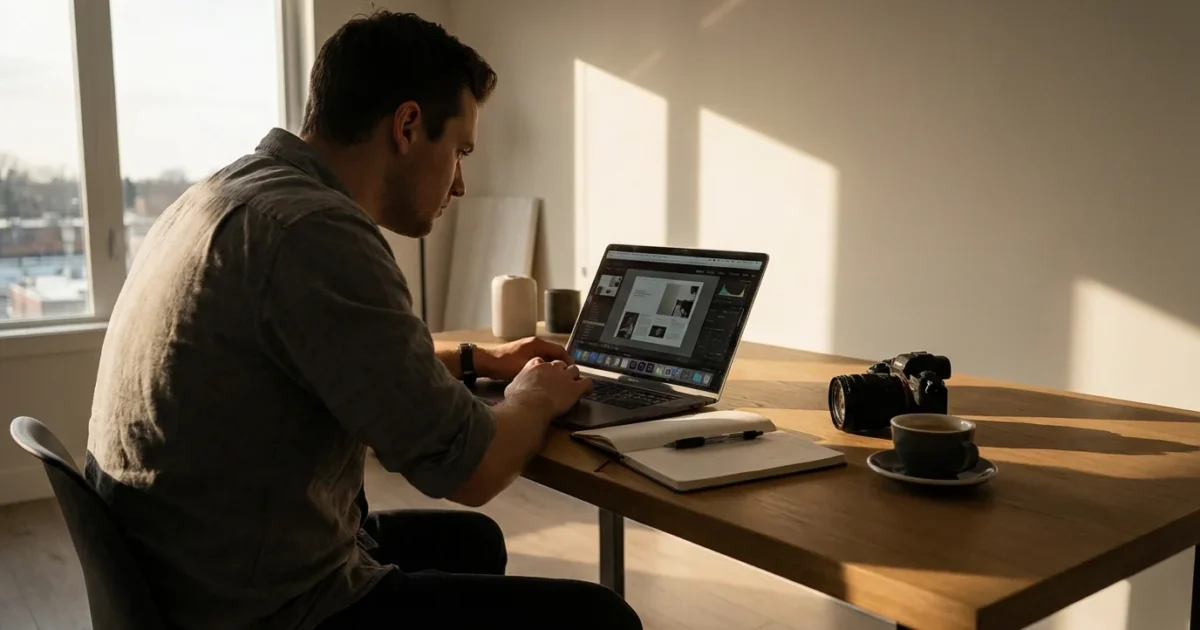
Modern retirement rejects old narratives. You are not just stepping back, you are stepping forward into a phase rich with potential for connection, learning, and self-expression. Building a personal website offers a powerful tool to shape this new chapter. It creates a digital canvas for your legacy, passions, and unique perspective.
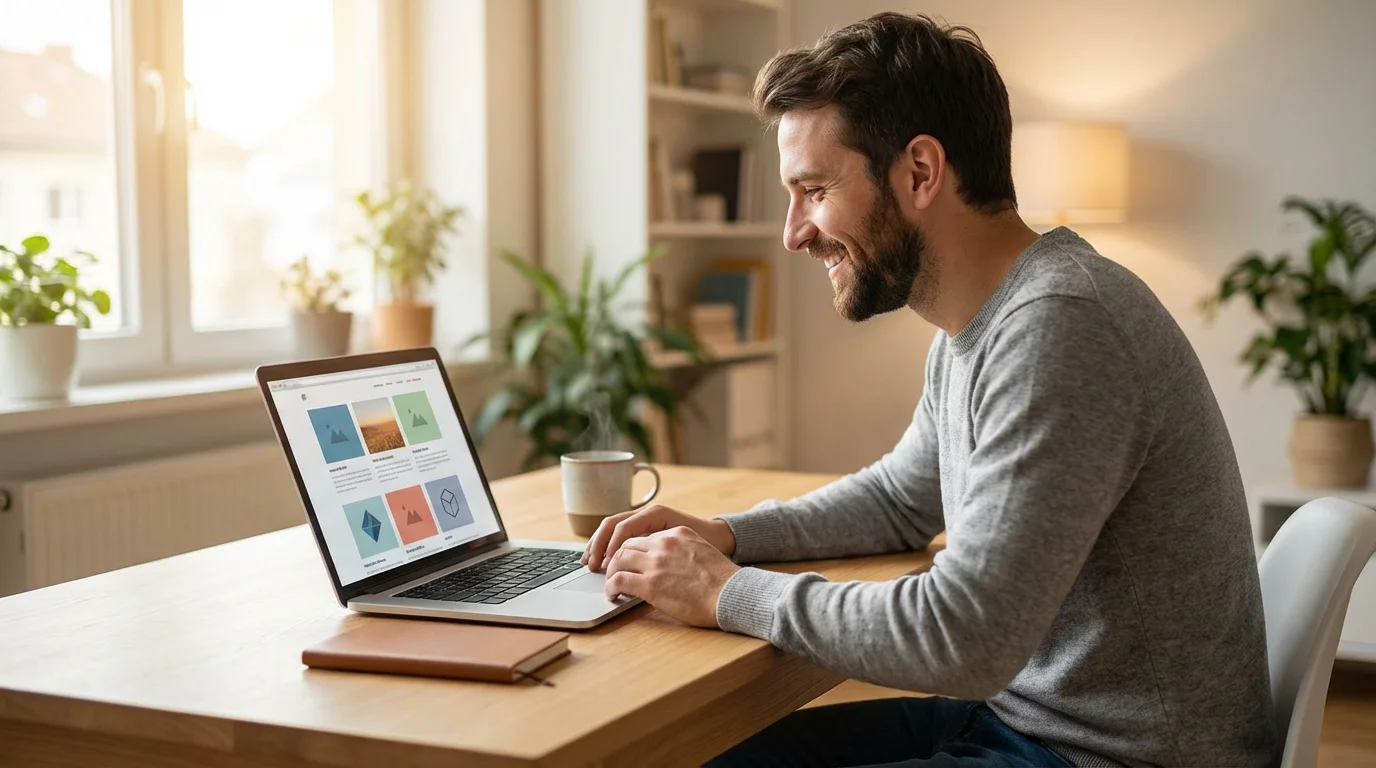
The Power of Your Online Presence
Creating a personal website allows you to control your narrative in an increasingly digital world. It moves you beyond the confines of social media profiles, offering a dedicated space where you dictate the content and presentation. This is your opportunity to build a lasting online presence, reflecting your individuality and experience.
Establishing a digital home is also a vital step for those interested in location independent living after work, providing a way to stay connected while on the move.
Think of your personal website as your digital autobiography, a living document that evolves with you. It provides a unique space for storytelling, connecting with family, friends, and new communities. Recent data from the Pew Research Center indicates a significant rise in digital engagement among older adults, demonstrating the readiness of your generation to embrace these platforms. You gain a platform to share insights and wisdom, inspiring others with your journey.
“Age is no barrier. It’s a limitation you put on your mind.” — Jackie Joyner-Kersee
A website serves as a central hub for all your interests. Imagine consolidating your travel blogs, photography projects, volunteer efforts, or professional insights into one accessible location. This organized approach presents a cohesive image of your dynamic retirement life, proving that modern retirement truly means redefining possibilities.
Defining Your Website’s Purpose
Before diving into design, clarify what you want your personal website to achieve. Your purpose will guide all subsequent decisions, from content selection to platform choice. Spend some time reflecting on your goals and aspirations for this digital venture.
Integrating your website updates into your schedule can help you in designing a retirement routine that balances creativity with leisure.
Consider these common objectives for a retiree’s online presence:
- Showcasing a Portfolio: Did you have a career in design, writing, consulting, or art? A personal website provides the perfect space for creating a portfolio as a retiree, showcasing past achievements, projects, or newfound creative works.
- Sharing Passions and Hobbies: Document your gardening journey, share knitting patterns, or review your favorite books. Your site becomes a passion project in itself, connecting you with like-minded individuals globally.
- Journaling and Storytelling: Preserve family histories, write memoirs, or simply chronicle your daily thoughts and adventures. This offers an incredible gift to future generations and a reflective practice for you.
- Building a Personal Brand: Perhaps you consult, coach, or offer expertise. A professional website enhances your credibility, attracting new clients or collaborators.
- Connecting with Community: Use your site to organize events, share resources for local groups, or advocate for causes you care deeply about.
Your purpose is not set in stone. It can evolve as you gain confidence and explore new interests. Starting with a clear vision, however, gives your project direction and momentum.
Choosing Your Platform: Building Your Digital Home
Selecting the right website builder is a crucial step in how to build a personal website. Today’s platforms offer remarkable ease of use, eliminating the need for coding knowledge. You have excellent options catering to various comfort levels and budgets.
Here are popular, user-friendly platforms to consider:
- WordPress.com: This hosted solution offers a user-friendly experience without the complexities of managing server software. It provides numerous themes, robust blogging tools, and scalability for future growth. Many resources exist for learning its interface.
- Squarespace: Known for its beautiful, modern templates and intuitive drag-and-drop editor. Squarespace is an excellent choice if visual appeal is a top priority for your storytelling. It manages all the technical details, leaving you to focus on content.
- Wix: Another popular drag-and-drop builder, Wix provides immense design flexibility with a vast library of templates and apps. It suits users who want a high degree of customization without coding.
- Weebly: Offering a straightforward interface, Weebly is ideal for those seeking simplicity and efficiency. It is a solid choice for creating a clean, functional personal website quickly.
When evaluating platforms, consider factors like pricing, available templates, ease of customization, and customer support. Many platforms offer free trials, allowing you to experiment before committing. You should also think about what level of control you desire over your site’s backend versus the convenience of a fully managed service.
Crafting Your Story: Content Essentials
Your website’s content brings your story to life. Focus on creating engaging, authentic material that reflects your personality and purpose. Short, clear paragraphs keep readers engaged, making your site accessible and enjoyable.
In addition to your life story, consider the benefits of managing your digital medical information to ensure your health data is as organized as your new website.
Key sections for your personal website typically include:
- Homepage: This is your digital welcome mat. Offer a compelling headline, a brief introduction, and clear navigation to other sections. Make a strong first impression.
- About Me/About Us: Share your personal journey, what inspires you, and your unique perspective. Include a friendly, professional photo. This page builds trust and connection.
- Blog/Journal: This is where your storytelling truly shines. Regular posts keep your content fresh and give visitors a reason to return. Share reflections, adventures, tutorials, or opinions.
- Portfolio/Projects: If showcasing work, create dedicated pages for projects, complete with images, descriptions, and any relevant outcomes. This is essential for creating a portfolio as a retiree.
- Contact: Make it easy for people to connect with you. Include an email address, a contact form, and links to any social media profiles you wish to share.
- Resources/Links: Curate a list of websites, books, or tools you find valuable. This adds value for your visitors and demonstrates your expertise.
Remember, your content should be a genuine extension of you. Write in your own voice, share what truly matters to you, and update your site regularly to maintain its vibrancy.
Designing for Impact: Visuals and User Experience
A well-designed website is inviting and easy to navigate. You do not need to be a graphic designer to create an attractive site. Modern website builders provide templates and tools that simplify the process. Focus on clarity, readability, and a consistent aesthetic.
Consider these design principles for an optimal user experience:
- Choose a Clean Template: Start with a professional, uncluttered template that aligns with your personality. Most platforms offer a wide range of options.
- Consistent Branding: Select 2-3 colors and 1-2 fonts and use them consistently throughout your site. This creates a cohesive and professional look.
- High-Quality Images: Use clear, well-lit photos that are relevant to your content. Images break up text and make your site more engaging. Ensure your images load quickly.
- Easy Navigation: Your menu should be clear and intuitive. Visitors should find what they are looking for within a few clicks. Use descriptive labels for your menu items.
- Mobile Responsiveness: A significant portion of online traffic comes from mobile devices. Ensure your website looks and functions well on smartphones and tablets. Most modern templates are automatically responsive.
- Accessibility: Design your site with all users in mind. Use good color contrast, provide alt text for images, and ensure keyboard navigation works properly.
Focus on what makes your site enjoyable and functional for visitors. A pleasant user experience encourages longer visits and repeat engagement, strengthening your overall online presence.
Launching Your Site and Staying Connected
Launching your personal website is an exciting milestone. It marks the moment your digital story becomes publicly accessible. The process involves a few final, but important, steps.
As you become more active in digital spaces, it is essential to know how to protect yourself from financial scams that can target your growing online footprint.
Keeping your files organized through digital decluttering ensures your content remains easy to manage as your site grows.
Here is a guide to launching and maintaining your new online presence:
- Choose a Domain Name: Select a domain name that is easy to remember, relevant to you, and ideally includes your name or a key theme. Platforms often offer domain registration services. This is a crucial part of how to build a personal website.
- Review and Publish: Before going live, thoroughly proofread all your content. Check for broken links, grammatical errors, and ensure all images display correctly. Test your site on different devices.
- Share Your Site: Announce your new website to friends, family, and your network. Share the link on social media, in emails, or even on business cards.
- Basic Search Engine Optimization (SEO): Use relevant keywords naturally in your content and headings. Fill out meta descriptions and page titles on your platform. This helps search engines find and display your site.
- Monitor and Update: Your website is a living entity. Regularly add new content, update old information, and check for comments or messages. Tools like Google Analytics can provide insights into your site’s traffic.
- Engage with Visitors: Respond to comments on your blog posts or messages through your contact form. Building a community around your site enhances its value and reach.
Your personal website is an ongoing project, a dynamic reflection of your evolving retirement. Embrace the journey of creation and connection.

Protecting Your Digital Legacy
As you build your personal website, consider the importance of security and privacy. Protecting your digital space ensures your peace of mind and safeguards your valuable content. You hold control over what you share and how it is protected.
Take these steps to secure your online presence:
- Use Strong Passwords: Create complex, unique passwords for your website platform and domain registrar. Consider a password manager to help you keep track.
- Enable Two-Factor Authentication (2FA): Most platforms offer 2FA, adding an extra layer of security by requiring a code from your phone in addition to your password.
- Choose a Secure Platform: Reputable website builders inherently provide security features like SSL certificates, which encrypt data exchanged between your site and visitors. Ensure your site uses “https” in its address.
- Back Up Your Content: Regularly back up your website content, especially if you manage a self-hosted WordPress site. Many platforms offer automatic backup solutions.
- Review Privacy Settings: Understand what personal information your platform collects and how it is used. Be mindful of what personal details you publish publicly on your site.
- Be Cautious with Third-Party Plugins: If using a platform that allows plugins, research them carefully before installing. Only use reputable plugins from trusted sources to avoid security vulnerabilities.
Your personal website is an extension of you. Treat its security with the same care you would any other personal asset.
Frequently Asked Questions
Thinking about creating a personal website often brings up a few common questions. Here are clear answers to help you navigate your journey.
Do I need technical skills to build a personal website?
You do not need advanced technical skills. Modern website builders like Squarespace, Wix, and WordPress.com offer user-friendly interfaces with drag-and-drop functionality. If you can use email or social media, you possess the fundamental digital literacy for creating a simple yet powerful online presence.
How much does it cost to have a personal website?
Costs vary significantly. Basic plans for website builders range from $10 to $30 per month. Domain names typically cost $10 to $20 annually. Free options exist, but they often come with limitations like advertisements or less professional domain names. Invest in a paid plan for the best features and ownership.
What should I include on my ‘About Me’ page?
Your ‘About Me’ page is your digital introduction. Share your journey, passions, what motivates you, and what you hope to achieve with your site. Include a professional photo, highlight unique experiences, and explain why your story resonates. Make it authentic and engaging.
How can I ensure my personal website is secure?
Security is crucial. Choose a reputable website builder that provides SSL certificates. Use strong, unique passwords and enable two-factor authentication. Regularly update your platform and plugins. Be cautious about sharing excessive personal information publicly, and understand your platform’s privacy settings.
Creating a personal website is more than just building pages online; it is about building a vibrant, connected chapter of your life. It offers you a dedicated space to share your unique story, connect with others, and leave a lasting digital legacy. Embrace this opportunity to define your modern retirement on your own terms. Your voice matters, and your story deserves to be shared.
Disclaimer: This article is for informational purposes. Technology, apps, and services mentioned may change over time. We encourage readers to research current options and consider their individual needs when making decisions.


Leave a Reply