
Retirement in the modern age redefines expectations. You are not simply stepping away from work, you are stepping into a vibrant new chapter, full of opportunities to design a life of purpose and joy. A crucial element of this fulfilling journey involves cultivating and nurturing meaningful relationships. These connections enrich your life, boost your well-being, and provide an invaluable support system as you explore new horizons. This guide empowers you to build a robust social fabric that thrives on authenticity and shared experiences.
Establishing a fulfilling retirement routine ensures you have dedicated time to prioritize these vital interactions.

Embracing Your Social Renaissance: Why Connections Matter More Than Ever
Your retirement marks a unique opportunity for a social renaissance. It is a time to deepen existing bonds, forge new ones, and actively shape a social life that genuinely reflects your interests and values. Many modern retirees find that the absence of daily work interactions frees up significant time and energy to invest in their personal relationships. This investment pays substantial dividends, impacting everything from your mental acuity to your physical health.
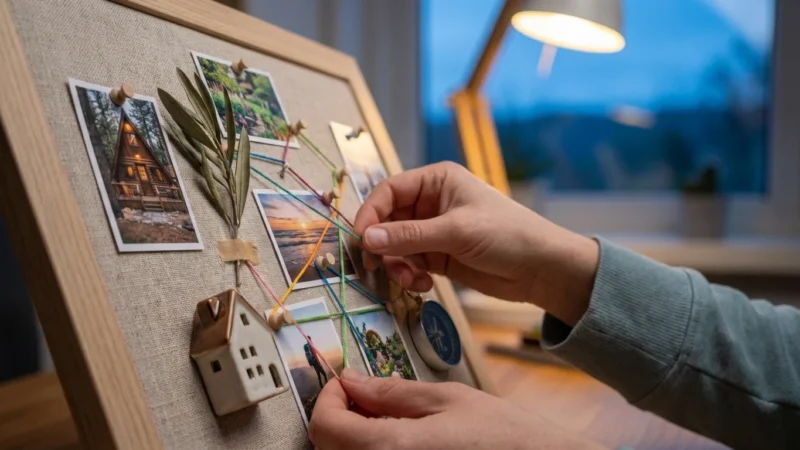
Defining your social goals is often easier when crafting a retirement vision board to visualize the lifestyle and community you desire.
Research consistently highlights the profound benefits of strong social ties. The Harvard Study of Adult Development, a longitudinal study spanning decades, reveals that close relationships, more than money or fame, keep people happy throughout their lives. Participants with robust social connections reported better physical health and lived longer. Prioritizing your social life directly contributes to your overall longevity and quality of life.
Consider the active role you play in shaping this aspect of your retirement. You are not passively waiting for connections to happen; you are proactively seeking and creating opportunities for engagement. This intentional approach sets the stage for a fulfilling social chapter, ensuring you remain vibrant and connected to the world around you.
Social connections act as a powerful buffer against the stresses of life. They provide emotional support during challenging times and amplify joy during celebratory moments. Meaningful friendships offer a sense of belonging, purpose, and validation. They remind you that you are part of something larger than yourself, fostering a sense of community that is vital at any age, especially in retirement.

Leveraging Technology to Bridge Distances
Technology offers powerful tools to cultivate and maintain relationships, regardless of geographical barriers. For modern retirees, digital platforms are not just for the younger generations; they are essential for staying connected with family and forging new friendships. You can use these tools to bridge distances, sustain long-distance relationships, and discover local communities.
For those exploring a digital nomad retirement, these technological tools are the lifeline that keeps your community close while you travel.
Video conferencing apps allow for face-to-face interactions that go beyond simple phone calls. Seeing a loved one’s expression or sharing a virtual meal can significantly strengthen your connection. These platforms make it easy to organize virtual family gatherings or regular check-ins with friends who live far away.
Consider these accessible tools for virtual connections:
- Zoom: Widely used for group calls, easy to set up meetings with multiple participants.
- Google Meet: Integrates seamlessly with Google accounts, ideal for quick calls with individuals or small groups.
- FaceTime: Apple users find this built-in app incredibly convenient for video calls with other Apple device owners.
- WhatsApp: Offers video and voice calls, text messaging, and group chat functionalities, popular for international connections.
Social media platforms also serve as excellent conduits for connection, allowing you to re-engage with old acquaintances and join interest-based groups. Facebook, for instance, hosts millions of specialized groups where you can discuss hobbies, share experiences, and even plan local meetups. LinkedIn provides a professional networking space, valuable for those pursuing encore careers or advisory roles.
Beyond social media, consider these digital avenues for expanding your social reach:
- Online Forums and Communities: Websites dedicated to specific hobbies, like photography, gardening, or travel, often have active forums. Engage in discussions, share your expertise, and connect with like-minded individuals globally.
- Gaming Platforms: If you enjoy gaming, online multiplayer games offer a social environment. Many games have built-in chat features and communities, fostering teamwork and camaraderie.
- Virtual Classes and Workshops: Enroll in online courses through platforms like Coursera or MasterClass. These often include discussion forums or live Q&A sessions, providing opportunities to interact with fellow learners.
Redefining Your Social Circle: Beyond Traditional Friendships
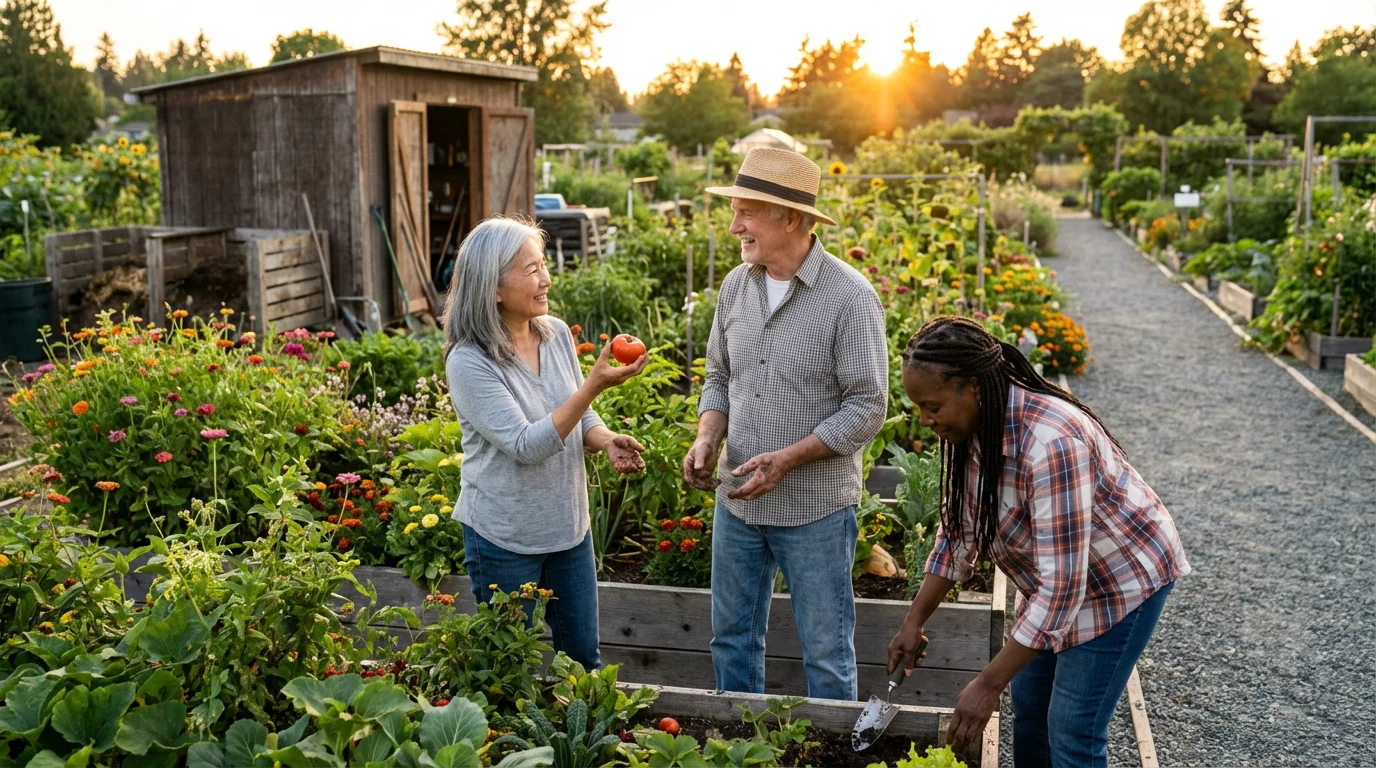
Retirement opens doors to explore new dimensions of your social life. The traditional model of friendships often revolves around work or neighborhood proximity, but your modern retirement invites you to expand beyond these boundaries. You have the freedom to curate a social circle based purely on shared passions, new interests, and mutual growth.
Projecting confidence through your personal style can also provide a boost when entering new social environments or attending community events.
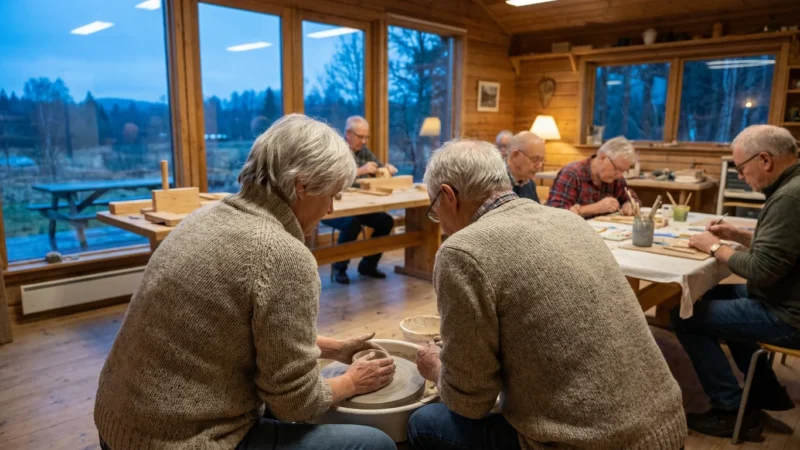
Actively seek out groups and activities that align with your newfound time and passions. This might mean joining a book club, an outdoor adventure group, or a crafting circle. The beauty of these interest-driven connections is that they instantly provide common ground, fostering deeper and more authentic relationships from the start. Look for opportunities in your local community centers, libraries, or through online platforms like Meetup.com.
Here are practical strategies for expanding your social horizons:
- Join Local Interest Groups: Whether it is a hiking club, a foreign language class, or a volunteer association, shared activities naturally lead to friendships. Look for groups advertised at community centers, libraries, or senior centers.
- Attend Workshops and Lectures: Universities, museums, and adult education centers often host events that attract intellectually curious individuals. These settings provide excellent opportunities for engaging conversations and connections.
- Explore Online Community Platforms: Websites like Nextdoor allow you to connect with neighbors for local events, discussions, and mutual support. This can be a great way to meet people in your immediate vicinity who share local interests.
- Volunteer for a Cause You Believe In: Giving back creates a powerful bond with fellow volunteers. You are working together towards a common goal, fostering a sense of camaraderie and shared purpose.
“Age is no barrier. It’s a limitation you put on your mind.” — Jackie Joyner-Kersee
Remember, quality often surpasses quantity in relationships. Focus on cultivating a few deep, meaningful connections rather than striving for a vast network of superficial acquaintances. Authentic connection thrives on vulnerability, mutual respect, and shared experiences. Be open to new people and new possibilities; your next great friendship might be just around the corner.

The Power of Purpose: Connecting Through Contribution
Connecting through purpose offers one of the most fulfilling avenues for cultivating meaningful relationships in retirement. When you contribute your skills, time, and wisdom to something larger than yourself, you naturally connect with others who share that commitment. This shared sense of mission forms a powerful bond, often leading to deep and lasting friendships. Your contributions not only benefit the community, they also provide a profound sense of meaning and satisfaction in your life.
Volunteering is a prime example of purpose-driven connection. Whether you are mentoring young entrepreneurs, helping at a local animal shelter, or assisting with environmental initiatives, you are engaging with like-minded individuals. These shared efforts create a unique camaraderie, transforming strangers into allies and friends. Platforms like VolunteerMatch can help you find opportunities aligned with your interests and location.
Consider these avenues for purposeful connection:
- Mentorship Programs: Share your lifetime of professional experience by mentoring younger individuals. Organizations like SCORE (Service Corps of Retired Executives) connect experienced professionals with small business owners and entrepreneurs.
- Community Activism: Get involved with local government, advocacy groups, or neighborhood associations. Working towards improving your community provides a strong basis for forming bonds with fellow citizens.
- Lifelong Learning Initiatives: Enroll in a university extension program, join an Osher Lifelong Learning Institute (OLLI), or participate in community college courses. These environments foster intellectual connection and often lead to study groups or social outings.
- Cultural Organizations: Support local theaters, museums, or art galleries by volunteering your time. You will meet others who appreciate the arts and share your passion for cultural enrichment.
Embracing an encore career, even part-time, can also provide this sense of purpose and connection. Many retirees find renewed energy and social engagement in roles that leverage their experience in new ways, or allow them to explore long-held passions. This could involve consulting, teaching, or starting a small business. The colleagues and clients you encounter become part of your extended social network, enriching your retirement experience.

Navigating Challenges: Addressing Social Isolation Head-On
Despite the opportunities for connection, social isolation remains a significant concern for some retirees. The transition from a structured work environment to a more flexible lifestyle can sometimes lead to a reduction in daily interactions. Recognizing the signs of social isolation and proactively addressing them is crucial for your well-being. You have the power to counteract these challenges and build a vibrant social life.
The impact of social isolation is not merely emotional; it can have tangible health consequences. Research by institutions like Harvard Health consistently points to loneliness and social isolation as risk factors for serious health problems, including heart disease, stroke, and cognitive decline. Taking proactive steps to maintain your social connections is a vital component of your overall health strategy.
Here are actionable steps you can take to combat social isolation:
- Self-Assessment: Honestly evaluate your current social interactions. Do you feel consistently lonely? Do you have fewer meaningful connections than you desire? Acknowledging the issue is the first step toward resolution.
- Reach Out to Existing Contacts: Reconnect with old friends or distant family members. A simple text, email, or phone call can rekindle a forgotten connection. Technology makes this easier than ever.
- Prioritize Regular Social Engagements: Schedule regular coffee dates, lunches, or virtual calls with friends and family. Consistency builds strong relationships.
- Join Structured Groups: Rather than waiting for invitations, actively seek out and join groups that meet regularly. Book clubs, walking groups, or volunteer teams provide built-in social interaction.
- Embrace New Technologies: If you are not comfortable with video calls or social media groups, make an effort to learn. Many community centers offer free tech classes, or you can ask a tech-savvy family member for help.
- Consider a Pet: Pets provide companionship and can often facilitate human connections through walks in the park or pet-related activities.
Remember, seeking help is a sign of strength. If you find yourself struggling with persistent feelings of loneliness or sadness, reach out to a healthcare professional. They can provide guidance and resources to help you reconnect and thrive. You are not alone, and many resources exist to support your journey toward greater social well-being.

Building Your Relationship Blueprint: A Practical Approach
Crafting a robust social life in retirement requires an intentional approach. Think of it as creating a “relationship blueprint” that outlines your goals, strategies, and the steps you will take to achieve them. This proactive method ensures your social life is not left to chance, but is actively shaped to meet your needs and desires. You have the unique opportunity to design this blueprint precisely how you want it.
Your blueprint should begin with an honest assessment of your current social landscape. Who are your closest contacts? What types of connections do you wish to foster more of? Where are the gaps in your social network? Identifying these areas allows you to focus your energy effectively.
Follow these steps to construct your personalized relationship blueprint:
- Identify Your Core Social Needs: Do you thrive on deep, one-on-one conversations, or do you prefer larger group settings? Do you need intellectual stimulation, emotional support, or active companionship? Understanding your preferences guides your choices.
- List Existing Connections and Potential New Ones: Write down family members, friends, former colleagues, and neighbors. Then, brainstorm new groups or activities you are interested in joining. This forms your current and aspirational social network.
- Allocate Time for Social Engagement: Just as you schedule appointments, allocate dedicated time each week for social activities. This might include regular coffee dates, virtual calls, or participation in a club.
- Leverage Technology Strategically: Decide which apps and platforms best serve your communication needs. For example, use Zoom for family video calls, and Meetup for discovering local interest groups.
- Set Specific, Achievable Goals: Instead of a vague goal like “make more friends,” aim for “join one new club this month” or “schedule a weekly video call with a distant relative.”
- Review and Adapt Regularly: Your social needs and opportunities will evolve. Periodically review your blueprint, assess what is working, and make adjustments as needed. Be flexible and open to new possibilities.
Building meaningful relationships is an ongoing process, not a one-time event. It requires sustained effort and a willingness to put yourself out there. By following a clear blueprint, you equip yourself with the tools and motivation to nurture a rich and rewarding social life throughout your retirement.

Sustaining Your Social Fabric: Long-Term Strategies
Cultivating meaningful relationships is an ongoing commitment. Just as you maintain your physical and financial health, nurturing your social connections requires consistent effort and adaptability. Modern retirement allows you to approach this with flexibility and innovation, ensuring your social fabric remains strong and supportive for years to come.
One key strategy involves prioritizing quality over quantity. While meeting new people is exciting, investing in a few deep, authentic connections often yields greater satisfaction and support. These relationships become your anchor, providing stability and emotional depth. Focus your energy on those who reciprocate your efforts and genuinely enrich your life.
Here are long-term strategies for maintaining your social connections:
- Regular Check-ins: Establish a routine for connecting with close friends and family. This could be a weekly phone call, a monthly lunch, or a bi-weekly video chat. Consistency reinforces bonds.
- Shared Experiences: Plan recurring activities with friends. This might involve a regular golf game, a book club meeting, movie nights, or even planning an annual group trip. Shared experiences create lasting memories.
- Be a Good Listener: Actively listen when your friends and family speak. Show genuine interest in their lives, challenges, and triumphs. This fosters trust and strengthens emotional ties.
- Offer and Accept Support: Be present for your loved ones during difficult times, and do not hesitate to ask for help when you need it. Mutual support is the cornerstone of strong relationships.
- Celebrate Milestones: Acknowledge birthdays, anniversaries, and personal achievements. These small gestures show you care and value the people in your life.
- Embrace Forgiveness and Understanding: Relationships are not always smooth sailing. Practice empathy, be willing to forgive, and understand that everyone has imperfections.
- Stay Curious and Open: Continue to explore new interests and remain open to meeting new people through those interests. A dynamic social life benefits from fresh perspectives and diverse connections.
Remember that adaptability is paramount. Life changes, and so do relationships. Be prepared to adjust your approach as circumstances evolve, whether it is moving to a new location or navigating health changes. By remaining proactive and engaged, you ensure your social fabric remains vibrant, resilient, and continuously enriching your modern retirement journey.
Frequently Asked Questions
How can I make new friends if I am naturally introverted?
Introversion does not prevent meaningful connections; it means you might prefer deeper, one-on-one interactions over large group gatherings. Focus on activities that allow for this, such as joining a book club, taking an art class, or volunteering for a cause you care about. These settings provide common ground and facilitate deeper conversations in a less overwhelming environment. Technology also offers great avenues for introverts, allowing you to connect in online forums or small virtual groups before meeting in person.
What if my current friends are not as active as I am?
It is common for interests and energy levels to diverge in retirement. Instead of solely relying on existing friendships for all your social needs, expand your network to include people who share your current activity level and passions. Maintain your long-standing friendships for their unique value, but actively seek out new groups and individuals who align with your desire for new experiences. Joining clubs, sports leagues, or volunteer organizations can introduce you to dynamic new connections.
How can technology help combat loneliness, especially if I live far from family?
Technology is a powerful antidote to geographical distance. Use video calling apps like Zoom, Google Meet, or FaceTime for regular face-to-face conversations with family and friends. Create family group chats on platforms like WhatsApp to share updates and photos easily. Join online communities and forums related to your hobbies to connect with like-minded individuals globally. Technology allows you to maintain intimacy and build new friendships, significantly reducing feelings of isolation.
Is it ever too late to build new meaningful relationships?
It is never too late to cultivate meaningful relationships. The modern retirement era celebrates lifelong growth and connection. Many people form their deepest friendships later in life, often with others who share similar experiences, perspectives, and interests. Embrace the freedom and wisdom that come with age, and proactively seek out opportunities to connect. Your capacity for friendship only grows richer with life experience.
Disclaimer: This article is for informational purposes. Technology, apps, and services mentioned may change over time. We encourage readers to research current options and consider their individual needs when making decisions.




Leave a Reply