

You embrace innovation, seek connection, and refuse to let outdated notions define your experience. Modern retirement offers a canvas for a life fully lived, and excellent hearing plays a crucial role in maintaining your vibrant engagement with the world. For too long, the topic of hearing loss carried an unnecessary stigma, associated with bulky, whistling devices and a sense of decline. That era is over. Today, hearing technology represents a marvel of engineering, delivering clarity, connectivity, and discreet solutions designed for your active, contemporary lifestyle.
Maintaining your auditory health is a cornerstone of cultivating meaningful relationships in retirement by ensuring you never miss a word during important conversations.

Challenge Hearing Loss Stereotypes
Modern life demands crystal-clear communication. Whether you are leading a virtual meeting, enjoying a concert, or connecting with grandchildren, hearing well enhances every experience. Ignoring hearing changes only isolates you from the richness of these moments, and contemporary solutions empower you to remain fully engaged.
You recognize the value of proactive health management, from fitness trackers to smart home devices. Addressing hearing loss aligns perfectly with this forward-thinking approach. Embracing modern hearing aids signifies a commitment to your quality of life, not a concession to age. It is a strategic move to optimize your interactions and safeguard your cognitive health.
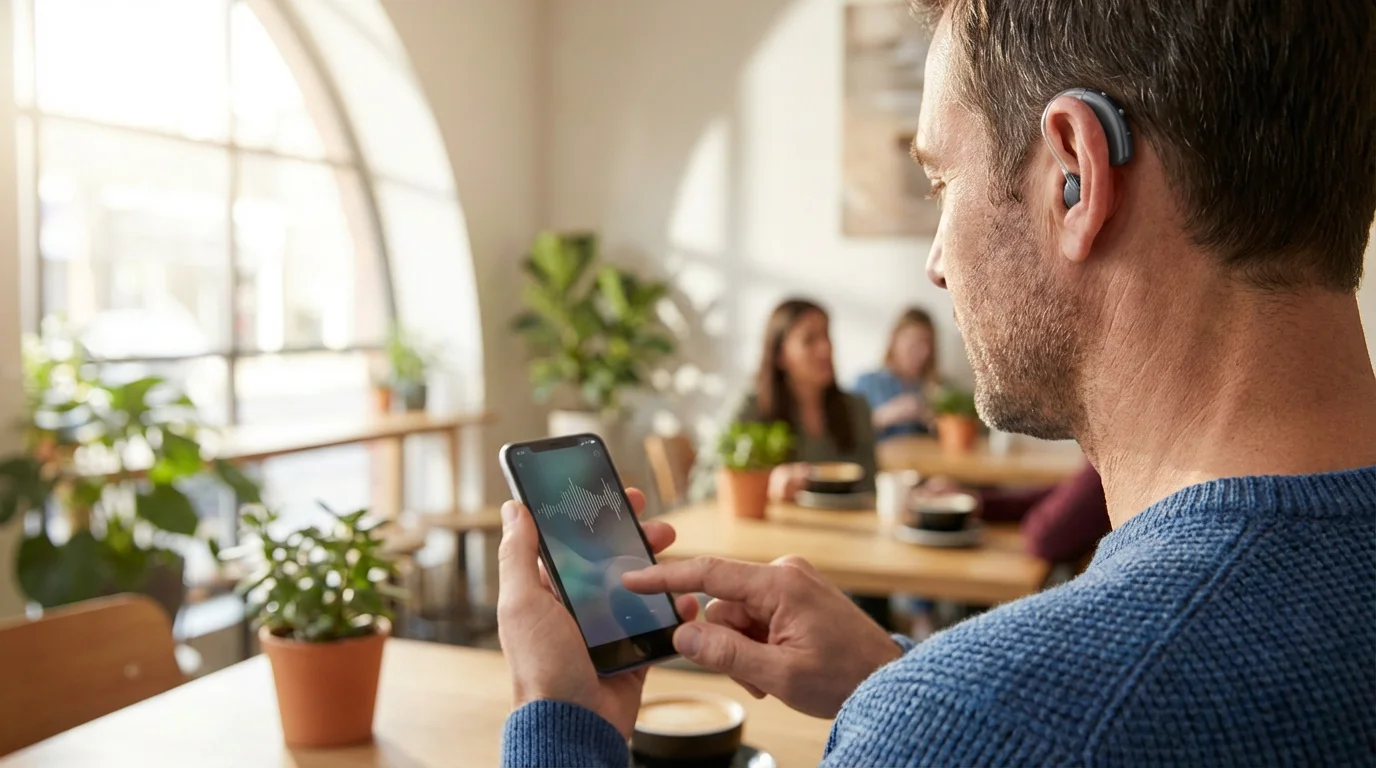
The Revolution in Hearing Technology
Forget the large, beige devices of previous generations. Today’s hearing technology is sleek, sophisticated, and incredibly powerful. Miniaturization allows for nearly invisible designs, while advanced digital processing transforms soundscapes with astonishing precision. These are not simple amplifiers; they are miniature computers for your ears, designed to adapt to diverse listening environments.
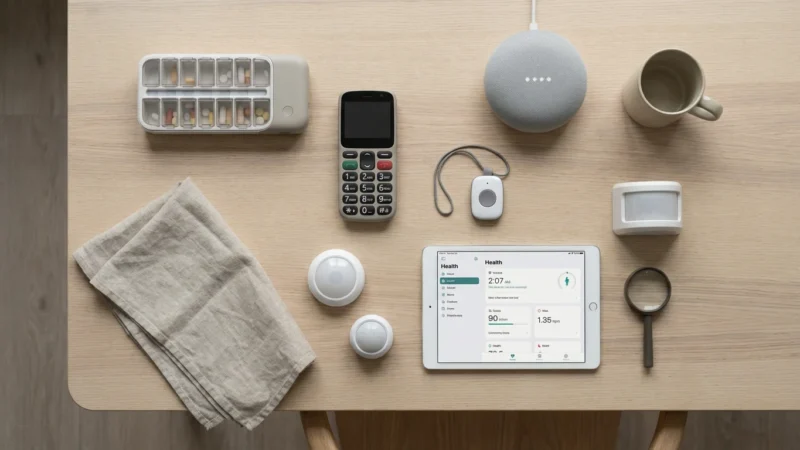
This innovation is part of a broader trend in accessible technology tools that empower seniors to navigate the world with greater independence.
Technological leaps have redefined what hearing aids accomplish. They actively suppress background noise, highlight speech, and even learn your preferences over time. This transformative capability improves your listening experience in complex situations, from bustling restaurants to quiet conversations. You gain back the effortless hearing that once seemed lost, reopening your world to sound.
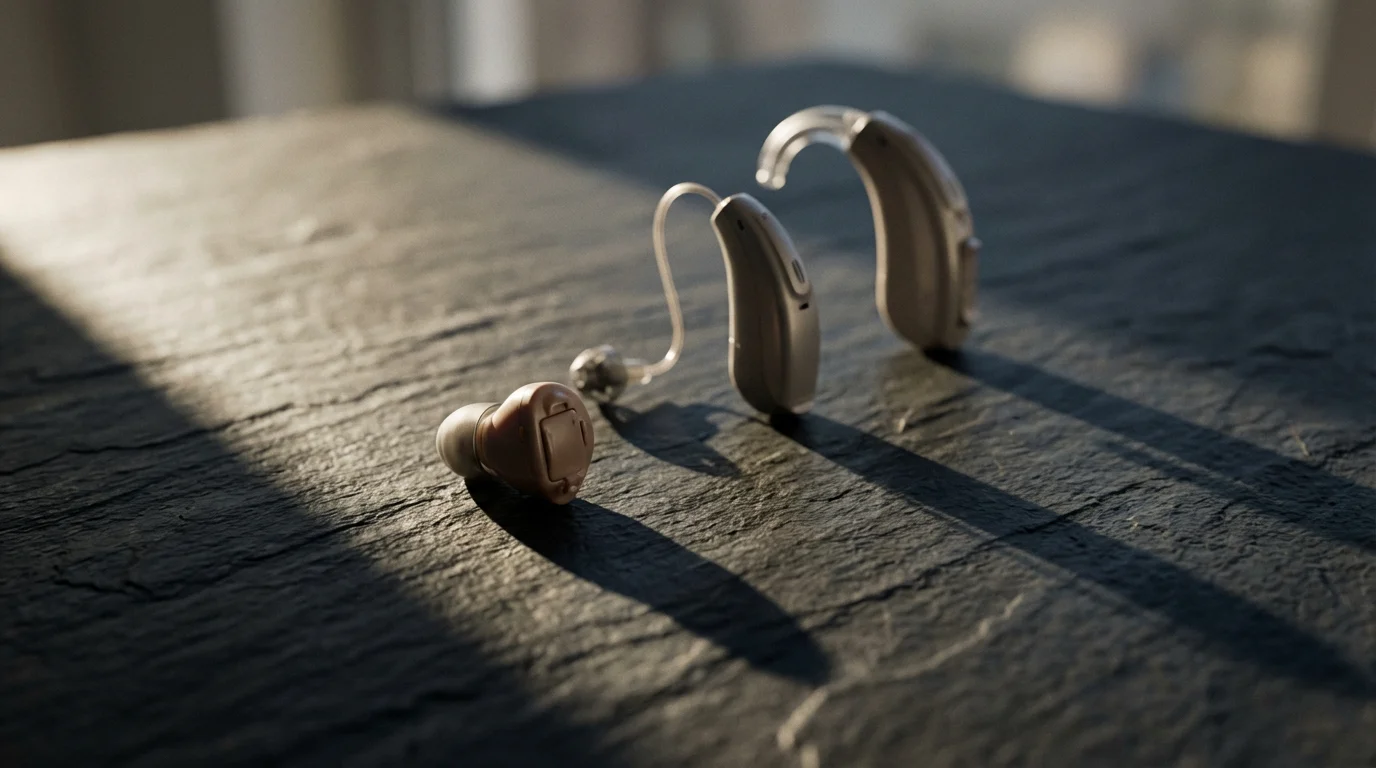
Understanding Modern Hearing Aid Types
The variety of hearing aids available today ensures a fit for virtually every lifestyle and degree of hearing loss. You have options that blend seamlessly with your appearance and offer specific functionalities. Understanding these categories helps you make an informed choice.
- Behind-The-Ear (BTE): These models sit comfortably behind your ear, connected to a custom earmold or a thin tube and dome in your ear canal. BTEs offer robust power, longer battery life, and are suitable for a wide range of hearing loss, from mild to profound.
- Receiver-In-Canal (RIC) or Receiver-On-Ear (RITE): Extremely popular, RIC/RITE devices are similar to BTEs but house the receiver (speaker) directly in the ear canal, connected by a thin wire. This design makes them smaller, less visible, and provides a very natural sound quality. They suit mild to severe hearing loss.
- In-The-Ear (ITE): Custom-made to fit the outer ear bowl, ITE hearing aids are larger than canal styles but still discreet. They offer easier handling for some users and can accommodate larger batteries or more features. They work well for mild to severe hearing loss.
- In-The-Canal (ITC): These custom-made devices fit partially into the ear canal, making them less visible than ITEs. ITC hearing aids balance discreetness with ease of use and are appropriate for mild to moderate hearing loss.
- Completely-In-Canal (CIC): Designed to fit entirely inside the ear canal, CIC hearing aids are virtually invisible. Their small size means they use smaller batteries and might have fewer features, but they offer excellent cosmetic appeal for mild to moderate hearing loss.
- Invisible-In-Canal (IIC): The smallest custom hearing aids available, IIC devices sit deep within the ear canal, making them truly invisible to others. They are best for mild to moderate hearing loss and prioritize discretion above all else.
Each type offers distinct advantages, balancing aesthetics, power, and features. Your audiologist helps you explore what types of hearing aids exist and find the ideal match for your specific needs and preferences.

How Modern Hearing Aids Work: Beyond Basic Amplification
Gone are the days when hearing aids simply amplified all sound indiscriminately. Today’s devices are sophisticated digital processors. They capture sound, analyze it, and then apply complex algorithms to deliver a clear, customized listening experience. Understanding how do modern hearing aids work reveals their true capability.
- Microphones: Multiple microphones capture sound from various directions. Advanced models use directional microphones to focus on sounds in front of you, reducing background noise.
- Amplifier: This component boosts the volume of the incoming sound. However, unlike old analog aids, this amplification is highly selective.
- Digital Signal Processor (DSP): This is the brain of the hearing aid. The DSP converts analog sound waves into digital data. It then applies complex algorithms to:
- Noise Reduction: Identify and minimize unwanted background noise, such as restaurant chatter or traffic.
- Feedback Cancellation: Eliminate the annoying whistling sound that can occur when sound leaks from the ear canal and re-enters the microphone.
- Speech Enhancement: Prioritize and clarify human speech, making conversations easier to follow.
- Automatic Adaptation: Adjust settings based on the detected sound environment, moving seamlessly from a quiet room to a noisy street.
- Frequency Shaping: Amplify specific sound frequencies where you have hearing loss, while leaving other frequencies untouched, creating a more natural sound.
- Receiver (Speaker): The processed and amplified digital sound converts back into analog sound waves. The receiver then delivers these customized sounds into your ear.
- Battery: Powering the device, batteries are either disposable (zinc-air) or rechargeable. Rechargeable options offer convenience and reduce environmental waste, fitting perfectly into a modern, eco-conscious lifestyle.
This intricate process occurs in milliseconds, providing you with real-time, optimized hearing. Modern hearing technology delivers a level of personalization and performance unimaginable just a decade ago.

Connectivity and Smart Features: A New Era
Your smartphone is your hub for information, communication, and entertainment. Modern hearing aids integrate seamlessly into this digital ecosystem, transforming them into powerful tools for connectivity and lifestyle enhancement. This is where hearing technology truly shines for the modern retiree.
Seamless Digital Integration:
- Bluetooth Streaming: Directly stream audio from your smartphone, tablet, or computer. Enjoy crystal-clear phone calls, podcasts, music, and videos streamed straight to your ears. This eliminates the need for headphones and enhances clarity during important conversations.
- Smartphone App Control: Use dedicated apps to fine-tune your hearing aids. Adjust volume, change programs for different environments, such as a restaurant, concert, or quiet room, check battery levels, and even locate a lost device, all from your phone.
- Remote Adjustments: Some audiologists offer remote programming, allowing them to adjust your hearing aids via telecare appointments, saving you time and travel. This convenience brings expert care directly to you, no matter your location.
Advanced Smart Features:
- Artificial Intelligence (AI) and Machine Learning: Some hearing aids use AI to learn your preferences over time and automatically adapt settings. They can identify specific sound environments and optimize performance for maximum clarity.
- Telecoil Functionality: Many public venues, like theaters and places of worship, offer hearing loops (telecoil systems). This feature allows your hearing aids to connect directly to the loop, receiving clear audio free from background noise.
- Health Tracking: Newer models integrate sensors to track physical activity and even detect falls, sending alerts to designated contacts. This innovative feature transforms your hearing aids into a personal health assistant.
- Translation Services: Certain hearing technology now offers real-time language translation, a game-changer for international travel or diverse social settings.
- Personalized Soundscapes: Create custom sound profiles within your app for specific activities, like a “gardening” setting that dampens wind noise but amplifies bird song, or a “reading” setting that optimizes for quiet.
These smart features transform hearing aids from simple medical devices into sophisticated lifestyle companions. They enhance your ability to connect, communicate, and stay active in every facet of your life. According to CNET, modern hearing devices “bridge the gap between traditional hearing assistance and the smart devices we rely on daily.” You can explore more about smart device integration and digital health tools on reputable technology sites like CNET.

Over-the-Counter (OTC) vs. Prescription: Your Choices
The landscape of hearing aids expanded significantly with the introduction of Over-the-Counter (OTC) options. This provides you with more pathways to addressing your hearing health. Understanding the differences between OTC and prescription devices helps you make an informed decision for your needs.
Whether choosing OTC or prescription models, budgeting for these devices is an essential part of planning for healthcare costs in your later years.
Over-the-Counter (OTC) Hearing Aids:
- Accessibility: You can purchase OTC hearing aids directly from pharmacies, online retailers, or electronics stores without needing a prescription or a professional fitting. This reduces barriers to entry for many.
- Target Audience: OTC devices are designed for adults (18+) with perceived mild to moderate hearing loss. They are not intended for severe hearing loss or complex audiological conditions.
- Cost-Effectiveness: Generally, OTC hearing aids are more affordable than prescription devices, making them an accessible entry point for initial hearing support.
- Self-Fitting: You typically self-fit and adjust OTC hearing aids using a smartphone app or onboard controls. This requires some comfort with technology and a willingness to experiment with settings.
Prescription Hearing Aids:
- Professional Guidance: Prescription hearing aids require a comprehensive hearing examination and fitting by a licensed audiologist or hearing aid specialist. This ensures a precise diagnosis and highly personalized solution.
- Customization: These devices offer advanced features and extensive customization capabilities, precisely tailored to your unique hearing loss profile. Professionals program them to match your audiogram.
- Support and Care: Your purchase typically includes ongoing professional support, adjustments, and maintenance from the provider. This continuous care optimizes device performance and your listening experience.
- Wide Range of Loss: Prescription hearing aids effectively address all degrees of hearing loss, from mild to profound, and manage complex audiological needs.
The choice between OTC and prescription depends on your individual hearing loss, budget, and comfort with self-management. For a definitive assessment and personalized recommendation, consult with a hearing care professional. Harvard Health Publishing provides valuable insights into understanding different types of hearing aids and their suitability for various needs, helping you discern your best path forward. Visit Harvard Health for more information on hearing health.

Assistive Listening Devices (ALDs) for Enhanced Experience
Assistive listening devices, or ALDs, complement hearing aids by providing additional support in specific challenging listening situations. These tools work in conjunction with, or sometimes independently of, your hearing aids to deliver sound directly to your ear with increased clarity. They empower you to overcome specific acoustic hurdles, enhancing your overall hearing experience.
Common Types of ALDs:
- Personal Amplifiers: These portable devices use a microphone to pick up sound, amplify it, and send it directly to headphones or earbuds. They are excellent for one-on-one conversations in noisy environments or listening to a TV across the room.
- TV Listeners/Streamers: Connect directly to your television, wirelessly transmitting audio directly into your hearing aids or specialized headphones. This allows you to set your preferred TV volume without disturbing others.
- Remote Microphones: Place a small microphone closer to a speaker or sound source in a challenging environment, such as a lecture hall or a bustling dinner table. The microphone wirelessly sends the sound to your hearing aids, bringing the sound source closer to you.
- Alerting Devices: Systems designed to notify you of important sounds like doorbells, smoke alarms, or phone calls, often using visual signals (flashing lights) or vibrating alerts, which is especially useful for those with significant hearing loss.
- Amplified Telephones: Phones specifically designed with adjustable volume and tone control, making phone conversations clearer and more manageable. Many also include visual indicators for incoming calls.
Integrating ALDs into your routine provides targeted solutions for specific listening challenges, offering an additional layer of support. They allow you to participate more fully in activities where hearing aids alone might struggle to provide optimal clarity. You enhance your independence and engagement through these supplementary hearing technology solutions.

Navigating the Journey: Selection, Fitting, and Care
Embarking on your hearing aid journey involves several practical steps, ensuring you receive the best possible outcome. This process prioritizes your individual needs and lifestyle. You actively participate in selecting and customizing your hearing technology.
- Comprehensive Hearing Evaluation: Start with a thorough audiological examination performed by a licensed audiologist. This evaluation precisely measures your hearing loss across different frequencies and identifies any underlying medical conditions.
- Consultation and Device Selection: Based on your evaluation, lifestyle, and preferences, your audiologist discusses suitable hearing aid types and features. They help you explore what types of hearing aids exist and which align with your daily activities.
- Custom Fitting and Programming: The audiologist customizes the chosen hearing aids to fit your ear anatomically and programs them precisely to your hearing loss prescription. This involves fine-tuning settings to ensure optimal sound quality and comfort.
- Adjustment Period and Follow-Up: Expect an adjustment period as your brain adapts to new sounds. Regular follow-up appointments allow your audiologist to make further adjustments, answer questions, and ensure your satisfaction.
- Care and Maintenance: Learn proper daily cleaning and maintenance routines for your hearing aids. This includes cleaning domes or earmolds, changing wax guards, and managing batteries. Proper care prolongs the life of your devices and ensures consistent performance.
- Technology Updates and Upgrades: Stay informed about advancements in hearing technology. Manufacturers regularly release new features and improved models. Your audiologist helps you assess when an upgrade might benefit you.
Your active participation in this journey empowers you to maximize the benefits of modern hearing aids. You gain control over your hearing health, leading to greater confidence and connection.

Funding Your Hearing Health
Investing in your hearing health is an investment in your quality of life. Understanding the financial aspects of hearing aids helps you plan effectively. You have several avenues to explore for managing costs, ensuring you can access the hearing technology you need.
- Insurance Coverage: Check with your private health insurance provider about hearing aid benefits. Coverage varies significantly; some plans offer partial reimbursement, while others may include a specific benefit for devices.
- Medicare Advantage Plans: Many Medicare Advantage plans now include some coverage for hearing aids and related services, offering a significant benefit for eligible individuals. Review specific plan details carefully.
- Flexible Spending Accounts (FSAs) and Health Savings Accounts (HSAs): You can use pre-tax dollars from an FSA or HSA to cover the cost of hearing aids and professional services. This offers a tax-advantaged way to pay for your hearing health expenses.
- Veterans Affairs (VA) Benefits: Eligible veterans may receive comprehensive hearing aid coverage and services through the VA healthcare system. This offers substantial support for those who qualify.
- Payment Plans and Financing: Many audiology practices offer payment plans or work with third-party financing options to make hearing aids more affordable. Discuss these options with your provider.
- State and Local Programs: Research any state or local programs that provide financial assistance for hearing aids to individuals with specific income or health criteria.
Proactively exploring these funding options allows you to make informed financial decisions. You can secure the advanced hearing technology that enriches your modern retirement experience without undue financial strain. Organizations like AARP offer resources on navigating healthcare costs, including those related to hearing health, which you can explore on the AARP website.
Frequently Asked Questions
Are modern hearing aids noticeable?
Today’s hearing aids are incredibly discreet. Many models, especially Receiver-In-Canal (RIC) and Completely-In-Canal (CIC) types, are nearly invisible. Their small size and advanced design make them blend seamlessly, so you maintain your personal style without compromise.
How long do modern hearing aid batteries last?
Battery life varies significantly by type and usage. Disposable batteries typically last between 3-14 days. Rechargeable hearing aids offer a full day of power (18-30 hours) on a single charge, providing convenience and reducing the need for frequent battery changes. Many models feature portable charging cases for on-the-go power.
Can hearing aids help with tinnitus?
Yes, many modern hearing aids offer features designed to manage tinnitus, which is the perception of ringing or buzzing in the ears. These features often include sound therapy programs that play soothing sounds or white noise to mask or distract from the tinnitus, providing significant relief for many users. Some devices even offer notched therapy to target specific tinnitus frequencies.
Do I need an audiologist for OTC hearing aids?
While you can purchase and fit OTC hearing aids yourself, consulting an audiologist is always beneficial. They can conduct a professional hearing test to confirm your hearing loss is mild to moderate and rule out any underlying medical conditions. An audiologist also helps you understand device capabilities and assists with optimal fitting and adjustment, ensuring you get the most from your device.
What is the lifespan of modern hearing aids?
With proper care and maintenance, modern hearing aids typically last between 3 to 7 years. Factors like daily use, maintenance habits, and technological advancements influence their longevity. Regular cleaning and professional check-ups extend their lifespan and ensure optimal performance.
Disclaimer: This article is for informational purposes. Technology, apps, and services mentioned may change over time. We encourage readers to research current options and consider their individual needs when making decisions.



Leave a Reply