
For the modern retiree, managing your health proactively extends beyond clinic visits. It means taking control of your medical information, understanding your history, and leveraging technology to stay informed. Digital health records offer unparalleled convenience and empowerment, transforming how you interact with your healthcare system. Gone are the days of binders filled with paper, endless phone calls for test results, or fragmented information across different providers. Embracing digital access puts you firmly in the driver’s seat of your health journey.

Embracing Your Digital Health Identity
Your digital health identity represents a powerful shift. It is about accessing your `digital records` with ease and using this information to make informed decisions. This proactive approach benefits you directly. You gain a comprehensive view of your health history, streamline communication with your care team, and reduce the potential for medical errors. You move from being a passive recipient of care to an active participant, defining what modern wellness means for you.
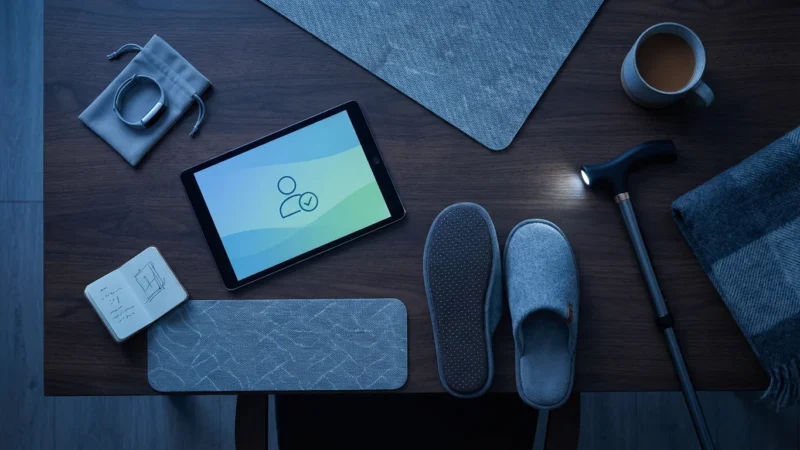
Proactive management also includes looking into fall prevention technology, which often integrates with these digital platforms for enhanced safety.
Consider the practical advantages. If you travel frequently, access to your medical information is crucial for unexpected emergencies. If you manage multiple chronic conditions, consolidating your data into a single, accessible platform simplifies medication management and appointment scheduling. A 2023 Pew Research study shows that a significant portion of adults now regularly track health information online, indicating a growing comfort and expectation for `online health` management.
What Are Digital Health Records?
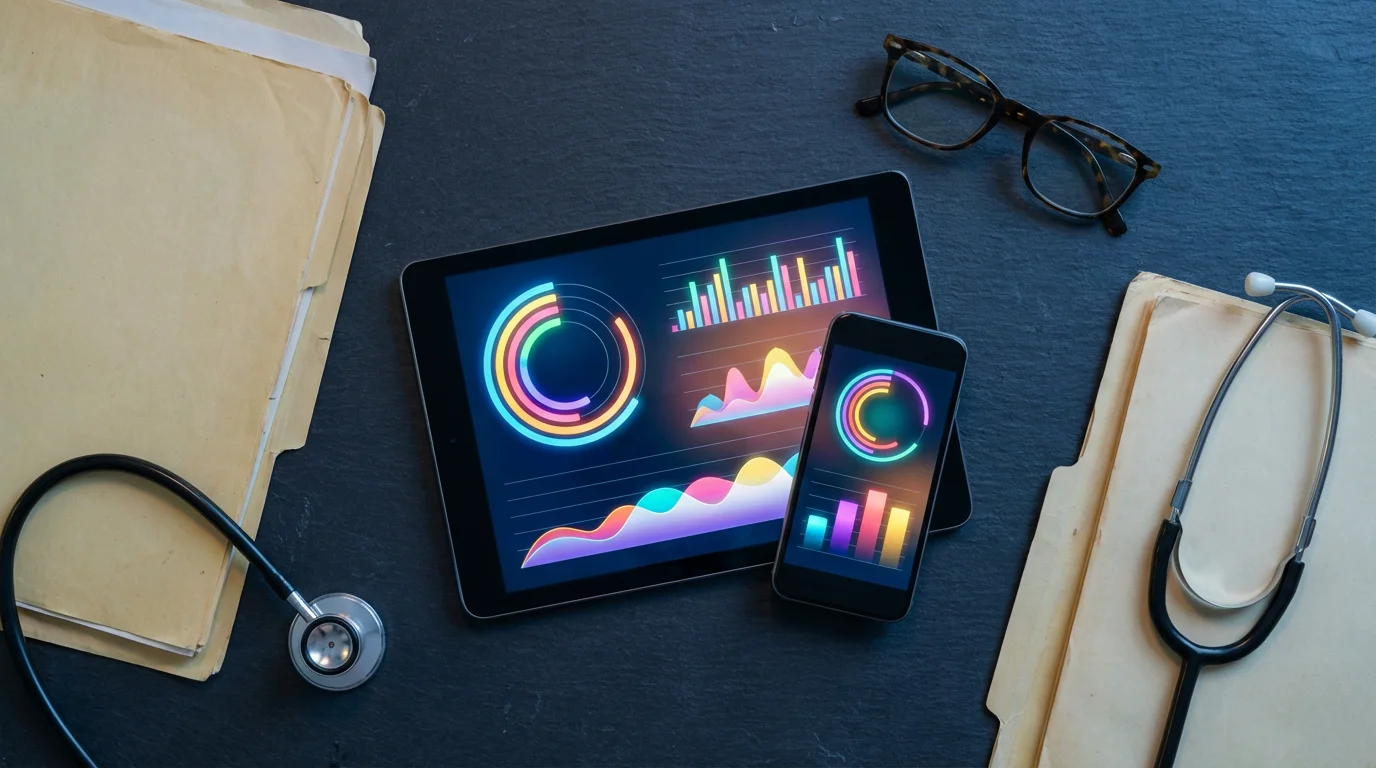
Digital health records encompass several systems, each serving a slightly different purpose. Understanding these distinctions helps you navigate your options effectively.
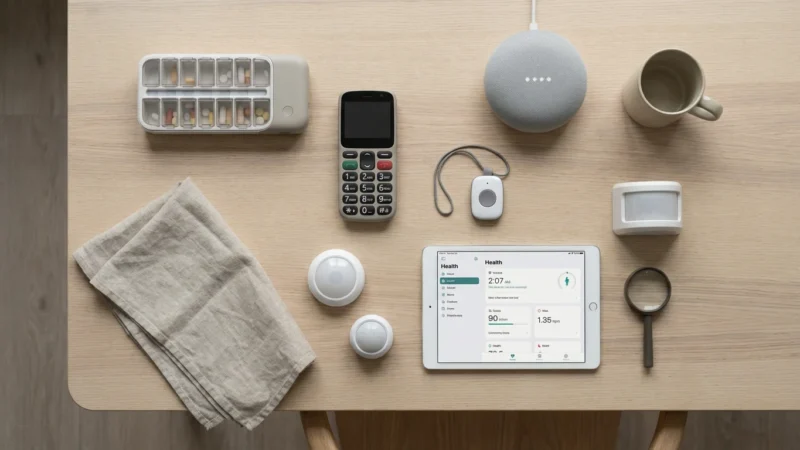
Modern health profiles are also beginning to incorporate data from specialized devices like modern hearing aids, allowing for better management of sensory health.
Centralizing this data is also a vital step when planning for healthcare costs in retirement, as it provides a clear picture of your ongoing medical needs.
* Electronic Health Records (EHRs): These are digital versions of your paper charts at a specific doctor’s office or hospital. They contain notes from your visits, diagnoses, medications, and test results. EHRs are designed to be shared among healthcare providers within the same system, improving coordination of care.
* Electronic Medical Records (EMRs): Similar to EHRs, EMRs are digital records within a single practice. They generally do not share information outside that specific clinical setting. Many providers are transitioning from EMRs to more comprehensive EHR systems.
* Personal Health Records (PHRs): These are health records you create and maintain yourself. PHRs can pull data from EHRs, allow manual input from you, and integrate data from wearables. You control who accesses your PHR, providing a personalized and comprehensive view of your health.
The core benefit across all these systems is the centralization of your medical data. This consolidation ensures that you and your chosen healthcare providers have the most current and accurate information available. It means less time filling out redundant forms and more time focusing on your health.

Navigating Health Portals: Your Gateway to Information
Your primary point of access for `digital health records` is typically through `health portals` provided by your healthcare system or individual clinics. These secure websites or apps serve as your direct link to your medical data. They offer a secure and convenient way to manage various aspects of your healthcare.
Finding portals that work with accessible technology ensures that everyone, regardless of physical challenges, can manage their own data.
Follow these steps to access your medical information online:
- Identify Your Healthcare Providers: List all the doctors, specialists, and hospitals you use. Each system may have its own portal.
- Inquire About Portal Access: The easiest way to get started is to ask your doctor’s office staff during your next visit. They can provide sign-up instructions and often help you register on the spot.
- Check Billing Statements and Websites: Many healthcare organizations print portal access information on patient statements or prominently display it on their official websites. Look for terms like “Patient Portal,” “MyChart,” or “Online Health Services.”
- Register for an Account: Once you locate the portal, you will likely need to create an account. This usually involves verifying your identity with personal information, creating a unique username, and setting a strong password. Be prepared to answer security questions.
- Explore the Portal Features: After logging in, take time to familiarize yourself with the interface. Most portals are intuitively designed, with clear sections for results, appointments, messages, and medications.
Remember, each healthcare system might use a different portal software. For instance, many use Epic’s MyChart or Cerner’s HealtheLife. You might have several different `online health` portals if you see doctors across different systems. This is normal, and understanding how to `access digital health records` for each is key.
Key Information You Can Access Online
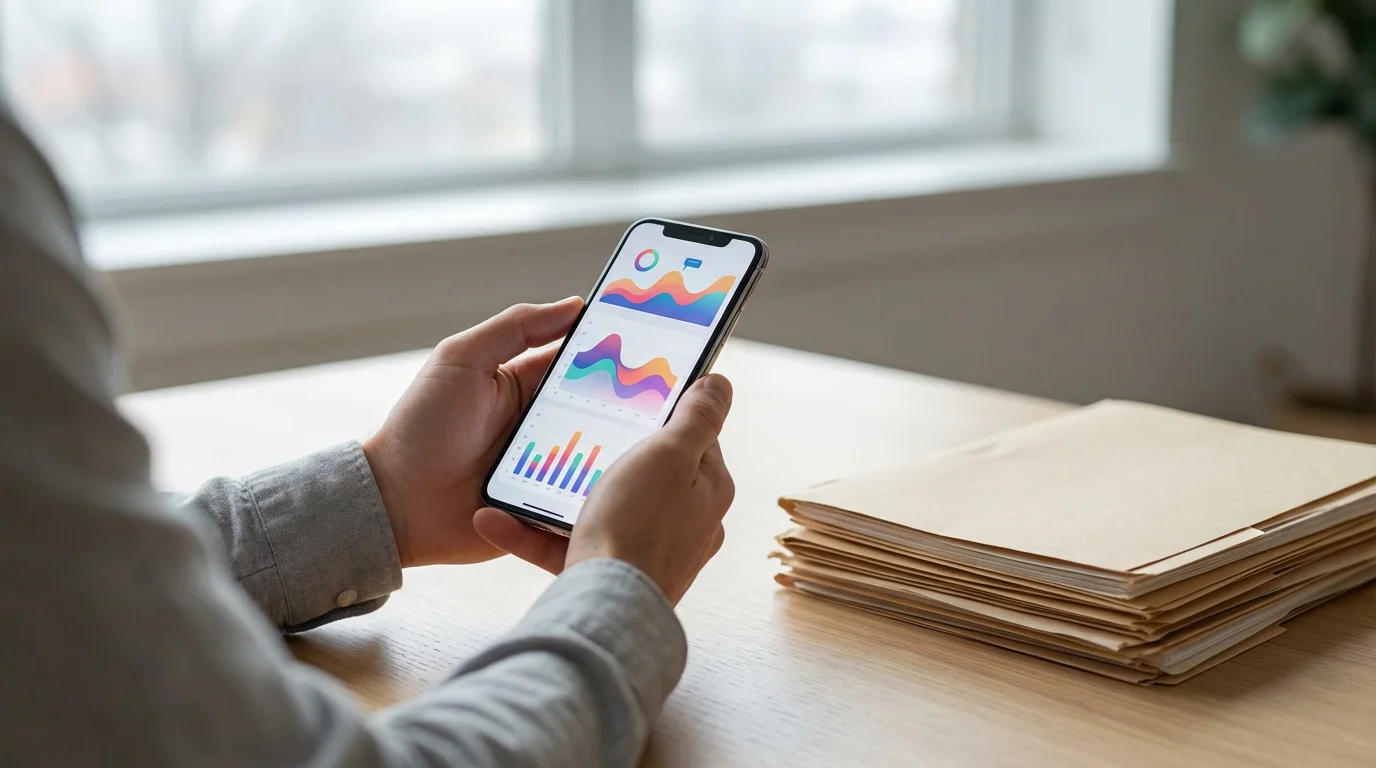
Once you have access to your `health portals`, a wealth of information becomes available at your fingertips. This direct access empowers you to stay informed and engaged with your care.
If reading these online reports is difficult, using assistive technology for visual impairment can help make this vital information more accessible.
Here is a list of common types of medical information you can typically view:
- Test Results: Lab results, imaging reports (X-rays, MRIs, CT scans), and other diagnostic findings are often posted directly to your portal shortly after they are processed.
- Medication Lists: A complete and up-to-date list of all your prescribed medications, including dosage and instructions. Many portals allow you to request refills directly.
- Appointment Scheduling and Reminders: View upcoming appointments, schedule new ones, and receive reminders via email or text.
- Visit Summaries and Notes: After a doctor’s visit, you can often find a summary of what was discussed, diagnoses, treatment plans, and follow-up instructions.
- Immunization Records: A record of your vaccinations, crucial for travel or new health requirements.
- Billing Information: Access to statements, payment history, and options for online bill payment.
- Secure Messaging: Communicate directly and securely with your care team for non-urgent questions or concerns.
Having this information readily available means you can review doctor’s instructions at your leisure, prepare questions for your next appointment, and ensure your `medical information online` is accurate. It reduces the need for phone tag and provides clarity on your health status.

Strategies for Managing Your Medical Information Online
Accessing your digital records is the first step. The next is to effectively `manage medical information online` so it genuinely benefits your health and lifestyle. This involves organization, proactive engagement, and utilizing available tools.
Making health data review part of your daily retirement routine helps you stay proactive about your long-term wellness.
Taking the time to streamline these files is an excellent exercise in digital decluttering, ensuring your most important documents are never more than a few clicks away.
Consider these strategies to optimize your `online health` management:
- Consolidate Your Data: While you may have multiple provider portals, consider using a Personal Health Record (PHR) app like Apple Health (for iOS users), Google Health (for Android users), or independent solutions like MyChart (which can link to multiple providers). These apps often allow you to import data from various sources, giving you a single, unified view.
- Regularly Review Your Records: Make it a habit to log into your `health portals` periodically. Check for new test results, confirm appointment details, and ensure your medication list is current. This vigilance helps catch errors or omissions early.
- Download and Store Important Documents: Many portals allow you to download summaries of care, lab results, or imaging reports as PDFs. Save these to a secure, organized folder on your computer or cloud storage. This creates a backup and simplifies sharing with new providers.
- Utilize Secure Messaging: If your portal offers secure messaging, use it for non-urgent questions. This can often be more efficient than phone calls and creates a written record of your communication.
- Prepare for Appointments: Before a doctor’s visit, review your recent test results or visit notes online. Jot down any questions you have and be ready to discuss them. This maximizes your time with the doctor.
blockquote>
“The future belongs to those who believe in the beauty of their dreams.” — Eleanor Roosevelt
This proactive engagement with your `digital records` not only keeps you informed but also positions you as an engaged partner in your healthcare.

Enhancing Security and Privacy of Your Health Data
Security is paramount when dealing with sensitive `medical information online`. While healthcare systems employ robust measures, your personal practices significantly contribute to protecting your data. You hold the power to reinforce your privacy.
Personal security online is broader than just medical records; learning how to protect yourself from financial scams is also crucial for safeguarding your digital presence.
Proactive security is not just about daily privacy; it is a key part of estate planning in the digital age to protect your sensitive online information for the long term.
Implement these vital security practices:
- Use Strong, Unique Passwords: Create complex passwords for each `health portal` using a combination of uppercase and lowercase letters, numbers, and symbols. Avoid using easily guessable information.
- Enable Two-Factor Authentication (2FA): Whenever available, activate 2FA. This adds an extra layer of security, usually requiring a code sent to your phone or email in addition to your password.
- Be Wary of Phishing Attempts: Never click on suspicious links in emails or text messages purporting to be from your healthcare provider. Always navigate directly to your `health portals` by typing the official web address.
- Log Out After Each Session: Always log out of your `digital records` accounts, especially on shared or public computers.
- Understand HIPAA: The Health Insurance Portability and Accountability Act sets national standards for protecting sensitive patient health information. This law ensures your providers handle your `digital records` securely and gives you rights regarding your health data. Organizations like Harvard Health frequently publish guidance on patient rights and privacy.
- Regularly Update Your Devices: Keep your computer, tablet, and smartphone operating systems and web browsers updated. These updates often include critical security patches.
Your diligence in these areas directly enhances the safety of your personal `online health` data. You maintain control over your privacy and secure your information against potential threats.
Integrating Wearables and Health Apps
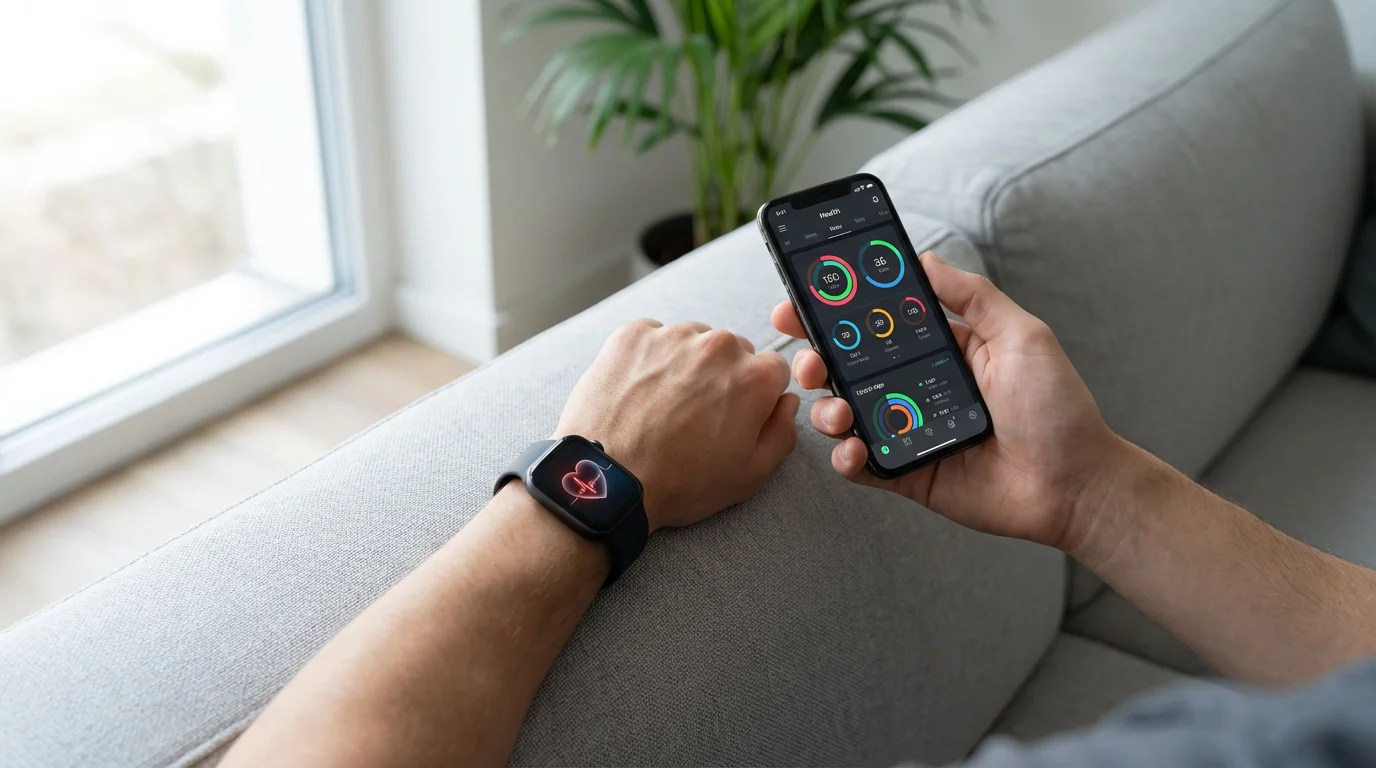
The modern age of health extends beyond traditional doctor visits. Wearable technology and dedicated health apps now play a significant role in helping you `manage medical information online` and maintain a proactive lifestyle. These tools provide continuous data, offering insights into your daily health patterns.
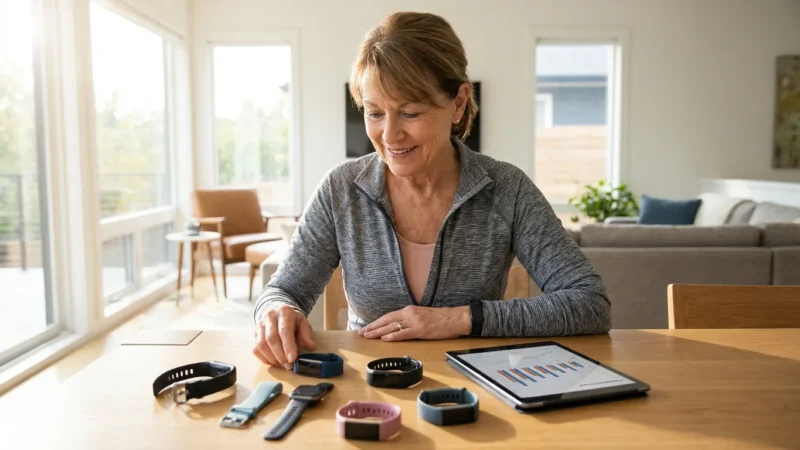
Many modern retirees find that choosing the right fitness tracker allows them to seamlessly sync activity data directly into their personal health records for a holistic view of their wellness.
Consider how these technologies empower you:
- Activity Trackers: Devices like Fitbits, Apple Watches, or Samsung Galaxy Watches monitor your steps, heart rate, sleep patterns, and even stress levels. This data helps you understand your activity levels and make informed choices about exercise.
- Blood Pressure Monitors and Glucose Meters: Many contemporary devices connect wirelessly to apps on your smartphone, allowing you to log readings automatically. This creates a continuous record that you can share with your doctor, painting a clearer picture of your health trends.
- Diet and Nutrition Apps: Applications such as MyFitnessPal or Cronometer help you track food intake, manage calories, and monitor nutritional goals. They foster awareness of your dietary habits and support healthier eating.
- Medication Reminders: Apps like Medisafe ensure you take your medications on time, improving adherence to your treatment plan. Some even integrate with pharmacy systems for refill alerts.
- Integration with PHRs: Many health apps and wearables can synchronize data with personal health records like Apple Health or Google Health. This consolidates your wellness data alongside your clinical `digital records`, offering a holistic view of your health.
According to MIT’s AgeLab, these technologies promote “active aging” by providing individuals with data to make smarter daily decisions about their well-being. By integrating these tools, you transform raw data into actionable insights, enhancing your capacity to `manage medical information online` and embrace a healthier, more informed lifestyle.

The Future of Digital Health: What Comes Next?
The landscape of `online health` is constantly evolving, promising even greater personalization and accessibility. As a modern retiree, you stand at the forefront of these innovations, ready to leverage them for a more enriched and healthier life. The trends point towards increased integration, predictive analytics, and enhanced telemedicine options.
Here is what you can anticipate in the evolving digital health sphere:
- Artificial Intelligence and Diagnostics: AI algorithms are already assisting in analyzing medical images and lab results, often identifying anomalies earlier and with greater accuracy than human review alone. This will lead to more precise diagnoses and personalized treatment plans.
- Telehealth Expansion: Virtual consultations, already widespread, will become even more sophisticated, with remote monitoring devices providing real-time data to your doctors. This makes healthcare more accessible, regardless of your location.
- Personalized Medicine: Advances in genomics and data analysis mean treatments will increasingly be tailored to your unique genetic makeup and lifestyle, moving beyond a one-size-fits-all approach.
- Seamless Data Exchange: Efforts continue to improve interoperability between different `health portals` and systems, aiming for a future where your `digital records` flow effortlessly between all your providers, regardless of their affiliations. This will simplify how you `access digital health records` across your entire care network.
- Augmented Reality for Health: Imagine using AR apps to visualize anatomical models or understand surgical procedures in an immersive way. These technologies are emerging, offering new avenues for patient education.
Your engagement with current `online health` tools helps shape this future. By embracing digital literacy now, you are not just adapting to change, you are actively participating in defining what healthcare looks like for generations to come. Your experience and feedback are invaluable as these technologies mature, ensuring they meet the needs of those who use them most.
Frequently Asked Questions
Can I access all my past medical records digitally?
While most recent records from current providers are accessible, older records, especially those predating widespread digitalization, might still be in paper format. Your current providers can often help you request older records or guide you on how to convert them into `digital records` if needed.
What if I see multiple doctors from different healthcare systems?
You will likely have separate `health portals` for each independent healthcare system. Many PHR apps, however, can connect to and pull data from various systems, helping you consolidate your `medical information online` into one view. You can also download data from one portal and manually upload it to another PHR.
Is it safe to put all my medical information online?
Yes, `digital health records` and `health portals` are designed with robust security measures, including encryption and strict access controls, to protect your privacy. Healthcare organizations must comply with laws like HIPAA. Your role involves using strong passwords, enabling two-factor authentication, and being vigilant against phishing attempts to maintain your security.
Can I share my digital health records with family members or caregivers?
Many `health portals` offer proxy access, allowing you to grant designated family members or caregivers permission to view your `digital records`. You can control the level of access they receive. Alternatively, you can download specific documents and share them directly, ensuring secure transmission. Always check your portal’s settings for delegation options.
What if I find an error in my digital health record?
You have the right to request amendments to your `digital records`. If you find an error, contact your healthcare provider’s office directly. Most `health portals` have a secure messaging feature or a specific process for requesting corrections. Be prepared to provide clear details about the error and what information you believe is correct.
Disclaimer: This article is for informational purposes. Technology, apps, and services mentioned may change over time. We encourage readers to research current options and consider their individual needs when making decisions.


Leave a Reply