
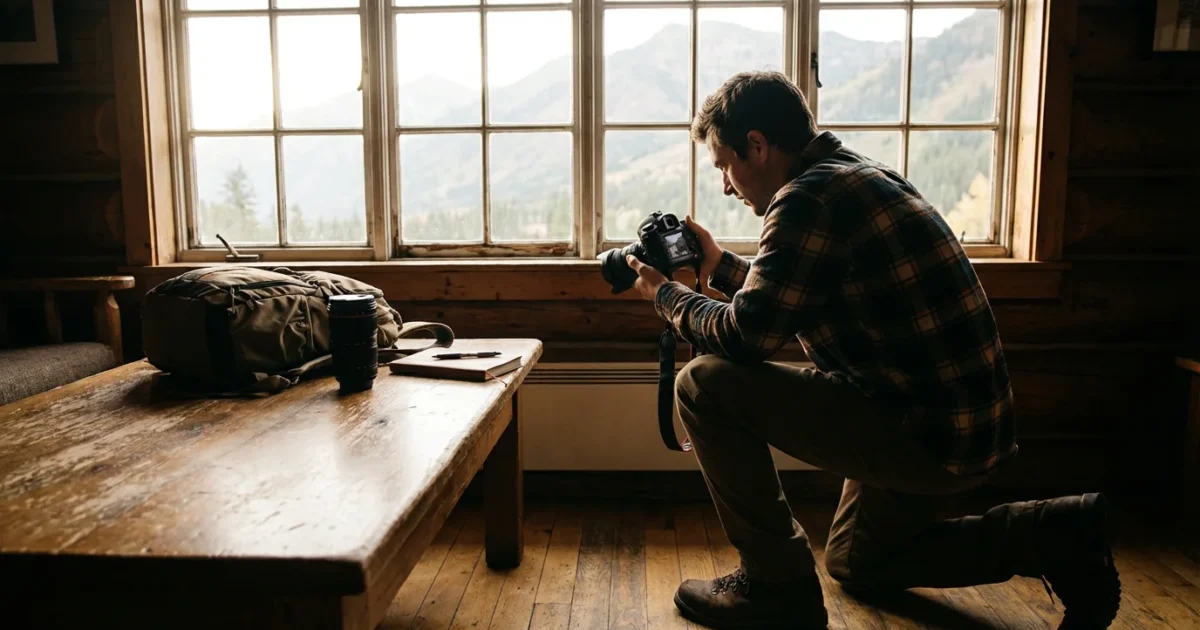
The modern retirement redefines what it means to live vibrantly. You are not slowing down, you are gearing up for new adventures, exploring passions, and creating a life rich with experiences. Digital photography stands as your ideal companion on this journey, offering a powerful tool to capture every moment, tell your unique story, and share your perspective with the world. Forget outdated notions of retirement; embrace the freedom to document your travels, hobbies, and the people who make your life extraordinary. This guide empowers you to master `digital photography`, transforming fleeting moments into lasting memories.
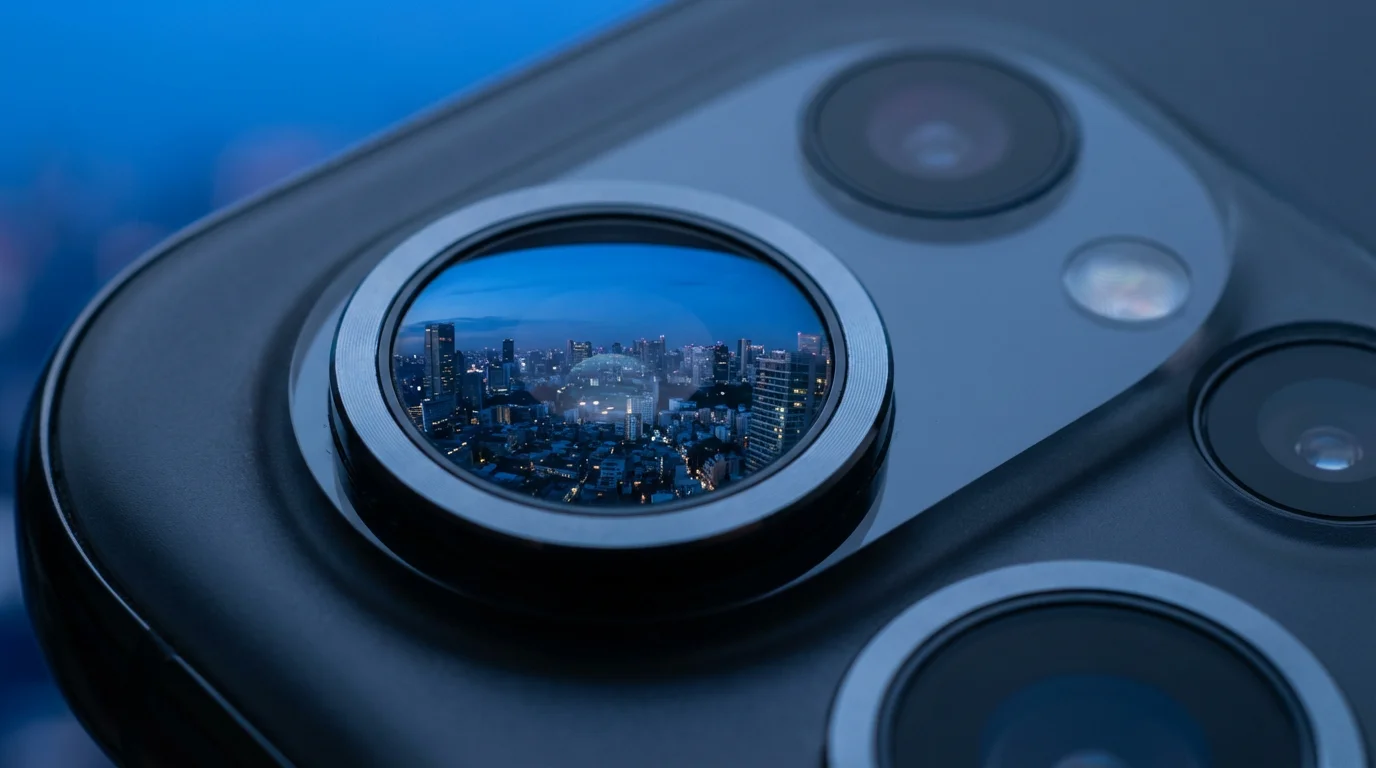
Embracing the Digital Lens: Why Now is Your Time
Your retirement represents an exciting chapter of personal growth and exploration. Modern `digital photography` perfectly complements this new phase, providing accessible tools to document your evolving lifestyle. You gain the ability to freeze moments, preserve memories, and reflect on your experiences with clarity and detail. This technology encourages you to observe your surroundings more closely, find beauty in the everyday, and engage with the world in a richer, more meaningful way.
Photography is a perfect creative outlet for those pursuing a digital nomad retirement, allowing you to document your journey while working and traveling globally.
Digital cameras, including your smartphone, offer instant feedback, allowing you to learn and adjust in real time. This immediate gratification fuels your creative process and builds confidence quickly. You do not need to wait for film development; you see your results immediately, refining your `photography tips` on the fly. This accessibility democratizes photography, making it a powerful storytelling medium for everyone, regardless of prior experience. Capturing your adventures becomes an integral part of living them.
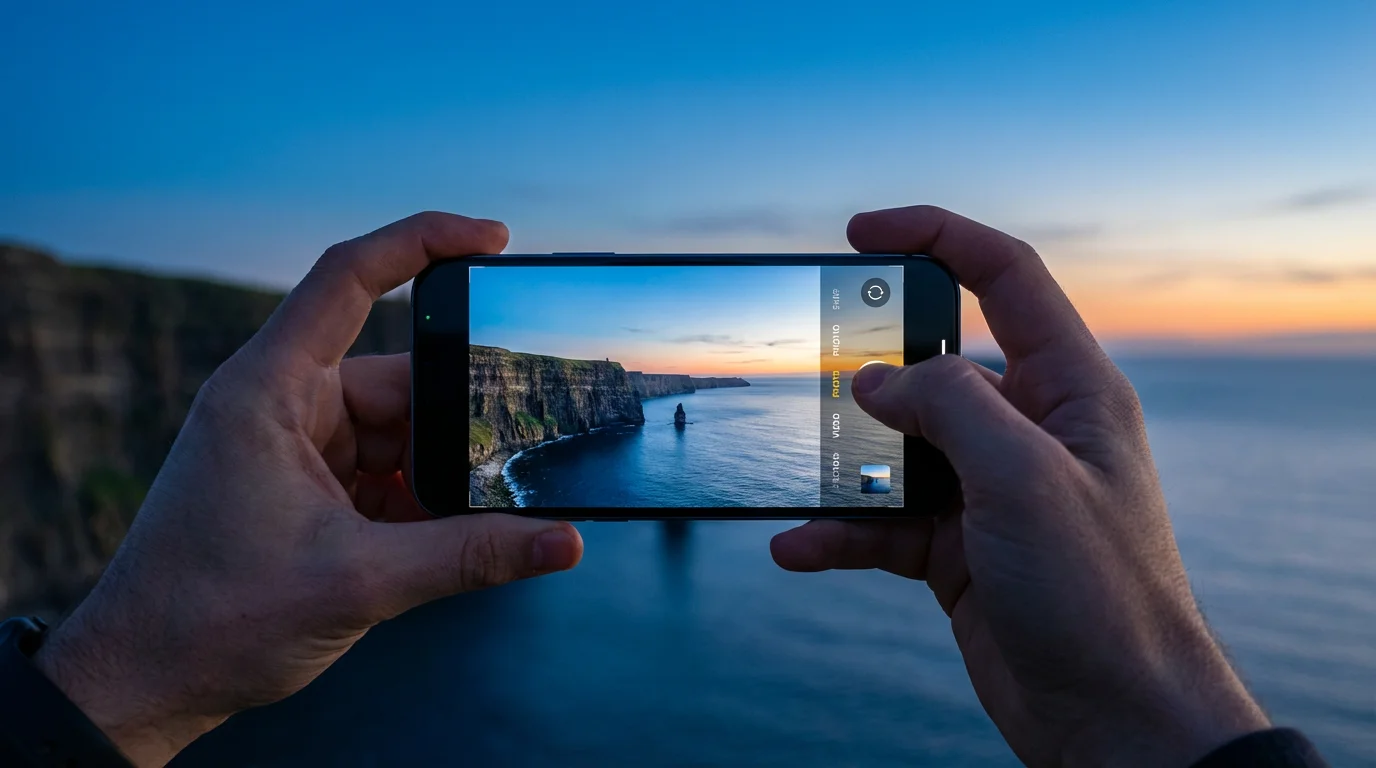
Choosing Your Perfect Companion: Cameras for Every Explorer
Selecting the right camera depends on your personal adventures and preferences. Consider portability, image quality, and ease of use when making your choice. The `best cameras for senior travelers` balance these factors, ensuring you capture stunning images without unnecessary bulk or complexity. Today’s market offers excellent options beyond traditional DSLRs.
For those interested in backpacking after retirement, choosing a lightweight mirrorless system ensures you don’t compromise on image quality while keeping your pack light.
An action camera is also a fantastic tool for documenting geocaching adventures and other outdoor treasure hunts.
Even if you are following budget travel tips to see the world, investing in the right camera gear is a worthwhile way to preserve your journey.
If your itinerary includes exploring national parks, you might prioritize a camera with a powerful optical zoom to capture wildlife from a safe distance.
Here are popular camera types to consider for your expeditions:
- Smartphones: Your pocket-sized powerhouse. Modern smartphones offer incredible image quality, advanced features, and seamless integration with editing and sharing apps. They are ideal for spontaneous shots, social sharing, and minimizing gear. The convenience of always having a capable camera means you never miss a moment.
- Mirrorless Cameras: These cameras combine DSLR-level image quality with a more compact, lighter design. They offer interchangeable lenses, giving you creative flexibility for various scenes, from wide landscapes to detailed portraits. Many models feature intuitive controls and excellent autofocus, making them user-friendly.
- Digital Single-Lens Reflex (DSLR) Cameras: DSLRs provide superior image quality, extensive manual controls, and a vast selection of lenses. They are often favored by enthusiasts who desire maximum creative control and are comfortable with a larger camera body. While excellent, their size and weight can be a factor for extensive travel.
- Action Cameras (e.g., GoPro): Designed for rugged conditions and immersive experiences. These small, durable cameras capture high-quality video and stills, perfect for adventurous activities like hiking, biking, or snorkeling. Their wide-angle lenses and robust build make them ideal for capturing dynamic, extreme `travel photos`.
Consumer Reports often highlights that many modern smartphones outperform entry-level dedicated cameras in convenience and sometimes even image quality for typical use, making your existing device a strong contender for `how to take better travel photos`. Evaluate what type of photography excites you most, then choose the camera that best supports that vision.
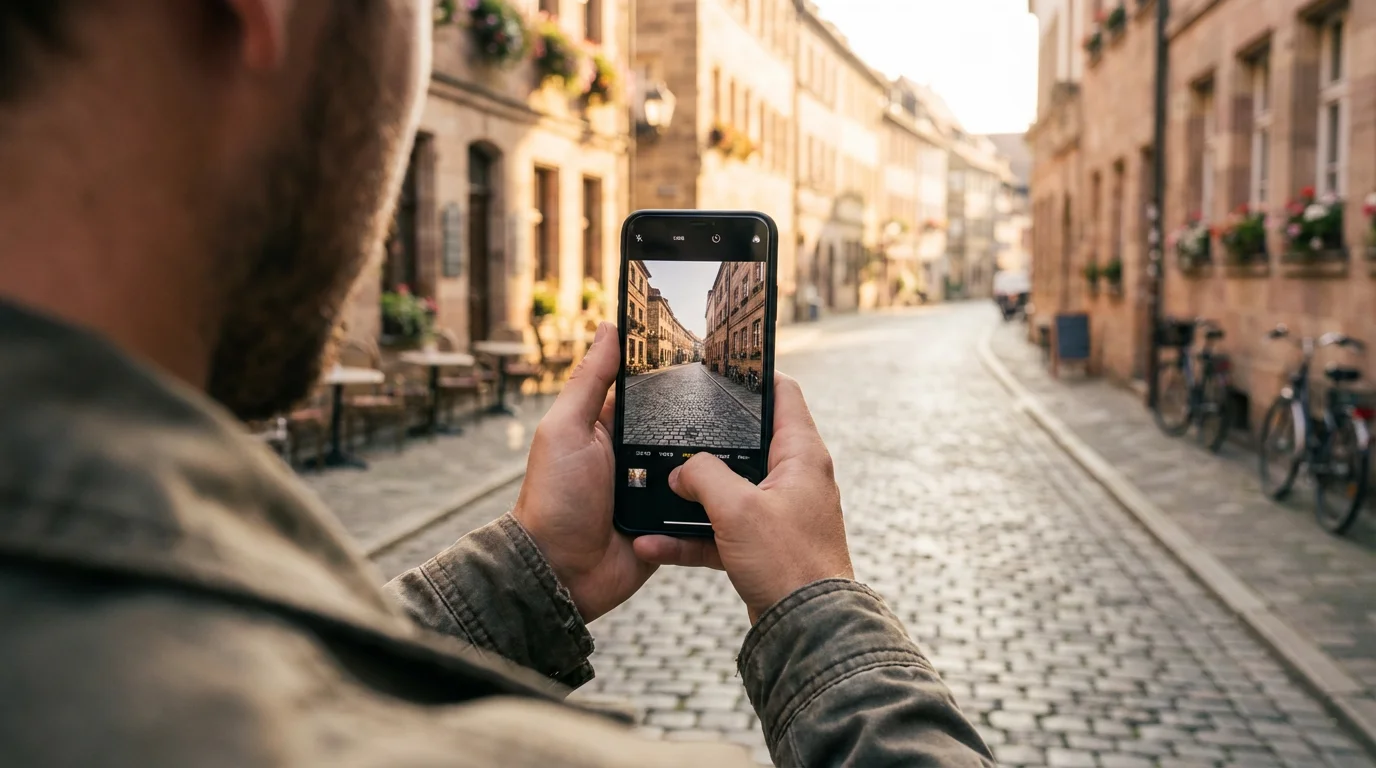
Mastering the Basics: Essential Photography Tips for Stunning Shots
You do not need to be a professional to take breathtaking pictures. A few fundamental `photography tips` elevate your shots from simple snapshots to captivating images. Focus on these core principles to enhance your `digital photography` skills.
Follow these steps to improve your photographs:
- Understand Lighting: Light is the most crucial element in photography. Shoot during the “golden hour,” shortly after sunrise or before sunset, for soft, warm light that flatters subjects and enhances landscapes. Avoid harsh midday sun, which creates strong shadows and blown-out highlights. Position your subject to utilize natural light effectively, avoiding direct backlighting unless you aim for a silhouette effect.
- Master Composition with the Rule of Thirds: Imagine your frame divided into nine equal sections by two horizontal and two vertical lines. Place your subject or key elements along these lines or at their intersections, rather than directly in the center. This creates a more balanced, engaging, and dynamic image. Many cameras and smartphones offer a grid overlay to assist you.
- Focus Sharply: Ensure your main subject appears crisp and clear. On smartphones, simply tap on your subject on the screen to set the focus. With dedicated cameras, learn how to use autofocus points to lock onto your desired element. A sharp subject draws the viewer’s eye and adds professionalism to your `travel photos`.
- Vary Your Perspective: Do not always shoot from eye level. Experiment by getting low to the ground, shooting from above, or framing your subject through an opening. A fresh perspective transforms an ordinary scene into something unique and memorable. It invites the viewer to see the world as you do.
- Eliminate Distractions: Before you press the shutter, quickly scan the edges of your frame. Remove any distracting elements that pull attention away from your main subject. A clean background enhances your subject and improves the overall impact of your image. Simplicity often leads to stronger photographs.
- Practice, Practice, Practice: The more you shoot, the better you become. Experiment with different settings, subjects, and lighting conditions. Review your photos to understand what works and what does not. Consistent practice builds your eye for composition and helps you instinctively apply these tips.
By implementing these simple yet powerful `photography tips`, you will significantly improve the quality and artistic merit of your `travel photos`. Each shot becomes an opportunity to express your unique vision.
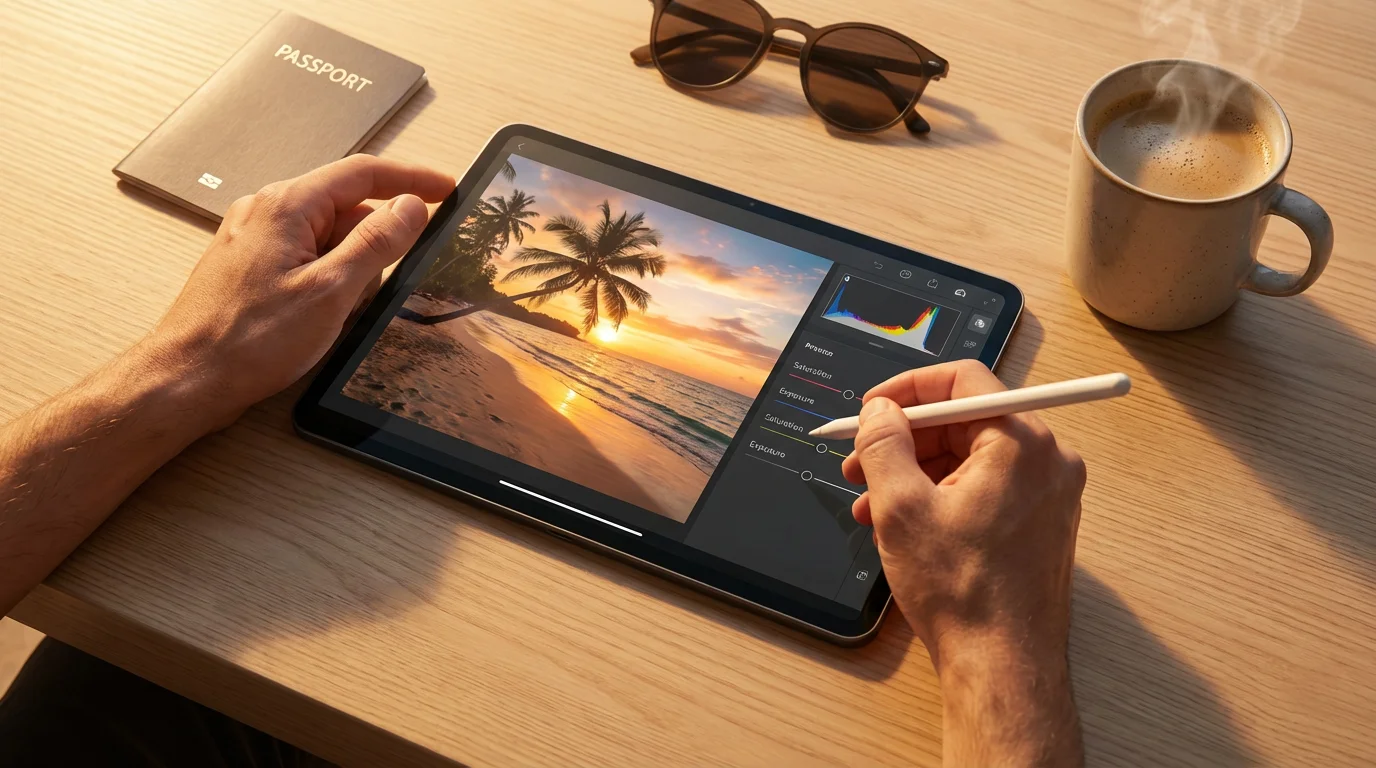
Beyond the Click: Editing Your Masterpieces
Capturing an image is only half the artistic journey; post-processing elevates your `travel photos` to their full potential. You do not need complex software or extensive technical knowledge to make your pictures pop. Accessible editing apps and programs allow you to enhance colors, adjust exposure, and crop distracting elements with ease. Think of editing as refining your vision, bringing out the best in what you have already captured.
Refining your photos is another way of developing your personal style and expressing your unique perspective during your retirement years.
Once you have finished editing, utilizing cloud storage is the best way to ensure your precious digital memories are securely backed up.
Consider these user-friendly tools for transforming your `digital photography`:
- Snapseed (Mobile, Free): A powerful, intuitive app for both iOS and Android. Snapseed offers a wide range of tools for basic adjustments like brightness, contrast, and saturation, as well as more advanced features like selective adjustments and healing brushes. It is excellent for quick, impactful edits on the go.
- Adobe Lightroom Mobile (Mobile, Free with optional subscription): Offers professional-grade editing capabilities in a mobile format. You can make precise adjustments, apply presets, and organize your photos seamlessly. A paid subscription unlocks cloud sync and advanced features, but the free version remains highly capable for many users.
- Google Photos (Web/Mobile, Free): Beyond storage, Google Photos includes robust editing tools for quick enhancements. You can adjust light, color, and apply filters. Its AI-powered suggestions can often improve your photos with a single tap, making it perfect for efficient editing.
- Apple Photos (Mac/iOS, Free): If you are within the Apple ecosystem, Photos provides integrated editing tools on your iPhone, iPad, and Mac. It handles basic adjustments, cropping, and has a good selection of filters. Its seamless integration makes it convenient for managing and enhancing your images.
When editing, focus on enhancing, not over-processing. A few key adjustments often make the biggest difference:
- Cropping and Straightening: Remove distracting elements and ensure your horizons are level. This instantly improves composition.
- Exposure and Contrast: Brighten underexposed areas or add drama by increasing contrast. Balance these to reveal details in shadows and highlights.
- Color Correction: Adjust white balance to ensure colors appear natural. Boost saturation slightly to make colors more vibrant, but avoid oversaturation.
- Sharpening: Apply a subtle amount of sharpening to make details crisp, but use it sparingly to avoid an unnatural look.
These tools empower you to transform your good photos into truly great ones, reflecting your artistic intent. According to a study by Pew Research Center, over 70% of adults aged 50 and older use smartphones, making mobile editing apps incredibly accessible for this demographic.
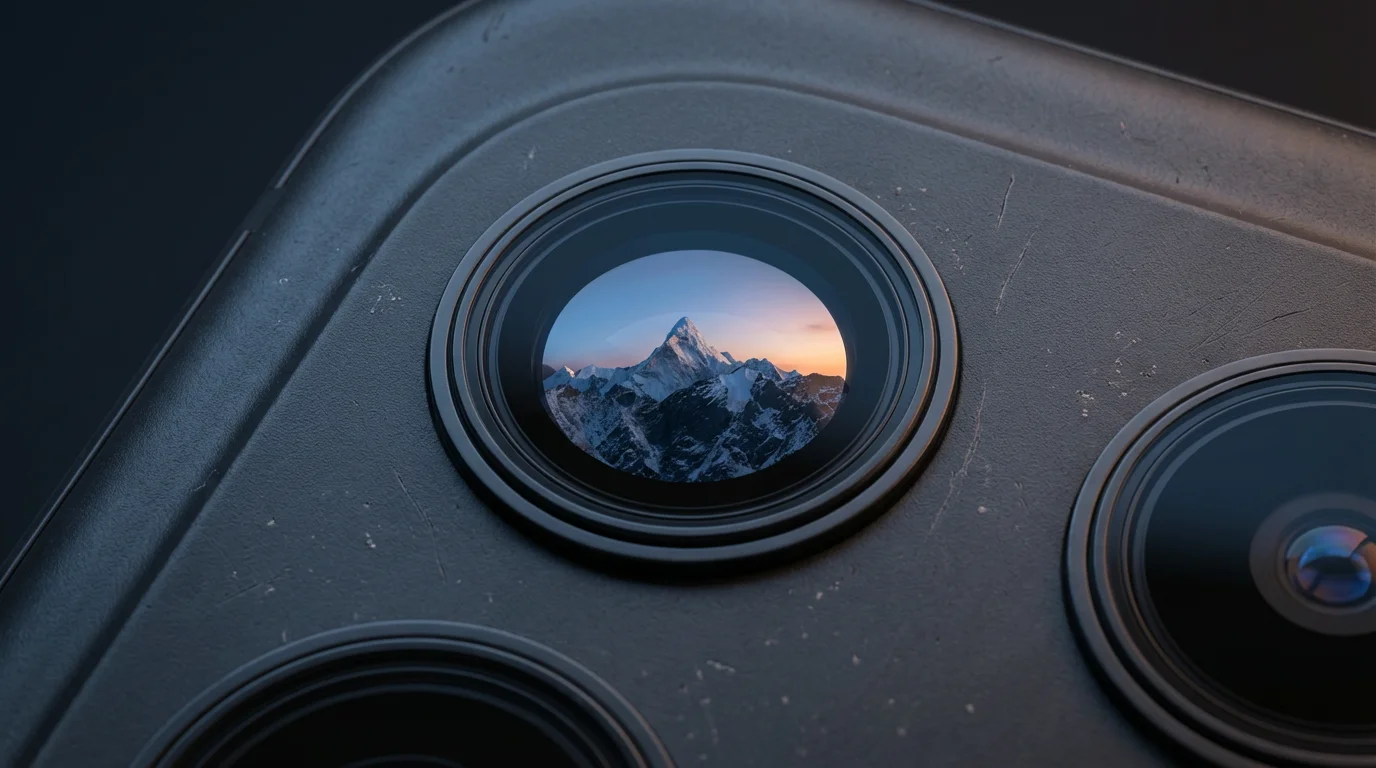
Storytelling Through Travel Photos: Capturing Your Adventures Authentically
Your travels are more than a collection of picturesque scenes; they are narratives waiting to be told. `Travel photos` become powerful storytelling devices when you approach them with intention. Move beyond simply documenting landmarks. Focus on capturing the essence of a place, the emotions of a moment, and the unique interactions that define your adventures.
If your journey involves house sitting, you will have the time to photograph the authentic local lifestyle that traditional tourists often miss.
Furthermore, learning a new language for travel can help you connect with locals, making it easier to capture intimate and authentic portraits.
Beyond social media, creating a personal website provides a professional and permanent home for your favorite photography galleries and travelogues.
Here are strategies for telling compelling stories with your camera:
- Capture the Human Element: People bring life and scale to your images. Photograph locals in their daily routines, fellow travelers, or even yourself interacting with your surroundings. Candid shots often convey the most authentic emotions. Remember to be respectful and ask permission when appropriate.
- Seek Out Details: Zoom in on the intricate patterns of architecture, the vibrant colors of local markets, or the texture of a traditional craft. These small details often reveal the true character of a place more profoundly than a wide-angle shot. They add richness and context to your story.
- Show Motion and Action: Do not let every photo be static. Experiment with capturing movement, whether it is a bustling street scene, a performer, or waves crashing on the shore. This adds energy and dynamism to your narrative, making the viewer feel more immersed in the experience.
- Embrace Different Times of Day: The same scene transforms dramatically with different light. Photograph a landmark at dawn, midday, and dusk to show its varied moods. This provides a fuller, more complex portrait of your destination.
- Create a Series: Instead of just one photo, take several related shots to build a mini-story. For example, document the process of a local artisan creating their craft, from raw materials to the finished product. A sequence of images can be more impactful than a single isolated shot.
- Reflect Your Perspective: Your unique experiences and interests shape your travel story. What stood out to you? What did you find surprising or beautiful? Let your personal connection guide your lens. Your unique perspective makes your `digital photography` truly yours.
By focusing on these storytelling techniques, your `photography tips` will extend beyond technical execution to capturing the very soul of your journey. Each photo becomes a chapter in your grand adventure.
“The camera is an instrument that teaches people how to see without a camera.” — Dorothea Lange

Sharing Your Vision: Platforms and Privacy in the Digital Age
Once you have captured and refined your incredible `travel photos`, sharing them becomes a joyful part of the experience. The digital age offers numerous platforms to connect with family, friends, and even a global community of enthusiasts. You control how and with whom you share your masterpieces, allowing you to choose the level of visibility that suits you best.
Consider these popular options for showcasing your `digital photography`:
- Social Media (e.g., Instagram, Facebook): Ideal for sharing quick updates, daily moments, and connecting with a broad audience. Instagram focuses heavily on visuals, while Facebook allows for more narrative context. Remember to utilize privacy settings to control who sees your posts.
- Cloud Storage and Sharing (e.g., Google Photos, Apple Photos, Dropbox): Excellent for privately sharing full-resolution albums with specific groups. You can create shared albums for family trips or special events, allowing everyone to view and even contribute. These platforms also provide crucial backup for your precious memories.
- Personal Blogs or Websites: For the more dedicated storyteller, a personal blog offers a dedicated space to showcase your `travel photos` with extensive written narratives. Platforms like WordPress or Squarespace make it relatively easy to create a professional-looking site.
- Photo Books and Prints: Sometimes, the most meaningful way to share is offline. Create custom photo books that chronicle your adventures, or print your favorite shots to display in your home or give as gifts. Companies like Shutterfly or Mixbook offer intuitive design tools.
- Online Photography Communities (e.g., Flickr, 500px): If you want to connect with other photographers, these platforms offer a space to share your work, receive feedback, and get inspiration. They cater to a more art-focused audience and can be a great way to hone your skills.
Always review the privacy settings on any platform you use. You have the power to decide who sees your `photography tips` in action, ensuring your comfort and security. Sharing your vision adds another layer of enjoyment to your digital photography journey.
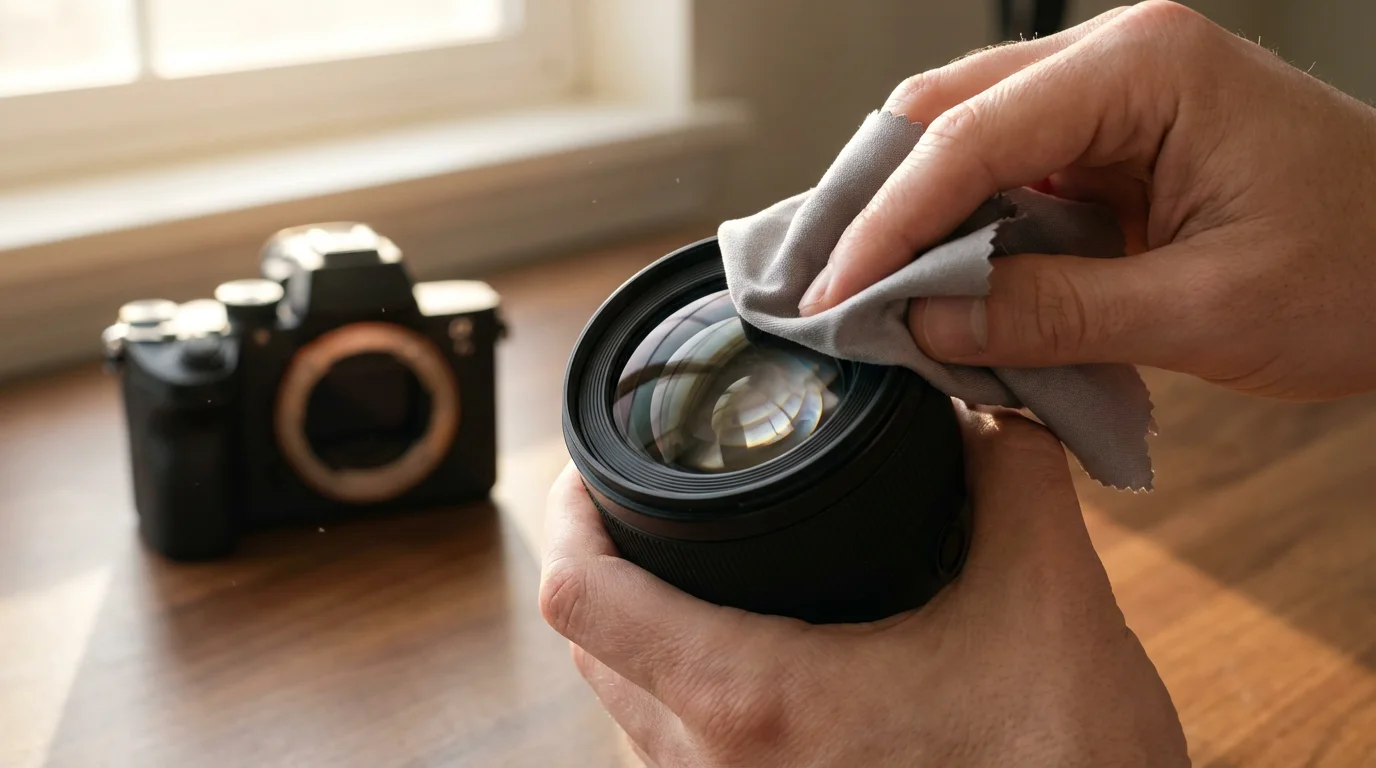
Maintaining Your Gear: Simple Care for Lasting Memories
Your camera and accessories are investments in your passion for `digital photography`. Proper care extends their lifespan and ensures they perform reliably, especially when you are capturing important `travel photos`. Simple maintenance routines prevent common issues and keep your equipment ready for your next adventure. You protect your ability to document future memories by looking after your gear today.
Implement these practical steps to care for your photography equipment:
- Keep Lenses Clean: Dust and smudges degrade image quality. Use a specialized lens brush or air blower to remove loose particles, then gently wipe with a microfiber lens cloth. Avoid using harsh chemicals or tissue paper, which can scratch delicate coatings. Clean lenses ensure crisp, clear `travel photos`.
- Protect from Elements: Shield your camera from rain, excessive dust, and extreme temperatures. Use a camera bag that offers padding and weather resistance. Consider a rain cover for unexpected downpours. Extreme cold can drain batteries quickly, while heat can affect electronics.
- Manage Batteries: Always carry spare, fully charged batteries, especially when traveling. Recharge batteries after each use, but avoid overcharging them constantly. Store batteries in a cool, dry place. Proper battery care ensures your camera is always ready when inspiration strikes.
- Safe Storage: When not in use, store your camera in a dry, dust-free environment, ideally in a padded camera bag or case. If you live in a humid climate, consider using silica gel packets in your camera bag to absorb moisture and prevent mold growth on lenses and sensors.
- Regular Sensor Cleaning (Advanced): For mirrorless and DSLR cameras, dust can accumulate on the sensor, appearing as spots on your images. While professional cleaning is recommended periodically, you can use a manual air blower for light dust. Never touch the sensor directly.
- Update Firmware: Camera manufacturers frequently release firmware updates that improve performance, add new features, or fix bugs. Check your camera manufacturer’s website periodically for available updates. This keeps your camera operating at its best.
By following these straightforward `photography tips` for gear maintenance, you ensure your equipment remains in top condition, ready to capture countless more adventures.
Frequently Asked Questions
Is my smartphone enough for good travel photos?
Absolutely. Modern smartphones feature advanced cameras capable of capturing stunning `travel photos`. Their convenience, powerful image processing, and integrated editing apps make them excellent tools for most travelers. Focus on composition and lighting, and your smartphone will deliver impressive results.
How do I back up my photos to keep them safe?
You have several reliable options. Cloud services like Google Photos, Apple Photos, or Dropbox automatically upload your images, providing an off-site backup. Additionally, you can regularly transfer photos to an external hard drive. A combination of cloud storage and a physical backup offers the best protection for your `digital photography` collection.
What exactly is the “rule of thirds” in photography?
The “rule of thirds” is a basic compositional guideline. Imagine your image divided into nine equal segments by two equally spaced horizontal lines and two equally spaced vertical lines. You place your subject or key elements along these lines or at their intersections to create a more balanced and visually interesting photograph than if you centered everything.
Do I need expensive software to edit my photos effectively?
No, you do not. Free mobile apps like Snapseed or Google Photos offer robust editing capabilities for most needs. Even built-in photo editors on your computer or smartphone provide excellent tools for basic adjustments like cropping, exposure, and color correction. Expensive software becomes beneficial only if you pursue professional-level `digital photography` editing.
How can I protect my camera when traveling?
Invest in a quality camera bag with good padding and weather resistance. Use lens caps and filters to protect your glass. When not in use, keep your camera in its bag to shield it from bumps, dust, and moisture. Consider a wrist strap or neck strap to prevent accidental drops, especially in crowded areas or when navigating challenging terrain during your adventures.
Disclaimer: This article is for informational purposes. Technology, apps, and services mentioned may change over time. We encourage readers to research current options and consider their individual needs when making decisions.








Leave a Reply