Retirement no longer signifies an end to growth or a retreat from the world. For the modern retiree, this phase marks an exciting new beginning, a golden era for personal development, skill acquisition, and intellectual exploration. You have the time, the wisdom, and the curiosity to dive into subjects that always fascinated you, or to master new tools that redefine your daily life. Embracing lifelong learning becomes not just an option, but a vibrant pathway to a fulfilling, engaging, and relevant retirement. This era empowers you to design your journey, staying sharp, connected, and endlessly intrigued.

The New Era of Lifelong Learning: Your Retirement Imperative
The concept of retirement evolved significantly. No longer does society expect you to slow down and disengage. Instead, modern retirees actively pursue new interests, acquire valuable skills, and contribute meaningfully to their communities and personal lives. Lifelong learning stands at the heart of this contemporary retirement vision. It offers a powerful antidote to stagnation, ensuring your mind remains active and your perspective broadens continually.
Many modern retirees find that exploring national parks offers a unique hands-on education in geology and natural history while staying active.
You gain numerous advantages by integrating continuous learning into your retirement lifestyle. It keeps you relevant in a rapidly changing world. It cultivates new social connections through shared intellectual pursuits. Furthermore, engaging with new information and concepts fundamentally enhances your overall well-being. This journey empowers you to shape a retirement that is both intellectually stimulating and deeply satisfying.

Cognitive Benefits of Continuous Learning
Engaging in new learning experiences provides significant benefits for your brain health. Research consistently demonstrates that intellectual activity helps maintain cognitive function as you age. When you challenge your brain with novel tasks, you strengthen neural pathways and potentially build cognitive reserve. This resilience helps your brain better cope with the effects of aging.
To complement this mental stimulation, activities like hiking for seniors keep your body moving while you learn about local geography.
Consider the data supporting these claims. According to Harvard Health, staying mentally active with new learning is a vital strategy for brain health, comparable to physical exercise. Learning a new language, for instance, enhances problem-solving skills and improves memory. A study by the Stanford Center on Longevity emphasizes that purposeful engagement, which includes learning, plays a key role in healthy aging and overall life satisfaction. You proactively invest in your future by embracing this mental stimulation.

Unlocking Digital Classrooms: What Online Courses for Retirement Are Best
The digital age revolutionized access to education, placing a world of knowledge directly at your fingertips. Online courses offer unparalleled flexibility and variety, allowing you to learn from anywhere, at any pace. Whether you seek professional development, a new hobby, or deeper understanding of complex subjects, a digital classroom awaits. Determining what online courses for retirement are best depends entirely on your personal goals and interests.
Many platforms deliver high-quality content from leading universities and industry experts. Here are some of the most popular and effective options:
- Coursera: Partners with universities like Stanford and Yale, offering specializations, professional certificates, and degrees. You can often audit courses for free.
- edX: Features courses from MIT, Harvard, and other top institutions. It provides both free audit options and verified certificates for a fee.
- MasterClass: Offers video lessons from world-renowned experts in various fields, from cooking with Gordon Ramsay to writing with Margaret Atwood. This platform excels in high-production value and practical insights.
- LinkedIn Learning: Provides thousands of courses focused on business, technology, and creative skills. It is excellent for career reinvention or staying current with digital tools.
- Udemy: Boasts a vast library of courses taught by independent instructors. You find everything from coding to knitting, often at affordable prices with frequent sales.
You can learn virtually anything. Explore artificial intelligence, digital photography, creative writing, or a new language. These platforms empower you to curate an education perfectly tailored to your curiosities.

Beyond the Screen: In-Person Workshops and Community Learning
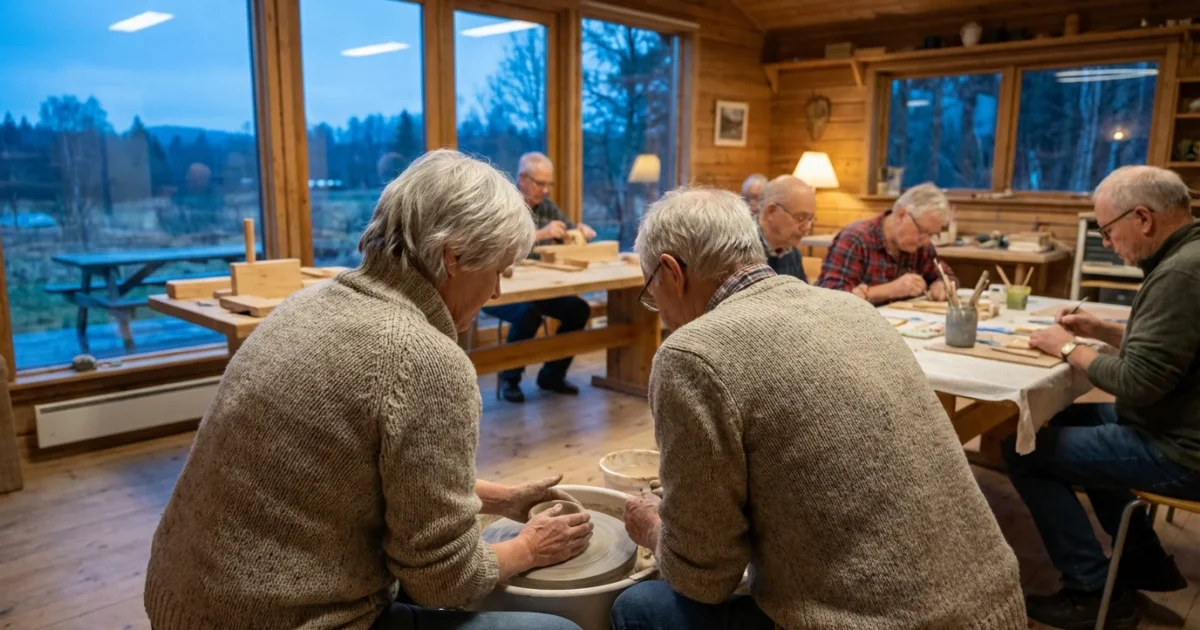
While online learning offers incredible convenience, in-person workshops provide unique benefits, fostering direct interaction and community building. These experiences create opportunities for hands-on learning, immediate feedback, and valuable social connections that enhance your learning journey. Many communities offer a rich tapestry of educational resources, often including free retirement workshops.
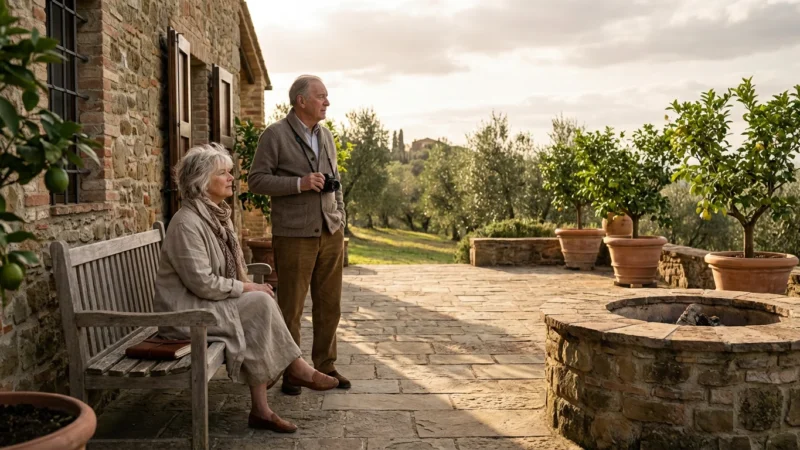
If you are planning to travel for a workshop, researching accessible travel resources ensures that you can navigate new learning environments comfortably.
For those who want to take their studies abroad, exploring a digital nomad retirement offers the perfect way to combine learning with global travel.
Consider these avenues for in-person engagement:
- Osher Lifelong Learning Institutes (OLLI): Affiliated with universities across the U.S., OLLI programs offer non-credit courses and workshops specifically designed for learners aged 50 and above. Topics range from history and literature to current events and art. You enjoy a vibrant learning community without the pressure of grades or exams.
- Community Colleges: Many local community colleges feature continuing education departments. These departments provide a wide array of courses, from practical skills like computer repair and financial planning to creative arts and fitness classes. Tuition costs often remain significantly lower than traditional four-year universities.
- Public Libraries: Libraries are hubs of community activity and learning. They frequently host workshops on topics such as digital literacy, genealogy, writing groups, and book clubs. Many of these events are free retirement workshops, making them highly accessible.
- Local Senior Centers: These centers often organize educational sessions, hobby groups, and lectures tailored to older adults. You might find classes on healthy cooking, art, or even smartphone usage.
- Museums and Cultural Institutions: Many museums offer adult education programs, lectures, and workshops related to their collections. This provides a deep dive into art, history, and science in an engaging environment.
These local resources make learning a social event, enriching your life with new knowledge and new friendships.

Crafting Your Personalized Learning Path
Designing your learning journey in retirement requires intentionality and self-reflection. This process moves beyond merely signing up for a course; it involves understanding your motivations and aligning your educational pursuits with your broader life goals. You hold the power to shape an experience that truly resonates with your aspirations.
For some, downsizing your home can free up both time and financial resources to focus more deeply on these educational pursuits.
Follow these steps to craft a personalized learning path:
- Reflect on Your Interests: Begin by listing subjects that genuinely pique your curiosity. What did you always want to learn but lacked the time for? Consider hobbies, historical periods, scientific concepts, or creative endeavors.
- Identify Your Goals: Determine what you hope to achieve. Do you want to learn a new language for travel? Master a software program for a volunteer role? Understand cryptocurrency for personal investment? Clear goals provide direction.
- Assess Your Learning Style: Do you prefer visual aids, hands-on practice, lectures, or group discussions? Tailoring your approach to your natural learning style enhances retention and enjoyment.
- Research Resources: Based on your interests and goals, explore both online platforms and local in-person options. Look for reputable providers and read reviews.
- Start Small and Experiment: You do not need to commit to a long, intensive program initially. Try a free introductory course, a single workshop, or an online tutorial. See what excites you and fits your schedule.
- Schedule Time for Learning: Integrate learning into your daily or weekly routine. Treat it like an important appointment. Consistency builds momentum and ensures progress.
- Embrace the Process, Not Just the Outcome: Recognize that learning is a continuous journey. Enjoy the exploration, the challenges, and the satisfaction of expanding your knowledge, regardless of achieving a specific certification.
Your personalized path is dynamic, evolving as you learn and grow.

Budget-Friendly Brain Boosts: Free & Low-Cost Learning Opportunities
You do not need a significant budget to embrace lifelong learning. Many high-quality resources offer free or very affordable ways to expand your knowledge and skills. These options remove financial barriers, making intellectual growth accessible to everyone in retirement. Leveraging these opportunities allows you to experiment widely without commitment.
You can further stretch your retirement fund by applying budget travel tips when attending international learning seminars or language schools.
Once you have mastered a new skill, you might consider creating a personal website to document your progress and share your knowledge with a wider audience.
Explore these excellent free and low-cost learning avenues:
- YouTube Tutorials: A treasure trove of instructional videos on nearly any topic imaginable, from cooking techniques and home repair to software guides and musical instrument lessons. You find content from individuals, educational channels, and even universities.
- OpenCourseWare (OCW): Initiatives from universities like MIT and Yale provide free access to course materials, including lecture notes, assignments, and exams. While not offering credit, you gain access to world-class curriculum.
- Free MOOC Audits: Platforms like Coursera and edX allow you to audit many courses for free. This means you can view lecture videos and access reading materials without paying for graded assignments or certificates.
- Podcasts: Tune into educational podcasts on subjects ranging from history and science to philosophy and current events. They offer a convenient way to learn on the go, often presented by experts in their fields.
- Public Libraries: Beyond workshops, many libraries offer access to online learning platforms like LinkedIn Learning (formerly Lynda.com) or Rosetta Stone with your library card. They also provide extensive digital databases for research.
- Community College Auditing: Some community colleges permit older adults to audit courses for free or at a significantly reduced rate, space permitting. You attend lectures without the pressure of tests or grades.
These resources ensure that curiosity never needs a price tag.

Essential Tech Skills for the Modern Retiree
Navigating the modern world effectively requires a degree of digital literacy. For modern retirees, acquiring and refining tech skills is not merely a convenience, it is a gateway to greater independence, connection, and opportunity. Staying current with technology empowers you to manage your finances, connect with loved ones, access information, and even pursue new interests online. You actively shape your digital experience.
Consider these essential tech skills for the contemporary retiree:
- Cybersecurity and Digital Privacy: Understanding how to protect your personal information, recognize phishing scams, and use strong passwords is paramount. This knowledge safeguards your financial and personal data.
- Cloud Computing Basics: Learn to use cloud storage services like Google Drive or Dropbox. This simplifies file sharing, backup, and access to your documents from any device.
- Video Conferencing Proficiency: Mastering platforms like Zoom or Google Meet allows you to connect with family, attend virtual events, and participate in online classes with ease.
- Smart Home Technology: Explore smart devices for convenience and safety. Learn to control lighting, thermostats, or security cameras with your voice or smartphone. This technology enhances comfort and peace of mind.
- Social Media Savvy: Understand different social media platforms. Use them to connect with friends, follow interests, and stay informed, while managing your privacy settings effectively.
- AI Literacy: Gain a basic understanding of artificial intelligence tools. Learn how AI assists with tasks like scheduling, writing, or image generation. This knowledge helps you understand and leverage emerging technologies.
Acquiring these skills boosts your confidence and integrates you more fully into the digital landscape. CNET and The Verge provide excellent resources for understanding new technologies and evaluating various gadgets.
Turning Passions into Purpose: Leveraging New Skills in Retirement
Lifelong learning extends beyond personal enrichment. It offers a powerful avenue for discovering new passions and transforming them into meaningful purpose during retirement. The skills you acquire can open doors to exciting new ventures, allowing you to contribute, earn, or simply engage in deeply satisfying activities. You actively create your purpose through learning.
Consider how your newly acquired knowledge or skills can translate into purposeful action:
- Freelance and Consulting Work: If you learn new software, digital marketing, or a specific industry skill, you can offer your services as a freelancer or consultant. Platforms like Upwork or Fiverr connect you with clients seeking your expertise.
- Volunteer Opportunities: Non-profit organizations constantly seek skilled volunteers. Your newfound language proficiency, graphic design skills, or project management knowledge can make a significant impact in a cause you care about.
- Entrepreneurial Ventures: Have you always dreamed of starting a small business? Learning about e-commerce, product development, or social media marketing can help you launch an online store or a local service business based on a hobby.
- Mentorship and Coaching: Combine your decades of experience with new coaching or communication skills. You can mentor younger professionals or guide individuals through personal development.
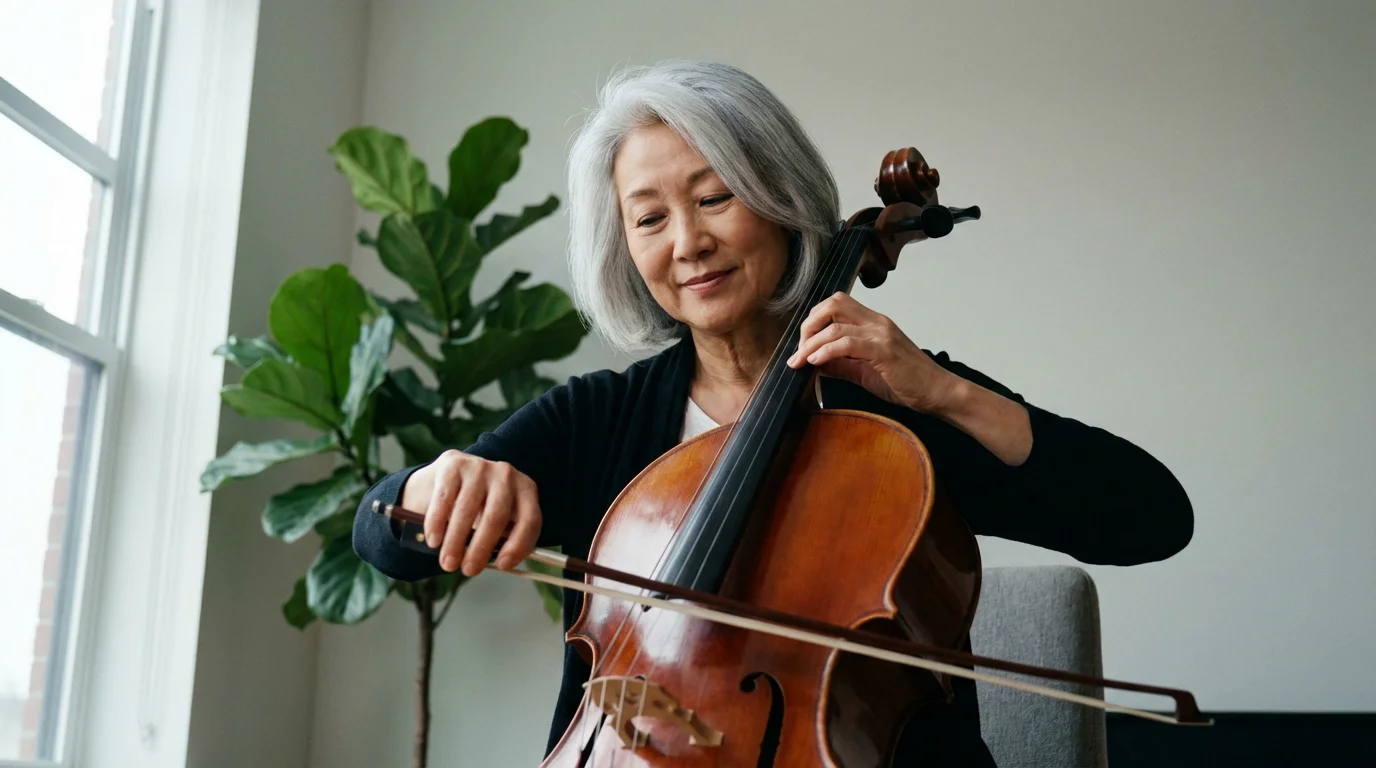
- Creative Expression: Mastering a new artistic skill, such as painting, writing, or playing a musical instrument, provides a fulfilling outlet for self-expression. You might join a local art guild or performance group.
Learning empowers you to redefine productivity and fulfillment on your own terms. Your retirement becomes a period of active creation and sustained relevance.
Frequently Asked Questions
Is it ever too late to start learning new things?
No, it is never too late. Your brain retains neuroplasticity throughout your life, meaning it can continue to form new connections and learn new information. Studies consistently show that engaging in lifelong learning benefits cognitive health, memory, and overall well-being at any age. Many online platforms and community programs cater specifically to adult learners, fostering supportive environments for those embarking on new intellectual journeys.
How do I choose the right courses for my retirement?
Begin by reflecting on your genuine interests and what you truly enjoy. Consider past hobbies you want to revisit, subjects that always fascinated you, or practical skills that would enhance your daily life. Experiment with free introductory courses or online tutorials to gauge your interest before committing to longer programs. Prioritize learning for personal enjoyment and mental stimulation, rather than solely for academic achievement.
Are there any financial aid options for older adults taking courses?
Yes, many options exist. Public libraries offer free access to extensive online learning platforms and workshops. Many universities with Osher Lifelong Learning Institutes (OLLI) offer membership-based programs that include a variety of courses for a single fee. Some community colleges provide discounted or free tuition for older adults auditing classes. Additionally, platforms like Coursera and edX often allow you to audit courses for free, accessing lectures and materials without paying for certificates. Always inquire directly with institutions about specific senior discounts or scholarship opportunities.
How much time should I dedicate to lifelong learning in retirement?
The ideal time commitment varies greatly based on your personal goals and lifestyle. You do not need to dedicate full-time hours. Many retirees find that committing just a few hours a week, whether to an online course, a community workshop, or independent study, yields significant benefits. Consistency proves more important than intensity. Find a rhythm that feels sustainable and enjoyable, allowing learning to enrich your life without becoming a burden.
Disclaimer: This article is for informational purposes. Technology, apps, and services mentioned may change over time. We encourage readers to research current options and consider their individual needs when making decisions.




Leave a Reply