
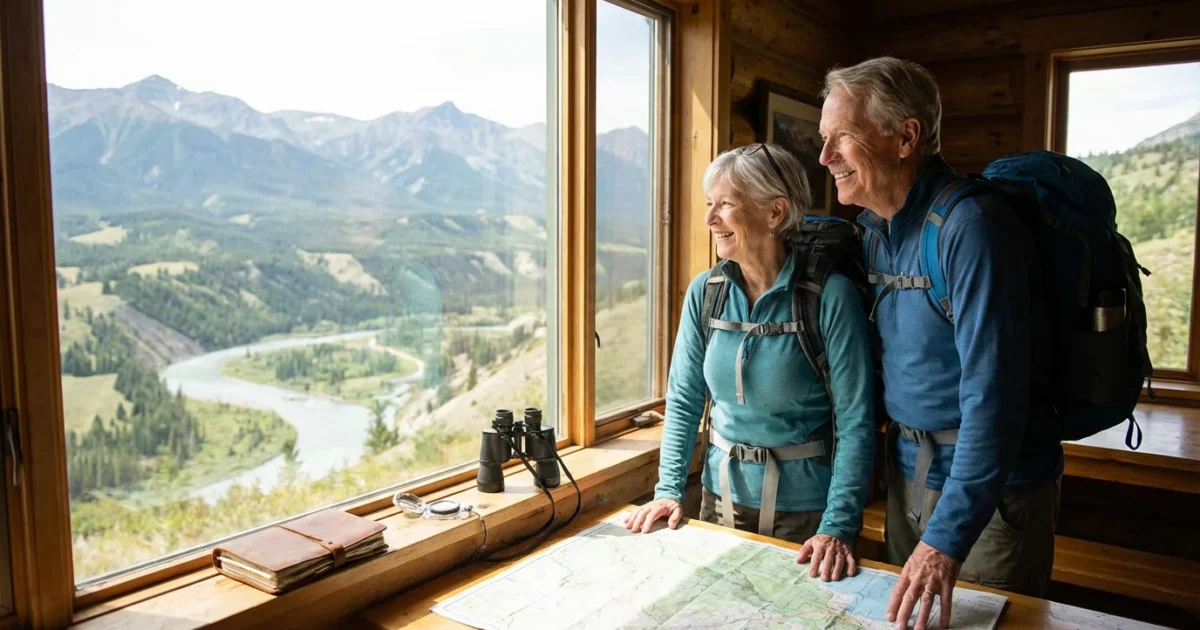
The traditional image of retirement, often confined to a rocking chair, no longer resonates with today’s generation. You are redefining this life stage, seeking adventure, lifelong learning, and vibrant experiences. National parks, with their breathtaking landscapes, diverse ecosystems, and rich histories, offer an unparalleled canvas for your modern retirement adventures. These magnificent preserves invite you to connect with nature, challenge yourself gently, and discover new passions, all on your terms.
Adding these bucket-list destinations to your retirement vision board can keep you motivated and inspired for your next journey.
This guide equips you with the insights and tools to maximize your national park explorations. We move beyond simply visiting, focusing on how technology, smart planning, and a forward-thinking mindset transform your journey. Prepare to embrace accessibility, discover hidden gems, and leverage resources that make every trip memorable, enriching your well-deserved freedom.

Redefining Park Exploration for the Modern Retiree
You have cultivated a lifetime of experiences, and your retirement provides the perfect opportunity to apply that wisdom to new adventures. For the modern retiree, national park exploration shifts from merely observing to actively engaging, customizing each visit to suit your unique desires and capabilities. You are not limited by outdated notions of what a park visit should entail, instead, you design your own immersive experience.
Successfully designing a retirement routine that includes regular outdoor activity ensures you stay physically and mentally sharp.
Some even embrace a digital nomad retirement, using mobile connectivity to stay engaged with projects while surrounded by nature.
For those seeking even deeper immersion in the wilderness, backpacking after retirement provides a rewarding way to experience these vast landscapes at a slower pace.
Embrace flexibility and curiosity as your guiding principles. Technology empowers you to navigate, discover, and connect with parks in ways previous generations could only imagine. From accessible trails to virtual guides, your digital toolkit transforms park exploration into a deeply personal and enriching journey. This personalized approach ensures your visits align with your energy levels, interests, and desire for both relaxation and discovery.
Age is no barrier. It’s a limitation you put on your mind. — Jackie Joyner-Kersee
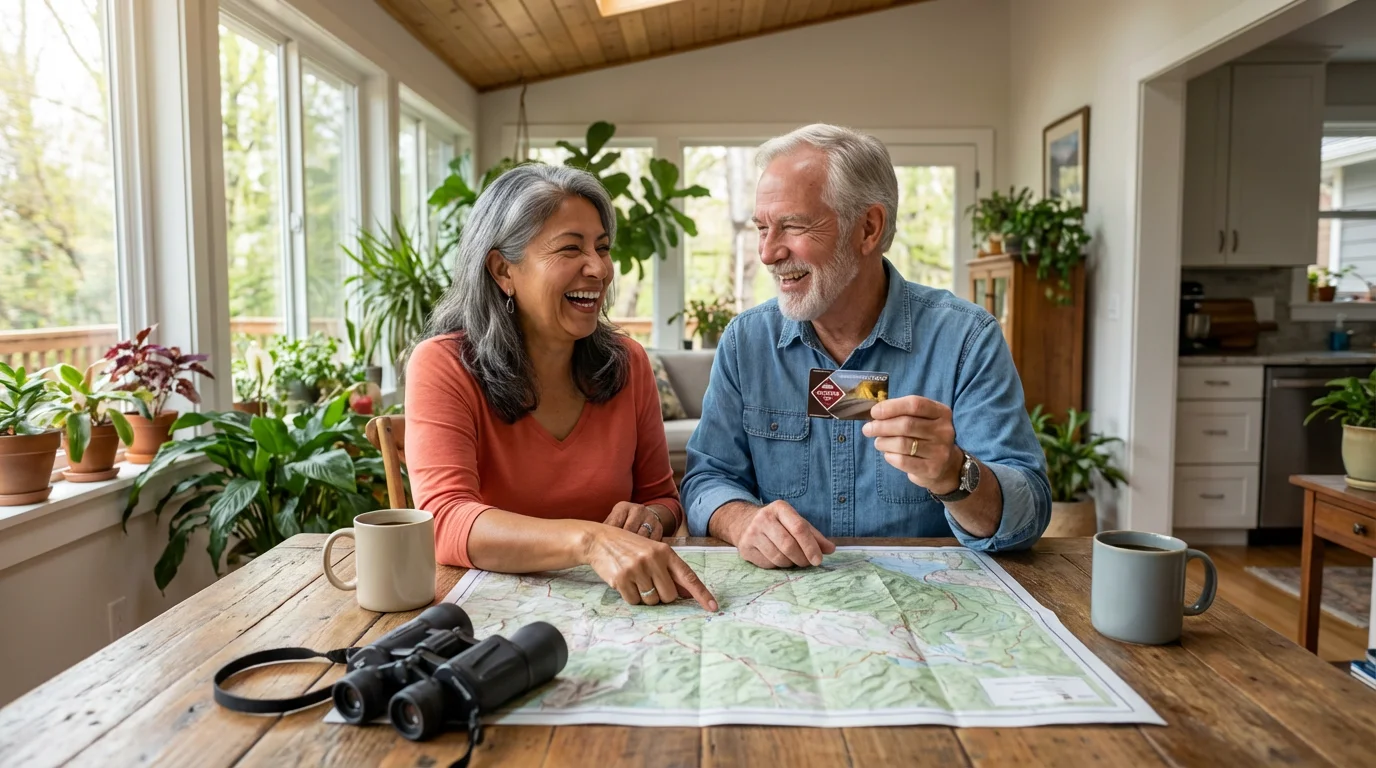
Unlock Your Adventure with the National Parks Pass
One of the most valuable resources for frequent national park visitors is the America the Beautiful National Parks and Federal Recreational Lands Senior Pass. This pass opens doors to thousands of federal recreation sites, making `park exploration` significantly more affordable and accessible. Understanding how to acquire and utilize this pass is your first step towards cost-effective adventures.
To keep your trip expenses organized, you can utilize modern budgeting apps that simplify tracking your adventure costs.
The Senior Pass costs a one-time fee, providing lifetime access to national parks and other federal lands. It covers entrance fees for the pass owner and accompanying passengers in a single, private vehicle, or for the pass owner and up to three adults at sites with per-person entrance fees. This incredible value quickly pays for itself after just a few visits, offering substantial savings over time.
Here is `how to get a national parks pass`:
- Online: Purchase the pass through the USGS Store website. Note that an additional processing fee applies for online orders.
- In Person: Visit a federal recreation site that issues passes. Most national park entrance stations offer them. You will need to show proof of age and U.S. citizenship or permanent residency.
- Via Mail: Download an application form from the USGS Store, complete it, and mail it with your payment.
You qualify for the Senior Pass if you are 62 years or older and a U.S. citizen or permanent resident. The pass makes frequent `senior travel` to these natural treasures an economic reality, encouraging more spontaneous and extended trips.

Tech-Savvy Planning: Your Digital Toolkit for Park Exploration
Modern `park exploration` is profoundly enhanced by technology, transforming how you plan, navigate, and experience these natural wonders. Your smartphone or tablet becomes an indispensable companion, offering a wealth of information and tools at your fingertips. Embrace these digital resources to make your trips smoother, safer, and more informative.
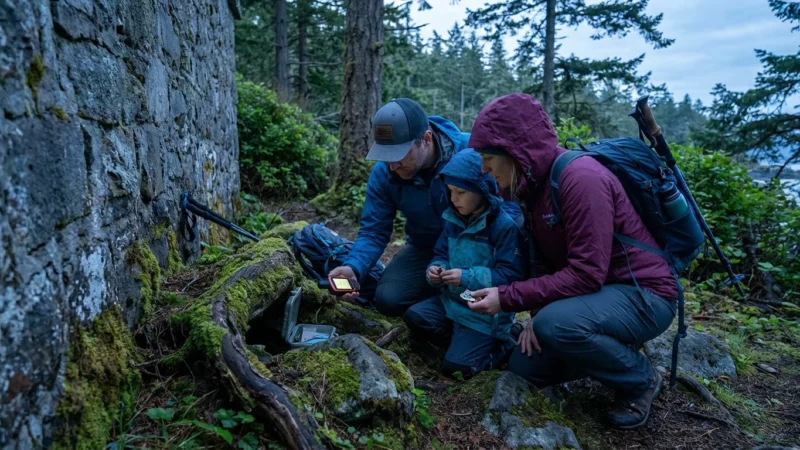
You can also add a layer of digital excitement to your trip by trying geocaching adventures, which use GPS technology to find hidden containers near scenic locations.
Utilize dedicated apps to enhance your journey:
- National Park Service (NPS) App: This official app offers interactive maps, self-guided tours, accessibility information, and offline content for many parks. Download maps and guides before you arrive, especially since cell service is often limited in remote areas.
- AllTrails: For hikers of all levels, AllTrails provides detailed trail maps, user reviews, and difficulty ratings. You can filter for accessible trails or those with specific features, like waterfalls or scenic viewpoints. Offline map downloads ensure navigation even without cellular data.
- Merlin Bird ID by Cornell Lab of Ornithology: Identify birds by sound or sight. This app makes wildlife spotting a more interactive and educational experience, allowing you to learn about the park’s avian residents.
- PictureThis or iNaturalist: Use these apps to identify plants and flowers you encounter. They turn every stroll into a botanical discovery, deepening your connection to the ecosystem.
- Weather Apps: A reliable weather app, such as AccuWeather or The Weather Channel, provides real-time conditions and forecasts, crucial for planning activities and packing appropriately.
Beyond apps, consider essential gadgets. A portable power bank ensures your devices remain charged throughout the day. For areas with no cell service, a satellite messenger provides critical communication for emergencies, offering immense peace of mind. Devices like the Garmin inReach Mini connect you to search and rescue services, a vital safety tool for those venturing into less trafficked areas. Embrace these tools, and you unlock a new level of confidence and enjoyment in your `national parks` adventures.
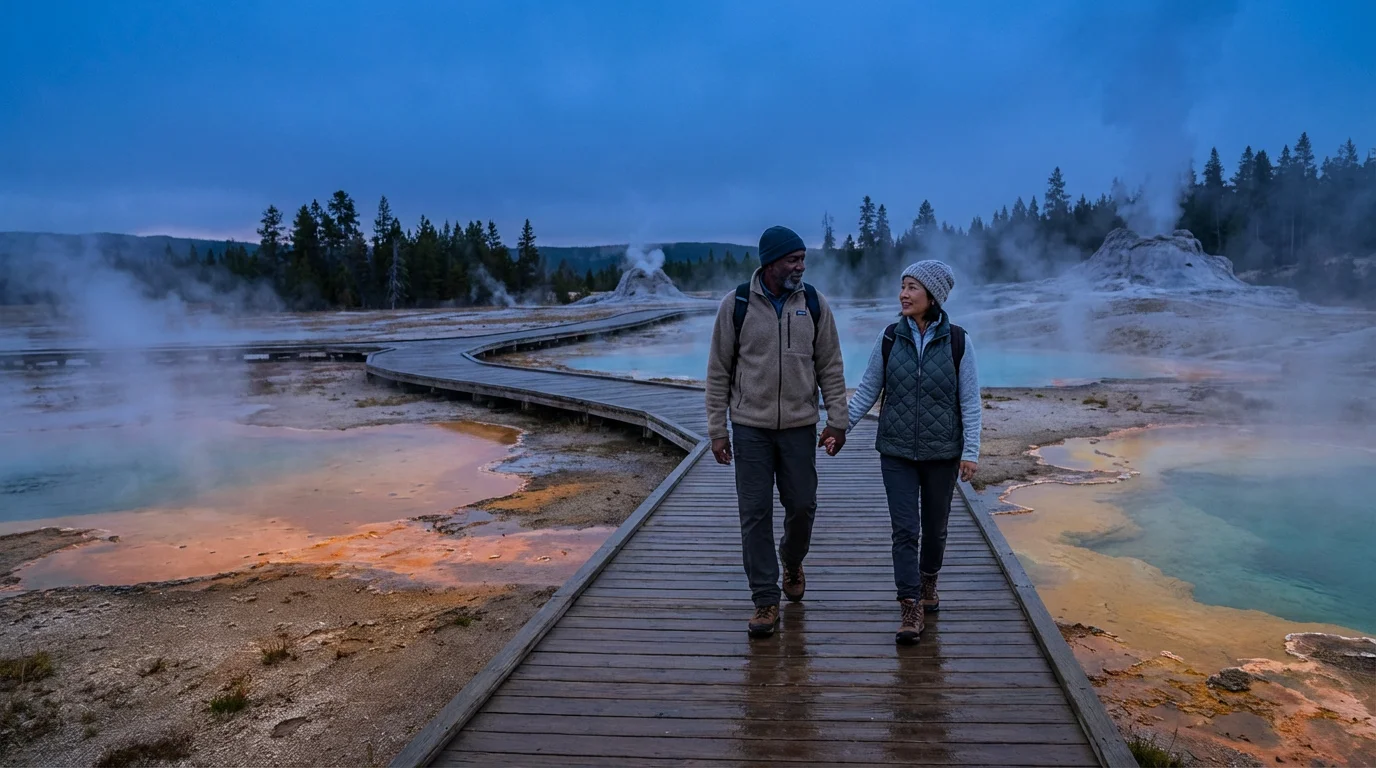
Which National Parks Are Best for Seniors? Curated Recommendations
Choosing `which national parks are best for seniors` involves considering accessibility, scenic beauty, diverse activity options, and opportunities for relaxation alongside exploration. The modern retiree seeks enriching experiences tailored to their pace, valuing comfort and safety without sacrificing adventure. Here are some top recommendations, each offering unique appeals for your next `senior travel` expedition.
Group excursions to these parks are also a fantastic opportunity for cultivating meaningful relationships with like-minded adventurers.
Zion National Park, Utah
Zion captivates visitors with its massive sandstone cliffs and deep canyons. The park’s excellent shuttle system simplifies navigation, reducing driving and parking stress. You can easily access scenic viewpoints and the Pa’rus Trail, a paved, mostly flat path suitable for all mobility levels, offering stunning riverside views. Explore the Zion Canyon Scenic Drive by shuttle, stopping at points of interest to enjoy short, accessible walks and photography opportunities.
Acadia National Park, Maine
Acadia offers a unique blend of rugged coastline, granite peaks, and lush forests. Its historic Carriage Roads, gifted by John D. Rockefeller Jr., provide over 45 miles of car-free paths perfect for walking or biking. Many sections are relatively flat and offer picturesque views of lakes and mountains. Drive the scenic Park Loop Road to access accessible overlooks, enjoy a lobster roll in Bar Harbor, and explore tide pools at low tide.
Grand Teton National Park, Wyoming
Grand Teton presents dramatic mountain vistas, pristine lakes, and abundant wildlife. The park offers numerous scenic drives and easily accessible viewpoints for spectacular photography. Consider a gentle boat ride across Jenny Lake, followed by a short, flat stroll to Hidden Falls. Wildlife viewing is exceptional here, with opportunities to spot moose, elk, and bears from designated pull-offs, a truly memorable aspect of `park exploration`.
Great Smoky Mountains National Park, Tennessee/North Carolina
America’s most visited national park boasts incredible biodiversity, ancient mountains, and a rich cultural history. Auto touring on routes like Newfound Gap Road provides extensive scenic overlooks. You can explore historic structures in Cades Cove, often spotting wildlife like deer and wild turkeys. Numerous short, paved or well-maintained trails are available, making it welcoming for all paces.
Hawaii Volcanoes National Park, Hawaii
Experience the raw power of creation at Hawaii Volcanoes National Park. This unique park allows you to witness active volcanoes and dramatic landscapes shaped by lava flows. Drive the Crater Rim Drive and Chain of Craters Road, stopping at accessible overlooks and short paved trails to see steam vents, craters, and past lava flows. The visitor center offers excellent interpretive displays, providing deep insights into the island’s geology.
Olympic National Park, Washington
Olympic offers incredible diversity, encompassing rugged coastlines, temperate rainforests, and glaciated mountains within a single park. Drive to Hurricane Ridge for panoramic mountain views, with accessible visitor facilities and short paved trails. Explore the Hoh Rain Forest via the accessible Hall of Mosses Trail, immersing yourself in an ancient, verdant world. The park’s diverse ecosystems ensure there is always something new to discover, appealing to varied interests.

Beyond the Trail: Wellness and Accessibility in Nature
Your journey through `national parks` is more than just sightseeing; it is an investment in your holistic well-being. Nature provides documented physical and mental health benefits, from stress reduction to improved mood and cognitive function. A 2018 study published by Harvard Health Publishing highlights how spending time in nature, even just 20 minutes, can reduce stress hormone levels. Modern parks increasingly prioritize accessibility, ensuring these benefits are available to everyone.
Specific tools such as assistive technology for visual impairment can significantly improve the experience of exploring visitor centers and park museums.
Leveraging accessible technology for seniors helps remove barriers, making the great outdoors more welcoming for everyone.
Many parks now feature a wide array of accessible infrastructure, designed to accommodate varying mobility needs. You will find paved paths, boardwalks, accessible restrooms, and visitor centers equipped with ramps and elevators. Prioritize parks and trails specifically marked as accessible. Websites like Wheelchair Accessible Travel can also offer invaluable insights into specific park features.
Consider these aspects for an inclusive nature experience:
- Accessible Trails: Look for trails designated as “accessible” or “easy” on park maps and apps. These often have paved or compacted surfaces, gentle grades, and wider paths.
- Visitor Centers: Most modern visitor centers offer accessible parking, entrances, restrooms, and interpretive exhibits. These are excellent starting points for information and comfort.
- Shuttle Services: Many popular parks, like Zion and Yosemite, operate shuttle systems. These often have accessible vehicles, reducing the need for extensive walking and navigating crowded areas. Confirm accessibility before your visit.
- Adaptive Equipment: Explore options for adaptive equipment, such as all-terrain wheelchairs or electric scooters, which can often be rented from nearby outfitters or even directly from some parks.
- Pace Yourself: Do not feel pressured to cover vast distances. Focus on quality over quantity. Take breaks, carry water, and listen to your body. Enjoy the sounds, smells, and sights at your own comfortable pace.
Embracing these resources ensures that your `park exploration` remains a joyful and rejuvenating experience, regardless of physical limitations. The goal is to connect with nature on your terms, finding peace and invigoration in its vast beauty.
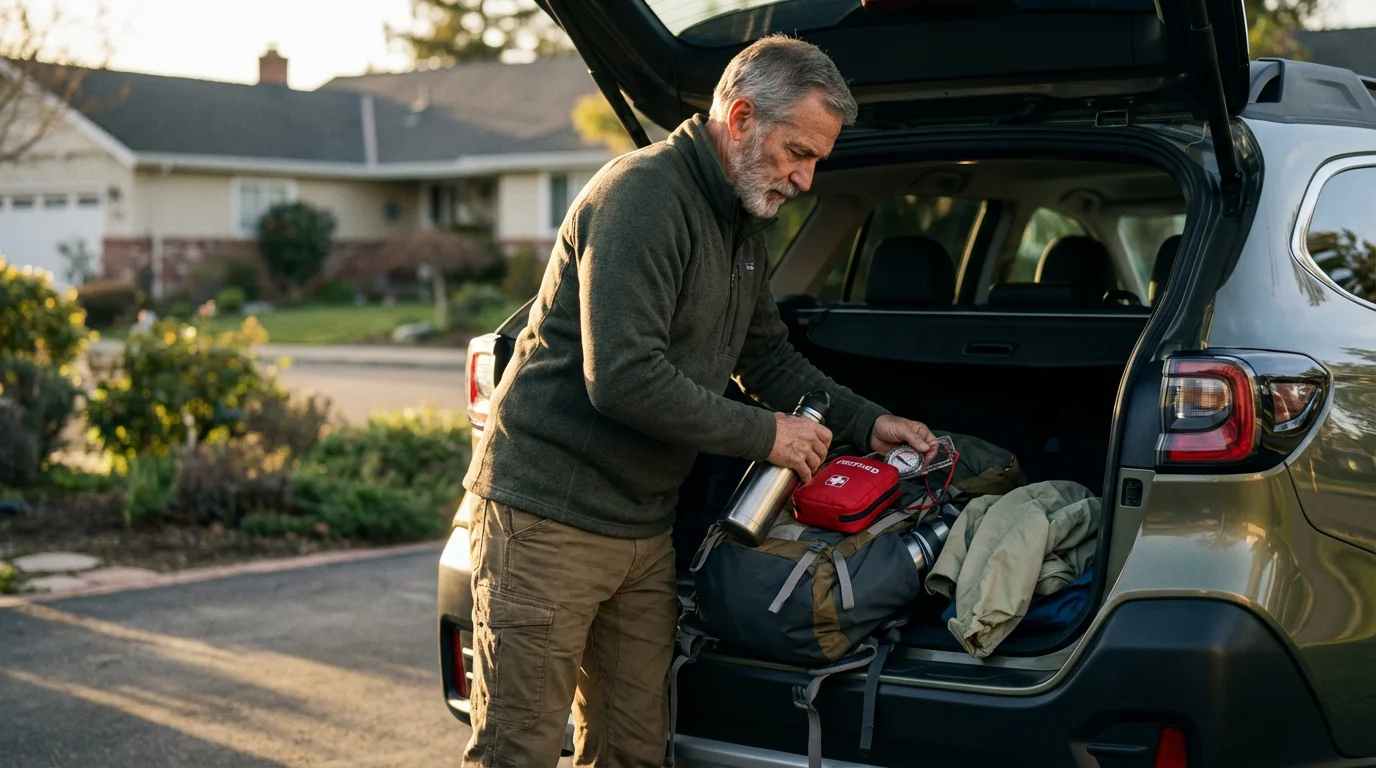
Smart Packing and Safety Essentials for Your Park Adventure
A well-prepared modern retiree approaches `park exploration` with a combination of foresight and smart gear choices. Your packing list should prioritize safety, comfort, and functionality, ensuring you are ready for varying conditions and any unexpected situations. Lightweight, multi-functional items are key, enabling you to travel without being burdened.
Consider these essentials for a safe and enjoyable trip:
- Layered Clothing: Weather in `national parks` can change rapidly, particularly at higher elevations. Pack moisture-wicking base layers, insulating mid-layers, and a waterproof/windproof outer shell.
- Hydration System: Carry plenty of water. A reusable water bottle or a hydration bladder in a daypack is crucial. Consider electrolyte tablets for longer excursions.
- Sun Protection: A wide-brimmed hat, sunglasses, and high-SPF sunscreen are non-negotiable, even on cloudy days.
- Comfortable Footwear: Choose sturdy, broken-in walking shoes or hiking boots with good ankle support, suitable for the terrain you plan to traverse.
- First-Aid Kit: A compact kit with bandages, antiseptic wipes, pain relievers, any personal medications, blister treatment, and insect repellent is vital.
- Navigation Tools: Beyond your phone, carry a physical map and compass, and know how to use them as a backup. Download offline maps to your phone before entering the park.
- Emergency Whistle/Mirror: Simple tools for signaling for help if you become disoriented.
- Headlamp or Flashlight: Even if you plan daytime activities, these are essential for unexpected delays or early morning/late evening walks.
- Snacks: Energy-boosting snacks like nuts, dried fruit, and granola bars keep your energy levels up.
Safety is paramount. Inform someone of your itinerary, including your expected return time. Stick to marked trails, stay aware of your surroundings, and respect wildlife by keeping a safe distance. Learn about the specific hazards of each park you visit, such as altitude sickness in high-elevation parks or extreme heat in desert environments. Your proactive approach ensures a secure and pleasurable `senior travel` experience.

Financial Savvy: Budgeting for Your National Park Getaway
Maximizing your `national parks` experience also means being financially astute. Your retirement offers flexibility, allowing you to optimize your budget through strategic planning. Leveraging your Senior Pass is just the beginning; smart choices in lodging, timing, and food can significantly enhance your adventure without breaking the bank.
Reviewing budget travel tips for retirees can help you find additional ways to save on transportation and lodging for your park trip.
Consider these strategies to make your budget stretch further:
- Utilize Your Senior Pass: As discussed, this pass dramatically reduces entrance fees. Remember it also provides a 50% discount on standard amenity fees (like camping) at federal campgrounds.
- Off-Season Travel: Visiting parks during the shoulder seasons (spring and fall) or even winter (where appropriate) offers several advantages. You will encounter fewer crowds, often find lower lodging rates outside the parks, and experience unique seasonal beauty.
- Lodging Alternatives: While park lodges offer convenience, they can be pricey. Explore alternative accommodations:
- Camping: Many parks offer senior discounts on campsites with the Senior Pass. Modern RVs provide comfortable, mobile lodging, or consider cabins/glamping options.
- Nearby Towns: Stay in towns just outside park boundaries for more budget-friendly hotels, motels, or vacation rentals.
- Volunteer Opportunities: Some organizations offer free or reduced-cost lodging in exchange for volunteer work within parks, a fulfilling way to experience nature and give back.
- Meal Planning and Preparation: Eating out frequently, especially in park concessionaires, adds up. Pack a cooler with groceries, prepare sandwiches, and bring your own snacks. Many campgrounds offer picnic tables and fire pits for cooking.
- Transportation: Carpooling with friends or utilizing park shuttle systems can reduce fuel costs and parking fees. If flying, book flights in advance and consider flying into smaller, less expensive regional airports.
By applying these financial strategies, you ensure your `park exploration` is not only rich in experience but also smart with your resources. This mindful approach allows for more frequent and extensive travels, truly embracing your retirement freedom.
Frequently Asked Questions
How old do you have to be to get a senior pass for national parks?
You must be 62 years or older to qualify for the America the Beautiful National Parks and Federal Recreational Lands Senior Pass. You also need to be a U.S. citizen or permanent resident.
Are all national parks accessible?
While not every single trail or feature in every national park is fully accessible, the National Park Service has made significant strides in improving accessibility. Many parks offer accessible visitor centers, restrooms, paved trails, boardwalks, and even accessible shuttle services. It is always wise to check the specific park’s website or call their visitor center for detailed accessibility information before your visit.
What are the best times of year to visit national parks?
The “best” time depends on the specific park and your preferences. Generally, spring and fall (shoulder seasons) offer pleasant weather, fewer crowds, and unique seasonal beauty like wildflowers or fall foliage. Summer is popular but often brings peak crowds and higher temperatures. Winter offers unique solitude and beauty in many parks, though some roads and facilities may close.
Can I bring my pet to a national park?
Pet policies vary significantly by `national parks` and even within different areas of a single park. Many parks allow pets on leashes in developed areas, campgrounds, and along paved roads, but often restrict them on trails, in buildings, or in wilderness areas. Always check the individual park’s website for their specific pet regulations before bringing your animal companion.
What technology should I absolutely bring to a national park?
A smartphone or tablet loaded with offline maps (NPS app, AllTrails), a reliable weather app, and a wildlife identification app (like Merlin Bird ID) are essential. Crucially, bring a portable power bank to keep your devices charged. For backcountry adventures, a satellite messenger provides critical communication beyond cell service. Do not forget a good digital camera, whether your phone’s or a dedicated one, to capture the breathtaking scenery.
Disclaimer: This article is for informational purposes. Technology, apps, and services mentioned may change over time. We encourage readers to research current options and consider their individual needs when making decisions.








Leave a Reply