You actively embrace a life defined by choice, innovation, and robust well-being. Modern retirement means leveraging every available tool to maintain your independence and pursue your passions without reservation. This includes smart strategies for ensuring your safety at home and on the go. Falls represent a significant concern for adults as they age, yet technology now offers powerful, proactive solutions that enhance your safety and provide true peace of mind.
Gone are the days when fall prevention meant sacrificing your lifestyle. Today, sophisticated devices and integrated systems empower you to stay active, confident, and secure. We explore how cutting-edge technology prevents falls, offering you practical insights and actionable steps to build a safer future.

Redefining Fall Prevention for the Modern Retiree
You view retirement not as an ending, but as a dynamic new chapter. This perspective extends to personal safety. The concept of fall prevention has evolved dramatically, moving from reactive measures to proactive, technology-driven solutions. You no longer need to compromise your independence to feel safe.
Beyond safety sensors, many retirees are also discovering how broader accessible technology tools can overcome various physical hurdles to keep you fully engaged with your favorite activities.
Modern technology provides a robust framework for maintaining your active lifestyle while minimizing risks. These advancements shift the focus from fear of falling to empowerment through smart protection. Embrace these innovations to confidently navigate your daily life.
Understanding Fall Risks and the Power of Proactive Tech
Falls are a leading cause of injury among older adults. Each year, millions of older adults experience falls, with many resulting in serious injuries such as hip fractures or head trauma. These incidents often trigger a cascade of negative effects, including reduced mobility, loss of independence, and decreased quality of life. The psychological impact, including fear of falling, sometimes leads to reduced activity and social isolation.
Proactive safety measures are an essential part of managing healthcare costs in retirement, as preventing injury is far more cost-effective than emergency care.
However, you possess powerful tools to counteract these risks. Technology plays a crucial role in mitigating these statistics. It moves beyond traditional prevention methods like grab bars and improved lighting, integrating intelligent monitoring and immediate response capabilities directly into your daily routine. Leveraging these tools helps you proactively manage your environment and personal safety.

Wearable Sensors: Your Constant Safety Companion
Wearable sensors represent a cornerstone of modern fall prevention. These discreet devices offer continuous monitoring and immediate assistance, allowing you to live freely while knowing help is always accessible. They empower you by providing a direct link to support.
Many of these sensors can sync directly with your digital health records, giving you and your healthcare providers a comprehensive view of your daily activity and safety.
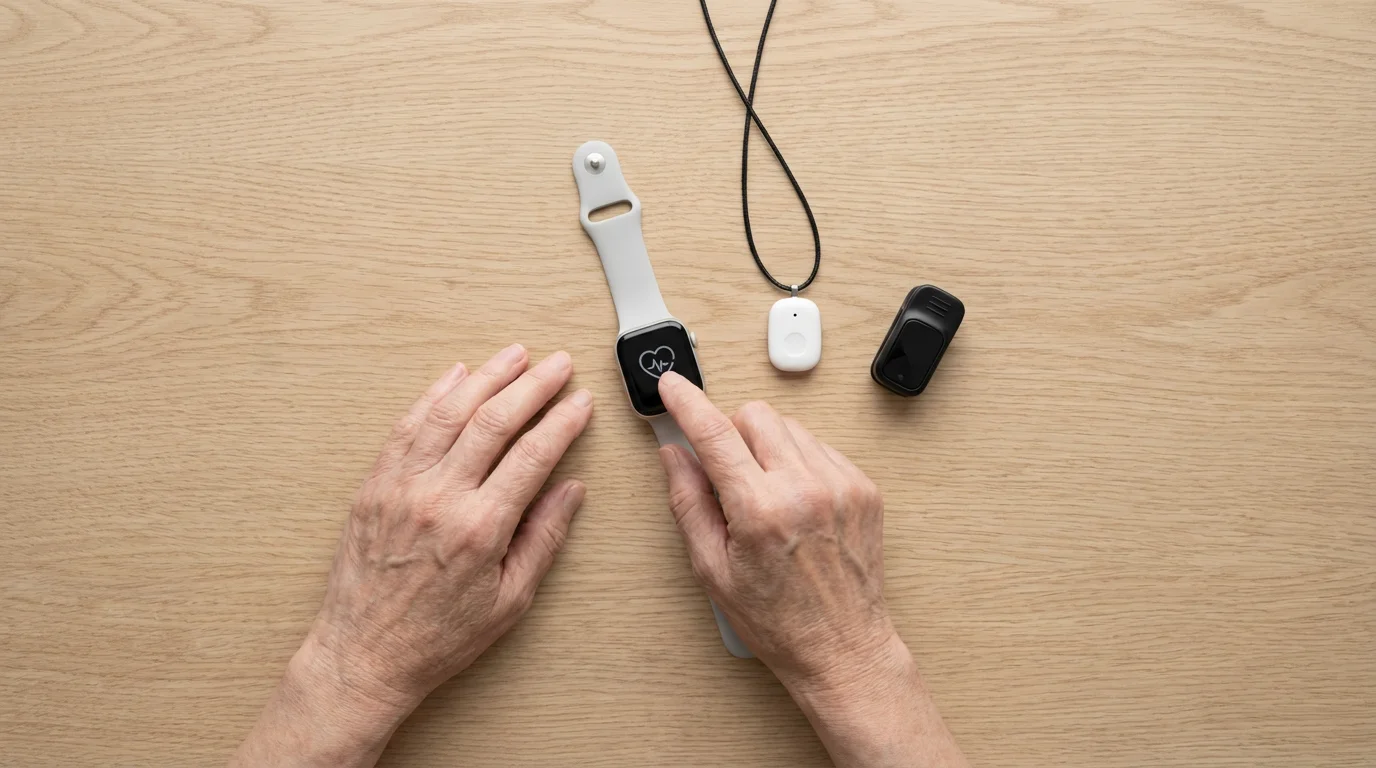
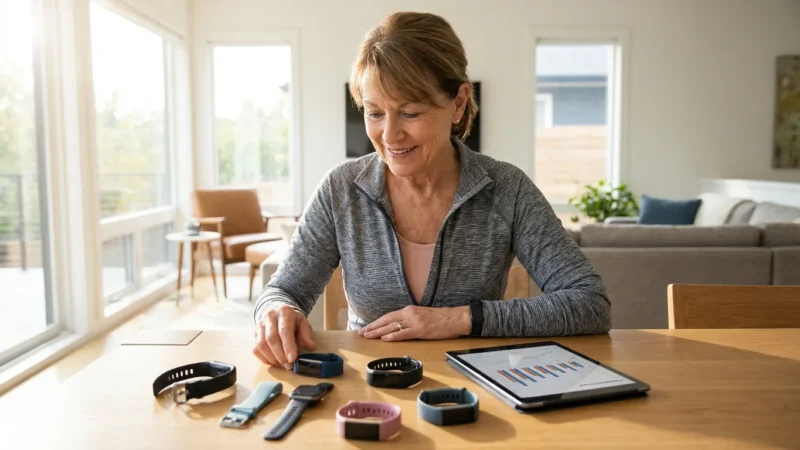
Leading technologies in this category include smartwatches, pendants, and specialized belts. Each device offers unique features designed to suit various preferences and needs. You can select the option that best integrates into your daily life.
Consider these benefits of wearable fall detection:
- Automatic Fall Detection: Many smartwatches and pendants now incorporate accelerometers and gyroscopes to detect sudden impacts or unusual movement patterns indicative of a fall. The device then automatically triggers an emergency alert without any action from you.
- Manual Emergency Alerts: Most wearables include a prominent button allowing you to manually summon help if you feel unwell, experience a fall, or need assistance for any reason. Pressing this button instantly connects you to designated contacts or an emergency response center.
- GPS Tracking: For active individuals who enjoy outdoor pursuits, GPS capabilities in wearables offer an invaluable layer of safety. If you fall or become disoriented away from home, responders can pinpoint your exact location swiftly, ensuring timely assistance.
- Heart Rate Monitoring: Some advanced wearables also track vital signs like heart rate. Sudden changes in these metrics can indicate a medical event potentially leading to a fall. This proactive monitoring enhances overall health awareness.
When exploring wearable sensors, look for devices with high accuracy rates for fall detection and reliable connectivity. Consumer Reports often provides detailed reviews and comparisons of these devices, helping you make informed decisions about what devices help with fall prevention. Brands like Apple Watch, Samsung Galaxy Watch, and specific medical alert systems offer robust wearable options.
Smart Home Integration: Creating an Intelligent Safety Net
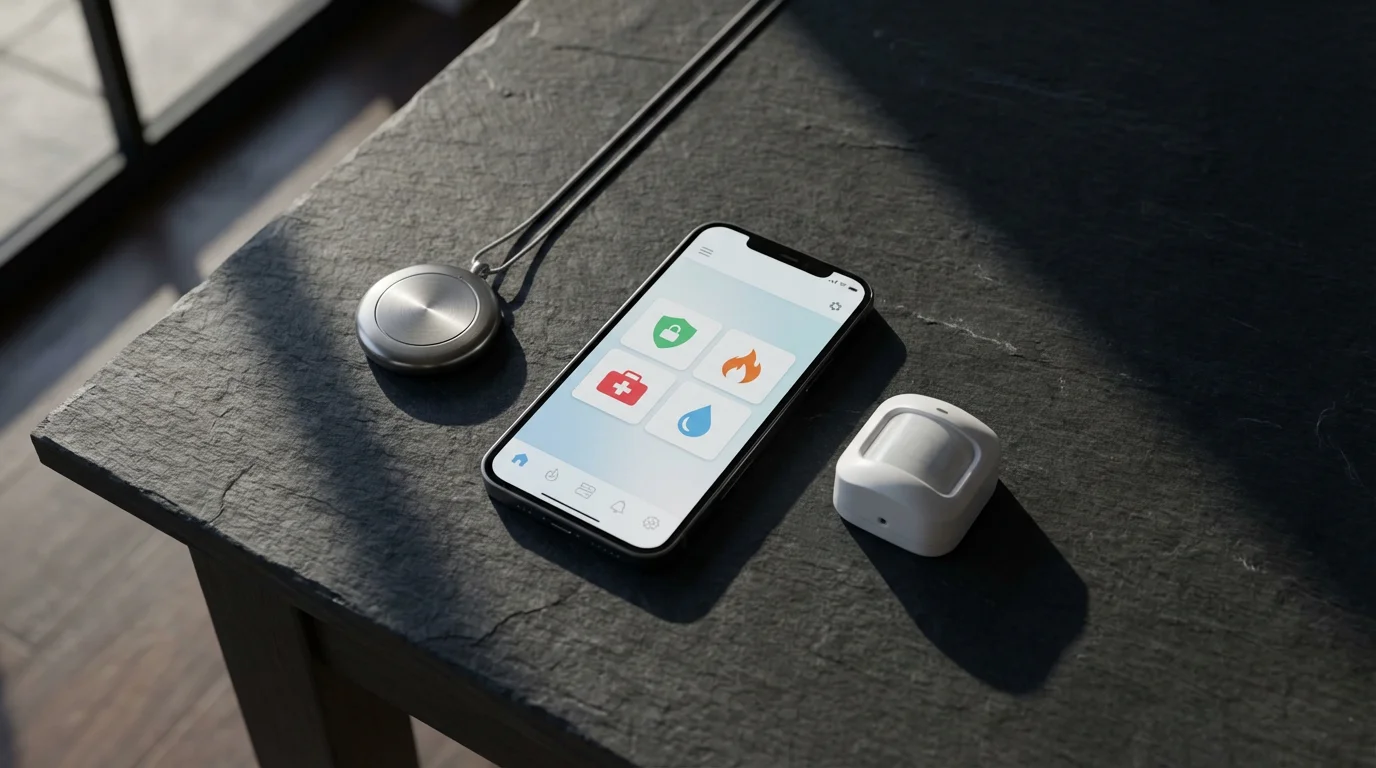
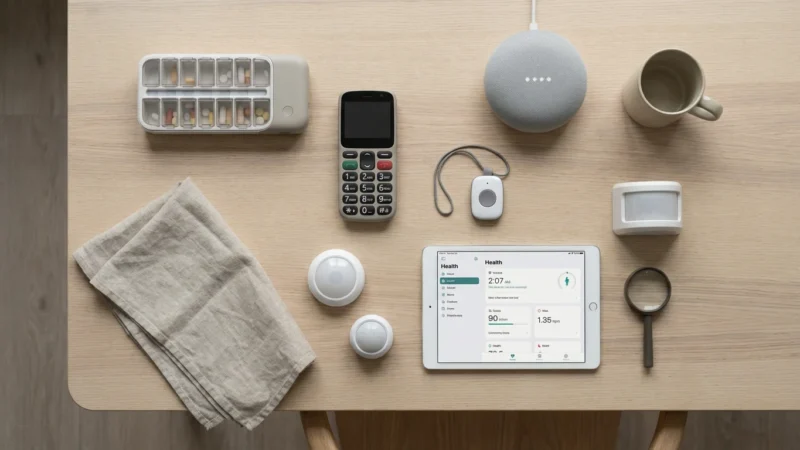
Your home transforms into an active guardian with smart home technology, contributing significantly to how technology prevents falls. This integrated approach creates an environment that intelligently responds to your needs, minimizing hazards before they cause issues. You gain control over your surroundings like never before.
Additionally, for those with hearing loss, connecting home sensors to modern hearing aids ensures that audible alarms and alerts are heard clearly throughout the house.
Smart home systems offer several layers of fall prevention:
- Automated Lighting: Darkness creates a major fall risk. Smart lighting systems, controlled via voice commands, motion sensors, or scheduled routines, illuminate pathways automatically. You can program lights to turn on when you enter a room or step out of bed at night.
- Voice-Activated Assistants: Devices like Amazon Echo or Google Nest Hub allow you to control lights, set reminders, make calls, or even send emergency messages using only your voice. If you experience a fall, you can call for help without needing to reach for a phone.
- Smart Door Locks and Video Doorbells: While not direct fall prevention tools, these devices enhance overall home security. They allow you to see and communicate with visitors remotely, eliminating the need to rush to the door or risk encountering an unexpected guest. This reduces potential trips and stress.
- Smart Plugs and Appliance Control: Remotely turn off appliances or lamps from your smartphone. This prevents you from reaching awkwardly or navigating cluttered spaces to access outlets, removing potential hazards.
The synergy between these devices creates a responsive and safer living space. For instance, a motion sensor might detect you getting out of bed at night and automatically trigger soft pathway lighting to the bathroom. This seamless integration provides discreet, always-on protection.

Non-Wearable Fall Detection: Discreet and Effective
For individuals who prefer not to wear devices, or for supplementary coverage, non-wearable fall detection systems provide an excellent alternative. These systems monitor your environment from a distance, offering discreet protection within your home. They ensure constant vigilance without requiring any interaction from you.
Discreet sensors are particularly valuable when used alongside assistive technology for visual impairment, providing multiple layers of protection for different sensory needs.
These solutions utilize various technologies:
- Radar-Based Sensors: These devices emit low-power radio waves to detect movement and posture changes within a room. They can differentiate between normal activity and a fall, triggering an emergency alert without physical contact. Radar systems work through walls and do not require cameras, ensuring privacy.
- Pressure Mats: Placed strategically by bedsides or near doorways, pressure mats detect when a person steps on them or exits a bed. While not direct fall detection, they alert caregivers or smart home systems to potential unsafe wandering or unassisted transfers, preventing a fall before it happens.
- Environmental Sensors: These sensors monitor changes in air pressure, sound, or temperature that could indicate a fall. They are less intrusive than cameras and offer a layer of passive monitoring.
Non-wearable solutions address common concerns about privacy and comfort. They operate silently in the background, providing continuous monitoring without imposing on your daily routines. When considering what devices help with fall prevention, these offer a compelling option for seamless integration into your living space.
Choosing the Right Technology for Your Lifestyle
Selecting the ideal fall prevention technology requires thoughtful consideration of your individual needs, lifestyle, and preferences. You deserve a solution that enhances your life, not complicates it. Focus on what truly provides you with safety and peace of mind.
Selecting the right tools is a key component of designing a retirement routine that balances activity with smart safety precautions.
Consider these factors when making your decision:
- Your Activity Level: Are you an avid traveler, an active gardener, or do you prefer quiet time at home? Active individuals benefit greatly from GPS-enabled wearable sensors that provide coverage wherever they go. Those spending more time at home might prioritize smart home integrations and non-wearable detectors.
- Ease of Use: Modern technology prioritizes user-friendliness. Look for intuitive interfaces, clear instructions, and minimal maintenance requirements. If you find a device complicated, you are less likely to use it consistently.
- Connectivity and Monitoring Services: Evaluate whether the system connects to family members, a professional monitoring center, or both. Understand the subscription fees, response times, and communication protocols for emergency alerts. Some services offer direct communication with 911.
- Privacy Concerns: If privacy is a major consideration, explore non-camera-based fall detection systems like radar sensors or pressure mats. Wearable devices generally offer a high degree of personal privacy as they only activate an alert when necessary.
- Budget: Technology comes at various price points. Factor in not just the initial purchase cost but also any monthly subscription fees for monitoring services. AARP often publishes guides comparing costs and features of different medical alert systems.
- Integration with Existing Tech: Does the new device integrate seamlessly with your current smartphone, smart home hub, or other smart devices? A unified ecosystem enhances efficiency and ease of management.
“Age is no barrier. It’s a limitation you put on your mind.” — Jackie Joyner-Kersee. This sentiment perfectly aligns with embracing technology to overcome perceived limitations, allowing you to live without unnecessary restrictions.

Beyond Devices: A Holistic Approach to Fall Prevention
While technology offers robust tools for preventing falls, it forms part of a larger, holistic strategy. You empower yourself most effectively by combining technological solutions with essential lifestyle practices and environmental adjustments. Technology augments, it does not replace, these fundamental aspects of well-being.
Implement these complementary strategies:
- Regular Exercise: Engage in activities that improve balance, strength, and flexibility. Programs like tai chi, yoga, or specialized balance exercises significantly reduce fall risk. Consult your doctor for recommendations suitable for you.
- Medication Review: Regularly review all your medications with your doctor or pharmacist. Some medications or combinations can cause dizziness, drowsiness, or affect balance, increasing your fall risk.
- Home Safety Audit: Conduct a thorough assessment of your living space. Remove tripping hazards such as loose rugs and clutter. Ensure adequate lighting throughout your home, especially on stairs and in bathrooms. Install grab bars in showers and next to toilets if needed.
- Vision Checks: Schedule regular eye exams. Poor vision compromises your ability to see obstacles and maintain balance, making clear sight a critical component of fall prevention.
- Nutrition and Hydration: Maintain a balanced diet and stay well-hydrated. Proper nutrition supports muscle strength and bone density, while adequate hydration prevents dizziness.
By integrating these proactive lifestyle choices with your chosen fall prevention technology, you create a comprehensive and resilient safety net. This multi-faceted approach truly enables you to live your modern retirement with unparalleled safety and confidence.
Frequently Asked Questions
What is fall detection technology?
Fall detection technology uses sensors, often in wearable devices or integrated into smart home systems, to identify when a person has fallen. It then automatically sends an emergency alert to designated contacts or a professional monitoring service, ensuring prompt assistance.
How reliable are automatic fall detection systems?
Modern automatic fall detection systems have significantly improved in reliability. Many devices boast high accuracy rates, minimizing false alarms while ensuring real falls trigger alerts. However, factors like the type of fall, the device’s placement, and individual movement patterns can influence performance. Always research specific product reviews and consumer feedback.
Do I need a subscription service for fall prevention technology?
Many advanced fall prevention technologies, especially those offering 24/7 professional monitoring and direct emergency service dispatch, require a monthly subscription. Simpler systems that only alert family members via an app might not require a subscription, but they depend on family availability to respond. Weigh the benefits of professional monitoring against the cost.
Can fall prevention technology replace in-person care?
No, fall prevention technology enhances safety and provides peace of mind, but it does not replace the need for human care or supervision when required. It acts as a powerful tool to augment existing support systems, empowering individuals to maintain greater independence while offering a crucial safety net for emergencies.
What devices help with fall prevention in a smart home?
Smart home devices that help with fall prevention include automated lighting systems, motion sensors that trigger lights, voice-activated assistants for emergency calls or environmental control, and smart plugs to manage appliances remotely. These devices work together to reduce hazards and provide quick access to help within your living space.
Disclaimer: This article is for informational purposes. Technology, apps, and services mentioned may change over time. We encourage readers to research current options and consider their individual needs when making decisions.


Leave a Reply