
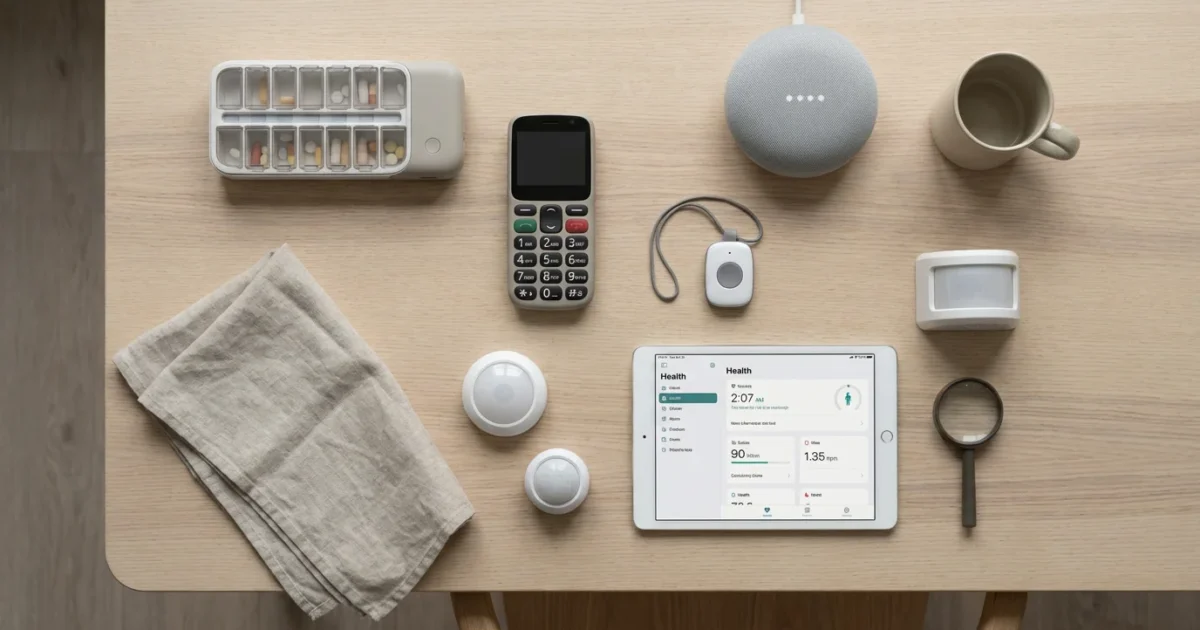
The concept of aging in place has evolved dramatically. You no longer accept outdated notions of slowing down; instead, you actively embrace a lifestyle defined by independence, convenience, and connection. Technology now empowers this vision, transforming your home into a dynamic, responsive environment that supports your chosen way of living. Smart gadgets and thoughtful home modifications are not about limitations; they are about enhancing freedom and ensuring peace of mind.
This article explores how modern technology makes your home safer, more efficient, and supremely comfortable, allowing you to live life on your terms. We will show you specific tools that simplify daily routines, bolster security, and keep you connected to the world.
Redefining Aging in Place: A Modern Perspective
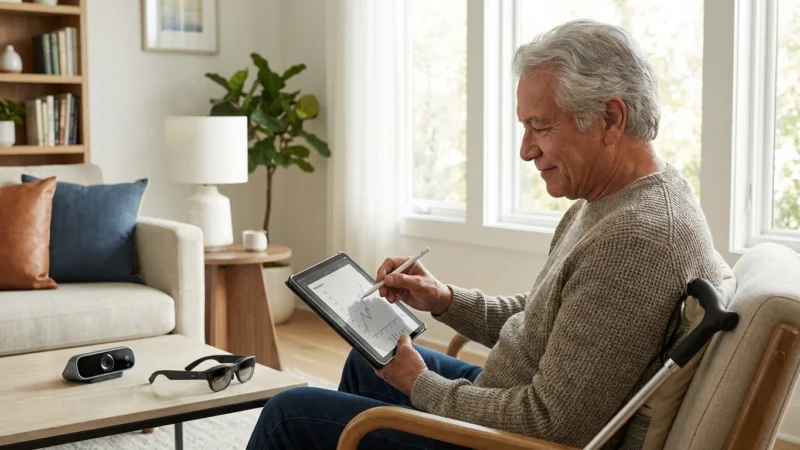
Aging in place means living independently and comfortably in your chosen home for as long as possible. For the modern retiree, this is not a passive state but an active choice, supported by an array of innovative gadgets. You design your environment to fit your lifestyle, not the other way around.
For those who want to see the world while staying secure, technology even supports a digital nomad retirement by keeping you connected to your home base.
Pew Research Center data shows a significant majority of adults prefer to stay in their homes as they age. This desire drives innovation in home technology. These advancements address potential challenges proactively, turning your home into a hub of efficiency and well-being. Smart solutions deliver control, comfort, and security directly to you.
Age is no barrier. It’s a limitation you put on your mind. — Jackie Joyner-Kersee
Embrace this new era where technology serves your independence. You personalize your space with tools that anticipate needs and simplify daily routines. This proactive approach ensures your home remains a sanctuary, ready to support every aspect of your life.
Smart Home Hubs: The Command Center for Convenience
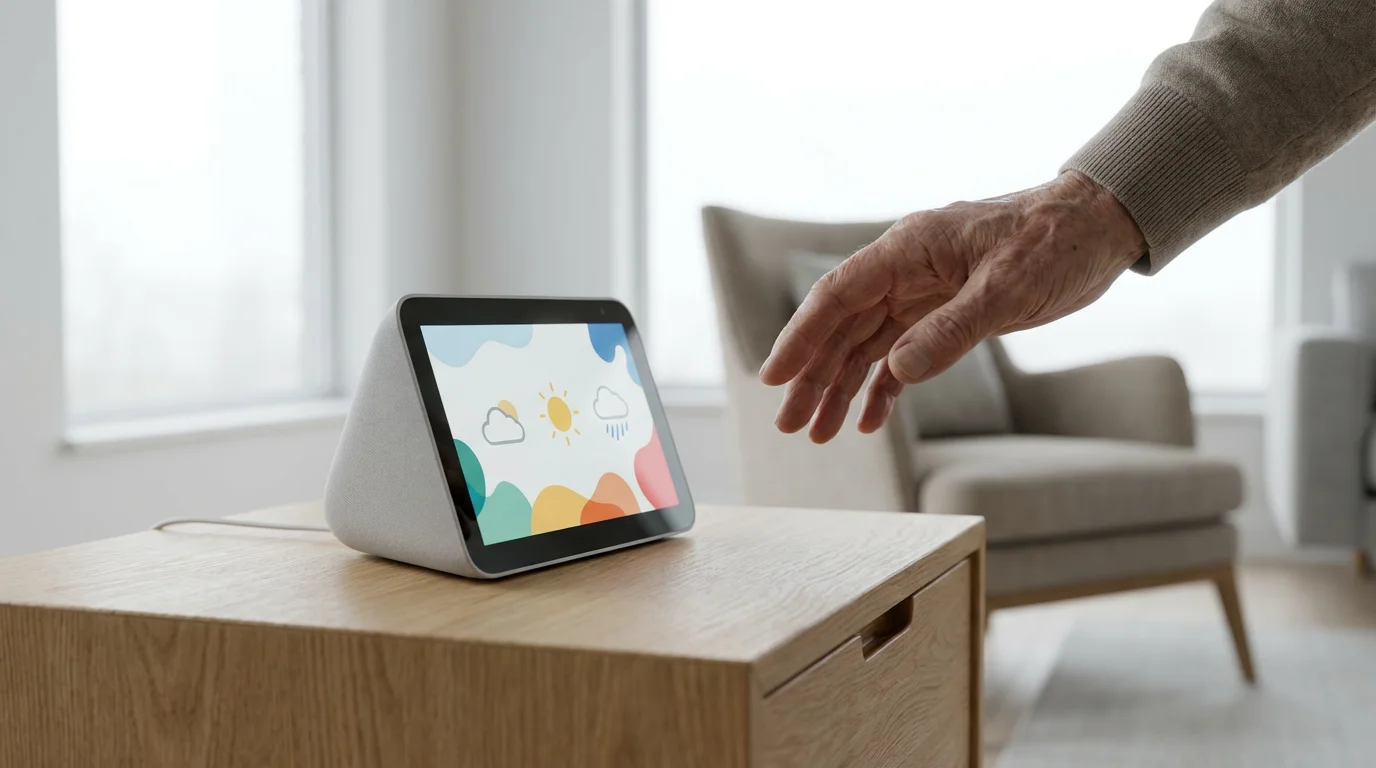
Smart home hubs serve as the brain of your connected living space. These central devices allow you to manage various smart gadgets from a single interface, often with voice commands. Imagine adjusting lights, thermostats, and door locks without moving from your favorite chair.
Managing the investment in these smart systems is much simpler when using modern budgeting apps to track your home improvement spending.
For many, modern hearing aids now integrate directly with these hubs, allowing for clear, streamed audio from televisions and doorbell systems.
To complement these devices, integrating essential apps for retirees can help you manage your digital life and hardware from a single smartphone.
Popular options like Amazon Echo or Google Nest Hub integrate seamlessly with countless other devices. They act as your personal assistant, offering reminders, playing music, and answering questions. You gain unparalleled control over your environment, enhancing both convenience and safety.
Consider the benefits a smart hub brings to your daily life:
- Centralized Control: Manage all your connected devices from one app or voice command.
- Voice Activation: Use natural language to control lights, temperature, and media.
- Automated Routines: Set schedules for lights to turn on at dusk or the thermostat to adjust before you wake.
- Interconnectivity: Many `safety gadgets` integrate directly with hubs, streamlining your `home modifications`.
These systems simplify complex tasks, making your home more intuitive. They are the foundation for any modern `aging in place` strategy, ensuring all your smart solutions work together efficiently.
Advanced Safety and Security: Peace of Mind at Your Fingertips
Ensuring your home’s safety and security is paramount for confident `aging in place`. Modern technology provides robust solutions far beyond traditional alarm systems. These `safety gadgets` offer proactive monitoring and immediate alerts, keeping you and your loved ones informed.
Beyond physical safety gadgets, consider how long-term care insurance can provide an extra layer of financial security for your future.
Smart Security Systems:
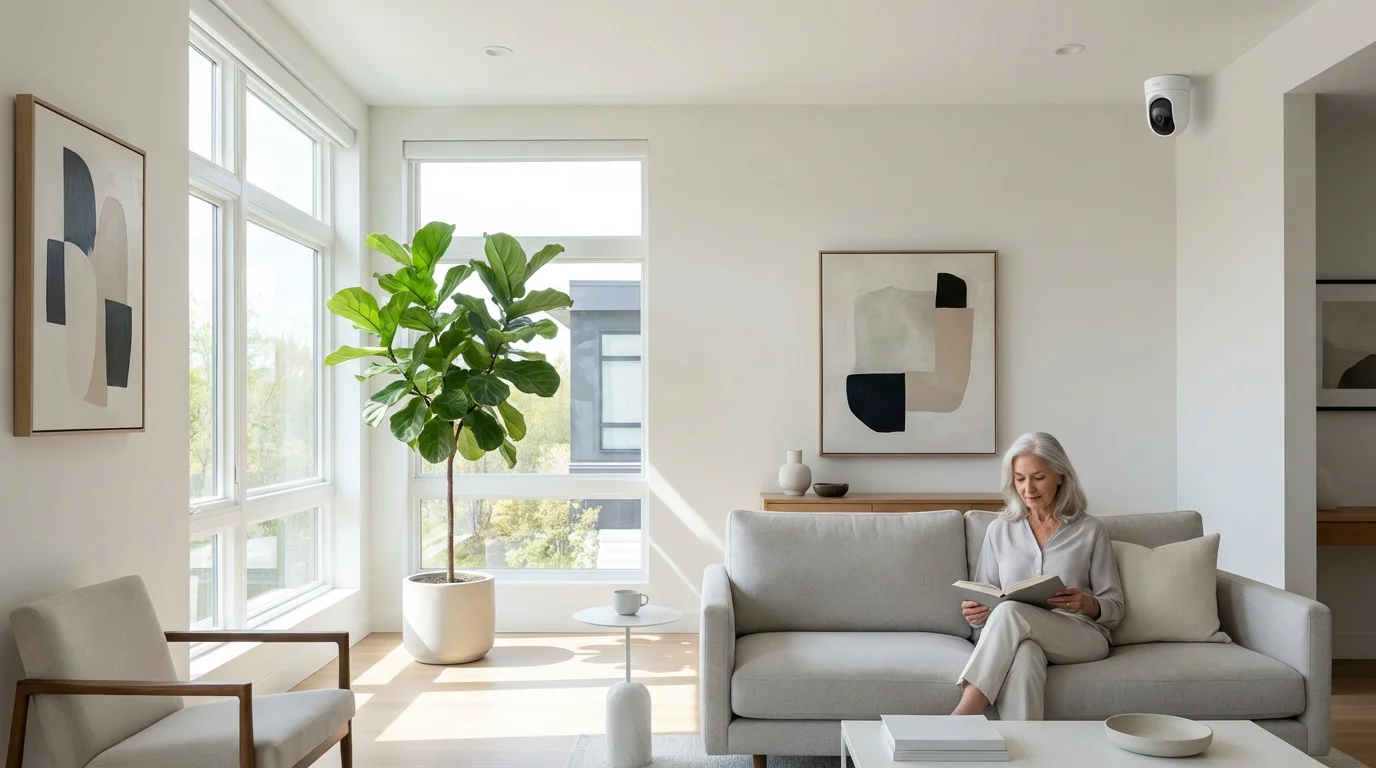
Modern security systems often include a network of cameras, motion sensors, and smart locks. You monitor your property remotely from your smartphone or tablet, receiving instant notifications for any unusual activity. This constant oversight provides peace of mind, whether you are home or away.
- Video Doorbells: See and speak with visitors without opening your door. Products like Ring or Nest Doorbell offer two-way audio and motion alerts.
- Smart Locks: Control access to your home remotely. You grant temporary access to caregivers or family members and check if doors are locked from anywhere.
- Wireless Security Cameras: Position cameras indoors or outdoors for comprehensive surveillance. Many offer night vision and two-way audio.
Fall Detection and Emergency Alert Systems:
Falls represent a significant concern for older adults. Innovative `safety gadgets` address this risk head-on, offering rapid response when needed. These systems provide a critical layer of protection, helping you maintain independence with confidence.
- Wearable Fall Detectors: Devices worn as pendants or wristbands automatically detect falls and alert emergency contacts or monitoring services. Brands like MobileHelp and Life Alert specialize in these.
- Passive Fall Detection Sensors: Non-wearable sensors use radar or motion to detect falls in a room without requiring direct contact. These integrate discreetly into your living space.
- Medical Alert Systems: These traditional but continually evolving systems allow you to press a button for immediate assistance. Newer versions include GPS tracking for use outside the home.
These advanced `home modifications` ensure help arrives swiftly, minimizing the impact of unforeseen incidents. You empower yourself with tools that look out for your well-being, enhancing overall `aging in place` security.
Health and Wellness Monitoring: Proactive Care Through Tech
Modern retirees proactively manage their health, and technology provides the perfect tools for this. Smart health gadgets empower you to track vital signs, manage medications, and share data with caregivers or medical professionals. This proactive approach promotes well-being and helps detect potential issues early.
As your devices collect more data, you can use specialized tools for decoding medical jargon to better interpret the health reports you share with your doctor.
For those with specific physical challenges, accessible technology for seniors provides specialized tools that go beyond standard consumer electronics.
Wearable Health Trackers:
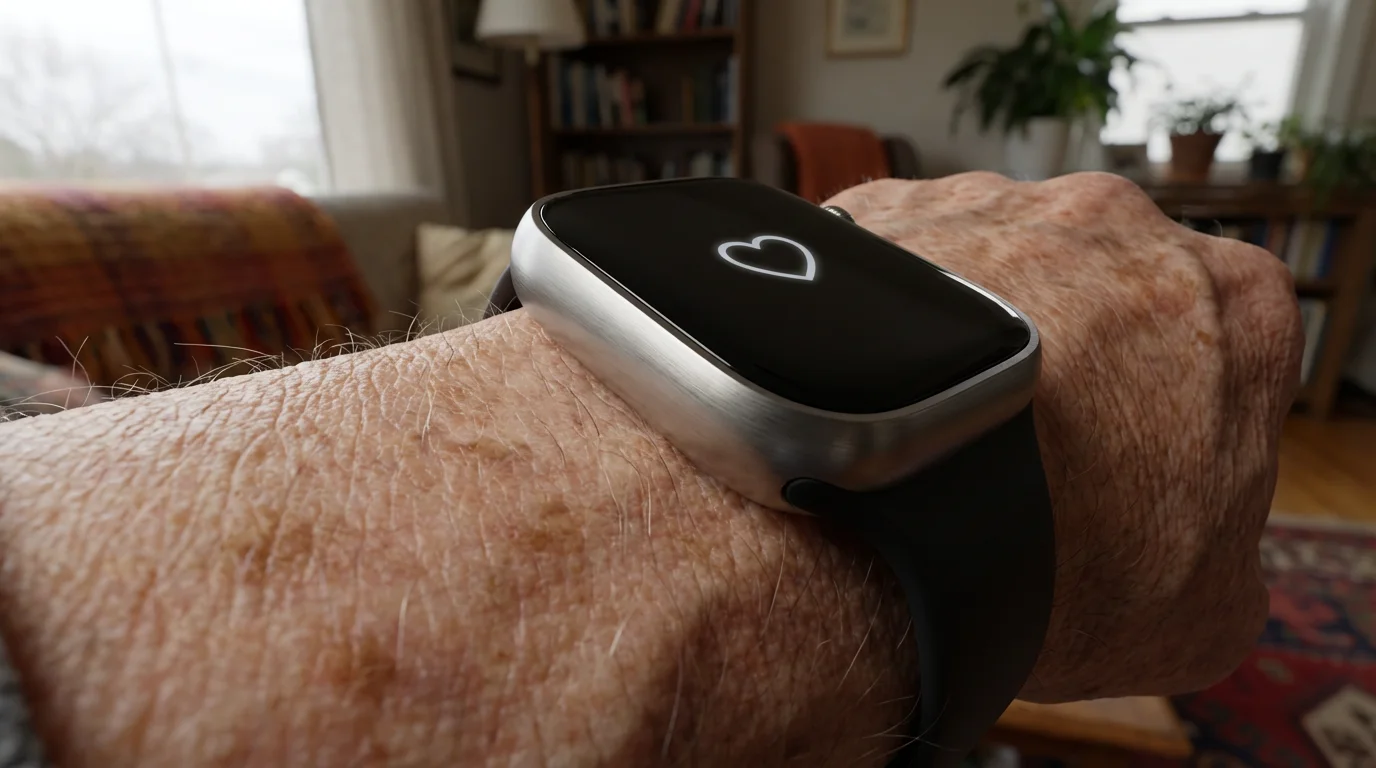
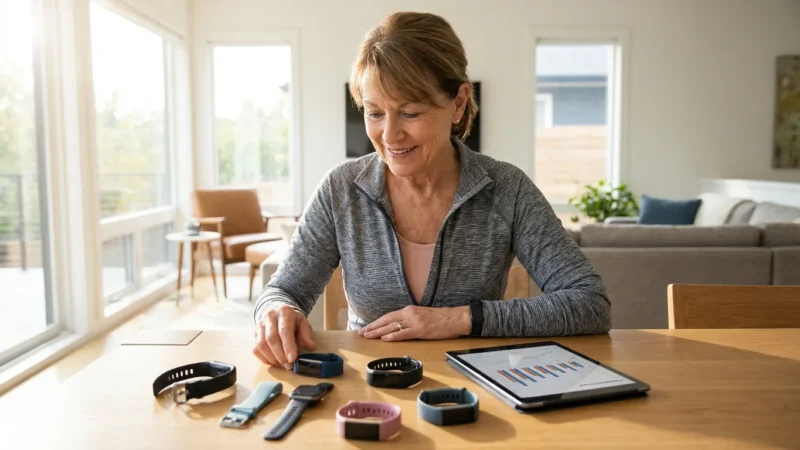
Smartwatches and fitness trackers have evolved beyond step counting. They offer sophisticated health monitoring features, putting valuable data at your wrist. You gain insights into your physical activity, sleep patterns, and cardiac health.
- Smartwatches (e.g., Apple Watch, Fitbit Sense): Monitor heart rate, detect irregular heart rhythms (ECG), track sleep quality, and even detect falls in some models. You receive notifications for activity goals and medication reminders.
- Fitness Trackers: Provide a simpler, often more comfortable option for tracking steps, calories burned, and basic sleep patterns. These encourage consistent activity.
Smart Medical Devices:
Beyond wearables, a range of specialized smart devices simplifies health management within your home. These `what gadgets make aging easier` address specific needs, from medication adherence to chronic condition monitoring.
- Smart Blood Pressure Monitors: Automatically record and send readings to your smartphone, allowing you to track trends and share data with your doctor.
- Smart Scales: Measure weight, body fat percentage, and sometimes heart rate, syncing data to an app for historical tracking.
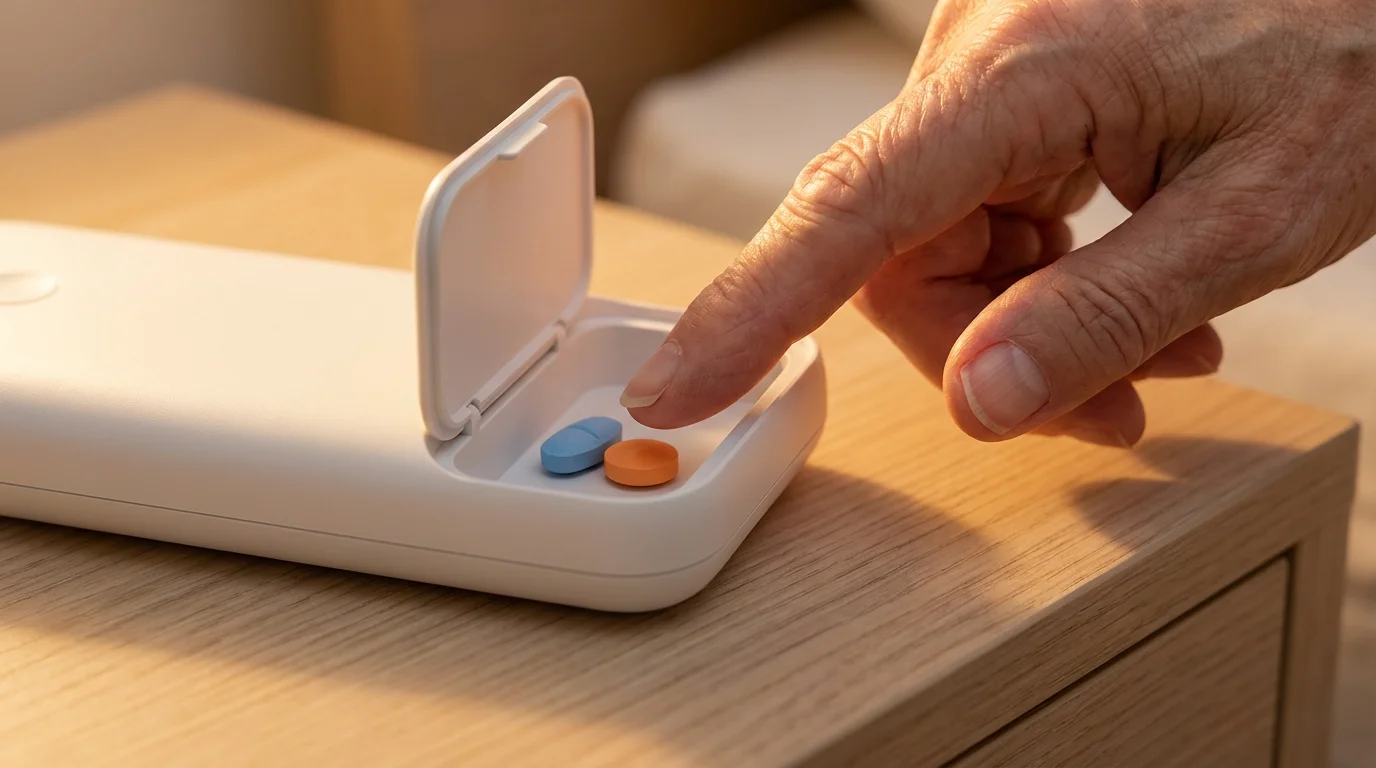
- Automated Medication Dispensers: Program these devices to dispense the correct medication at the scheduled time, providing reminders and alerting caregivers if a dose is missed. Brands like Hero and PillPack offer robust solutions.
These `aging in place` technologies turn your home into a personal health hub. You actively participate in your health journey, supported by data and smart reminders.
Kitchen and Daily Living Innovations: Simplifying Everyday Tasks
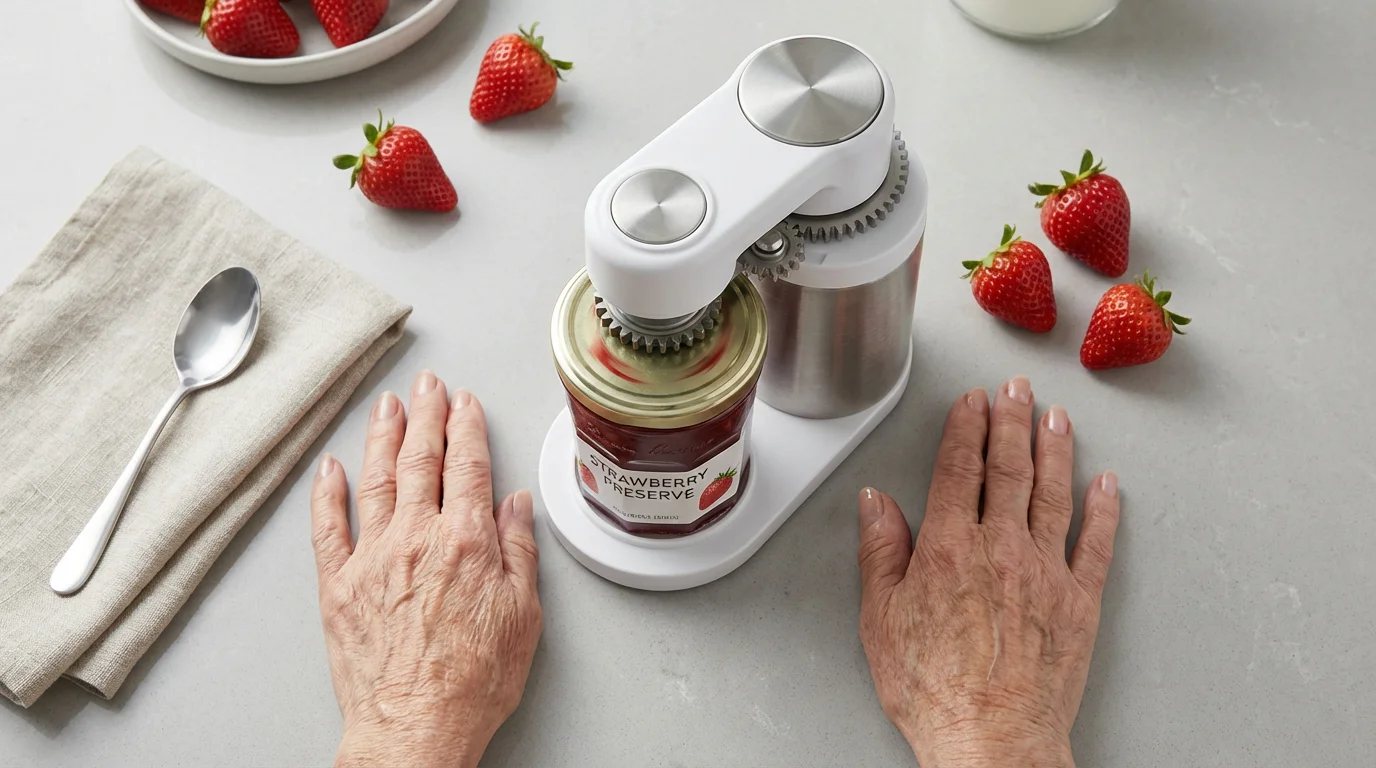
Your kitchen often serves as the heart of your home, and technology can make it even more functional and safe. From cooking assistance to daily task simplification, these gadgets enhance independence and reduce effort. You streamline your routines, allowing more time for activities you enjoy.
While these gadgets optimize your home environment, utilizing accessible travel resources ensures you can maintain that same independence when you are away on vacation.
Improved home lighting and voice controls are also foundational components of assistive technology for visual impairment, ensuring the home remains navigable as vision changes.
Smart Kitchen Appliances:
Modern kitchens feature appliances that offer convenience and safety benefits. These help you manage cooking and food preparation with greater ease. They address common concerns like forgetting a stove burner on or precision cooking.
- Smart Stoves and Ovens: Remotely monitor and control your stove, or set timers and temperatures from your phone. Some models include automatic shut-off features for safety.
- Smart Refrigerators: Help you keep track of groceries, suggest recipes, and even alert you if a door is left open.
- Voice-Controlled Assistants: Use devices like the Amazon Echo Show in the kitchen to set timers, convert measurements, find recipes, or make calls hands-free while cooking.
Gadgets for Daily Living:
Beyond the kitchen, many general `home modifications` and `what gadgets make aging easier` enhance daily comfort and accessibility. These small changes make a big difference in maintaining an active, independent lifestyle.
- Smart Lighting: Control lights with voice commands, schedule them to turn on/off, or use motion sensors to illuminate paths. This prevents falls and conserves energy.
- Robot Vacuums (e.g., Roomba, Shark IQ): Automate floor cleaning, reducing physical strain. You schedule them to clean regularly, maintaining a tidy home effortlessly.
- Automatic Blinds/Shades: Control natural light with a touch of a button or a voice command. This improves comfort and can reduce energy costs.
- Smart Plugs: Turn any traditional appliance into a smart device, controlling lamps, fans, or coffeemakers remotely or with voice.
These innovations address practical challenges, making your home more comfortable and efficient. You maintain control over your environment, ensuring your daily life remains seamless and enjoyable.

Mobility and Accessibility: Expanding Your Horizons
Maintaining mobility and navigating your home with ease are key aspects of successful `aging in place`. Technological advancements offer innovative solutions that support independent movement within and around your home. These `home modifications` help you remain active and engaged without significant physical strain.
While optimizing your home is vital, don’t forget that accessible travel options allow you to maintain your active lifestyle well beyond your front door.
Assisted Mobility Devices:
Modern mobility aids integrate smart features, offering more than just physical support. They provide enhanced safety and convenience, empowering you to move confidently.
- Smart Walkers and Rollators: Some models include GPS tracking, fall alerts, and even laser-guided paths for obstacle avoidance. These offer a new level of security for users.
- Stair Lifts: Electrically powered chairs that safely transport you up and down staircases. Modern designs are discreet and integrate seamlessly into your home.
- Lift Chairs: Recliner chairs with a powered lifting mechanism that gently tilts the chair forward, helping you stand up without straining.
Accessibility Enhancements:
Beyond direct mobility, technology creates more accessible living spaces. These `what gadgets make aging easier` adaptations simplify daily interactions with your home environment.
- Voice-Activated Controls for Appliances: Integrate smart plugs or use voice assistants to operate lamps, fans, or even adjust your television. This reduces the need to reach or bend.
- Lever Door Handles: Replace traditional doorknobs for easier gripping and opening, particularly beneficial for those with arthritis or limited hand dexterity.
- Smart Faucets: Sensor-activated faucets prevent scalding by ensuring water is always at a safe temperature. They also reduce the need for twisting knobs, saving effort.
These `aging in place` solutions ensure your home remains fully accessible, promoting ongoing independence. You experience greater freedom of movement and confidence in your daily routines.
Connectivity and Social Engagement: Staying Present and Connected
Staying connected with family, friends, and the wider world is vital for well-being. Modern technology bridges distances, fostering engagement and combating isolation. You maintain active social ties and enjoy enriched experiences through smart communication tools.
Video Calling and Communication Devices:
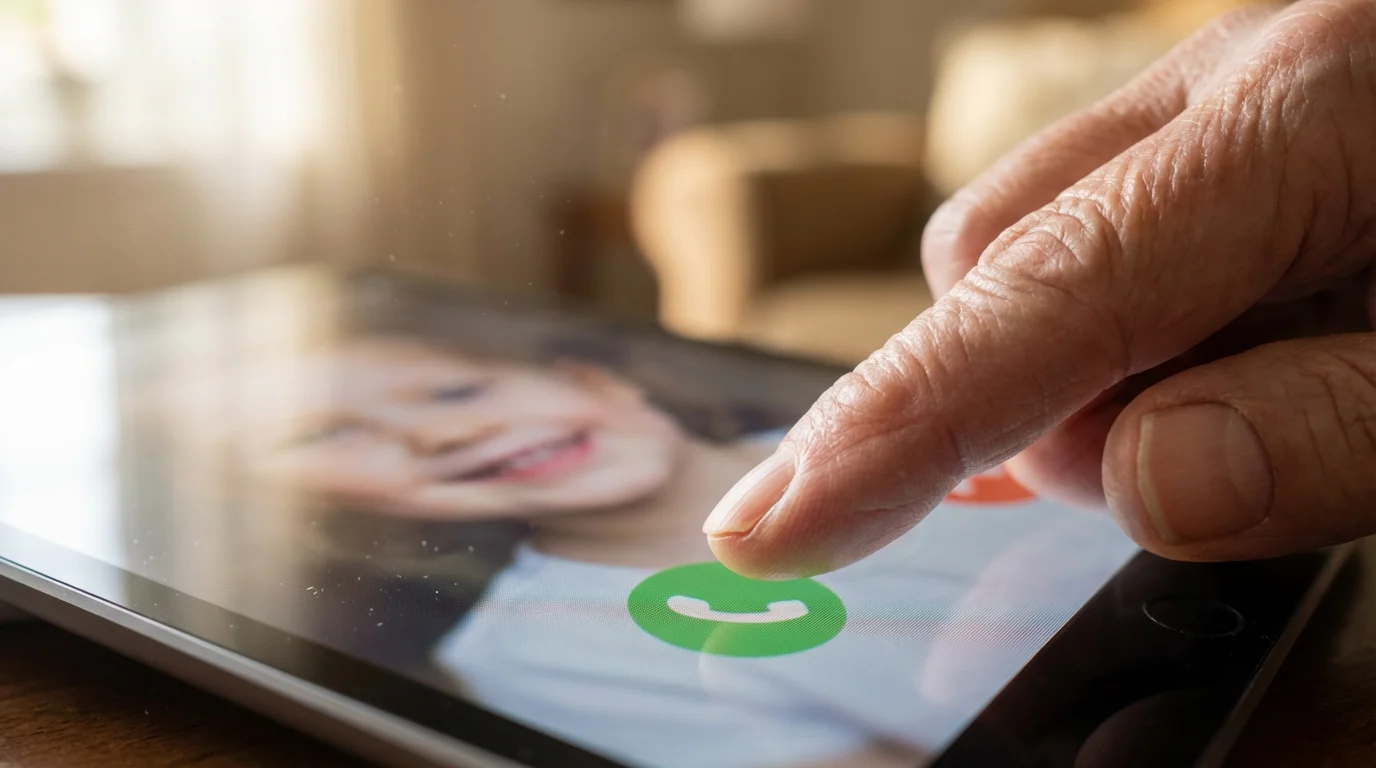
Beyond smartphones, dedicated smart displays and devices simplify video calls, making communication more accessible and enjoyable. They remove barriers often associated with smaller screens or complex interfaces.
- Smart Displays (e.g., Google Nest Hub Max, Amazon Echo Show): These devices offer large screens perfect for video calls, displaying photos, or following recipes. They simplify connecting with loved ones with a voice command.
- Dedicated Video Calling Devices (e.g., Facebook Portal): Designed specifically for easy video communication, these often feature smart cameras that keep you in frame as you move around a room. They make connecting effortless.
Digital Engagement and Entertainment:
Technology also opens doors to new forms of entertainment, learning, and community involvement. You stay intellectually stimulated and entertained, enriching your `aging in place` experience.
- E-Readers and Tablets: Access a vast library of books, newspapers, and magazines with adjustable font sizes. Tablets also provide access to games, puzzles, and educational apps.
- Streaming Services: Enjoy movies, TV shows, and music on demand. Smart TVs or streaming devices like Roku and Apple TV offer endless entertainment options.
- Virtual Reality (VR) for Engagement: Emerging VR applications offer immersive experiences, from virtual travel to engaging games, providing mental stimulation and unique forms of connection. Stanford University’s Virtual Human Interaction Lab explores these benefits, demonstrating VR’s potential to combat isolation and enhance cognitive function. (https://longevity.stanford.edu/)
These tools ensure you remain a vibrant part of your community, both near and far. You embrace digital tools to stay connected, entertained, and informed, fostering a rich, fulfilling lifestyle.

Choosing Your Tech: A Personalized Approach to Home Modifications
Selecting the right `aging in place` gadgets for your home involves more than just buying the latest technology. It requires a thoughtful, personalized approach to `home modifications`. You assess your specific needs, comfort level with technology, and future considerations to make informed decisions.
Assess Your Needs and Lifestyle:
Start by identifying areas where technology can genuinely improve your daily life. Consider your current routines, any physical challenges, and your desired level of independence. Think about what truly matters to you in your home environment.
- Prioritize Safety: Do you need enhanced fall detection or security monitoring?
- Enhance Convenience: Would smart lighting or automated kitchen gadgets simplify tasks?
- Boost Connectivity: Are you looking for easier ways to communicate with loved ones?
- Improve Wellness: Would health trackers or medication reminders benefit your health management?
According to AARP, home modifications, including technology, allow individuals to remain in their homes longer, saving significant costs compared to alternative care options. (https://www.aarp.org/)
Consider Integration and User-Friendliness:
The best `safety gadgets` work seamlessly together and are intuitive to use. You want technology that simplifies, not complicates. Look for systems that are easy to set up and manage.
- Compatibility: Ensure devices from different brands can communicate, often through a central smart home hub.
- Ease of Use: Choose gadgets with clear interfaces, simple controls, and reliable performance. Voice control can be a significant advantage.
- Scalability: Select a system that allows you to add more `what gadgets make aging easier` over time as your needs evolve.
Budget and Support:
Factor in both the upfront cost of devices and any ongoing subscription fees for monitoring services. Also, consider the availability of technical support. Many manufacturers offer excellent customer service, which proves invaluable during setup or troubleshooting.
By thoughtfully planning your `home modifications` with these considerations, you create a truly age-friendly home. You invest in solutions that support your modern retirement lifestyle, ensuring comfort, safety, and independence for years to come.
Frequently Asked Questions
What are the most essential gadgets for aging in place safely?
The most essential gadgets prioritize safety and immediate assistance. These include smart security systems with video doorbells, smart locks, and most importantly, medical alert systems or wearable fall detectors. Smart lighting also significantly reduces fall risks, making it a key safety feature.
Can I set up these smart home gadgets myself, or do I need professional help?
Many modern `aging in place` gadgets are designed for user-friendly setup, especially smart plugs, lights, and basic security cameras. However, for more complex `home modifications` like smart thermostats, advanced security systems, or integrated fall detection, professional installation often ensures optimal performance and seamless integration. You can assess your comfort level with technology for each device.
How do I ensure my privacy with smart home devices?
Ensuring privacy involves several steps. You should always choose reputable brands with strong security protocols, read privacy policies carefully, and use strong, unique passwords for all accounts. Regularly update device firmware and software, and be mindful of where you place voice-activated devices. Disable microphones when not in use if the device allows.
Are smart gadgets for aging in place expensive?
The cost of `what gadgets make aging easier` varies widely. You can start with affordable options like smart plugs and voice assistants for under $50. More comprehensive systems, including security cameras, smart locks, and advanced health monitors, can range from a few hundred to a couple of thousand dollars, plus potential monthly subscription fees for monitoring services. Consider your budget and prioritize based on your most critical needs.
What is the benefit of integrating multiple gadgets into a smart home hub?
Integrating multiple `safety gadgets` with a smart home hub creates a unified, automated system. This allows devices to communicate and work together, enhancing convenience and efficiency. For example, you can set a routine where smart lights turn on when a motion sensor detects movement, or have your smart thermostat adjust when you leave the house. This comprehensive approach simplifies management and maximizes the benefits of your `home modifications` for `aging in place`.
Disclaimer: This article is for informational purposes. Technology, apps, and services mentioned may change over time. We encourage readers to research current options and consider their individual needs when making decisions.



Leave a Reply