
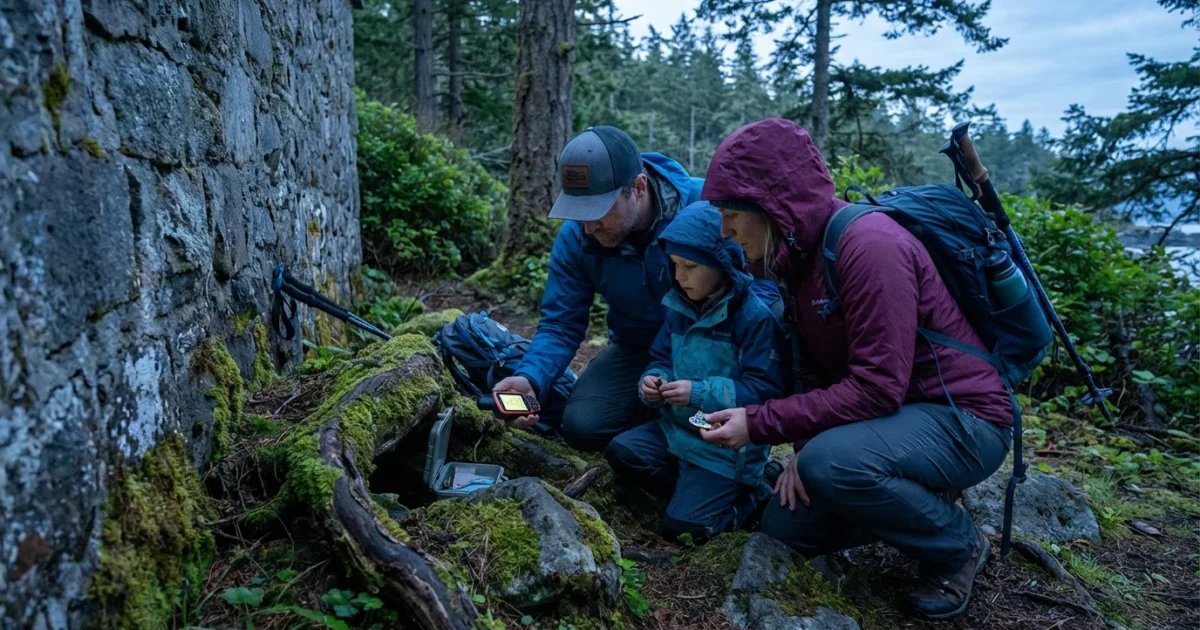
Your idea of retirement likely moves beyond a static existence. You envision a life rich with discovery, outdoor activity, and opportunities to connect with the world around you. Geocaching offers a unique blend of technology, exploration, and community, perfect for the modern retiree seeking adventure. This global treasure hunt transforms every outing into an exciting quest, accessible whether you are exploring your local park or venturing to international destinations.
Unveiling Geocaching: The Modern Treasure Hunt
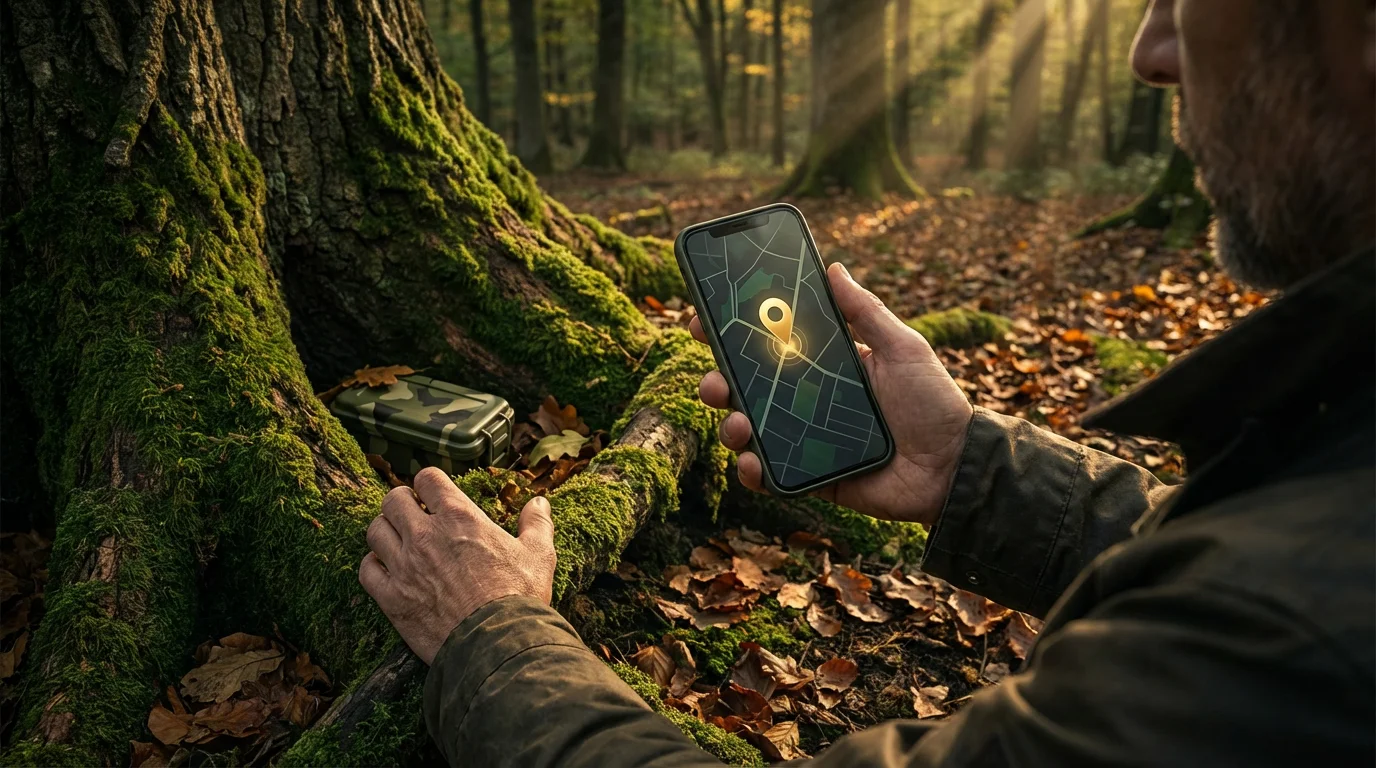
Geocaching marries the thrill of discovery with the precision of GPS technology. Participants use a GPS-enabled device, typically a smartphone, to navigate to specific coordinates. These coordinates lead to a geocache, which is a hidden container of varying sizes and complexities. Discovering the cache feels like uncovering a secret of the landscape.
Many enthusiasts find that digital photography is the perfect way to document the unique locations and hidden containers they discover.
The hobby began in May 2000, shortly after the government removed “selective availability” from GPS signals, dramatically improving accuracy for civilian users. This change allowed for precise outdoor navigation, sparking the idea of a global game of hide-and-seek. Since then, millions of geocaches have appeared worldwide, creating a vast network of hidden treasures.
This isn’t about finding monetary value. Most geocaches contain a logbook for you to sign, proving your discovery, and sometimes small trinkets for trading. The true prize comes from the journey, the exploration, and the satisfaction of solving a digital puzzle in the real world. You step outside, engage your mind, and connect with places you might otherwise overlook.

Why Geocaching Captivates Modern Retirees
Geocaching offers a compelling blend of mental and physical engagement, making it an ideal outdoor activity for contemporary retirees. It keeps your mind sharp, your body active, and your social calendar full, if you choose. This isn’t a sedentary hobby; it demands interaction with your surroundings.
This is an especially rewarding hobby to explore while house sitting, allowing you to find hidden spots known only to locals.
This spirit of adventure is similarly rewarded when exploring national parks, where many geocaches are hidden along scenic trails.
“Age is no barrier. It’s a limitation you put on your mind.” — Jackie Joyner-Kersee
Consider the multitude of benefits:
- Physical Activity: Geocaching encourages walking, hiking, and exploring different terrains. You move at your own pace, choosing caches that match your fitness level. Regular physical activity supports cardiovascular health and boosts mood, as studies from institutions like Harvard Health consistently demonstrate.
- Mental Stimulation: Solving puzzles, navigating complex routes, and deciphering clues challenge your cognitive functions. Each cache presents a unique mental exercise, keeping your brain engaged and agile.
- Social Connection: Join local geocaching groups or attend events to meet like-minded individuals. The shared passion for discovery fosters camaraderie and expands your social circle. This community aspect is a vital part of the geocaching experience.
- Discovery and Exploration: Uncover hidden gems in your own city or while traveling. Geocaching leads you to historical markers, scenic viewpoints, and quirky local spots you would never find otherwise. It transforms familiar places into new adventures.
- Technological Engagement: Stay current with GPS technology and smartphone apps. Geocaching provides a practical, enjoyable way to hone your digital literacy, integrating modern tools into a fulfilling pastime.
This combination of physical and mental engagement, alongside opportunities for social interaction and exploration, makes geocaching a dynamic choice. It redefines what an outdoor activity can be, offering rich rewards beyond the discovered cache.
How to Start Geocaching as a Retiree: Your First Quest
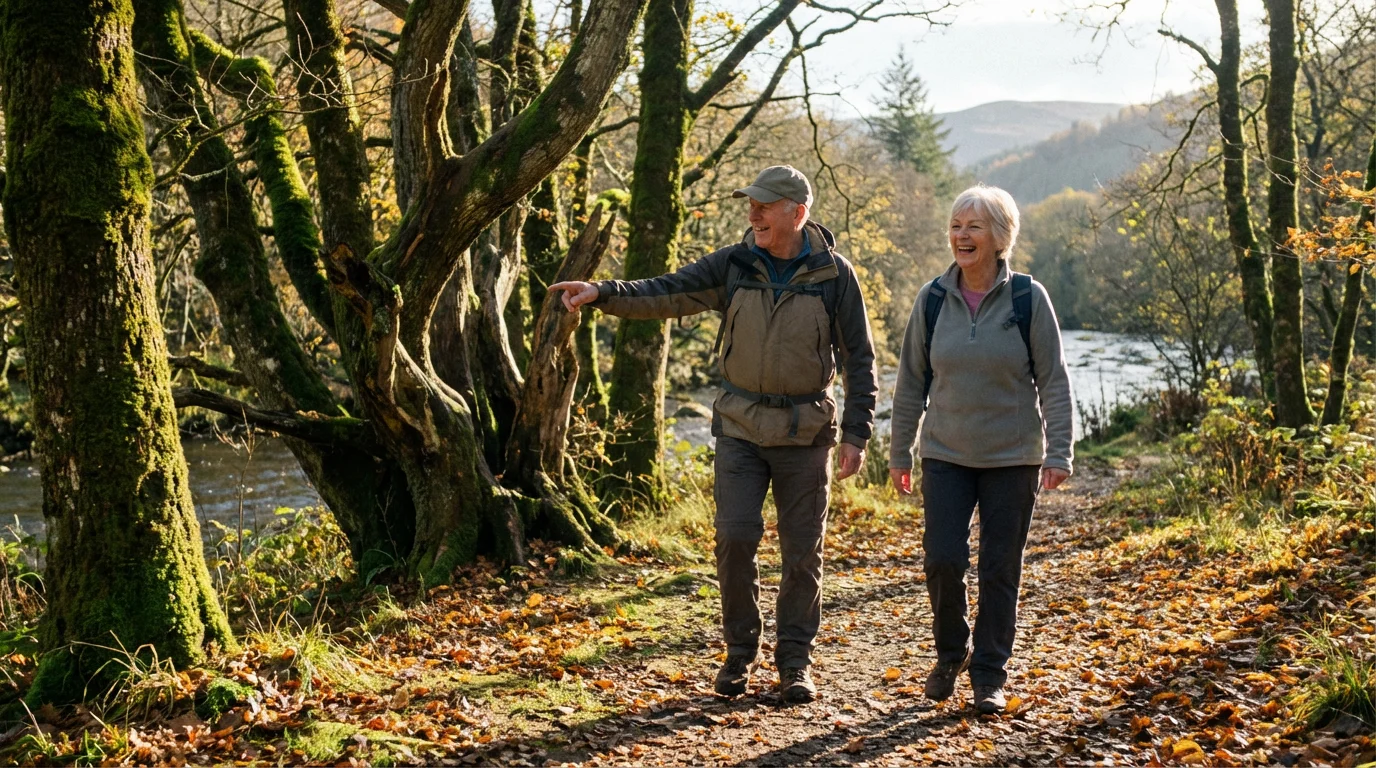
Embarking on your first geocaching adventure is straightforward. You already possess the most crucial piece of equipment: your smartphone. Follow these steps to begin your journey as a modern treasure hunter.
Many geocachers prioritize finds that are wheelchair-friendly or have low terrain ratings, which fits perfectly with accessible travel planning.
- Download the Official Geocaching App: Start by downloading the free Geocaching® app from Groundspeak, Inc. It’s available on both iOS and Android platforms. This app serves as your primary tool, locating caches and guiding your navigation.
- Create an Account: Register for a free account within the app or on Geocaching.com. This allows you to log your finds, track your statistics, and interact with the geocaching community. You will need a username, which becomes your unique geocaching identity.
- Understand Cache Types and Difficulty: The app displays various cache types, sizes, and difficulty ratings. Begin with “Traditional Caches” that are small or regular-sized, with low difficulty and terrain ratings. This eases you into the process without immediate frustration.
- Select Your First Cache: Browse the map for nearby caches. Look for green icons, indicating easy-to-find caches suitable for beginners. Choose one close to home or in a familiar area for your initial attempt.
- Navigate to the Cache: Use the app’s compass and map features to walk or drive to the cache’s general location. The app will provide an approximate distance and direction. As you get closer, the GPS signal will guide you more precisely.
- Search for the Cache: Once you are within 20-30 feet of the coordinates, start looking. Caches are often hidden under rocks, inside hollow logs, or behind signage. Use the cache description and hint provided in the app to assist your search.
- Sign the Logbook: Upon finding the geocache, open it carefully. You will discover a logbook, often a small piece of paper. Sign your geocaching username and date your find. This is proof of your discovery.
- Replace the Cache as Found: Always re-hide the cache exactly where and how you found it. Ensure it remains secure and out of plain sight for the next geocacher. Maintaining the integrity of the hiding spot is crucial for the game.
- Log Your Find Online: After your hunt, use the app to log your find. You can share your experience, describe any challenges, and thank the cache owner. This action updates your personal statistics and contributes to the global geocaching record.
Learning how to start geocaching as a retiree involves these simple steps. With each successful find, your confidence will grow, and you will quickly master the art of the modern treasure hunt.
What Equipment Do I Need for Geocaching: Essential Gear
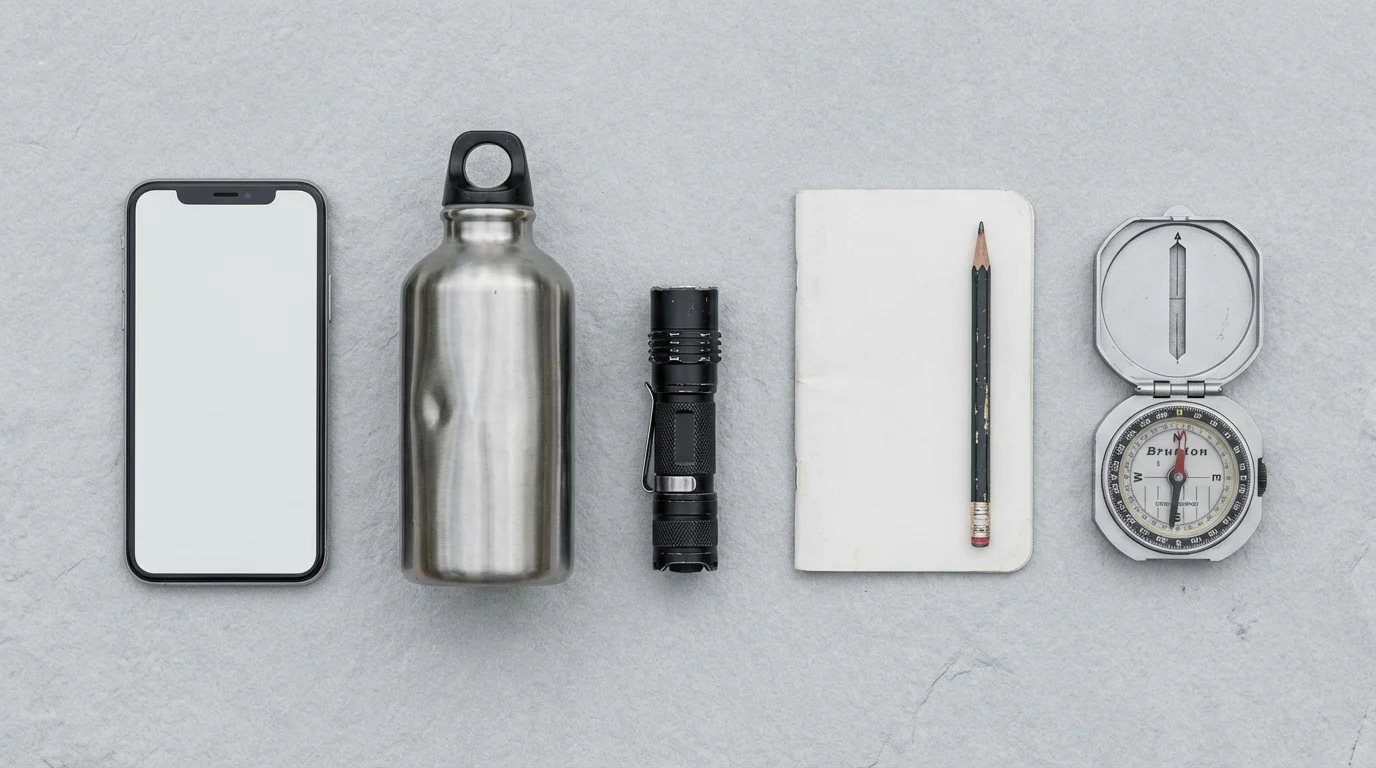
While a smartphone is your primary tool, a few additional items enhance your geocaching experience. Knowing what equipment do I need for geocaching ensures you are prepared for varied terrains and situations. Prioritize comfort, safety, and practicality in your selections.
For those venturing into more remote areas, utilizing fall prevention technology can provide an extra layer of security and confidence.
To keep track of your steps and heart rate during your search, choosing the right fitness tracker can help you stay on top of your health goals.
Consider these essentials for your geocaching kit:
- Smartphone or GPS Device: Your smartphone, running the Geocaching® app, is fundamental. For more rugged adventures or areas with poor cell service, a dedicated handheld GPS device offers superior accuracy and battery life. Brands like Garmin produce excellent options.
- Portable Power Bank: GPS navigation and constant screen usage drain phone batteries quickly. A portable power bank ensures your device remains charged throughout your expedition, especially on longer hunts. Look for models with at least 10,000mAh capacity.
- Comfortable Walking Shoes or Hiking Boots: Choose footwear appropriate for the terrain you expect. For urban caches, comfortable walking shoes suffice. Off-road or trail caches demand sturdy hiking boots with good ankle support.
- Weather-Appropriate Clothing: Dress in layers to adapt to changing conditions. A waterproof jacket is advisable, even on clear days, as weather can shift unexpectedly. Sun protection, such as a hat and sunglasses, is also vital.
- Water Bottle and Snacks: Stay hydrated and energized, particularly during longer searches or in warmer climates. Pack a reusable water bottle and some easy-to-carry snacks.
- Pen or Pencil: Geocaches contain logbooks. While some provide a pen, carrying your own ensures you can always sign your name. A fine-point permanent marker can also be useful for damp logs.
- Small Trinkets for Trading (Optional): If you find a cache with “trade items,” you can take one if you leave something of equal or greater value. Think small, inexpensive items like lapel pins, foreign coins, or small toys. Avoid food or scented items.
- Headlamp or Flashlight: Essential for nighttime geocaching or searching inside dark containers and crevices. A headlamp keeps your hands free, which is very helpful when navigating or signing a log.
- Tweezers or Small Tool: Some caches are tiny, known as “micros,” and might require tweezers to extract the rolled-up log sheet. A small multi-tool can also prove useful for various minor adjustments or unforeseen situations.
Equipping yourself properly enhances both your safety and enjoyment. You avoid interruptions and focus on the thrill of the hunt, knowing you possess everything needed for a successful geocaching expedition.

Types of Geocaches and Community Engagement
Geocaching offers more than simple hidden containers. The game includes various cache types, each presenting a unique challenge and opportunity for engagement. Understanding these variations enriches your experience and expands your treasure-hunting repertoire.
If your treasure hunting takes you abroad, learning a new language can be incredibly helpful for reading local logs and hints.
Common Geocache Types:
- Traditional Cache: This is the classic geocache, a container at the posted coordinates. It always includes a logbook and often trade items.
- Multi-Cache: This involves two or more locations. You find clues at the first stage that lead you to the second, and so on, until you reach the final cache. These require more planning and travel.
- Mystery or Puzzle Cache: The coordinates listed are not the actual location of the cache. You must solve a puzzle, riddle, or complete a task to determine the true coordinates. These test your problem-solving skills.
- EarthCache: These are virtual caches that teach you about a unique geological feature. You answer questions about the site to “log” your find, rather than signing a physical logbook.
- Letterbox Hybrid: Combines elements of geocaching with letterboxing. It involves following clues to find a hidden container with a stamp. You use the stamp to mark your personal logbook and stamp your own unique stamp in the cache’s logbook.
- Event Cache: These are gatherings organized by local geocachers. Events range from casual meet-and-greets to larger community clean-ups or celebrations. They offer excellent opportunities for social connection.
Engaging with the geocaching community elevates the hobby beyond solo discovery. Many regions host active geocaching clubs and organize regular events. You can participate in “Cache In Trash Out” (CITO) events, which combine geocaching with environmental cleanup. These events exemplify the community’s commitment to preserving the beauty of the outdoors.
Connecting with fellow geocachers provides invaluable tips, shared stories, and new friendships. You gain insights into local hiding spots and learn about unique caches from experienced hunters. This vibrant community spirit makes geocaching a truly social and rewarding travel game.
Geocaching Around the World: Travel Games
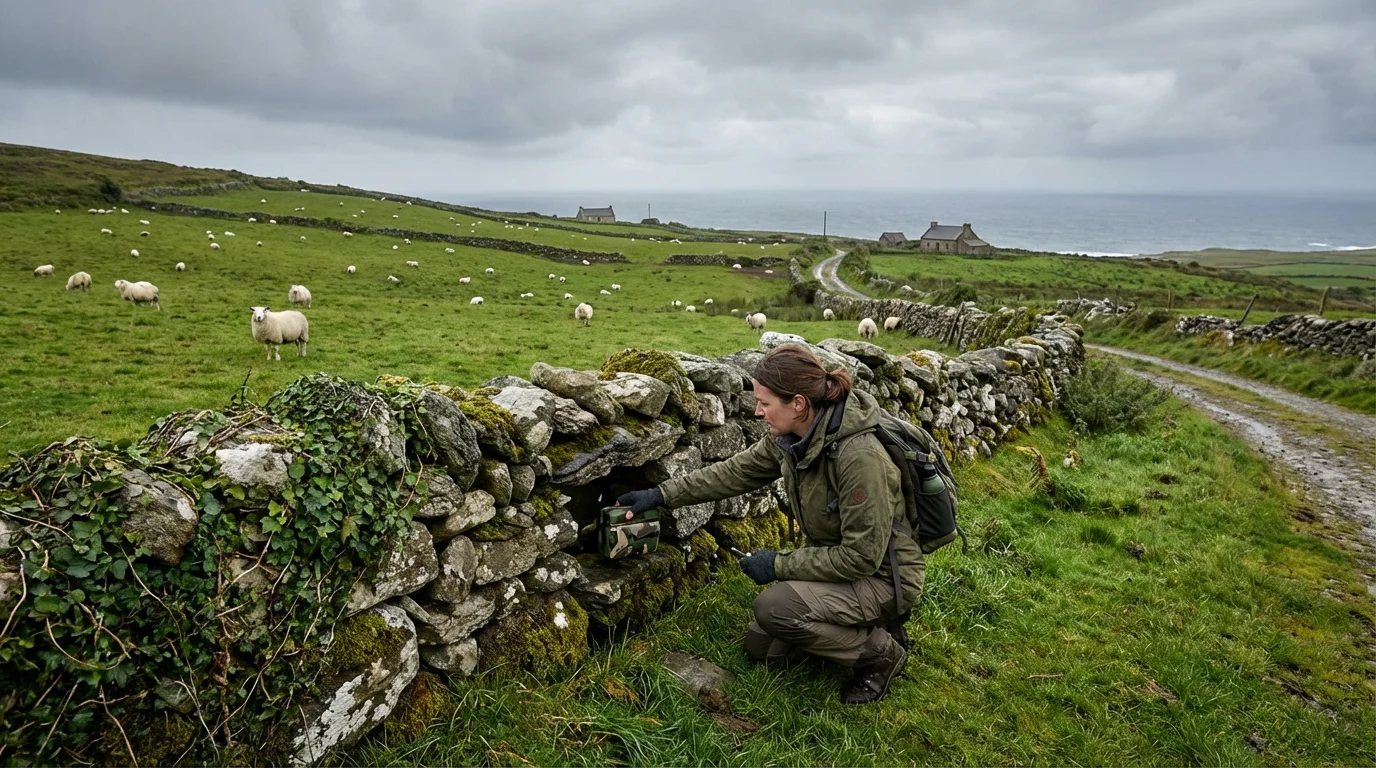
Geocaching transforms every trip into a treasure hunt, making it an exceptional travel game. Whether you are exploring a new city or embarking on an international adventure, geocaching adds an exciting layer of discovery to your itinerary. You discover hidden gems that guidebooks often miss, gaining a more intimate understanding of your destination.
Imagine searching for a cache near the Eiffel Tower, or perhaps uncovering one on a remote trail in Patagonia. Geocaching provides unique opportunities for immersive travel:
- Discover Local Secrets: Many geocaches highlight local history, art installations, or quirky points of interest. You move beyond typical tourist traps, finding authentic experiences and seeing places from a local perspective.
- Enhance City Exploration: Use geocaching as a framework for exploring new cities on foot. Plot a route that includes several caches, turning a simple walk into an engaging tour. This is far more interactive than a guided bus tour.
- Adventure in Nature: Geocaching leads you to stunning natural landscapes, from national parks to serene forest trails. It encourages you to hike, observe wildlife, and appreciate the outdoor beauty of different regions.
- Connect with Global Communities: Even when traveling solo, the geocaching community provides a sense of connection. You log your finds, read notes from international geocachers, and contribute to a global pastime.
- Create Unique Travel Memories: Finding a particularly challenging cache in an exotic location creates a memorable story. These unique achievements become cherished parts of your travel narrative, far more personal than souvenir shopping.
With millions of geocaches hidden in over 190 countries, the world becomes your playground. Websites like Geocaching.com allow you to plan your hunts in advance, researching caches at your destination. This forward-thinking approach ensures your travel games are always packed with adventure. You discover new cultures, encounter breathtaking scenery, and collect unique experiences, one cache at a time.
Responsible Geocaching: Etiquette and Safety
Participating in geocaching means embracing a set of guidelines that protect the environment, respect property, and ensure the game remains enjoyable for everyone. Responsible geocaching practices are paramount for the sustainability of this global outdoor activity.
Key etiquette and safety principles include:
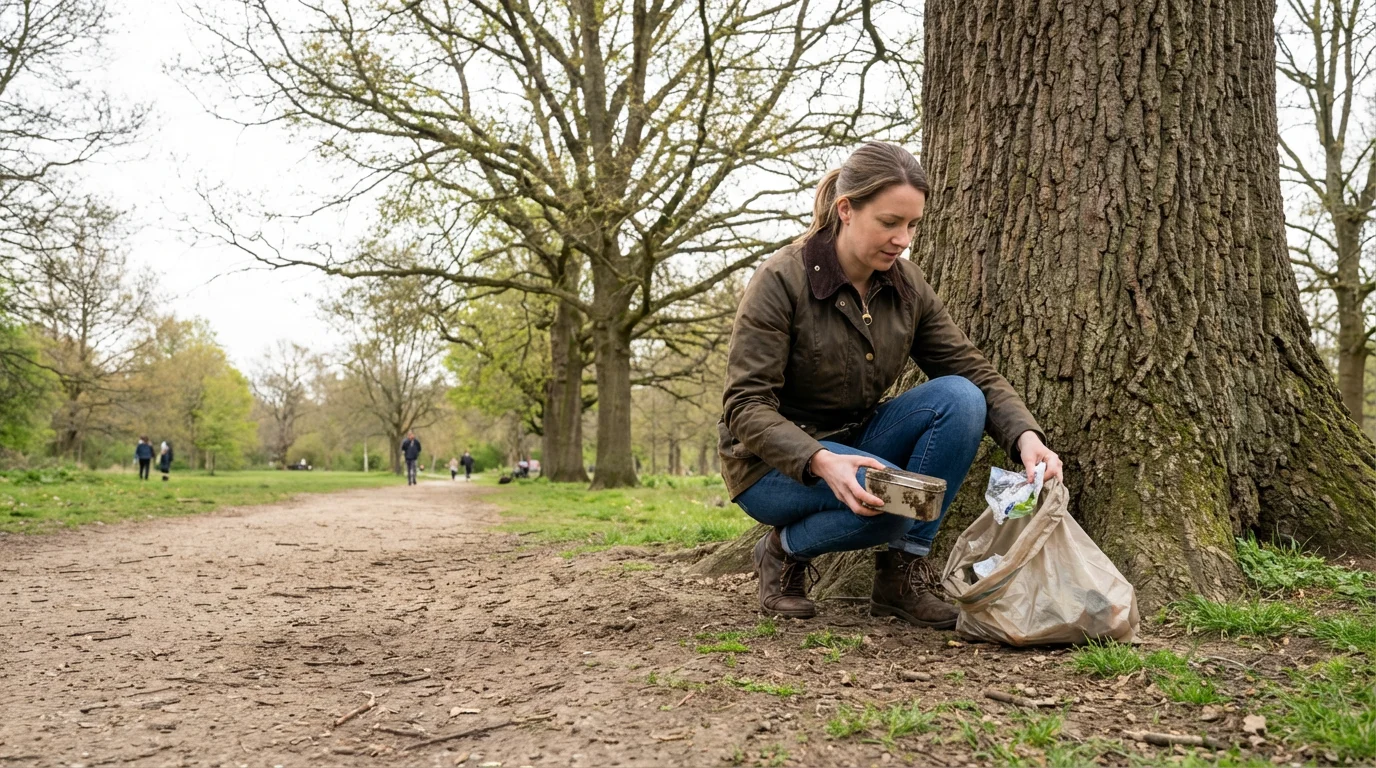
- Practice Cache In, Trash Out (CITO): Always leave an area better than you found it. Carry out any trash you find, whether it belongs to you or not. Many geocachers carry a small bag specifically for this purpose.
- Respect Private Property: Never trespass onto private property to find a geocache. Ensure you only search in public areas or places with clear public access. Cache owners usually hide caches legally, but always verify if you are unsure.
- “Muggle” Awareness: A “muggle” refers to a non-geocacher. Be discreet when searching for and retrieving caches, especially in public areas. Avoid drawing attention to the hidden container, as this can lead to caches being accidentally removed or vandalized.
- Re-hide Caches Securely: After signing the logbook, carefully replace the cache exactly as you found it. Ensure it is well-hidden and protected from the elements. A poorly re-hidden cache can quickly disappear or suffer damage.
- Report Issues: If you find a damaged cache, a missing logbook, or an unsafe hiding spot, log a “Needs Maintenance” report on the app. This alerts the cache owner, allowing them to address the problem.
- Prioritize Personal Safety: Inform someone of your geocaching plans, especially if you venture into remote areas. Carry a fully charged phone, water, and appropriate first aid supplies. Be aware of your surroundings, potential wildlife, and changing weather conditions. Consumer Reports provides excellent advice on outdoor safety gear and practices.
- Adhere to Local Regulations: Respect any local park rules, historical site regulations, or environmental protection guidelines. Some areas prohibit cache placement or certain activities. Your awareness contributes to responsible recreational use.
By following these simple rules, you contribute to a positive geocaching experience for yourself and the entire community. You ensure this innovative outdoor activity remains accessible and enjoyable for future generations of modern retirees.
Frequently Asked Questions
What is the average cost to start geocaching?
Starting geocaching is very inexpensive. The official Geocaching® app offers a free version with access to millions of traditional caches. Your primary cost will be a smartphone, which you likely already own, and potentially comfortable shoes or a water bottle. Premium subscriptions to the app, offering additional features and caches, typically cost around $30 per year, but are not necessary for beginners.
Can I geocache if I have limited mobility?
Absolutely. Geocaching offers a range of “terrain ratings,” from 1 (wheelchair accessible) to 5 (requiring specialized equipment like ropes or boats). You can filter for caches with lower terrain ratings, finding ones accessible from paved paths, urban parks, or even car windows. This makes geocaching adaptable to various mobility levels.
Is geocaching safe for solo adventurers?
Geocaching can be safe for solo adventurers, provided you take precautions. Always inform someone of your planned route and expected return time. Stick to well-trafficked areas, especially when starting out. Carry a fully charged phone, a power bank, and basic safety items. Avoid caching at night or in very remote areas alone until you gain significant experience.
What should I do if I can’t find a geocache?
Don’t get discouraged if you can’t find a cache. Read the cache description and hints again carefully. Check recent logs from other geocachers for clues, but avoid spoilers. If you still can’t find it, log a “Did Not Find” (DNF) on the app. This informs the cache owner and other geocachers that the cache might be difficult or missing. You gain points for DNF logs, and it is a normal part of the game.
How does geocaching help with travel?
Geocaching enhances travel by turning destinations into interactive treasure hunts. It guides you to explore areas beyond typical tourist spots, uncovering local history, unique landmarks, and beautiful natural spaces. This provides a more immersive and adventurous way to experience new cities or countries, offering an active travel game experience.
Disclaimer: This article is for informational purposes. Technology, apps, and services mentioned may change over time. We encourage readers to research current options and consider their individual needs when making decisions.





Leave a Reply