
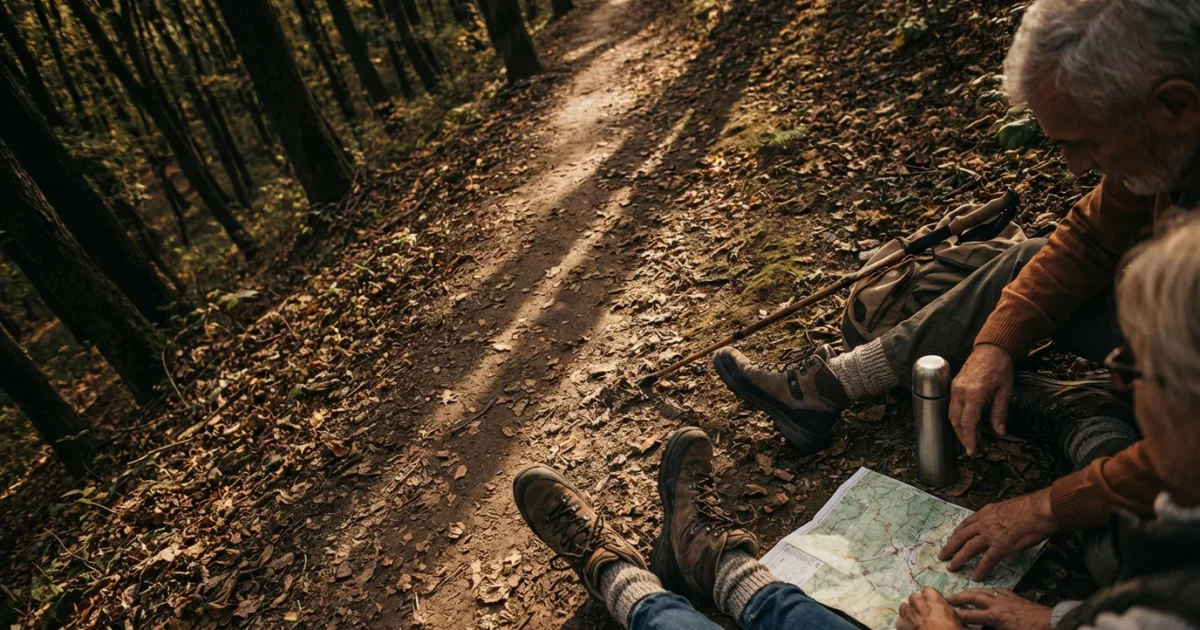
Modern retirement rejects the notion of slowing down. Instead, it invites you to explore, innovate, and embrace new adventures. Hiking stands as a premier activity for those ready to redefine their active years. This guide offers practical, actionable steps to help you confidently hit the trails, leveraging technology and smart strategies for a fulfilling outdoor experience.
Making time for the great outdoors is much easier when you focus on designing a retirement routine that prioritizes your health and happiness.
You possess the wisdom of experience, and a vibrant spirit. Combine these assets with strategic planning and the right tools, and you unlock a world of breathtaking landscapes, fresh air, and invigorating physical activity. Prepare to discover the incredible benefits of embracing senior hiking, whether you are a seasoned trekker or lacing up your boots for the first time.
Hiking for a Reimagined Retirement
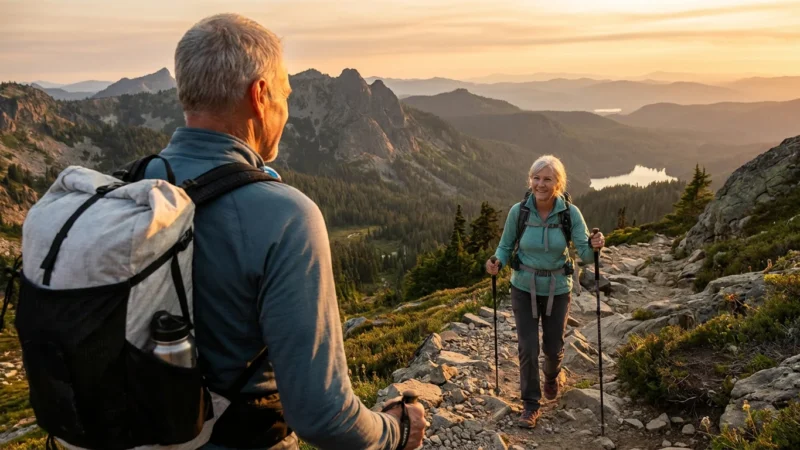
Retirement today means pursuing passions, maintaining vitality, and seizing opportunities for growth. Hiking offers a profound way to connect with nature, challenge your body, and calm your mind. You gain a powerful blend of physical exercise and mental rejuvenation, making it an ideal cornerstone for an active, fulfilling lifestyle.
Many seniors choose to explore further afield by combining their hiking trips with budget travel tips to visit iconic peaks without overextending their finances.
If you want to take your outdoor journey to the next level, backpacking after retirement provides an even deeper connection with the wilderness.
Forget outdated images of retirement; modern retirees are vibrant, engaged, and actively seek out experiences that enrich their lives. Hiking aligns perfectly with this forward-thinking ethos. It allows you to explore new places, discover hidden gems in your local area, and forge deeper connections with friends or family on shared adventures.
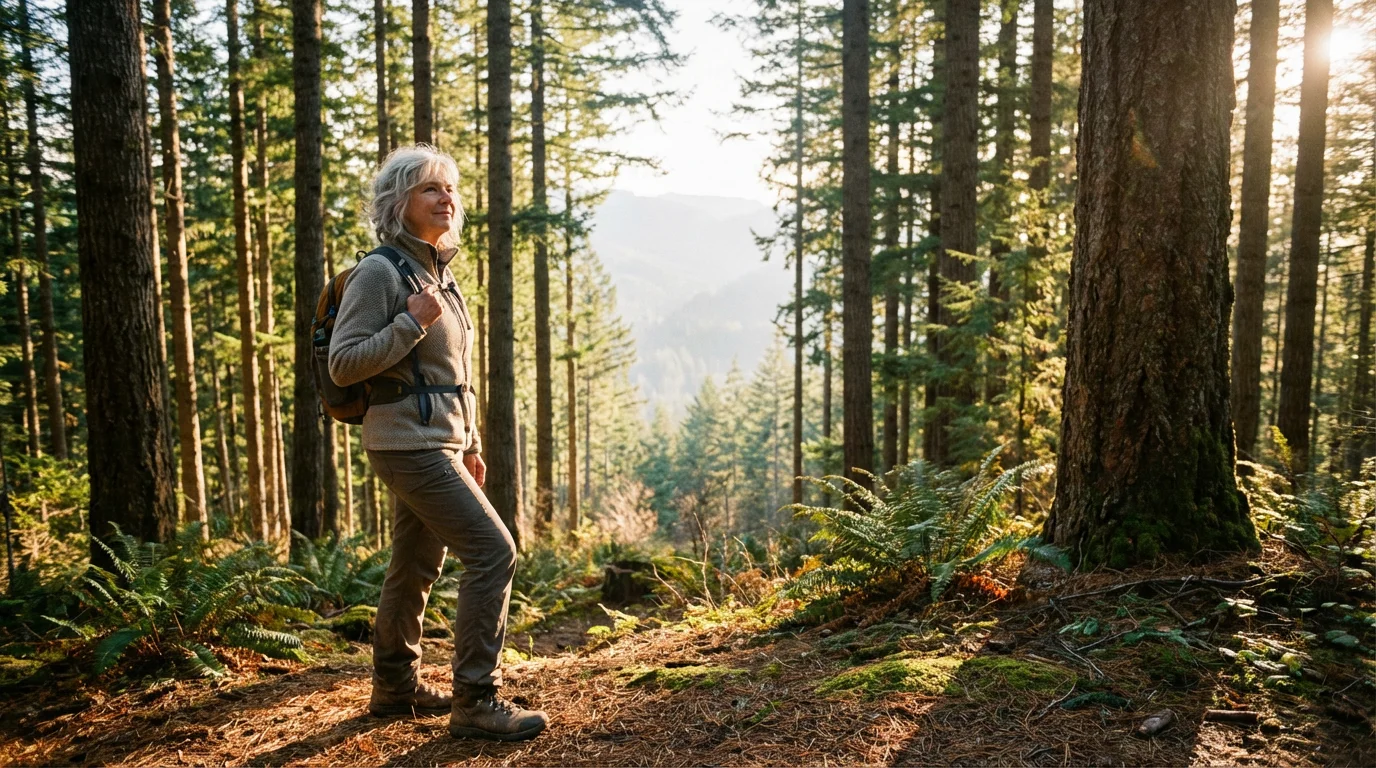
The Irresistible Benefits of Trail Exploration
Engaging in senior hiking delivers a powerful suite of physical and mental advantages. Regular activity on hiking trails significantly improves cardiovascular health, strengthens muscles, and boosts bone density. It is a full-body workout that naturally adapts to your pace and chosen terrain, providing a scalable fitness solution.
Beyond the physical, hiking offers profound mental and emotional benefits. Spending time outdoors reduces stress, improves mood, and enhances cognitive function. Studies consistently show that exposure to nature lessens symptoms of anxiety and depression. You find a sense of peace and accomplishment with every journey.
“Age is no barrier. It’s a limitation you put on your mind.” — Jackie Joyner-Kersee
Moreover, hiking provides an excellent opportunity for social interaction. Joining a hiking club or organizing trips with friends fosters community and shared experiences. This social engagement is vital for overall well-being and combating feelings of isolation.
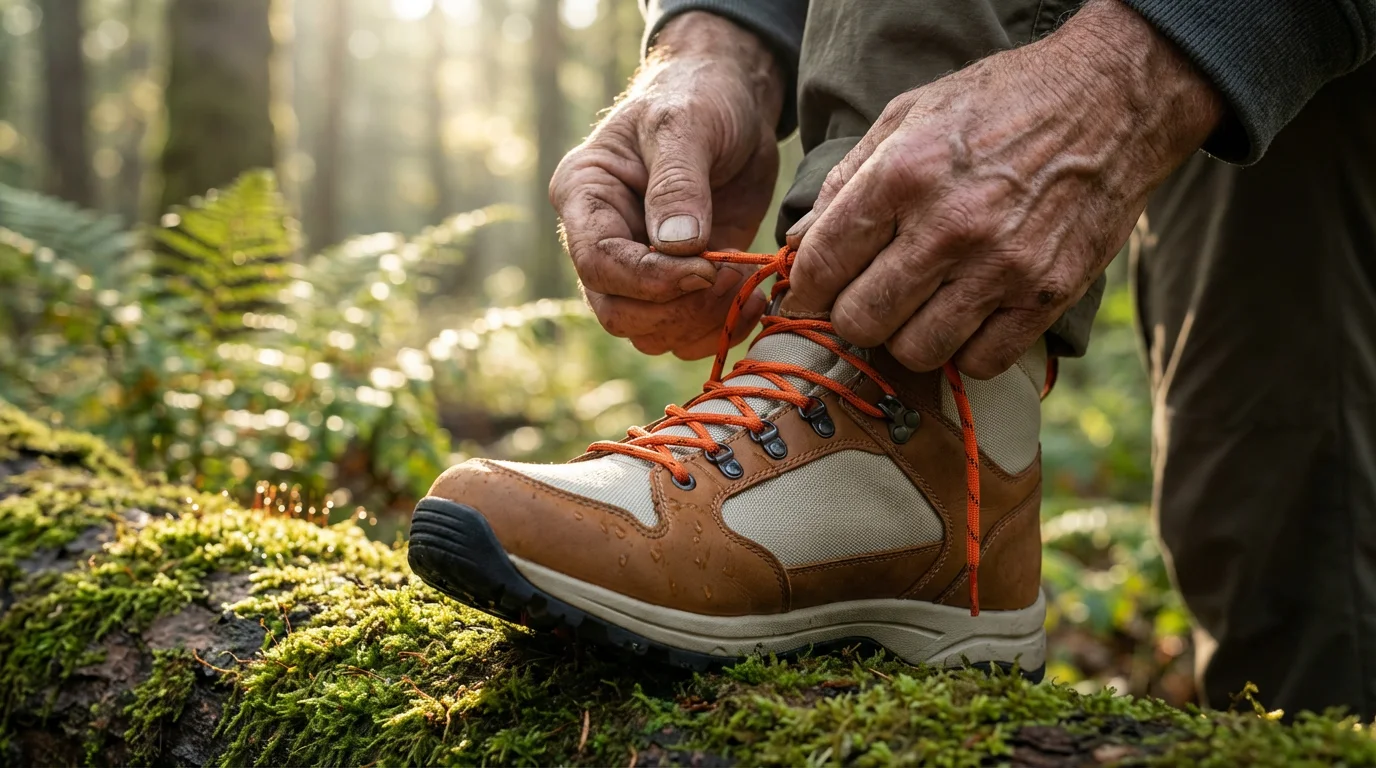
Laying the Groundwork: Preparing for Your First Steps
Before you embark on any hiking adventure, prioritize a thorough readiness assessment. Consult your doctor to discuss your fitness levels and any pre-existing conditions. This ensures you approach hiking safely and effectively, tailoring your plans to your individual health profile.
While exercise is a great investment in your health, it is equally important to plan for potential healthcare costs in retirement to ensure long-term stability.
Many hikers find that choosing the right fitness tracker is a great way to monitor their heart rate and step count during these initial training walks.
Begin a gradual fitness regimen to build strength and endurance. You do not need to be an elite athlete to start hiking; consistency and progression are key. Focus on exercises that strengthen your core, legs, and ankles, as these are crucial for stability on uneven terrain.
Consider these foundational steps:
- Medical Check-up: Obtain clearance from your healthcare provider. Discuss hiking plans and any necessary precautions.
- Start Small: Begin with short, flat walks in your neighborhood or local park. Gradually increase distance and elevation.
- Strength Training: Incorporate bodyweight exercises like squats, lunges, and calf raises. These build essential hiking muscles.
- Balance Exercises: Practice standing on one leg or using a wobble board. Improved balance prevents falls on uneven trails.
- Flexibility: Regular stretching enhances your range of motion and reduces the risk of injury.
Gear Up: Smart Choices for Comfort and Safety
The right gear transforms your hiking experience, enhancing comfort, safety, and performance. Modern technology offers lightweight, durable, and highly functional apparel and equipment. Invest in quality items that suit your hiking style and the conditions you expect to encounter.
Modern hiking apparel has evolved significantly, allowing you to maintain your personal style while benefiting from high-performance, moisture-wicking fabrics.
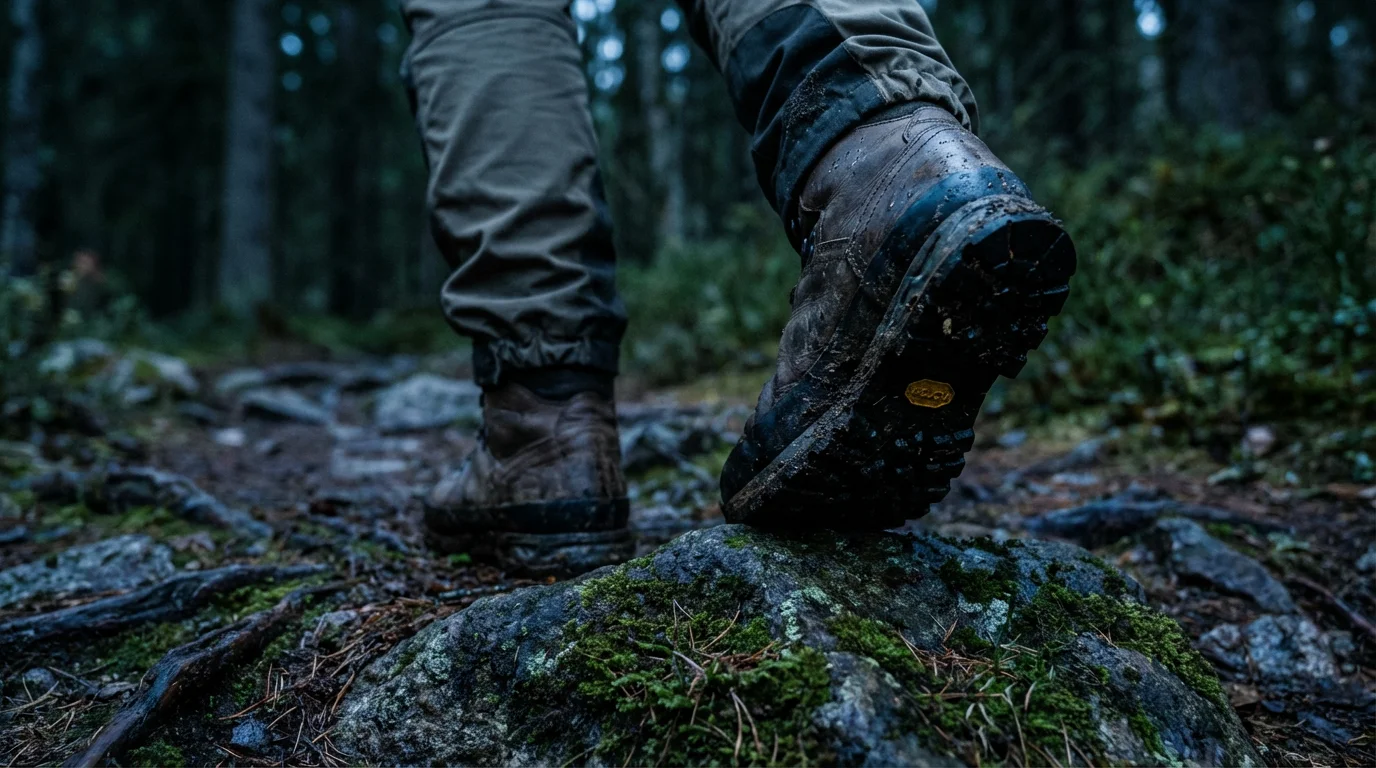
Footwear represents your most critical investment. High-quality hiking boots or shoes provide essential ankle support, traction, and protection against rough terrain. Look for waterproof options with good cushioning. For a deeper dive into choosing appropriate hiking footwear, Consumer Reports offers valuable insights on selecting the right pair to keep you comfortable and secure on the trail.
Your clothing choices also play a significant role. Opt for moisture-wicking fabrics that keep you dry and regulate body temperature. Layering allows you to adapt to changing weather conditions, a common occurrence on hiking trails. Do not underestimate the sun; a wide-brimmed hat, sunglasses, and sunscreen are non-negotiable.
Consider these essential gear items for senior hiking:
- Hiking Boots/Shoes: Prioritize ankle support, traction, and comfort. Break them in before your first long hike.
- Layered Clothing: Base layer (moisture-wicking), middle layer (insulation), outer layer (rain/wind protection).
- Backpack: A comfortable daypack (15-30 liters) to carry water, snacks, extra layers, and safety items.
- Trekking Poles: Offer stability, reduce strain on knees, and aid balance, particularly on descents.
- Hydration System: Water bottles or a hydration reservoir. Carry more water than you think you need.
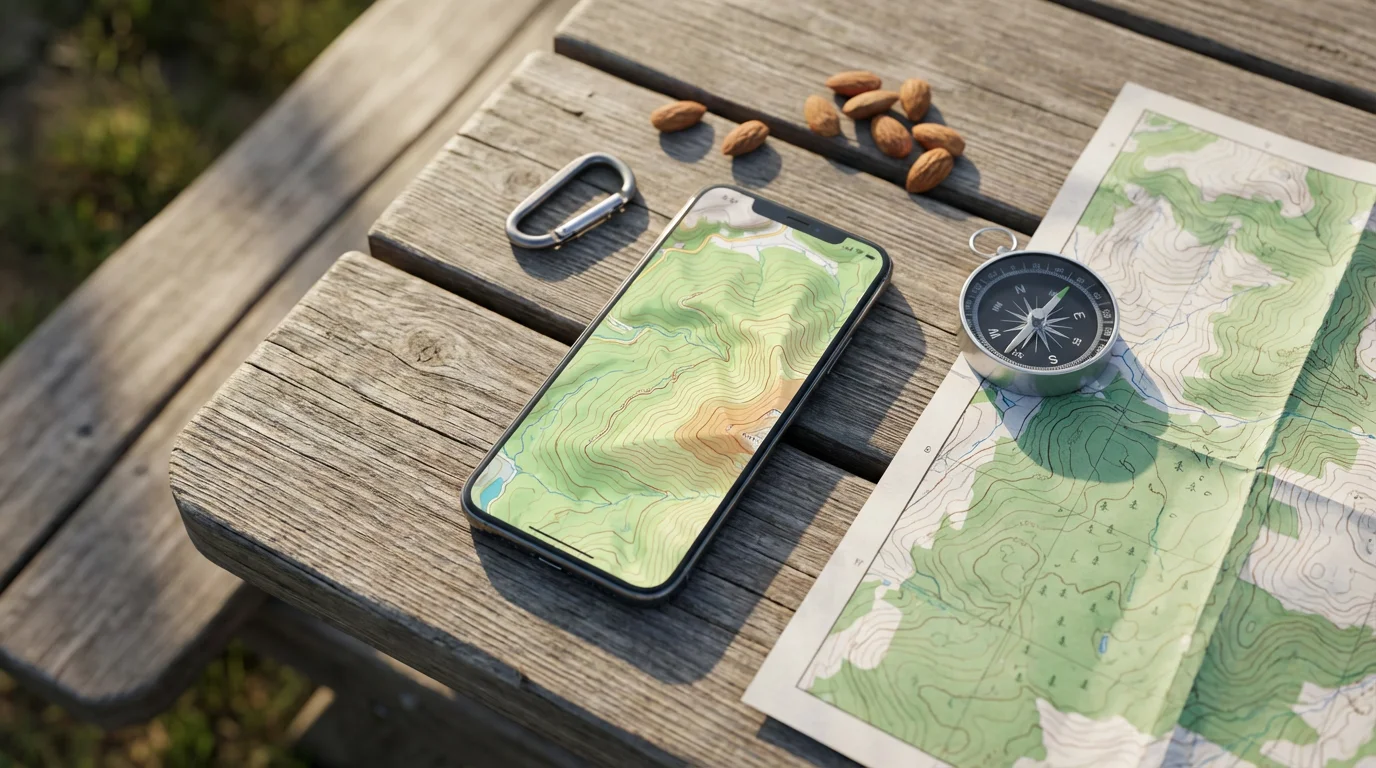
- Navigation Tools: Smartphone with GPS hiking apps (e.g., AllTrails, Gaia GPS), a portable power bank, and a physical map as a backup.
- First-Aid Kit: Essential for blisters, minor cuts, and personal medications.
- Sun Protection: Hat, sunglasses, and broad-spectrum sunscreen.
- Emergency Whistle: For signaling if you need assistance.
Navigating the Outdoors: Finding Your Perfect Trail
Choosing the right hiking trails is crucial for an enjoyable and safe experience, especially when you are building confidence. Fortunately, numerous resources exist to help you discover paths that match your fitness level and desired scenery. You want trails that offer a balance of challenge and reward.
If you are managing mobility challenges, many parks now offer accessible travel paths that provide the same stunning views with easier terrain.
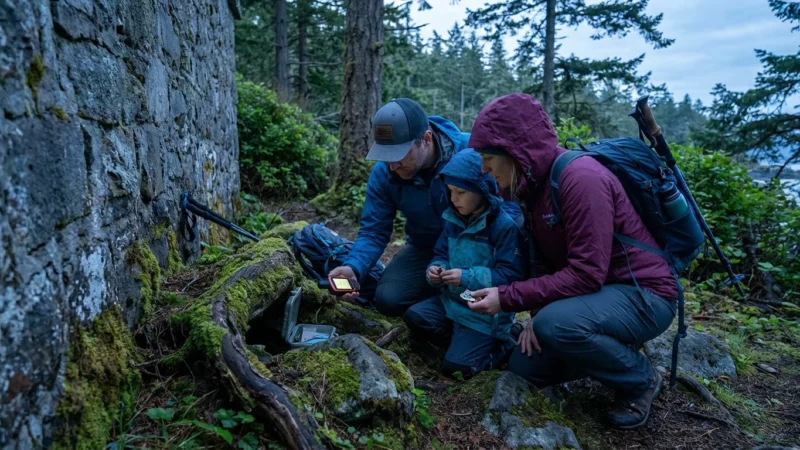
To make your trek even more engaging, you might consider trying geocaching adventures, which turn every walk into a fun treasure hunt.
Modern apps and websites have revolutionized how you find and plan hikes. These platforms provide detailed trail maps, elevation profiles, user reviews, and difficulty ratings. This information empowers you to make informed decisions about where to go and what to expect, answering the common question: what are the best hiking trails for seniors?
Key resources for finding hiking trails:
- AllTrails: A comprehensive app and website with millions of user-contributed trail maps, photos, and reviews. Filter by difficulty, length, and features.
- Gaia GPS: Offers detailed topographic maps for off-grid navigation, excellent for more adventurous hikers.
- National Park Service (NPS) App: Provides interactive maps and information for trails within US National Parks.
- Local Government Parks & Recreation Websites: Often list trails with detailed descriptions and accessibility notes for your area.
- Hiking Groups and Clubs: Many communities have groups specifically for senior hikers, offering guided outings and social opportunities.
When evaluating hiking trails, always consider the following:
- Difficulty Rating: Start with easy or moderate trails. Pay attention to elevation gain, not just distance.
- Trail Surface: Look for well-maintained paths initially. Avoid trails with extensive rock scrambling or technical sections until you gain experience.
- Length and Time: Be realistic about how far and long you can comfortably hike. Account for breaks and sightseeing.
- Access to Facilities: Check for restrooms, water sources, and parking availability.
- Cell Service: Research areas for reliable cell service, especially if relying on phone navigation.

Pre-Hike Protocol: Mastering Your Preparation
Effective preparation significantly enhances your safety and enjoyment on any hike. Your pre-hike routine goes beyond packing your backpack; it involves mental and physical readiness, ensuring you are equipped for potential challenges. This comprehensive approach is how to prepare for a senior hiking trip effectively.
Finally, consider bringing a camera; retirement is the perfect season to master digital photography as you document the breathtaking landscapes you discover.
Always check the weather forecast for your specific hiking location. Mountain weather can change rapidly, so prepare for varying conditions. Inform someone of your hiking plan: your intended route, expected return time, and who to contact if you do not check in. This simple step is a critical safety measure.
Your body needs proper fuel and hydration. Drink plenty of water in the days leading up to your hike, and ensure you have a balanced meal before you start. Pack calorie-dense snacks that provide sustained energy, such as nuts, fruit, and energy bars.
Steps for smart pre-hike preparation:
- Check Weather: Review the forecast and pack accordingly. Be prepared for unexpected changes.
- Share Your Plan: Tell a trusted person your route, destination, and estimated return time.
- Hydrate Adequately: Drink water consistently for days before your hike. Carry ample water for the trail.
- Fuel Your Body: Eat a balanced meal rich in complex carbohydrates and protein before heading out.
- Pack Smart: Ensure your backpack contains all essential gear, including first aid, navigation, and layers.
- Charge Devices: Fully charge your phone, GPS device, and portable power bank.
- Warm-up: Perform gentle stretches and a light walk to warm up your muscles before hitting the main trail.
- Inspect Gear: Double-check your shoes, trekking poles, and other equipment for any issues.
Staying Connected and Secure on the Trail
Technology serves as a powerful ally for modern senior hikers, offering tools for navigation, communication, and emergency preparedness. Embrace these innovations to enhance your safety and confidence while exploring. You do not hike alone when you carry smart devices.
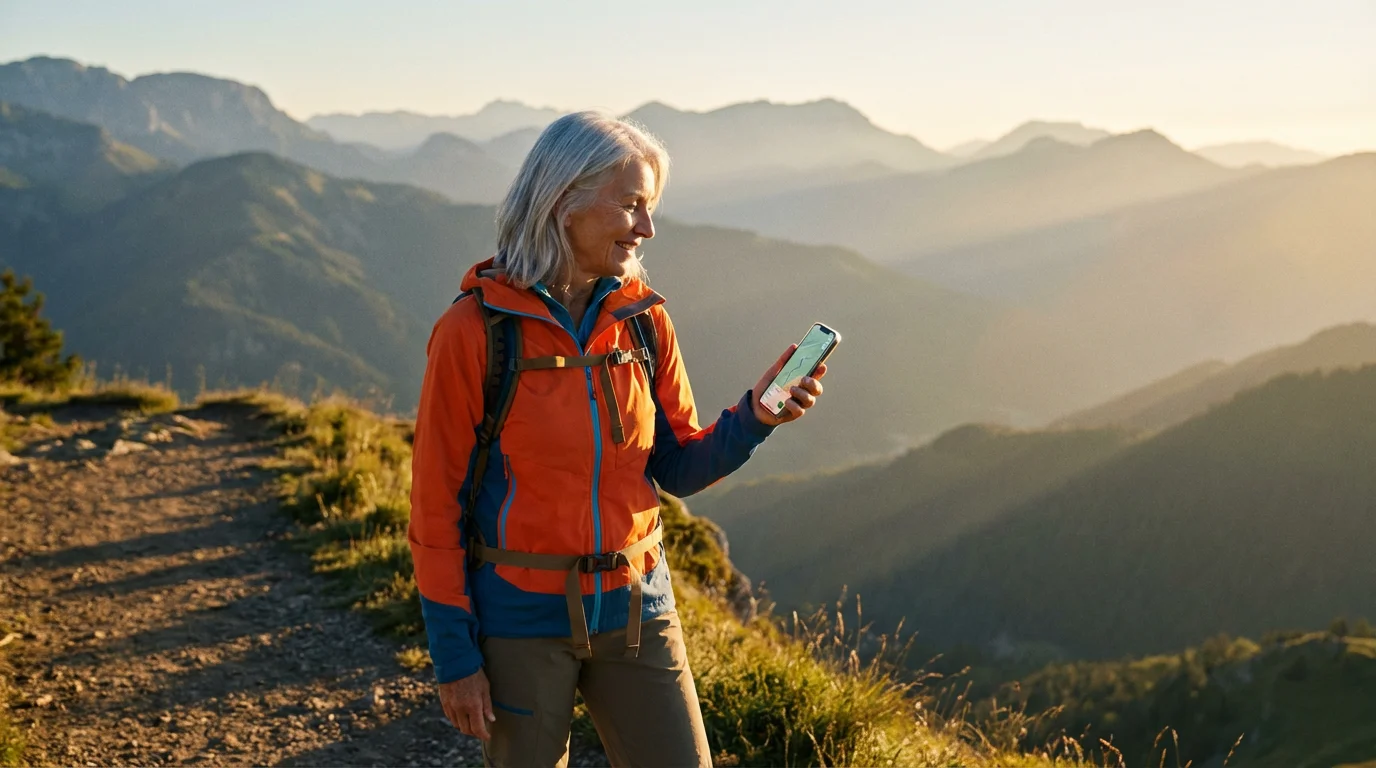
GPS-enabled smartphones running hiking apps provide real-time location tracking and detailed maps. Many apps allow you to download maps for offline use, ensuring navigation even without cell service. This is invaluable for preventing disorientation on unfamiliar paths.
Beyond navigation, consider wearable technology. Smartwatches track vital signs, GPS location, and some even offer fall detection or emergency SOS features. Carrying a personal locator beacon (PLB) or satellite messenger provides an additional layer of security for remote areas where cell service is nonexistent. The Verge provides current reviews of satellite messengers, guiding you toward options that can keep you connected in the most remote locations.
Smart tools for trail safety and connection:
- Smartphone with GPS Apps: Pre-load maps, track your route, and share your location.
- Portable Power Bank: Essential for recharging devices on longer hikes.
- Wearable Tech: Smartwatches with health tracking, GPS, and emergency features.
- Personal Locator Beacon (PLB) or Satellite Messenger: For emergency communication in areas without cell service.
- Offline Maps: Download maps of your chosen trail on your phone before losing signal.
- Emergency Contacts: Program ICE (In Case of Emergency) contacts into your phone.
- Headlamp/Flashlight: Always carry one, even if you plan to return before dark.
Deepening Your Trail Experience
Hiking offers more than just physical activity; it is an opportunity for personal growth, connection with nature, and skill development. As you gain experience, you can explore ways to enrich your time on the trails, making each hike a unique and rewarding adventure. You dictate how far your passion takes you.
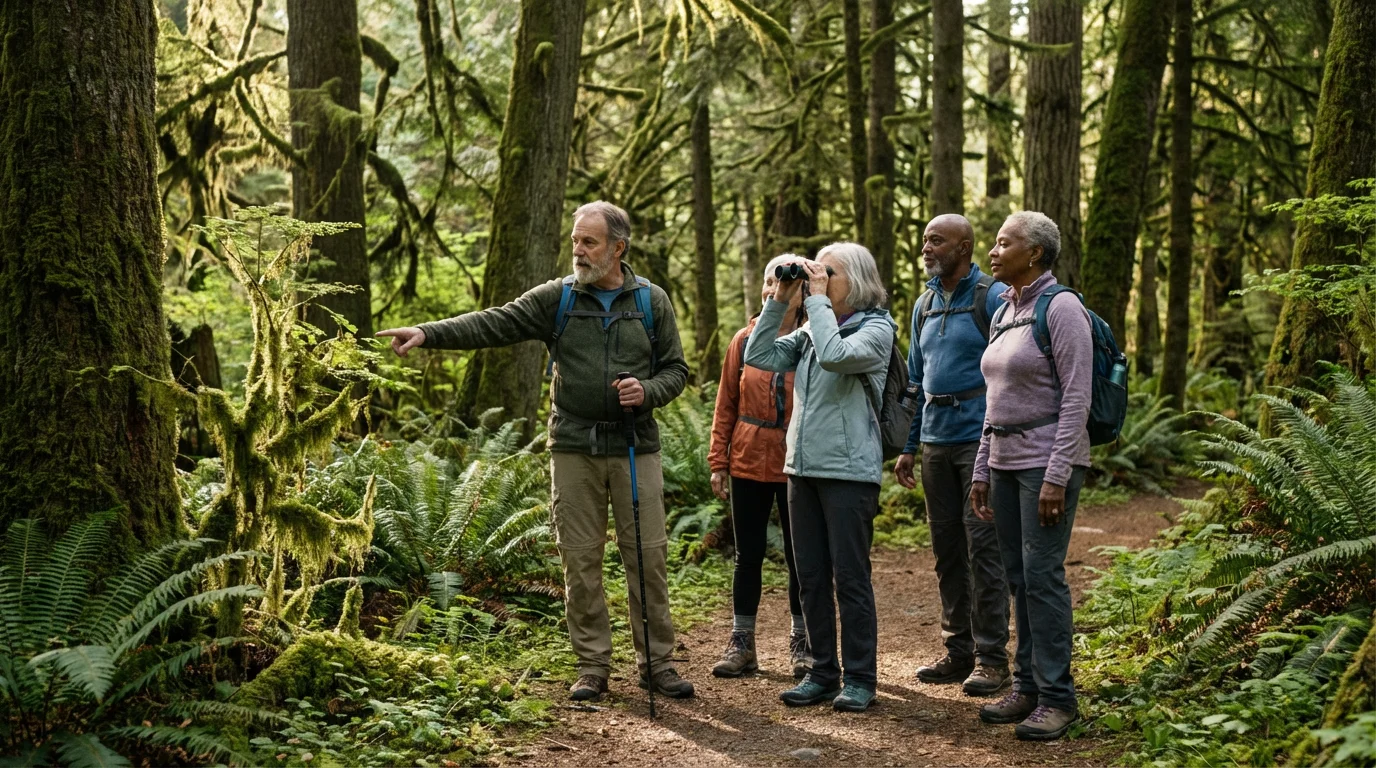
Consider joining organized hiking groups. These provide a built-in support system, offer opportunities to learn from experienced leaders, and introduce you to new trails you might not discover alone. Many groups cater specifically to senior hikers, offering paced walks and social outings.
Embrace skills like basic map and compass navigation, even if you rely on GPS. This knowledge enhances your self-reliance and deepens your understanding of the outdoors. Photography provides another avenue for enjoyment, allowing you to capture the beauty of your surroundings and revisit memories.
Ways to enhance your hiking:
- Join a Hiking Club: Find groups for companionship, guidance, and new trail discovery.
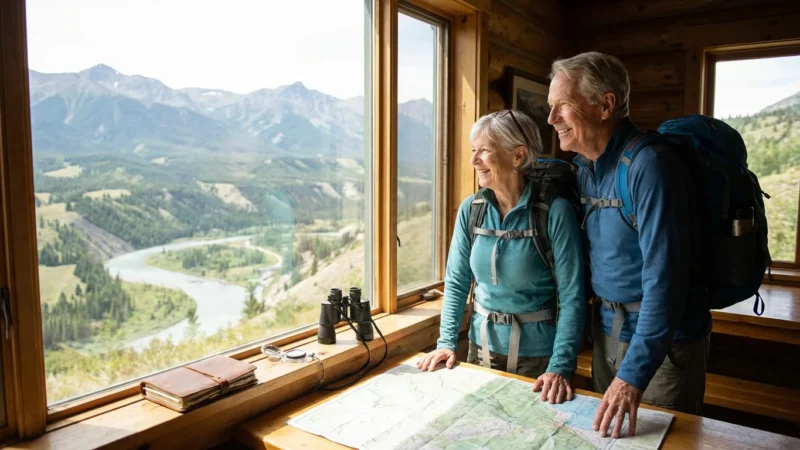
- Learn Navigation Skills: Understand basic map reading and compass use, complementing your GPS.
- Practice Trail Etiquette: Yield to uphill hikers, stay on marked trails, and leave no trace.
- Nature Observation: Bring binoculars for birdwatching or a field guide to identify local flora and fauna.
- Mindfulness: Practice present-moment awareness, focusing on the sounds, sights, and smells of nature.
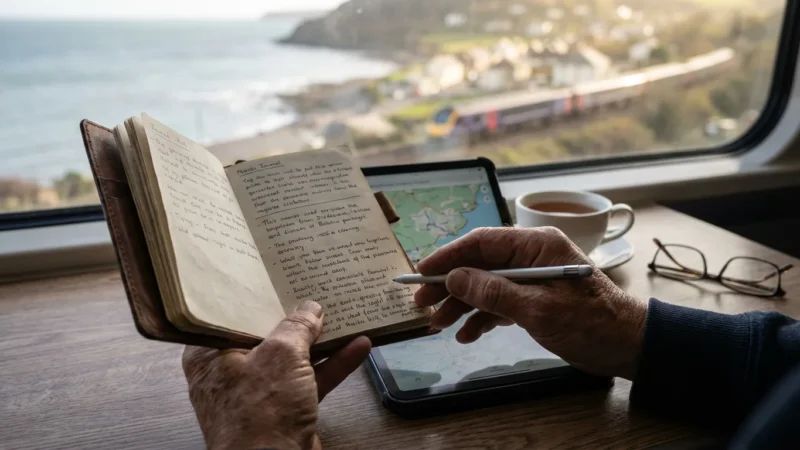
- Document Your Journeys: Keep a hiking journal or use photography to record your adventures and reflections.
- Volunteer for Trail Maintenance: Give back to the hiking community by helping preserve the trails you enjoy.
Your journey on the hiking trails is a testament to an active, engaged retirement. Embrace the adventure, stay curious, and enjoy the profound rewards of the great outdoors. Each step taken is a step toward a more vibrant, healthy you.
Frequently Asked Questions
Is hiking safe for seniors?
Yes, hiking is very safe for seniors when approached thoughtfully. Consult your doctor, choose appropriate trails, use proper gear, and understand your physical limits. Starting with easy, well-maintained paths and gradually increasing difficulty minimizes risks. Being prepared for weather changes and carrying safety equipment also greatly enhances safety.
What should a senior carry on a day hike?
For a day hike, carry water, snacks, a small first-aid kit, a fully charged phone with offline maps, a portable power bank, sun protection (hat, sunscreen), and extra layers of clothing. Trekking poles are highly recommended for stability and joint support. Always inform someone of your route and expected return time.
How often should seniors hike?
Aim for consistency rather than intense, infrequent efforts. Two to three times per week for 30-60 minutes, or longer if you feel comfortable, provides excellent benefits. Listen to your body, incorporate rest days, and gradually increase your duration and intensity. Regular activity is more beneficial than sporadic, strenuous hikes.
Can I start hiking if I have never hiked before?
Absolutely. Many people discover hiking later in life. Begin with very easy, flat trails, perhaps in a local park. Focus on building endurance with short walks before tackling more challenging terrain. Join a beginner-friendly hiking group or go with an experienced friend. Proper footwear and a readiness to learn are your best assets.
Disclaimer: This article is for informational purposes. Technology, apps, and services mentioned may change over time. We encourage readers to research current options and consider their individual needs when making decisions.





Leave a Reply