

The modern retirement landscape is defined by innovation, digital connection, and unprecedented opportunities for a vibrant second act. You, the contemporary retiree, are tech-savvy, engaged, and ready to design a life on your own terms. This forward-thinking approach, while liberating, also places you at the intersection of evolving financial technologies and increasingly sophisticated scams. Protecting your financial security in this new era requires vigilance, smart digital practices, and a clear understanding of the threats.

Understanding the Evolving Landscape of Financial Scams
Financial scams have always existed, but their methods are transforming with technology. Scammers no longer rely solely on physical mail or landline calls. They use email, text messages, social media, and even sophisticated AI-driven voice cloning to create convincing deceptions. These criminals understand that individuals with accumulated wealth, even those who are digitally comfortable, represent attractive targets.
In addition to security measures, familiarizing yourself with essential apps for the modern retiree can help you stay organized and connected safely.
You have access to powerful tools and information, and scammers do too. They often research their victims, gathering personal details from public profiles or data breaches to make their approaches more personalized and believable. This evolution means that protecting your retirement security demands a proactive and informed strategy, integrating both technological safeguards and smart behavioral practices.
“The best defense is a good offense.” — Modern Proverb
Your generation has navigated immense technological shifts, demonstrating adaptability and resilience. Apply that same innovative spirit to safeguarding your finances. The goal is not to live in fear of technology, but to embrace it wisely, turning potential vulnerabilities into strengths.

Common Financial Scams Targeting Today’s Retirees
Scammers employ a wide array of tactics. Recognizing the most prevalent types helps you anticipate and deflect their attempts. Here are some common financial scams currently circulating:
Monitoring your accounts is simpler when using modern budgeting apps that provide real-time updates and help flag unusual spending.
- Tech Support Scams: You receive an unsolicited call, email, or pop-up message claiming to be from a well-known tech company like Microsoft or Apple. They warn you about a “critical virus” or “security breach” on your computer. The scammer then tries to gain remote access to your device, install malware, or demand payment for “fixing” a non-existent problem. They may insist you pay with gift cards or wire transfers.
- Government Impersonation Scams: Scammers pose as representatives from government agencies, such as the IRS, Social Security Administration, or even local police departments. They threaten arrest, legal action, or loss of benefits unless you immediately pay a fabricated debt or provide personal information. These scams often create intense pressure and urgency.
- Investment Scams: These scams promise unusually high returns with little to no risk. They often involve complex, opaque financial products, foreign currency exchange, cryptocurrency schemes, or “get-rich-quick” opportunities. The scammer might build trust over time, sometimes through online dating sites or social media, before pitching the fraudulent investment. Promoters of these schemes often lack legitimate financial licenses.
- Romance Scams: Scammers create fake online profiles, often on dating sites or social media, to build emotional relationships with victims. Once trust is established, they concoct a crisis, such as a medical emergency, business failure, or travel difficulty, and ask for money. They consistently avoid meeting in person, always having a new excuse.
- Grandparent Scams: You receive an urgent call or message from someone pretending to be your grandchild in distress. They claim to be in trouble, needing money for bail, medical expenses, or an urgent travel issue, and plead with you not to tell their parents. The scam preys on your immediate concern and desire to help family.
- Lottery and Sweepstakes Scams: You receive notification that you’ve won a large sum of money in a lottery or sweepstakes you never entered. To claim your “winnings,” you are instructed to pay upfront fees for taxes, processing, or customs duties. The promised winnings, of course, never materialize.
- Identity Theft: While not a direct scam, identity theft is often the underlying goal or outcome of many scams. Criminals steal your personal information, such as Social Security numbers, bank account details, or medical IDs, to open new accounts, make fraudulent purchases, or file false tax returns in your name.

Fortify Your Digital Defenses
Your digital life is a primary entry point for many scammers. Strengthening your online security is a foundational step in fraud prevention. Embrace these modern practices to protect your information and assets.
A robust defense also includes periodic digital decluttering to remove old accounts and personal information that could be targeted.
- Strong, Unique Passwords: Do not reuse passwords across multiple accounts. Create complex passwords using a mix of uppercase and lowercase letters, numbers, and symbols. A good password should be at least 12 characters long. Consider using a reputable password manager like LastPass or 1Password to generate and store these securely. This eliminates the need to remember dozens of complex combinations.
- Multi-Factor Authentication (MFA): Enable MFA, also known as two-factor authentication (2FA), wherever possible. This adds an extra layer of security beyond your password. After entering your password, you might receive a code via text message, email, or a dedicated authenticator app like Google Authenticator or Authy. This makes it significantly harder for unauthorized users to access your accounts, even if they somehow obtain your password. Many financial institutions and major online services offer MFA.
- Update Software Regularly: Keep your operating system, web browser, antivirus software, and all applications updated. Software updates frequently include security patches that fix vulnerabilities exploited by scammers. Enable automatic updates for convenience and continuous protection.
- Secure Wi-Fi Networks: Be cautious about using public Wi-Fi networks, which are often unsecured and susceptible to eavesdropping. If you must use public Wi-Fi, avoid conducting sensitive transactions or accessing financial accounts. Use a Virtual Private Network (VPN) for an added layer of encryption when connected to public networks. Services like NordVPN or ExpressVPN offer robust protection.
- Antivirus and Anti-Malware Software: Install and maintain high-quality antivirus and anti-malware software on all your devices. These tools detect and remove malicious software that scammers use to steal information. Regularly scan your devices for threats. Reputable options include Bitdefender, Norton, and McAfee.
- Phishing Awareness: Learn to recognize phishing attempts. These are fraudulent messages designed to trick you into revealing personal information. Be suspicious of unsolicited emails or texts that demand urgent action, contain grammatical errors, or have suspicious links. Always verify the sender and hover over links to see their true destination before clicking.

Mastering Critical Thinking and Verification
While technology provides crucial defenses, your most powerful weapon against fraud is your mind. Cultivate a healthy skepticism and a habit of independent verification.
To protect your wealth, focus on legitimate financial growth strategies like investing in ETFs through established and verified institutions.
- Question Everything: Adopt a default stance of suspicion when approached with unsolicited requests, especially those involving money or personal information. Ask yourself: Is this legitimate? Why are they contacting me? Is this too good to be true?
- Verify Independently: If you receive a suspicious call or email from a bank, government agency, or utility company, do not use the contact information provided in the message. Instead, hang up and independently look up the official contact number for that organization from their official website or a trusted source. Call them directly to verify the request.
- Resist Pressure Tactics: Scammers thrive on urgency. They create high-pressure situations, threatening immediate consequences if you don’t act now. Legitimate organizations rarely demand instant decisions or immediate payment via unusual methods. Take your time. Step away from the situation to think clearly.
- Protect Your Personal Information: Be extremely cautious about sharing your Social Security number, bank account details, passwords, or other sensitive information online or over the phone, especially with unsolicited callers. No legitimate organization will ask for your full Social Security number via email or an unverified phone call.
- Understand Payment Methods: Scammers often demand payment via wire transfers, gift cards, or cryptocurrency because these methods are difficult to trace and recover. Recognize these as major red flags. Legitimate businesses and government agencies accept traditional payment methods and provide clear, verifiable instructions.
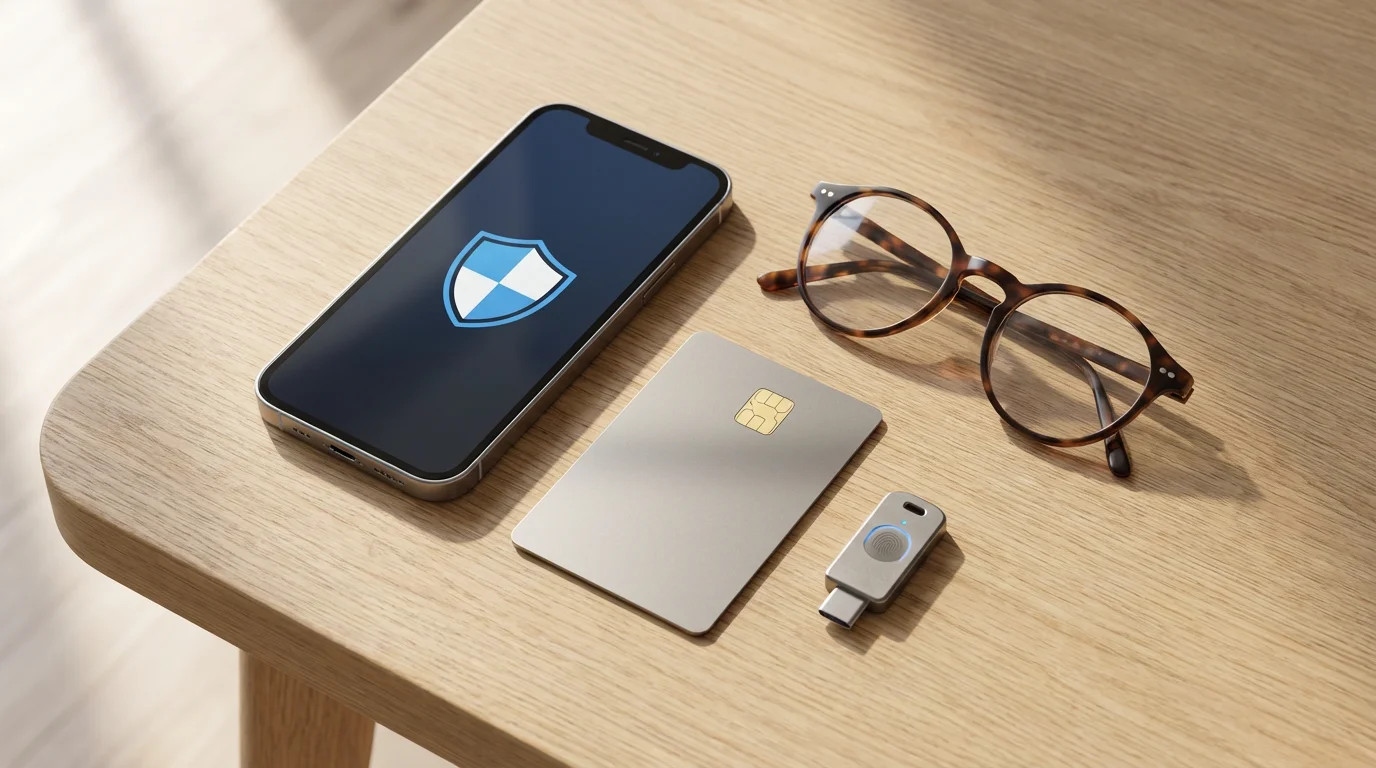
Leveraging Modern Tools and Resources for Fraud Prevention
The digital age offers innovative tools designed to enhance your financial security. Integrate these into your routine for robust protection against financial scams. Consumer Reports often details effective strategies for identity theft prevention, which complements these tools.
Securing your current finances is just one part of the puzzle; you should also consider estate planning in the digital age to manage your long-term online presence.
- Credit Monitoring Services: Enroll in a credit monitoring service to track changes in your credit report. Services like Experian, TransUnion, and Equifax (the three major credit bureaus) offer monitoring plans, some of which are free. You can also get a free annual credit report from each bureau at AnnualCreditReport.com. Promptly investigate any unfamiliar accounts or inquiries.
- Fraud Alerts and Credit Freezes: Consider placing a fraud alert on your credit reports. This requires creditors to take extra steps to verify your identity before opening new accounts. For maximum protection, you can place a credit freeze, which prevents anyone from accessing your credit report to open new credit in your name. This is a powerful tool to prevent identity theft and can be easily lifted when you need to apply for credit.
- Secure Communication Apps: Utilize encrypted messaging apps like Signal or WhatsApp for sensitive communications with trusted individuals. These apps offer end-to-end encryption, meaning only the sender and recipient can read the messages, protecting them from interception.
- Financial Account Alerts: Set up alerts with your bank and credit card companies. You can receive notifications for large transactions, international purchases, online logins, or low balance warnings. These real-time alerts help you quickly identify and report fraudulent activity.
- Digital Footprint Management: Regularly review your privacy settings on social media and other online platforms. Limit the amount of personal information you share publicly. Scammers often harvest data from your profiles to create targeted attacks. Services like DeleteMe can help you manage and remove your personal information from data broker sites.

Building Your Trusted Circle: Advisors, Family, and Community
Isolation is a scammer’s best friend. Counter this by fostering strong relationships and openly discussing your financial well-being with trusted individuals. Building a support network is a critical component of retirement security.
- Engage with a Financial Advisor: A trusted, qualified financial advisor can be an invaluable resource. They understand your financial landscape, can help you identify legitimate investment opportunities, and act as a sounding board for suspicious requests. Choose an advisor who is a fiduciary, meaning they are legally obligated to act in your best interest. Organizations like AARP provide resources for finding reputable financial guidance and avoiding scams.
- Involve Family and Friends: Talk openly with your adult children, trusted family members, or close friends about your finances and any unusual communications you receive. They can offer an objective perspective and help you discern legitimate requests from scams. Establish a clear understanding about how and when you might discuss financial matters, setting boundaries that prevent scammers from exploiting family ties.
- Form a “Scam Buddy” System: Partner with a trusted friend or neighbor. Agree to share any suspicious calls, emails, or messages with each other before taking action. A second pair of eyes can often spot red flags you might miss.
- Community and Online Forums: Participate in local community groups or reputable online forums focused on retirement living and consumer protection. Sharing experiences and learning from others can strengthen your collective defense against fraud. Many police departments and senior centers offer workshops on scam prevention.

Recognizing the Red Flags: What to Watch For
Awareness of specific indicators can significantly reduce your vulnerability. Train yourself to spot these common warning signs of a scam:
- Unsolicited Contact: Any unexpected call, email, or text, especially one claiming to be from a government agency, bank, or tech company, should raise an immediate alert.
- Pressure to Act Immediately: Scammers create urgency, demanding immediate action or payment to prevent negative consequences.
- Requests for Unusual Payment Methods: Asking for payment via gift cards, wire transfers, cryptocurrency, or peer-to-peer payment apps (like Zelle or Cash App) for debts or services is a major red flag.
- Promises of Guaranteed High Returns: Legitimate investments always carry some risk. Be extremely skeptical of any investment promising guaranteed high returns with no risk.
- Requests for Personal Information: Asking for your Social Security number, bank account details, or passwords over the phone or via email is highly suspicious, especially if you did not initiate the contact.
- Threats or Intimidation: Scammers often use threats of arrest, deportation, or legal action to coerce victims into complying.
- Poor Grammar and Spelling: Professional organizations communicate clearly. Emails or messages riddled with grammatical errors, typos, or awkward phrasing often indicate a scam.
- Emotional Manipulation: Scams often play on emotions, whether it is fear, greed, or the desire to help a loved one. Be wary of anyone trying to elicit strong emotional responses to influence your decisions.
- “Click Here” for More Information: Be cautious of links in unsolicited emails or texts. They might lead to fake websites designed to steal your credentials or install malware.
- Secrecy Demands: If someone asks you to keep your communications or transactions a secret from family, friends, or advisors, it is a significant warning sign of fraud.

If You’ve Been Targeted: Immediate Steps to Take
Even with the best defenses, you might still encounter a scam attempt. Knowing how to react quickly minimizes potential damage.
- Cease All Communication: Immediately stop all contact with the scammer. Block their numbers, mark their emails as spam, and disengage from any online platforms where they contacted you.
- Secure Your Accounts: Change passwords for any accounts that might have been compromised. Enable MFA on all critical accounts. If you shared bank or credit card information, contact your financial institutions immediately to report the fraud and potentially freeze or close accounts.
- Contact Law Enforcement: Report the scam to your local police department. While recovery of funds might be difficult, reporting helps law enforcement track scam patterns and potentially prevent others from becoming victims.
- File a Report with Relevant Agencies:
- Federal Trade Commission (FTC): File a report at ReportFraud.ftc.gov. The FTC collects these reports and shares them with law enforcement agencies nationwide.
- FBI’s Internet Crime Complaint Center (IC3): If the scam occurred online, file a complaint at ic3.gov.
- Social Security Administration (SSA) Office of the Inspector General: If the scammer impersonated the SSA, report it at oig.ssa.gov.
- IRS Treasury Inspector General for Tax Administration (TIGTA): If the scammer impersonated the IRS, report it to TIGTA.
- Notify Your Bank and Credit Card Companies: If money was transferred or unauthorized purchases were made, inform your financial institutions immediately. They can help with fraud investigations and advise on potential recovery options.
- Monitor Your Credit: Closely monitor your credit reports for any suspicious activity. Place a fraud alert or credit freeze to prevent further damage.
- Seek Support: Scams can be emotionally distressing. Talk to trusted family members, friends, or a professional counselor. Do not let shame or embarrassment prevent you from seeking help.

Staying Informed and Proactive: Your Ongoing Defense
The fight against financial scams is continuous. Scammers constantly evolve their methods, making ongoing education a crucial part of your defense strategy.
- Subscribe to Fraud Alerts: Sign up for newsletters and alerts from reputable organizations like the FTC, AARP, and your state’s Attorney General’s office. These resources often provide timely updates on new scam trends and prevention tips.
- Regularly Review Financial Statements: Make it a habit to review all your bank, credit card, and investment statements monthly. Look for any unfamiliar transactions, no matter how small. Catching small fraudulent charges early can prevent larger losses.
- Attend Webinars and Workshops: Many financial institutions, community centers, and non-profit organizations offer free webinars and workshops on scam prevention. These are excellent opportunities to learn the latest tactics and ask questions.
- Educate Others: Share your knowledge with friends and family. A collective effort to stay informed strengthens the entire community’s resilience against fraud.
- Be Skeptical of “New” Technologies: While embracing innovation, approach new investment opportunities or digital currencies with caution. Understand the risks thoroughly before committing funds. Legitimate opportunities allow for due diligence and do not pressure immediate investment.
You are part of a generation that embraces intelligence and innovation in retirement. By combining your natural adaptability with these proactive strategies, you can enjoy your modern retirement with greater peace of mind and financial security. Your vigilance makes you a powerful force against those who seek to exploit trust and technology.
Frequently Asked Questions
How can retirees avoid being scammed when so many scams are sophisticated?
Modern retirees can significantly reduce their risk by adopting a multi-layered defense. This involves fortifying digital security with strong, unique passwords and multi-factor authentication, practicing critical thinking by independently verifying all unsolicited requests, and leveraging modern tools like credit monitoring and fraud alerts. Consistently questioning urgency, unusual payment methods, and requests for personal information from unknown sources is key.
What are common scams targeting senior citizens, and how do they differ from scams targeting other age groups?
While many scams target all demographics, those aimed at modern retirees often exploit accumulated wealth, trusted relationships, and sometimes a perceived lower tech proficiency. Common scams include tech support fraud, government impersonation, sophisticated investment schemes, romance scams, and grandparent scams. They often create intense emotional pressure, playing on fear, urgency, or the desire to help loved ones, differing from general population scams by their specific pretexts and psychological tactics.
What should I do if I suspect I’ve been contacted by a financial scammer?
If you suspect a scammer has contacted you, immediately cease all communication. Do not engage further or provide any information. Block their number and mark their messages as spam. Independently verify the organization they claimed to represent by looking up their official contact information and calling them directly. Report the attempt to the FTC at ReportFraud.ftc.gov and your local law enforcement. If you shared any personal or financial information, contact your bank and credit card companies immediately.
Are there specific digital tools or apps that can help prevent financial fraud?
Yes, several digital tools enhance fraud prevention. Password managers like LastPass or 1Password secure your login credentials. Multi-factor authentication (MFA) apps like Google Authenticator add an extra layer of security. Reputable antivirus software (e.g., Bitdefender, Norton) protects against malware. Credit monitoring services (from Experian, TransUnion, Equifax) alert you to suspicious activity. Encrypted messaging apps like Signal offer secure communication. Using a VPN for public Wi-Fi also adds protection.
How important is it to involve family or a financial advisor in my fraud prevention strategy?
Involving trusted family members or a qualified financial advisor is extremely important. They provide an objective perspective and can help you identify red flags you might miss. An advisor can verify investment opportunities and help manage your financial security. Open communication with family about financial matters and potential scams creates a vital support network, making it harder for scammers to isolate and exploit you.
Disclaimer: This article is for informational purposes. Technology, apps, and services mentioned may change over time. We encourage readers to research current options and consider their individual needs when making decisions.









Leave a Reply