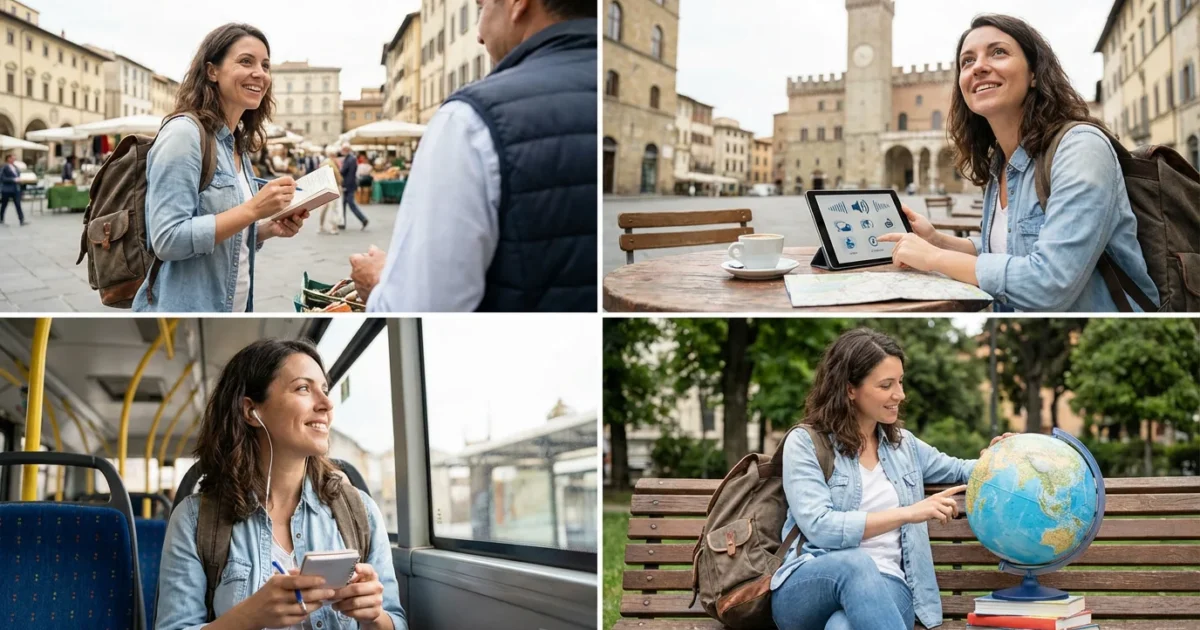
Modern retirement offers you an unparalleled opportunity to explore the world. You possess the time, the resources, and the wisdom to embark on adventures that truly enrich your life. Imagine navigating bustling markets, ordering authentic cuisine, or engaging in genuine conversations with locals, all in their native tongue. Learning a new language transforms your travel from tourism into an immersive cultural journey.
For some, this immersion leads to a digital nomad retirement, where you can live and learn in your target destination for months at a time.
This isn’t about achieving perfect fluency or mastering complex grammar. This is about empowerment. You gain the tools to connect more deeply, understand more profoundly, and experience your destinations with an unprecedented level of authenticity. Modern technology makes this pursuit more accessible than ever, enabling you to learn efficiently and effectively, fitting seamlessly into your vibrant retirement lifestyle.

Why a New Language Redefines Your Travel Experience
Your passport opens doors, but a new language unlocks the soul of a destination. Speaking even a few phrases demonstrates respect and instantly builds rapport. This goes beyond basic communication; it fosters genuine human connection that transcends cultural barriers.
Consider the depth of experience you gain. You understand local humor, appreciate nuanced expressions, and navigate everyday situations with newfound confidence. This allows you to venture beyond tourist traps and discover authentic experiences, engaging with communities on their own terms. Learning a language also keeps your mind sharp and engaged, adding a rich intellectual dimension to your travels.

Dispelling Myths: You’re Never Too Old to Learn
Forget any outdated notions about age limiting your learning capacity. Scientific research consistently debunks the myth that language acquisition declines significantly with age. Your brain maintains remarkable neuroplasticity throughout life, meaning it continues to form new neural connections and adapt.
Your life experience actually provides a distinct advantage. You possess a wealth of knowledge, robust learning strategies, and a clearer understanding of your own motivations. Research from institutions like Harvard Health highlights the cognitive benefits of lifelong learning, including enhanced memory and problem-solving skills. Learning a new language provides an excellent mental workout, sharpening your cognitive abilities while you prepare for your next adventure.
Age is no barrier. It’s a limitation you put on your mind. — Jackie Joyner-Kersee
Choosing Your First Travel Language: What’s the Easiest Language to Learn for Travel?
Selecting your first language for travel involves considering your interests, destinations, and existing linguistic knowledge. There isn’t a single “easiest” language, but rather one that aligns best with your personal goals and learning style. Focus on practicality and motivation, not just perceived difficulty.
No matter which language you choose, incorporating smart budget travel tips can help you extend your trip and provide more opportunities for practice.
You likely already have an idea of where you want to travel. This provides an excellent starting point. If you dream of exploring Italy, Italian becomes your obvious choice. If Latin America beckons, Spanish offers widespread utility.
Here are key factors to consider when making your choice:
- Your Travel Itinerary: Prioritize languages spoken in your planned destinations. Learning Spanish proves highly beneficial for trips across Latin America and Spain, for instance.
- Cognates with English: Languages like Spanish, Italian, and French share many words with English, making vocabulary acquisition somewhat easier. English also has Germanic roots, so German can feel surprisingly familiar.
- Resource Availability: Choose a language with abundant learning materials, apps, and native speakers available for practice. Popular languages often have more comprehensive resources.
- Personal Interest: Your genuine interest in a culture or country makes the learning process more enjoyable and sustainable. Motivation serves as a powerful accelerator.
- Your Learning Style: Some languages have simpler phonetic rules or more consistent grammar, which can appeal to certain learning preferences.
For many English speakers, Spanish, Italian, French, and German are often considered among the most accessible. Their pronunciation rules are relatively consistent, and extensive resources exist. If you plan a trip to an Asian country, you might prioritize a language like Japanese or Mandarin, understanding the learning curve might be steeper but the reward for cultural immersion equally profound.

Modern Tools & Tech: Your Language Learning Arsenal
The digital age offers an unprecedented array of tools to support your language learning journey. You no longer need to rely solely on textbooks and classroom settings. Leverage these modern resources to create a flexible, personalized learning environment that fits your schedule.
Consider these powerful allies in your quest to learn a new language:
- Language Learning Apps: These portable tools provide structured lessons, vocabulary builders, and pronunciation practice.
- Duolingo: Gamified lessons make learning engaging and addictive. It offers a wide variety of languages and caters to beginners.
- Babbel: Focuses on practical conversational skills and provides cultural context. Its courses are designed by linguists.
- Memrise: Emphasizes vocabulary acquisition through spaced repetition and uses native speaker videos to aid pronunciation.
- Rosetta Stone: Offers an immersive experience without translation, helping you think directly in the new language.
- Online Tutors and Language Exchange Platforms: Connect with native speakers for personalized lessons or casual conversation practice.
- italki: Find professional teachers or community tutors for one-on-one sessions at various price points.
- Preply: Similar to italki, offering a broad selection of tutors for diverse languages and learning goals.
- HelloTalk/Tandem: Free apps that connect you with native speakers for language exchange via text, voice, and video chat.
- AI-Powered Translation Tools: While not a substitute for learning, these tools provide invaluable support for quick lookups and understanding.
- Google Translate/Microsoft Translator: Instant text, voice, and image translation. Use them to quickly understand signs or menus, but focus on learning core phrases yourself.
- Podcasts and YouTube Channels: Immerse yourself with native content tailored for learners or simply enjoy authentic media. Search for “learn [language] podcast” or “slow [language] news” for accessible options.
- Digital Flashcard Apps: Anki, for example, uses spaced repetition to efficiently help you memorize vocabulary and phrases.
Remember, these tools are most effective when used consistently. Integrate them into your daily routine for optimal results.

How Can I Learn a New Language Quickly? Practical Strategies for Modern Retirees
Learning a new language for travel doesn’t require years of study. Your goal is functional communication, not perfect fluency. By adopting smart strategies and leveraging your available time, you can acquire essential phrases and a confident conversational ability relatively quickly. Focus on efficiency and real-world applicability.
To truly dive into the local culture and language, consider house sitting as a way to reside in authentic neighborhoods and interact with neighbors daily.
Follow these actionable steps to accelerate your language learning:
- Set Specific, Realistic Goals: Instead of “learn French,” aim for “learn 50 essential French travel phrases in two months.” Focus on survival phrases for ordering food, asking directions, making introductions, and handling emergencies.
- Immerse Yourself Daily, Even Briefly: Consistency beats intensity. Dedicate 15-30 minutes every day to language learning. This could involve an app, a podcast, or reviewing flashcards. Daily exposure keeps the language fresh in your mind.
- Focus on Conversational Phrases, Not Just Vocabulary: Learn full sentences and common expressions from the outset. Knowing how to say “Where is the train station?” is more useful than knowing individual words for “where,” “train,” and “station.”
- Practice Speaking from Day One: Don’t wait for perfection. Speak out loud, even to yourself. Record your voice, use pronunciation tools, and engage in simple conversations with online tutors or language exchange partners. Overcoming the fear of making mistakes is crucial.
- Utilize Spaced Repetition Systems (SRS): Tools like Anki or features within language apps use SRS to show you vocabulary just before you forget it, optimizing memorization. This scientific approach maximizes retention.
- Find a Language Partner or Join a Conversation Group: Consistent interaction with native speakers or fellow learners provides invaluable practice. Online platforms like italki or local community centers offer these opportunities.
- Label Your Environment: Write the names of everyday objects in your target language and stick them around your home. This passive immersion reinforces vocabulary.
- Consume Media Actively: Watch foreign films or TV shows with subtitles in the target language. Listen to music or podcasts. Begin with content designed for learners, then gradually move to authentic media.
Leverage your retirement flexibility. You have the time to integrate language learning into your hobbies, social life, and daily routines. This isn’t a chore; it’s an exciting prelude to your next global adventure.
Real-World Application: Practicing Before You Go
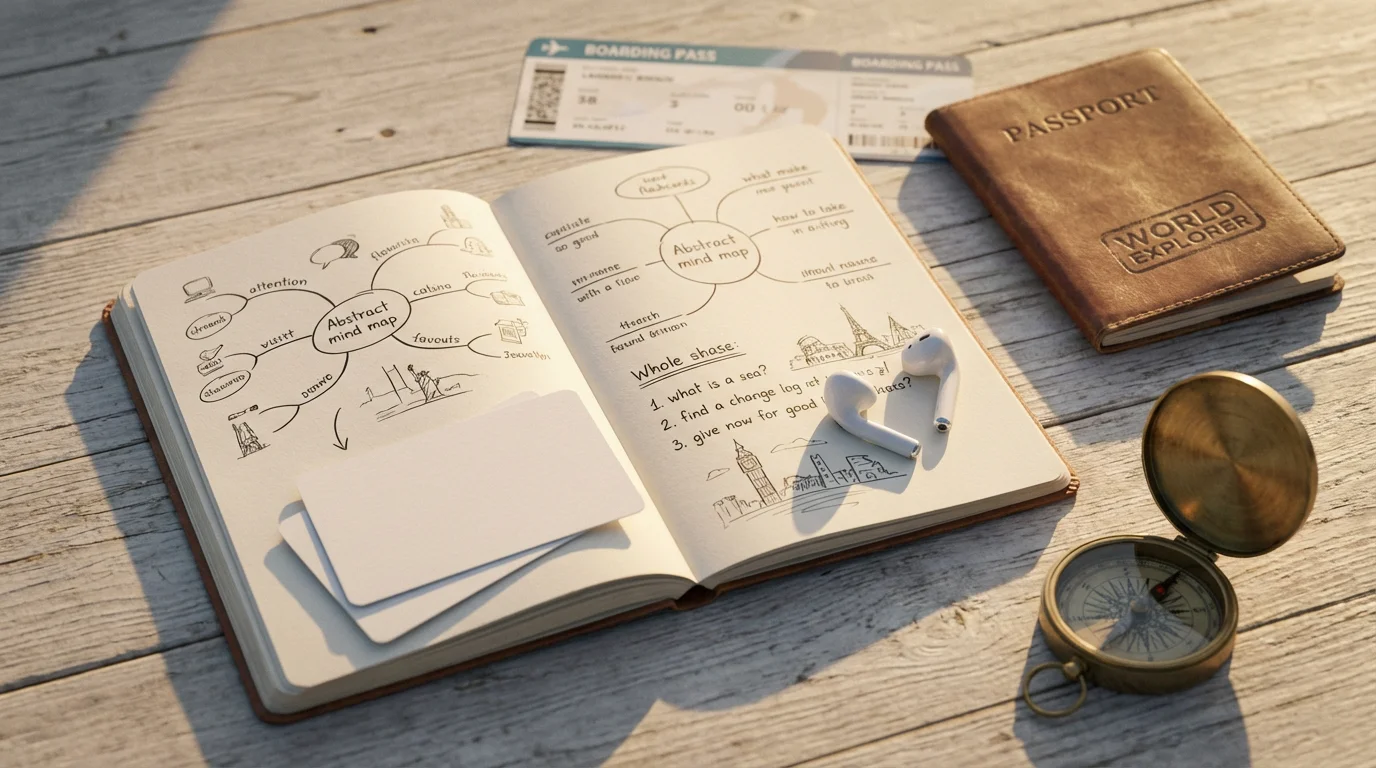
Your language learning journey truly comes alive when you apply what you’ve learned in practical situations. Consistent, low-stakes practice builds confidence and reinforces your knowledge before you even step on a plane. Seek out opportunities to use your new skills in your everyday life.
While you are out exploring and practicing your skills, digital photography is a great way to document the meaningful interactions you have with locals.
Consider these methods for practicing your language before your trip:
- Local Language Meetups: Many cities have informal language exchange groups or meetups where you can practice with native speakers or fellow learners. Check community centers, libraries, or online platforms for listings.
- Ethnic Restaurants and Markets: Visit local establishments specializing in your target language’s cuisine. Try ordering in the language, even if it’s just a few simple phrases. Most staff appreciate the effort.
- Online Communities and Forums: Engage in discussions or find practice partners through online groups dedicated to language learning. This offers a low-pressure environment to write and chat.
- Foreign Film and TV: Watch movies or television series from your target country with subtitles. Start with subtitles in your native language, then switch to the target language as your comprehension improves.
- Podcasts and Music: Integrate listening into your daily routine. Listen to podcasts or music in your new language while exercising, commuting, or doing chores. Active listening helps train your ear.
- Cook Foreign Recipes: Find recipes written in your target language. Translating ingredients and instructions provides practical vocabulary and cultural insight.
Consistent practice makes a significant difference. It bridges the gap between theoretical knowledge and practical application, ensuring you feel prepared and excited for your international adventures.

Beyond the Basics: Making Deeper Connections
While essential phrases open doors, moving beyond the basics allows you to truly immerse yourself. You begin to grasp cultural nuances, understand local humor, and build more profound relationships. This depth transforms your travel experience from simply observing to actively participating.
Learning a language improves your safety and navigation. You understand public announcements, ask for specific directions, and articulate needs in an emergency. It empowers you to handle unexpected situations with greater ease. More importantly, it allows you to truly connect with the people you meet. Shared laughter, understanding a local’s perspective, or participating in a cultural event takes on a new dimension when you comprehend the language. This isn’t just about communication; it’s about belonging.
Frequently Asked Questions
What is the easiest language to learn for travel?
The ‘easiest’ language often depends on your native tongue and prior exposure. For English speakers, Romance languages like Spanish, Italian, and French share many cognates and similar grammatical structures. Germanic languages also offer familiarity. Your travel destination also dictates ease; choose a language you will consistently encounter and use.
How quickly can I learn a language for travel purposes?
You can achieve conversational basics and essential travel phrases in a few months with consistent, dedicated practice. Focusing on practical vocabulary, common greetings, directions, and ordering food allows you to quickly gain functional ability. Setting realistic goals, like learning 10-15 new words or phrases daily, accumulates significant progress over time.
Which language apps are best for learning a new language?
Popular language learning apps include Duolingo, Babbel, and Memrise. Duolingo gamifies the learning process, making it engaging and accessible for beginners. Babbel focuses on conversational skills and practical sentences. Memrise uses spaced repetition and user-generated content for robust vocabulary acquisition. Rosetta Stone offers an immersive experience, suitable for those seeking a more traditional approach.
Is it worth learning a new language if I only travel occasionally?
Absolutely. Even a basic grasp of a local language significantly enhances your travel experience. It opens doors to deeper cultural understanding, allows more authentic interactions, and provides a greater sense of confidence and independence abroad. The cognitive benefits of language learning also offer lasting value, regardless of travel frequency.
Disclaimer: This article is for informational purposes. Technology, apps, and services mentioned may change over time. We encourage readers to research current options and consider their individual needs when making decisions.








Leave a Reply