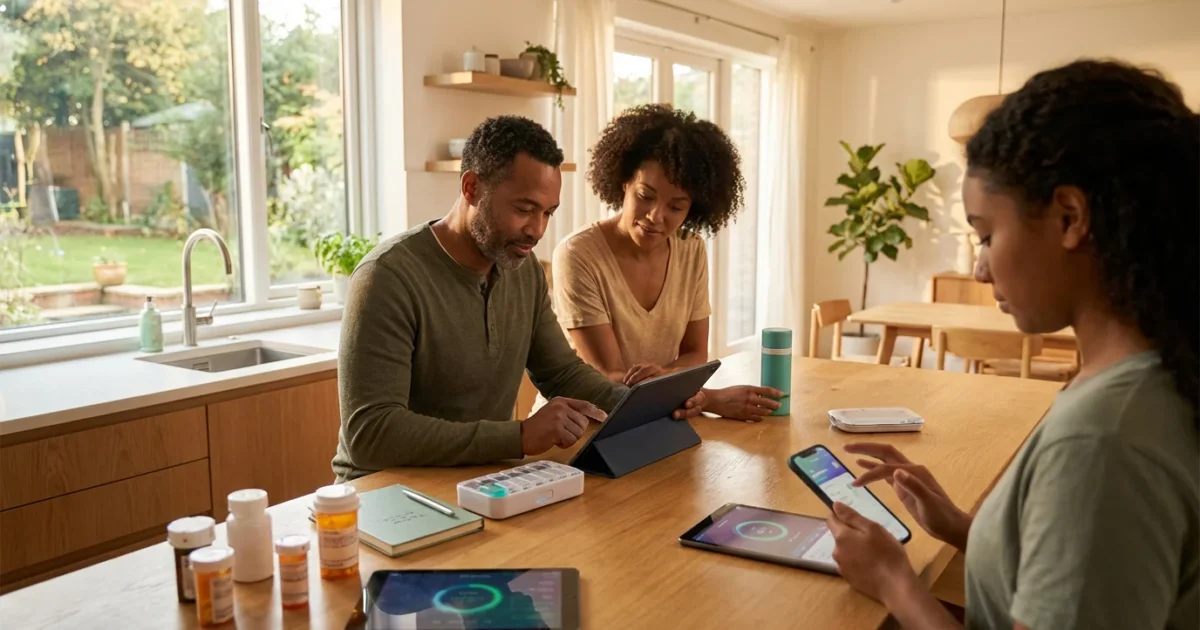
As a modern retiree, you embrace innovation and seek efficient ways to manage your life. This includes your health, where staying on top of medications becomes a proactive choice for well-being. Gone are the days of cluttered pillboxes and missed doses. Today, technology offers sophisticated, intuitive solutions to simplify medication management, keeping you organized and empowered.
The digital landscape provides a wealth of health apps and smart tools. These resources empower you to maintain control over your prescriptions, understand your health patterns, and communicate seamlessly with your care team. You can design a system that works perfectly for your lifestyle.
Embracing Digital Health for Medication Management
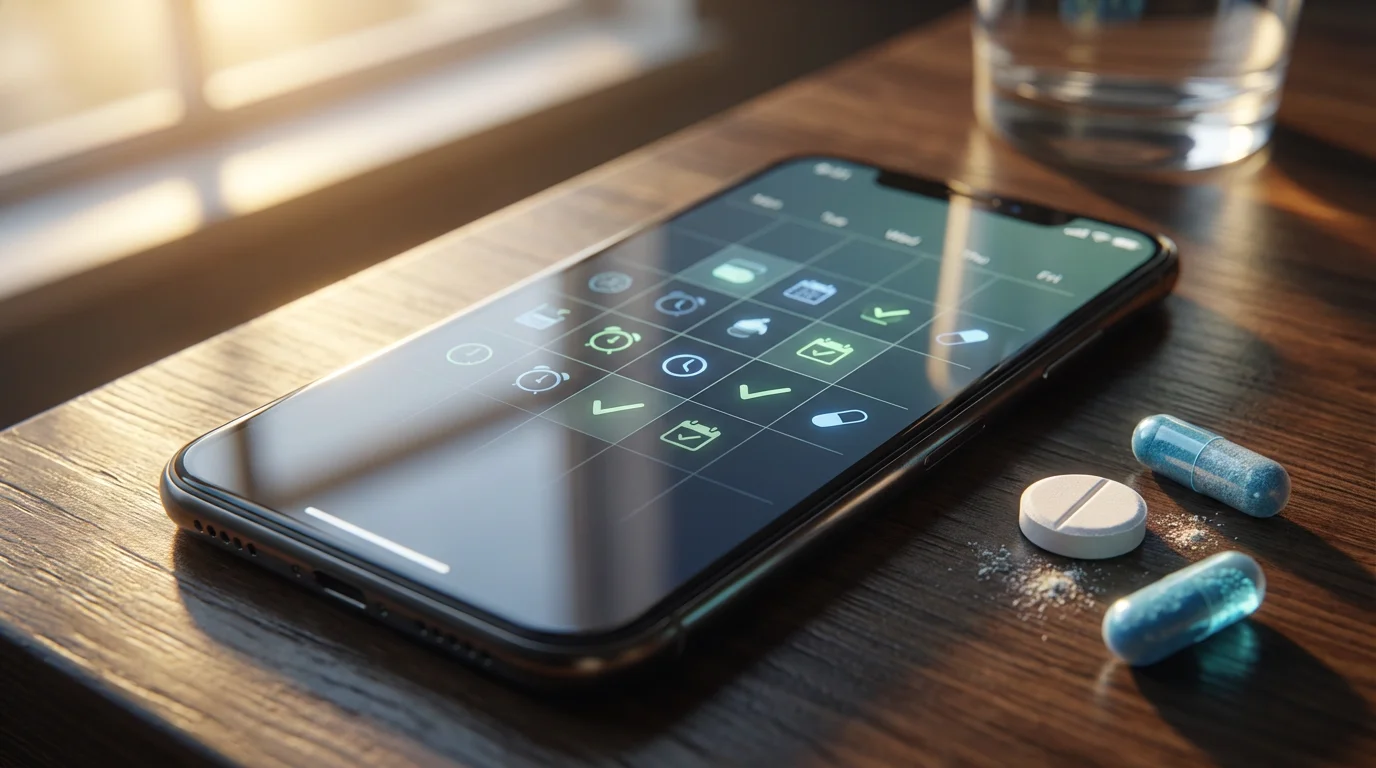
You live in an era where technology streamlines daily tasks, and healthcare is no exception. Digital health tools offer a significant upgrade from manual methods for managing medications. They provide reliability, convenience, and a personalized approach that traditional systems simply cannot match.
The transition to digital medication management means you gain a comprehensive overview of your health regimen. These tools help ensure you take the right medication at the right time, every time. This proactive approach significantly improves adherence and, consequently, your health outcomes. According to a AARP report, many older adults are increasingly using technology to manage their health, demonstrating a clear shift towards digital solutions.
Essential Features of a Top-Tier Medication App
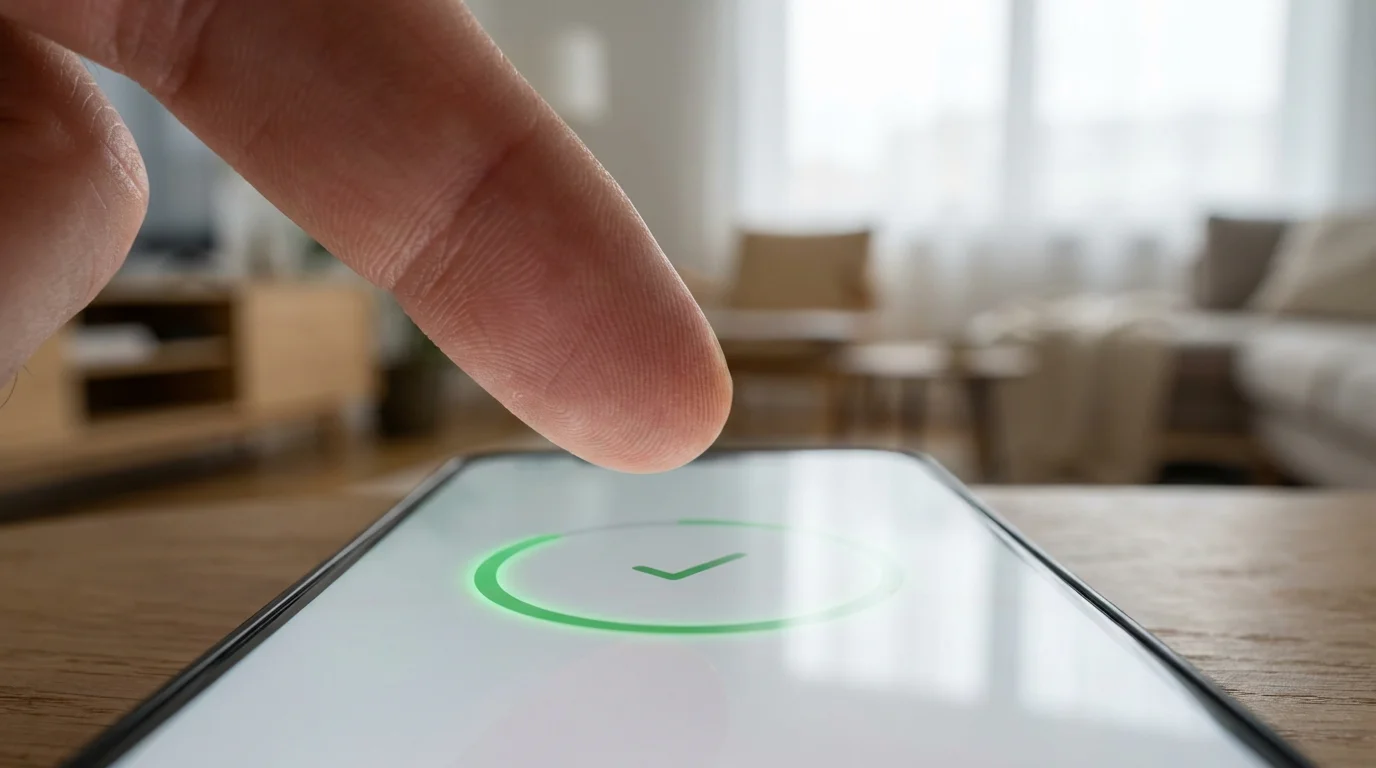
Choosing the right medication management app requires understanding what functionalities truly serve your needs. A robust app does more than just remind you to take a pill. It acts as a personal health assistant, offering various tools to support your well-being.
Consider these vital features when selecting an app:
- Customizable Reminders: You need the ability to set flexible schedules for medications, whether daily, weekly, or at specific intervals. Look for apps that offer visual and auditory alerts, ensuring you never miss a dose.
- Medication Tracking and Logging: The app should allow you to record when you took your medication. This creates a detailed history, useful for doctor visits and personal monitoring.
- Dosage and Refill Alerts: Beyond taking medicine, managing refills is crucial. A good app notifies you when your prescription quantity is low, prompting you to reorder before you run out.
- Drug Interaction Warnings: Some apps include databases that check for potential interactions between your medications. This provides an invaluable safety layer, flagging potential issues you can discuss with your pharmacist or doctor.
- Progress Tracking and Reporting: You can benefit from features that track symptoms, side effects, or blood pressure readings alongside your medication intake. This data generates reports you can share with your healthcare provider, offering a clearer picture of your health journey.
- Caregiver Access: If you have a trusted family member or friend who assists with your care, some apps allow secure sharing of your medication schedule. This ensures everyone stays informed and coordinated.
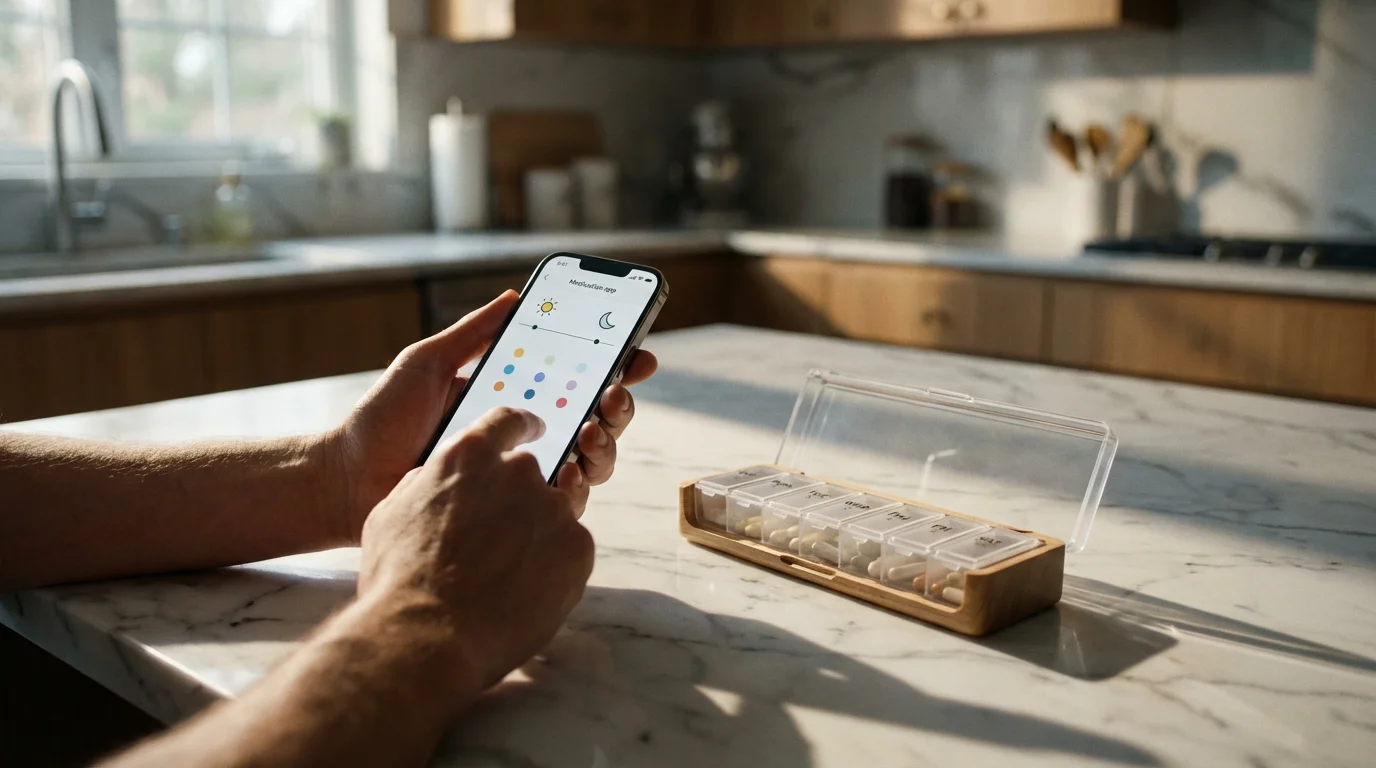
Leading Apps for Streamlined Prescription Reminders
The market offers several highly-rated applications designed to simplify your medication routine. These apps stand out for their user-friendliness, comprehensive features, and reliability. They help you master your medication schedule with ease and confidence.
Here are some top contenders you should consider:
- Medisafe: This popular app offers intuitive medication reminders, detailed drug information, and refill alerts. Medisafe allows you to add multiple users, making it suitable for couples or those managing medications for others. It features a “Medfriend” option, enabling a loved one to receive alerts if you miss a dose, adding an extra layer of support.
- MyTherapy: Beyond reminders, MyTherapy tracks mood, weight, and blood pressure, connecting your medication adherence with broader health indicators. Its clean interface makes tracking easy, and you can generate comprehensive health reports for your doctor. It even offers reminders for physical activity and measurements.
- Mango Health: Mango Health gamifies medication adherence, offering points and rewards for taking your pills on time. This creative approach can provide an extra incentive for consistent use. The app also includes drug interaction warnings and health news tailored to your medications.
- Pill Reminder & Med Tracker (by MedHelper): This app provides robust scheduling options, supporting complex medication regimens. It includes detailed medication logs and the ability to track symptoms, giving you a holistic view of your treatment’s impact. Its design focuses on clarity and ease of use for daily management.
These apps transform a potentially complex task into a manageable and even enjoyable part of your daily routine. They put the power of organization directly into your hands.

Tools for Tracking and Understanding Your Medications
Effective medication management extends beyond simple reminders. It involves understanding how your body responds to treatments, monitoring side effects, and keeping a comprehensive health record. Modern digital tools provide deep insights into your medication journey.
Many advanced health apps integrate features that help you track various aspects of your health alongside your prescriptions:
- Symptom Logging: You can log specific symptoms or side effects you experience, noting their intensity and timing. This information becomes invaluable for discussions with your doctor, helping them adjust dosages or medications as needed.
- Vital Sign Tracking: Integrate readings from devices like blood pressure cuffs or glucose monitors directly into your app. This allows you to see correlations between your medication intake and your physiological responses.
- Medication History Export: Apps often allow you to export a detailed history of your medication adherence and logged health data. You can easily share this with your healthcare team, providing them with accurate, real-world data about your treatment effectiveness.
- Educational Resources: Some apps offer access to reliable information about your specific medications. You can learn about their purpose, common side effects, and how they interact with certain foods or activities. This empowers you with knowledge about your own treatment plan.
- Cost-Saving Features: A few apps and dedicated services help you compare prescription prices across pharmacies. They may also provide access to discount coupons, helping you manage healthcare costs more effectively. NerdWallet, for example, frequently discusses strategies for reducing prescription expenses.
By leveraging these tracking and informational features, you move from passively taking medication to actively participating in your health management.
Leveraging Smart Devices and Wearables in Your Routine
Your modern retirement lifestyle likely incorporates various smart devices, and you can integrate these seamlessly into your medication management strategy. The convergence of health apps with smart technology creates an interconnected ecosystem that enhances convenience and reliability.
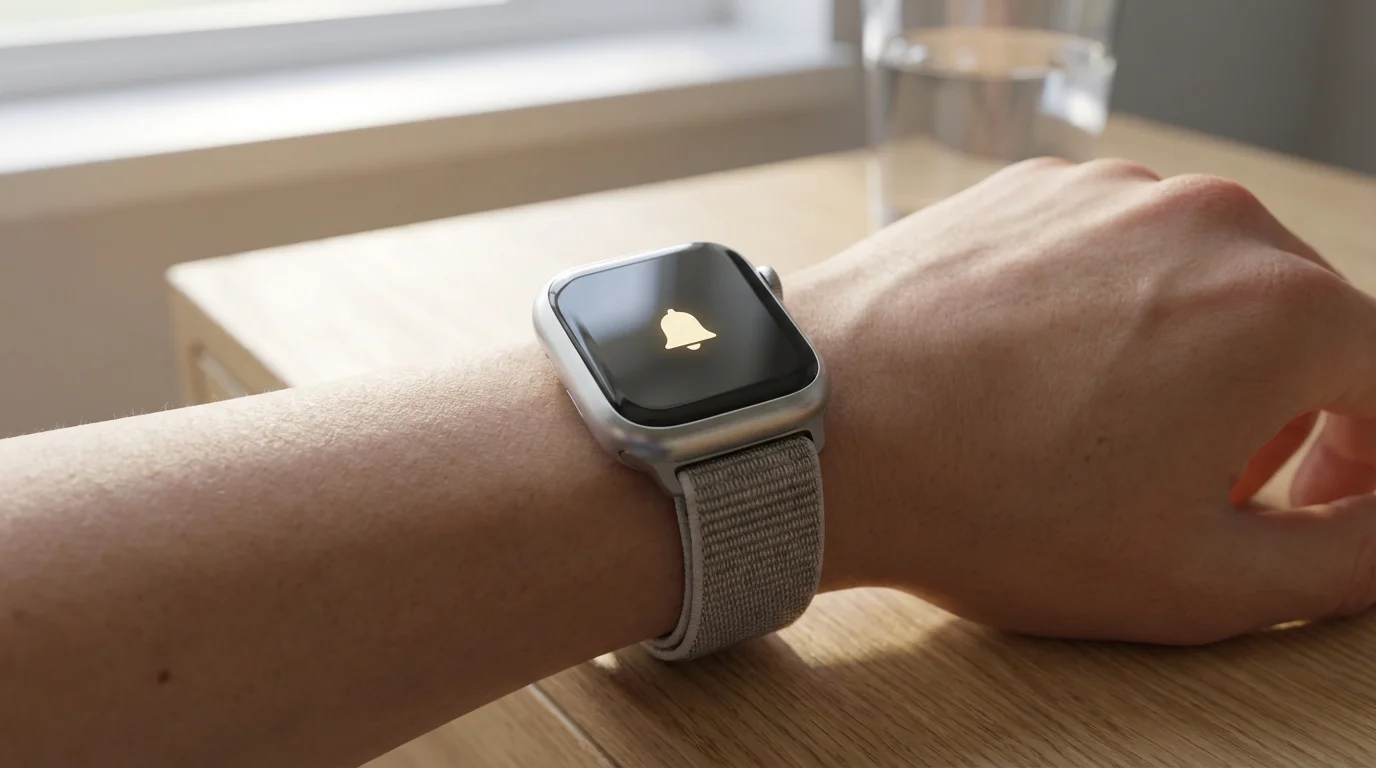
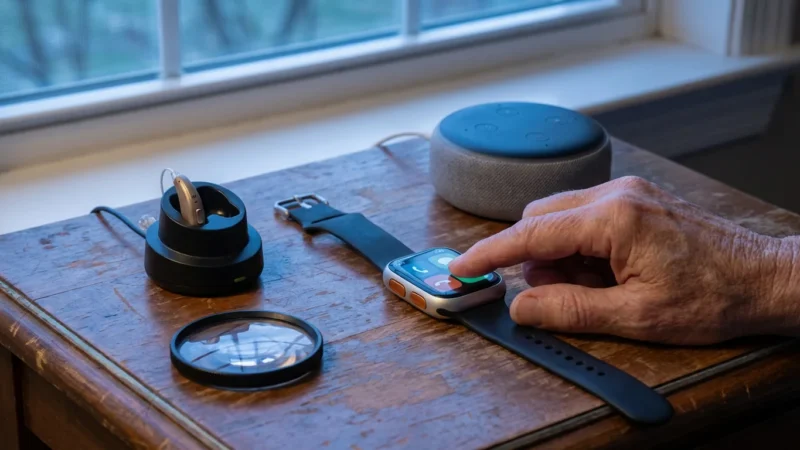
Smartphones are the hub for most medication apps, offering visual alerts, sounds, and vibrations. However, other devices extend this functionality, ensuring you receive reminders even when your phone is not immediately accessible. Smartwatches, for instance, can deliver subtle haptic feedback or discreet notifications directly to your wrist. This is particularly useful if you are active or away from your phone.
Smart speakers, like Amazon Echo or Google Home, also offer voice-activated medication reminders. You can simply say, “Hey Google, remind me to take my evening pill at 6 PM,” and the speaker will issue an auditory reminder. This hands-free approach is ideal if you are busy in another room or have mobility limitations. Some smart speakers can even integrate with certain health apps, allowing you to confirm doses verbally.
Integrating these devices ensures redundancy in your reminder system. If you miss a notification on one device, another might catch your attention. This multi-device strategy significantly boosts adherence.
This interconnected approach illustrates the power of modern technology in building a robust support system for your health. You leverage devices you already use daily to create a comprehensive medication management strategy.
Connecting with Your Healthcare Team Digitally
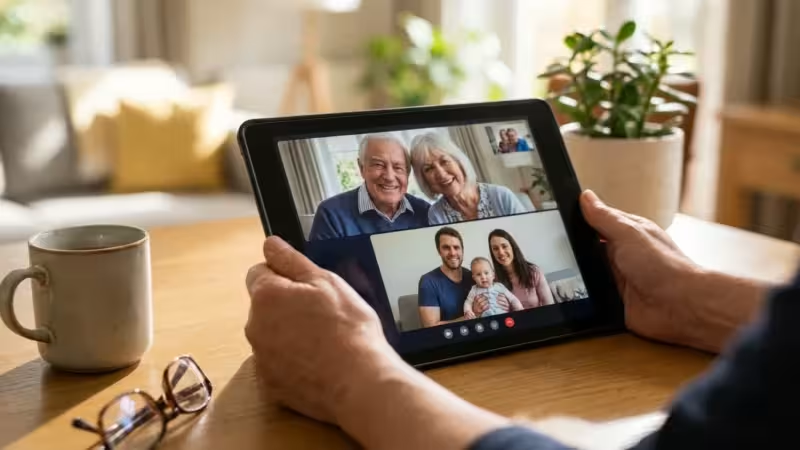
Effective communication with your healthcare providers is fundamental to successful medication management. Modern technology bridges the gap between you and your care team, allowing for more streamlined interactions and informed decisions. You can now easily share information and receive guidance without always needing an in-person visit.
Many healthcare systems offer patient portals accessible via web browsers or dedicated apps. These portals allow you to:
- Request Prescription Refills: You can send refill requests directly to your doctor’s office, often linking directly to your preferred pharmacy.
- View Test Results: Access lab results and imaging reports as soon as they are available, often accompanied by explanations from your doctor.
- Communicate Securely: Send secure messages to your doctor or their staff with questions about your medications or treatment plan. This eliminates phone tag and provides a written record of communication.
- Review Your Medical History: Access a summary of your diagnoses, past procedures, and current medications, ensuring you have accurate information at your fingertips.
Some medication management apps also provide features that facilitate communication. They might offer a way to generate a detailed report of your adherence, logged symptoms, and vital signs, which you can then easily share with your doctor during appointments. This provides concrete data rather than relying solely on memory.
This digital connectivity empowers you to play a more active role in your healthcare journey. It fosters a collaborative relationship with your providers, ensuring your medication plan remains optimized for your needs.
Security and Privacy: What You Need to Know
When embracing digital tools for health, you naturally prioritize the security and privacy of your personal information. Your health data is sensitive, and understanding how it is protected is crucial. Modern medication management apps and patient portals employ robust measures to safeguard your privacy.
Most reputable apps adhere to strict data protection standards, often encrypting your health information both in transit and at rest. They typically require secure login credentials, such as strong passwords or two-factor authentication, to prevent unauthorized access. Always check an app’s privacy policy to understand what data it collects, how it uses that data, and whether it shares information with third parties.
When dealing with healthcare providers’ portals, your data falls under regulations like HIPAA (Health Insurance Portability and Accountability Act) in the United States. HIPAA mandates stringent rules for protecting patient health information. This gives you confidence that your medical records are handled with the utmost care and confidentiality.
To further protect your privacy:
- Use Strong Passwords: Create unique, complex passwords for all your health-related apps and portals.
- Enable Two-Factor Authentication (2FA): If an app offers 2FA, activate it. This adds an extra layer of security by requiring a second verification step, like a code sent to your phone.
- Be Mindful of Permissions: When installing an app, review the permissions it requests. Grant only those necessary for the app’s core functionality.
- Keep Software Updated: Regularly update your phone’s operating system and all your apps. Updates often include security patches that protect against new vulnerabilities.
By taking these proactive steps, you can confidently use digital tools to manage your health while maintaining peace of mind about your data’s security.

Integrating Medication Management into Your Modern Lifestyle
Adopting new technology works best when you integrate it smoothly into your existing routines. You can make medication management a seamless part of your modern lifestyle, transforming it from a chore into an effortless habit. The key lies in customization and consistent use.
Start by exploring different apps to find one that resonates with your personal preferences and technological comfort level. Many apps offer free trials, allowing you to test their features before committing. Consider what visual style, alert options, and tracking capabilities best suit you.
Once you choose an app, invest a small amount of time to set it up thoroughly. This means inputting all your medications, dosages, and schedules accurately. Customize your reminders to fit your daily flow, perhaps linking them to mealtimes or other established routines. For example, if you always have breakfast at 8 AM, set a medication reminder for 8:15 AM.
Beyond the app itself, think about your environment:
- Dedicated Charging Spots: Keep your smartphone and smartwatch charged in a consistent location, ensuring they are always ready to deliver reminders.
- Strategic Smart Speaker Placement: Place smart speakers in areas where you spend significant time, such as your kitchen or living room, so you hear voice reminders.
- Review and Adjust: Periodically review your medication schedule and app settings. As your needs change or new technologies emerge, you can adjust your setup to maintain optimal effectiveness.
By thoughtfully integrating these digital tools, you create a robust, personalized system. This system empowers you to manage your medications with ease, allowing you more time and mental energy to enjoy your redefined retirement.
“The greatest wealth is health.” — Virgil
Frequently Asked Questions
What are the primary benefits of using a medication management app?
Medication management apps offer numerous benefits, including improved adherence to your prescription schedule through reliable reminders. They help you track your intake, monitor side effects, and provide valuable data for your healthcare providers. Many also include features like refill alerts and drug interaction warnings, significantly enhancing safety and convenience.
Are medication management apps difficult for tech-comfortable retirees to learn?
Modern medication management apps are designed with user-friendliness in mind. Many offer intuitive interfaces and clear instructions, making them accessible even if you are not a tech expert. The key is to start with a highly-rated app, take time to learn its basic functions, and customize settings to your comfort level. Most users find them quite easy to integrate into their routine after initial setup.
Can these apps help me save money on prescriptions?
Some medication management apps and related health tools include features for prescription price comparison or access to discount coupons. While not their primary function, these tools can certainly help you identify more affordable options for your medications. Always explore these features and compare them with dedicated pharmacy discount programs.
How secure is my health data when using these apps?
Reputable medication management apps employ robust security measures, including data encryption and secure login protocols like two-factor authentication. They also typically comply with privacy regulations such as HIPAA. Always check an app’s privacy policy to understand its data handling practices and ensure you use strong, unique passwords for all your health accounts.
Can I connect these apps with my doctor or pharmacy?
Many apps offer features that facilitate communication with your healthcare team. You can often generate detailed reports of your medication adherence and health metrics to share with your doctor. Additionally, patient portals offered by healthcare providers allow you to request refills, view test results, and message your doctor securely. While direct integration with specific pharmacies or doctors varies, the ability to share information is a significant advantage.
Disclaimer: This article is for informational purposes. Technology, apps, and services mentioned may change over time. We encourage readers to research current options and consider their individual needs when making decisions.







Leave a Reply