Retirement no longer means stepping away from learning. For modern retirees, it marks an exhilarating opportunity to dive into new passions, master unfamiliar skills, and expand horizons. The digital age provides an accessible, flexible gateway to a universe of knowledge, transforming how you approach personal growth. Embracing online learning means designing a vibrant, intellectually stimulating life on your own terms.
You possess a wealth of experience and a powerful curiosity. This stage of life offers the perfect environment to cultivate new hobbies, deepen existing interests, or even acquire skills for a rewarding encore career or volunteer role. The landscape of online education delivers an unprecedented level of choice, allowing you to tailor your learning journey precisely to your aspirations.

Redefining Retirement Through Lifelong Learning
The traditional image of retirement often involved a complete cessation of active engagement. Modern retirees, however, actively challenge this outdated narrative. You now see this period as a launchpad for continuous personal evolution and intellectual adventure. Lifelong learning stands as a cornerstone of this new vision, offering profound benefits beyond simple knowledge acquisition.
Engaging your mind with online learning contributes significantly to cognitive health. Research from institutions like the Stanford Center on Longevity highlights the importance of staying mentally active to maintain sharpness and adaptability as you age. Learning new concepts and skills directly supports brain plasticity, keeping your mind agile and responsive.
Beyond cognitive benefits, learning fosters a deep sense of personal fulfillment. Pursuing a subject purely for enjoyment, without the pressure of career advancement, brings immense satisfaction. It builds confidence, provides a sense of purpose, and enriches your daily life in meaningful ways. Lifelong learning also creates new avenues for social connection, often connecting you with like-minded individuals across the globe.

The Digital Classroom: Why Online is Optimal
The accessibility and versatility of online education make it an optimal choice for today’s active retiree. Unlike traditional classroom settings, online platforms remove geographical barriers and rigid schedules. You can learn from top universities or specialized experts, all from the comfort of your home or while traveling. This flexibility empowers you to integrate learning seamlessly into your chosen lifestyle.
Online courses typically offer self-paced learning, meaning you dictate your progress. You can pause, review, and re-engage with material as often as necessary, ensuring a thorough understanding. This personal control over your educational journey removes stress and enhances retention. Whether you prefer short, digestible modules or comprehensive, in-depth programs, online options cater to every learning style.
The variety of online learning formats is another significant advantage. Video lectures, interactive quizzes, discussion forums, practical projects, and downloadable resources all contribute to a rich, immersive experience. These diverse tools help reinforce learning and accommodate different preferences, making complex subjects more approachable. Even if you consider yourself a technology novice, platforms are increasingly user-friendly and intuitive, designed to welcome learners of all digital comfort levels.

Discovering Your Next Passion: A World of Hobbies
Retirement offers the ultimate freedom to explore interests you might have deferred during your working years. Online learning provides the perfect environment to discover and cultivate new hobbies. It opens doors to creative pursuits, intellectual explorations, and hands-on skills that enrich your daily life. Consider this an invitation to embark on an exciting journey of self-discovery.
Think about the activities that always intrigued you or brought you joy. Perhaps you dreamt of playing a musical instrument, painting a landscape, or speaking a new language. Online platforms bring these opportunities directly to you.
Here are just a few examples of popular hobby categories you can explore through online learning:
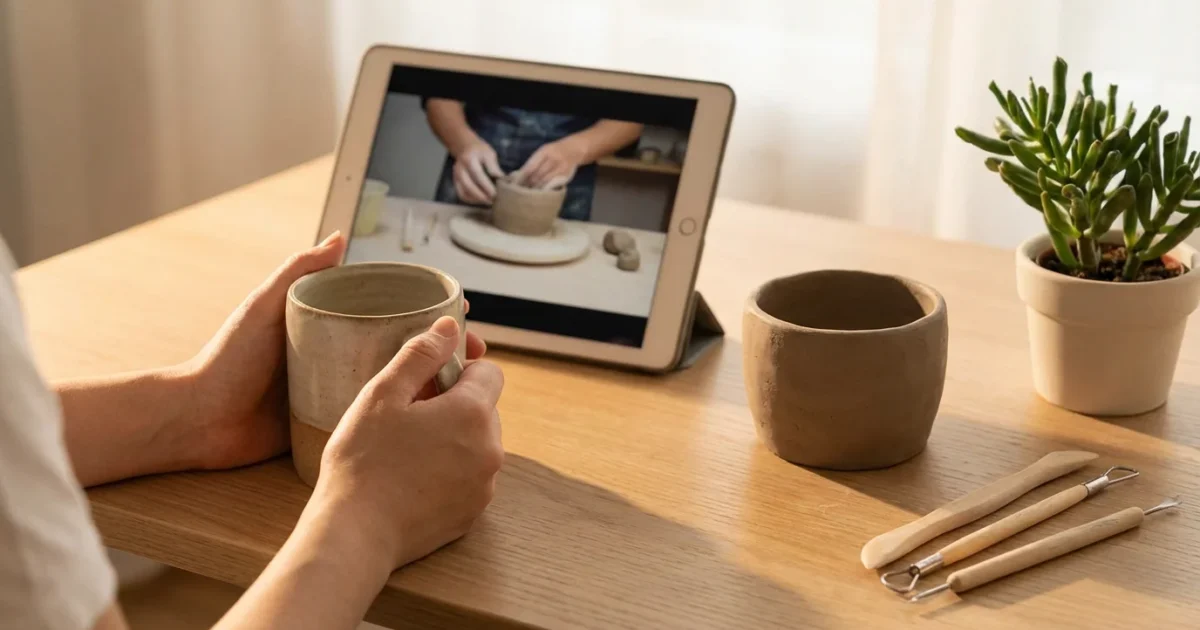
- Arts and Crafts: Learn to paint with watercolors, sculpt clay, knit intricate patterns, or design digital art. Platforms offer step-by-step guides for every skill level.
- Music: Take guitar lessons, learn to play the piano, explore music theory, or even delve into digital music production. Interactive tutorials make practicing enjoyable.
- Languages: Immerse yourself in a new culture by learning Spanish, French, Italian, or Mandarin. Online courses often include pronunciation guides and conversation practice.
- Cooking and Baking: Master gourmet techniques, explore international cuisines, or perfect your sourdough recipe. Video tutorials bring expert chefs into your kitchen.
- Gardening and Horticulture: Learn about sustainable gardening, urban farming, or specific plant care. Online resources provide visual demonstrations and detailed explanations.
- Writing and Storytelling: Develop your creative writing skills, write memoirs, or learn the art of blogging. Expert instructors guide you through the process of crafting compelling narratives.
Online learning caters to incredibly niche interests, meaning you can find courses on anything from beekeeping to astronomy, calligraphy to coding. The abundance of options ensures you will find a hobby perfectly suited to your curiosity and available time.

Mastering New Skills for a Modern World
Beyond hobbies, online learning serves as a powerful tool for acquiring practical skills relevant to today’s dynamic world. These skills can enhance your personal growth, prepare you for volunteer opportunities, or even support a fulfilling “re-wired” career in retirement. Embracing new challenges keeps you engaged and adaptable.
Consider skills that leverage technology, which plays an increasingly central role in daily life. Learning new digital competencies empowers you and keeps you connected. You might want to understand the basics of web design, learn photo or video editing, or delve into managing your smart home devices.
Practical skills also offer tangible benefits. You can improve your financial literacy by taking courses on investment strategies or estate planning. Learning home repair basics empowers you to tackle DIY projects. Photography, a widely accessible hobby, becomes an art form with online instruction, helping you capture life’s moments beautifully.
For those considering an encore career or significant volunteer role, online platforms offer professional development. You can update skills in your former field, or transition to an entirely new area. Whether it involves project management, digital marketing, or non-profit leadership, curated online programs provide certifications and knowledge that open new doors. This proactive approach to skill development reinforces your value and expands your opportunities for meaningful engagement.

Navigating the Best Online Learning Platforms
The sheer volume of online learning platforms can feel overwhelming at first. However, understanding their unique strengths helps you select the perfect fit for your learning style and goals. Each platform offers a distinct approach to education, from academic rigor to creative exploration.
Here are some of the best online learning platforms, renowned for their quality and diverse offerings:
- Coursera: Partnering with top universities and companies worldwide, Coursera offers a vast catalog of courses, specializations, and professional certificates. You can find everything from computer science to psychology, often with pathways to university degrees. Many courses allow free auditing, letting you experience the content before committing to a paid track.
- edX: Founded by Harvard and MIT, edX provides high-quality courses from leading global institutions. It focuses on academic subjects, professional development, and MicroBachelors or MicroMasters programs. Like Coursera, edX offers audit tracks for many courses, making knowledge accessible to everyone.
- MasterClass: If you seek inspiration from world-renowned experts, MasterClass delivers. This platform features celebrity instructors teaching their craft, whether it is Gordon Ramsay on cooking, Neil Gaiman on storytelling, or Serena Williams on tennis. The courses boast high production value and offer unique insights from industry leaders.
- Skillshare: Ideal for creative pursuits and hands-on projects, Skillshare offers thousands of classes on topics such as illustration, photography, graphic design, and video editing. Its community-driven approach encourages learners to share their projects and receive feedback, fostering a supportive environment.
- Udemy: With one of the largest libraries of courses, Udemy features content created by individual instructors across a huge range of subjects. You can find highly specialized courses on almost anything, from web development to specific software tutorials or mindfulness practices. Its flexible pricing model often includes frequent sales.
- LinkedIn Learning: Formerly Lynda.com, LinkedIn Learning focuses on business, technology, and creative skills. It offers professional development courses taught by industry experts, often with accompanying exercise files. Many public libraries provide free access to LinkedIn Learning, making it an excellent resource for skill enhancement.
Each platform provides a distinct experience. Consider starting with a free trial or an audited course to gauge which platform aligns best with your learning preferences.

How to Find Free Online Courses
High-quality online learning does not always require a financial investment. Numerous resources offer free online courses, providing excellent opportunities to explore new subjects without cost. This accessibility empowers you to experiment with different interests until you discover your true passion.
Many reputable platforms offer ways to access their content for free:
- Audit Tracks on MOOCs: Platforms like Coursera and edX frequently offer “audit” options for their Massively Open Online Courses (MOOCs). This allows you to access most course materials, including lectures and readings, without paying tuition. You typically forgo graded assignments and a completion certificate, but gain invaluable knowledge.
- Public Libraries: Your local public library is a treasure trove of digital resources. Many libraries offer free access to online learning platforms like LinkedIn Learning (formerly Lynda.com), Gale Courses, or Universal Class. These memberships can unlock thousands of courses on a wide variety of subjects. Check your library’s website or inquire with a librarian about their digital offerings.
- YouTube Tutorials: For specific skills or quick introductions to topics, YouTube remains an unparalleled resource. You can find free tutorials on nearly anything, from cooking a new recipe to learning basic coding or repairing a household item. Seek out channels from reputable creators or educational institutions for reliable content.
- University Open Courseware: Several prestigious universities, including MIT OpenCourseWare and Stanford Online, provide free access to their course materials. These initiatives aim to make knowledge widely available, offering lecture notes, assignments, and exams from actual university courses. While not always interactive, they provide deep dives into academic subjects.
- Google’s Free Courses: Google offers a range of free courses, particularly in digital marketing, data analytics, and career development, through platforms like Google Digital Garage. These courses provide practical skills and often come with certifications.
Exploring these free options allows you to experiment with various subjects and formats. You gain confidence and clarity on what truly interests you before considering any paid programs.

Tips for a Successful Online Learning Journey
Embarking on an online learning adventure brings immense rewards, but a few strategies can enhance your experience and maximize your success. Approach your learning with intentionality and an open mind, and you will thrive. These tips help you cultivate an effective and enjoyable routine.
Here are practical tips to ensure a fulfilling online learning journey:
- Set Realistic Goals: Define what you want to achieve with each course. Do you want to master a skill, explore a topic, or simply enjoy the process? Clear goals help maintain focus and motivation. Remember that learning is a journey, not a race.
- Create a Dedicated Learning Space: Designate a quiet, comfortable area in your home specifically for learning. A consistent environment minimizes distractions and signals to your brain that it is time to focus. Ensure good lighting and a comfortable chair.
- Schedule Your Learning Time: Treat your online courses like any other important appointment. Block out specific times in your calendar each week for learning. Consistency builds momentum and ensures you make steady progress, even if it is just an hour or two a day.
- Engage Actively: Do not just passively watch lectures. Take notes, pause to reflect, complete assignments, and participate in discussion forums. Engaging with the material and fellow learners deepens understanding and makes the experience more interactive.
- Embrace Technology: Get comfortable with the platform’s features. Learn how to navigate modules, use interactive tools, and communicate with instructors or peers. Technology is your enabler, not a barrier.
- Stay Connected: If the course offers discussion boards or study groups, join them. Interacting with other learners can provide new perspectives, answer questions, and build a sense of community. This social element enriches your learning experience.
- Celebrate Small Wins: Acknowledge your progress, no matter how minor. Finishing a module, understanding a difficult concept, or successfully completing a project all deserve recognition. Celebrating these milestones fuels your motivation to continue learning.
By implementing these strategies, you transform your online learning into a structured, engaging, and highly rewarding part of your modern retirement. You gain not only knowledge, but also a renewed sense of accomplishment and purpose.
Frequently Asked Questions
These common questions address concerns and provide clarity for those new to online learning in retirement.
Is online learning effective for adults?
Yes, online learning proves highly effective for adults. Many studies confirm that adults learn just as effectively online as they do in traditional classrooms. The self-paced nature, diverse content formats, and ability to tailor learning to individual needs often make it an even more engaging experience for mature learners. Your life experience also provides a rich context for new information, enhancing comprehension and retention.
What equipment do I need for online courses?
You typically need a computer or tablet, a reliable internet connection, and headphones for audio. Most courses are accessible through a standard web browser. Some specific courses, especially those involving creative software or complex programming, might require additional applications or hardware, but this information is always clearly outlined before you enroll.
Can I connect with other learners online?
Absolutely. Most modern online learning platforms incorporate interactive elements designed for learner connection. You will find discussion forums, peer review assignments, virtual study groups, and sometimes even live Q&A sessions with instructors. These features foster a vibrant community, allowing you to share insights, ask questions, and build relationships with people globally.
How much time should I dedicate to online learning?
The time commitment varies greatly depending on the course and your personal goals. Many hobby-focused courses might only require a few hours a week. More intensive skill-building or academic programs could demand 5-10 hours or more. The beauty of online learning lies in its flexibility; you can choose courses that fit your schedule, allowing you to learn at a pace that feels comfortable and sustainable for you.
Are there age limits for online courses?
No, there are no upper age limits for online courses. Online learning platforms celebrate lifelong learning and welcome students of all ages. Your experience and perspective are valuable assets in any learning environment. Modern platforms are designed to be inclusive and accessible, encouraging individuals at any stage of life to pursue their educational curiosities.
The landscape of modern retirement is one of boundless opportunity, and online learning stands as a beacon guiding your exploration. You have the power to define this chapter of your life, infusing it with new knowledge, exhilarating hobbies, and empowering skills. Embrace the digital classroom, unlock your potential, and continue to thrive. Your journey of discovery awaits.
Disclaimer: This article is for informational purposes. Technology, apps, and services mentioned may change over time. We encourage readers to research current options and consider their individual needs when making decisions.









Leave a Reply