
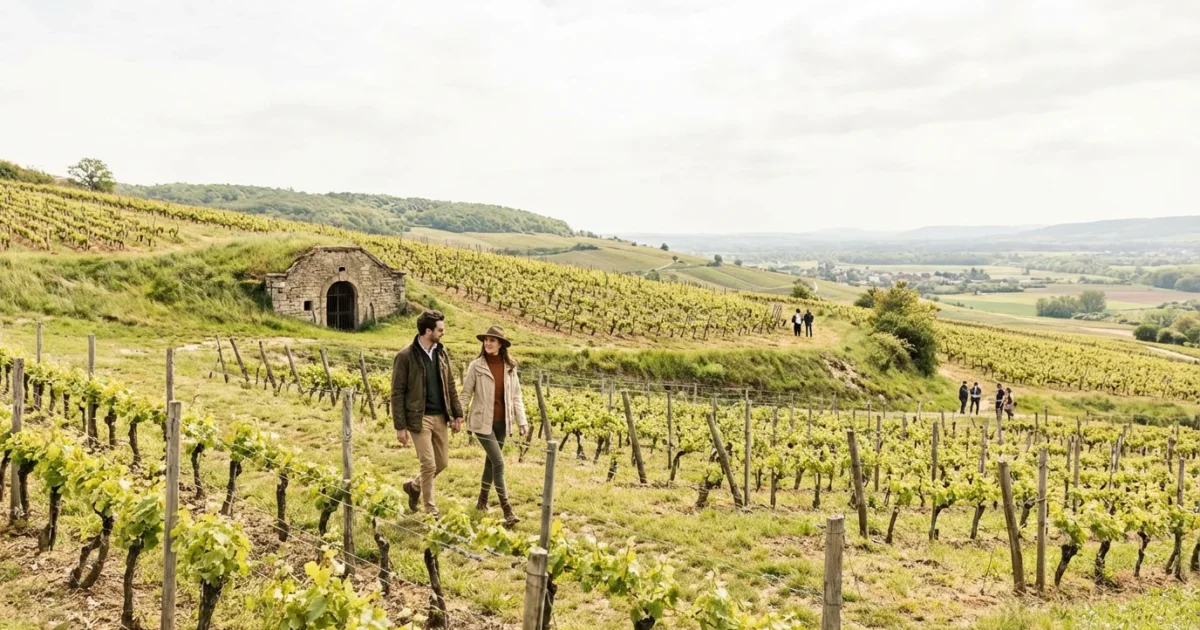
Retirement today means freedom, discovery, and embracing experiences you once only dreamed of. Forget the outdated stereotypes of quiet evenings and predictable routines. Your modern retirement invites you to explore, connect, and immerse yourself in the world. Wine tourism offers an unparalleled opportunity for this kind of enrichment. It combines cultural exploration, gastronomic delight, and the joy of discovery in some of the world’s most beautiful landscapes.
Whether you are looking to cross this off your retirement bucket list or simply want a relaxing getaway, wine tourism offers an unparalleled opportunity for enrichment.
Picture yourself strolling through sun-drenched vineyards, sampling exquisite vintages, and learning directly from passionate winemakers. This is more than just a vacation; it is an active pursuit of knowledge and pleasure. You engage your senses, connect with local traditions, and return home with a deeper appreciation for both wine and the diverse cultures that produce it. Wine travel caters to your desire for personalized, authentic experiences.

Planning Your Modern Wine Adventure
Designing your ideal wine tasting trip begins with thoughtful planning. Consider what type of experience appeals most to you. Do you seek rustic charm, luxurious indulgence, or an educational deep dive? Modern retirees approach travel with intention, ensuring every detail aligns with their aspirations.
To make the most of your travel budget, consider using budget travel tips for retirees to secure great deals on flights and regional lodging.
Embracing a slow travel approach allows you to truly connect with the local culture and enjoy each vineyard without feeling rushed.
Your journey starts with research. Online resources provide a wealth of information on vineyard tours, regional specialties, and local accommodations. Utilize travel blogs, winery websites, and reputable review platforms to gather insights. Think about the season of your visit, as this impacts vineyard activity and crowds.
Prioritize flexibility in your itinerary. While specific vineyard tours and tastings require reservations, leave room for spontaneous discoveries. Some of the most memorable moments arise from unexpected encounters with local producers or hidden gems. This balance creates a rich and rewarding travel experience.

Embracing Technology for Seamless Wine Travel
Technology empowers you to navigate the world of wine tourism with unprecedented ease and confidence. Your smartphone becomes an indispensable tool, transforming your planning and on-the-ground experience. These digital aids streamline logistics and enrich your understanding of each region.
For more ideas on how to integrate technology into your journeys, explore our list of essential apps for the modern retiree.
Consider these digital essentials for your wine travel:
- Navigation Apps: Google Maps or Waze provide real-time directions to vineyards, restaurants, and hotels. They help you avoid getting lost on winding country roads, a common challenge when exploring rural wine regions.
- Translation Apps: Google Translate or iTranslate allow instant communication with locals and understanding of menus or informational signs. Breaking down language barriers enhances your immersion in the culture.
- Winery Booking Platforms: Websites like CellarPass or OpenTable often allow direct reservations for tastings and tours. Many individual wineries also offer online booking through their own sites, making coordination simple.
- Wine Review and Information Apps: Vivino or Delectable help you identify wines, read reviews, and track your preferences. You can scan labels to learn about specific vintages and regions, enhancing your knowledge as you taste.
- Travel Planning Tools: Apps such as TripIt organize your flight, hotel, and tour confirmations into a single itinerary. This keeps all your essential information accessible and reduces stress during travel.
- Digital Payment Systems: Apple Pay or Google Pay offer secure, contactless payment options. These are increasingly accepted globally, providing convenience and reducing the need for carrying large amounts of cash.
Leveraging these tools allows you to focus on the joy of discovery. Technology handles the logistical details, freeing you to savor every moment of your vineyard tours and wine travel experiences. This smart approach defines modern exploration.
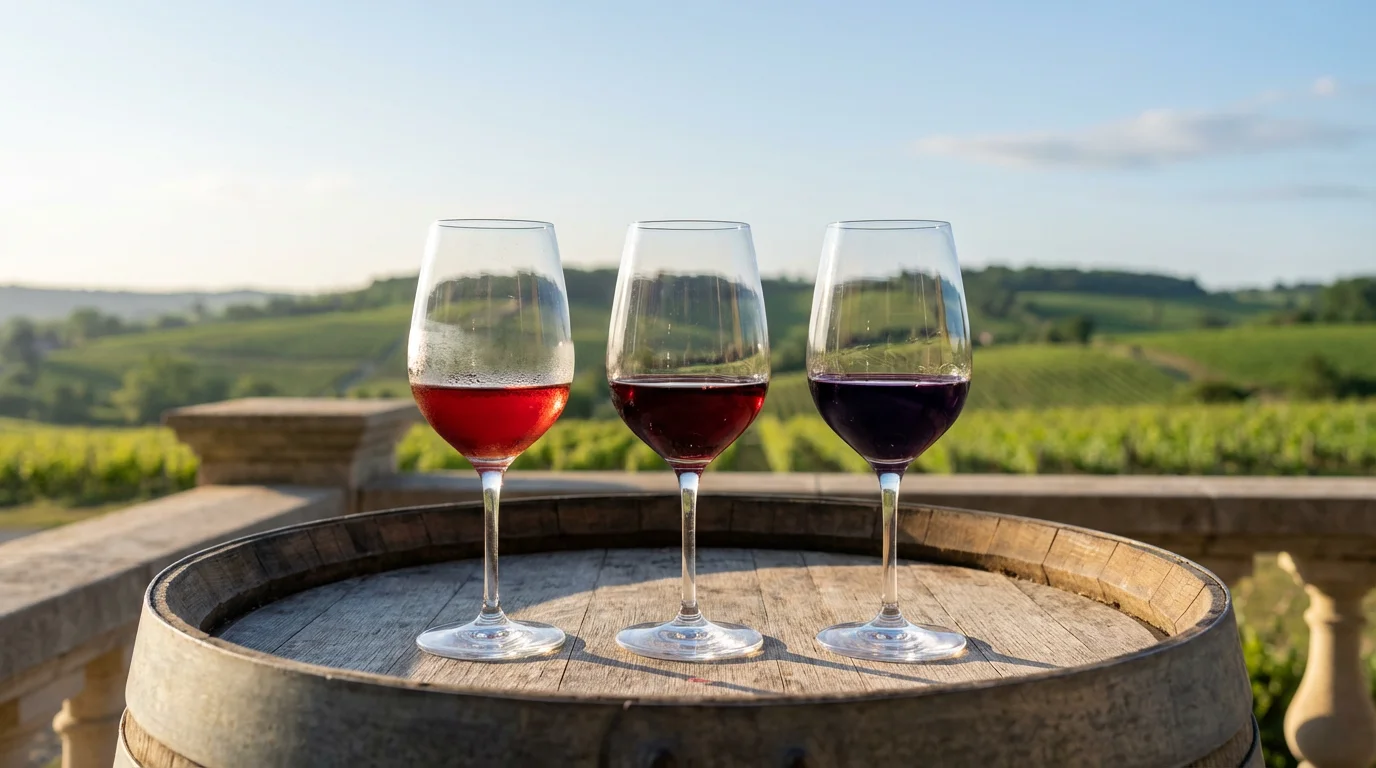
Top Global Wine Regions for the Discerning Traveler
The world offers a spectacular tapestry of wine regions, each with its own unique character, history, and varietals. Choosing where to go depends on your palate, your desired travel style, and your interest in culture. Here are some of the best wine regions to visit, offering diverse and memorable experiences.
Before booking your flights, remember that utilizing travel rewards programs can significantly reduce the cost of your international flights and premium hotel stays.
Napa Valley, California, USA
Napa Valley stands as an iconic destination for wine tourism, celebrated globally for its Cabernet Sauvignon and Chardonnay. Its proximity to San Francisco makes it easily accessible for many travelers. You find a blend of world-class wineries, Michelin-starred restaurants, and luxurious accommodations here.
Many visitors choose to pair a trip to northern California’s vineyards with exploring national parks nearby for a perfect blend of luxury and natural beauty.
- Experience: Enjoy structured tastings, cave tours, and gourmet dining. Many vineyards offer private experiences, allowing deeper engagement with winemakers.
- Beyond Wine: Explore art galleries in Yountville, take a hot air balloon ride over the vineyards, or relax at a geothermal spa in Calistoga.
- Modern Tip: Book tastings and restaurant reservations well in advance, especially during peak season. Use apps like Tock for high-demand bookings.
Bordeaux, France
Bordeaux, the undisputed capital of fine wine, offers a profound journey into winemaking history and tradition. This region produces some of the world’s most prestigious reds, primarily from Cabernet Sauvignon and Merlot blends. Its historic châteaux and picturesque landscapes create an unforgettable backdrop.
If you prefer a leisurely journey on the water, some senior-friendly cruises offer dedicated itineraries that stop in world-renowned wine ports like Bordeaux.
- Experience: Tour grand châteaux, learn about intricate blending processes, and taste exceptional vintages. Consider specialized tours focusing on Left Bank (Cabernet-dominant) or Right Bank (Merlot-dominant) wines.
- Beyond Wine: Discover the Cité du Vin, an interactive wine museum, and explore the charming city of Bordeaux itself. Cycle through vineyard routes for a more active experience.
- Modern Tip: Purchase a Bordeaux Metropole CityPass for discounts on attractions and public transport. Utilize a local guide for personalized access to smaller, family-run estates.
Tuscany, Italy
Tuscany combines breathtaking landscapes, rich artistic heritage, and world-renowned Sangiovese wines like Chianti Classico and Brunello di Montalcino. This region promises a sensory feast, blending incredible food, charming medieval towns, and rolling hills of vineyards and olive groves.
Exploring the winding roads of this beautiful region is also a wonderful opportunity for solo travel for retirees, allowing you to set your own pace.
- Experience: Participate in cooking classes focused on regional cuisine, enjoy farm-to-table meals at agriturismi, and explore historic cellars. Many wineries offer accommodations, immersing you in the Tuscan lifestyle.
- Beyond Wine: Visit Florence for Renaissance art, Siena for its stunning Piazza del Campo, or the dramatic coastline of the Cinque Terre. Rent a car to explore the countryside at your own pace.
- Modern Tip: Use apps like TheFork to reserve tables at popular trattorias and osterias. Plan a driving route that includes scenic stops and small artisan shops.
Mendoza, Argentina
Nestled at the foot of the Andes, Mendoza is synonymous with Malbec, Argentina’s signature grape. This region offers a rugged beauty and a vibrant wine scene, attracting those who appreciate bold wines and adventure. Its high-altitude vineyards produce wines with intense fruit and structure.
To ensure a stress-free experience, look into accessible travel resources that highlight step-free tasting rooms and transport options throughout the region.
- Experience: Go horseback riding through vineyards, enjoy traditional asados (barbecues) at wineries, and explore the Uco Valley’s modern architecture. Many bodegas provide bike rentals, allowing you to cycle between tastings.
- Beyond Wine: Try whitewater rafting on the Mendoza River, hike in the Andes foothills, or relax in the city’s lively plazas.
- Modern Tip: Book vineyard tours with transfers, as taxis can be expensive for longer distances. Use WhatsApp for easy communication with local guides and drivers.
Marlborough, New Zealand
Marlborough put New Zealand on the global wine map with its distinctive, zesty Sauvignon Blanc. This sunny, dry region on the South Island boasts stunning coastal scenery and a relaxed atmosphere. It offers a fresh, modern approach to winemaking and tourism.
If you want to extend your stay and contribute to the local community, you might also look into volunteering vacations that support conservation efforts in the surrounding coastal areas.
- Experience: Take a self-guided bike tour along the Golden Mile, visit smaller boutique wineries, and enjoy fresh seafood pairings. Many cellar doors are within close proximity, making exploration easy.
- Beyond Wine: Explore the Marlborough Sounds, go whale watching in Kaikoura, or hike parts of the Queen Charlotte Track. Kayaking and sailing are popular activities.
- Modern Tip: Consider the regional bus services or a dedicated wine tour shuttle to safely visit multiple wineries. Download offline maps, as cell service can be spotty in some remote areas.
Beyond the Tasting Room: Immersive Experiences
True wine tourism extends far beyond sipping samples in a tasting room. Modern retirees seek deeper connections and hands-on engagement. These immersive experiences transform a casual visit into a profound cultural exchange, enhancing your understanding and appreciation for wine production.
For active travelers looking to add a playful element to their outdoor exploration, participating in geocaching adventures is a fantastic way to find scenic vistas overlooking the vine-covered hills.
Participating in eco-friendly vineyard activities is a wonderful way to practice sustainable travel for retirees while supporting local farming communities.
Consider these enriching activities:
- Cooking Classes: Learn to prepare regional dishes that perfectly complement local wines. Many wineries offer culinary workshops, connecting you to the terroir through food.
- Vineyard Walks and Hikes: Explore the vineyards on foot, understanding the unique soil, climate, and topography that influence the grapes. Some estates offer guided tours that explain viticulture practices.
- Blending Workshops: Participate in a session where you learn the art of blending different varietals to create your own unique wine. This interactive experience offers insight into a winemaker’s craft.
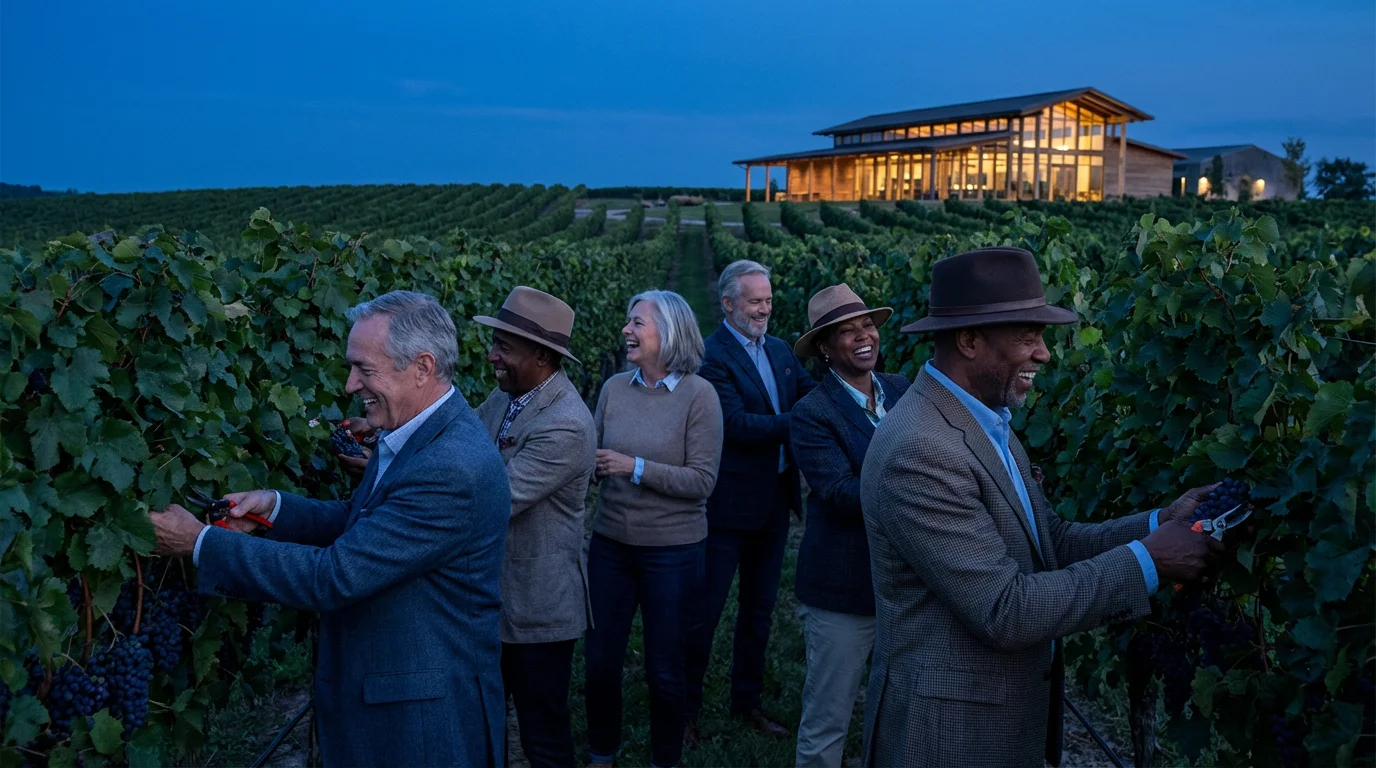
- Harvest Experiences: If you travel during harvest season, some wineries allow guests to participate in grape picking. This offers a rare, firsthand look at the intensity and joy of vintage production.
- Cultural Excursions: Combine your wine travel with visits to local historical sites, art galleries, or traditional markets. This broadens your understanding of the region’s heritage beyond its wines.
- Farm-to-Table Dinners: Enjoy multi-course meals prepared with local, seasonal ingredients, often paired meticulously with the winery’s selections. These dinners often take place in beautiful settings, surrounded by the vineyards.
These activities allow you to delve deeper into the traditions and innovations of each wine region. They provide tangible memories and a richer narrative to share upon your return. You do not just taste the wine; you live its story.
“Travel is the only thing you buy that makes you richer.”
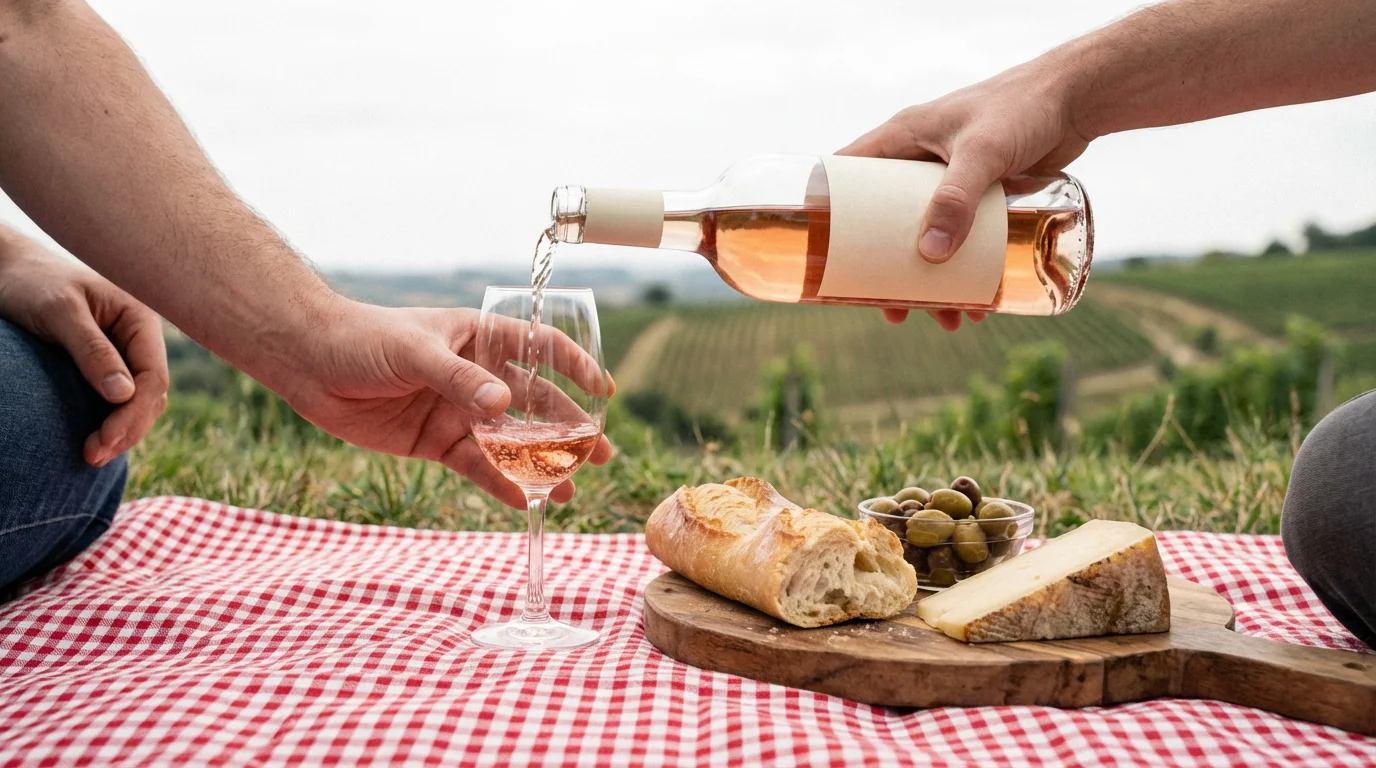
Budgeting and Smart Spending for Wine Enthusiasts
Wine tourism can accommodate various budgets, from luxurious splurges to more economical adventures. Smart planning and strategic spending ensure you maximize your experience without financial strain. You gain control over your expenses, allowing for more enjoyment.
Additionally, learning to leverage travel rewards programs can significantly reduce your flight and lodging expenses.
Consider these practical tips for managing your finances:
- Travel Off-Season: Visiting during the shoulder seasons (spring or fall, outside of harvest peaks) often yields lower prices for flights, accommodations, and tours. Crowds are also typically smaller, enhancing your experience.
- Mix High-End with Local: Indulge in a few premium tastings or meals, then balance them with visits to smaller, family-run wineries and local eateries. These often offer excellent value and authentic experiences.
- Utilize Travel Rewards: Redeem airline miles or hotel points for flights and lodging. This significantly reduces your major travel costs, leaving more budget for experiences. NerdWallet offers valuable resources for maximizing credit card rewards for travel.
- Cook Your Own Meals: If staying in accommodation with kitchen facilities, buy fresh produce and local ingredients from markets. Preparing some of your own meals saves money and provides a local culinary experience.
- Purchase a Wine Pass: Some regions offer wine passes that include tastings at multiple wineries for a fixed price. Research if your chosen destination provides such a pass.
- Set a Daily Budget: Allocate specific amounts for tastings, meals, and souvenirs each day. This helps you monitor spending and avoid overspending. Tracking apps can assist with this.
- Shipping Costs: Factor in the cost of shipping wine home if you plan to purchase bottles directly from vineyards. Research customs regulations and shipping options in advance to avoid surprises.
Strategic budgeting allows you to enjoy the best of wine tourism without compromise. You make informed choices, ensuring your journey is as financially savvy as it is enriching. This approach aligns with a modern, responsible retirement lifestyle.
Staying Healthy and Active on Your Wine Journey
Modern wine tourism embraces wellness and mindful consumption. You want to enjoy the sensory pleasures of wine while maintaining your health and vitality. An active approach ensures you return home refreshed, not fatigued, from your travels.
Incorporate these healthy habits into your wine travel:
- Stay Hydrated: Always drink plenty of water between wine tastings. Dehydration can quickly diminish your enjoyment and lead to fatigue. Many wineries provide water, so utilize it.
- Eat Regularly: Never taste wine on an empty stomach. Enjoy light snacks or full meals throughout the day. Food slows alcohol absorption and enhances the tasting experience.
- Pace Yourself: You do not need to finish every pour. It is perfectly acceptable to taste and then pour out the remainder if you wish. Quality over quantity ensures you appreciate each wine.
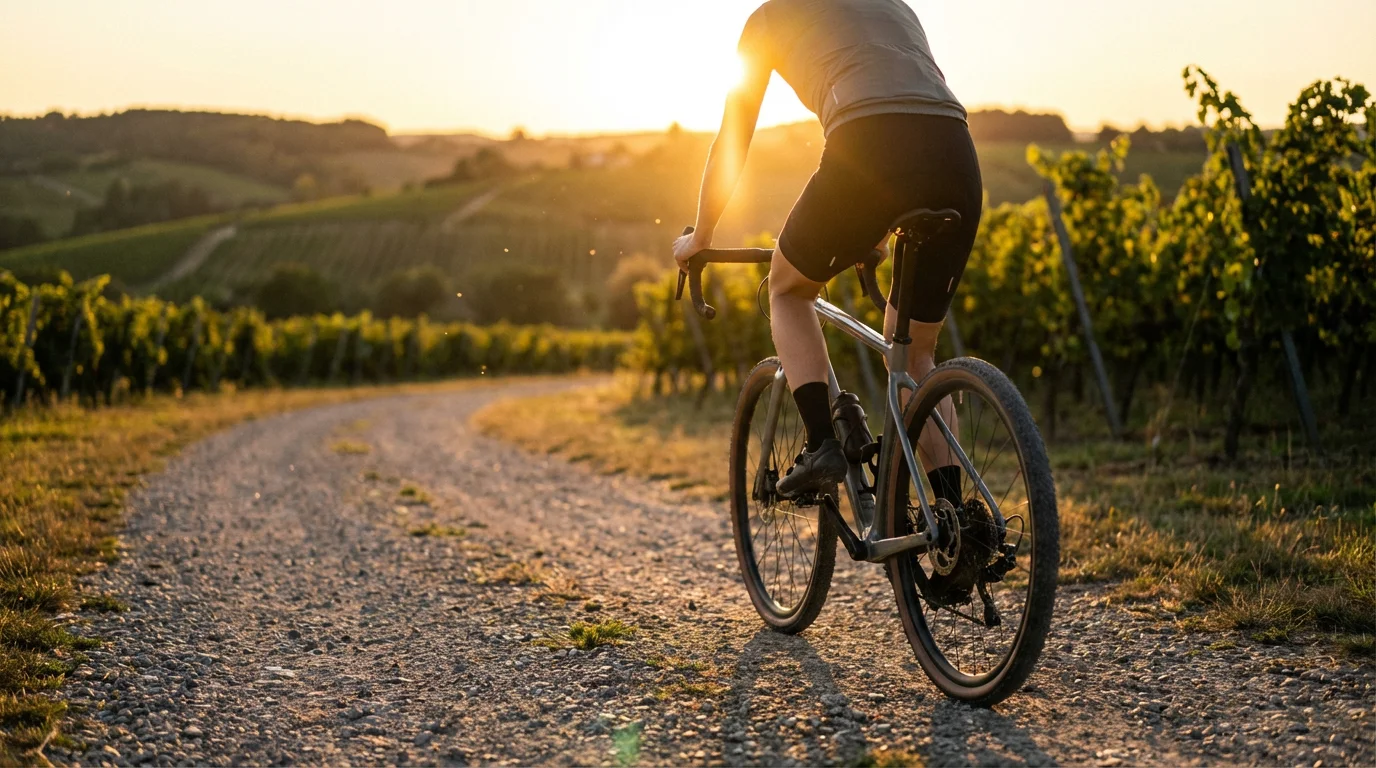
- Walk and Explore: Many vineyards offer walking tours, providing excellent opportunities for exercise and fresh air. Explore nearby towns on foot. Aim for regular walks to stay active.
- Prioritize Sleep: Ensure you get adequate rest each night. Travel can be tiring, and good sleep helps you fully enjoy each day’s activities.
- Mindful Consumption: Be aware of your alcohol intake. Modern travelers prioritize enjoyment and experience over excessive consumption. AARP provides excellent resources on healthy aging and travel.
- Travel Insurance: Invest in comprehensive travel insurance for peace of mind. This covers unexpected medical emergencies or trip interruptions, a smart move for any international travel.
By integrating these wellness practices, your wine tourism becomes a holistic experience. You nourish your body and mind, savoring every moment with energy and clarity. This thoughtful approach defines the contemporary retiree’s travel style.
Sustainable Wine Tourism: Traveling Responsibly
As modern travelers, you understand the importance of making conscious choices that support local communities and protect the environment. Sustainable wine tourism ensures your exploration benefits the regions you visit, preserving their beauty and heritage for future generations. Your impact can be positive and lasting.
Adopt these practices for responsible wine travel:
- Support Local: Choose independent wineries, patronize local restaurants, and buy artisanal products from small businesses. This directly injects money into the local economy.
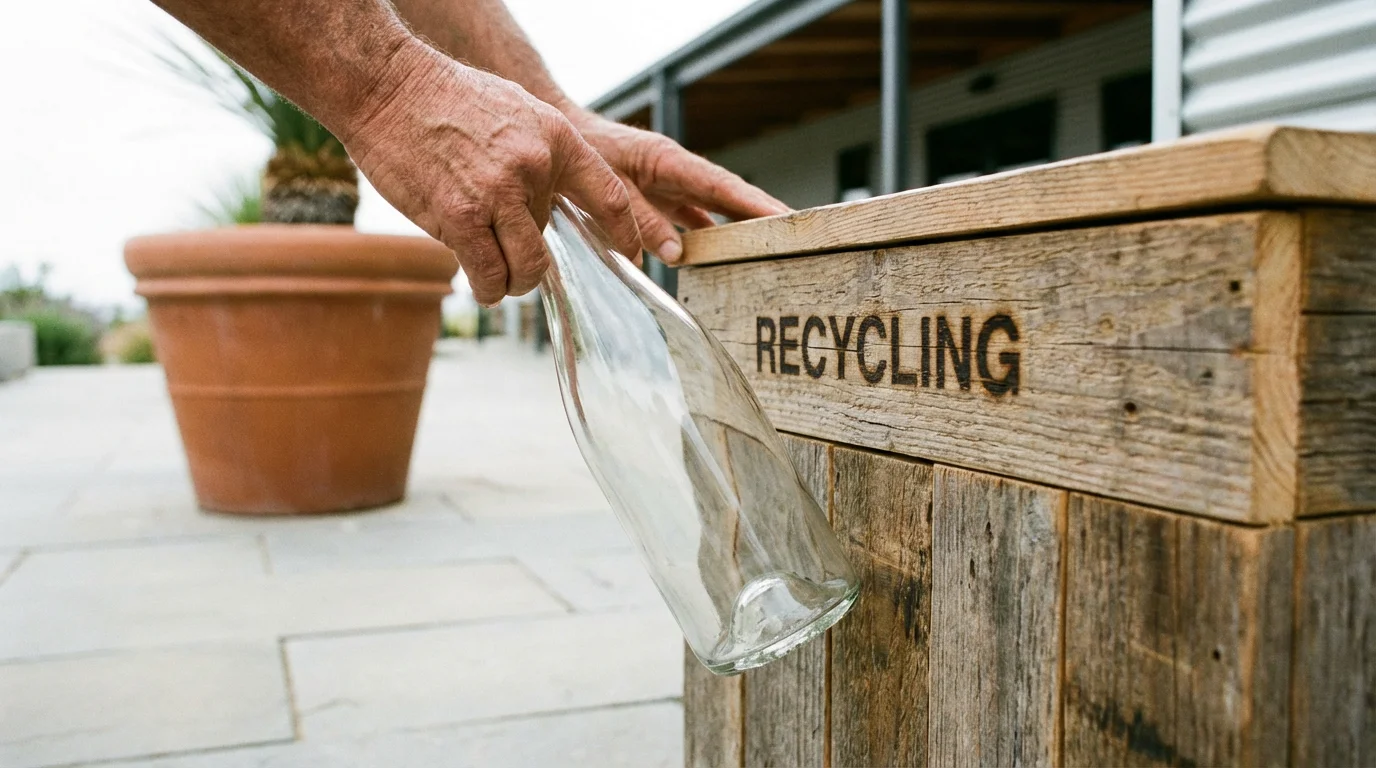
- Respect the Environment: Stick to designated paths in vineyards, dispose of waste properly, and conserve water and energy in your accommodations. Many wineries are adopting sustainable farming practices; inquire about them.
- Choose Eco-Friendly Transport: Opt for public transportation, bicycles, or walking when possible. Consider electric vehicles for car rentals. This reduces your carbon footprint, aligning with global environmental efforts.
- Learn About Organic and Biodynamic Wines: Seek out wineries committed to sustainable, organic, or biodynamic practices. Visiting these estates deepens your understanding of environmental stewardship in winemaking.
- Minimize Waste: Bring a reusable water bottle and shopping bag. Decline unnecessary single-use plastics. Many modern vineyards are working towards zero-waste operations.
- Engage Respectfully: Learn basic phrases of the local language and respect local customs. Your cultural sensitivity enhances your interactions and leaves a positive impression.
Embracing sustainable practices elevates your wine travel. You become an advocate for responsible tourism, contributing to the well-being of the places you cherish. This conscientious approach defines the modern retiree’s commitment to global citizenship.
Frequently Asked Questions
What is the best way to plan a wine tasting trip for someone new to wine tourism?
Begin by choosing a region known for hospitality and accessibility, such as Napa Valley or Tuscany. Start with a reputable tour operator or use online platforms like CellarPass to book a few well-regarded winery tours. Read reviews and consider a mix of large, established wineries and smaller, boutique operations. Prioritize comfort and learning, allowing for flexibility in your schedule. Always remember to stay hydrated and eat well between tastings.
Do I need to be a wine expert to enjoy vineyard tours?
Absolutely not. Wine tourism caters to all levels of interest, from novice tasters to seasoned connoisseurs. Wineries and guides are adept at explaining concepts in an accessible way. Approach your visit with an open mind and a willingness to learn. Many find that their appreciation for wine deepens significantly after seeing the production process firsthand, regardless of prior knowledge.
How can technology enhance my wine travel experience?
Technology serves as an incredible enabler for wine tourism. Apps for navigation, language translation, and direct winery bookings simplify logistics. Wine review apps like Vivino help you track your tasting notes and preferences. Digital payment systems offer convenience and security. These tools streamline your journey, allowing you to focus on the cultural and sensory delights of each region.
What are some tips for responsible and sustainable wine tourism?
Practice responsible wine tourism by supporting local businesses, choosing eco-friendly transportation, and respecting the environment. Prioritize wineries with organic or biodynamic certifications. Minimize waste by bringing reusable items and engaging respectfully with local cultures. These choices help preserve the natural beauty and economic vitality of the regions you visit, ensuring their longevity.
Disclaimer: This article is for informational purposes. Technology, apps, and services mentioned may change over time. We encourage readers to research current options and consider their individual needs when making decisions.









Leave a Reply