Retirement no longer means settling into a quiet existence. For modern retirees, it signifies a vibrant new chapter filled with purpose, connection, and growth. You have years of experience, a wealth of knowledge, and an eagerness to engage with the world on your terms. Volunteering offers a powerful avenue to channel these assets, delivering profound personal satisfaction and creating tangible social impact.
Embrace the opportunity to redefine what giving back truly means. This isn’t your grandparents’ volunteering. Today’s opportunities are dynamic, technology-infused, and designed to fit your unique lifestyle and passions. Discover how you can stay active, connected, and truly make a difference in your community and beyond.

The Modern Volunteer: Redefining Retirement’s Purpose
Today’s retirement is an active pursuit, a time for intentional living and continued contribution. You seek more than leisure; you desire purpose. Volunteering provides that vital sense of meaning, leveraging your accumulated wisdom in new and impactful ways. It’s about designing a life that keeps you engaged, intellectually stimulated, and deeply connected.
Incorporating consistent volunteering activities is an excellent strategy when designing a retirement routine that keeps you energized and structured.
By focusing on personal fulfillment, you are actively redefining success in retirement on your own terms.
This isn’t just about filling time. It is about actively shaping your post-career identity and leaving a lasting legacy. Many modern retirees view volunteering as a natural extension of their professional or personal values. They want to contribute meaningfully, using skills developed over decades.

Beyond the Traditional: Best Volunteer Opportunities for Retirees
Forget outdated images of simple tasks. The landscape of volunteering has diversified immensely, offering countless avenues to apply your talents. You have a vast array of choices, allowing you to select roles that truly resonate with your interests and capabilities. These modern opportunities move far beyond conventional expectations.
Some of these roles may even overlap with your personal retirement hobbies, showing how your passions can translate into purposeful action.
If you feel your skills are a bit rusty, you can always embrace lifelong learning to pick up new competencies before taking on a volunteer project.
This approach beautifully aligns with the joy of slow travel, allowing you to truly immerse yourself in a new community while contributing to its well-being.
For those who love to explore, planning volunteering vacations allows you to combine travel adventures with purposeful service.
Consider these impactful and engaging options for your next chapter:
- Skill-Based Consulting: Offer your professional expertise pro bono to non-profits. Organizations often need help with marketing, finance, strategic planning, or human resources. Platforms like Catchafire connect skilled volunteers with relevant projects.
- Mentorship Programs: Guide younger generations entering your former field or facing new challenges. Your life experience and wisdom are invaluable to those just starting their journeys. Many schools and community centers seek mentors for students and young professionals.
- Environmental Stewardship: Contribute to conservation efforts by monitoring local ecosystems, participating in park cleanups, or assisting with educational programs. Organizations like the Sierra Club or local nature preserves always welcome dedicated help.
- Arts and Culture Support: Volunteer at museums, theaters, or historical societies. You can lead tours, assist with archival work, or support educational outreach programs. This allows you to indulge your cultural interests while giving back.
- Crisis and Disaster Relief: Train with organizations like the American Red Cross to provide essential support during emergencies. This requires dedication but offers profound opportunities to help communities in distress.
These examples highlight the breadth of available roles, ensuring you can find the best volunteer opportunities for retirees that align with your unique abilities and passions. The right fit maximizes both your social impact and personal satisfaction.

The Digital Frontier: Tech-Savvy Volunteering
Your digital fluency opens up an entire world of virtual volunteering. You no longer need to leave your home to make a significant social impact. Technology empowers you to contribute your skills from anywhere, connecting you to global causes. This flexibility is a hallmark of modern retirement.
If you need to brush up on specific digital platforms first, exploring options for online learning can quickly get you up to speed.
By engaging in these virtual projects, you are actively staying connected with others, which is vital for keeping social isolation at bay.
Think about how your tech comfort can translate into meaningful service:
- Virtual Tutoring: Help students with subjects like math, English, or computer literacy through online platforms. Organizations like Schoolhouse.world leverage technology to connect tutors with learners globally.
- Digital Content Creation: Assist non-profits with their online presence. You can manage social media, write blog posts, or help with website updates. Many smaller organizations lack the resources for dedicated digital staff.
- Online Research and Data Entry: Contribute to scientific or historical projects by analyzing data or transcribing documents from your computer. Smithsonian Digital Volunteers is an excellent example, allowing you to delve into fascinating archives.
- Tele-Mentoring and Counseling: Offer support and guidance via video calls or messaging platforms. This is particularly valuable for isolated individuals or those in remote areas.
- Crowdsourced Problem Solving: Join online communities that tackle complex social or scientific challenges. Platforms like Zooniverse allow citizen scientists to contribute to groundbreaking research projects.
Embracing these digital roles demonstrates how modern retirees leverage technology. You stay engaged and make a difference, proving that distance is no barrier to creating social impact. Your tech skills are powerful tools for good.

Tangible Rewards: The Health Benefits of Volunteering
Giving back is not merely altruistic; it profoundly benefits your own well-being. The act of volunteering actively contributes to a healthier, happier retirement. This connection between service and self-care is a powerful aspect of modern living. Research consistently supports these positive outcomes.
Consider these significant health benefits:
- Reduced Risk of Depression: Engaging in meaningful activities and social interactions combats feelings of isolation. Studies indicate volunteers report lower rates of depressive symptoms.
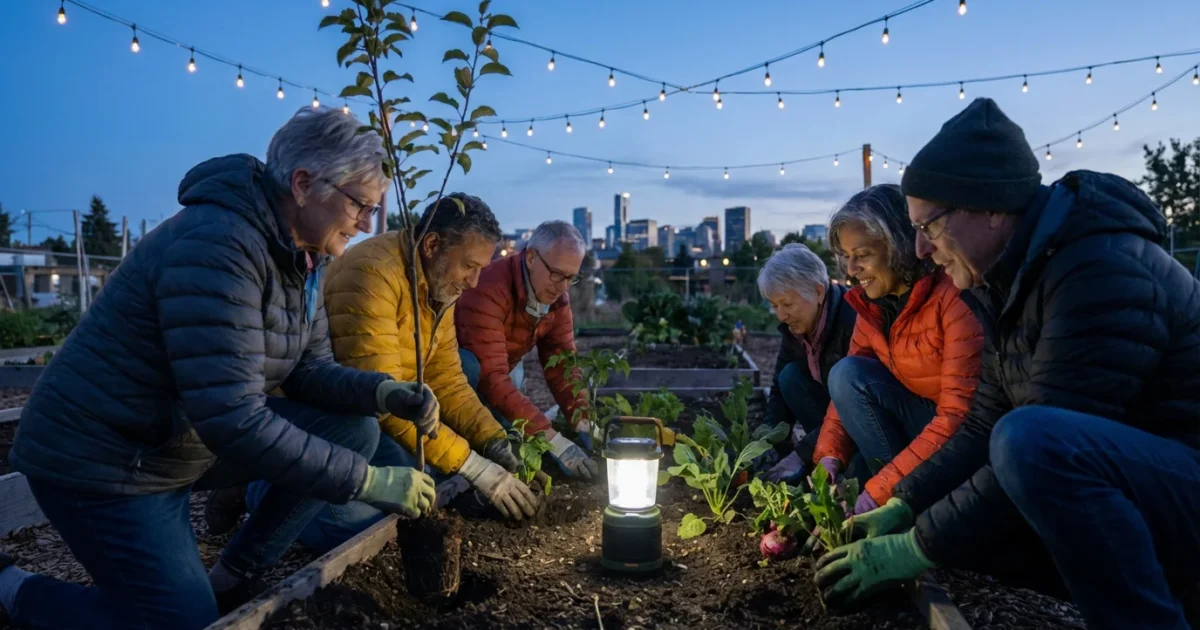
- Improved Physical Health: Many volunteer roles involve light physical activity, from walking at an animal shelter to assisting at a community garden. This activity keeps you moving. According to Harvard Health, staying physically active is crucial for aging well.
- Enhanced Cognitive Function: Learning new skills, solving problems, and interacting in diverse environments stimulate your brain. This mental engagement helps maintain sharp cognitive abilities.
- Lower Stress Levels: Focusing on others shifts attention from personal worries, promoting a sense of calm and perspective. The positive emotions associated with helping others reduce stress hormones.
- Increased Longevity: Studies suggest that individuals who volunteer regularly tend to live longer, healthier lives. The combination of social connection, purpose, and activity contributes to this outcome. AARP frequently highlights the positive impacts of volunteering on longevity.
These health benefits of volunteering are not incidental. They represent a robust incentive to integrate service into your retirement lifestyle. You invest in your own vitality by investing in your community.

Cultivating Community and Social Impact
Volunteering is a powerful antidote to social isolation, a common concern in retirement. It builds new relationships and strengthens existing ones, embedding you deeply within your community. This sense of belonging is a cornerstone of a fulfilling modern retirement. You gain a wider social circle and a stronger support network.
If you want to expand your network further, joining local retirement clubs and groups is another highly effective way to find your tribe.
By contributing your time and skills, you directly influence the lives of others and the health of your local area. You become an active participant in shaping a better future. The social impact extends far beyond the immediate task, creating ripple effects.
Think about the broader reach of your contributions:
- Local Empowerment: Supporting local schools, libraries, or food banks directly strengthens the resources available to your neighbors. Your efforts build a more resilient community.
- Mentorship and Knowledge Transfer: Passing on your professional wisdom to younger individuals ensures valuable skills and experiences endure. You foster the next generation of leaders.
- Advocacy and Awareness: Volunteering for causes you believe in raises public awareness and advocates for change. This can involve anything from environmental protection to supporting vulnerable populations.
- Bridging Generational Gaps: Many volunteer opportunities bring different age groups together. This interaction breaks down stereotypes and fosters mutual understanding.
- Global Connections: Through virtual volunteering, you can contribute to international causes, expanding your sphere of social impact beyond local boundaries. This global perspective is increasingly accessible.
Your decision to volunteer makes a tangible difference. It fosters a vibrant community and delivers meaningful social impact, both locally and globally. You are not just giving back; you are building forward.

Finding Your Passion and Making Your Match
The key to sustained, enjoyable volunteering lies in aligning your efforts with your genuine interests and values. Do not simply pick a cause; discover what truly ignites your passion. This thoughtful approach ensures your volunteer experience remains rewarding and engaging.
For many, earmarking time for service is a meaningful addition to their retirement bucket list, ensuring their legacy is one of active contribution.
Consider crafting your retirement vision board to include your volunteering goals, giving you a visual reminder of the impact you want to make.
If you have the financial means, combining your physical efforts with strategic charitable giving in retirement can expand your overall impact.
Ask yourself these questions to guide your search:
- What causes truly matter to you? Is it animal welfare, education, environmental protection, or supporting veterans? Let your deepest convictions lead the way.
- What skills do you love using? Do you enjoy organizing, writing, teaching, problem-solving, or working with your hands? Match your strengths to the needs of organizations.
- How much time can you realistically commit? Be honest about your availability, whether it is a few hours a week, a monthly project, or an intensive short-term endeavor. Flexibility is important.
- What kind of environment do you prefer? Do you thrive in a bustling office, a quiet outdoor setting, or a virtual team? Consider the work culture.
- What do you hope to gain? Is it new friendships, a sense of purpose, skill development, or simply making a difference? Clarifying your goals helps refine your search.
Platforms like VolunteerMatch or Idealist provide vast databases of opportunities, allowing you to filter by cause, skill, and location. Many local community centers and non-profits also have dedicated volunteer coordinators who can help you find your perfect match. Making an informed choice leads to a more fulfilling experience for everyone involved.

Getting Started: Your Actionable Plan
Ready to embrace your next chapter of purpose and contribution? Taking the first step is often the hardest, but a structured approach simplifies the process. Begin your volunteering journey today with confidence and clarity.
Follow these actionable steps to launch your volunteering adventure:
- Reflect and Research: Identify your passions, skills, and availability using the questions above. Then, research organizations that align with your interests. Explore their websites and social media to understand their mission and current needs.
- Contact and Inquire: Reach out to prospective organizations. Many have online application forms, while others prefer an initial email or phone call to their volunteer coordinator. Express your interest and ask about available roles.
- Attend an Orientation: Most organizations offer an orientation session. This provides valuable insights into their operations, expectations, and the specific role you might undertake. It also offers a chance to meet other volunteers.
- Start Small, if Needed: Do not feel pressured to commit to a massive undertaking immediately. Begin with a smaller role or a trial period to ensure it is a good fit. You can always expand your commitment later.
- Embrace Technology: Leverage apps and online tools to manage your volunteer schedule, communicate with your team, and track your impact. Many organizations use tools like Google Workspace or Slack for coordination.
- Stay Open and Adaptable: The needs of organizations can change. Remain flexible and open to new tasks or learning opportunities. This adaptability makes you an even more valuable asset.
Your journey as a modern volunteer represents a powerful choice. You choose engagement over stagnation, purpose over passivity. You choose to give back, stay active, and enrich not only your life, but also the lives of countless others.
“The future belongs to those who believe in the beauty of their dreams.”
— Eleanor Roosevelt
Frequently Asked Questions
What are the typical time commitments for volunteering?
Time commitments vary widely. You can find opportunities ranging from a few hours a month to several days a week. Many organizations offer flexible options, including short-term projects or event-specific roles. Be upfront about your availability to find a suitable match.
Can I volunteer remotely, even if I am not tech-savvy?
Absolutely. While many remote roles benefit from digital skills, some virtual opportunities require less technical expertise, such as making phone calls to isolated individuals or writing letters. Many organizations also provide basic training for their digital tools, helping you become more comfortable.
Do I need specific experience to volunteer?
Not always. Many volunteer positions require enthusiasm and a willingness to learn more than specific prior experience. However, if you possess professional skills, you can often find roles that leverage those abilities for greater social impact, such as pro bono consulting or mentorship.
How do I find local volunteer opportunities?
Start by checking online platforms like VolunteerMatch.org or Idealist.org, where you can filter by location. Local community centers, libraries, hospitals, and places of worship also often have volunteer programs. Direct outreach to local non-profits whose mission you support is also effective.
What if I try a volunteer role and it is not a good fit?
It is perfectly fine if a volunteer role does not work out. Communicate openly with the organization about your concerns or if your circumstances change. The goal is a mutually beneficial arrangement. You can then seek out other opportunities that better align with your interests and availability.
Disclaimer: This article is for informational purposes. Technology, apps, and services mentioned may change over time. We encourage readers to research current options and consider their individual needs when making decisions.







Leave a Reply