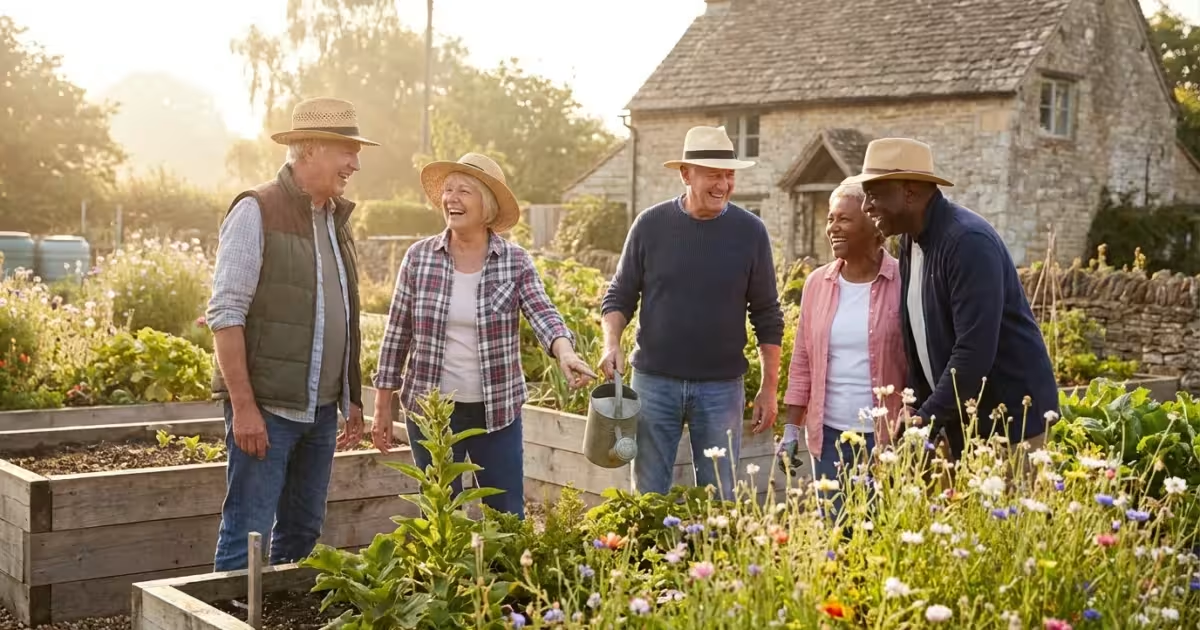
Retirement in the modern age looks dramatically different from previous generations. You now possess unprecedented freedom to sculpt your post-career life, moving far beyond outdated notions of quiet leisure. This new chapter emphasizes personal growth, passion pursuit, and a vibrant engagement with the world. However, amidst this exciting reinvention, a critical element often goes overlooked: the profound importance of social connection in sustaining your well-being. Actively combating loneliness ensures your modern retirement is truly fulfilling.
Redefining Retirement’s Social Fabric
Your social landscape shifts significantly as you transition from full-time work. The daily interactions with colleagues, clients, and professional networks diminish, often creating an unexpected void. This doesn’t signify an end to your social life; it marks a new beginning, requiring you to intentionally build a social fabric aligned with your reinvented identity.
Modern retirees actively seek purpose and engagement, rejecting the idea of fading into the background. You expect a dynamic social life, one that reflects your interests and fuels your zest for living. Embracing this new reality means proactively seeking out connections that resonate with your passions and values.

The Silent Threat: Understanding Loneliness in the Modern Age
Loneliness extends beyond simply being alone; it represents the distressing feeling of lacking companionship or understanding. It can afflict anyone, regardless of their living situation or family status. For many modern retirees, this feeling can emerge subtly as life changes.
This transition can be particularly unique for those navigating a solo retirement, where the need for intentional connection is even more vital.
Research indicates a significant concern. A 2020 study cited by AARP highlighted that over one-third of adults aged 45 and older feel lonely. This isn’t a phenomenon exclusive to any age group, but it demands particular attention during retirement transitions. Ignoring these feelings carries real consequences for your physical and mental health, underscoring why social connection is vital for retirees.

The Science Behind Connection: Why Your Brain and Body Thrive
The human need for connection is fundamental, deeply wired into our biology. Strong social ties do more than simply make you feel good; they actively enhance your longevity and quality of life. Loneliness, in contrast, poses health risks comparable to smoking or obesity.
Maintaining social health often requires overcoming the fear of the unknown as you navigate new environments and social groups.
Engaging socially stimulates your brain, keeping cognitive functions sharp and reducing the risk of cognitive decline. It fosters emotional resilience, providing a buffer against stress and depression. Shared experiences, laughter, and support from others contribute directly to your overall well-being. According to Harvard Health, maintaining robust social connections can significantly impact heart health, immune function, and even pain management.

Leveraging Technology to Bridge Distances
Technology offers powerful tools to expand your social circle and deepen existing relationships. It provides unparalleled convenience for connection, no matter where your friends or family reside. You can use these digital avenues to stay connected with loved ones and forge new communities based on shared interests.
Beyond communication, utilizing essential apps for the modern retiree can help you track social events and discover local meetups.
Here are practical ways to harness technology for better social connection:
- Video Conferencing Apps: Platforms like Zoom, FaceTime, and Google Meet allow you to see and talk to friends and family face-to-face, even across continents. Schedule regular virtual coffee dates or family gatherings.
- Social Media Groups: Facebook Groups, for example, host communities for virtually any interest, from gardening to genealogy to local travel clubs. Join groups that align with your hobbies and engage in discussions.
- Interest-Based Platforms: Meetup.com enables you to find local groups centered around shared activities, be it hiking, book clubs, board games, or learning new skills. Many groups also host virtual events.
- Nextdoor: This neighborhood-focused social network connects you with people in your local area, facilitating community announcements, event sharing, and local discussions. It helps foster a sense of belonging in your immediate vicinity.
- Online Gaming: If you enjoy gaming, consider multi-player online games. Many platforms have built-in chat functions, allowing you to interact with other players who share your passion.
- Smart Devices: Voice-activated assistants like Amazon Echo or Google Home can help you easily initiate calls or video chats, removing potential tech hurdles for quick connections.
Remember, technology enhances connection; it does not replace it. Use these tools to maintain relationships and build bridges to new in-person interactions.

Building Local Communities and Finding Your Tribe
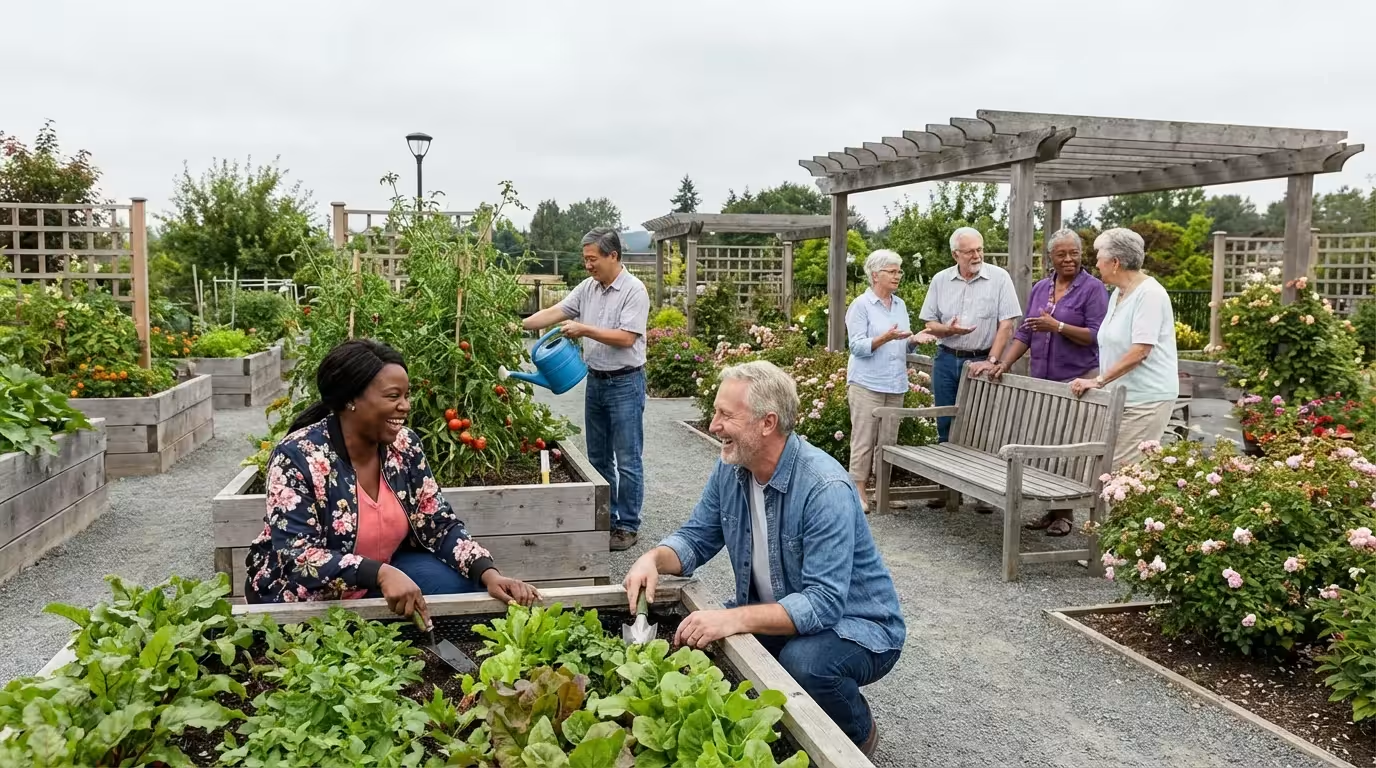
While digital connections are valuable, local, in-person communities offer unique benefits. They provide a sense of place, shared physical experiences, and immediate support. Actively seeking out these groups helps combat loneliness in retirement by weaving you into the fabric of your local area.
Many retirees find that pursuing mentorship opportunities allows them to give back to the community while staying socially active.
Consider these actionable strategies for building community:
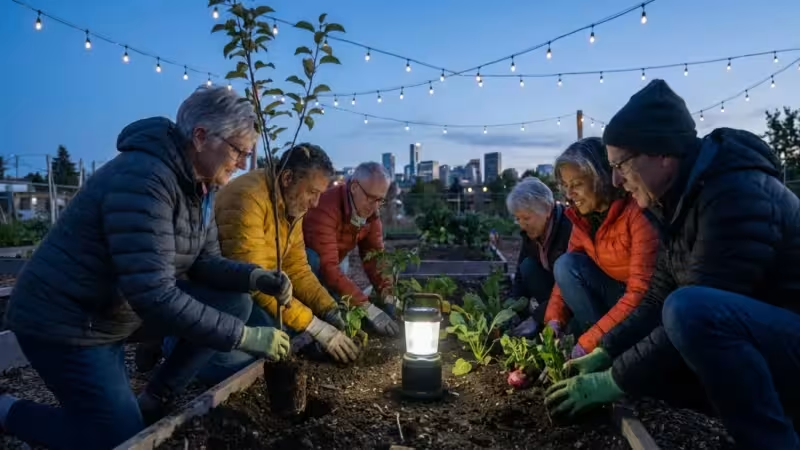
- Volunteer Your Time: Dedicate your skills and time to causes you care about. Local charities, hospitals, libraries, and schools always need volunteers. This offers purpose and introduces you to like-minded individuals.
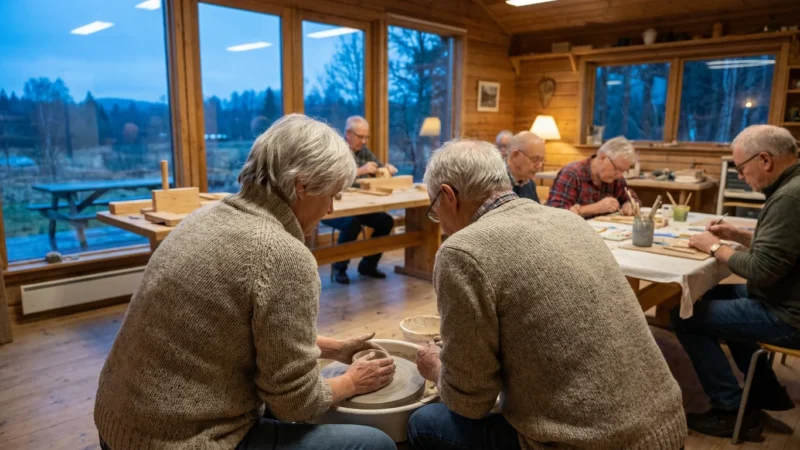
- Enroll in Classes: Pursue a long-held interest or learn something entirely new. Community colleges, local art centers, cooking schools, or even online course providers with local meetups offer fantastic opportunities to connect. Think pottery, foreign language, or coding.
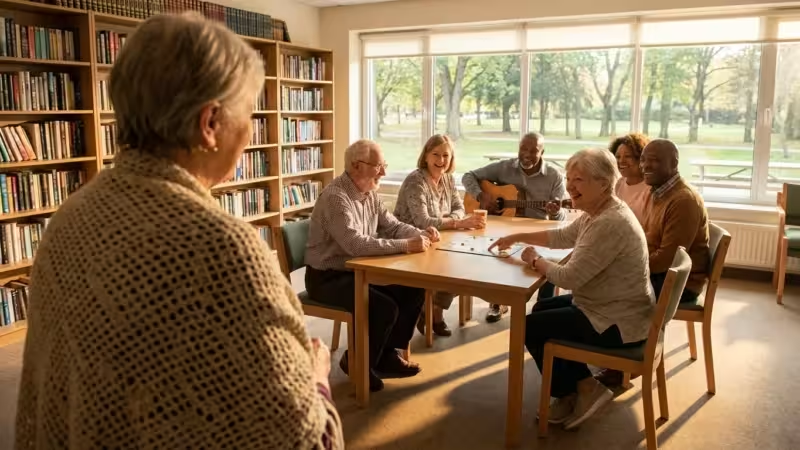
- Join Clubs and Associations: From book clubs and garden societies to bridge groups and hiking clubs, there’s a club for almost every interest. Check your local community center or library for listings.
- Participate in Religious or Spiritual Groups: If aligned with your beliefs, these organizations often provide robust social networks, support systems, and opportunities for shared service.
- Explore Co-Housing or Intentional Communities: For a deeper level of community, investigate co-housing models designed for active adults. These prioritize shared spaces and intentional interaction, fostering close bonds.
- Utilize Senior Centers (Modernized): Many contemporary senior centers now offer vibrant programs, from fitness classes and tech workshops to travel clubs and intergenerational activities. They are not what they used to be.
- Visit Local Coffee Shops or Parks: Become a regular at a local spot. Casual, repeated interactions with baristas, fellow patrons, or dog walkers can evolve into friendly acquaintances.
The key lies in taking the initiative. Show up, engage, and be open to new friendships.
“Age is no barrier. It’s a limitation you put on your mind.” — Jackie Joyner-Kersee
Cultivating Meaningful Relationships: Quality Over Quantity
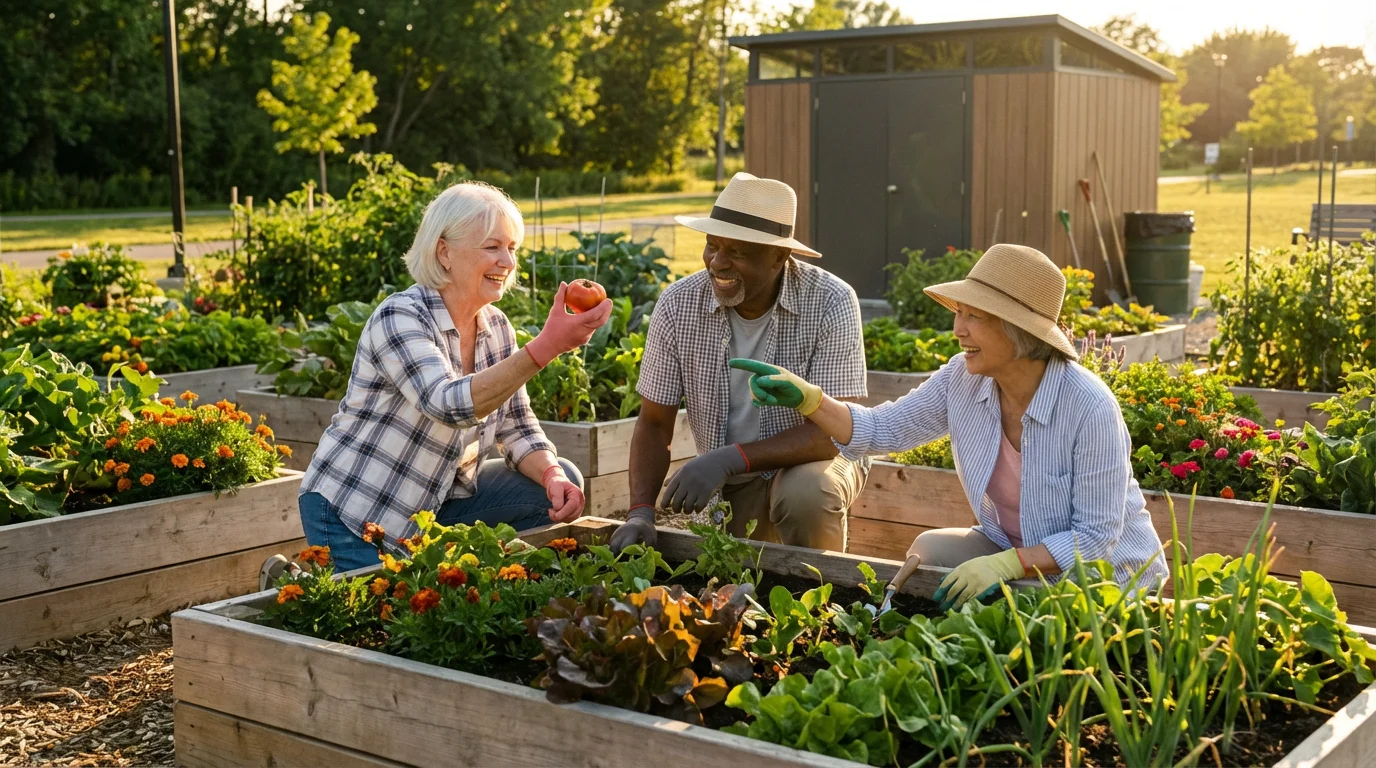
True social connection focuses on the depth of your relationships, not just the number of acquaintances. Meaningful connections involve mutual respect, understanding, and genuine care. These are the relationships that truly enrich your life and provide resilience against feelings of isolation.
Setting healthy boundaries is also an important part of maintaining high-quality relationships and ensuring you have time for self-care.
Focusing on cultivating meaningful relationships ensures that your social life provides deep emotional satisfaction rather than just activity.
To cultivate deeper bonds, practice active listening, showing genuine interest in others’ lives and perspectives. Be vulnerable and share parts of yourself, allowing others to reciprocate. Offer support and ask for help when you need it; reciprocity strengthens relationships. Prioritize spending quality time with those who energize and uplift you, investing your emotional resources wisely. Nurture your existing friendships and family ties, as these often form the bedrock of your social support system.

The Proactive Approach: Designing Your Social Life
Designing your social life requires the same intentionality you apply to other aspects of your modern retirement. It involves honest self-assessment, clear goal setting, and consistent action. This isn’t about passively waiting for invitations; it’s about actively building the social world you desire.
Consider adding social milestones to your retirement bucket list to ensure you are consistently challenging yourself to meet new people.
Designing your social life is often most effective when integrated into designing a retirement routine that supports your hobbies and health.
Take these steps to proactively shape your social landscape:
- Assess Your Current Social Needs: Reflect on what types of connections you seek. Do you need more casual acquaintances, deeper friendships, or specific activity partners?
- Identify Your Interests: List your hobbies, passions, and areas where you want to learn or grow. These are natural avenues for finding like-minded people.
- Set Specific Goals: Instead of vague desires, set concrete goals. For instance, “I will join one new club next month” or “I will reach out to two old friends this week.”
- Create a “Social Calendar”: Just as you schedule appointments, allocate time for social activities. Make connection a non-negotiable part of your week.
- Embrace a Growth Mindset: Not every social attempt will result in a lasting friendship. View each interaction as an opportunity to learn and refine your approach. Stay open and resilient.
- Be Consistent: Building relationships takes time and consistent effort. Regularly participate in groups, follow up with new acquaintances, and nurture existing ties.
- Leverage Your Network: Tell friends and family you are looking to expand your social circle. They might introduce you to new people or activities.
You have the power to create a retirement rich with fulfilling connections. Take charge, embrace the possibilities, and redefine what community means for you.
Frequently Asked Questions
How common is loneliness in retirement?
Loneliness is a significant concern for many retirees, though it varies by individual. Studies indicate a substantial percentage of older adults experience feelings of loneliness, particularly during transitions like retirement when social networks change. It’s not an inevitable part of aging, but it is a prevalent risk that proactive steps can mitigate.
What role does technology play in combating loneliness?
Technology plays a crucial role by enabling communication across distances and fostering new communities. Video calls, social media platforms, and interest-based apps connect you with friends, family, and new acquaintances. They offer avenues for virtual engagement, helping maintain ties and explore new social groups.
Are online connections as valuable as in-person ones?
Online connections can be highly valuable, especially for maintaining long-distance relationships or initially connecting with people who share niche interests. However, most experts agree that a balanced approach, incorporating both online and in-person interactions, provides the most robust social well-being. Online connections often serve as a bridge to in-person meetups.
What if I’m naturally introverted?
Introversion does not equate to a lack of need for social connection. Introverts often prefer fewer, deeper relationships rather than large social gatherings. Focus on finding smaller groups or one-on-one interactions that align with your comfort level. Technology can be particularly helpful for introverts to connect at their own pace before committing to in-person events.
How can I start rebuilding my social life if I feel isolated?
Begin with small, manageable steps. Reconnect with an old friend, join one online group related to a hobby, or attend a single local class or event. Set realistic goals, celebrate small victories, and remember that building a robust social life is a gradual process. Focus on activities you genuinely enjoy, as this makes the process more natural and sustainable.
You possess the agency to design a retirement rich with connection and meaning. By understanding the importance of social connection, proactively using technology, and engaging with your local community, you can effectively combat loneliness and ensure your modern retirement truly thrives. Embrace this new chapter with confidence and the knowledge that a vibrant social life remains firmly within your grasp.
Disclaimer: This article is for informational purposes. Technology, apps, and services mentioned may change over time. We encourage readers to research current options and consider their individual needs when making decisions.






Leave a Reply