

Retirement today looks nothing like it did for previous generations. You are not simply stepping away from work; you are stepping into a vibrant new phase, rich with potential for connection, exploration, and personal growth. Modern retirees are redefining what comes next, actively seeking engaging experiences and meaningful communities. Finding your tribe, those individuals who share your passions and perspectives, becomes a cornerstone of this exciting chapter.
Finding a balance between social events and personal time starts with designing a daily routine that keeps you energized and ready for new experiences.
Connecting with like-minded individuals offers immense benefits, from improved well-being to expanded horizons. As you navigate this contemporary landscape, discover how accessible and diverse retirement clubs and groups truly are, offering pathways to build a fulfilling social life on your own terms.

The Power of Connection in Modern Retirement
Human connection remains a fundamental need at every stage of life, especially in retirement. Engaging with others keeps your mind sharp, your spirits high, and your life enriched. Research consistently shows that strong social ties contribute to better physical health, cognitive function, and emotional well-being.
Engaging in these social circles is a key component of redefining success during this significant life transition.
Studies from institutions like the Stanford Center on Longevity emphasize the critical role of social engagement in maintaining vitality. A robust social network helps you ward off feelings of isolation, provides a support system, and opens doors to new experiences. You actively protect your health and boost your happiness by deliberately seeking out retirement clubs and activities.
Age is no barrier. It’s a limitation you put on your mind. — Jackie Joyner-Kersee

Redefining Retirement Clubs and Groups
Forget outdated stereotypes of bingo nights and shuffleboard courts, unless those are genuinely your passion. Today’s retirement clubs and groups are dynamic, diverse, and driven by modern interests. They cater to a generation that values continuous learning, adventure, and digital fluency.
You find groups dedicated to everything from advanced coding to international travel planning, from craft beer tasting to local advocacy. These contemporary groups often leverage technology to connect members, organize events, and even collaborate on projects. They offer more than just casual get-togethers, providing opportunities for deep engagement and personal fulfillment. Understanding what kinds of groups are available for retirees starts with letting go of preconceptions and embracing the vast possibilities.

Digital Avenues for Connection: Finding Your Online Tribe
Technology serves as a powerful bridge to community, connecting you with people down the street or across the globe. Digital platforms make it easier than ever to discover and engage with retirement clubs and groups tailored to your unique interests. Embrace these tools to expand your social horizons.
Navigating these platforms is much easier when you have the right mobile apps at your fingertips to stay organized and connected.
Key Digital Tools for Finding Groups:
- Meetup: This platform excels at connecting people based on shared interests. You can find local groups for hiking, book clubs, photography, language practice, and much more. It offers a user-friendly interface to browse events and join communities.
- Facebook Groups: Leverage the power of Facebook to find specialized communities. Search for “retirement travel groups,” “local tech enthusiasts,” or “vintage car clubs” to uncover highly specific, active discussions and events. Many neighborhood groups also exist, helping you connect locally.
- Nextdoor: For hyper-local connections, Nextdoor allows you to communicate with neighbors about local events, shared interests, and community initiatives. It is an excellent resource for finding impromptu gatherings or local activity partners.
- Online Learning Platforms: Sites like Coursera, edX, or MasterClass offer courses that often include discussion forums. Engaging in these forums can lead to connections with classmates who share your intellectual curiosities.
- Special Interest Forums and Subreddits: Whatever your niche interest, a dedicated online forum or Reddit community likely exists. These spaces allow for deep dives into hobbies and intellectual pursuits, fostering strong bonds among members.
These digital tools remove geographical barriers and make it simple to sample various activities before committing. They empower you to actively seek out specific interests and connect with others who share your enthusiasm.

Local and Hybrid Communities: Beyond the Screen
While digital connections offer immense reach, local, in-person engagement remains invaluable. Many retirement clubs and groups blend online organization with face-to-face meetings, offering the best of both worlds. Explore these options to enrich your daily life.
Joining local interest groups is one of the most effective ways to feel at home if you are moving to a new city or neighborhood.
Traditional and Modern Local Group Formats:
- Community Centers: Often serve as hubs for various senior activities, but many have modernized their offerings. Look for contemporary art classes, fitness programs, computer literacy workshops, or discussion groups on current events.
- University and College Programs: Many universities offer auditing options or specific programs for older adults, such as Osher Lifelong Learning Institutes (OLLIs). These provide intellectual stimulation and connect you with fellow learners.
- Volunteer Organizations: Giving back is a powerful way to connect. Organizations like SCORE (Service Corps of Retired Executives) or local non-profits offer opportunities to use your skills and meet people who share your commitment to community improvement. AARP’s website, aarp.org, provides resources for volunteer opportunities and community engagement.
- Professional Associations: Maintain ties to your former profession or explore new fields. Many professional groups welcome retirees, offering networking opportunities, mentorship roles, and continued learning.
- Faith-Based Organizations: If you have a spiritual practice, your place of worship often provides numerous groups for social interaction, service projects, and personal growth.
The synergy between online planning and in-person interaction creates a robust framework for social engagement. You can coordinate meetups through an app, then enjoy real-world connections, building stronger, more meaningful relationships.

Exploring Diverse Interests: What Kinds of Groups Are Available?
The modern retirement landscape offers an astonishing array of groups and activities, far surpassing anything available to previous generations. Your passions, no matter how niche, likely have a community waiting to welcome you. This is where you truly design your ideal lifestyle.
Outdoor enthusiasts can also find specialized groups focused on visiting national parks and exploring the wilderness with fellow travelers.
A Curated List of Popular Retirement Group Categories:
- Technology & Digital Literacy Groups:
- Smart Home Enthusiasts: Explore the latest smart devices, home automation, and cybersecurity.
- Coding Clubs for Beginners: Learn Python or JavaScript in a supportive environment.
- Digital Photography & Videography: Master your camera, editing software, and drone technology.
- Gaming Communities: From online strategy games to virtual reality experiences, connect with fellow gamers.
- Travel & Adventure Groups:
- RV & Van Life Communities: Share tips, routes, and meetups for nomadic living.
- International Exchange Programs: Participate in short-term cultural immersion or language study abroad.
- Adventure Travel Clubs: Plan and execute trips involving hiking, cycling, or exploring exotic destinations.
- Health & Wellness Groups:
- Mindfulness & Meditation Circles: Practice techniques for stress reduction and mental clarity.
- Advanced Fitness & Sports: Join groups for pickleball, golf, swimming, or competitive walking.
- Nutrition & Cooking Clubs: Explore healthy recipes, dietary trends, and culinary skills.
- Arts & Culture Groups:
- Book Clubs (Digital & In-Person): Discuss contemporary fiction, non-fiction, or specific genres.
- Local Theater & Music Ensembles: Participate as a performer, crew member, or audience organizer.
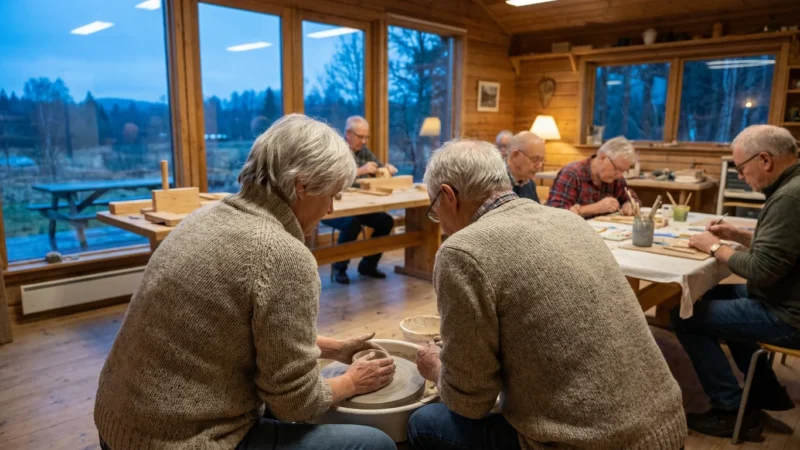
- Art Workshops: Explore painting, pottery, sculpture, or digital art with fellow creatives.
- Lifelong Learning & Intellectual Pursuit Groups:
- Current Events Discussion Groups: Analyze news, politics, and global affairs.
- Genealogy & History Clubs: Research family trees or local historical events.
- Language Learning Groups: Practice new languages with native speakers or fellow students.
- Skill-Sharing & Entrepreneurial Groups:
- Mentorship Networks: Offer your expertise to younger professionals or learn from peers.
- Small Business Idea Labs: Brainstorm and develop new ventures with like-minded individuals.
- DIY & Maker Spaces: Work on projects, share tools, and learn new crafts from woodworking to 3D printing.
The variety ensures that you can find retirement activities that truly resonate with your evolving interests and desire for challenge. What kinds of groups are available for retirees? The answer is virtually anything you can imagine.

How to Find Local Retirement Clubs and Groups: A Step-by-Step Guide
Embarking on the search for your ideal retirement clubs and groups does not require a complex strategy. Instead, it involves a straightforward, proactive approach. Follow these steps to effectively connect with your future community.
Your Action Plan for Discovery:
- Define Your Interests: Begin by making a list of your passions, hobbies, skills, and even things you have always wanted to try. Be specific. Do you love hiking, writing sci-fi, or learning about cryptocurrencies? This clarity guides your search.
- Leverage Online Search Engines: Use specific keywords. For instance, search “retirement clubs [your city],” “pickleball groups [your town],” “volunteer opportunities for seniors [your county],” or “tech meetups for adults [your region].”
- Explore Digital Platforms:
- Meetup.com: Enter your location and interests to discover existing groups.
- Facebook: Utilize the search bar for groups. Join local community groups and observe discussions for event announcements.
- Nextdoor: Engage with your local neighborhood for insights into local gatherings and groups.
- Visit Local Community Hubs: Check bulletin boards and websites for:
- Community Centers
- Libraries
- Senior Centers (even if they sound traditional, check their current offerings)
- Local YMCAs or recreation centers
- Colleges and universities offering continuing education
- Ask Your Network: Inform friends, family, and former colleagues about your interest in joining groups. They may have valuable leads or even be looking to join something new themselves.
- Attend Local Events: Go to farmers markets, craft fairs, public lectures, or local festivals. These often feature information booths for various clubs and organizations, providing a natural way to learn about how to find local retirement clubs groups.
- Consider Starting Your Own Group: If you cannot find what you are looking for, create it! Platforms like Meetup make it easy to initiate a new group around a unique interest, attracting others who share your passion.
By systematically exploring these avenues, you significantly increase your chances of finding the perfect retirement clubs and groups that align with your modern lifestyle.

Maximizing Your Engagement: Tips for Thriving in Your New Groups
Joining a new group represents only the first step. To truly thrive and build lasting connections, actively engage with the community. Your participation shapes your experience and enriches the group as a whole.
Strategies for Deepening Your Connections:
- Be Present and Punctual: Show up consistently to meetings and events. Punctuality demonstrates respect for others’ time and commitment to the group.
- Participate Actively: Contribute to discussions, offer your insights, and share your experiences. Do not hesitate to ask questions. Active participation fosters a sense of belonging.
- Volunteer for Roles: Offer to help organize an event, manage communications, or take notes. Taking on a small responsibility shows dedication and allows you to connect more deeply with group leaders and other members.
- Initiate Conversations: Do not wait for others to approach you. Introduce yourself, ask open-ended questions, and listen genuinely. Discovering common ground is key to forming new friendships.
- Follow Up: If you meet someone interesting, suggest a follow-up coffee or activity. Exchange contact information when appropriate. Personal outreach strengthens budding relationships.
- Be Open-Minded: Embrace new ideas, perspectives, and activities. Some of the most rewarding connections come from stepping outside your comfort zone and trying something unexpected.
- Share Your Skills: Consider leading a workshop, giving a presentation, or mentoring another member if your group encourages skill-sharing. Your expertise is a valuable asset.
Your enthusiasm and active involvement directly correlate with the rewards you gain from retirement clubs and groups. Make the most of every opportunity to connect and contribute.
Frequently Asked Questions
Are retirement clubs exclusively for people who are fully retired?
No, not at all. Many modern retirement clubs and groups welcome individuals who are semi-retired, working part-time, or simply exploring new interests as they approach retirement. The emphasis is on shared interests and a desire for connection, not strictly on employment status.
How can I ensure a group is legitimate and safe before joining?
Always exercise caution when joining new groups, especially those found online. Research the group and its organizers, read reviews, and ideally, meet in a public place for initial gatherings. Trust your instincts. A legitimate group will be transparent about its activities and leadership.
What if I am shy or introverted? Are there groups suitable for me?
Absolutely. Many groups cater to quieter activities, such as book clubs, writing workshops, art classes, or nature photography outings. These provide a more structured environment for interaction, allowing you to connect through shared activities rather than intense social pressure. Start with online groups where you can participate at your own pace.
Can I join multiple retirement clubs and groups?
Yes, you absolutely can and should explore multiple retirement clubs and groups! Many retirees find fulfillment in different communities, pursuing various interests. Just be mindful of your time commitments to ensure you can actively participate and enjoy each one without feeling overwhelmed.
Are there costs associated with joining retirement clubs?
Some retirement clubs and groups have membership fees, especially those offering specialized resources, facilities, or professional instruction. Many community-based groups, online forums, and volunteer opportunities are free to join. Always check for any associated costs upfront.
Disclaimer: This article is for informational purposes. Technology, apps, and services mentioned may change over time. We encourage readers to research current options and consider their individual needs when making decisions.








Leave a Reply