
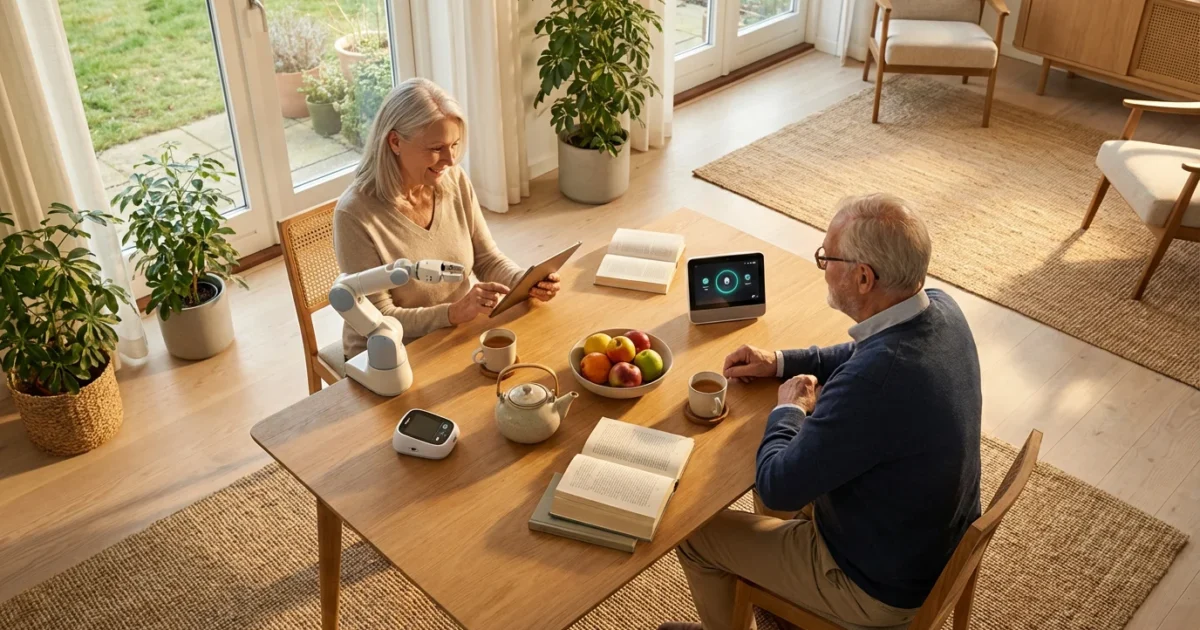
The concept of senior care is transforming before your eyes. Gone are the days when aging meant a singular path toward diminished independence. Today, a new generation of retirees embraces choice, innovation, and a dynamic approach to living well.
You seek a life rich with autonomy, connection, and purpose. Technology stands ready to empower that vision. Artificial intelligence (AI) and robotics, once the stuff of science fiction, are now vital tools helping you design a contemporary retirement on your terms.

Redefining Senior Care in the Modern Age
Modern retirees reject outdated stereotypes. You are active, engaged, and demand solutions that align with your desire for continued independence and a high quality of life. This shift challenges traditional models of senior care, which often prioritized institutional settings over personal autonomy.
Integrating these innovations with staying socially active online further ensures you remain connected to the people and communities that matter most.
Instead, you envision a future where your home remains your sanctuary, supported by intelligent technologies that anticipate your needs and enhance your well-being. This contemporary approach focuses on proactive health, personalized assistance, and maintaining social connections, all facilitated by advancements in AI and robotics.
Artificial Intelligence: Your New Wellness Companion
Artificial intelligence is moving beyond basic voice commands, evolving into sophisticated companions and health allies. These systems analyze patterns, offer personalized recommendations, and provide proactive support, making your daily life smoother and safer. Consider AI a smart co-pilot for your wellness journey.
Because adopting these new systems can involve a learning curve, specialized tech support is available to help you troubleshoot any setup issues.
Numerous AI-powered solutions are emerging, each designed to address specific aspects of senior living. These tools empower you to take greater control of your health and maintain cognitive agility, supporting your overall independence.
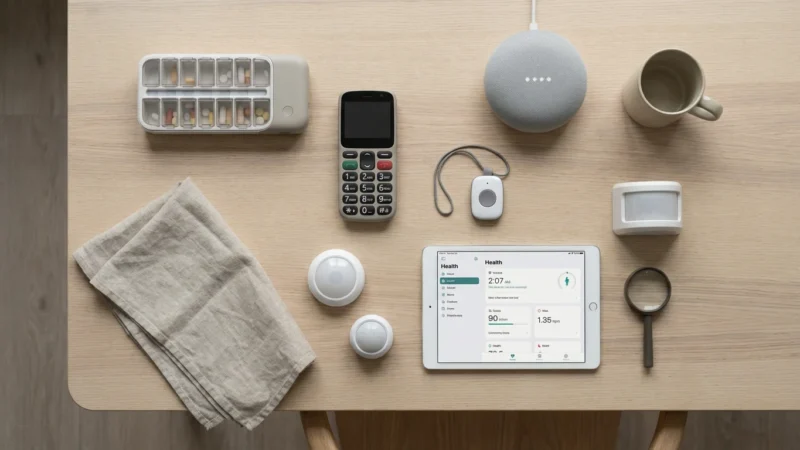
- Voice Assistants: Devices like Amazon Echo or Google Home integrate AI to manage smart home devices, set reminders for medications, make calls, and provide instant information. They can even read audiobooks or play music, enriching your daily environment.
- Personalized Health Monitoring: AI analyzes data from wearables and smart sensors to detect subtle changes in gait, sleep patterns, or vital signs. This technology can flag potential issues early, allowing for timely intervention and preventative care.
- Cognitive Engagement Apps: AI-driven platforms offer personalized brain training games and activities that adapt to your performance. These apps help maintain cognitive function and keep your mind sharp, tailored to your individual learning pace.
- Medication Management: Smart dispensers use AI to ensure you take the correct dosage at the right time. Some systems alert caregivers or family members if a dose is missed, providing an extra layer of safety.
- AI-Powered Companions: Robotic pets or virtual assistants provide companionship, engage in conversation, and reduce feelings of isolation. These tools offer emotional support without demanding constant human interaction.
According to research by the MIT AgeLab, integrating AI tools into daily routines significantly enhances an individual’s sense of security and connection. This data highlights the tangible benefits AI brings to modern senior care, illustrating what AI tech is available now and in the near future.
Robotics: Enhancing Independence and Assistance
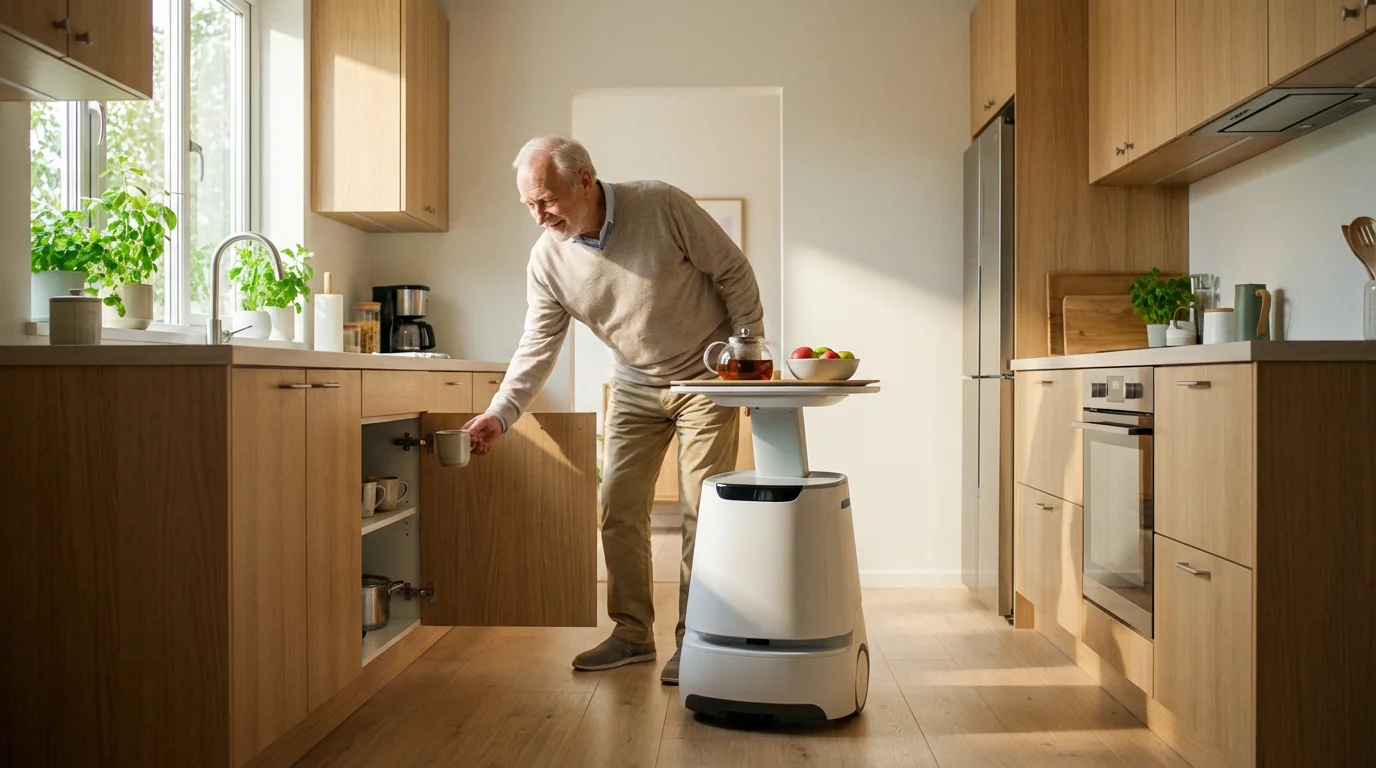
Robotics are no longer confined to manufacturing plants. They are entering our homes to provide tangible assistance and companionship. These machines extend your capabilities, ensuring you can navigate your living space safely and comfortably, and manage tasks that might otherwise become challenging.
The goal of robotics in senior care is not to replace human interaction, but to augment independence. They take on repetitive or physically demanding tasks, allowing you to focus on activities you enjoy and maintain your energy for social engagement and personal pursuits.
Here are ways robotics are enhancing senior independence:
- Mobility Assistance Robots: Devices such as robotic walkers offer support and stability, adapting to your pace and providing assistance on stairs or uneven surfaces. Some advanced models can even self-navigate to retrieve items.
- Cleaning and Maintenance Robots: Robotic vacuums and mops, like those from Roomba or Roborock, automate household chores, keeping your living space tidy without physical effort. Lawn-mowing robots can also maintain outdoor areas.
- Social Robots and Companions: Robots such as PARO, a therapeutic seal robot, or rudimentary humanoid companions provide interactive engagement. They can respond to touch, voice, and facial expressions, offering comfort and reducing loneliness.
- Personal Assistant Robots: These robots can fetch items, assist with opening doors, or carry groceries. They are designed to support activities of daily living, making it easier to age in place safely and comfortably.
- Telepresence Robots: These allow family members or healthcare providers to “visit” remotely, projecting their image and voice onto a mobile robot. This enables dynamic interaction and supervision without requiring physical presence, bridging geographical distances.
The future belongs to those who believe in the beauty of their dreams. — Eleanor Roosevelt

Personalized Health Monitoring and Predictive Analytics
The ability to continuously monitor your health from the comfort of your home marks a significant advancement in senior care. AI-driven platforms collect and analyze data from various sources, creating a comprehensive picture of your well-being. This proactive approach helps predict potential health issues before they become critical.
This robust data collection makes telehealth services even more effective, as clinicians can review your health patterns remotely.
You gain peace of mind knowing that subtle changes in your health are being tracked and understood. This data empowers you and your healthcare providers to make informed decisions, shifting from reactive treatment to preventative strategies, ensuring a healthier, more stable future.
Consider these technologies shaping personalized health monitoring:
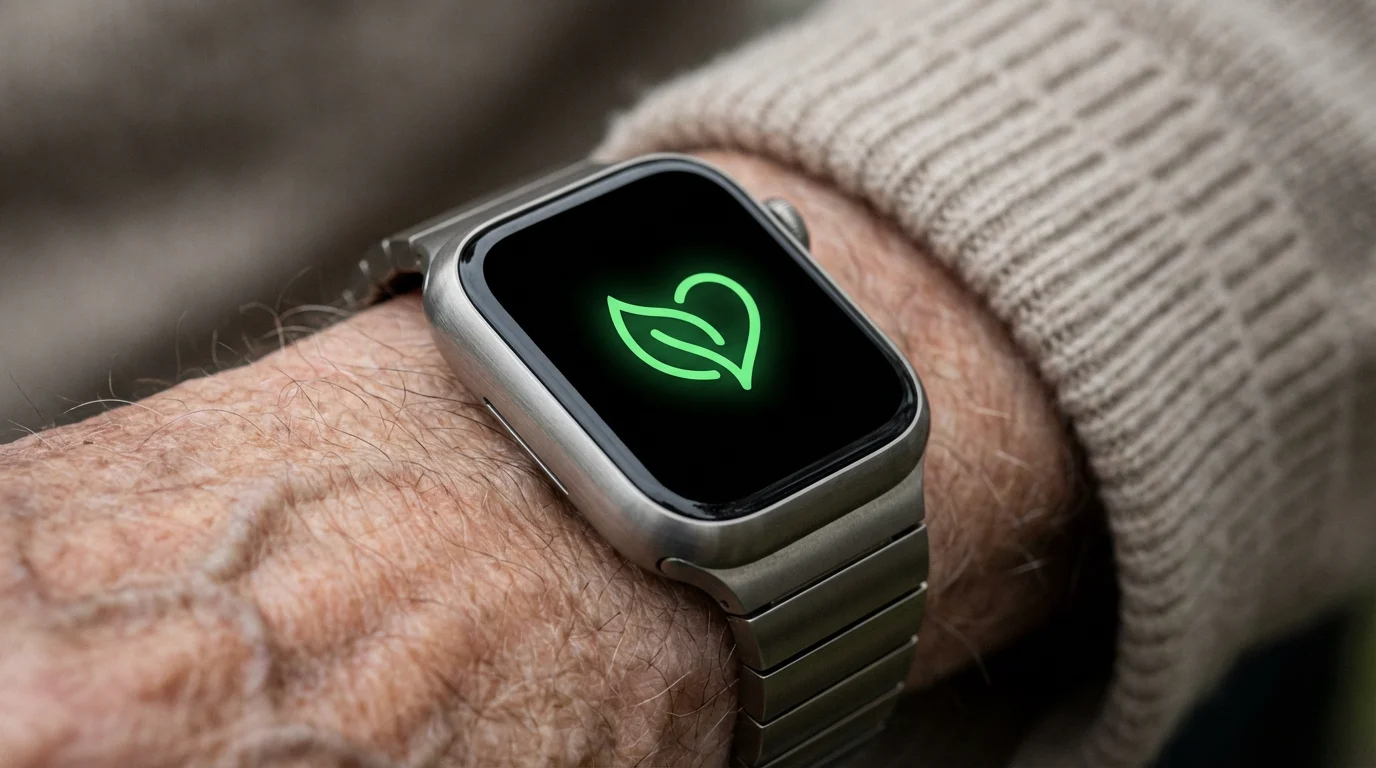
- Wearable Devices: Smartwatches like Apple Watch or Fitbit continuously track heart rate, sleep quality, activity levels, and even detect falls. AI analyzes this data to identify trends and alert you or designated contacts to anomalies.
- Smart Home Sensors: Discreet sensors placed throughout your home monitor movement patterns, door openings, and appliance usage. AI learns your normal routine and can detect deviations that might indicate a fall or a change in health status.
- Predictive Analytics Software: These sophisticated programs take aggregated data from wearables, sensors, and even electronic health records. They use machine learning algorithms to identify risk factors for chronic conditions, cognitive decline, or emergency events.
- Remote Medical Devices: Blood pressure monitors, glucose meters, and smart scales can sync data directly to an app, which AI then analyzes. This provides your doctor with real-time insights into your condition without requiring frequent in-person visits.
- AI-Powered Diagnostics: Emerging AI tools assist in early diagnosis by analyzing medical images or genomic data with incredible precision. While not replacing doctors, these tools offer supplementary insights that enhance diagnostic accuracy and speed.
The integration of these monitoring systems provides an unprecedented level of insight into individual health. This continuous, personalized data fundamentally alters how will AI impact elderly care, moving towards highly customized and predictive models.

Smart Homes and Connected Living for Seniors
Imagine a home that intuitively responds to your needs, enhancing your comfort, safety, and independence. Smart home technology, powered by AI, transforms your living space into a responsive, supportive environment. It adapts to your routines and anticipates your preferences, often without you even having to ask.
These interconnected systems provide convenience and reassurance, giving you greater control over your surroundings. They offer practical solutions that make daily living easier and safer, allowing you to age in place with confidence and maintain your lifestyle.
Practical applications of smart home technology include:
- Automated Lighting: Smart bulbs and switches can turn on or off based on motion detection, time of day, or voice commands. This reduces the risk of falls in dimly lit areas and saves energy.
- Smart Thermostats: Devices like Nest or Ecobee learn your temperature preferences and adjust automatically, maintaining optimal comfort and potentially lowering energy bills. You can also control them remotely.
- Fall Detection and Alert Systems: Wearable devices or pressure sensors embedded in floors can detect falls and automatically alert emergency contacts or services. This provides critical rapid response in an urgent situation.
- Smart Locks and Security Systems: Keyless entry systems allow you to grant access remotely to family or caregivers. Integrated security cameras and doorbells provide peace of mind and enhance home safety.
- Voice-Controlled Appliances: Ovens, microwaves, and coffee makers that respond to voice commands simplify kitchen tasks, particularly beneficial for those with limited mobility or dexterity.
- Smart Garden Systems: Automated irrigation systems and robotic lawnmowers handle yard work, allowing you to enjoy your outdoor space without the physical demands of maintenance.
These innovations exemplify how “what AI tech is available” is directly improving quality of life. They create an environment where technology works subtly in the background, supporting your choices and preserving your independence within senior care.

Addressing the Human Element: Where Technology Augments, Not Replaces
While AI and robotics offer incredible advancements, it is crucial to recognize their role as tools that augment, rather than replace, human connection and care. The warmth of a human touch, the empathy of a listening ear, and the nuanced understanding of a loved one remain irreplaceable.
The true power of these technologies lies in their ability to free up human caregivers. By automating routine tasks, monitoring health, and providing assistance, AI and robots allow family members and professional caregivers to focus on emotional support, social engagement, and complex care needs. This redefines senior care by optimizing the human element.
Think about how AI can enhance human interaction:
- Enabling More Meaningful Interactions: When AI handles medication reminders or health tracking, caregivers can spend more quality time engaging in conversation, sharing activities, or simply being present.
- Reducing Caregiver Burnout: The demanding nature of caregiving can lead to stress and exhaustion. Robotics can assist with physical tasks, lightening the load for human caregivers and preventing burnout.
- Facilitating Remote Connection: Telepresence robots and video calling platforms, though technologically driven, allow for more frequent and spontaneous connections with distant family and friends, fostering vital social ties.
- Personalizing Care Plans: AI provides data-driven insights that help human caregivers and medical professionals tailor care plans more effectively, addressing individual needs with greater precision.
- Enhancing Safety, Reducing Worry: Knowing that AI-powered fall detection or security systems are in place offers peace of mind. This allows both the individual and their family to relax and enjoy their time together, rather than constantly worrying about potential risks.
This approach emphasizes that technology is a bridge, not a barrier, to human connection. It helps maintain the rich, personal relationships that define a fulfilling life. This is how will AI impact elderly care in a profound, positive way.
Overcoming Challenges and Ensuring Ethical Implementation
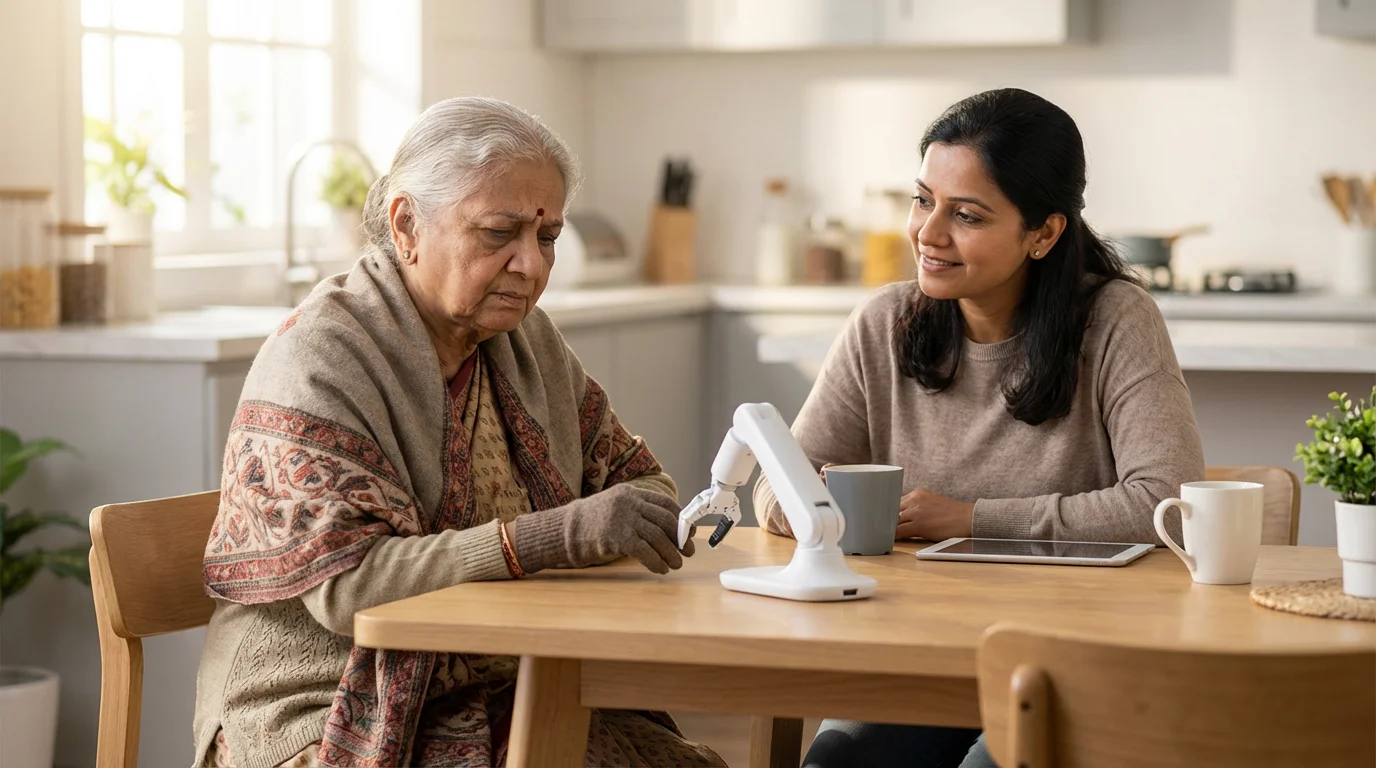
Embracing AI and robotics in senior care brings immense benefits, but it also necessitates careful consideration of potential challenges. Addressing these concerns proactively ensures that technology serves humanity ethically and inclusively. You deserve solutions that prioritize your dignity, privacy, and control.
The successful integration of these technologies depends on transparent development, robust security measures, and a commitment to accessibility for everyone. Navigating these challenges thoughtfully will pave the way for a truly empowering future.
Key considerations include:
- Data Privacy and Security: AI systems collect sensitive health and personal data. Robust encryption, strict data governance, and clear privacy policies are essential to protect your information from breaches and misuse.
- Digital Literacy and Accessibility: Not everyone possesses the same level of tech proficiency. Designing intuitive interfaces, providing comprehensive training, and offering ongoing support are vital to ensure equitable access and adoption.
- Cost and Affordability: Advanced robotics and AI systems can be expensive. Exploring insurance coverage, government subsidies, and innovative financing models will make these technologies accessible to a broader population.
- Bias in AI Algorithms: AI systems learn from data, and if that data is biased, the AI can perpetuate inequalities. Continuous auditing and ethical oversight are necessary to ensure algorithms provide fair and equitable care for all.
- Over-reliance and Dependence: While technology enhances independence, it is important to guard against over-reliance. Maintaining a balance between technological assistance and human engagement is key to holistic well-being.
- Emotional and Psychological Impact: The introduction of companion robots raises questions about potential emotional attachment and the distinction between human and artificial companionship. Ethical guidelines must address these psychological aspects.
Organizations like the Stanford Center on Longevity actively research these ethical dimensions, advocating for human-centered design in all technological advancements for aging populations. Their work helps shape a future where technology genuinely enhances life.

The Road Ahead: Embracing an Empowered Future
The future of senior care is bright, dynamic, and undeniably technological. Artificial intelligence and robotics are not just tools. They are enablers of a lifestyle you choose, extending your independence, enhancing your well-being, and connecting you to the world on your terms.
You stand at the forefront of this revolution, ready to embrace innovations that empower your choices and redefine what it means to age gracefully and purposefully. The conversation has shifted from managing decline to celebrating an empowered, vibrant longevity.
As you consider how these advancements fit into your life, remember that the goal is always to enhance, not diminish, your autonomy and human experience. Explore the possibilities, ask questions, and envision a future where technology supports your ideal modern retirement.
This is your era to define, with AI and robotics as powerful allies in that journey.
Frequently Asked Questions
What is the primary benefit of AI in senior care?
The primary benefit of AI in senior care is personalized, proactive support. AI systems monitor health, manage medication, and provide cognitive engagement, allowing for earlier detection of issues and a greater ability to age in place safely and independently.
How do robotics specifically assist with daily living for older adults?
Robotics assist older adults by performing physical tasks that might become challenging. This includes mobility aids like smart walkers, automated cleaning robots, and personal assistant robots that can fetch items, reducing physical strain and improving safety within the home.
Is AI designed to replace human caregivers?
No, AI is not designed to replace human caregivers. Instead, AI and robotics augment human care by handling routine monitoring, reminders, and physical assistance. This allows human caregivers to focus more on emotional support, social interaction, and complex care needs, enhancing the overall quality of care.
What are the main privacy concerns with AI in senior care?
The main privacy concerns with AI in senior care involve the collection and security of sensitive personal and health data. Ensuring robust data encryption, clear privacy policies, and transparent data usage practices are crucial to protect individual information and maintain trust.
How accessible is this new technology for modern retirees?
Accessibility is a key focus for developers of new senior care technology. Many devices feature intuitive interfaces, voice controls, and large displays. Ongoing efforts by companies and advocacy groups aim to make these tools more affordable and user-friendly for all modern retirees, regardless of their tech comfort level.
Disclaimer: This article is for informational purposes. Technology, apps, and services mentioned may change over time. We encourage readers to research current options and consider their individual needs when making decisions.








Leave a Reply