
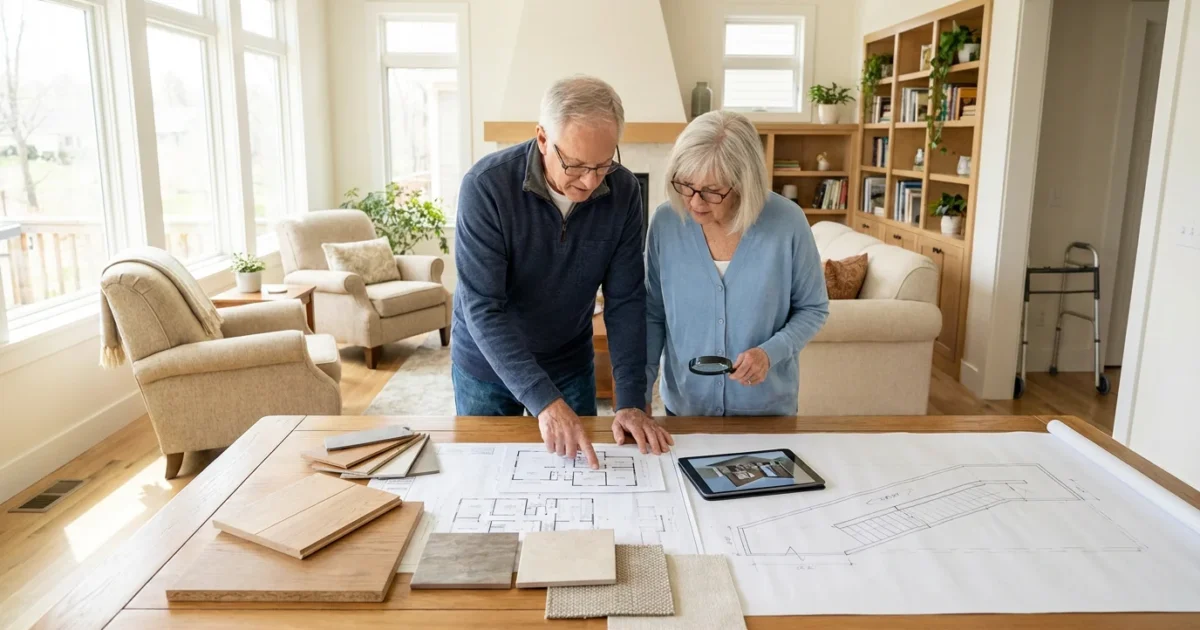
The concept of retirement transformed dramatically in recent years. Today, you define your next chapter, creating a life rich with purpose, connection, and comfort. Your home serves as the foundation for this vibrant future, evolving with your needs and aspirations. Embracing a proactive approach to your living space ensures it supports your contemporary lifestyle, offering both sanctuary and a hub for new experiences. A strategic home renovation allows you to maximize comfort, integrate cutting-edge technology, and ensure long-term accessibility, turning your current residence into your ultimate modern haven.
While the process can seem daunting, learning to overcome retirement fear allows you to approach these changes with excitement and clarity.

Redefining Retirement Living: Beyond Outdated Narratives
Forget the traditional notions of retirement homes or downsizing into a bland, generic space. Modern retirees demand more. You envision a home that reflects your dynamic spirit, supports your passions, and integrates seamlessly with a life of continued growth and engagement. This shift in perspective drives the desire for a purposeful `home renovation`, tailored specifically to your evolving needs and desires. You do not just prepare for the future, you actively design it.
If your current property cannot be effectively adapted, finding your ideal retirement home through relocation might be the better path forward.
This era of personal customization means your living space must align with your vision for optimal well-being. Proactive planning helps you create an environment that enhances your daily life, making every interaction with your home effortless and enjoyable. You choose to thrive in a space that feels uniquely yours, a place where innovation meets comfort.
Envisioning Your Ideal Space: Designing with Intent
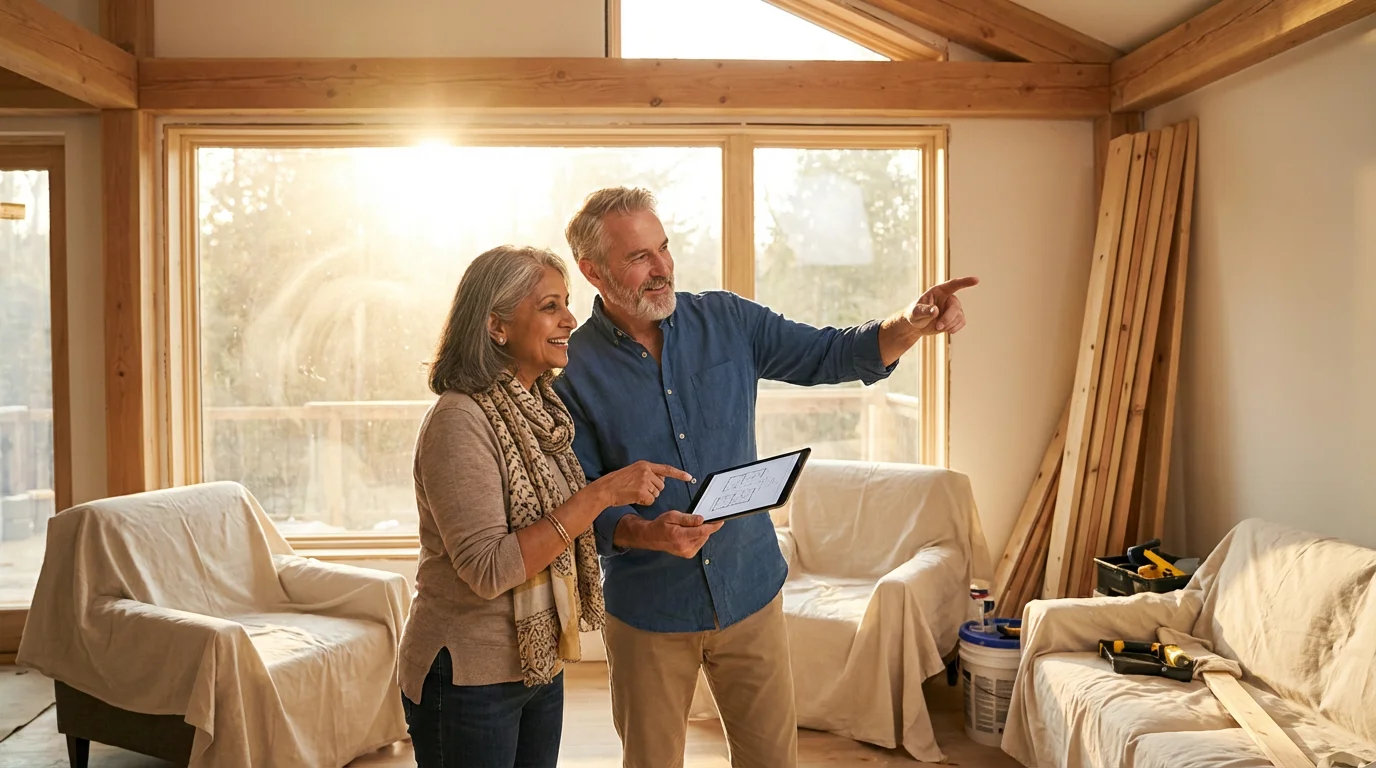
Successful home transformations begin with a clear vision. Before any demolition starts, take time to reflect on your current lifestyle, future aspirations, and how your home can best support these. Consider your daily routines, hobbies, social life, and any specific comfort preferences. This initial self-assessment forms the bedrock of your `how to plan a retirement home renovation` strategy.
Ask yourself critical questions to define your requirements. Do you entertain frequently, necessitating open-plan living and a gourmet kitchen? Do you pursue creative endeavors, requiring a dedicated studio space? Do you host visiting family, making guest suite accessibility a priority? Your answers guide every subsequent design decision.
Consider these initial steps for shaping your vision:
- Reflect on your current home: List what works well and what creates frustration. Identify areas causing discomfort or limiting activities.
- Imagine your ideal day: Visualize moving through your home, performing tasks, and relaxing. Pinpoint how design improvements enhance these experiences.
- Prioritize needs versus wants: Differentiate between essential accessibility features and desirable lifestyle upgrades. Balance these to create a realistic project scope.
- Gather inspiration: Explore design magazines, online platforms like Pinterest or Houzz, and contemporary architectural sites. Collect images and ideas that resonate with your aesthetic.
This deliberate process ensures your `retirement home renovation` aligns perfectly with your individual style and practical requirements.

Smart Home Technology Integration: Elevating Everyday Living
Technology no longer serves as a luxury. It functions as a powerful enabler for comfort, security, and independence in the modern home. Integrating smart home solutions into your renovation plan significantly enhances your quality of life. You gain unprecedented control over your environment, often through intuitive voice commands or smartphone apps.
Smart home devices offer practical benefits, from energy efficiency to enhanced safety. These tools streamline daily tasks, allowing you to focus on activities you enjoy. You reduce mundane chores and simplify complex operations.
Consider these smart integrations for your renovation:
- Automated Lighting: Install smart bulbs or switches that respond to motion, schedules, or voice commands. This eliminates fumbling for switches and brightens paths automatically.
- Smart Thermostats: Devices like ecobee or Nest learn your preferences, adjust temperatures remotely, and optimize energy use. You enjoy consistent comfort without constant manual adjustments.
- Voice Assistants: Amazon Alexa or Google Home act as central hubs, controlling lights, music, thermostats, and even making calls. You manage your home effortlessly with simple voice commands.
- Video Doorbells and Security Cameras: Systems like Ring or Arlo provide visual security, allowing you to see and speak to visitors from anywhere. You maintain peace of mind regarding home safety.
- Automated Blinds/Shades: Control natural light and privacy with a touch or voice command, eliminating the need to reach for cords or difficult mechanisms.
- Smart Appliances: Explore refrigerators that tell you when groceries run low or ovens you preheat on your way home. These integrations simplify meal preparation and kitchen management.
When planning your `home renovation`, discuss these options with your contractor and consider professional installation to ensure seamless integration and optimal performance. The Stanford Center on Longevity regularly explores how technology can support well-being, providing valuable insights into these innovations.
Designing for Future Comfort & Seamless Accessibility
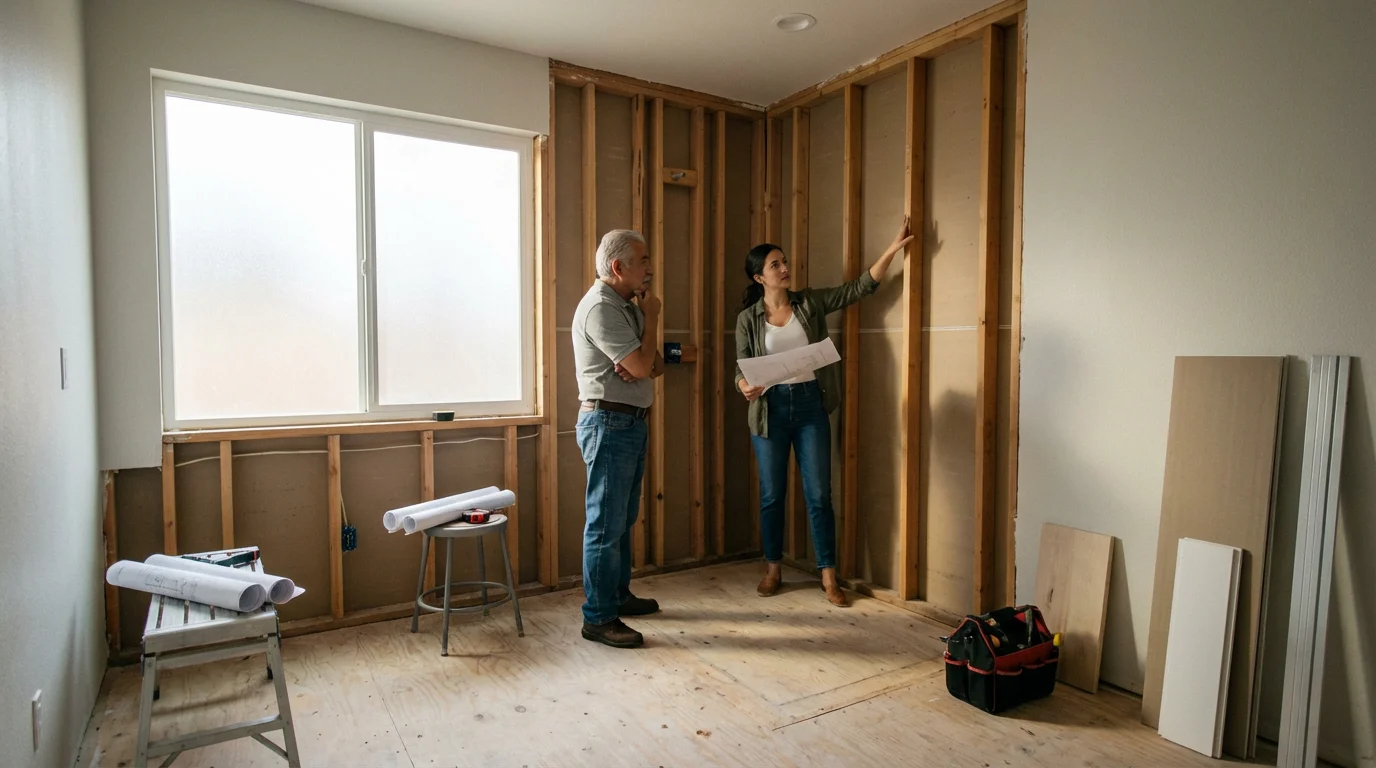
The phrase `aging in place` describes the ability to live in your own home and community safely, independently, and comfortably, regardless of age, income, or ability level. This concept sits at the heart of a thoughtful `retirement home renovation`. You design your space to anticipate future needs, ensuring it remains comfortable and functional for decades to come. This proactive approach avoids costly, disruptive retrofits later.
Beyond structural changes, incorporating accessible technology tools can provide additional support tailored to various physical requirements.
Accessibility features do not detract from aesthetics. Modern design integrates these elements beautifully and discreetly. You create a universal design that benefits everyone, not just those with specific mobility challenges.
Key `accessibility` considerations for your renovation:
- No-Step Entryways: Eliminate stairs at main entrances. Install ramps that blend with landscaping or create level thresholds.
- Wider Doorways and Hallways: Expand doorways to 36 inches and hallways to 42-48 inches. This accommodates walkers, wheelchairs, or simply makes moving furniture easier.
- Open Floor Plans: Reduce barriers between rooms, creating a more spacious and navigable environment. This improves flow and allows for greater flexibility.
- Lever Handles and Rocker Light Switches: Replace knobs with easy-to-grasp lever handles on doors and faucets. Install large rocker switches for lights, which require less dexterity.
- Curbless Showers: Design bathrooms with zero-entry showers. Add grab bars that complement modern fixtures and integrate a built-in bench for comfort.
- Reinforced Walls for Grab Bars: Even if you do not install grab bars immediately, reinforce bathroom walls during construction. This provides for future installation without invasive work.
- Lowered Countertops: Consider varying counter heights in kitchens and bathrooms, with some sections lower for comfortable use from a seated position.
- Improved Lighting: Implement layered lighting, including task, ambient, and accent lighting. Ensure areas are well-lit to prevent falls and improve visibility.
- Slip-Resistant Flooring: Select flooring materials with good traction, such as textured tiles or low-pile carpet. Avoid highly polished surfaces in high-traffic areas.
- Smart Storage Solutions: Incorporate pull-out shelves, lazy Susans, and adjustable shelving in cabinets. These features make items more accessible without strenuous reaching or bending.
MIT AgeLab’s research consistently highlights the importance of proactive home design for longevity and quality of life. Their findings emphasize how small changes make a significant impact on daily living.

The Planning Phase: Partnering with Professionals and Mastering Your Budget
A successful `how to plan a retirement home renovation` requires careful planning and the right team. Engaging experienced professionals from the outset ensures your vision translates into a functional, beautiful reality. You leverage their expertise to navigate complex regulations, source materials, and manage the project efficiently.
Your team might include an architect, an interior designer, and a reputable general contractor. Look for professionals with experience in universal design or `aging in place` renovations. Check references and review portfolios showcasing similar projects.
Developing a realistic budget forms another critical component of the planning phase. Renovation costs vary widely based on scope, materials, and location. Allocate funds for both planned expenses and a contingency buffer.
Key budgeting considerations:
- Detailed Estimates: Obtain comprehensive bids from multiple contractors. Ensure these estimates break down costs for labor, materials, permits, and subcontractor fees.
- Contingency Fund: Allocate 10-20% of your total budget for unexpected issues. Hidden problems, like old wiring or plumbing, often surface during demolition.
- Material Choices: Select materials that balance durability, aesthetics, and cost. High-quality, low-maintenance materials often justify a higher upfront investment with long-term savings.
- Permits and Inspections: Factor in costs for necessary building permits and inspections. Your contractor typically handles this, but the fees contribute to your overall budget.
- Temporary Living Expenses: If your renovation requires you to vacate your home, include costs for temporary housing, meals, and storage.
“The future belongs to those who believe in the beauty of their dreams.” — Eleanor Roosevelt. This quote reminds you to dream big with your home, but plan meticulously to make that dream a reality.
Key Renovation Areas: Practical Applications & Modern Solutions
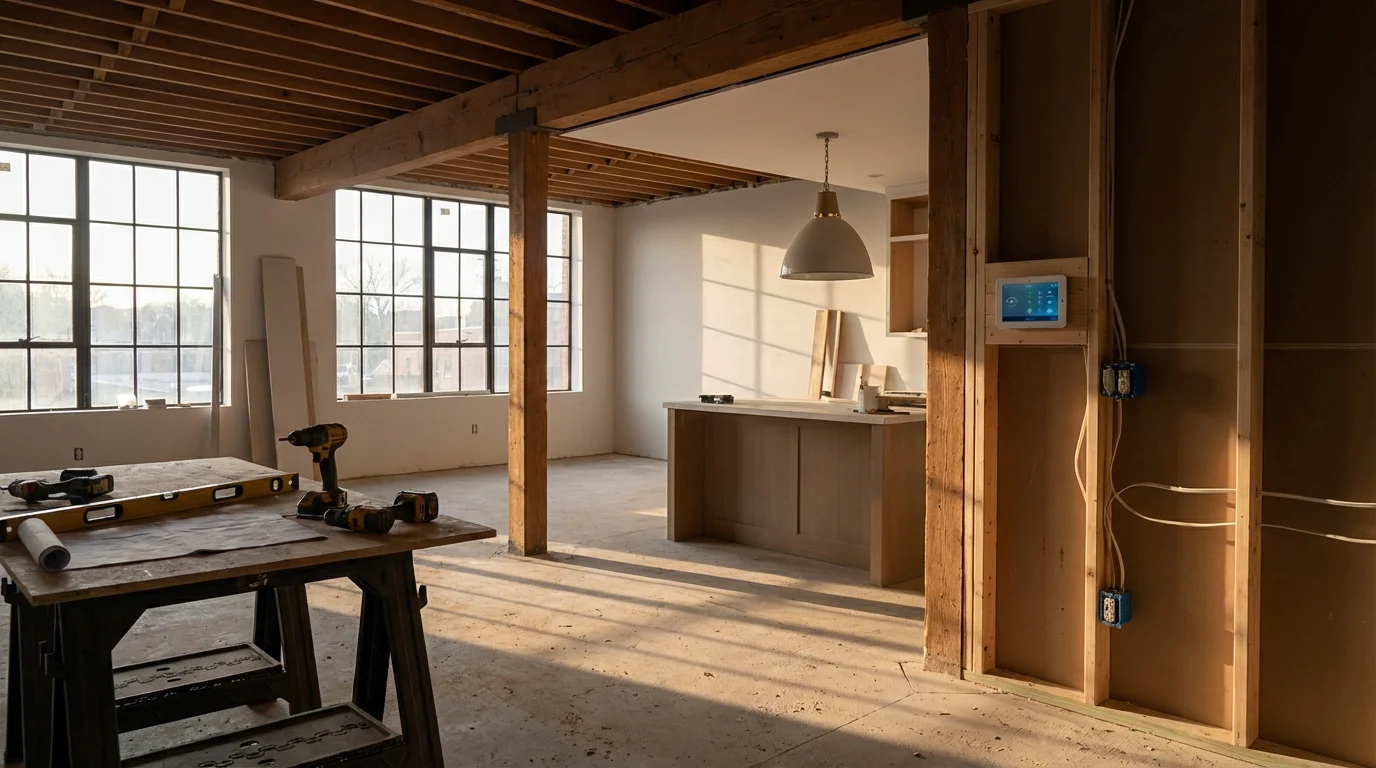
Focus your renovation efforts on areas offering the most significant impact on comfort and `accessibility`. Prioritizing these spaces maximizes your investment and enhances daily living. You transform functional spaces into highly efficient, enjoyable environments.
Kitchen Transformations
The kitchen often serves as the heart of the home. A modern kitchen renovation focuses on ergonomics, ease of use, and smart storage.
- Adjustable Counter Heights: Install sections of countertops that adjust vertically or offer varying fixed heights.
- Pull-Out Shelving and Drawers: Maximize accessibility in lower cabinets with pull-out shelves, deep drawers, and pantry systems.
- Hands-Free Faucets: Sensor-activated faucets reduce germ spread and simplify tasks for hands full with pots or ingredients.
- Wall Ovens: Install ovens at chest height to eliminate bending and heavy lifting.
- Induction Cooktops: These provide precise heating, cool quickly, and are easy to clean, reducing burn risks.
Bathroom Remodels
Bathrooms present critical opportunities for `aging in place` modifications. Focus on safety, ease of use, and a spa-like feel.
- Curbless Showers with Integrated Seating: These are paramount for safety and comfort. Choose textured, slip-resistant tiles for the shower floor.
- Grab Bars: Select stylish grab bars that match your fixtures, integrating seamlessly into the design. Install them near toilets and in showers.
- Comfort-Height Toilets: Taller toilets reduce the effort required to sit and stand.
- Vanities with Open Space Below: These allow for seated access, beneficial for tasks like applying makeup or brushing teeth.
- Anti-Scald Faucets: Thermostatic mixing valves prevent sudden temperature changes, protecting against burns.
Living Areas and Bedrooms
Enhance comfort and navigability in your main living spaces.
- Wider Doorways: As mentioned, ensure all interior doorways accommodate potential mobility aids.
- Task Lighting: Install ample lighting for reading, hobbies, and navigating rooms. Dimmers offer flexibility.
- Smart Home Integration: Extend smart lighting, climate control, and voice assistance to these primary living spaces.
- Clear Pathways: Arrange furniture to create wide, unobstructed paths, preventing falls.
- Flooring Choices: Opt for low-pile carpets or smooth, slip-resistant flooring. Avoid area rugs that can present tripping hazards.
Exterior and Entryways
Do not overlook the exterior for `home renovation` improvements.
- Zero-Step Entry: Ensure at least one primary entrance has no steps, using a gently sloped ramp or a level approach.
- Exterior Lighting: Install motion-sensor lights and ample pathway illumination. This enhances security and prevents falls at night.
- Smart Locks and Video Doorbells: Integrate these for enhanced security and convenience. You can remotely unlock doors for visitors or monitor packages.
- Low-Maintenance Landscaping: Choose native plants, ground cover, and hardscaping that require minimal upkeep. This reduces strenuous yard work.
These `key considerations for renovations` transform your home into a truly supportive and enjoyable environment, celebrating your independence.

Funding Your Renovation: Exploring Smart Financial Strategies
A `retirement home renovation` represents a significant investment in your future comfort and well-being. Exploring various funding options helps you make informed decisions about financing your project. You secure the resources needed without compromising your financial stability.
Consider these common financing avenues:
- Cash Savings: Utilizing personal savings avoids interest payments and simplifies the process. This provides the most straightforward path.
- Home Equity Line of Credit (HELOC): A HELOC offers a revolving credit line secured by your home’s equity. You draw funds as needed and pay interest only on the amount borrowed.
- Home Equity Loan: This provides a lump sum of money, also secured by your home’s equity, with a fixed interest rate and repayment schedule.
- Reverse Mortgage: If you are 62 or older, a reverse mortgage converts part of your home equity into cash without requiring you to sell your home or make monthly mortgage payments. Consult with a financial advisor to understand the implications thoroughly.
- Government Programs and Grants: Some state and local governments, as well as non-profit organizations, offer grants or low-interest loans for `accessibility` modifications. Research options through your local Area Agency on Aging or HUD.
- Retirement Accounts (with caution): While possible, withdrawing from 401(k)s or IRAs for renovations should be a last resort due to potential tax implications and impact on long-term retirement savings. Discuss this with a financial planner.
NerdWallet offers excellent resources for understanding the pros and cons of various home equity products, helping you make a financially sound decision. Always seek independent financial advice to determine the best strategy for your specific circumstances.

Project Management: Navigating Your Renovation Journey
Even with professional help, active involvement in your `home renovation` project ensures it stays on track and aligns with your expectations. You maintain control, ensuring your vision materializes as planned. Effective communication and regular oversight prevent misunderstandings and delays.
Implement these strategies for smooth project management:
- Establish Clear Communication Channels: Designate a primary point of contact with your contractor. Schedule regular meetings to discuss progress, address concerns, and make decisions.
- Review Contracts Thoroughly: Understand all terms, timelines, payment schedules, and change order processes before signing. Ensure detailed specifications for materials and finishes.
- Monitor Progress Regularly: Visit the site frequently to observe work in progress. Document any issues with photos and notes.
- Anticipate and Plan for Delays: Construction projects rarely run perfectly on schedule. Build flexibility into your timeline and have backup plans for material delivery or subcontractor availability.
- Manage Change Orders Carefully: Avoid scope creep. Any deviation from the original plan should go through a formal change order process, detailing costs and timeline impacts.
- Inspect Work Quality: Do not hesitate to request corrections for subpar work. Ensure all finishes and installations meet your quality standards before final payment.
Maintaining an organized folder for all documents, including contracts, invoices, permits, and communication logs, provides a valuable reference throughout the process.

Enjoying Your Reimagined Home: Life in Comfort and Style
The culmination of your `retirement home renovation` is a space perfectly tailored to your modern life. You now possess a home that embraces your vibrant spirit, facilitates independence, and offers unparalleled comfort. This is not merely a house; it is a personalized sanctuary designed for your thriving next chapter.
Savor the benefits of your thoughtful planning:
- Enhanced Daily Ease: Experience effortless movement and simplified tasks, from cooking in your ergonomic kitchen to relaxing in your accessible bathroom.
- Increased Safety and Peace of Mind: Feel secure knowing your home anticipates future needs, reducing fall risks and supporting long-term `aging in place`.
- Smart Living at Your Fingertips: Enjoy the convenience and efficiency of integrated smart technology, making your home responsive to your every command.
- A Reflection of Your Style: Live in a beautifully designed space that showcases your personal aesthetic and celebrates your unique journey.
Your proactive investment in your living environment pays dividends in daily enjoyment and lasting independence. Celebrate your innovative approach to retirement living, knowing you built a home that empowers you to live life fully, on your own terms.
Frequently Asked Questions
What are the most impactful renovations for future accessibility?
The most impactful renovations focus on creating no-step entries, widening doorways, installing curbless showers, reinforcing bathroom walls for grab bars, and ensuring good lighting. These changes significantly reduce common household hazards and enhance long-term independence.
How much should I budget for a comprehensive retirement home renovation?
Renovation costs vary widely based on location, materials, and the extent of work. A comprehensive renovation, including kitchen, bathrooms, and structural changes for accessibility, can range from $75,000 to $200,000 or more. Allocate an additional 10-20% contingency for unexpected issues.
Can smart home technology truly enhance safety and independence?
Absolutely. Smart home technology provides significant enhancements. Automated lighting prevents falls, smart security systems offer peace of mind, and voice-controlled assistants help manage various aspects of your home without physical effort. These tools empower greater independence by simplifying daily tasks and improving responsiveness.
Are there financial aid programs for accessibility renovations?
Yes, several programs exist. Look into state and local government initiatives, grants from non-profit organizations focusing on `aging in place`, and potentially low-interest loans. Eligibility varies, so consult with your local Area Agency on Aging or a financial advisor to explore options.
How do I choose the right contractor for an accessibility-focused renovation?
Seek contractors with specific experience in universal design or `aging in place` projects. Verify their licenses, check references thoroughly, and review their portfolio for similar renovations. Ensure they understand the nuances of accessible design and can integrate smart home technology effectively.
Disclaimer: This article is for informational purposes. Technology, apps, and services mentioned may change over time. We encourage readers to research current options and consider their individual needs when making decisions.









Leave a Reply