
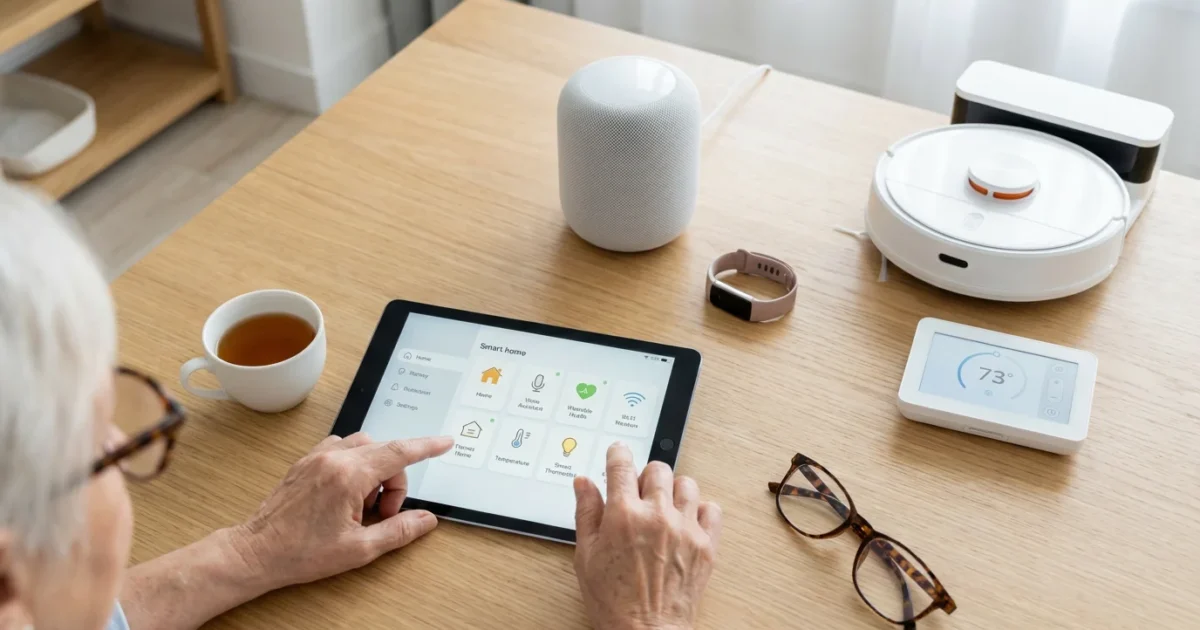
Retirement today looks dramatically different from previous generations. You aren’t slowing down; you are redefining your lifestyle, embracing new possibilities, and leveraging innovation to live life on your terms. Smart home technology stands as a powerful ally in this journey, offering more than just gadgets. It delivers true convenience, enhanced security, and a heightened quality of life, transforming your home into a personalized hub of efficiency and comfort.
This article explores how integrating smart home devices can significantly ease daily routines, bolster your sense of security, and empower you to live more independently. We discuss practical applications and specific devices that benefit modern retirees, proving that embracing technology is not about complexity, but about simplifying and enriching your chosen lifestyle.

The Dawn of the Modern Connected Home
The concept of a “smart home” has moved beyond science fiction. Today, it represents a tangible reality where devices communicate, automate tasks, and adapt to your preferences. For modern retirees, this means orchestrating your living space to enhance comfort, security, and efficiency effortlessly. This shift empowers you to maintain independence and truly enjoy your retirement without the daily hassles that used to consume time and energy.
If you are currently planning a retirement home renovation, integrating smart infrastructure can ensure long-term comfort and value.
You already use technology in many aspects of your life, from smartphones to streaming services. Extending this comfort to your home environment offers a logical next step. Imagine lights that turn on when you enter a room, thermostats that learn your preferred temperature, or doors that lock automatically when you leave. This level of home automation integrates seamlessly into your daily rhythm, providing a foundation for a more relaxed and engaging retirement.
“The greatest invention in the world is the mind of man.” — George Bernard Shaw. Embracing new technologies is an ongoing act of that human ingenuity, opening doors to easier living.
Enhancing Comfort and Convenience Daily
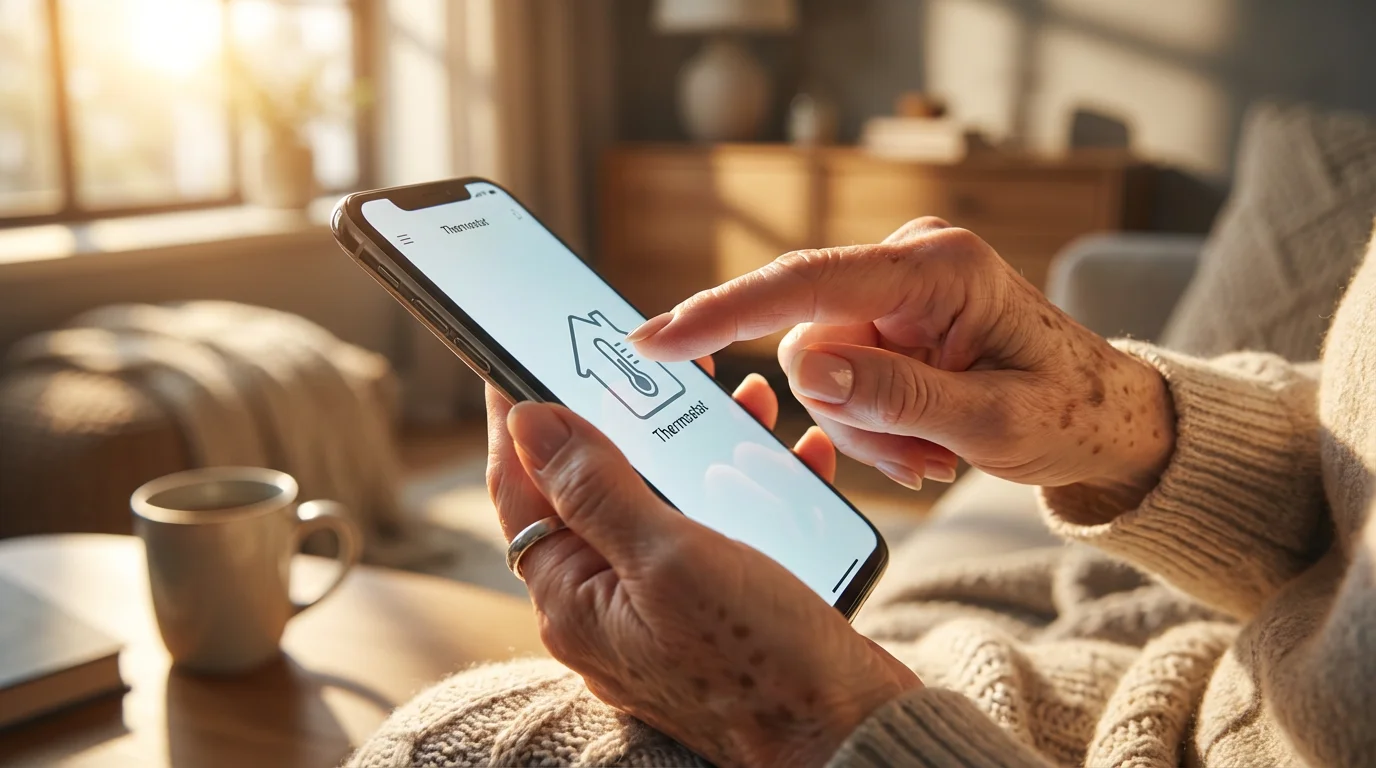
One of the most immediate benefits of integrating smart home technology is the dramatic increase in daily comfort and convenience. Simple actions become effortless, freeing up your time and energy for pursuits you genuinely enjoy. Control your environment with a tap on your phone or a simple voice command.
Consider these examples of how smart devices elevate your living experience:
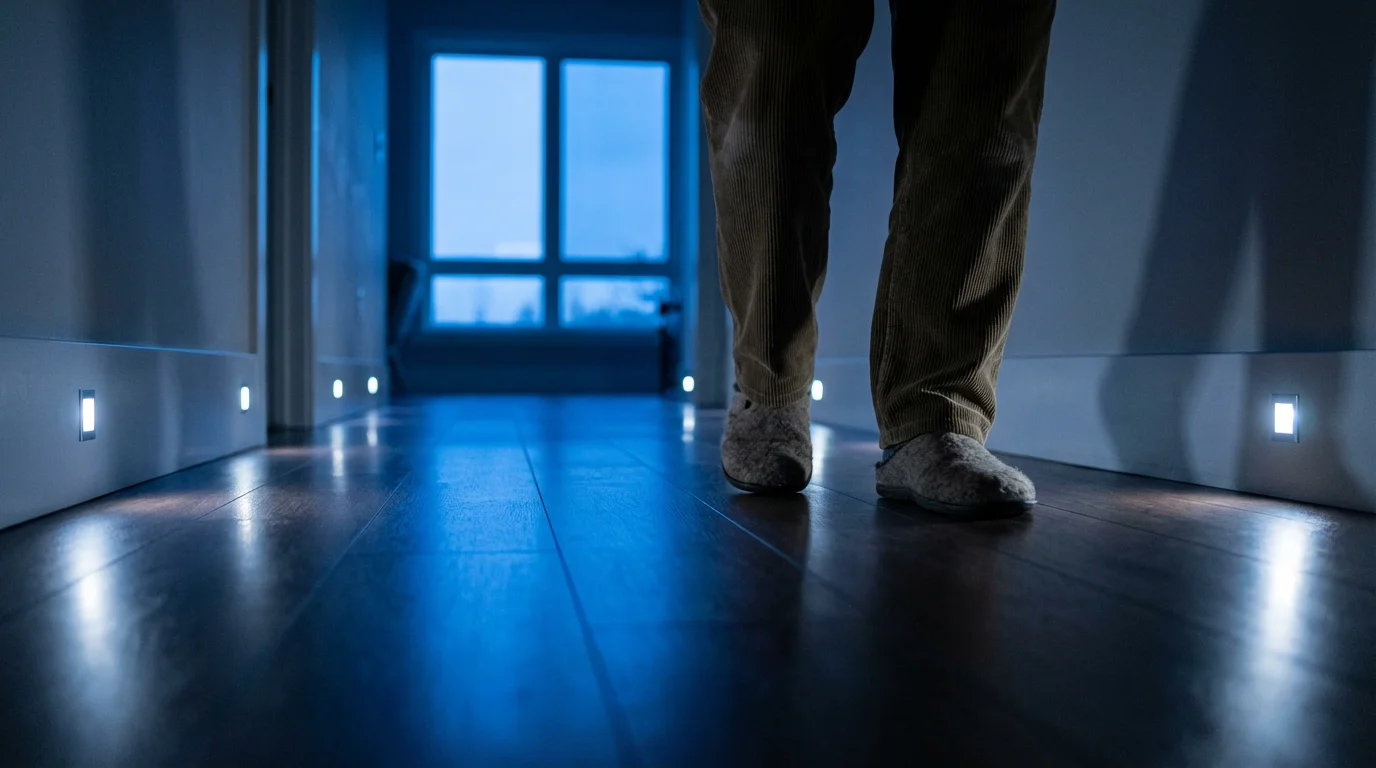
- Smart Lighting Systems: Adjust brightness, color, and even schedule lights to turn on or off automatically. Systems like Philips Hue allow you to create ambient scenes, ensuring perfect lighting for reading, relaxing, or entertaining. You can avoid navigating dark rooms, reducing fall risks.
- Smart Thermostats: Devices such as the Ecobee or Nest Thermostat learn your habits, optimizing temperature settings for comfort and energy efficiency. Control them remotely from your smartphone, ensuring your home is perfectly warm or cool before you even arrive. This level of control reduces energy bills and increases comfort.
- Voice Assistants: Amazon Alexa and Google Assistant integrate with countless smart devices. Use voice commands to play music, get news updates, set reminders, or control connected devices. This hands-free operation is particularly valuable when your hands are full or mobility is a concern.
- Smart Plugs: Transform any “dumb” appliance into a smart one. Plug in a lamp, a coffee maker, or a fan, then control it via an app or voice. This provides an inexpensive entry point into home automation.
These innovations automate routine tasks, allowing you to focus on experiences rather than chores. You gain more control over your environment with less physical effort, directly contributing to a more relaxed and enjoyable retirement lifestyle.
Boosting Home Security and Peace of Mind
Feeling safe and secure in your home remains a top priority. Smart home technology provides advanced security solutions that offer significant peace of mind, both when you are home and when you are away. These systems provide constant monitoring and immediate alerts, giving you unprecedented control over your home’s safety. According to a Pew Research Center study, home security features consistently rank high among reasons people adopt smart home technology.
While securing your physical entry points is vital, don’t forget to avoid online scams by protecting the digital side of your connected home.
For those looking to stay in their current residence long-term, there are many specialized gadgets that make aging in place significantly safer.
Consider these essential smart security devices:
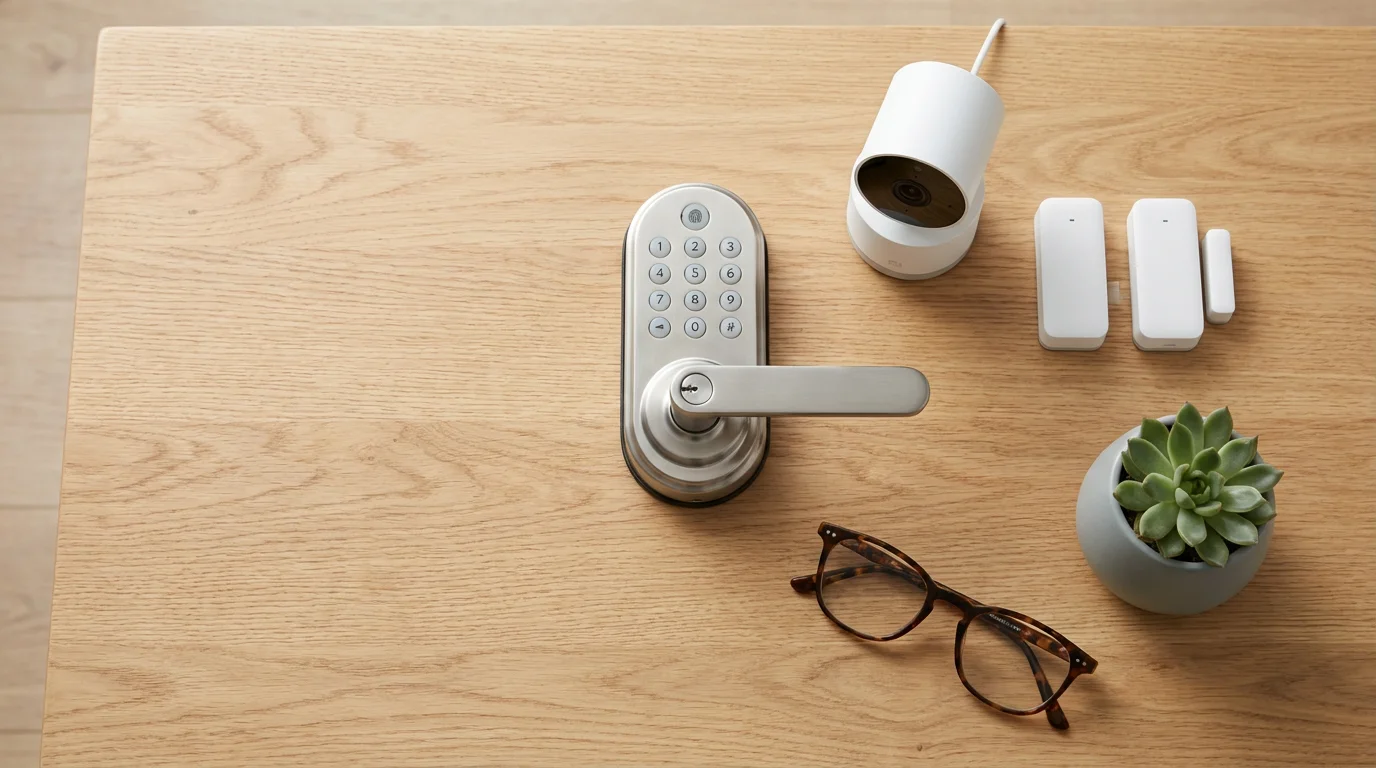
- Smart Locks: Replace traditional keys with keyless entry systems. You can grant temporary access to visitors or service providers remotely, check if your doors are locked from anywhere, and receive notifications if someone attempts to enter. Brands like Yale Assure Lock and August Smart Lock offer robust options.
- Video Doorbells: Devices like the Ring Video Doorbell or Google Nest Doorbell allow you to see and speak to visitors from your smartphone, even when you are not home. This provides an excellent deterrent against package theft and unwanted solicitations. You can screen visitors before opening your door.
- Security Cameras: Indoor and outdoor smart cameras provide continuous surveillance, motion detection, and instant alerts to your phone. Systems from Arlo or Eufy offer high-definition video, night vision, and cloud storage options, enhancing your ability to monitor your property.
- Smart Smoke and Carbon Monoxide Detectors: These devices go beyond traditional alarms by sending alerts directly to your phone if smoke or CO is detected, even if you are not home. They can also integrate with other smart devices, like turning on lights for emergency exits.
These smart security solutions give you control and awareness over your home, fostering a greater sense of security. You can travel with confidence, knowing your home is monitored and protected, or simply enjoy daily life with fewer worries.
Streamlining Home Maintenance and Management
Managing a home involves numerous routine tasks. Smart home technology significantly reduces the effort and time required for upkeep, allowing you to enjoy your home without feeling burdened by its maintenance. Automating these tasks helps you reclaim valuable time and energy. It also proactively prevents potential problems, saving you from costly repairs.
Here are practical ways smart tech simplifies home management:
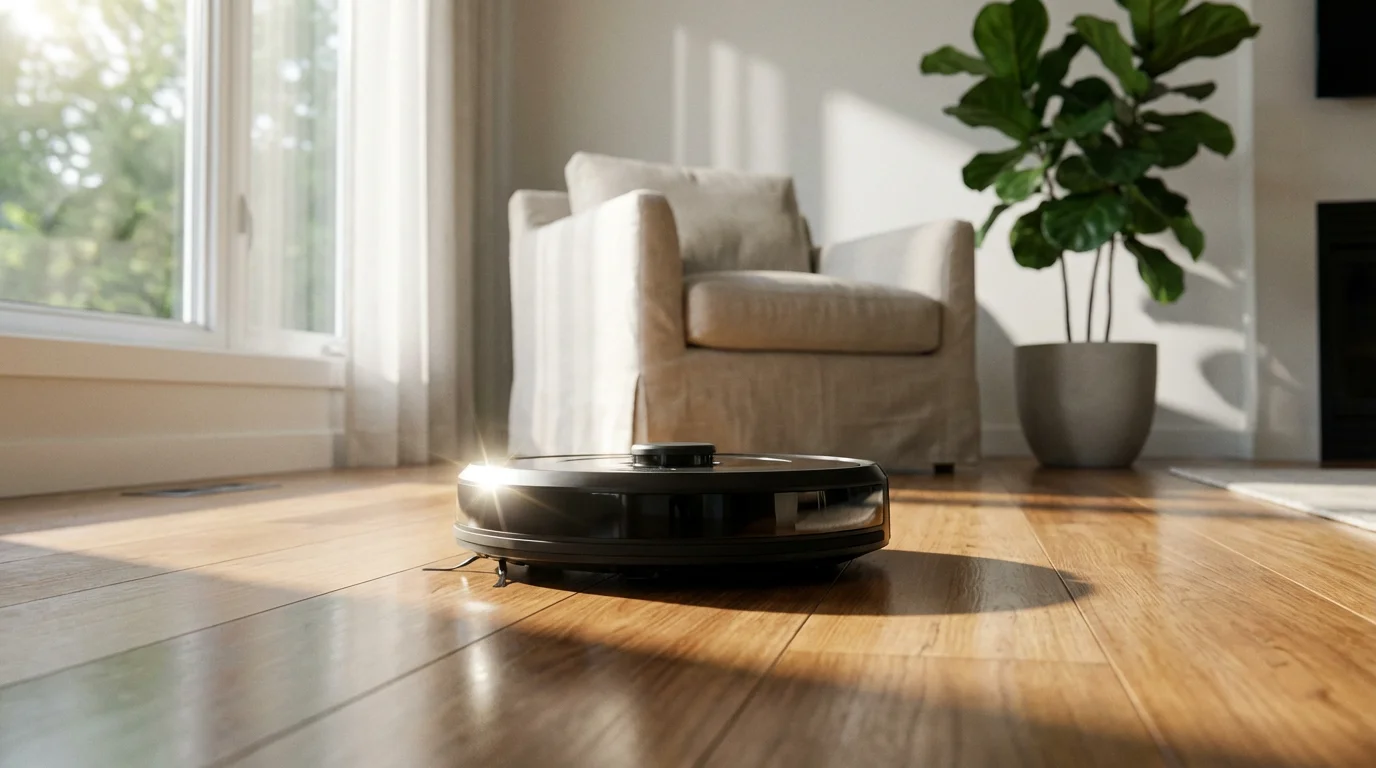
- Robotic Vacuums and Mops: Devices like iRobot Roomba or Roborock autonomously clean your floors, navigating around furniture and returning to their charging dock when finished. Schedule them to run daily, and enjoy consistently clean floors without lifting a finger.
- Smart Irrigation Systems: Systems such as Rachio or Orbit B-hyve optimize your lawn watering schedules based on local weather forecasts, soil type, and plant needs. This saves water, reduces your utility bills, and ensures your landscaping thrives with minimal oversight.
- Smart Leak Detectors: Place small, unobtrusive sensors near water heaters, sinks, or washing machines. If they detect water, they send an immediate alert to your phone, potentially preventing extensive water damage and costly repairs. Phyn or Flo by Moen are popular choices.
- Smart Garage Door Openers: Control and monitor your garage door from anywhere. Receive alerts if the door is left open, and close it remotely using an app. This adds a layer of convenience and security, eliminating concerns about forgetting to close the garage.
By automating these tasks, you simplify your life and reduce physical strain. This proactive approach to home maintenance saves you effort and money in the long run, ensuring your home remains a source of comfort, not stress.

Prioritizing Health and Wellness with Tech
Modern retirement often emphasizes sustained health and wellness. Smart home technology and connected devices offer innovative ways to monitor your well-being, manage health routines, and provide assistance when needed. These tools empower you to take an active role in maintaining your health with greater ease and precision.
As you integrate more connected sensors into your life, remember that protecting your privacy is a vital part of staying safe online.
Consider how these smart devices support a healthy lifestyle:
- Smart Scales and Fitness Trackers: Devices like smart scales track weight, body fat, and other metrics, syncing data to your health apps. Wearable fitness trackers, such as the Apple Watch or Fitbit, monitor activity levels, heart rate, and sleep patterns, encouraging a proactive approach to physical health.
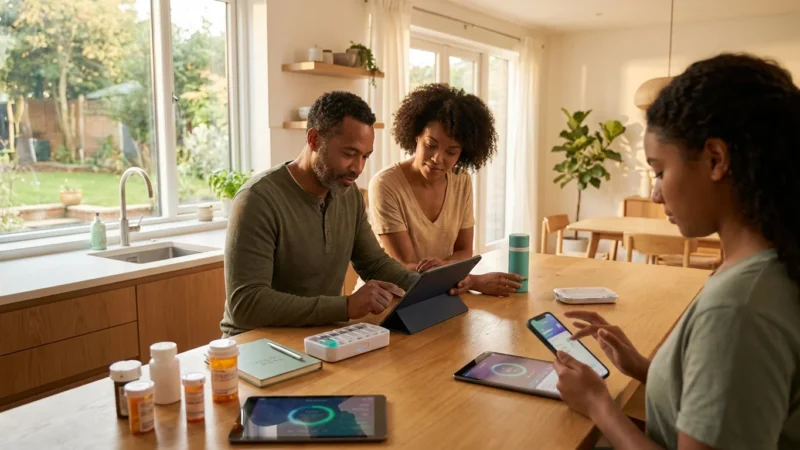
- Smart Medication Dispensers: Automated pill dispensers with reminders and alerts help ensure you take medications accurately and on time. Some even notify family members or caregivers if a dose is missed. This reduces the stress of managing complex medication schedules.
- Fall Detection Systems: Advancements in wearable technology and discreet home sensors offer automatic fall detection. These systems can alert emergency contacts or services immediately after a fall, providing crucial rapid assistance. Companies like Philips Lifeline offer comprehensive solutions.
- Air Quality Monitors: Smart air purifiers and monitors track indoor air quality, adjusting filtration as needed. This helps create a healthier environment, especially beneficial for those with allergies or respiratory sensitivities.
These devices allow you to manage your health with more independence and confidence. They provide valuable data and support, helping you stay active, compliant with health routines, and connected to care when necessary. You actively invest in your long-term well-being through smart health tech.
Building Your Smart Home Ecosystem: Where to Begin
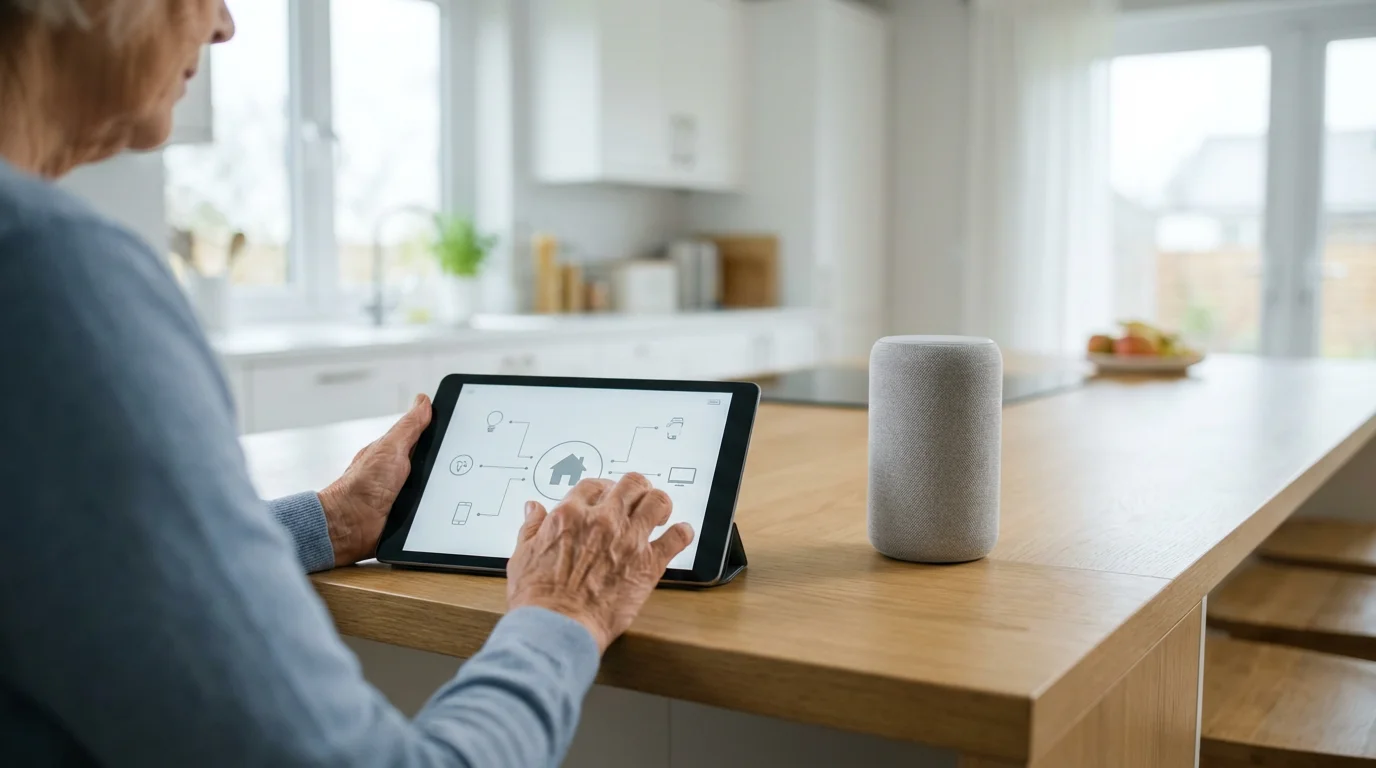
The idea of transforming your home into a smart haven can feel overwhelming at first. However, approaching it systematically makes the process manageable and enjoyable. You build an integrated system that truly serves your needs, focusing on practical benefits rather than complex setups. Starting small and expanding gradually is often the most effective strategy.
For a deeper dive into specific hardware choices, explore our guide on smart home devices for seniors designed for maximum safety.
Follow these steps to effectively automate your home:
- Assess Your Needs: Identify your biggest pain points or areas where you desire the most convenience. Do you want better security? Easier temperature control? Help with daily chores? Prioritizing your needs guides your initial purchases.
- Choose a Central Hub/Platform: Many smart homes revolve around a central ecosystem. Popular options include Amazon Alexa, Google Home, Apple HomeKit, and Samsung SmartThings. Research their compatibility with devices you might want and choose one that aligns with your preferred brand and user interface.
- Start Simple: Begin with one or two devices that address your highest priority. A smart speaker, a few smart lights, or a video doorbell offer excellent starting points. You become familiar with the technology and build confidence before expanding.
- Ensure Compatibility: As you add more devices, verify they work with your chosen ecosystem. Look for “Works with Alexa,” “Works with Google Home,” or HomeKit compatibility labels. This prevents frustration and ensures seamless integration.
- Consider Professional Installation (Optional): For more complex setups or if you prefer expert assistance, consider hiring a professional smart home installer. They can design and install a system tailored to your specific needs, handling all the technical details.
- Prioritize Privacy and Security: Understand the privacy settings of your devices and enable two-factor authentication for all accounts. Use strong, unique passwords. Regularly update device firmware to ensure the latest security patches are applied.
By following these steps, you create a smart home environment that truly enhances your retirement. You gain control over your living space, making it work harder and smarter for you.
Smart Devices Tailored for Modern Retirees
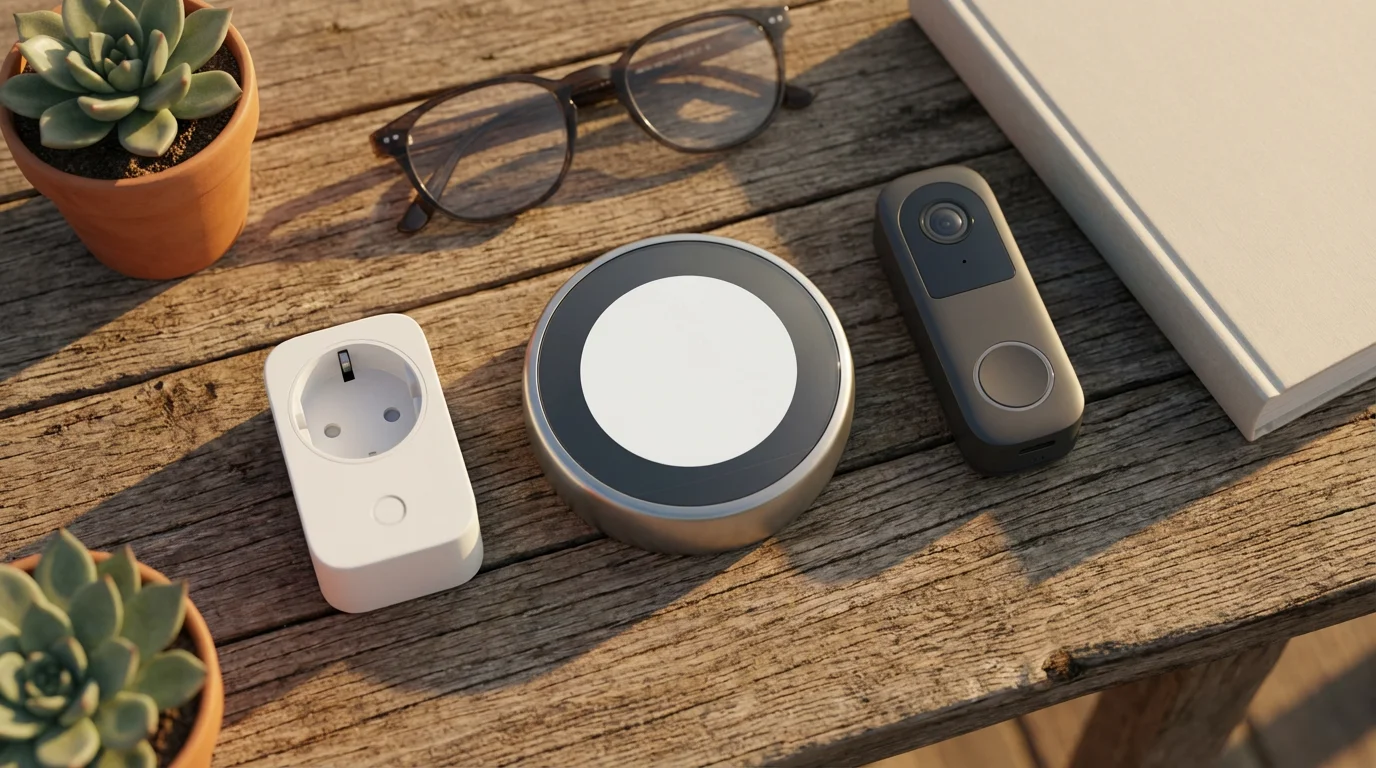
While many smart devices offer universal benefits, certain technologies provide particular advantages for the modern retiree seeking independence and convenience. These devices address specific aspects of daily living, enhancing both comfort and autonomy. They simplify tasks that might become more challenging over time, allowing you to focus on experiences.
Consider these smart devices that specifically benefit retirees:
- Smart Displays with Video Calling: Devices like the Google Nest Hub or Amazon Echo Show offer a screen for video calls, recipes, and visual information. They make staying connected with family effortless and provide a user-friendly interface for accessing information.
- Automatic Pet Feeders: If you have pets, smart feeders ensure your furry friends receive their meals on schedule, even if you are out for the day or traveling. You manage portions and timing directly from an app.
- Smart Blinds and Shades: Motorized blinds open and close automatically or via voice command, eliminating the need to manually adjust them. This is especially useful for hard-to-reach windows or for setting daily routines that control natural light.
- Smart Sprinkler Systems: Mentioned previously, these systems are especially beneficial for retirees who enjoy gardening but prefer to avoid manual watering, ensuring lush landscapes with minimal effort. Consumer Reports offers excellent reviews on these devices.
- Key Finders: Small Bluetooth trackers, such as Tile, attach to keys, wallets, or other easily misplaced items. Locate them using an app, saving time and frustration.
- Smart Doorbell Cameras with Package Detection: Beyond security, these devices notify you when packages arrive and often include features that differentiate between people, animals, and packages. This reduces the need to constantly check your porch.
These tailored smart devices streamline specific aspects of daily life, fostering greater independence and reducing effort. You design a home that adapts to your evolving needs and desires, making your retirement more enjoyable and less about managing mundane tasks.
Overcoming Potential Challenges and Embracing the Future
Adopting new technology sometimes comes with perceived hurdles. However, you can easily navigate these challenges with the right approach and resources. The benefits of smart home tech far outweigh any initial learning curve, opening doors to a future of enhanced living.
Address common concerns with confidence:
- Learning Curve: Start with simple devices and gradually expand. Many smart devices offer intuitive interfaces and voice control, making them easier to master. Online tutorials, manufacturer support, and community forums provide ample resources.
- Privacy and Security: Take proactive steps to secure your smart home. Use strong, unique passwords, enable two-factor authentication, and regularly update device firmware. Research brands committed to user privacy. You control your data and how it is used.
- Cost: Smart home technology ranges from inexpensive smart plugs to more significant investments like whole-home security systems. Begin with affordable options that address your most pressing needs, then expand as your budget allows. Consider the long-term value in convenience, safety, and energy savings.
- Reliability: Choose reputable brands known for quality and customer support. Ensure your home Wi-Fi network is robust enough to support multiple devices. A stable internet connection is key to a reliable smart home.
The landscape of smart home technology constantly evolves, promising even more sophisticated and integrated solutions. We see advancements in AI-powered personalization, even more seamless device interoperability, and increased focus on ambient assisted living. Embracing this evolution ensures your home remains a cutting-edge hub that supports your modern retirement lifestyle for years to come. You are not just adopting technology; you are investing in a future of effortless living.
Frequently Asked Questions
Is smart home technology difficult for retirees to learn?
No, many smart home devices are designed with user-friendliness in mind, featuring intuitive apps and voice controls. You can start with simple devices, like smart speakers or lights, and gradually expand your system as you gain confidence. Resources like online tutorials and dedicated customer support make learning easy.
What are the most beneficial smart home devices for enhancing safety?
For enhancing safety, focus on smart locks, video doorbells, and security cameras. These devices provide remote monitoring, instant alerts, and the ability to control access to your home from anywhere. Smart smoke and carbon monoxide detectors also significantly boost safety by providing early warnings.
Can smart home devices save me money?
Yes, many smart home devices contribute to cost savings. Smart thermostats optimize energy consumption, reducing heating and cooling bills. Smart lighting systems consume less power and can be programmed for efficiency. Smart irrigation systems conserve water. Leak detectors prevent costly water damage. These devices offer both convenience and financial benefits.
Do I need a fast internet connection for a smart home?
A reliable and reasonably fast internet connection is crucial for optimal smart home performance. Most devices rely on Wi-Fi to communicate and connect to the internet. While basic functions might work on slower connections, a stable and fast connection ensures all your devices respond promptly and reliably.
How do I protect my privacy with smart home devices?
Protecting your privacy involves several key steps. Always create strong, unique passwords for your smart home accounts and enable two-factor authentication. Regularly update your device firmware. Review and adjust the privacy settings on each device and app. Research brands with strong commitments to data privacy. You control what information you share.
Disclaimer: This article is for informational purposes. Technology, apps, and services mentioned may change over time. We encourage readers to research current options and consider their individual needs when making decisions.






Leave a Reply