
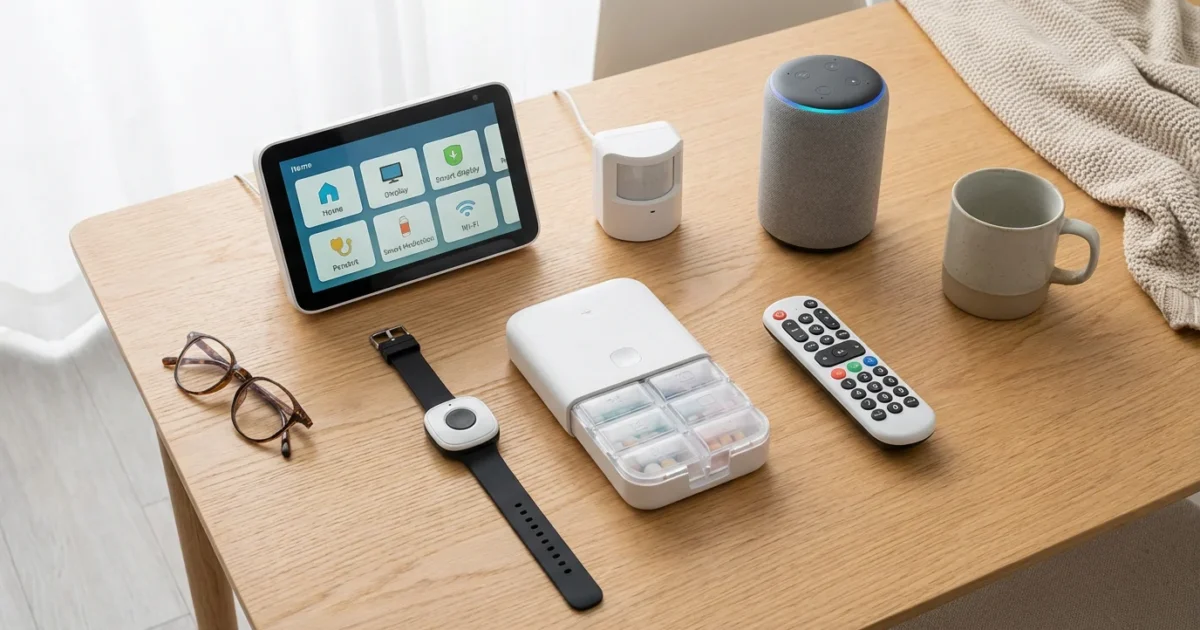
Retirement is no longer a static endpoint. It is an exhilarating new chapter, an opportunity to reinvent, explore, and thrive on your own terms. Modern retirees, like you, embrace innovation, challenge outdated stereotypes, and leverage technology to design a life of enhanced independence and profound fulfillment. This forward-thinking approach extends right into your home, transforming it into an intelligent, responsive environment that supports your lifestyle.
Imagine a home that anticipates your needs, enhances your safety, and streamlines daily tasks. This is the promise of smart home technology. It is not about complex gadgets, but about intuitive solutions that empower you to live more comfortably and securely. You gain greater control over your surroundings, fostering a sense of autonomy that truly redefines what aging in place means in the 21st century.
Embrace the Modern Home: Redefining Independence
The concept of “retirement living” has undergone a profound transformation. Today, you are active, engaged, and eager to maintain a lifestyle rich with experiences and autonomy. Smart home technology aligns perfectly with this contemporary ethos. It empowers you to maintain control over your living environment, adapting it to your preferences and needs as they evolve.
If you are currently downsizing your home for retirement, it is the perfect time to integrate these smart features into your new, streamlined space.
If you are considering updates to your living space, planning a retirement home renovation can help you integrate these smart features into a more accessible environment.
This technology allows your home to work for you. It simplifies daily routines, provides proactive safety measures, and offers convenient ways to stay connected. By adopting smart home devices, you actively choose a future where your home supports your desire for independence, comfort, and peace of mind.
Understanding Smart Home Technology: Your Digital Concierge
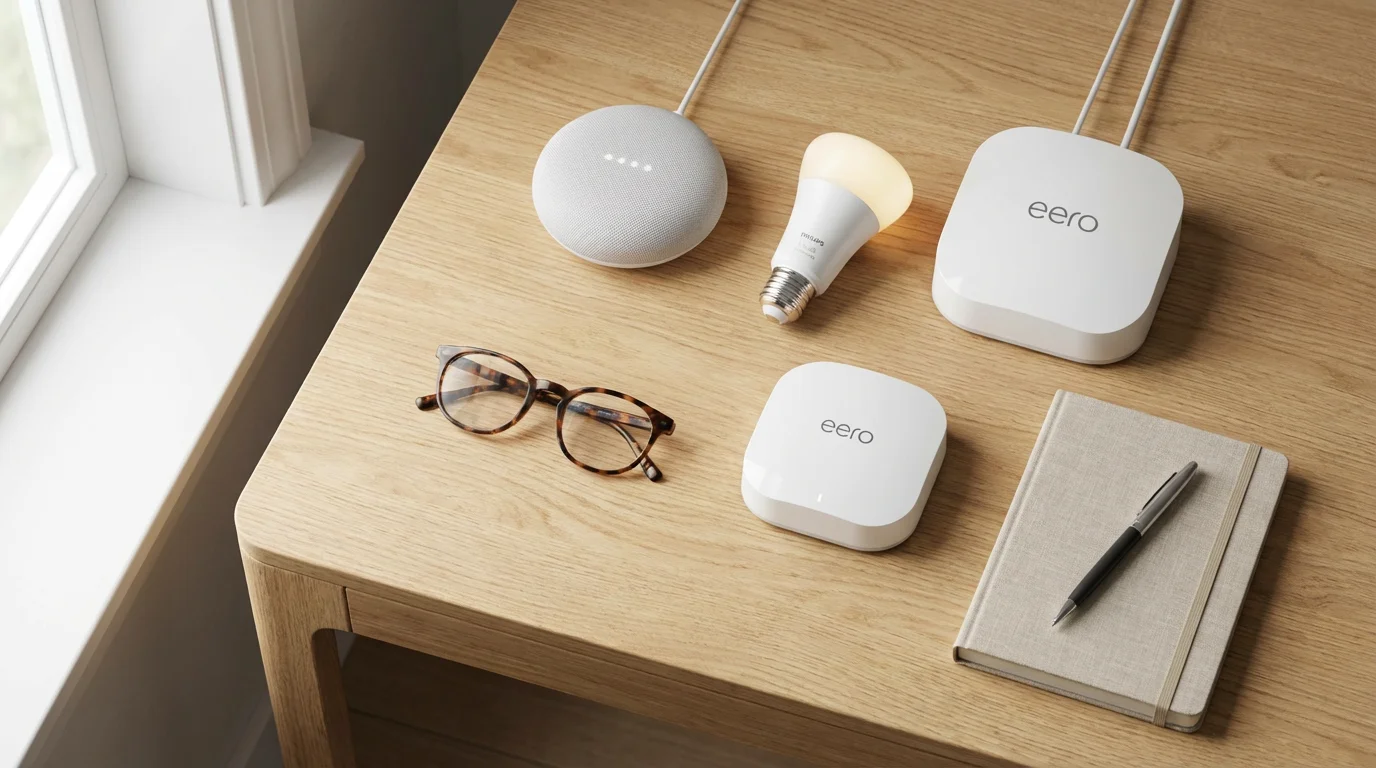
A smart home integrates various devices that connect to a central network, often controlled through a smartphone app, tablet, or a central hub like a smart speaker. These devices communicate with each other, allowing for `home automation`, remote control, and personalized settings. The goal is to make your living space more efficient, comfortable, and responsive.
Think of a `smart home` as your personal digital concierge. You can issue commands, receive notifications, and even automate tasks based on schedules or triggers. Voice commands, often facilitated by devices featuring `voice control`, eliminate the need to physically interact with switches or buttons. This capability significantly enhances accessibility and convenience throughout your home.
Here are core concepts defining a smart home:
- Interconnectivity: Devices communicate seamlessly, often through Wi-Fi, Bluetooth, or Z-Wave, forming an integrated ecosystem.
- Automation: You can set up routines, such as lights turning on at sunset or the thermostat adjusting before you arrive home.
- Remote Access: Control your home’s features from anywhere in the world using your smartphone.
- Voice Control: Use simple spoken commands to manage devices, play music, or get information.
- Sensors: Devices equipped with motion, light, temperature, or water sensors detect changes and trigger actions.
Enhancing Safety and Security: Peace of Mind Through Tech
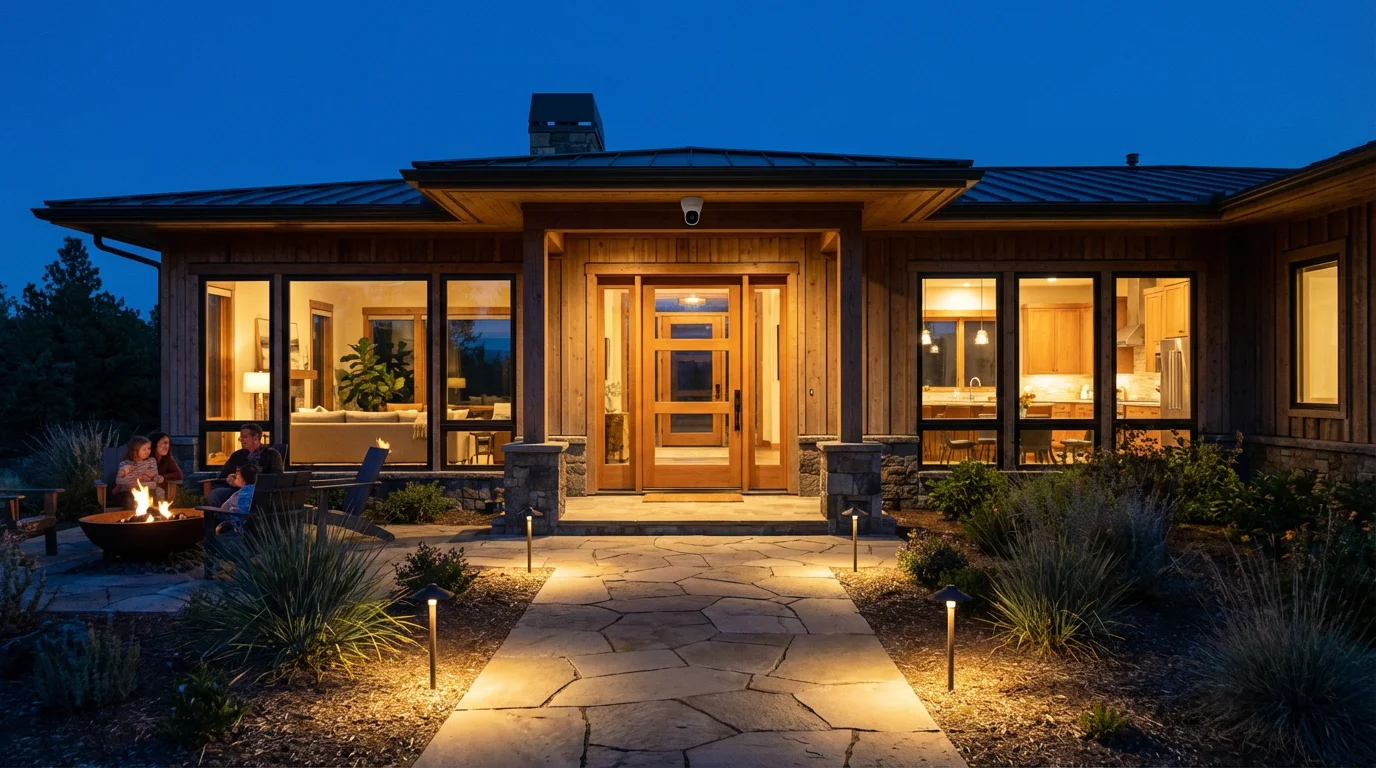
One of the most compelling reasons modern retirees embrace smart home technology is the unparalleled boost it provides to safety and security. You can proactively `make home safer with technology`, creating a protective layer around your living space. This offers peace of mind for both you and your loved ones.
For security outside the house, choosing a fitness tracker with location sharing can provide an extra layer of protection for active retirees.
As you connect more devices, remember that protecting your privacy online is just as important as your home’s physical security.
Beyond fixed home devices, many smartwatches for seniors now include built-in emergency response features for safety on the go.
Consider these powerful tools that elevate your home’s security:
- Smart Locks: Ditch traditional keys for keyless entry systems. You can unlock your door with a smartphone app, a keypad code, or even your fingerprint. Grant temporary access to visitors, caregivers, or delivery services remotely. These systems also lock automatically after a set time, eliminating worries about forgetting to secure your home.
- Video Doorbells: See and speak to visitors at your front door from anywhere, even if you are not home. Devices like Ring or Google Nest Doorbell send alerts to your phone when someone approaches, providing a visual record and deterring unwanted guests. This technology provides an extra layer of security, especially for those with limited mobility.
- Motion Sensors and Alarms: Integrate smart motion sensors with your lighting system to illuminate pathways as you move through your home, preventing falls. Connect them to a smart security system that alerts you and potentially emergency services if unusual activity occurs. These systems often include glass break sensors and door/window sensors for comprehensive protection.
- Fall Detection and Emergency Response Systems: Beyond traditional medical alert buttons, some advanced systems integrate with smart home hubs. Voice-activated personal emergency response systems (PERS) allow you to call for help hands-free. Advanced fall detection wearables can automatically alert contacts or emergency services if a fall is detected, without requiring you to press a button.
- Smart Smoke and Carbon Monoxide Detectors: These devices do more than just beep. They send alerts to your smartphone, notify emergency contacts, and can even pinpoint the exact location of an issue. Some models also integrate with smart lighting, turning on exit path lights during an emergency.
- Water Leak Detectors: Place these small sensors near water heaters, washing machines, or under sinks. They send immediate alerts to your phone if a leak is detected, allowing you to address issues before they cause significant damage. This proactive approach saves money and prevents household disasters.

Boosting Convenience and Comfort: A Life Designed for You
Beyond safety, smart home devices significantly enhance daily comfort and convenience. They automate mundane tasks, personalize your environment, and streamline operations. This frees up your time and energy for activities you truly enjoy.
By automating your environment, you can design a retirement routine that maximizes your comfort while saving you valuable time.
Embrace a home that caters to your every desire:
- Smart Lighting Systems: Control your lights from your phone, through `voice control`, or via scheduled routines. Adjust brightness, change colors, and turn lights on or off without getting up. This is particularly useful for those with mobility challenges or for creating ambiance. Philips Hue and Lutron Caséta are popular choices.
- Smart Thermostats: Optimize your home’s climate for ultimate comfort and energy efficiency. Devices like the Ecobee or Nest Learning Thermostat learn your preferences, adjust temperatures based on occupancy, and can be controlled remotely. You arrive home to a perfectly comfortable environment every time.
- Automated Blinds and Shades: Manage natural light and privacy with motorized blinds. Set schedules for them to open in the morning and close in the evening, or control them with a voice command. This small luxury makes a big difference in daily comfort.
- Smart Appliances: From coffee makers that start brewing before you wake up to ovens you can preheat on your way home, smart appliances save time and effort. Smart refrigerators can even tell you when you are running low on groceries.
- Entertainment Systems: Simplify your home entertainment. Use `voice control` to change channels, adjust volume, or stream your favorite music and podcasts. Devices like Sonos speakers or smart TVs integrate seamlessly for a truly immersive experience.

Connecting and Communicating: Staying Engaged in the Digital Age
The modern retiree values connection, and smart home technology provides innovative ways to stay engaged with family, friends, and the wider world. It breaks down barriers to communication and offers new avenues for interaction.
These systems also provide excellent assistive technology for visual impairment, offering voice-activated alternatives to traditional manual controls.
Here is how smart tech keeps you connected:
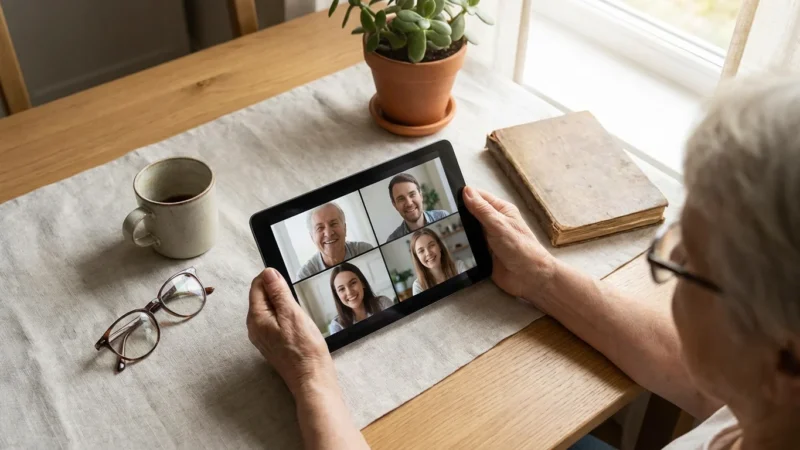
- Smart Displays for Video Calls: Devices like the Google Nest Hub Max or Amazon Echo Show offer large screens for video calls. You can easily connect with grandchildren, friends, or caregivers with simple voice commands, making virtual gatherings more accessible and enjoyable.
- Voice Assistants for Reminders and Information: Your smart speaker becomes a personal assistant. Ask for news updates, weather forecasts, set reminders for appointments or medication, or even organize your calendar, all with your voice.
- Smart Pet Monitoring: Keep an eye on your beloved pets when you are away. Smart cameras allow you to check in, and some even dispense treats or allow for two-way audio communication. This provides peace of mind for pet owners.
- Community and Social Engagement: Voice assistants can help you discover local events, join virtual interest groups, or simply provide companionship through music and audiobooks. Pew Research Center data indicates a significant increase in older adults using the internet and digital devices, highlighting the growing comfort with technology for connection.

Choosing Your Smart Home System: What Smart Home Tech Is Best for You?
Navigating the array of smart home devices can feel overwhelming, but making informed choices ensures you select a system that genuinely enhances your life. Focus on functionality, ease of use, and compatibility. Answering `what smart home tech is best` involves considering your individual needs and preferences.
Understanding how smart home tech makes retirement easier can help you prioritize which devices will offer the most immediate benefits for your lifestyle.
Consider these factors when building your smart home ecosystem:
- Compatibility: Not all devices work seamlessly together. Choose a primary platform, such as Amazon Alexa, Google Home, or Apple HomeKit, and select devices compatible with that ecosystem. This ensures smooth `home automation` and control.
- Ease of Setup and Use: Look for devices with straightforward installation processes and intuitive apps. Many modern smart devices offer step-by-step guides and user-friendly interfaces. Prioritize `voice control` for simplicity.
- Privacy Concerns: Understand how devices collect and use your data. Choose reputable brands known for strong privacy policies. You can often adjust privacy settings to your comfort level.
- Budget: Smart home technology ranges in price. Start with a few essential devices and expand your system over time. You do not need to automate your entire home at once.
- Key Players:
- Amazon Alexa: Known for its vast range of compatible devices and strong `voice control` capabilities. Offers Echo speakers and Echo Show smart displays.
- Google Home/Assistant: Integrates well with Android devices and Google services. Offers Nest speakers and Nest Hub smart displays.
- Apple HomeKit: Ideal for iPhone users, offering robust security and privacy features. Requires Apple devices for control.
According to CNET, researching device compatibility before purchasing ensures a cohesive and frustration-free smart home experience. They offer comprehensive reviews that help you determine which products work well together.
Getting Started: Your Step-by-Step Guide to Home Automation
Embarking on your smart home journey does not require a complete overhaul. You can start small, focusing on areas that provide the most immediate benefits. This allows you to learn at your own pace and gradually expand your system.
Follow these steps to begin your `home automation` journey:
- Assess Your Needs: Identify your priorities. Do you want to enhance safety, improve convenience, or stay better connected? Starting with one clear goal simplifies your initial choices.
- Start Small with Core Devices:
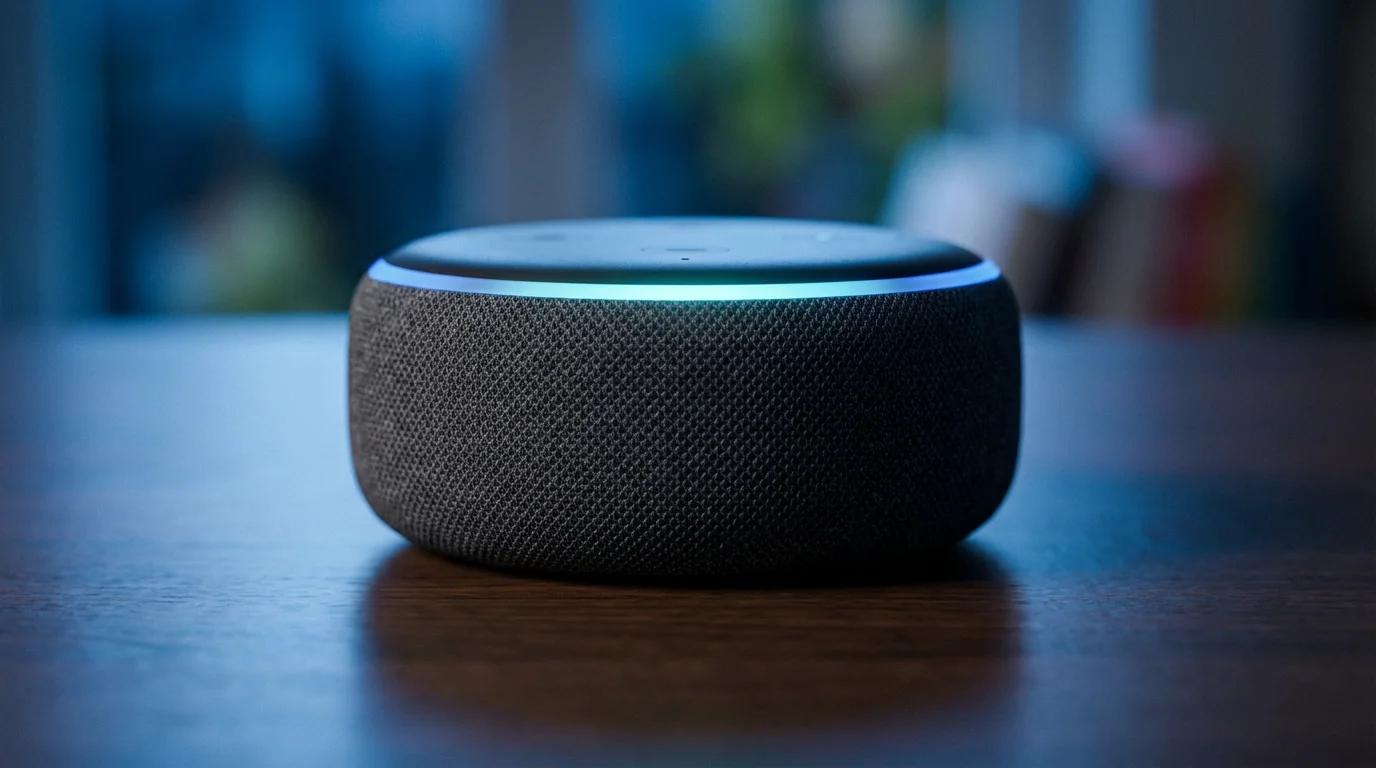
- Begin with a smart speaker for `voice control`, such as an Amazon Echo Dot or Google Nest Mini.
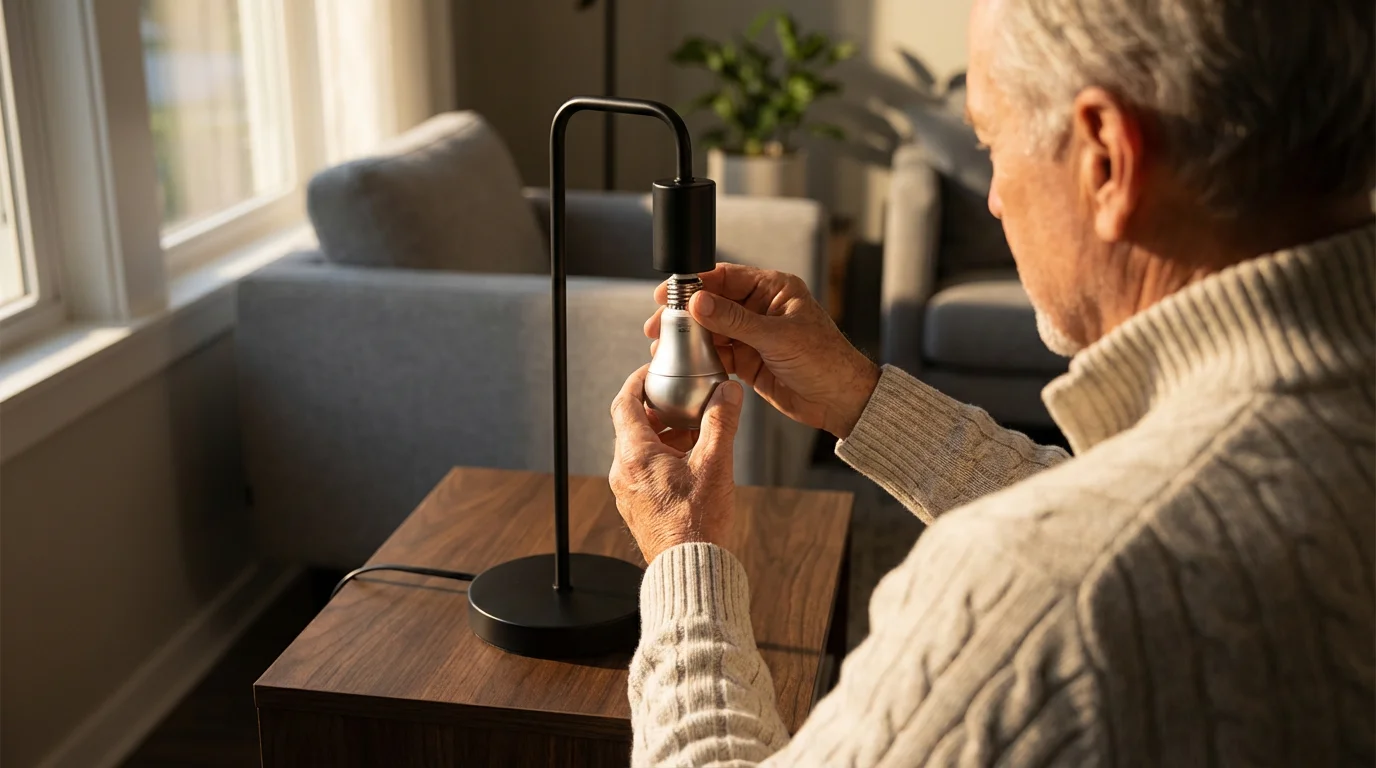
- Add smart bulbs to a lamp or two for easy lighting control.
- Consider a smart plug for an appliance you frequently use, allowing you to turn it on or off remotely.
- Consult Reviews and Guides: Research products on trusted sites. Consumer Reports offers independent product testing and reviews, helping you select reliable and high-performing devices.
- Set Up Your Devices: Most modern smart devices come with user-friendly apps that guide you through the setup process. Pair them with your smart home hub or directly to your Wi-Fi network.
- Experiment with Routines: Once set up, explore the `home automation` features. Create simple routines, such as “Good Morning” to turn on lights and play news, or “Good Night” to lock doors and dim lights.
- Seek Support When Needed: Do not hesitate to use online tutorials, manufacturer support, or even ask tech-savvy friends or family for assistance. Many communities also offer smart home workshops.
- Gradually Expand: As you become comfortable, add more devices that address additional needs or desires. Perhaps a smart thermostat next, or a video doorbell for enhanced security.
The MIT AgeLab consistently highlights the importance of user-friendly interfaces and incremental adoption when introducing new technologies to enhance well-being.
The Future is Now: Smart Homes and the Evolution of Modern Retirement
Smart home technology is continuously evolving, promising even more sophisticated and integrated solutions for the future. You are at the forefront of this revolution, embracing tools that empower you to live a richer, more autonomous life. This is not about relinquishing control to machines, but about leveraging intelligent systems to support your choices and enhance your capabilities.
The modern retiree recognizes that age is an asset, not a limitation. You use technology as a powerful ally, creating a home environment that adapts to your life, not the other way around. By integrating `smart home` devices, you are designing a future where independence, safety, and personalized comfort are not just aspirations, but everyday realities. Your home becomes a testament to your forward-thinking spirit, ready to support every adventure and quiet moment that retirement brings.
Frequently Asked Questions
Are smart home devices difficult for modern retirees to use?
Modern smart home devices are designed with user-friendliness in mind. Many rely on intuitive apps and simple voice commands, making them accessible even if you are not a tech expert. Starting with basic devices like smart speakers or smart lights can help you grow comfortable with the technology quickly.
Do I need fast internet to use smart home devices?
Yes, a reliable and reasonably fast internet connection (Wi-Fi) is essential for most smart home devices to function correctly. This ensures your devices can communicate with each other, with their respective apps, and with cloud services for remote control and updates.
What about privacy and security with smart home technology?
Privacy and security are valid concerns. Choose reputable brands known for their commitment to data protection and robust encryption. Always use strong, unique passwords for your Wi-Fi network and smart home accounts. Regularly update device firmware and review your privacy settings within each device’s app.
Can smart home technology really help prevent falls?
Absolutely. Smart lighting systems can automatically illuminate pathways as you enter a room or at night, reducing dimly lit areas. Motion sensors can trigger lights, and some advanced systems include passive fall detection technologies that alert caregivers or emergency contacts without requiring a wearable device.
Is it expensive to set up a smart home?
The cost of a smart home system varies widely. You can start with a few affordable devices, such as smart plugs or smart bulbs, for under $100. More comprehensive systems involving security cameras, smart locks, and professional installation can cost more, but you can build your system gradually to suit your budget and needs.
Disclaimer: This article is for informational purposes. Technology, apps, and services mentioned may change over time. We encourage readers to research current options and consider their individual needs when making decisions.






Leave a Reply