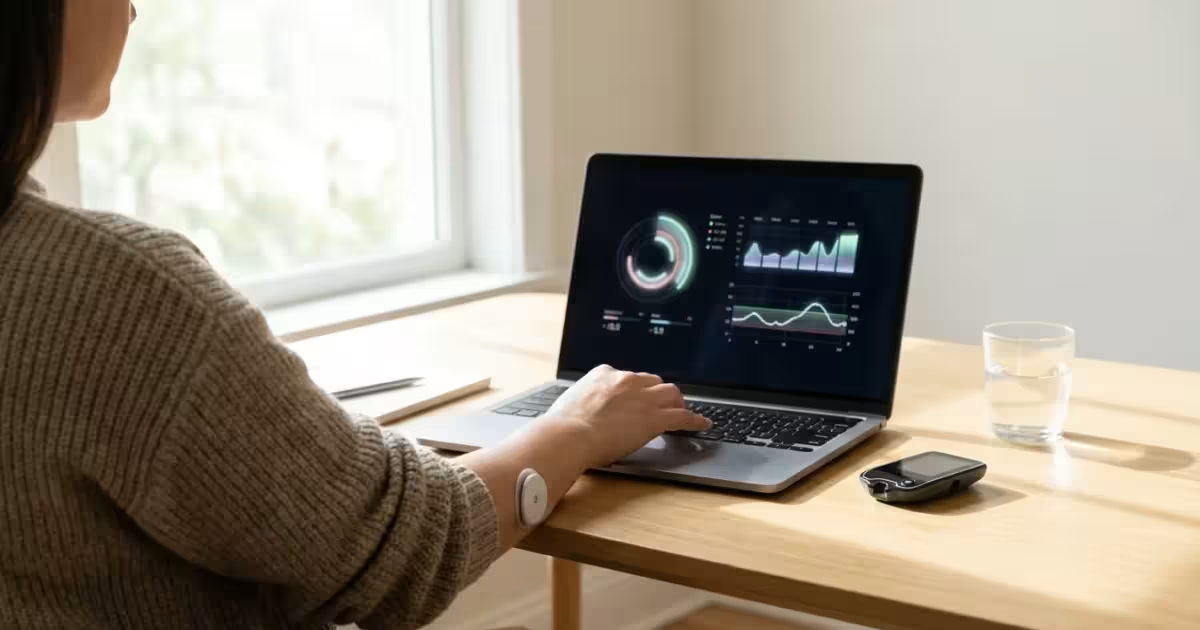
As you navigate the exciting landscape of modern retirement, managing your health proactively becomes a cornerstone of an active, fulfilling lifestyle. For millions, this includes keeping a close watch on blood glucose levels. Gone are the days when diabetes management meant frequent, painful finger pricks and limited insights. Today, innovative **glucose monitoring** technology empowers you with real-time data, putting you firmly in control of your well-being. This shift towards smart health solutions is not just about extending life, it is about enhancing its quality, allowing you to design a retirement rich in energy and vitality.
This article explores the cutting-edge advancements in glucose monitoring, focusing on how these **diabetes tech** innovations integrate seamlessly into your digital life. You will discover how modern devices offer unprecedented clarity into your body’s responses, enabling you to make informed decisions about your diet, exercise, and overall health. Embrace the power of technology to redefine your health management, moving beyond reactive care to a proactive, data-driven approach.
The Evolution of Glucose Monitoring
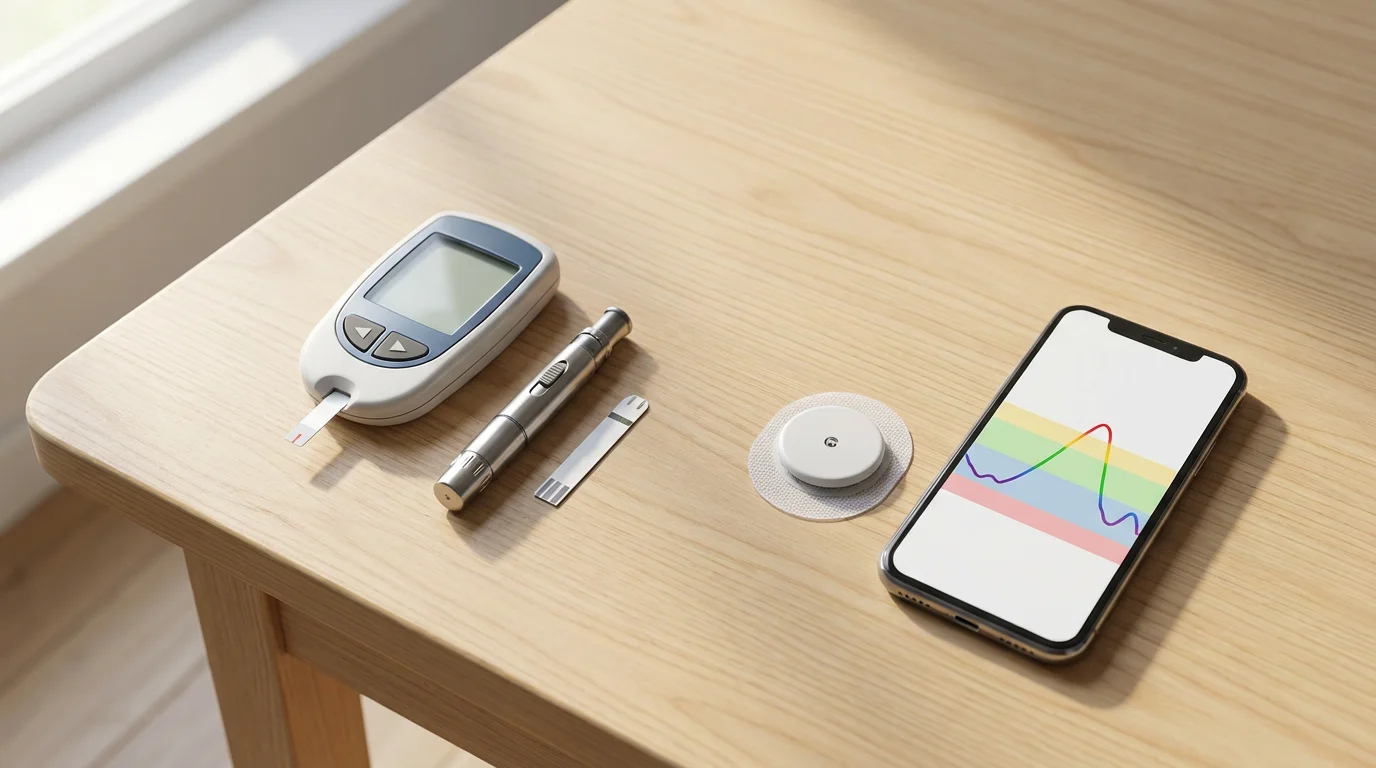
For decades, managing blood glucose levels primarily relied on periodic finger-prick tests using a glucometer. This method provided a snapshot of your glucose at a specific moment, but it often missed critical fluctuations throughout the day and night. You could easily overlook dangerous highs or lows happening between measurements. This reactive approach presented significant challenges for comprehensive **diabetes tech** management.
Just as glucose tracking has evolved, other essential medical devices have also seen rapid innovation, which you can explore in our guide to modern hearing aid options.
Today, we stand at a revolutionary juncture in health technology. The advent of continuous glucose monitoring (CGM) systems marks a profound leap forward. These devices offer a panoramic view of your glucose trends, transforming how you understand and manage your body’s responses to food, activity, and medication. This evolution moves us from isolated data points to a dynamic, continuous narrative of your metabolic health.
What is Continuous Glucose Monitoring (CGM) and How Does it Work?
Continuous Glucose Monitoring (CGM) provides real-time, minute-by-minute insights into your glucose levels without the need for constant finger sticks. It empowers you to see not just your current glucose number, but also the direction it is heading and how fast. This information proves invaluable for making timely adjustments to your lifestyle and medication. Understanding **what are the benefits of continuous glucose** monitoring begins with grasping its mechanics.
Using CGM in tandem with activity trackers to monitor heart health allows you to see the real-time connection between physical exertion and metabolic responses.
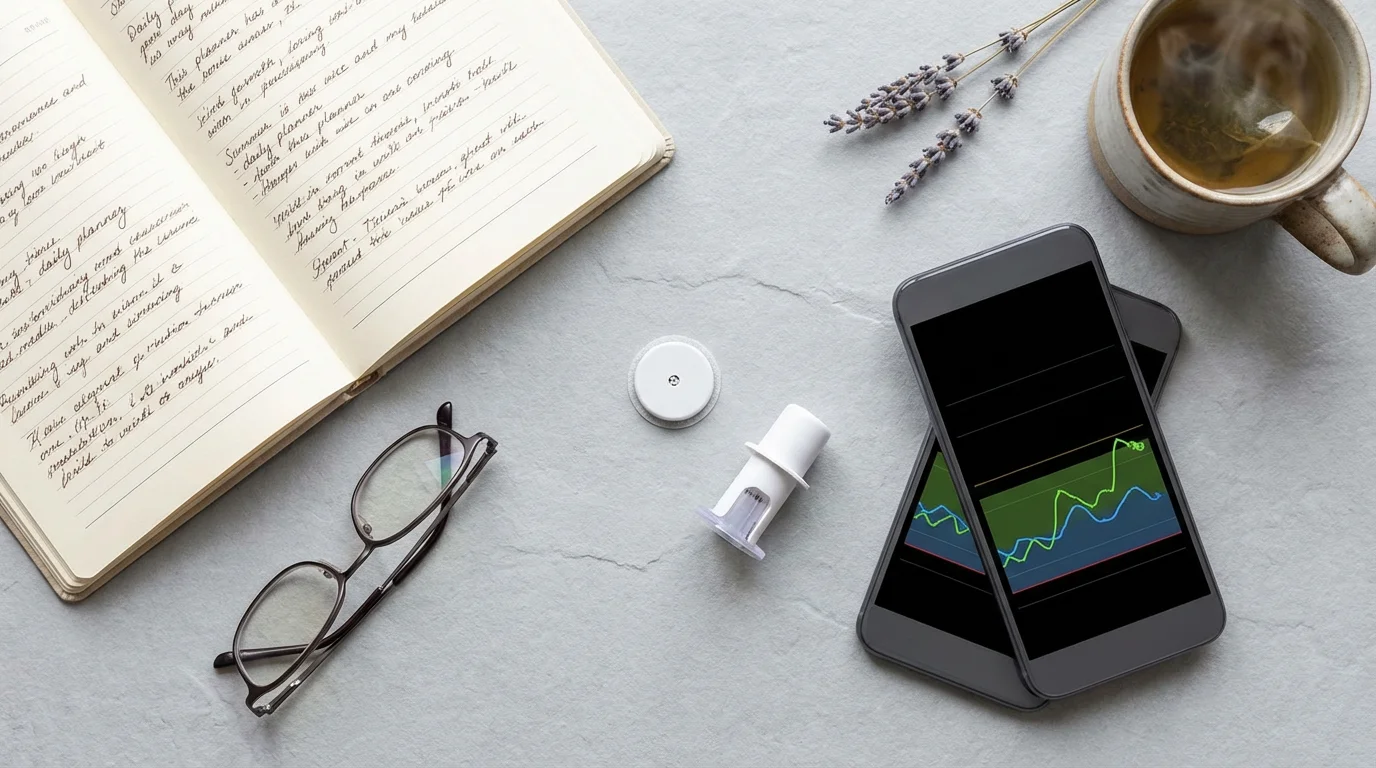
A CGM system typically consists of three main components: a sensor, a transmitter, and a receiver or smartphone app.
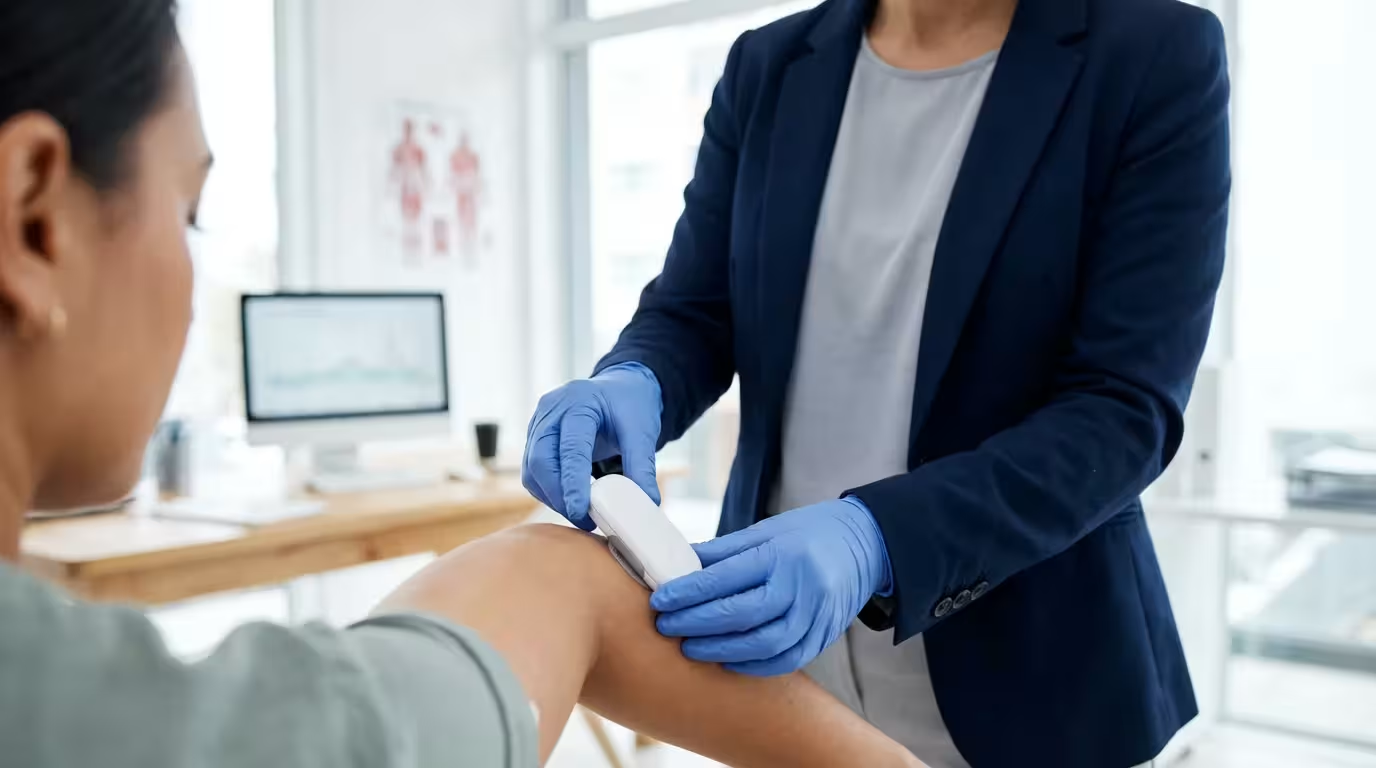
- The Sensor: You painlessly insert a small, disposable sensor just under your skin, usually on your arm or abdomen. This sensor measures glucose levels in your interstitial fluid, which closely mirrors blood glucose. You wear each sensor for several days, generally between 10 and 14 days, before replacing it.
- The Transmitter: This small, reusable device attaches to the sensor. It wirelessly sends the glucose readings from the sensor to a receiver or your compatible smartphone.
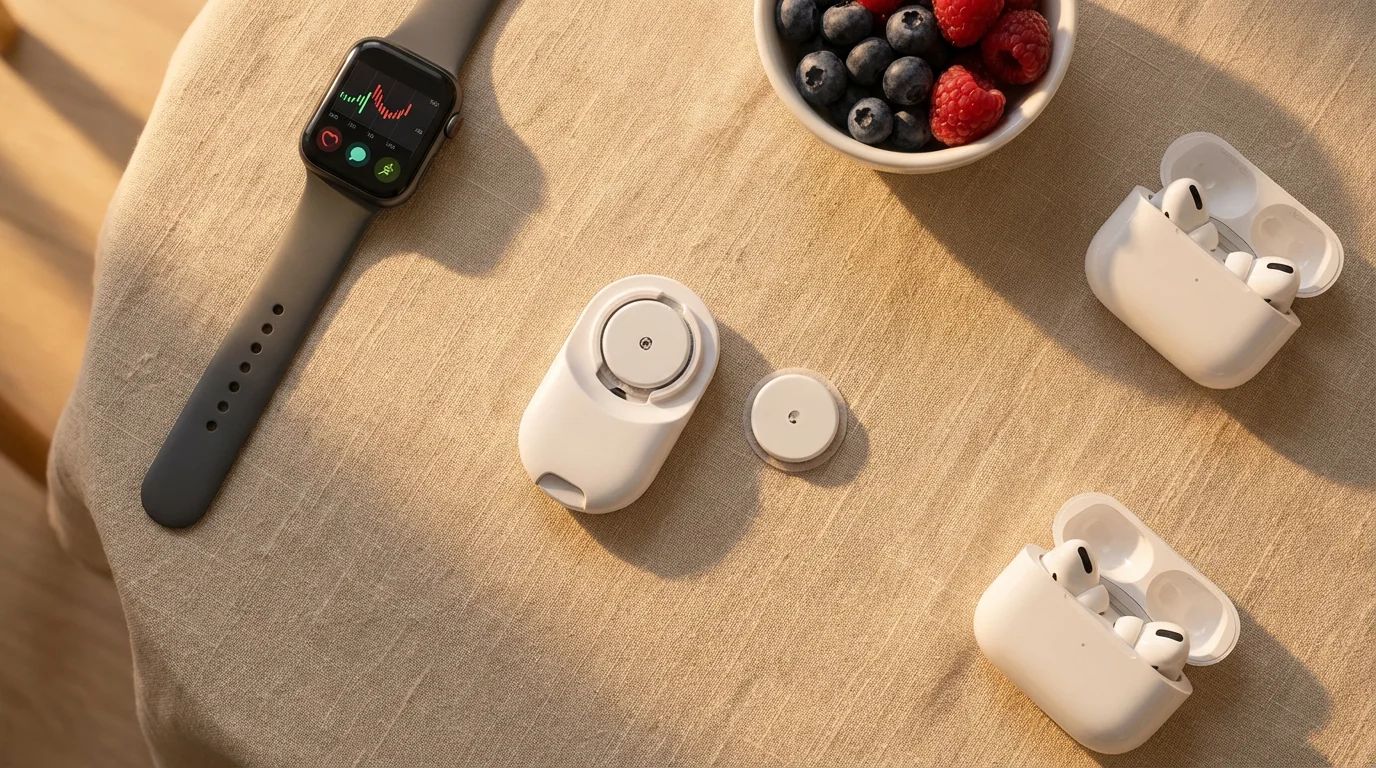
- The Receiver/App: This is where you view your glucose data. It can be a dedicated handheld device or, more commonly, an app on your smartphone or smartwatch. These interfaces display your current glucose level, a trend arrow indicating if it is rising or falling, and graphs showing your glucose history over hours or days.
The system continuously collects data, often every few minutes, providing a detailed picture of your glucose fluctuations. This constant stream of information allows for proactive adjustments, giving you unprecedented control over your health.
Key Benefits of CGM for a Modern Retirement
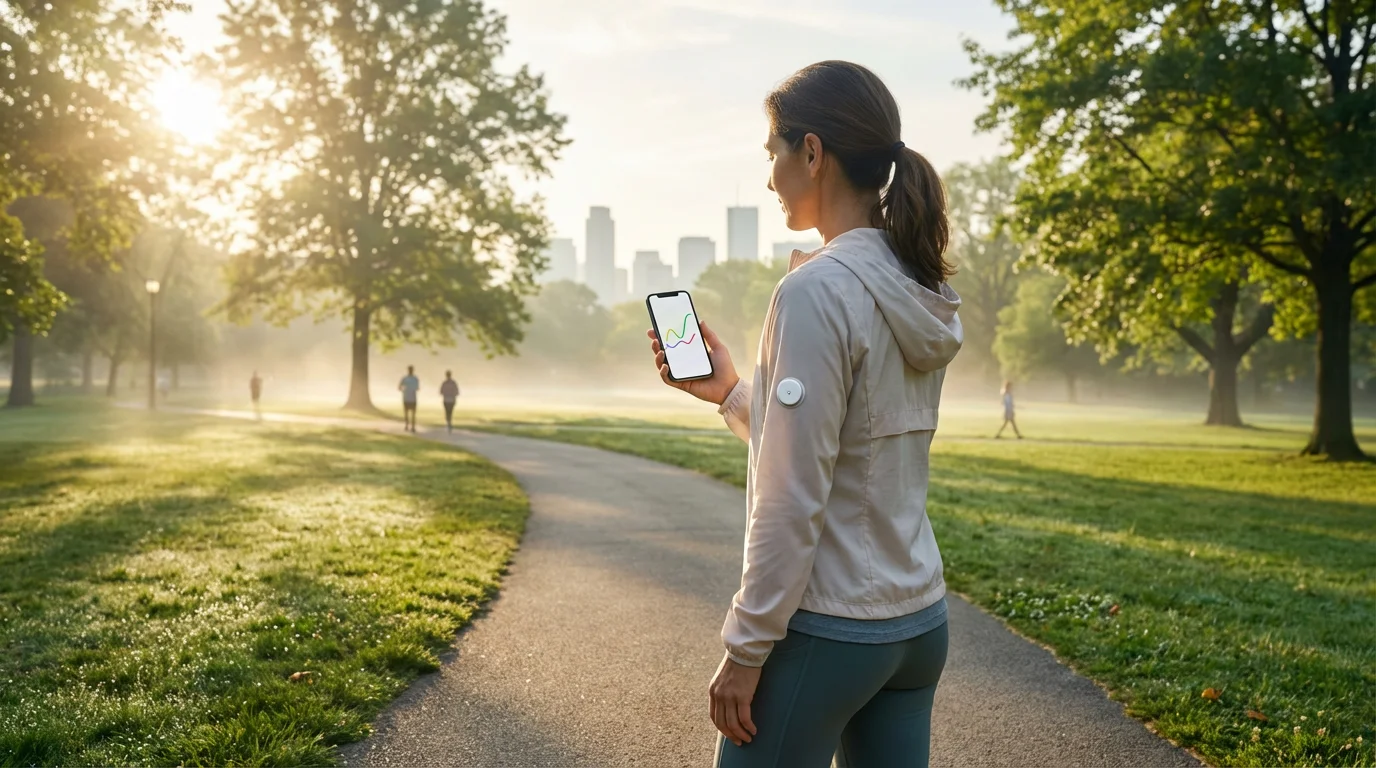
Embracing **continuous glucose** monitoring offers a multitude of advantages that perfectly align with the goals of an active, health-conscious retiree. It shifts the paradigm from reactive management to proactive empowerment, enabling you to live your retirement years with greater confidence and well-being. Understanding **what are the benefits of continuous glucose** monitoring highlights why this technology is a game-changer.
Reviewing your CGM reports with your doctor becomes much easier when you use smart tools for decoding medical jargon to better understand your lab results.
Here are some of the most significant benefits:
- Personalized Health Insights: CGM reveals how your body responds to specific foods, exercise routines, stress, and medications in real time. You discover patterns unique to you, which helps in tailoring a personalized health plan.
- Reduced Finger Pricks: Many CGM systems significantly reduce or even eliminate the need for routine finger-prick calibrations. This means less pain, more convenience, and greater adherence to monitoring.
- Proactive Management of Blood Sugar: Trend arrows on your display show whether your glucose is rising or falling, allowing you to intervene before it goes too high or too low. You can take a walk to lower a rising level or have a healthy snack to prevent a drop.
- Improved Time in Range (TIR): Rather than just focusing on individual readings, CGM helps you maximize the amount of time your glucose levels remain within a healthy target range. Higher TIR correlates with better long-term health outcomes and reduced complications.
- Enhanced Quality of Life: The constant feedback and reduced anxiety about glucose levels empower you to live more freely. You gain peace of mind, knowing your body is being monitored without constant disruption.
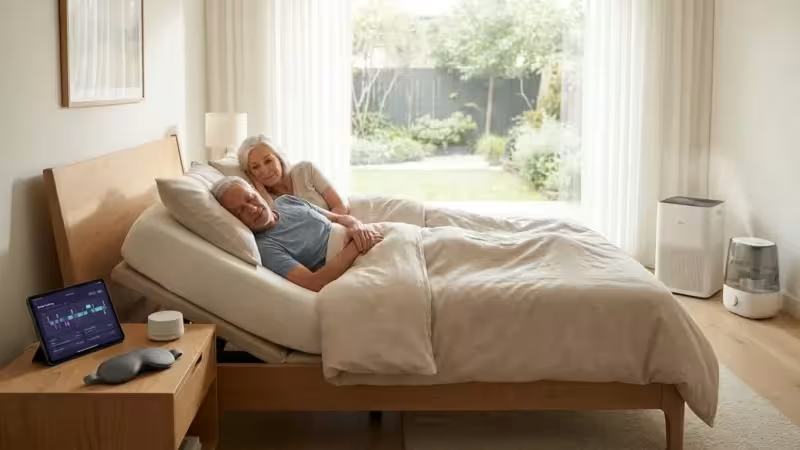
- Better Sleep: CGM systems can alert you to nocturnal highs or lows, allowing you to make adjustments that improve sleep quality and reduce the risk of overnight complications.
- Data Sharing for Better Care: Many systems allow you to share your glucose data securely with your healthcare team and loved ones. This facilitates more informed discussions with your doctor and provides reassurance for family members.
This advanced technology puts the power of real-time information in your hands, transforming the way you approach your health.
Choosing Your CGM: Devices and Systems
The market for **glucose monitoring** technology has expanded significantly, offering several robust and user-friendly systems. Selecting the right one depends on your lifestyle, preferences, and specific medical needs. Major players provide distinct features, wear times, and integration options. Consumer Reports often provides in-depth reviews of these devices, helping you compare features and user experiences.
Many modern glucose systems are designed with high-contrast displays, reflecting a broader trend in accessible technology for seniors with varying physical needs.
Since CGM technology and sensors can be a significant investment, it is helpful to factor these expenses into your overall planning for healthcare costs in retirement.
Here are some of the leading CGM systems you might consider:
- Dexcom G7: Known for its exceptional accuracy and direct integration with smartphones and smartwatches. The G7 offers a smaller, all-in-one sensor and transmitter, simplifying the application process. It provides real-time readings directly to your device every five minutes and features customizable alerts for high or low glucose. You can share your data with up to 10 followers, allowing caregivers or family members to monitor your levels remotely.
- Abbott FreeStyle Libre 3: This system boasts the world’s smallest and thinnest sensor, making it incredibly discreet. It offers real-time glucose readings sent directly to your smartphone every minute, eliminating the need for scanning the sensor with your phone. The FreeStyle Libre 3 is known for its user-friendliness and affordability.
- Eversense E3 CGM System: Unique for its long wear time, the Eversense E3 features an implantable sensor that your doctor inserts under the skin of your upper arm. It lasts for up to six months, significantly reducing the frequency of sensor changes. A removable smart transmitter worn over the sensor powers it and sends data to a mobile app. This option appeals to those who prefer minimal interaction with their device.
When evaluating options, consider factors such as sensor wear time, accuracy, smartphone compatibility, alert customization, and data sharing capabilities. Discuss these choices with your doctor, as they can help determine the best fit for your health profile and insurance coverage.
Integrating CGM with Your Digital Lifestyle
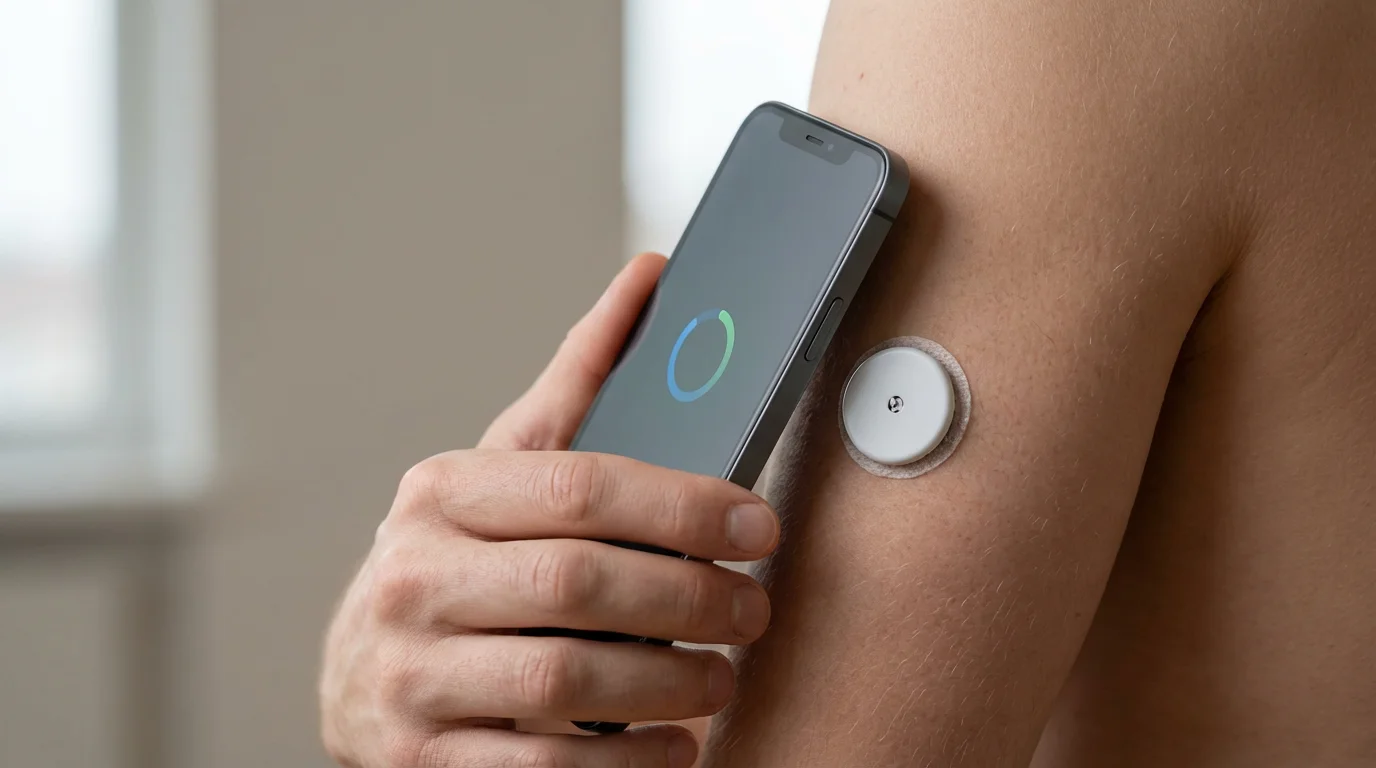
The true power of modern **diabetes tech** lies in its seamless integration with your existing digital tools. This convergence allows you to manage diabetes with technology in a way that feels intuitive and empowering, rather than burdensome. Your smartphone becomes the central hub for your health data, connecting you to insights, support, and your healthcare team.
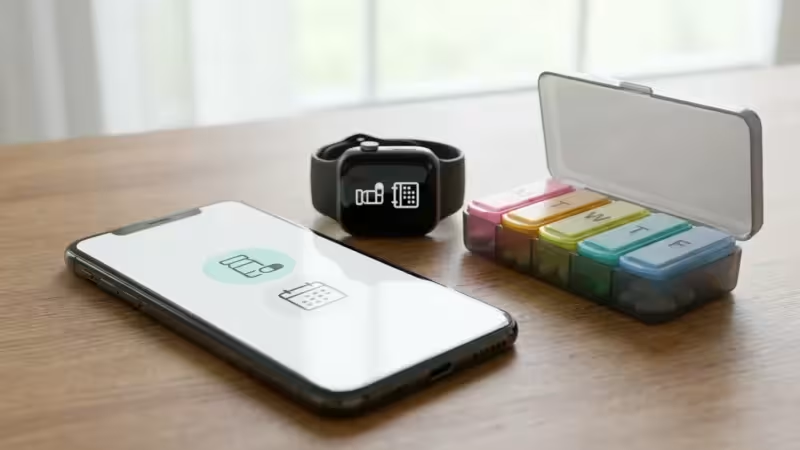
In addition to tracking glucose, leveraging the best health apps for managing medications ensures you stay on top of your entire daily healthcare regimen.
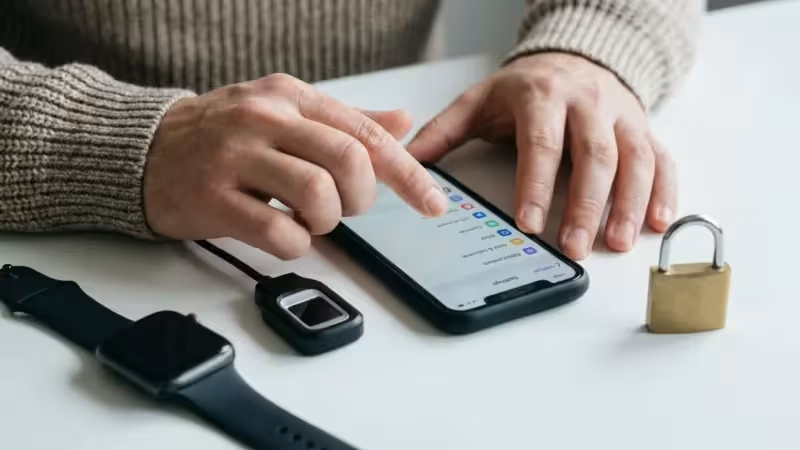
As you sync more personal information, it is essential to follow best practices for data security when using third-party health apps.
Here is how CGM technology integrates into your modern digital life:
- Smartphone Applications: Every major CGM system offers a dedicated app for iOS and Android devices. These apps serve as your primary display for glucose readings, trend graphs, and alerts. They often include features for logging food intake, exercise, and medication, allowing you to see the immediate impact of your choices on your glucose levels. You can review historical data to identify patterns and refine your management strategies.
- Smartwatch Integration: Many CGM systems allow you to view your glucose data directly on your smartwatch, such as an Apple Watch or compatible Garmin device. This convenience means you can check your levels discreetly and quickly, even in social situations, without pulling out your phone. This seamless access supports a more active and unencumbered lifestyle.
- Cloud-Based Data Sharing: CGM data typically uploads to secure cloud platforms, enabling easy sharing with your healthcare providers. This facilitates telehealth consultations, as your doctor can review your glucose trends before your appointment, leading to more focused and effective discussions. Family members or caregivers can also monitor your levels remotely, offering peace of mind.
- Compatibility with Other Health Apps: Some CGM apps offer integration with third-party health and wellness applications, such as fitness trackers or nutrition logging tools. This creates a holistic view of your health data, showing how your glucose levels correlate with activity, sleep, and diet.
This level of digital integration means you are always informed and always connected, making it easier than ever to **manage diabetes with technology** while enjoying your modern retirement.
Beyond Monitoring: AI, Predictive Analytics, and Future Trends
The evolution of **glucose monitoring** extends far beyond simple measurement. We are on the cusp of a new era where artificial intelligence (AI) and predictive analytics will transform diabetes management into a highly personalized and automated experience. This forward-thinking approach promises to reduce the cognitive load of managing diabetes and enhance overall health outcomes.
Current and future trends include:
- Automated Insulin Delivery (AID) Systems: Often referred to as “artificial pancreases,” these closed-loop systems integrate a CGM with an insulin pump and an algorithm. The algorithm automatically adjusts insulin delivery based on CGM readings, striving to keep glucose levels within a target range. This significantly reduces the need for manual calculations and injections, offering greater stability and freedom.
- Predictive Glucose Algorithms: Advanced algorithms analyze your historical glucose data, meal patterns, and activity levels to predict future glucose trends with increasing accuracy. Imagine an app telling you, “Your glucose is predicted to drop in 30 minutes, consider a small snack.” This foresight allows for truly proactive intervention.
- Personalized Nutritional Guidance: Future **diabetes tech** will likely leverage CGM data, AI, and even genetic information to offer hyper-personalized dietary recommendations. You will receive suggestions not just about what to eat, but when and in what quantities, to optimize your glucose response.
- Non-Invasive Glucose Monitoring: While still in research and development, the holy grail of glucose monitoring involves completely non-invasive methods, such as through sweat, tears, or even light spectroscopy. This would eliminate the need for any skin penetration, making monitoring even more accessible and comfortable.
- Integration with Broader Health Ecosystems: Expect CGM data to become a more integral part of comprehensive digital health platforms, connecting with electronic health records, fitness trackers, and other wearable sensors to provide a truly holistic view of your health.
These advancements signify a future where managing diabetes becomes more intuitive, less intrusive, and profoundly integrated into a smart, proactive health strategy, allowing you to live your retirement years with unparalleled confidence.
Practical Steps for Adopting CGM Technology
Embracing **continuous glucose** monitoring is a significant step towards a more empowered and informed approach to your health. Taking action involves a few practical steps to ensure a smooth transition and maximize the benefits of this advanced **diabetes tech**. This is how to manage diabetes with technology effectively.
Here are the key actions to consider:
- Consult Your Healthcare Provider: Your first and most crucial step involves discussing CGM with your doctor or endocrinologist. They can assess your individual needs, medical history, and current diabetes management plan to determine if CGM is appropriate for you. They will also provide a prescription, which is necessary for obtaining a CGM system.
- Understand Insurance Coverage: Investigate your health insurance policy to understand the coverage for CGM devices and sensors. Coverage varies widely, with some plans fully covering the cost, others requiring a co-pay, and some offering no coverage. Organizations like the American Diabetes Association or the AARP can offer resources and guidance on navigating insurance options.
- Choose Your System: Based on your doctor’s recommendations and your personal preferences for features, wear time, and digital integration, select a CGM system that aligns with your lifestyle. Research user reviews and consult comparison guides from reputable sources like Consumer Reports or Harvard Health to make an informed decision.
- Receive Training and Support: When you receive your CGM system, take advantage of any training materials or support provided by the manufacturer or your healthcare team. This often includes instructions on sensor insertion, using the app, and interpreting your data. Do not hesitate to ask questions.
- Learn to Interpret Your Data: Understanding your glucose trends and patterns empowers you to make effective adjustments. Work with your doctor or a diabetes educator to learn what your data means and how to use it to modify your diet, exercise, and medication for optimal results. You can make proactive choices that truly impact your well-being.
- Stay Connected: Utilize the data-sharing features of your CGM system to keep your healthcare team informed. Regular communication ensures your treatment plan remains optimized and responsive to your needs.
By following these steps, you can successfully integrate this powerful **glucose monitoring** technology into your life, moving towards a more informed, proactive, and independent approach to managing your health.
Frequently Asked Questions
Is continuous glucose monitoring only for people with type 1 diabetes?
No, CGM is not solely for individuals with type 1 diabetes. While initially prevalent in type 1 management, its benefits are increasingly recognized for people with type 2 diabetes, especially those on insulin, or even those seeking to understand their glucose responses for proactive health and weight management. Your doctor can help determine if it is right for you.
Do CGM systems still require finger-prick tests?
Modern CGM systems, such as the Dexcom G7 and FreeStyle Libre 3, often do not require routine finger-prick calibrations. They come pre-calibrated from the factory and maintain high accuracy. However, you might still need to perform a finger-prick test if your CGM reading does not match your symptoms or if the system prompts you to confirm a reading.
How often do I need to replace a CGM sensor?
The frequency of sensor replacement varies depending on the specific CGM system. Most disposable sensors last between 10 and 14 days, such as the Dexcom G7 or FreeStyle Libre 3. The Eversense E3 system features an implantable sensor that lasts for up to six months, offering a longer duration between replacements.
Can I swim or shower with a CGM sensor on?
Yes, most CGM sensors are water-resistant and designed to withstand activities like showering, bathing, and swimming. However, it is always wise to check the specific water resistance rating and recommendations for your particular device to ensure proper care and function.
How can I get my doctor to prescribe a CGM?
Initiate a conversation with your primary care physician or endocrinologist about your interest in CGM. Discuss your current diabetes management challenges and how you believe CGM could benefit you. Be prepared to share information about your current glucose monitoring practices, A1c levels, and any concerns you have about highs or lows. Your doctor will assess your medical necessity and provide a prescription if appropriate.
Disclaimer: This article is for informational purposes. Technology, apps, and services mentioned may change over time. We encourage readers to research current options and consider their individual needs when making decisions.

Leave a Reply