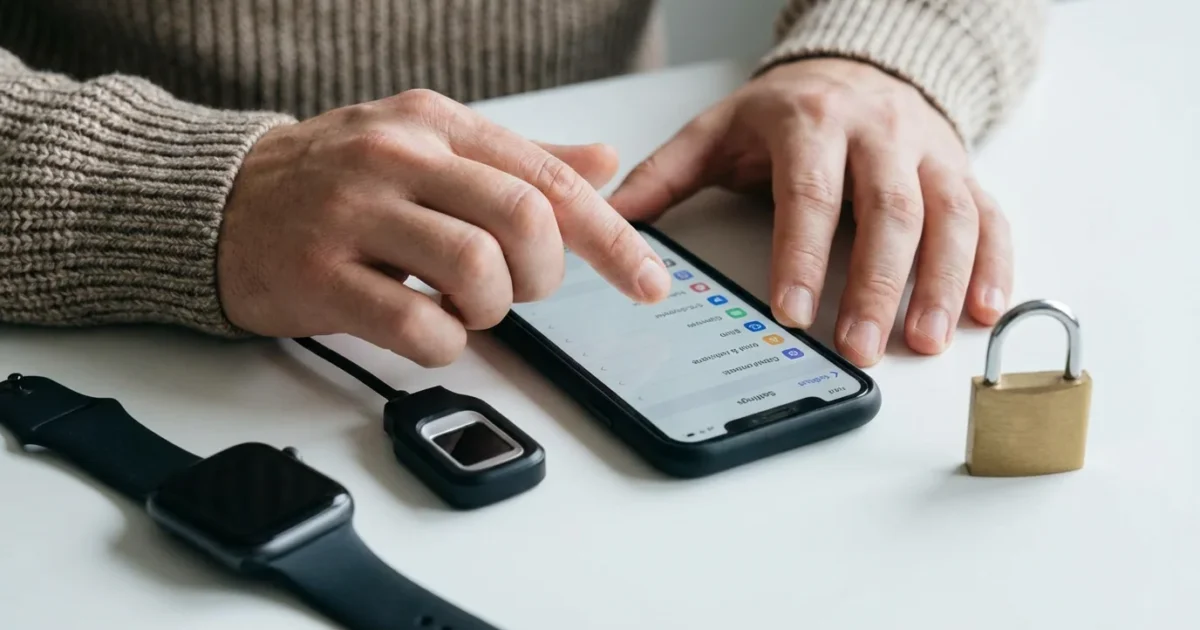
You embrace innovation, seek convenience, and actively manage your well-being. Modern retirement means leveraging technology to enhance every aspect of your life, including your health. Health apps offer incredible potential, putting powerful tools for monitoring, managing, and improving your wellness directly into your hands.
However, this digital empowerment comes with a crucial responsibility: safeguarding your personal and health information. Understanding how these apps collect, use, and share your data is essential. You must take proactive steps to ensure your privacy remains intact while enjoying the benefits of digital health solutions.
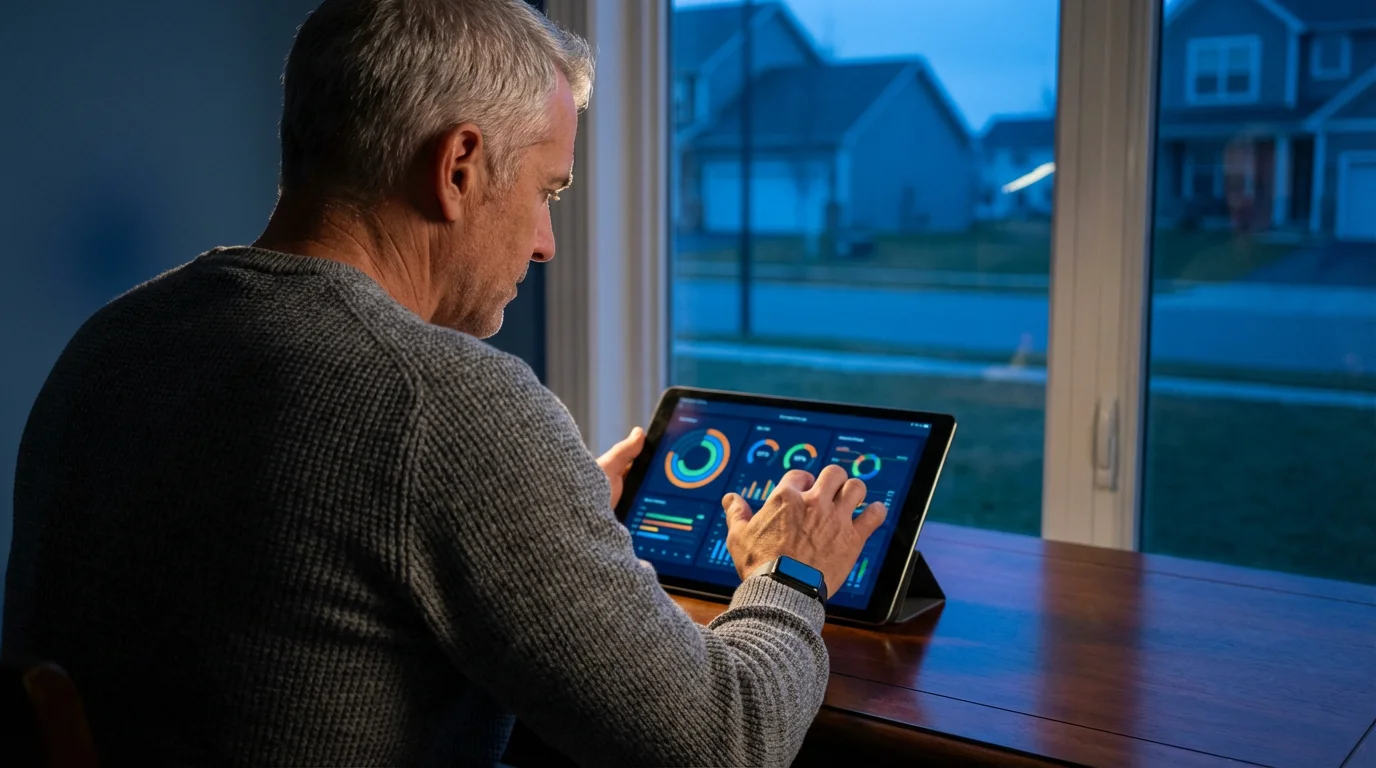
The Digital Health Revolution: A New Era of Wellness
The concept of retirement has evolved dramatically. It no longer signifies a static period of disengagement. Instead, you redefine it as a vibrant chapter of active living, continuous learning, and purposeful engagement. Technology acts as a vital enabler in this new narrative, empowering you to maintain independence and thrive. This shift allows you to move from reactive health management to a proactive approach, leveraging data for personal insight.
In addition to mobile tools, learning how to access and manage digital health records is essential for maintaining a complete overview of your wellness.
Health apps stand at the forefront of this revolution. They transform your smartphone or wearable device into a personal health companion. From tracking fitness goals to managing chronic conditions, these digital tools offer unparalleled insights and support. You gain a clearer picture of your health journey, allowing for more informed decisions and proactive self-care. The convenience and accessibility they provide are game-changers for individuals seeking to optimize their well-being.

Unpacking the Perks: Why Health Apps Matter for Modern Living
Modern health apps provide a vast array of functionalities designed to enhance your well-being. They offer personalized guidance and streamline health management, helping you stay on top of your game. You can leverage them to track progress, receive timely reminders, and access health information with unprecedented ease. A 2022 Pew Research study highlighted that 80% of U.S. adults use at least one health-related app, indicating their widespread adoption and perceived value.
Consider the tangible benefits these digital tools bring to your daily life. They empower you to take charge of your health in ways previously unimaginable. These apps foster a proactive approach to wellness, moving beyond reactive care. They integrate seamlessly into your routine, offering support whether you are at home or on the go.
Key Advantages You Gain From Health Apps:
- Enhanced Self-Monitoring: Track steps, heart rate, sleep patterns, and calorie intake with precision. Devices like Apple Watch or Fitbit integrate seamlessly with their respective apps, providing real-time data and historical trends for deeper insight.
- Medication Management: Receive timely reminders for medication doses, ensuring adherence to your treatment plans. Apps such as Medisafe offer robust scheduling, refill alerts, and tracking features, minimizing missed doses.
- Chronic Condition Support: Monitor blood sugar levels, blood pressure, or other vital signs consistently. Many apps provide intuitive dashboards, trend analysis, and shareable reports for your healthcare providers, facilitating better communication.
- Fitness and Wellness Coaching: Access personalized workout routines, mindfulness exercises, and nutrition plans. Apps like Calm, Headspace, or MyFitnessPal guide you toward healthier habits, offering structured programs and progress tracking.
- Telemedicine Integration: Some health apps now offer direct links to virtual consultations, making healthcare more accessible and convenient. You connect with doctors from the comfort of your home, reducing travel time and wait times.
These applications democratize health management, giving you direct control and real-time feedback. You leverage these tools to maintain vitality and pursue your retirement goals with vigor, living life on your own terms.

Understanding the Risks: What Are the Risks of Using Health Apps?
While health apps offer remarkable advantages, you must understand the inherent risks. Your health data is highly sensitive, often more so than financial information. Unauthorized access or misuse can lead to significant privacy concerns. Understanding these potential pitfalls empowers you to make secure choices, protecting your valuable personal information. You need to be aware of `what are the risks of using health apps` to mitigate them effectively.
Securing your health data is also a strategic move to prevent potential discrimination that could impact your long-term healthcare costs in retirement.
A primary concern involves data breaches. Cybercriminals actively target organizations that store large volumes of personal data, including health app providers. A breach could expose your medical history, fitness levels, precise location data, biometric readings, and other identifiers. For example, a breach of a fertility tracking app exposed intimate health details of millions of users in 2022. This information then becomes vulnerable to identity theft, targeted scams, or even extortion.
Another significant risk arises from data sharing practices. Many apps routinely share your aggregated or de-identified data with third-party partners. These partners might include advertisers, researchers, or data brokers. For instance, an app tracking your sleep patterns might share this data with an advertising firm that then markets sleep aids directly to you. While often anonymized, re-identification remains a potential threat, as detailed in reports by Wired concerning various consumer data sets.
Specific types of data present unique risks. Biometric data, like fingerprints or facial scans used for app access, is immutable; if compromised, you cannot change it. Location data can reveal your daily routines, home address, and places you frequent. Mental health apps might collect highly personal details about your emotional state or therapy sessions. This sensitive information, if exposed, carries a profound impact on your privacy and well-being.
You also face the potential for data discrimination. In certain scenarios, your health data could influence insurance rates, employment opportunities, or even access to credit. For instance, data revealing a predisposition to certain conditions or lifestyle choices, such as high alcohol consumption or chronic illness, might lead to unfavorable outcomes. This highlights the critical importance of robust `data security` measures, as privacy failures can have real-world consequences.
Finally, consider the lack of consistent regulation. Unlike Protected Health Information (PHI) under HIPAA, much of the data collected by consumer health apps falls outside these stringent protections. This regulatory gap means app developers possess greater leeway in how they handle your information. You bear the primary responsibility for understanding their policies and actively managing your digital footprint.
Mastering Your Data: Essential Health App Privacy Controls
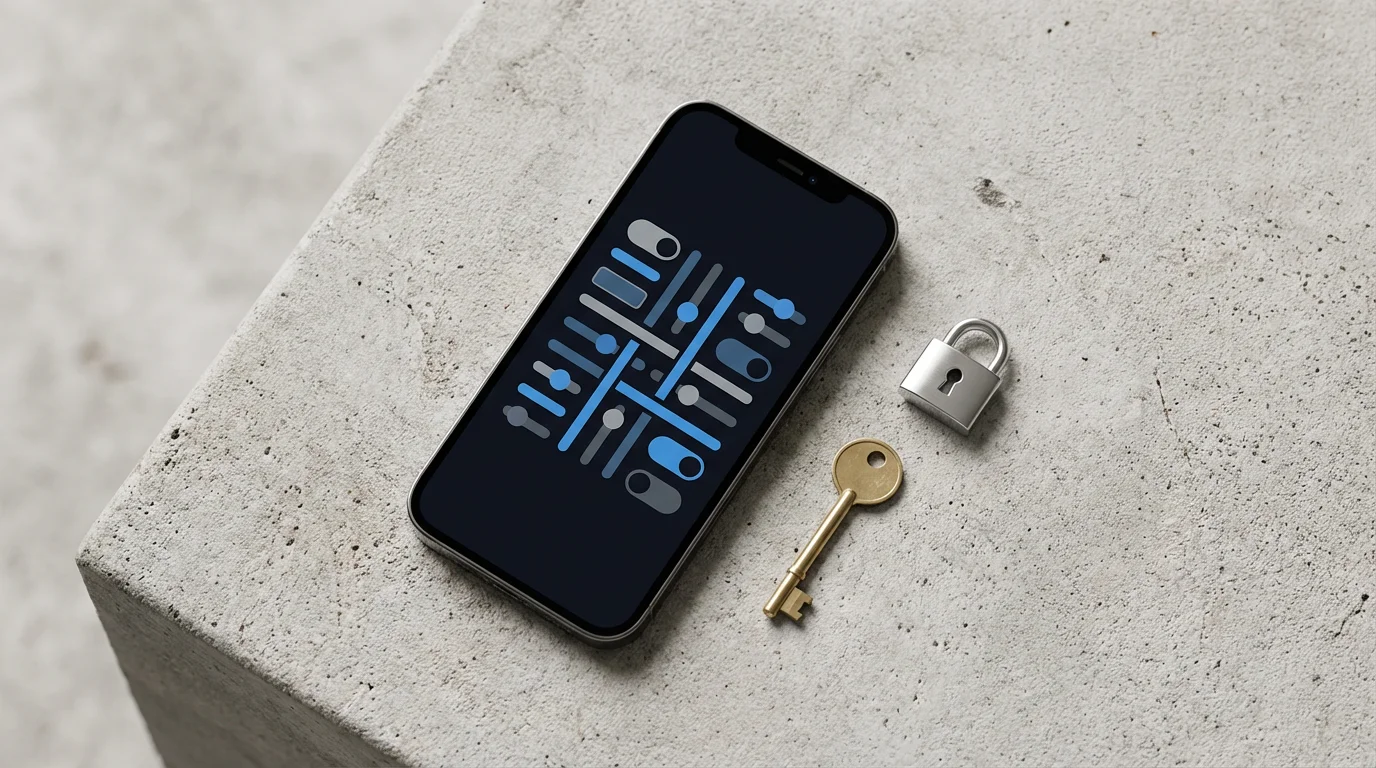
Taking control of your `health app privacy` is an active process. You possess the power to configure your apps and devices to maximize security. Understanding the settings and permissions allows you to dictate exactly what information an app accesses and how it shares that information. This proactive approach forms the cornerstone of digital self-protection, putting you in the driver’s seat of your digital health journey.
Practicing regular digital decluttering can help you manage these permissions by removing outdated apps that still have access to your information.
Start by thoroughly reviewing the privacy policy of any health app before installation. Many users skip this crucial step, but it outlines the app’s data collection and sharing practices in detail. Look for clear language regarding data storage, third-party agreements, and your rights as a user. Harvard Health often publishes guides on deciphering these policies, providing valuable insights into what to watch for.
After reviewing the policy, proceed to grant only the minimum necessary permissions. An app that tracks your steps likely does not need access to your photos or contacts. If an app requests excessive permissions, reconsider its use or search for alternatives. You can usually adjust these permissions post-installation through your device’s operating system settings.
Steps to Take for Robust Health App Privacy:
- Read Privacy Policies Diligently: Invest time in understanding what data the app collects, how it uses that data, and who it shares that data with. Ensure its practices align with your comfort level.
- Review and Adjust App Permissions: On your device (iOS, Android), navigate to settings, then apps, and specifically review permissions for each health app. Disable access to features like contacts, microphone, camera, or precise location if the app does not genuinely require them for its core function.
- Utilize In-App Privacy Settings: Explore the app’s internal settings menu. Many apps offer granular controls over data sharing, location tracking preferences, notification settings, and options to opt out of personalized advertising.
- Understand Data Retention Policies: Find out how long the app stores your data and whether you can request its deletion. If an app retains your data indefinitely without clear purpose, consider alternatives.
- Limit Linked Accounts: Be cautious about linking your health apps to social media, other fitness platforms, or third-party services. Each link creates another potential pathway for data sharing and increases your digital footprint.
- Regularly Clear Data and Cache: Periodically clear cached data within the app settings. While this may not remove server-side data, it helps control local data storage on your device.
You effectively build a personal firewall around your health information by meticulously managing these controls. This ensures your data serves your health goals without compromising your fundamental right to privacy.

Fortifying Your Defenses: Practical Steps for Online Safety
Protecting your health data extends beyond specific apps; it encompasses your overall `online safety` posture. Implementing robust general security practices significantly reduces your vulnerability across all digital platforms. You must adopt a comprehensive strategy to safeguard your information from various cyber threats. This creates a stronger digital environment for all your online activities, including sensitive health interactions.
Start with strong, unique passwords for every online account. Reusing passwords creates a single point of failure; if one account is compromised, all others using the same password become vulnerable. A password manager, like LastPass, 1Password, or Bitwarden, can generate complex, unique passwords and store them securely, simplifying your digital life. These tools are indispensable for maintaining high password hygiene.
Always enable two-factor authentication (2FA) or multi-factor authentication (MFA) wherever available. This adds an extra layer of security beyond your password. Even if a cybercriminal obtains your password, they cannot access your account without the second factor, typically a code sent to your phone or generated by an authenticator app. Pew Research consistently highlights the effectiveness of MFA in preventing unauthorized access, reporting that it thwarts a vast majority of automated attacks.
Essential Tips for How to Protect Health Data Online:
- Implement Strong, Unique Passwords: Create long, complex passwords that combine uppercase and lowercase letters, numbers, and symbols. Never reuse passwords across different accounts, especially for email and health-related services.
- Enable Multi-Factor Authentication (MFA): Activate 2FA/MFA on all health apps, email accounts, and banking services. This critical security layer prevents unauthorized access even if your password becomes compromised.
- Maintain Software Updates: Regularly update your operating system (iOS, Android, Windows, macOS) and all applications. These updates frequently include critical security patches that fix vulnerabilities cybercriminals exploit.
- Be Wary of Public Wi-Fi: Public networks are often unsecured and susceptible to “eavesdropping.” Avoid accessing sensitive health data, banking information, or personal accounts when connected to them. If you must use public Wi-Fi, employ a Virtual Private Network (VPN).
- Recognize Phishing Attempts: Stay vigilant for unsolicited emails, texts, or calls asking for personal information or directing you to unfamiliar links. Cybercriminals use sophisticated tactics to trick you into revealing credentials. Always verify the sender’s legitimacy.
- Regularly Review Account Activity: Periodically check your health app, email, and other important account activity logs. Look for any logins or actions you do not recognize, which could signal a compromise.
- Secure Your Devices: Use strong passcodes, Face ID, or Touch ID on your smartphone, tablet, and computer. Enable remote wipe capabilities in case your device is lost or stolen, allowing you to erase sensitive data remotely.
These practices collectively create a formidable defense against digital threats. You empower yourself by making informed choices and consistently applying these security measures across your digital footprint.
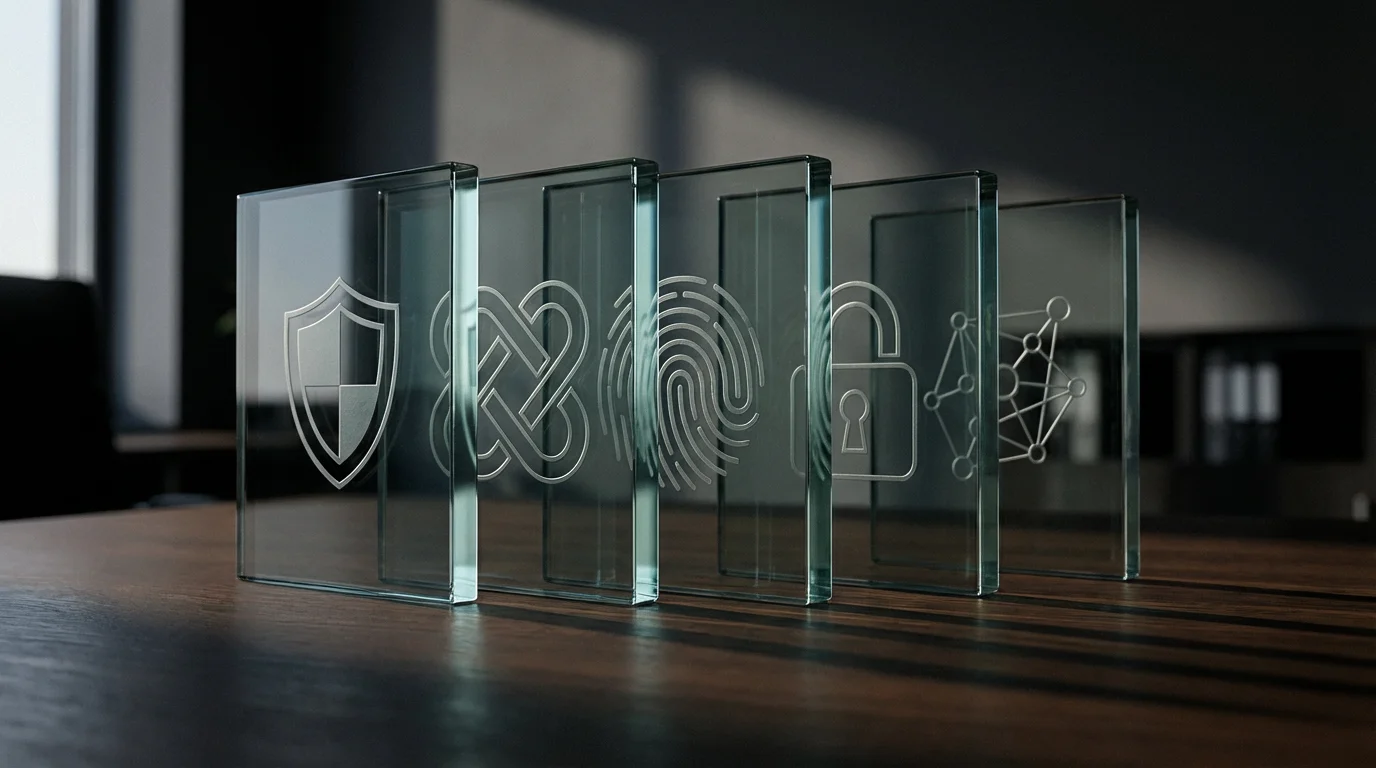
Beyond the Basics: Advanced Data Security Strategies
For those seeking an even higher level of `data security`, several advanced strategies offer enhanced protection. These measures move beyond standard app settings and password hygiene, providing deeper layers of defense. You proactively fortify your digital perimeter, making it significantly harder for malicious actors to compromise your information. Implementing these steps demonstrates a sophisticated approach to personal data management.
Investing in a reputable Virtual Private Network (VPN) provides a crucial layer of anonymity and encryption. A VPN encrypts your entire internet connection, masking your IP address and routing your traffic through secure, private servers. This makes it incredibly difficult for third parties, including internet service providers, governments, and potential snoopers, to track your online activities or intercept your data. CNET frequently reviews top VPN services like ExpressVPN or NordVPN, guiding you toward reliable, high-performance options.
Consider using privacy-focused browsers or browser extensions that block trackers and enforce secure connections. Browsers like Brave or extensions like Privacy Badger automatically prevent websites from collecting your browsing data and protect against fingerprinting techniques. This significantly reduces your digital footprint and minimizes the information advertisers gather about your online behavior. These tools empower you to reclaim control over your browsing experience, enhancing your `online safety` significantly.
Advanced Steps to Strengthen Your Data Security:
- Utilize a Reputable VPN Consistently: Make using a VPN a habit, especially when accessing sensitive information or using public Wi-Fi. It encrypts your entire connection, safeguarding your data from potential interceptors.
- Enable Full Disk Encryption: Ensure your smartphone and computer employ full disk encryption (often enabled by default on newer devices like iPhones or modern Windows/macOS installations). This scrambles your data at rest, making it unreadable without your decryption key, even if the device is physically stolen.
- Regularly Audit Connected Accounts and Apps: Periodically review which apps and services have access to your primary email, social media, or other health-related accounts. Revoke access for any unnecessary, unused, or suspicious connections to minimize potential data leaks.
- Securely Backup Sensitive Data: If you keep copies of health records or other sensitive personal information, store them on encrypted external drives or reputable cloud services that offer robust security features and MFA enabled for access.
- Practice Data Minimization: Adopt a mindset of sharing only the absolute minimum amount of personal information required. Question why an app or service needs certain data before providing it. If a field is optional, consider leaving it blank.
- Consider a Hardware Security Key: For ultimate account protection, use a hardware security key (like YubiKey) for MFA on your most critical accounts. These physical keys provide an extremely robust layer of protection against phishing and account takeover.
These advanced measures provide comprehensive protection for your health data. You build a resilient defense against an evolving landscape of digital threats, ensuring your journey into modern retirement remains secure and empowered.
The Future of Health Tech and Your Privacy
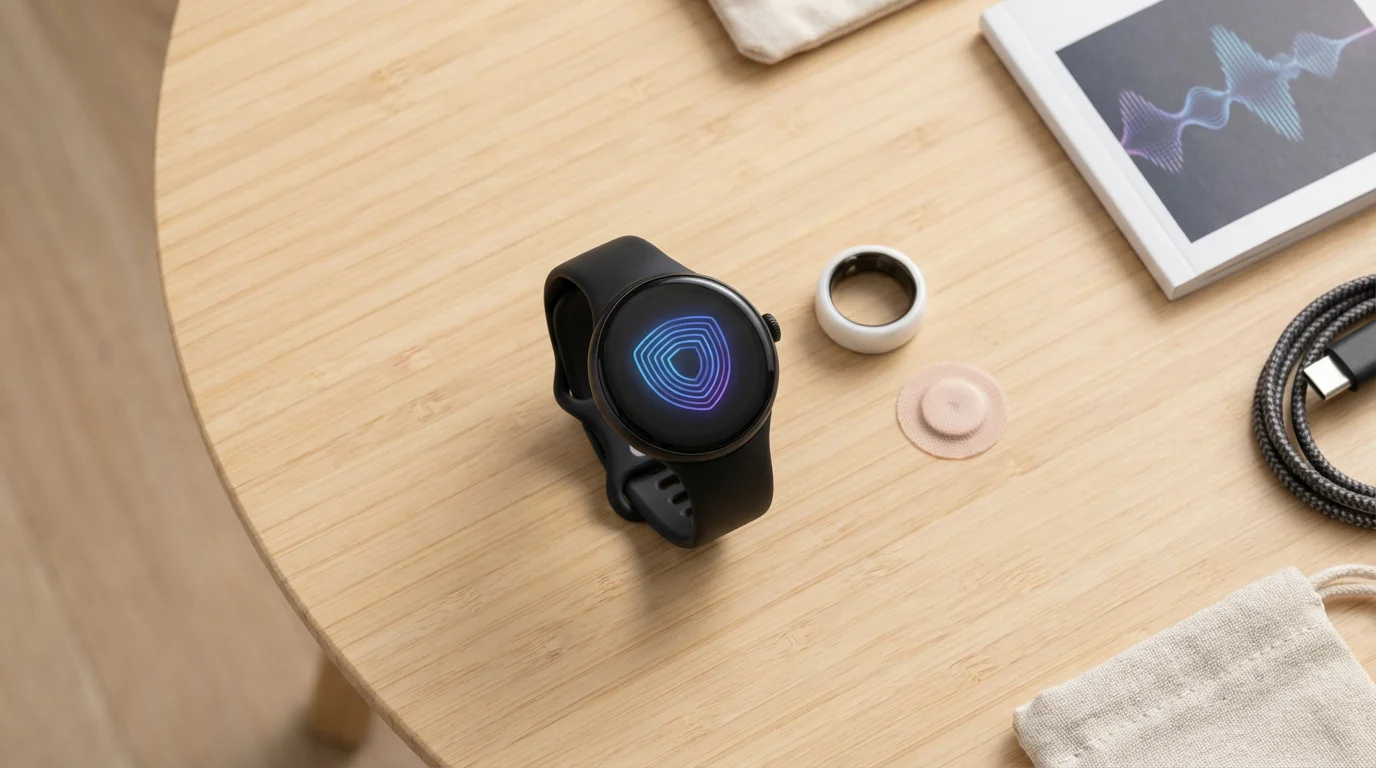
The landscape of health technology continues to evolve at an astonishing pace. You will encounter new innovations designed to improve your health, from predictive AI for disease detection to advanced biofeedback wearables. These advancements promise even more personalized and proactive health management. As the technology progresses, so too must your awareness of privacy implications and `how to protect health data online` in new contexts.
Emerging technologies like artificial intelligence (AI) and machine learning offer powerful insights from vast datasets, potentially revolutionizing diagnostics and personalized treatment plans. However, these systems rely on extensive data collection, making robust data anonymization, ethical AI development, and transparent algorithms paramount. Organizations like the MIT AgeLab actively research the intersection of technology, aging, and privacy, providing critical insights into future trends and best practices.
You play a vital role in shaping this future. Your demand for privacy-first design influences app developers and tech companies. By choosing apps with transparent policies, strong security features, and a clear commitment to your `health app privacy`, you signal the market’s preference for responsible data handling. Stay informed about developments in data protection laws and advocate for stronger consumer privacy rights. Your engagement ensures that future health innovations truly serve your well-being without sacrificing your privacy or autonomy.
Frequently Asked Questions
What is the most significant privacy risk with health apps?
The most significant privacy risk involves unauthorized data sharing with third parties, including advertisers and data brokers. This often occurs without your explicit, clear understanding. Your sensitive health information could then be used for targeted marketing or potentially influence decisions about insurance or employment, highlighting the need for vigilance regarding how to protect health data online.
Can my health app data be used against me?
Yes, potentially. While direct individual discrimination is often illegal, aggregated or de-identified data can sometimes be re-identified. This information could theoretically impact insurance premiums, loan applications, or even certain employment opportunities if it falls into the wrong hands or is used in unforeseen ways. This emphasizes the importance of robust data security practices.
How do I know if a health app is trustworthy?
Look for apps from reputable developers with transparent privacy policies. Read user reviews, check if the app complies with health data regulations in your region (though many consumer apps are not HIPAA-covered), and verify its security certifications if available. A strong indicator is an app that clearly explains its data practices and allows you granular control over your data and permissions. You gain better online safety when you choose reputable sources.
Should I delete old health apps I no longer use?
Absolutely. You should always delete unused health apps and any associated accounts. Even dormant apps might retain your data on their servers. Deleting the app from your device and formally requesting account deletion from the provider reduces your digital footprint and lessens the chance of your data being exposed in a future breach. This is a simple yet powerful step in maintaining your health app privacy.
Is using a VPN enough to protect my health data?
A VPN significantly enhances your online safety by encrypting your internet connection and masking your IP address, especially on public Wi-Fi. However, it does not protect data once it reaches the app provider’s servers. A VPN is one crucial layer in a multi-layered data security strategy, working alongside strong passwords, MFA, and careful app permission management to provide comprehensive protection.
Disclaimer: This article is for informational purposes. Technology, apps, and services mentioned may change over time. We encourage readers to research current options and consider their individual needs when making decisions.






Leave a Reply