
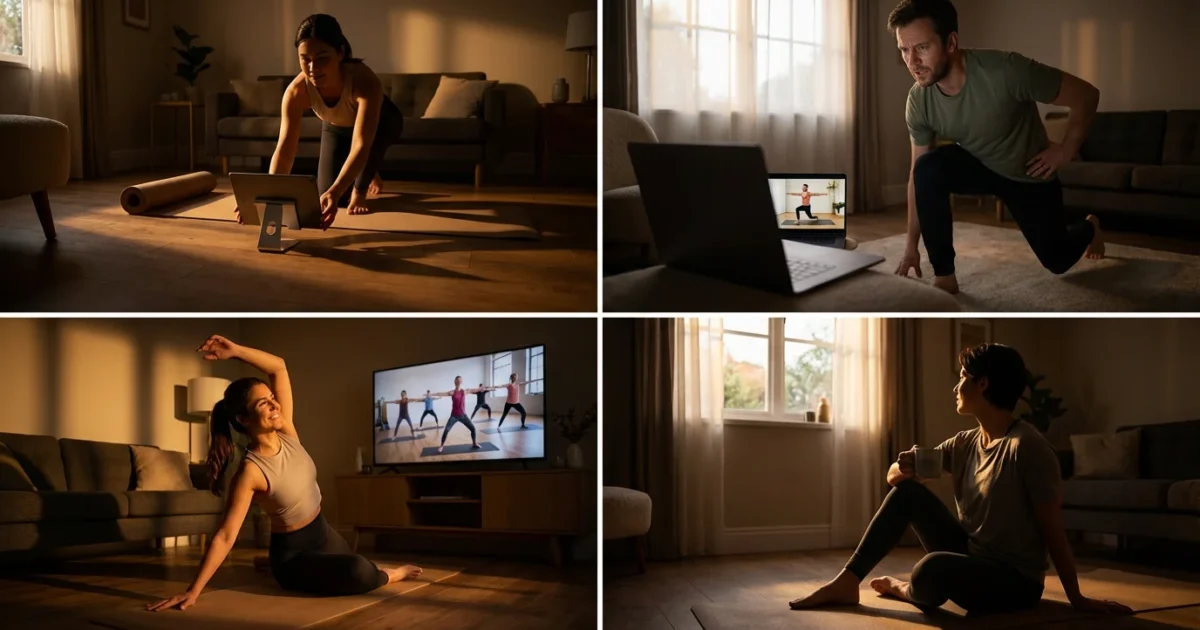
The traditional image of retirement no longer applies to your generation. You seek vibrant, engaged lives, pushing boundaries and embracing innovation. Staying active remains a cornerstone of this modern approach, enhancing physical health, mental clarity, and overall well-being. Virtual fitness classes offer a powerful, flexible solution, allowing you to design a fitness routine that perfectly fits your lifestyle, right from your living room.
Sharing your progress on social media for seniors is another great way to stay motivated and inspire others in your circle.
You possess the digital comfort and curiosity to explore new avenues for health and activity. This guide provides a clear, step-by-step path to integrating virtual fitness into your life, whether you are a seasoned exerciser or just starting your fitness journey. You will discover the vast array of online classes available and learn how to get started with virtual fitness confidently.
Redesigning Your Fitness Routine: The Virtual Advantage
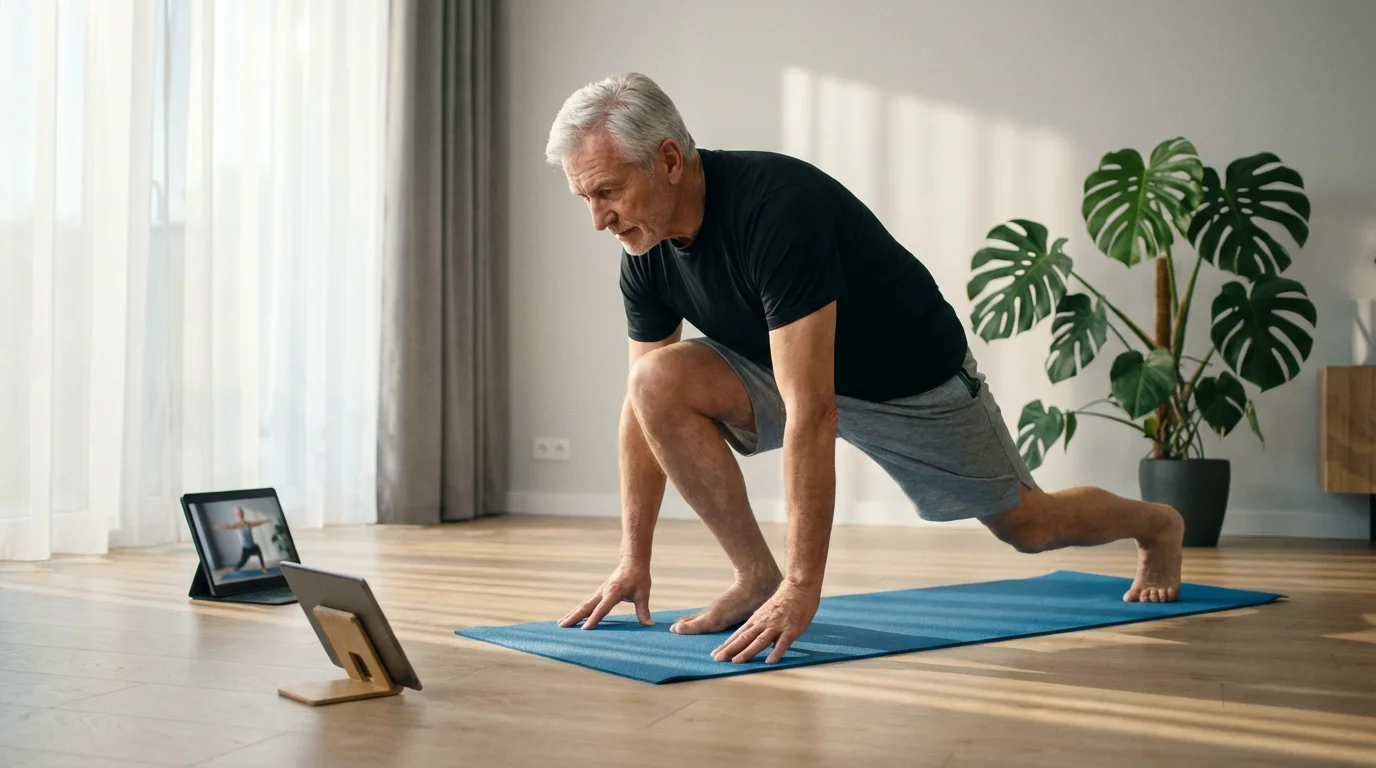
Your approach to retirement prioritizes convenience, customization, and autonomy. Virtual fitness perfectly aligns with these values, offering a dynamic alternative to traditional gym memberships. You gain the freedom to exercise on your schedule, without travel time, parking hassles, or the feeling of being observed. This personalized control over your wellness journey becomes a significant advantage.
Many modern retirees find that virtual fitness removes previous barriers to consistent exercise. Bad weather, transportation issues, or feeling self-conscious in a gym setting no longer dictate your activity levels. You control your environment, fostering a sense of comfort and ownership over your health goals. This shift empowers you to sustain an active lifestyle with greater ease.

Discover the Benefits of Online Fitness
Engaging in regular physical activity offers profound benefits for your physical and mental health. Virtual fitness amplifies these advantages through its accessibility and adaptability. You can tailor your workouts to your current fitness level and personal preferences, ensuring a safe and effective experience.
Consider these key benefits you gain from embracing online classes:
- Unmatched Flexibility: You decide when and where you work out. Schedule a class around appointments, travel, or family commitments, fitting fitness seamlessly into your daily life.
- Cost-Effectiveness: Many platforms offer subscription models that prove more affordable than gym memberships. You also eliminate travel costs and specialized attire.
- Privacy and Comfort: Exercise in the familiar surroundings of your home. This removes any potential intimidation you might feel in a public gym, allowing you to focus purely on your movement and form.
- Diverse Options: The sheer variety of virtual fitness programs available is astounding. You can explore new activities or stick to favorites, preventing boredom and keeping your routine fresh.
- Personalized Pace: You control the intensity and modifications for each exercise. Pause, rewind, or slow down a class as needed, ensuring you listen to your body and prevent injury.
- Community Connection: Many platforms feature live classes with interactive chats or online communities. You can connect with instructors and fellow participants, fostering a sense of belonging and shared progress.
Pew Research data indicates a significant increase in digital adoption among older adults, highlighting your generation’s readiness to leverage technology for personal growth and well-being. This trend underscores the natural fit for virtual fitness in your modern retirement lifestyle.
Exploring Your Options: What Virtual Fitness Classes Exist?
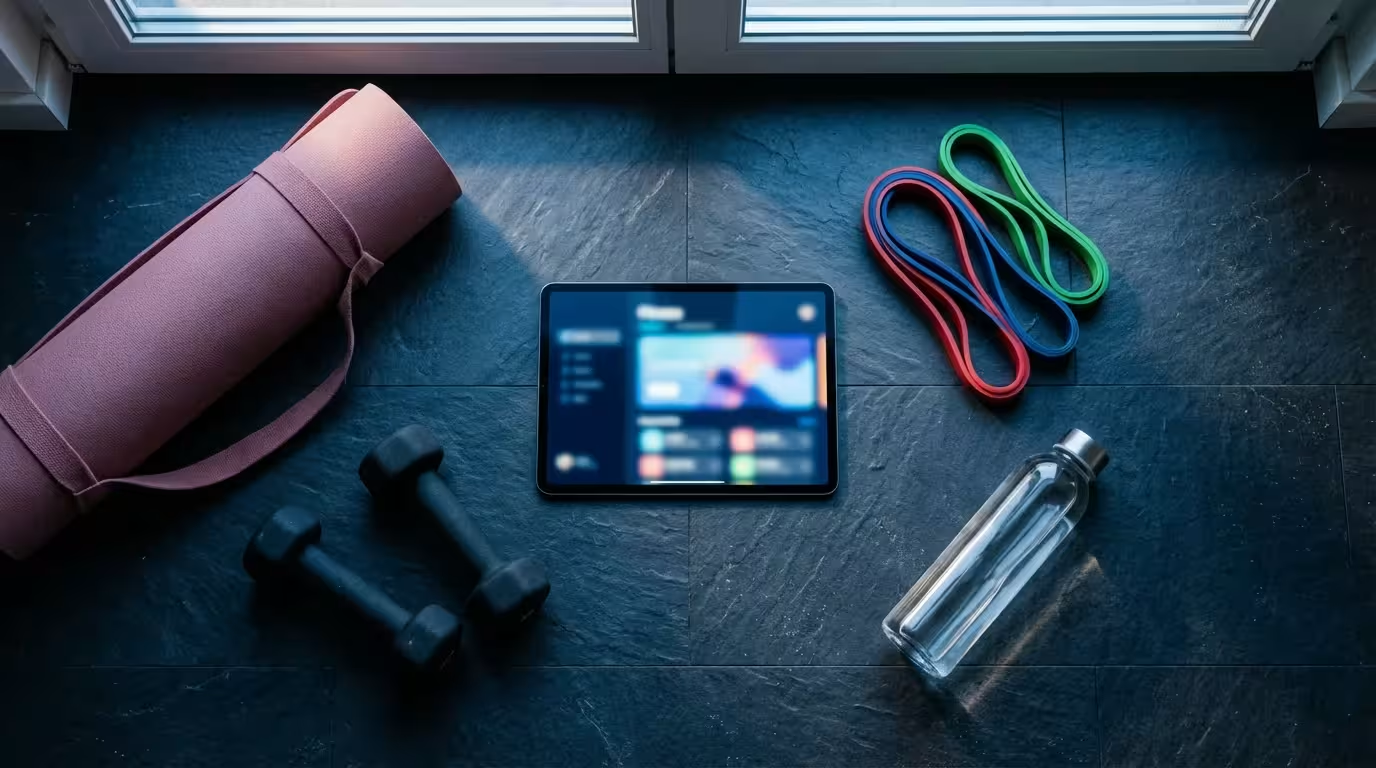
The landscape of virtual fitness offers an incredible breadth of choices, catering to every interest and fitness level. You will find that many platforms focus on specific disciplines, while others provide a comprehensive library of diverse workouts. This variety means you can always find something new to challenge or relax you.
As you explore these digital tools, it’s also important to understand protecting your health data when using various wellness apps.
Here are some popular categories of online classes you can explore:
- Strength Training: These classes use body weight, resistance bands, or light weights to build and maintain muscle mass, crucial for bone density and metabolism. Look for beginner-friendly routines or classes specifically designed for functional strength.
- Yoga and Pilates: Enhance your flexibility, balance, and core strength. Options range from gentle restorative yoga to dynamic Vinyasa flows and precise Pilates mat work. Many classes offer modifications for various skill levels.
- Cardio and Dance: Boost your heart health with low-impact aerobics, Zumba, or dance fitness. These classes often feature upbeat music and engaging choreography, making exercise feel like fun.
- Balance and Mobility: Focus on exercises that improve stability and range of motion, which are vital for preventing falls and maintaining independence. Tai Chi and specialized balance courses are excellent choices.
- High-Intensity Interval Training (HIIT): For those seeking a more intense workout, HIIT involves short bursts of intense exercise followed by brief recovery periods. Many virtual HIIT programs offer modifications to adjust the intensity.
- Mind-Body Practices: Beyond physical movement, you can find guided meditations, stretching routines, and breathwork sessions that promote mental well-being and stress reduction.
Numerous platforms host these classes. YouTube provides a vast free library, while subscription services like Peloton App, Apple Fitness+, Daily Burn, and AARP’s own fitness offerings deliver structured programs and often live classes. You have the power to choose what resonates with your goals and budget.
Essential Gear: Setting Up Your Home Fitness Zone
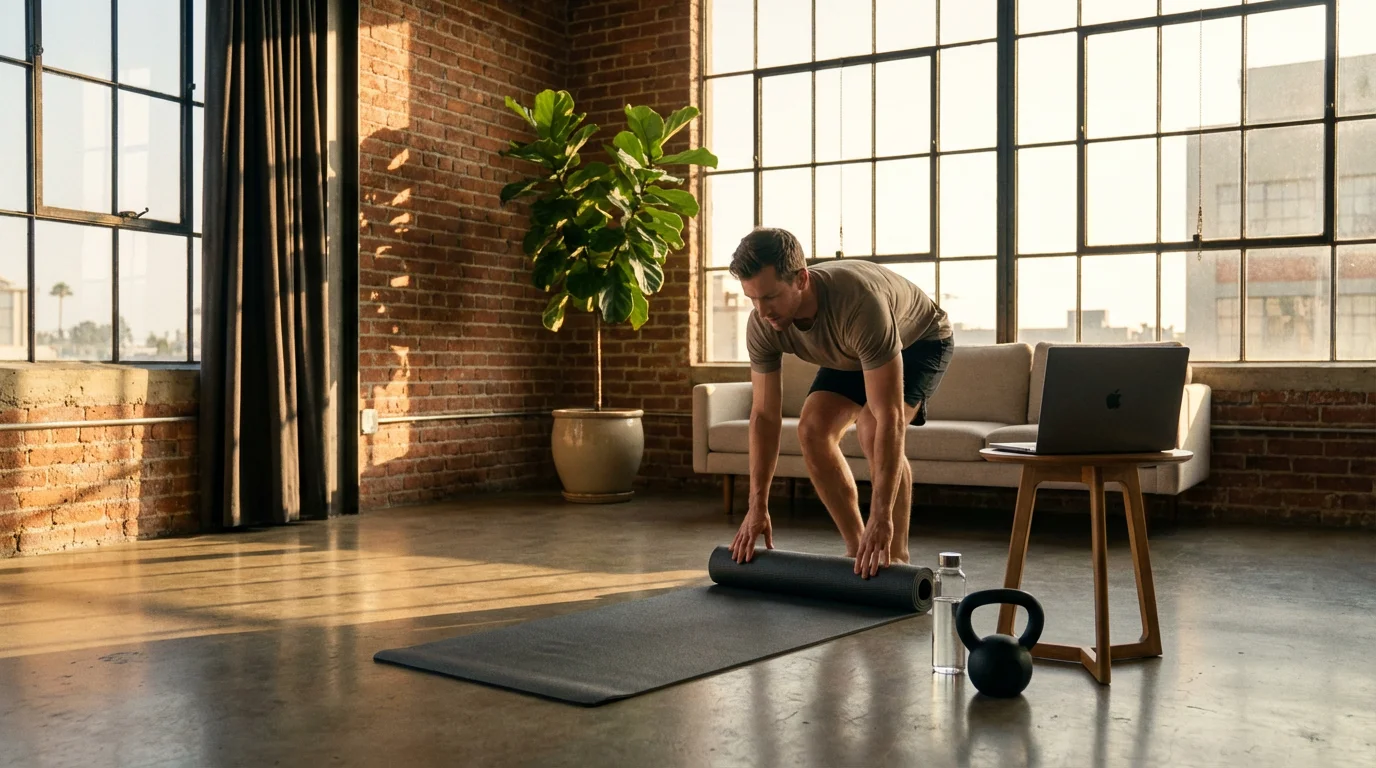
One of the great advantages of virtual fitness is its minimal equipment requirement. You do not need a dedicated home gym; a small, clear space suffices for most workouts. However, a few key items can significantly enhance your comfort and effectiveness.
To better monitor your intensity and progress during these sessions, consider choosing the right fitness tracker for your active retirement.
Prioritize these items when setting up your personal workout area:
- Reliable Internet Connection: Stable Wi-Fi is paramount for streaming classes without interruption. A strong signal prevents buffering and ensures a smooth experience.
- Display Screen: You will need a device to view your classes. A smart TV, tablet, laptop, or even a large smartphone works well. Consider casting from a smaller device to a larger screen for better visibility.
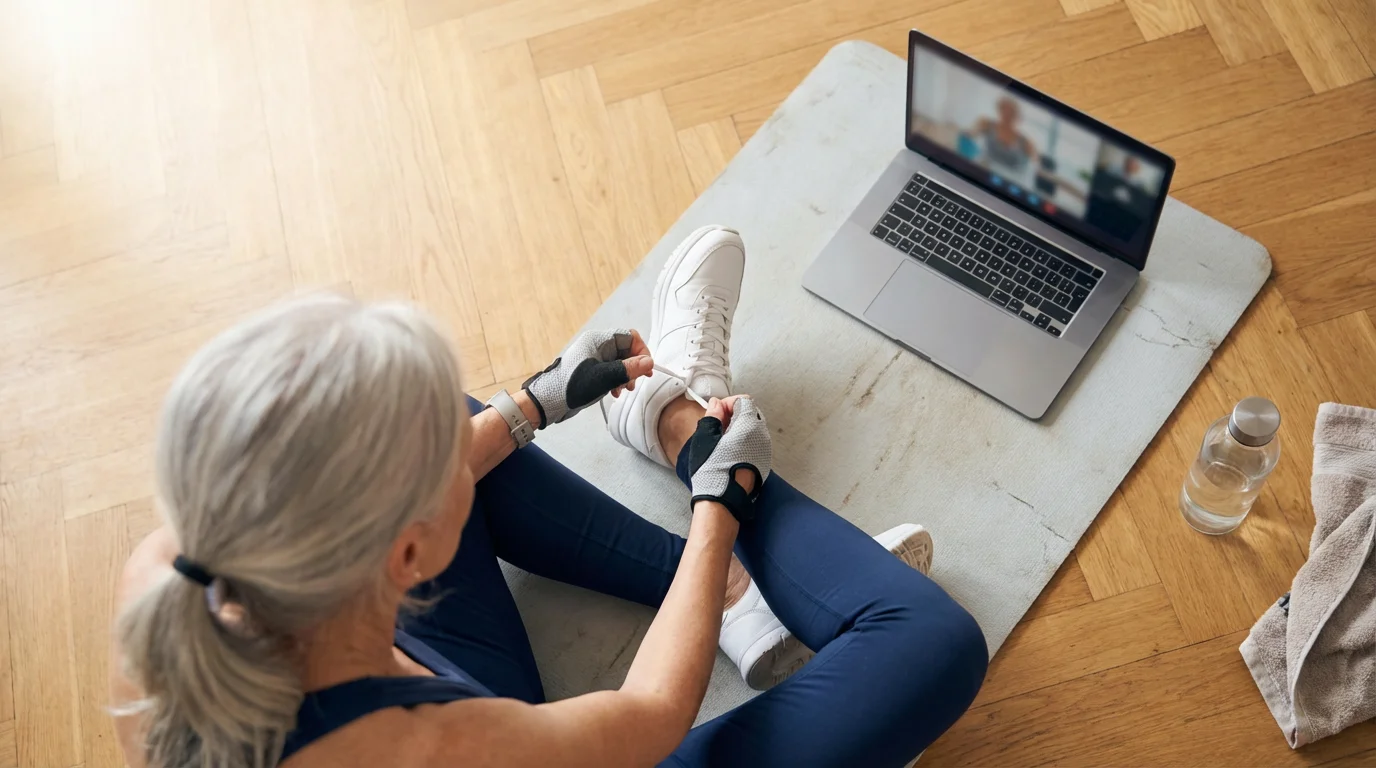
- Comfortable Workout Attire: Choose clothes that allow for a full range of motion and do not restrict movement. Proper athletic shoes provide support and cushioning, especially for standing workouts.
- Exercise Mat: A good quality mat offers cushioning for floor exercises, yoga, and stretching. It also provides a non-slip surface, enhancing safety.
- Water Bottle: Stay hydrated throughout your workout. Keep a full water bottle within easy reach.
- Resistance Bands or Light Weights: While not always necessary, these add intensity to strength training. Start with light options, perhaps 1-5 pound dumbbells, or a set of resistance bands with varying tension levels.
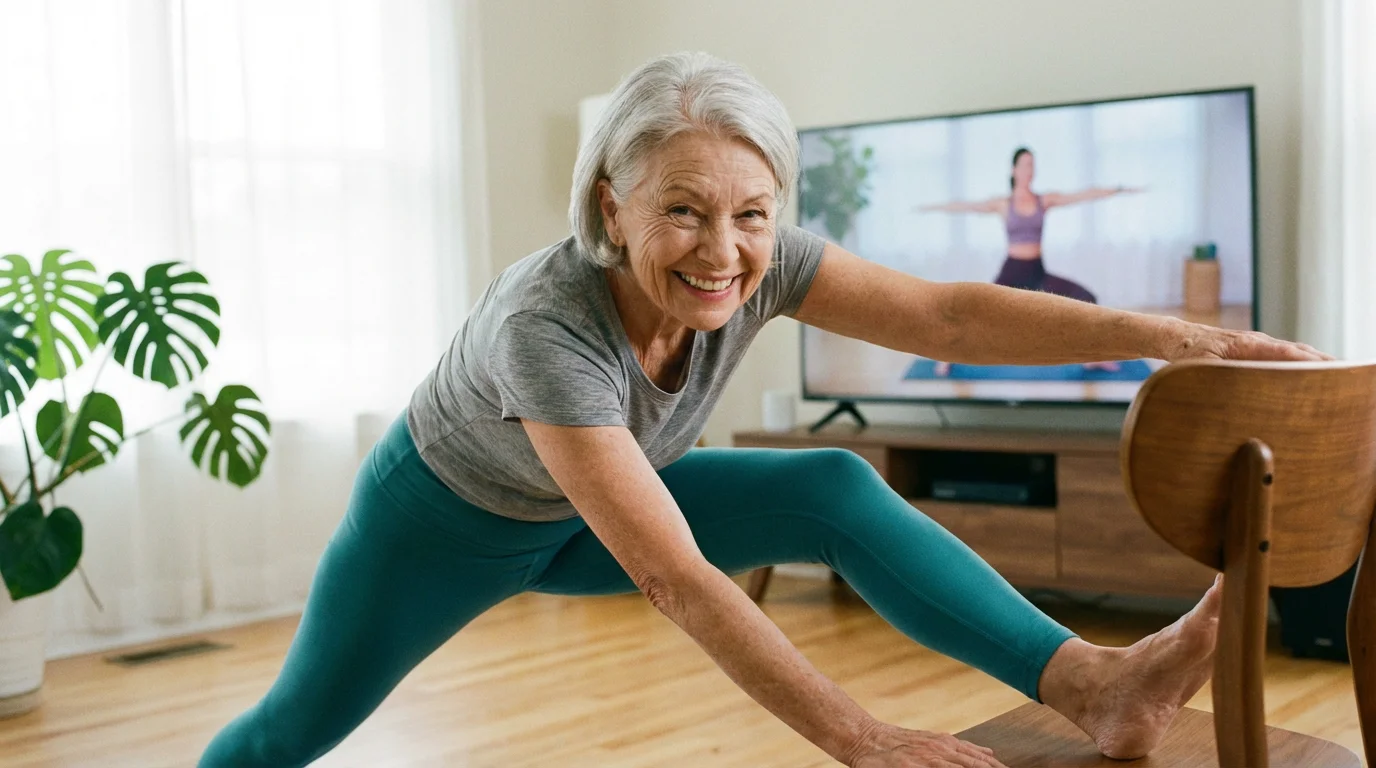
- Supportive Chair: Many balance or modified exercises incorporate a sturdy chair. Keep one nearby, especially when trying new movements.
Remember, you do not need to purchase everything at once. Begin with the essentials, then gradually add equipment as your routine evolves and your needs change. Functionality always takes precedence over fancy gear.
Taking the First Step: How to Get Started with Virtual Fitness
Embarking on any new endeavor requires a clear plan. Starting with virtual fitness is straightforward when you follow a few practical steps. You will build confidence with each successful workout and discover the joy of movement on your terms.
Embracing virtual exercise is a fantastic way to continue learning and staying vibrant through every stage of your modern retirement.
When signing up for subscription platforms, remember to stay safe and avoid online scams by only using verified sites and secure payment methods.
Consider adding specific fitness milestones to your retirement bucket list to keep your health journey exciting and goal-oriented.
While indoor workouts are convenient, you might also enjoy hiking for seniors as a way to stay active and enjoy the outdoors.
Follow this guide to seamlessly integrate online classes into your life:
- Assess Your Current Fitness Level and Goals: Honestly evaluate your physical condition. Are you a beginner, intermediate, or advanced? What do you want to achieve? Improve balance, build strength, increase flexibility, or boost endurance? Your answers guide your class selection.
- Define Your Available Space: Look around your home. Where can you comfortably move without hitting furniture or walls? Ensure you have enough room to extend your arms and legs fully. A clear, well-lit area is ideal.
- Choose Your Device and Platform: Decide whether you will use a smart TV, tablet, or computer. Research virtual fitness platforms. Do you prefer a free option like YouTube, or a subscription service with structured programs and potentially live classes? Many platforms offer free trials, allowing you to sample content before committing.
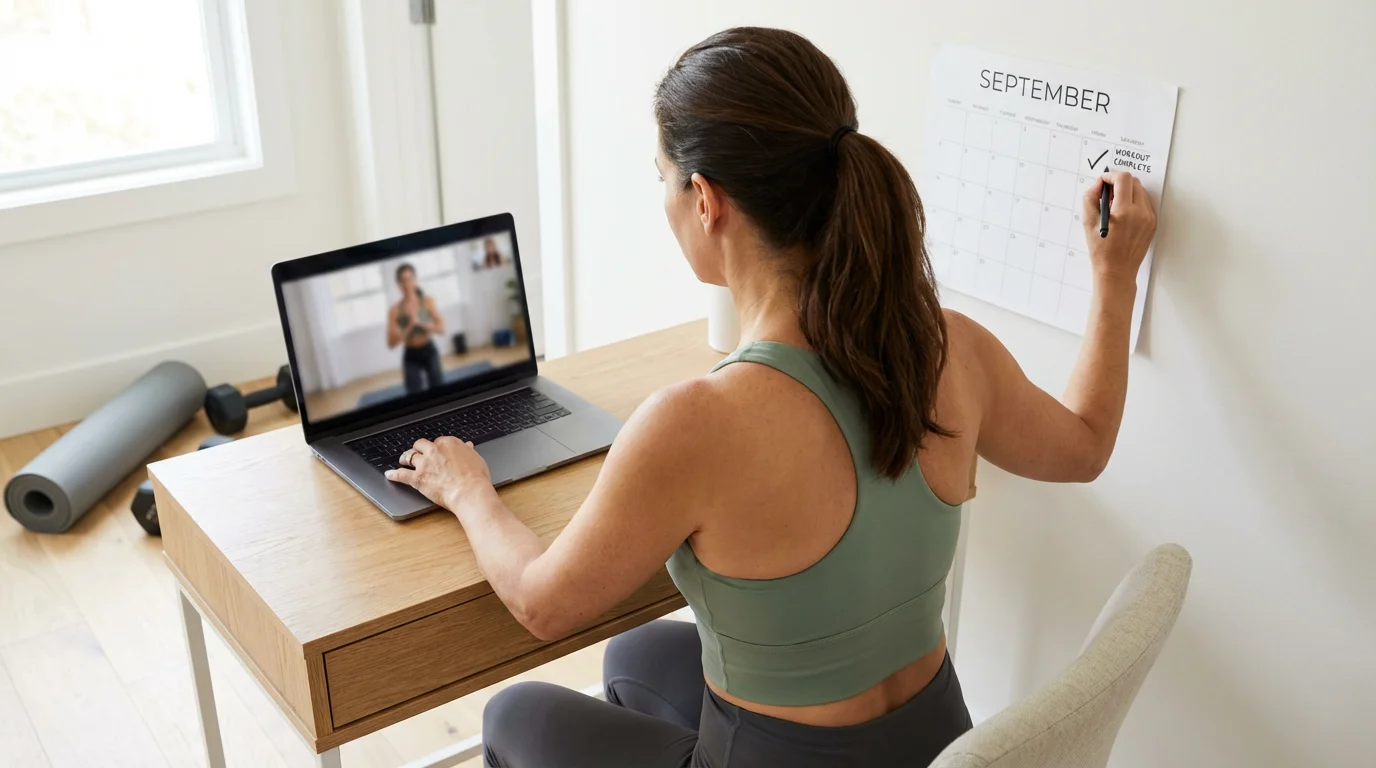
- Schedule Your Workouts: Consistency is key. Treat virtual fitness classes like any other important appointment. Block out specific times in your calendar each week for exercise. Starting with 2-3 sessions per week is a realistic goal.
- Start with Beginner-Friendly Classes: Especially if you are new to fitness or a particular activity, select classes clearly labeled “beginner,” “gentle,” or “introductory.” Pay close attention to warm-ups and cool-downs.
- Focus on Form Over Speed: Watch the instructor closely and prioritize correct form. Good technique prevents injury and maximizes the effectiveness of each movement. Do not hesitate to pause or rewind to review instructions.
- Listen to Your Body: You know your body best. Modify exercises as needed, take breaks when you feel tired, and never push through pain. Exercise should feel challenging, not painful.
- Stay Hydrated and Nourished: Drink water before, during, and after your workouts. Maintain a balanced diet to support your energy levels and recovery.
MIT AgeLab research emphasizes the importance of accessible and engaging activities for maintaining cognitive and physical vitality as you age. Virtual fitness provides a perfect example of such an activity, delivered right to your home.
Finding Your Rhythm: Choosing the Right Class and Platform
With so many virtual fitness options available, finding the perfect fit can seem daunting. However, you possess the discernment to identify what truly works for you. Your preferences, fitness goals, and budget will guide your decisions.
When signing up for new services, it is also important to be mindful of protecting your privacy while navigating health apps and fitness platforms.
Consider these factors when selecting online classes and platforms:
- Instructor Style: Some instructors are high-energy and motivating, others calm and instructive. Sample different teachers to find someone whose personality and teaching approach resonate with you. Many platforms allow you to browse instructor profiles.
- Class Structure and Length: Do you prefer short, intense sessions or longer, more meditative practices? Look for classes that fit your available time and attention span. Many platforms offer 10-minute quick workouts up to 60-minute full sessions.
- Music Preferences: Music plays a significant role in many workouts. Some classes feature specific genres, while others allow you to mute the music and play your own. If music is a motivator for you, consider this aspect.
- Community Features: If connecting with others is important, explore platforms offering live classes with chat functions, online forums, or group challenges. This adds a social dimension to your home workouts.
- Trial Periods and Reviews: Take advantage of free trials offered by subscription services. Read reviews from other users to gain insights into the class quality and platform usability. Consumer Reports often reviews fitness apps and services, providing valuable comparative data.
- Accessibility Features: Check if platforms offer closed captions, audio descriptions, or adjustable playback speeds if these features enhance your experience.
Do not be afraid to experiment. Your journey with virtual fitness is a process of discovery. You might find you love yoga one month and dance cardio the next. Embrace this flexibility.
Staying Motivated: Tips for Long-Term Success
Maintaining motivation for any fitness routine requires strategy and commitment. Virtual fitness offers unique advantages in this regard, but you can further bolster your resolve with a few proactive measures. You have the power to create lasting habits that support your active lifestyle.
Implement these strategies to keep your virtual fitness journey on track:
- Set Realistic Goals: Start small and build gradually. Achieving manageable goals provides momentum and boosts confidence. Perhaps aim for three 30-minute classes per week initially.
- Track Your Progress: Use a fitness tracker, a simple notebook, or an app to record your workouts. Seeing your consistency and improvements is a powerful motivator. You can note class completion, duration, or even how you felt after a workout.
- Vary Your Workouts: Prevent boredom by trying different class types, instructors, or platforms. This keeps your body challenged in new ways and maintains your enthusiasm.
- Find an Accountability Partner: Share your fitness goals with a friend or family member. You can even virtually work out together or simply check in with each other regularly.
- Reward Yourself: Acknowledge your milestones. Rewards do not need to be elaborate; a new pair of workout socks, a relaxing bath, or a new e-book can serve as excellent incentives.
- Create a Dedicated Space: Even a small corner can become your “fitness sanctuary.” Keeping equipment organized and readily available reduces friction when it is time to work out.
- Celebrate Small Victories: Every completed workout is a win. Acknowledge your effort and consistency. This positive reinforcement encourages continued participation.
Your generation has demonstrated an incredible ability to adapt and thrive. Apply that same innovative spirit to your fitness, and you will unlock a sustainable path to vitality and well-being.
Frequently Asked Questions
Is virtual fitness as effective as in-person classes?
Yes, virtual fitness can be incredibly effective, often mirroring the intensity and instruction quality of in-person classes. Its effectiveness largely depends on your engagement, consistent participation, and adherence to proper form. Many online instructors provide cues for modifications and alignment, ensuring a safe and productive workout.
What if I have limited mobility or health conditions?
You can still benefit from virtual fitness. Look for classes specifically designed for seniors, gentle movement, chair exercises, or those with clear modification options. Always consult your doctor before starting any new exercise program, especially if you have pre-existing health conditions or mobility concerns. Many platforms allow you to filter classes by intensity or specific needs.
Do I need an expensive subscription to access good virtual fitness classes?
Not at all. While many excellent subscription services exist, numerous high-quality free options are available. YouTube hosts a vast library of fitness videos from reputable instructors and organizations. You can find free trials for many paid platforms, allowing you to explore without commitment. You choose the option that best fits your budget and preferences.
How do I know if I am doing the exercises correctly without an instructor physically present?
Focus intently on the instructor’s cues and demonstrations. Many virtual classes include detailed verbal instructions and multiple camera angles to show proper form. You can also record yourself to compare your movements with the instructor’s or use a mirror. Prioritizing slow, controlled movements and listening to your body helps prevent injury. If a movement causes pain, stop immediately.
Disclaimer: This article is for informational purposes. Technology, apps, and services mentioned may change over time. We encourage readers to research current options and consider their individual needs when making decisions.









Leave a Reply