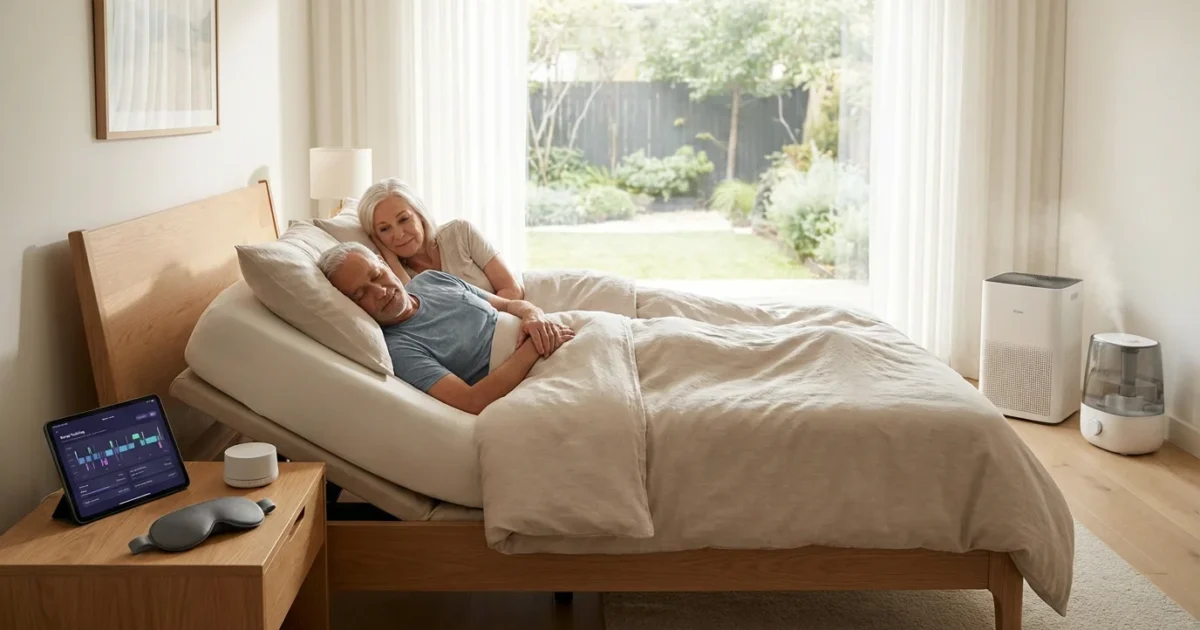
Retirement presents a remarkable opportunity to redefine your daily life, pursuing passions and enjoying newfound freedom. However, for many modern retirees, the pursuit of an ideal lifestyle often encounters an unexpected challenge: sleep. Sleep difficulties are common, impacting everything from energy levels to cognitive function. The good news is that you do not need to simply accept restless nights. Technology offers powerful, accessible solutions to help you reclaim restorative sleep and truly thrive in this exciting chapter of your life.
Rethinking Rest: Why Sleep Quality Defines Modern Retirement
You have worked hard, built a career, and contributed significantly. Now, your retirement years are for enjoying the fruits of that labor. Optimal sleep is not a luxury, it is a foundational pillar for a vibrant, active, and mentally sharp retirement. Poor sleep impacts mood, memory, and physical health, potentially derailing your plans for travel, hobbies, and social engagement. Conversely, consistent, high-quality sleep boosts your immune system, sharpens your cognitive abilities, and enhances your overall quality of life.
Prioritizing rest is a fundamental step when designing a retirement routine that fosters vitality and helps you meet your daily goals.
Embracing technology to improve your sleep is a proactive step towards a more fulfilling retirement. You can utilize intelligent tools to understand your body, optimize your environment, and cultivate healthy habits. This proactive approach ensures you maximize your energy and focus for all the adventures ahead.
Decoding Your Night: The Power of Sleep Trackers
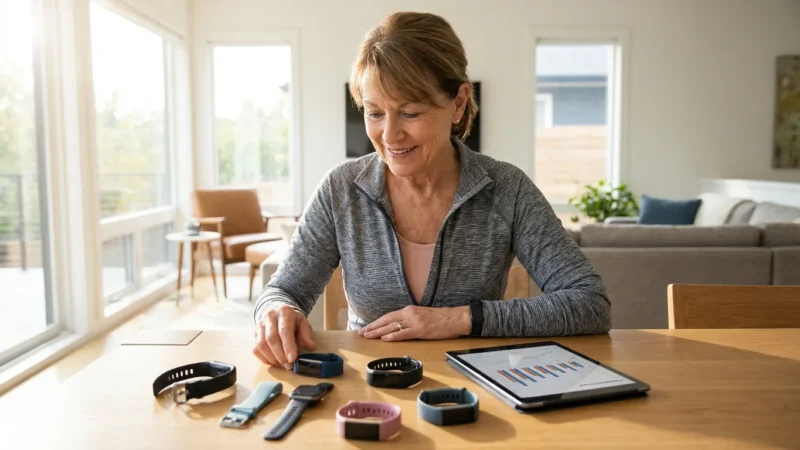
Understanding your sleep patterns is the first step toward improving them. Modern sleep trackers provide invaluable data, moving beyond guesswork to give you concrete insights into your nightly rest. These devices, ranging from wearables to under-mattress sensors, monitor various metrics. They can track sleep stages, heart rate variability, breathing patterns, and disturbances. This information empowers you to identify trends and make informed adjustments to your routine or environment.
If you need help setting up these devices, professional tech support for seniors can assist in getting your trackers synced and operational.
While using these devices, it is important to understand the best practices for protecting your privacy when managing sensitive health data.
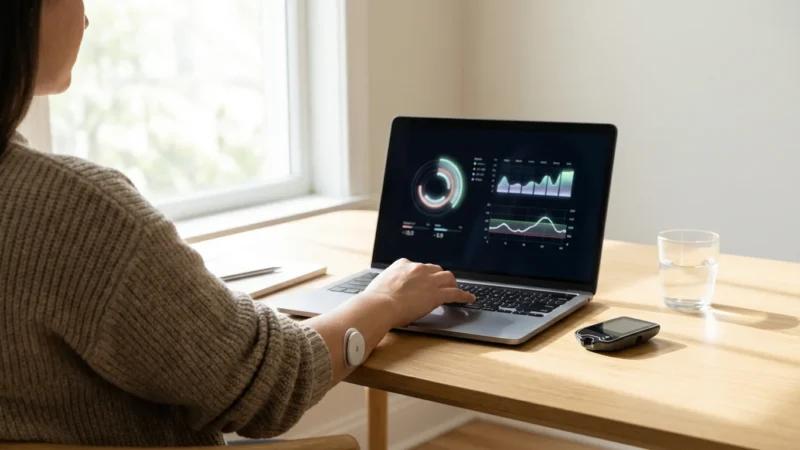
Many smartwatches and dedicated devices offer robust sleep tech capabilities. They collect data throughout the night and present it in easy-to-understand reports on your smartphone or computer. You can then use these insights to experiment with different bedtime routines or lifestyle changes, observing their impact on your sleep quality.
Consider these popular types of sleep trackers:
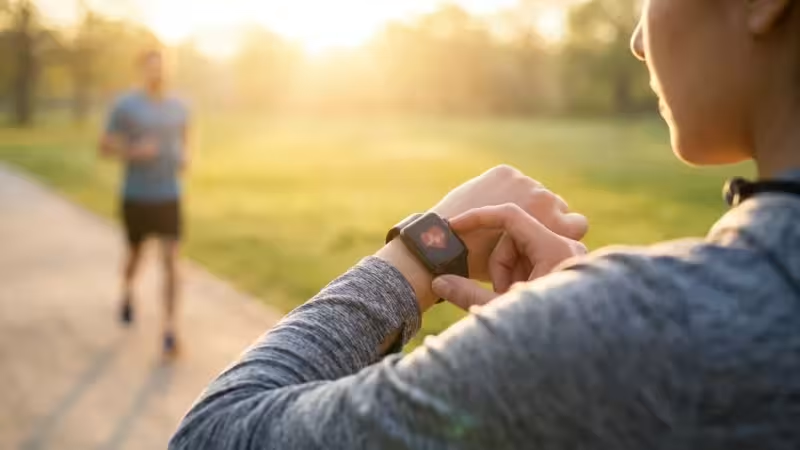
- Smartwatches: Devices like the Apple Watch and various Fitbit models offer comprehensive sleep tracking as part of their broader health monitoring features. They integrate seamlessly into your daily life, providing data on sleep duration, quality, and often blood oxygen levels.
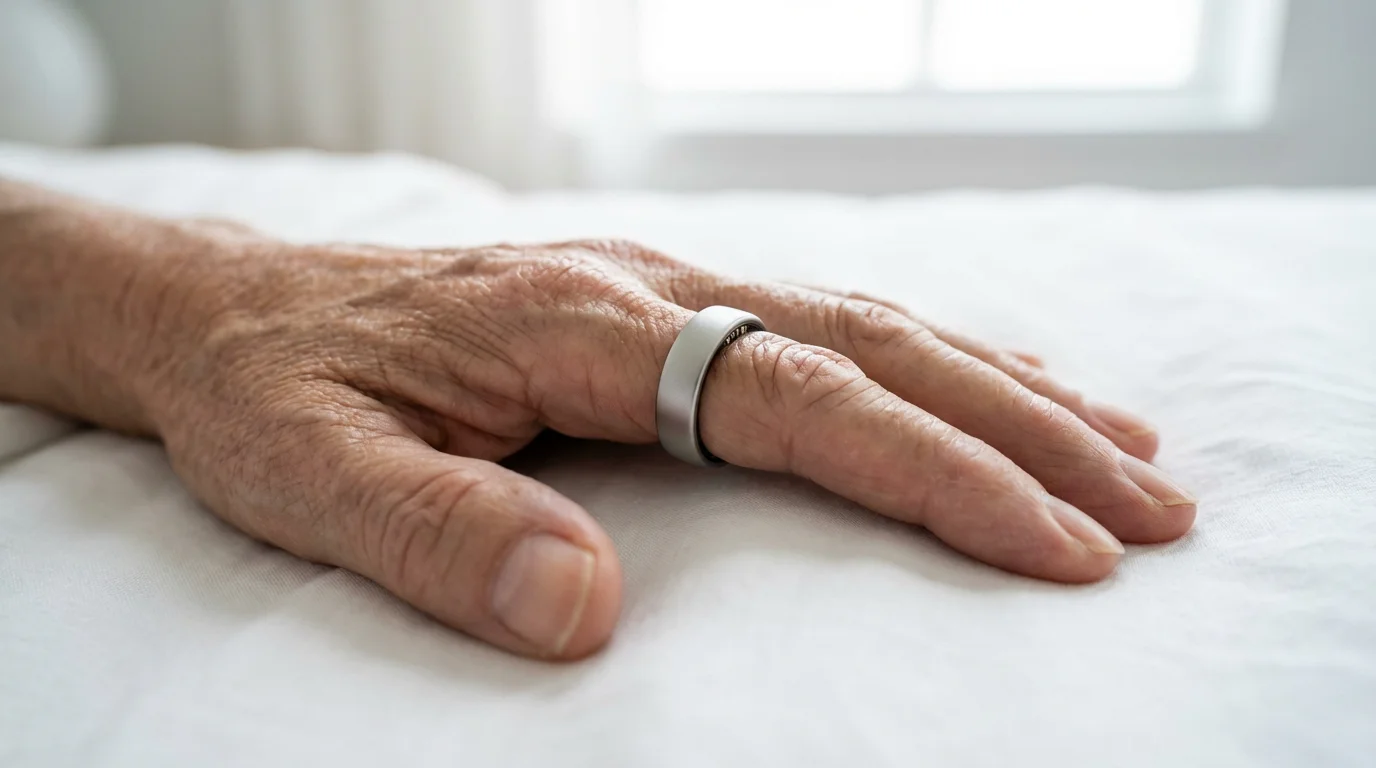
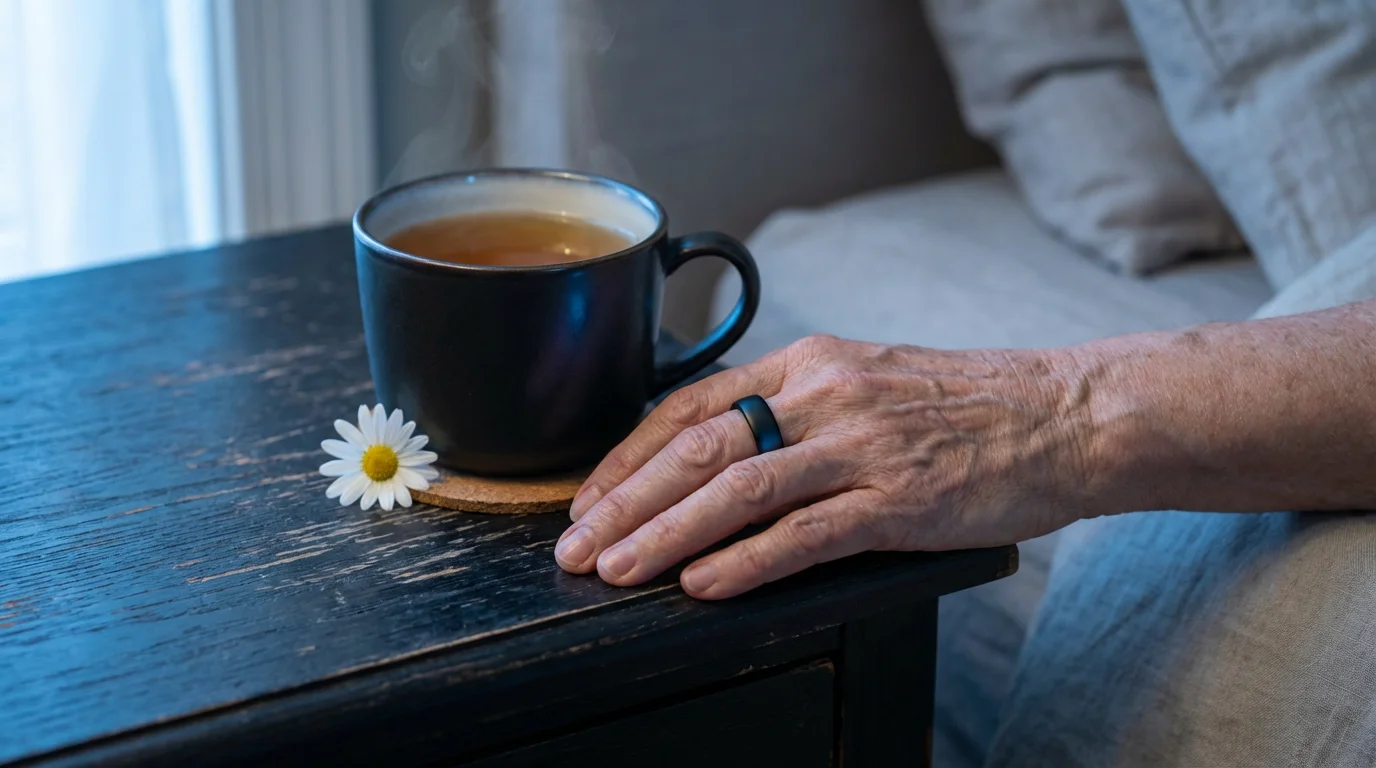
- Smart Rings: The Oura Ring is a prime example of a dedicated sleep and activity tracker worn on your finger. It offers highly accurate data on sleep stages, body temperature, and recovery metrics, providing a daily “readiness score.”
- Under-Mattress Sensors: Non-wearable options such as the Withings Sleep Analyzer slip under your mattress. They track sleep cycles, heart rate, and breathing, detecting sleep disturbances like snoring and even signs of sleep apnea, all without requiring you to wear anything.
- Bedside Devices: Some devices sit on your nightstand, using radar or acoustic sensors to monitor your sleep without direct contact. These often focus on ambient conditions and breathing patterns.
According to data from Consumer Reports, accuracy varies across devices, but most modern trackers provide sufficient data for identifying personal sleep trends and informing behavioral changes. You gain a clearer picture of when you achieve deep sleep and what might be disrupting your rest.
Engineering Serenity: Smart Home Devices for Optimal Sleep
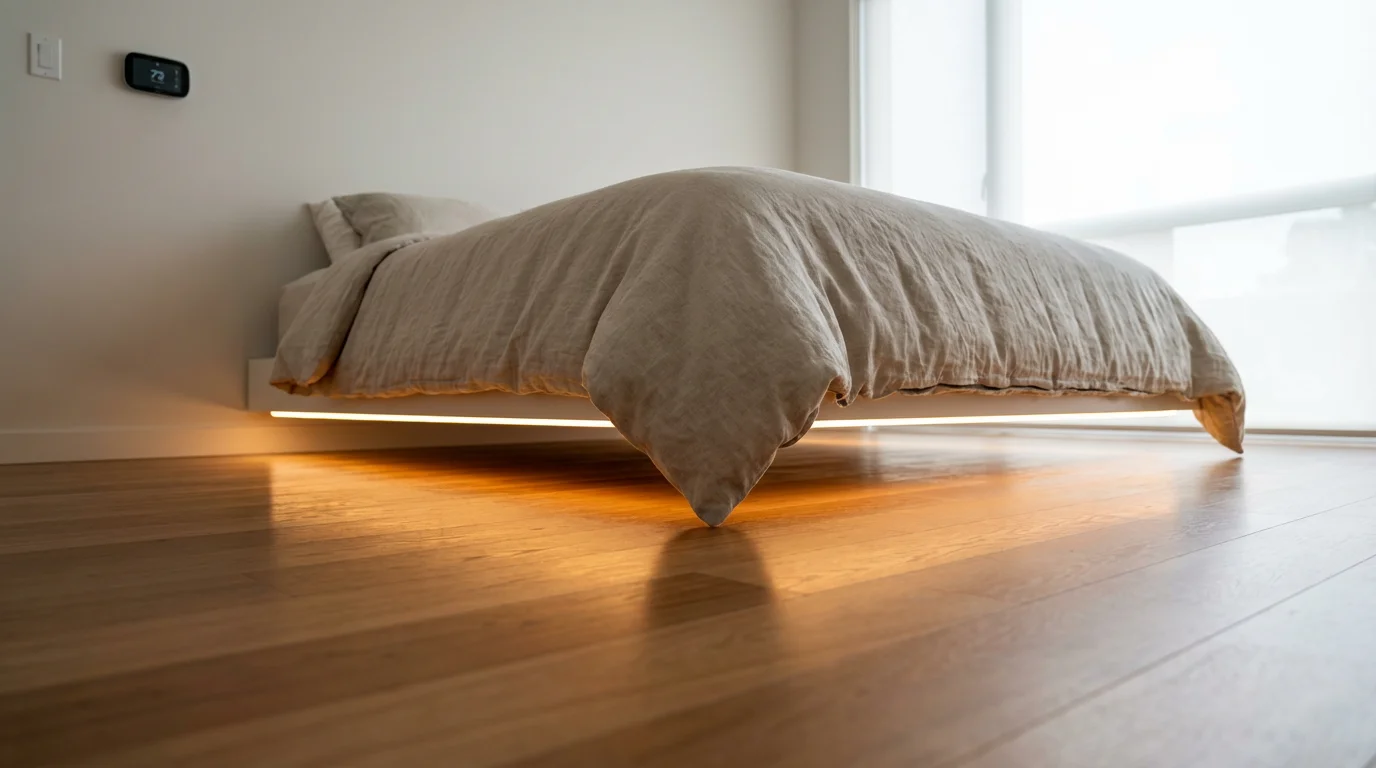
Your bedroom environment significantly influences your ability to fall asleep and stay asleep. Smart home technology allows you to precisely control these elements, creating an ideal sleep sanctuary. You can automate temperature, lighting, and sound to support your natural circadian rhythms. This proactive environmental control makes it easier for your body to prepare for and engage in restorative sleep, answering the question, “what tech can help sleep?”
These systems are part of a broader range of gadgets that make aging in place easier while providing enhanced comfort and security.
Imagine your bedroom transforming into a perfect sleep haven with minimal effort. Smart devices work together to manage critical sleep factors automatically. You can schedule lights to dim gradually in the evening and brighten gently in the morning, mimicking natural daylight. You can also ensure your room maintains an optimal temperature throughout the night.
Key smart home enhancements for better sleep include:
- Smart Lighting Systems: Philips Hue or Lutron systems allow you to control brightness and color temperature. You can program lights to shift to warmer, dimmer tones in the evening, signaling to your body that it is time to wind down. In the morning, lights can gradually brighten, easing you awake more naturally than a jarring alarm.
- Smart Thermostats: Devices like the Nest or Ecobee learn your preferences and maintain your ideal sleep temperature. Research suggests that a cooler room, typically between 60-67 degrees Fahrenheit, promotes better sleep. You can program schedules to achieve this consistent temperature without manual adjustments.
- Smart Blinds and Shades: Automated blinds, often compatible with Google Home or Amazon Echo systems, block out light completely at night and can be programmed to open at a gentle, pre-set time in the morning. This ensures darkness for falling asleep and controlled light exposure for waking.
- Smart Sound Machines: Devices like the Hatch Restore combine a sound machine, smart light, and alarm clock. They offer white noise, nature sounds, or guided meditations to mask disruptive noises and create a calming auditory environment.
These interconnected devices provide a seamless experience, transforming your bedroom into a personalized haven designed for optimal rest. You configure them once, and they work consistently to support your sleep goals.
Unwind Digitally: Relaxation Apps and Guided Meditation
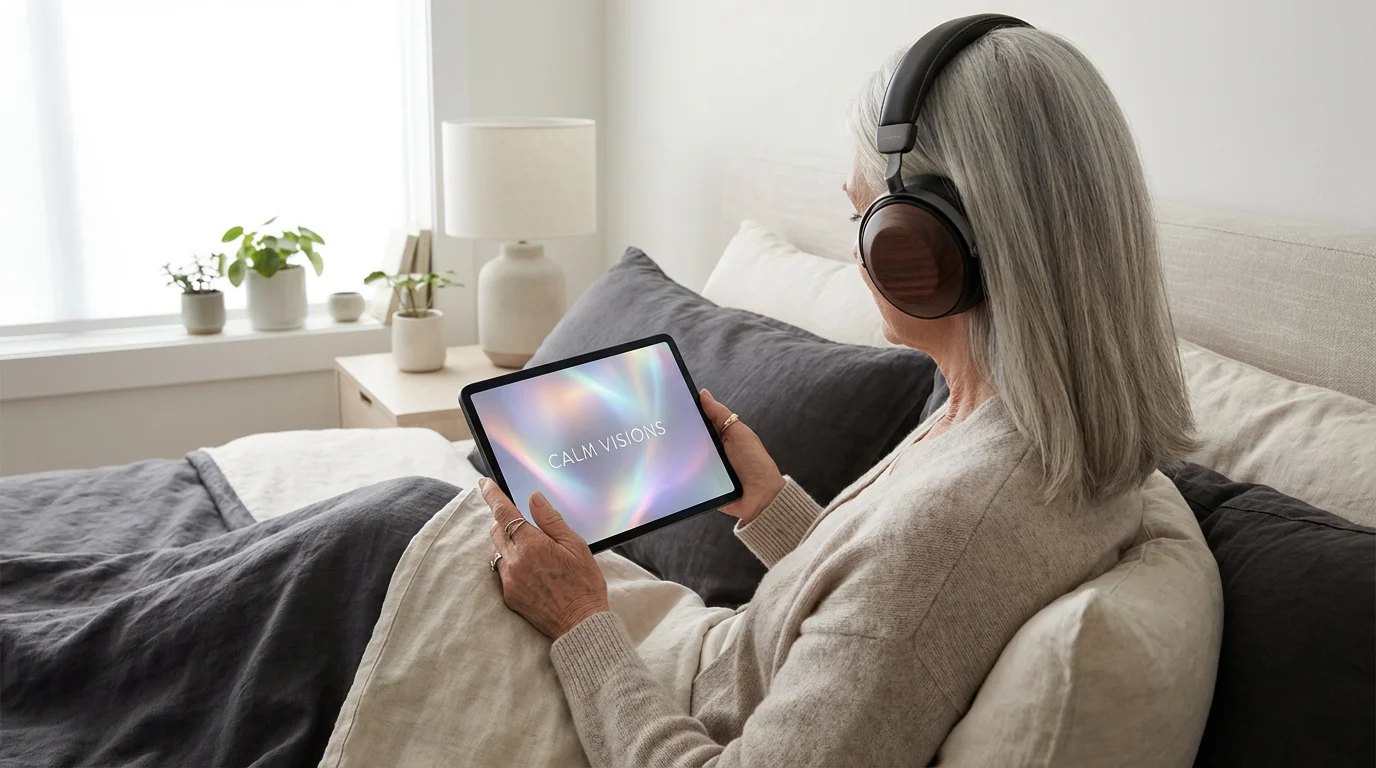
The transition from a busy day to peaceful sleep often requires conscious effort to calm your mind. Relaxation apps offer a powerful, accessible way to de-stress and prepare your body for rest. These digital tools provide guided meditations, soothing soundscapes, and bedtime stories, helping you quiet racing thoughts and ease into slumber. They directly address how can I use tech to improve sleep by focusing on mental and emotional preparation.
Many of these apps are designed with user-friendliness in mind, offering intuitive interfaces and a wide range of content. You can explore different techniques, finding what resonates best with your personal preferences. Whether you prefer a short breathing exercise or a long, immersive story, there is an option for you.
Explore these effective relaxation apps:
- Calm: Widely recognized, Calm offers a vast library of guided meditations, sleep stories narrated by celebrities, soothing music, and breathing programs. Its “Sleep Stories” are particularly popular for diverting your mind from daily worries.
- Headspace: Focusing on mindfulness and meditation, Headspace provides structured courses on stress reduction, sleep, and focus. Their “Sleepcasts” combine soundscapes with guided wind-down exercises to help you drift off.
- BetterSleep (formerly Relax Melodies): This app allows you to create custom sound mixes from a large library of ambient sounds, binaural beats, and white noise. It also features guided meditations and bedtime stories, catering to diverse preferences.
- Balance: This app provides personalized meditation programs, adjusting to your mood and goals each day. It includes specific meditations designed for sleep, helping you unwind effectively.
Using these apps consistently can train your brain to associate certain sounds or practices with winding down. This forms a powerful pre-sleep ritual, making the transition to sleep smoother and more effective.
Advanced Sleep Tech: Beyond the Basics
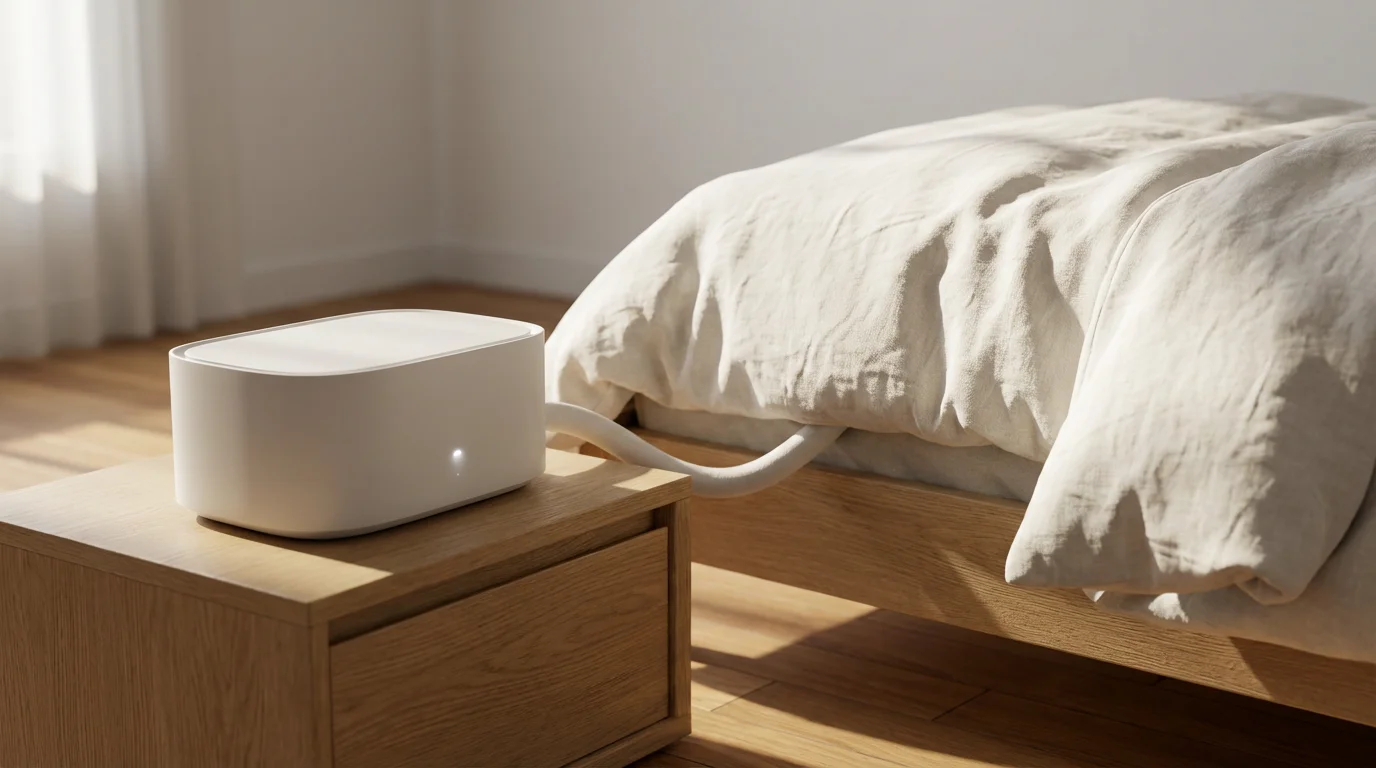
As technology progresses, innovative solutions extend beyond basic tracking and environmental control, addressing more specific sleep challenges. These advanced sleep tech devices offer specialized features designed to optimize comfort, mitigate disturbances, and even assist with medical conditions. They represent the cutting edge of what tech can help sleep, providing targeted interventions for various needs.
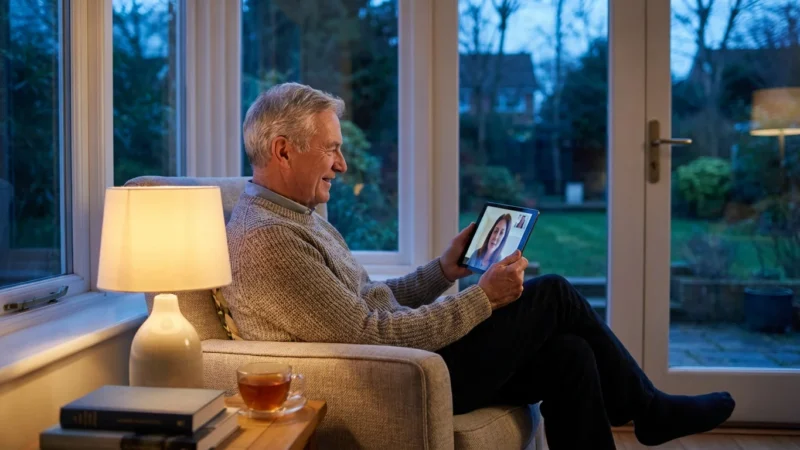
Sharing your device data during a telehealth consultation can help your doctor fine-tune your treatment plan for issues like sleep apnea without requiring an in-person visit.
For some, managing medications efficiently also plays a critical role in ensuring prescriptions do not interfere with your natural sleep cycles.
Investing in these more sophisticated tools can significantly enhance your sleep quality, especially if you face particular issues. You gain access to features that adapt to your body’s needs in real time, promoting uninterrupted rest.
Consider these advanced solutions:
- Smart Beds: High-tech mattresses like those from Sleep Number or Eight Sleep monitor your sleep and automatically adjust firmness, temperature, or support throughout the night. They can warm your feet, cool your body, or gently raise your head to reduce snoring, all based on real-time data.
- Smart Pillows: Pillows such as the ZEEQ Smart Pillow or Beautyrest Sleeptracker Pillow incorporate speakers for meditation, snore detection with gentle vibrations to prompt position changes, and built-in trackers that sync with your smartphone.
- Blue Light Filtering Eyewear and Apps: Exposure to blue light from screens before bed can disrupt melatonin production. Blue light filtering glasses and apps (like f.lux or Night Shift on iOS) that automatically adjust screen color temperature help mitigate this effect.
- Personalized Sleep Coaching Devices: Some devices, like the Muse S headband, provide real-time biofeedback during meditation or sleep. They translate your brain activity into calming sounds, guiding you into a deeper meditative state before sleep and tracking your sleep architecture.
- CPAP Machine Integration: For individuals with sleep apnea, modern CPAP machines often include smart features. They track usage, mask fit, and therapy effectiveness, sending data to your physician and often providing insights through companion apps. This integration ensures optimal treatment and comfort.
These advanced tools provide sophisticated, personalized approaches to tackle complex sleep issues. You can explore options that align with your specific concerns, moving beyond general improvements to targeted enhancements.
Crafting Your Sleep Routine with Technology
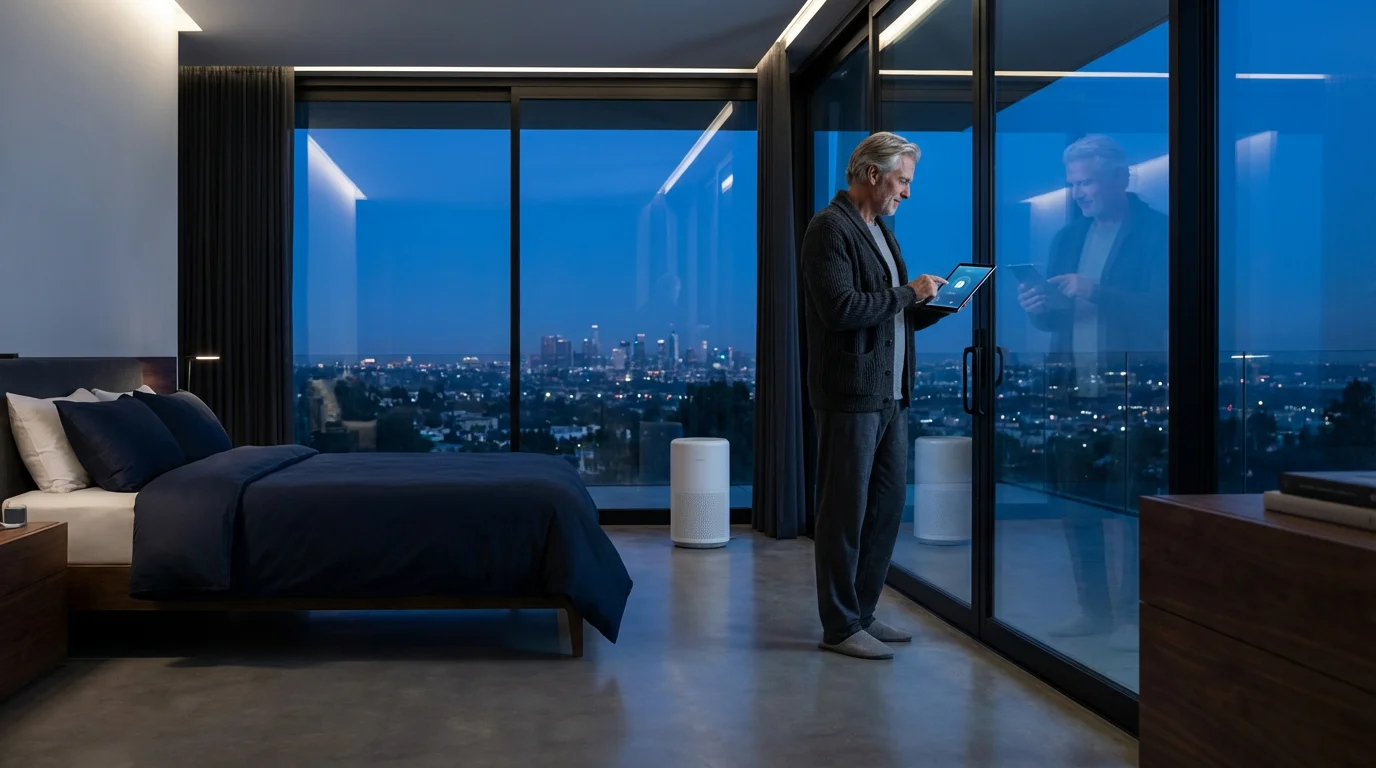
Technology truly shines when you integrate it into a consistent, mindful sleep routine. Simply owning gadgets is not enough; you must leverage them strategically. By establishing a technology-assisted bedtime ritual, you signal to your body and mind that it is time to transition into rest. This structured approach is central to answering, “how can I use tech to improve sleep?”
A reliable evening habit is a key component of designing a retirement routine that reflects your goals and interests.
Your goal is to create a seamless flow from your evening activities to deep sleep. Technology can act as your personal sleep assistant, reminding you, tracking your progress, and creating the perfect environment without you needing to think about it. You take control of your sleep habits, letting tech do the heavy lifting.
Implement these tech-assisted sleep habits:
- Set Digital Wind-Down Reminders: Use your smartphone or smart speaker to set a recurring alarm 60-90 minutes before your desired bedtime. This reminder prompts you to begin your pre-sleep routine.
- Automate Blue Light Reduction: Configure your devices (smartphones, tablets, computers) to automatically shift to warmer color temperatures (Night Shift, f.lux) in the evening. Wear blue light blocking glasses if you must use screens before bed.
- Create a “Digital Sunset”: Designate a specific time each evening when all non-essential screens are turned off or put away. Use this time for reading a physical book, listening to an audiobook, or engaging in a calming hobby.
- Journal Your Progress with Apps: Many sleep tracking apps include features for logging daily activities, diet, and mood. Use these to correlate your daytime choices with your nightly sleep quality. You might discover that late coffee or an evening workout impacts your deep sleep.
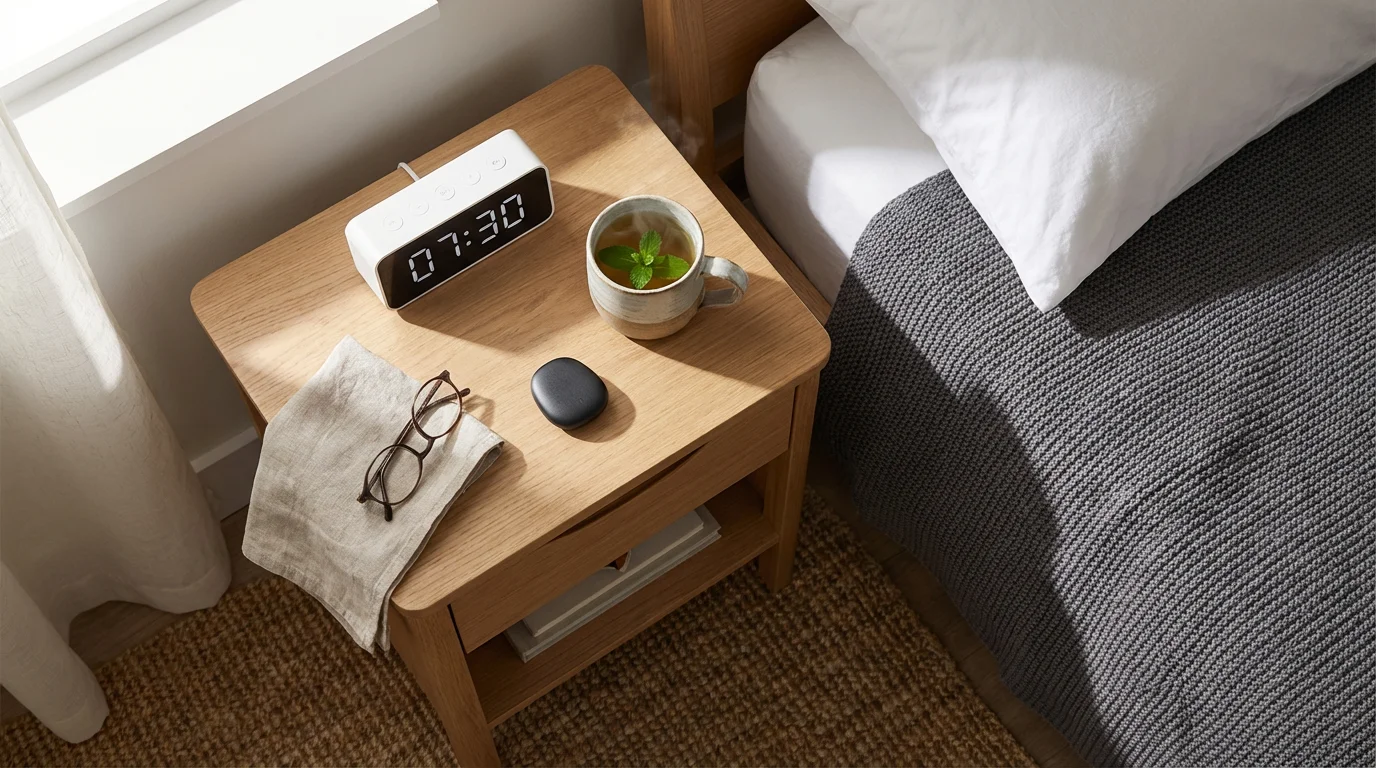
- Utilize Smart Alarm Clocks: Rather than a jarring sound, use smart alarms that gradually increase light or play gentle sounds to wake you during a lighter sleep stage, making mornings feel more refreshed. Some trackers can even wake you during your lightest sleep phase within a set window.
The consistency of these practices is key. Technology makes adherence easier, transforming sporadic efforts into sustainable habits that yield lasting sleep improvements.
Integrating Tech for a Holistic Sleep Strategy
While sleep tech offers incredible advantages, it performs best when integrated into a broader, holistic approach to your health. Think of technology as a powerful enhancer, not a standalone solution. Achieving truly restorative sleep involves combining smart tools with foundational healthy living practices. You build a comprehensive strategy that addresses every aspect of your well-being, leading to superior results.
Your goal is to create synergy between your tech tools and your lifestyle choices. This means paying attention to diet, exercise, stress management, and your daily schedule. Technology then provides the data, automation, and relaxation support to optimize these efforts.
“Age is no barrier. It’s a limitation you put on your mind.” — Jackie Joyner-Kersee
Embrace this spirit of empowerment by leveraging every tool at your disposal. You actively design a lifestyle that champions great sleep.
Key areas for holistic integration include:
- Consistent Sleep Schedule: Use your sleep tracker to identify your ideal bedtime and wake-up time. Aim to stick to this schedule, even on weekends, to regulate your circadian rhythm.
- Mindful Diet and Hydration: Avoid heavy meals, caffeine, and alcohol close to bedtime. Use reminder apps if needed to ensure you are cutting off stimulants at an appropriate hour.
- Regular Physical Activity: Engage in moderate exercise during the day, but avoid intense workouts too close to bedtime. Wearable trackers help you monitor your activity levels and ensure you are moving enough.
- Sunlight Exposure: Get plenty of natural light, especially in the morning. This helps set your internal clock. Smart blinds can assist in letting morning light in at the right time.
- Stress Management: Integrate relaxation apps and mindfulness practices into your daily routine, not just before bed. Reducing overall stress levels throughout the day positively impacts nighttime sleep.
- Consulting Professionals: If, despite using tech and lifestyle adjustments, you still experience persistent sleep issues, consult your doctor. Sleep trackers and apps can provide valuable data to share with healthcare professionals, aiding in diagnosis and treatment for conditions like sleep apnea or chronic insomnia.
This integrated approach ensures that you are addressing all facets of sleep health. You are not just patching symptoms; you are building a resilient foundation for long-term well-being.
Frequently Asked Questions
Are sleep trackers truly accurate?
Modern sleep trackers offer a high degree of accuracy for identifying sleep duration, consistency, and major disruptions. While laboratory-grade polysomnography remains the gold standard for clinical diagnosis, consumer devices provide excellent insights into your personal sleep patterns and trends. They are highly effective for tracking your progress and understanding how lifestyle changes impact your rest. You can use their data to inform your habits, but always consult a healthcare professional for diagnostic purposes.
Can relaxation apps really help me sleep better?
Yes, relaxation apps are highly effective for improving sleep quality for many people. They provide structured tools for calming your mind, reducing anxiety, and preparing your body for rest. Guided meditations help quiet racing thoughts, while sleep stories and soothing soundscapes create an ideal environment for drifting off. Regular use trains your brain to associate these practices with sleep, making it easier to unwind consistently.
Is all this sleep tech complicated to use?
Not at all. Most contemporary sleep tech is designed with user-friendliness in mind. Setup often involves simple app downloads and pairing devices via Bluetooth or Wi-Fi. Many apps feature intuitive interfaces and clear data visualizations. Manufacturers understand that ease of use is critical for widespread adoption, particularly for the modern retiree who values practicality. You will find that getting started is often quicker and simpler than you expect.
When should I consult a doctor about my sleep?
You should consult your doctor if you experience persistent sleep problems despite implementing tech solutions and lifestyle changes. This includes chronic insomnia, excessive daytime sleepiness, loud snoring, or suspected sleep apnea. Your sleep tracker data can be a valuable tool to share with your physician, offering objective information about your sleep patterns that aids in diagnosis and treatment planning. Addressing underlying medical conditions is crucial for long-term sleep health.
What’s a good starting point for exploring sleep tech?
A great starting point for exploring sleep tech involves either a comprehensive sleep tracking wearable, such as a smartwatch or smart ring, or a dedicated smart sound machine like the Hatch Restore. These devices offer immediate, actionable insights or direct environmental benefits. You can then gradually expand your tech arsenal based on your specific needs and what initially resonates with you. Begin with one or two tools, observe their impact, and build from there.
Disclaimer: This article is for informational purposes. Technology, apps, and services mentioned may change over time. We encourage readers to research current options and consider their individual needs when making decisions.


Leave a Reply