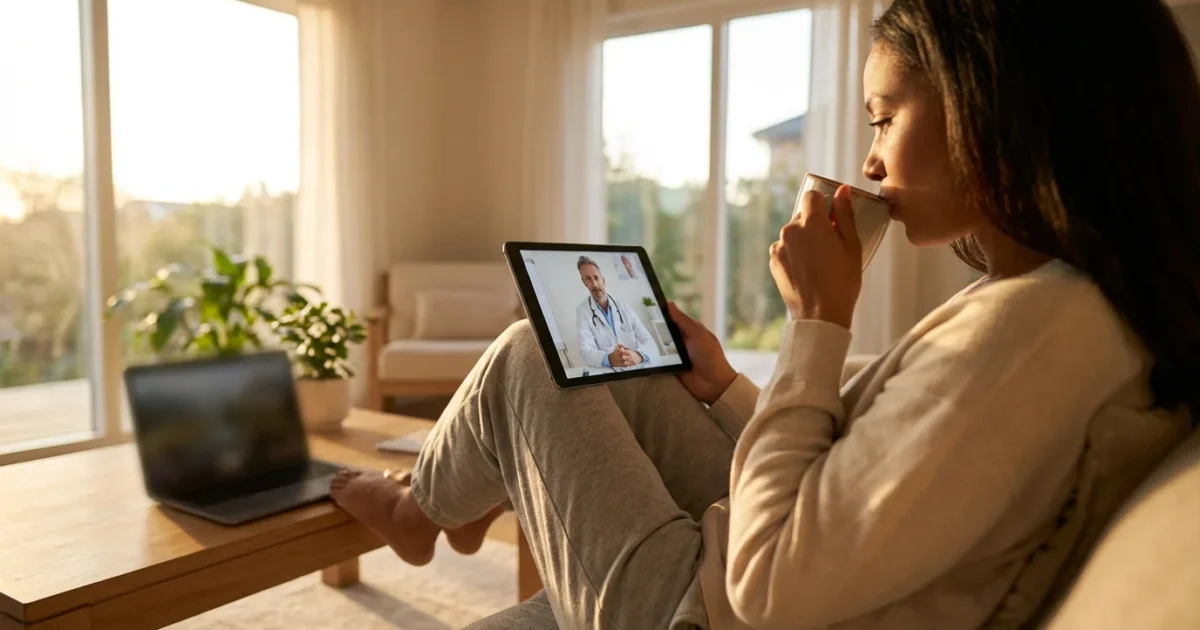
Retirement in the modern age offers unparalleled freedom and choice. You design your lifestyle, pursue new passions, and embrace innovation that enhances your daily living. One significant area where technology empowers this new approach is healthcare, specifically through telehealth. It represents a paradigm shift, moving essential medical services from traditional clinic settings directly to your home. This guide explores how telehealth streamlines your healthcare experience, ensuring you maintain wellness on your terms.
Understanding Telehealth: A Modern Healthcare Solution
Telehealth uses digital information and communication technologies to access healthcare services remotely. This broad term encompasses a variety of services, all designed to deliver medical advice, diagnosis, and treatment without requiring a physical visit. Think of it as bringing the doctor’s office to your living room. The goal is to make healthcare more accessible, efficient, and integrated into your modern life.
Integrating these virtual services is a key part of using gadgets that make aging in place easier and more secure for independent living.
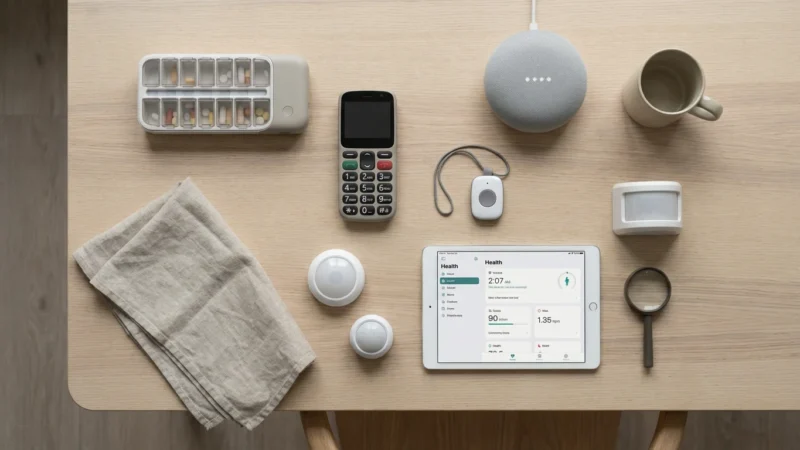
Many individuals find that integrating smart home tech into their living space further simplifies the management of their health and daily routines.
Telehealth gained significant traction, especially during recent global events, proving its invaluable role in maintaining continuity of care. It leverages familiar technologies, transforming how you interact with medical professionals. For modern retirees, this means less travel, fewer waiting rooms, and more control over your health management. You benefit from convenience and proactive engagement with your well-being.

The Spectrum of Virtual Care Services: What Telehealth Offers
The range of services available through telehealth has expanded dramatically. It extends far beyond simple video calls. Understanding “what telehealth services exist” helps you leverage this technology fully. From routine check-ups to specialized consultations, virtual care covers extensive medical needs.
From communication to health management, these services are becoming part of the essential apps for the modern retiree that simplify daily life.
Here are common telehealth services you can access:
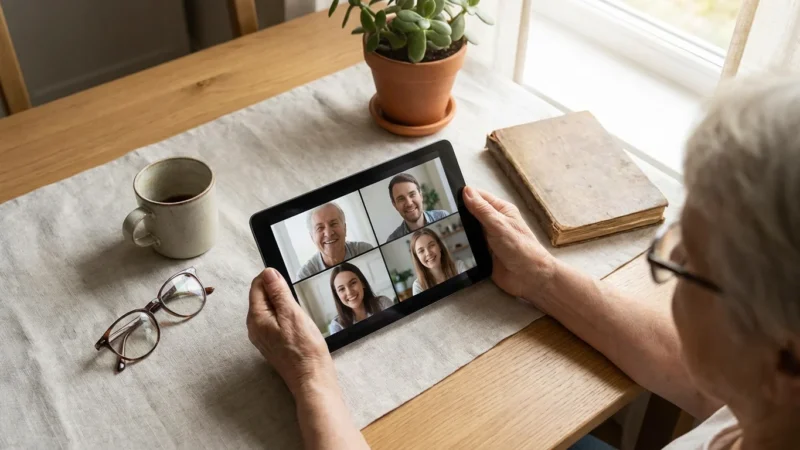
- Virtual Doctor Visits: Consult with your primary care physician or specialists via video or phone. Discuss symptoms, receive diagnoses, and get prescriptions.
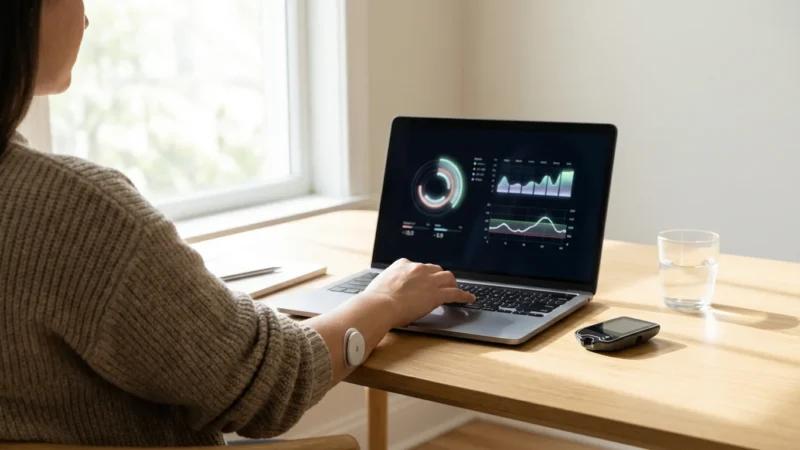
- Remote Monitoring: Wearable devices and at-home equipment transmit vital signs, blood sugar levels, or heart rates directly to your care team. This allows for continuous oversight of chronic conditions.
- E-Prescribing: Your doctor sends prescriptions directly to your preferred pharmacy, saving you a trip.
- Online Patient Portals: Secure platforms allow you to view test results, manage appointments, communicate with providers, and access your health records.
- Virtual Therapy and Counseling: Access mental health professionals for individual, couples, or group therapy sessions from home.
- Specialty Consultations: Connect with dermatologists, cardiologists, neurologists, and other specialists for expert opinions and follow-ups.
- Physical and Occupational Therapy: Therapists guide you through exercises and recovery plans via video, monitoring your progress and providing real-time feedback.
This comprehensive approach allows you to manage most aspects of your health without leaving your residence. You gain flexibility and a personalized care experience. The rise of these diverse services signifies a robust future for remote health.

Why Telehealth Empowers Your Retirement: Boosting Health and Lifestyle
Modern retirees prioritize an active, engaged lifestyle. Telehealth perfectly aligns with this desire, offering distinct advantages that enhance your well-being and freedom. It addresses the crucial question: “how can telehealth improve my health?” by offering solutions that traditional healthcare models often cannot match.
Furthermore, these digital platforms often work in conjunction with accessible technology tools to ensure that all retirees can navigate their care with ease.
In addition to medical consultations, you can complement your proactive routine by staying active with virtual fitness classes designed for modern retirees.
Telehealth provides substantial benefits:
- Unmatched Convenience: You eliminate travel time, parking hassles, and waiting room delays. Appointments fit seamlessly into your schedule, whether you are at home, traveling, or visiting family.
- Enhanced Access to Specialists: Living in a rural area or having mobility challenges no longer limits your access to top specialists. Telehealth connects you with experts regardless of geographic location.
- Proactive Health Management: Remote monitoring tools provide continuous data, allowing your care team to detect potential issues early. This leads to more proactive interventions and better health outcomes. For instance, a study published by the Journal of Telemedicine and Telecare found that remote monitoring for chronic conditions like heart failure significantly reduced hospital readmissions.
- Reduced Exposure to Illness: Visiting a doctor’s office exposes you to various illnesses. Virtual visits reduce this risk, particularly important for those with compromised immune systems.
- Cost-Effectiveness: Reduced travel expenses, fewer missed workdays (if applicable), and potentially fewer urgent care visits translate to financial savings over time. Many insurance plans now cover telehealth, further reducing out-of-pocket costs.
- Greater Comfort and Privacy: Discussing sensitive health matters from your own comfortable and private space can lead to more open and honest conversations with your provider.
“We are moving from a reactive to a proactive health model, where technology empowers individuals to take charge of their well-being throughout their lifespan.” — Stanford Center on Longevity
Telehealth truly empowers you to maintain optimal health while fully enjoying your retirement. It places you firmly in control of your healthcare journey.

Getting Started with Telehealth: Your Practical Checklist
Embracing virtual care might seem daunting, but the process is surprisingly straightforward. You likely already possess much of what you need. Preparing a few items ensures a smooth first virtual visit.
As you begin using these tools, it is equally important to be proactive about protecting your privacy when navigating new health apps.
Reviewing some tips on mastering video calls can also help you feel more confident and professional during your virtual visit.
If you experience any difficulties setting up your connection, specialized tech support for seniors is available to guide you through the process.
Here is what you need to begin your telehealth journey:
- A Reliable Internet Connection: Stable Wi-Fi or cellular data ensures clear audio and video. Test your connection before your appointment.
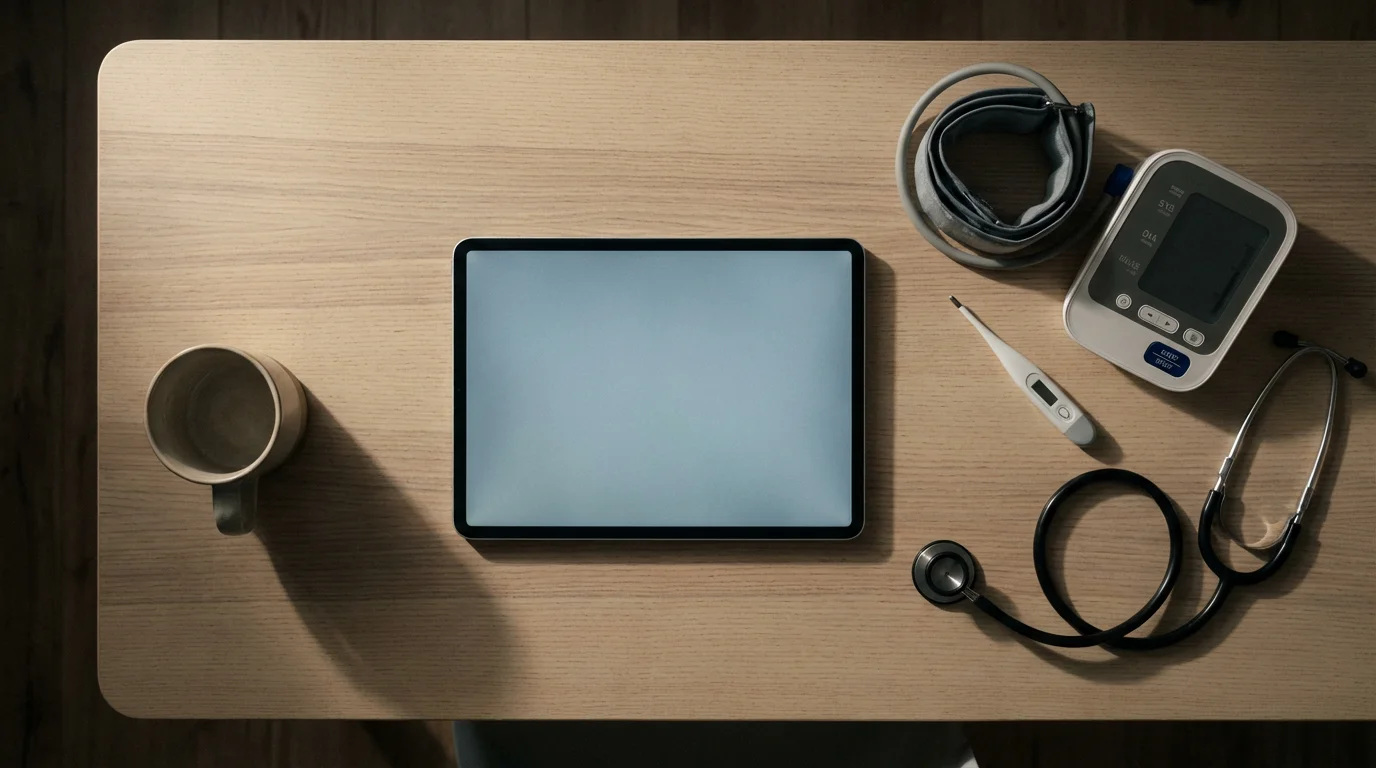
- A Device with a Camera and Microphone: A smartphone, tablet, laptop, or desktop computer with a webcam will work. Ensure your device is fully charged or plugged in.
- A Quiet, Private Space: Choose a well-lit room where you can speak freely without interruptions. Good lighting helps your doctor see you clearly.
- Your Health Information: Have a list of current medications, allergies, symptoms, questions, and any recent vital signs handy.
- A Telehealth Platform or App: Your provider will specify which platform they use. Popular options include Zoom for Healthcare, Doxy.me, or proprietary hospital apps. Download and test it in advance.
Many platforms offer user-friendly interfaces, making navigation simple. Take a few moments to familiarize yourself with the controls, such as muting your microphone or adjusting your camera. A test call with a friend can build confidence. Technology works to simplify your life, and telehealth tools are designed with ease of use in mind.

Finding the Right Telehealth Provider: Ensuring Quality Virtual Care
Choosing a telehealth provider involves considering your existing healthcare relationships and exploring new options. You want a provider who understands your needs and integrates seamlessly with your modern lifestyle. Start by asking your current doctors if they offer virtual care. Many established practices have adopted telehealth services.
Using virtual care effectively is a smart strategy for managing overall healthcare costs in retirement while maintaining high-quality support.
Consider these steps when selecting a telehealth provider:
- Check with Your Current Doctors: Your primary care physician and specialists may already offer virtual appointments. This ensures continuity of care and maintains existing relationships.
- Review Insurance Coverage: Confirm that your health insurance plan covers telehealth services. Most major insurers, including Medicare, now provide extensive coverage. AARP provides useful guides on Medicare telehealth coverage.
- Explore Dedicated Telehealth Platforms: Services like Amwell, Teladoc, or MDLIVE offer access to a broad network of doctors and specialists. These platforms often provide on-demand appointments.
- Read Reviews and Credentials: Research providers to ensure they are licensed and have positive patient feedback. Just like in-person care, quality matters in virtual care.
- Ask About Technology Requirements: Confirm the specific app or platform the provider uses. Ensure it is compatible with your devices and easy for you to navigate.
Finding the right provider means prioritizing both medical expertise and technological compatibility. You deserve healthcare that is both effective and convenient.
Beyond the Basics: Specialized Remote Health and Wellness
Telehealth extends beyond general consultations. It offers specialized support that can significantly enhance your quality of life in retirement. Remote health services cater to specific needs, providing targeted care when and where you need it most.
In addition to clinical care, practitioners are increasingly leveraging tech solutions for better sleep to help retirees manage their long-term wellness remotely.
When engaging with these digital services, always stay mindful of protecting your privacy with health apps and personal medical information.
Consider these specialized telehealth options:
- Virtual Mental Health Support: Access licensed therapists, psychologists, and psychiatrists for anxiety, depression, grief counseling, or stress management. Platforms like BetterHelp or Talkspace connect you with professionals, offering privacy and flexible scheduling.
- Nutrition Counseling: Work with registered dietitians to develop personalized meal plans for managing conditions like diabetes, heart disease, or weight. They provide guidance on healthy eating habits and lifestyle changes.
- Physical Therapy and Rehabilitation: Post-surgery recovery or managing chronic pain can involve virtual physical therapy. A therapist guides you through exercises, monitors your form, and adjusts your plan remotely.
- Medication Management: Pharmacists and doctors can conduct virtual consultations to review your medication list, discuss dosages, and address potential interactions. This is especially useful for those on multiple prescriptions.
- Dermatology Consults: Upload photos of skin conditions for remote review by a dermatologist. This often speeds up diagnosis and treatment for rashes, moles, or other concerns.
These specialized services underscore the versatility of telehealth. They provide comprehensive care, ensuring your well-being across many dimensions of health. You can integrate these services into a holistic approach to your retirement wellness.

Securing Your Virtual Visits: Privacy and Data Protection
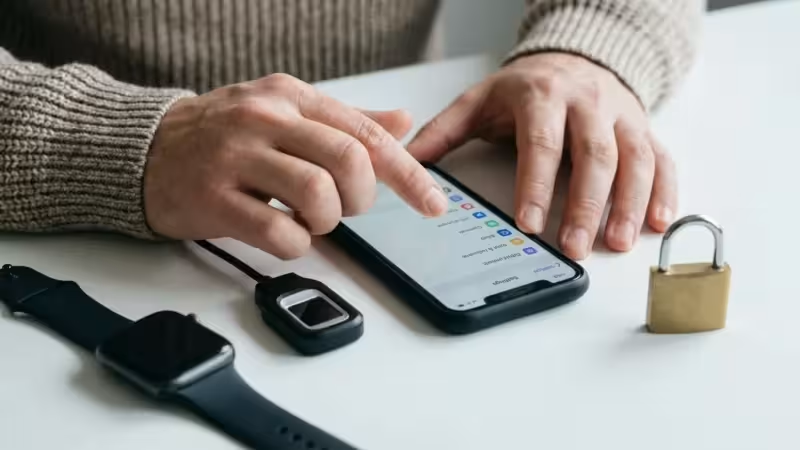
Concerns about privacy and security are natural when using any digital service, especially healthcare. Reputable telehealth platforms and providers implement stringent measures to protect your personal health information. Understanding these safeguards gives you confidence in using remote health services.
Key security measures for telehealth include:
- HIPAA Compliance: All telehealth providers must comply with the Health Insurance Portability and Accountability Act (HIPAA) in the United States. This federal law sets national standards to protect sensitive patient health information.
- End-to-End Encryption: Your video calls and data transmissions are encrypted, meaning only you and your provider can access the information. This prevents unauthorized interception.
- Secure Patient Portals: Access your health records and communicate with providers through secure, password-protected online portals. These platforms often use multi-factor authentication for added security.
- Data Privacy Policies: Providers maintain clear privacy policies detailing how they collect, use, and protect your data. Always review these policies.
- Staff Training: Healthcare staff receive training on data security protocols and patient privacy best practices.
Choosing a reputable provider ensures your health data remains confidential and secure. You maintain peace of mind, knowing your privacy is a top priority. Harvard Health provides excellent resources on understanding digital health security.

Overcoming Common Telehealth Hurdles: Practical Solutions
While telehealth offers numerous benefits, you might encounter a few minor challenges. Addressing these proactively ensures a smoother experience. The key involves preparation and open communication with your provider.
Here are solutions to common telehealth hurdles:
- Technical Glitches: Test your equipment and internet connection before your appointment. If issues arise during the call, have your provider’s phone number ready for an audio-only follow-up.
- Feeling Impersonal: Actively engage with your provider. Prepare a list of questions and concerns. Remember, the quality of interaction often depends on your participation.
- Limited Physical Exam: For conditions requiring a physical touch, your doctor might request an in-person follow-up. Telehealth effectively handles many issues, but it supplements, rather than completely replaces, traditional care when necessary.
- Understanding New Platforms: Take advantage of introductory guides or videos offered by telehealth platforms. Many services provide customer support to walk you through setup.
- Insurance Confusion: Contact your insurance provider directly before your appointment to clarify coverage for specific telehealth services. This avoids unexpected bills.
You can navigate these potential challenges with confidence and ease. The benefits of remote health far outweigh these minor adjustments, positioning you for enhanced well-being.

The Future of Remote Health: Evolving Care Models
Telehealth is not a temporary trend; it is a fundamental shift in healthcare delivery. Its evolution promises even more integrated and personalized care experiences. As technology advances, remote health will become an even more indispensable part of your modern retirement.
Future innovations in telehealth include:
- AI-Powered Diagnostics: Artificial intelligence will assist providers in analyzing data from remote monitoring devices, identifying patterns, and suggesting diagnoses more rapidly.
- Virtual Reality (VR) and Augmented Reality (AR): These technologies could revolutionize physical therapy, mental health interventions, and even remote surgical guidance, offering immersive experiences.
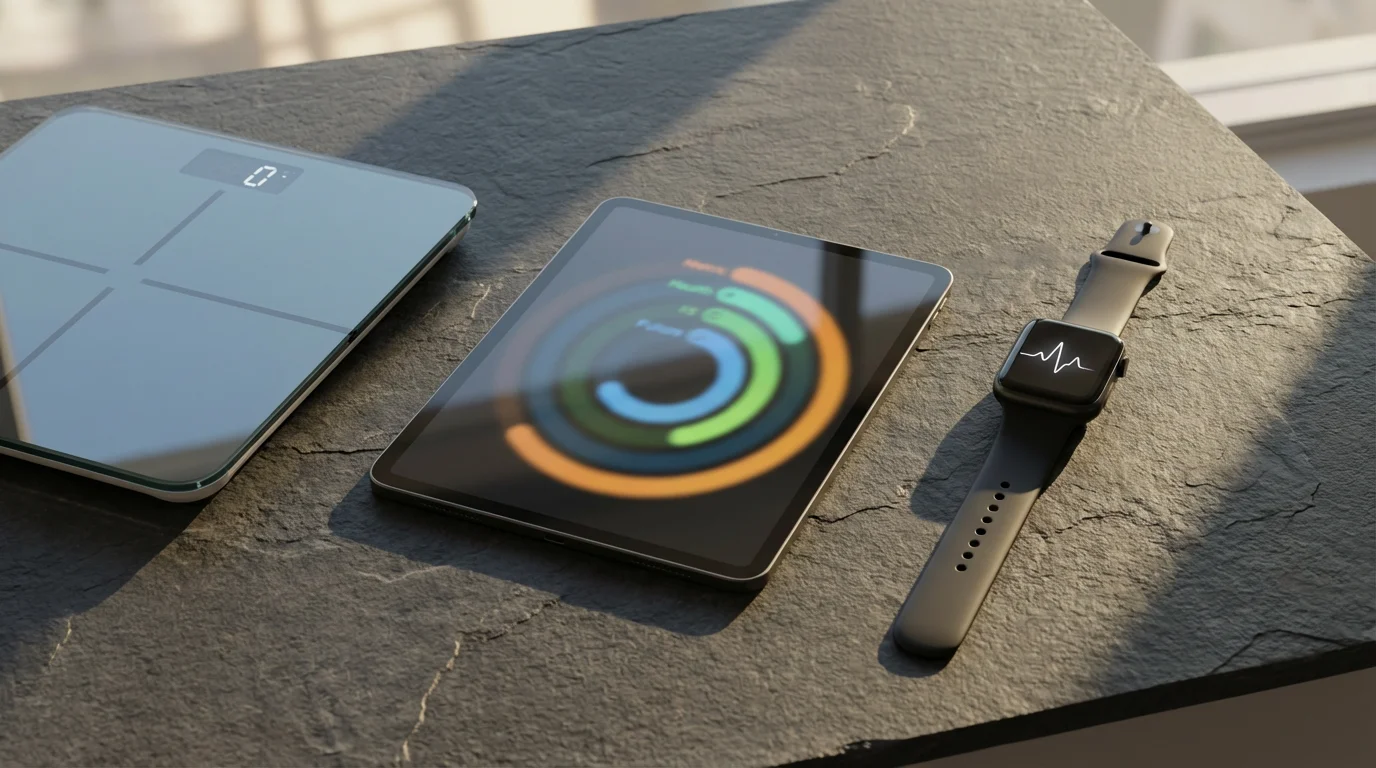
- Wearable Tech Integration: Your smartwatches and fitness trackers will increasingly connect directly with your healthcare providers, providing a continuous stream of health data for personalized prevention and care. Consumer Reports frequently reviews the latest in health wearables and their integration capabilities.
- Home-Based Diagnostics: Advanced at-home testing kits for various conditions will provide immediate results that seamlessly integrate into your digital health record.
- Personalized Health Coaching: AI-driven health coaches and digital companions will offer tailored wellness programs, motivational support, and immediate answers to health questions.
These advancements signify a future where healthcare is truly ubiquitous, proactive, and tailored to your individual needs. You stand at the forefront of this exciting transformation, ready to embrace the possibilities of optimized health and an enriched retirement.
Frequently Asked Questions
Is telehealth suitable for emergencies?
No, telehealth is not for emergencies. For life-threatening conditions or severe injuries, always call emergency services or go to the nearest emergency room. Telehealth best serves routine care, follow-ups, and non-urgent medical advice.
Do I need special equipment for a telehealth visit?
You typically need a device with a camera and microphone, such as a smartphone, tablet, or computer, and a reliable internet connection. Some specific remote monitoring services might require specialized home medical devices, which your provider will supply or recommend.
Will my insurance cover telehealth?
Most major insurance providers, including Medicare, now cover a wide range of telehealth services. Coverage specifics can vary, so always confirm with your insurance company directly before your appointment to understand your benefits and potential costs.
Can I get prescriptions through telehealth?
Yes, licensed medical professionals can prescribe medications through telehealth, provided it is clinically appropriate for your condition. They can send prescriptions directly to your preferred pharmacy for your convenience.
How do telehealth doctors perform a physical exam?
Telehealth doctors perform a “virtual” physical exam by observing your appearance, listening to your symptoms, and guiding you through self-examination steps. They may ask you to move certain body parts, describe specific sensations, or point to areas of discomfort. For issues requiring hands-on examination, an in-person follow-up may be necessary.
Disclaimer: This article is for informational purposes. Technology, apps, and services mentioned may change over time. We encourage readers to research current options and consider their individual needs when making decisions.





Leave a Reply