

Retirement today looks nothing like it did for previous generations. You define your future, choosing adventure, purpose, and a lifestyle that truly resonates. Many modern retirees discover that a significant step toward this redefined freedom is downsizing. It is not about sacrificing; it is about strategically curating your environment to support your next chapter. This guide empowers you to approach downsizing as an opportunity, transforming what could feel like a burden into a liberating design choice for your ideal retirement.

Redefining Downsizing: More Freedom, Less Clutter
Forget outdated notions of downsizing as a retreat or a forced event. For the modern retiree, it represents an intentional, forward-thinking strategy. You actively choose to shed the excess weight, both physical and metaphorical, that no longer serves your future aspirations. This proactive approach to downsizing allows you to craft a home that reflects your desired lifestyle.
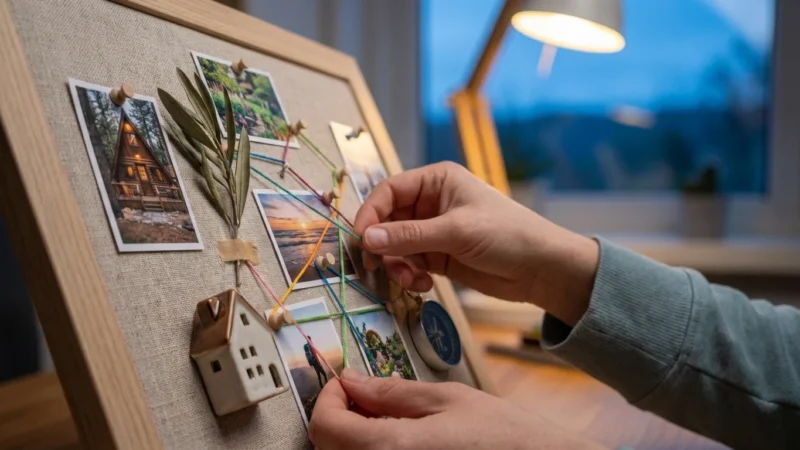
To stay motivated during this process, consider crafting a retirement vision board to visualize the lifestyle you are creating.
Understanding the financial and lifestyle benefits of a smaller home can provide the motivation needed to start this transition.
Downsizing offers tangible benefits. You reduce maintenance time and costs, freeing up valuable resources for travel, hobbies, or entrepreneurial pursuits. It also provides financial flexibility, potentially unlocking equity for investments or income generation. Most importantly, it fosters a sense of mental clarity and reduces decision fatigue, leaving you more energy to live vibrantly.
Consider the data: a Pew Research study revealed that the share of older adults living alone has declined, yet many still desire simpler, more manageable living situations. Your decision to downsize aligns with a broader trend towards intentional living, prioritizing experiences over possessions.

Digital-First Decluttering: Your Modern Starting Point
Before you even touch a physical item, begin with your digital footprint. This crucial first step helps you organize digital archives, identify what you truly need access to, and prepare for a future where physical documents are less central. Think of it as digitizing your history, not erasing it.
Start by consolidating photos and videos. Years of memories likely live across old hard drives, multiple phones, and various cloud services. Use a service like Google Photos or Apple Photos to centralize everything. These platforms often use AI to organize by face, location, or date, simplifying retrieval. Scan old physical photos using an app like PhotoScan by Google Photos to preserve them digitally.
Next, tackle documents. Old tax returns, utility bills, and medical records can consume significant physical space. Scan important documents with a mobile app like Adobe Scan or CamScanner, creating digital copies. Securely store these in cloud services such as Dropbox, Google Drive, or Microsoft OneDrive, ensuring encryption and backup. Shred physical documents after scanning to protect your privacy.
Finally, unsubscribe from unnecessary emails and digital subscriptions. A clean digital inbox reduces daily cognitive load. Use services like Unroll.me to quickly unsubscribe from multiple mailing lists. This digital detox sets a powerful precedent for your physical decluttering efforts, demonstrating your commitment to a streamlined life.
Key actions for digital decluttering:
- Consolidate all digital photos and videos into one cloud platform.
- Scan critical physical documents and store them securely in the cloud.
- Unsubscribe from unwanted digital newsletters and services.
- Organize digital files into clear, accessible folders.

Mastering the Physical Purge: A Strategic Approach
Approaching physical decluttering strategically prevents overwhelm and maximizes efficiency. Avoid the trap of trying to do everything at once. Break down the task into manageable segments, focusing on categories rather than entire rooms. This method provides clearer progress markers and reduces decision fatigue.
Once you have cleared the physical clutter, you can focus on designing a retirement routine that maximizes your newfound freedom.
Begin with categories that hold less sentimental value. Kitchen gadgets, unused linens, or books you have already read represent excellent starting points. Apply the “one year rule”: if you have not used an item in the past year, seriously consider letting it go. Be ruthless yet realistic; you are creating space for your future, not preserving every relic of your past.
Consider the future utility of items. Will this fit into your new lifestyle? Do you anticipate using it in your new, potentially smaller, home? If you envision more travel, for example, then a large collection of infrequently used outdoor gear might be unnecessary. If you plan to pursue a new hobby, prioritize items related to that interest.
Here’s a proven process for efficient decluttering:
- Start Small: Pick a drawer, a shelf, or a single closet. Do not begin with the attic.
- Categorize: Gather all similar items from around the house (e.g., all books, all kitchen appliances).
- The “Four-Box Method”: Label four boxes: Keep, Donate/Sell, Trash, Relocate.
- Keep: Items you love, use frequently, or need. Be selective.
- Donate/Sell: Items in good condition that someone else can use.
- Trash: Broken, expired, or unusable items.
- Relocate: Items that belong in another room, or temporary holding for decisions.
- Be Objective: Ask yourself: “Does this item add value to my future life?” “Could I easily replace this if I truly needed it?”
- Pace Yourself: Dedicate specific time slots to decluttering, like 30 minutes a day or a few hours each weekend. Avoid burnout.
- Sentimental Items Last: Tackle highly sentimental items only after you have practiced with less emotional categories.
The goal is to create a living space that supports your goals, not one that holds you captive to the past.

Tech Tools for Selling and Donating Your Items
Once you have identified items to let go of, modern technology makes selling and donating easier than ever. Forget yard sales; embrace online marketplaces to reach a wider audience and manage transactions from your home. This approach helps you recoup some costs or ensure your items find a good second home, all with minimal fuss.
After decluttering, you might find space to explore retirement hobbies that can generate income using your new tools and extra time.
For high-value items like furniture, appliances, or collectible goods, consider platforms such as Facebook Marketplace, Craigslist, or eBay. Take clear, well-lit photos with your smartphone and write descriptive captions. Be honest about condition and set a fair price. Secure communication and local pickup options simplify the process.
Clothing and accessories find new life through apps like Poshmark or ThredUp. These platforms specialize in fashion resale, handling shipping labels and secure payments. For unique or vintage items, Etsy offers a niche market. These tools help you connect with buyers actively looking for what you offer, maximizing your chances of a quick sale.
Donating items is equally streamlined. Many charities, like Habitat for Humanity ReStore or local thrift stores, offer pickup services for larger items. Use apps like Donation Town or search online for local organizations that accept specific items, from electronics to books. Some services even provide donation receipts for tax purposes, directly to your email.
Modern platforms for selling and donating:
- General Marketplaces: Facebook Marketplace, Craigslist, eBay (for a wide range of items).
- Fashion Resale: Poshmark, ThredUp, Depop (for clothing, shoes, accessories).
- Collectibles/Specialty: Etsy (for handmade, vintage, craft supplies), local specialty consignment shops.
- Donation Services: Donation Town, local charity websites (for scheduling pickups).
- Books/Media: Decluttr, local libraries, independent bookstores.
Leveraging these digital tools transforms the selling and donating process into an efficient, often rewarding, part of your decluttering journey. You minimize physical trips and connect directly with interested parties.
Smart Storage and Archiving Solutions for Sentimental Value
Even with rigorous decluttering, some items hold irreplaceable sentimental value. You do not have to discard everything. The key lies in smart storage and thoughtful archiving. The modern approach involves evaluating what truly requires physical presence versus what can transition into a digital archive or a smaller, more accessible storage footprint.
Beyond storage, modern smart home tech can help manage your downsized home more efficiently while you travel.
For many, this process is a precursor to finding your ideal retirement home in a location that better supports your active interests.
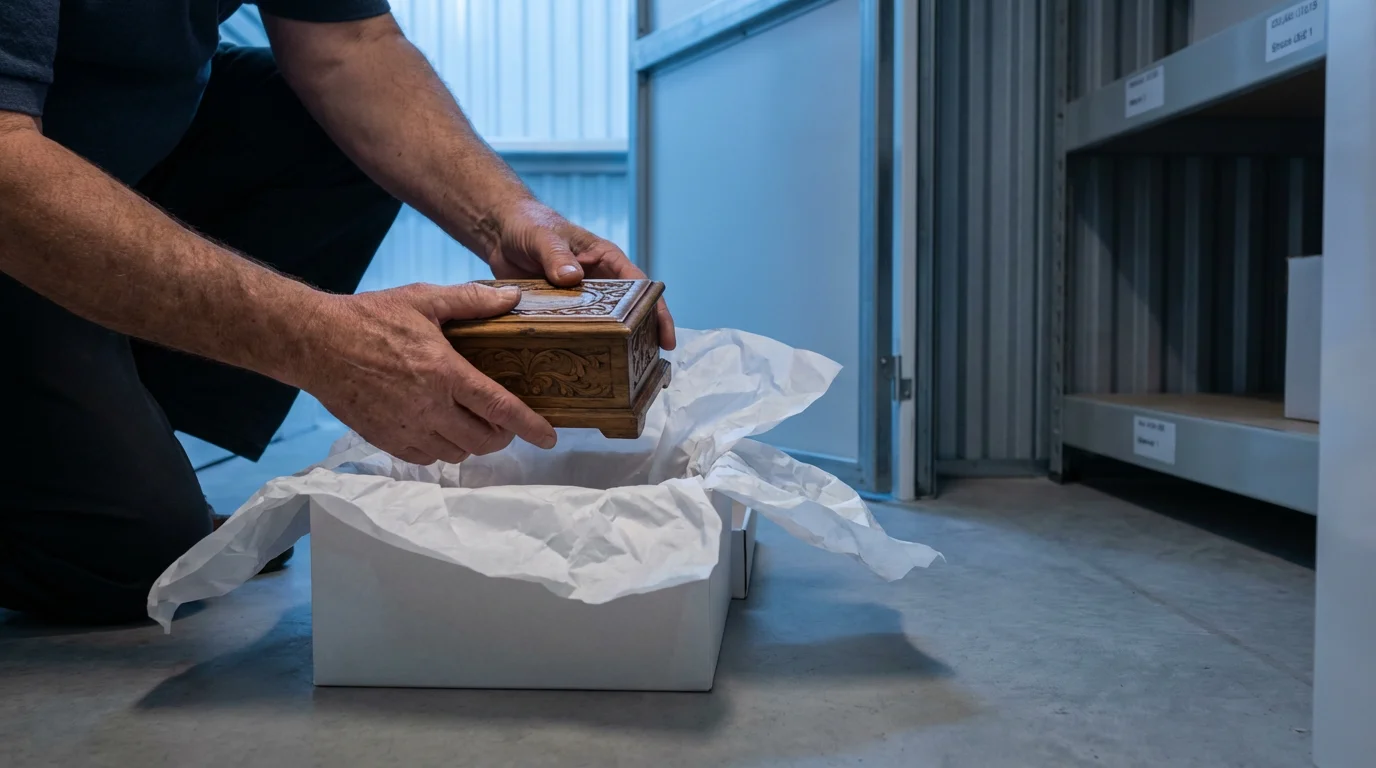
For physical items, consider a small, climate-controlled storage unit for truly irreplaceable family heirlooms or large pieces you are not ready to part with but cannot accommodate in your new space. Evaluate the cost versus the actual utility and emotional value. Remember, the goal of downsizing is often to reduce ongoing expenses and commitments.
Digital archiving offers a powerful alternative for preserving memories without physical bulk. Convert old home videos to digital files using services like Legacybox or local conversion shops. Scan old letters, children’s artwork, and significant certificates. These digital archives offer accessibility and security, immune to physical damage or loss. Store them across multiple cloud services and an external hard drive for robust backup.
You can also create digital scrapbooks or photo albums using online tools. Platforms like Shutterfly or Mixbook allow you to compile your favorite scanned photos and stories into beautifully designed, compact books. This transforms a bulky box of memories into a cherished, easily shareable keepsake.
Smart approaches to preserving memories:
- Digitize old photos, videos, and important documents.
- Utilize secure cloud storage (Google Drive, Dropbox, OneDrive) for digital archives.
- Create physical photo books from scanned images to consolidate memories.
- Consider a small, short-term storage unit for a select few essential items, if absolutely necessary.
- Keep a “sentimental box” that fits in a designated spot in your new home, containing only the most cherished physical items.
By thoughtfully applying these strategies, you preserve the essence of your memories without letting them dictate the size or maintenance of your home.
Modern Moving Logistics: Streamlining Your Transition
Once you have downsized your belongings, the actual move becomes significantly less daunting. Modern technology and services offer unparalleled efficiency and convenience, transforming the relocation process. You can manage everything from packing to transportation with precision and minimal stress.
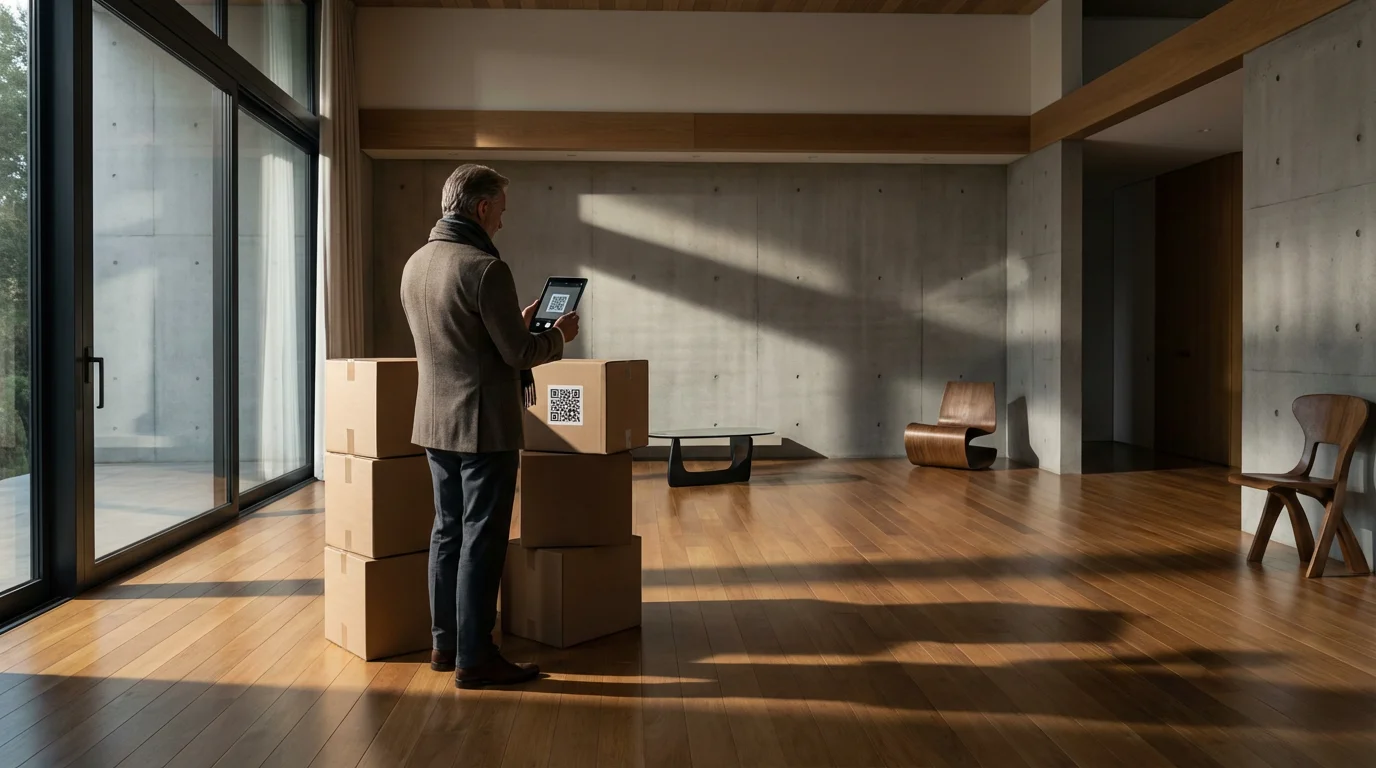
Start by utilizing moving planner apps. Apps like Sortly or Moving Helper allow you to create inventory lists, track boxes, and manage tasks. These tools help you visualize your belongings in your new space, ensuring everything has a place and preventing unnecessary items from making the journey.
Consider professional moving services. For a large move, full-service movers handle packing, loading, transport, and unpacking. Research reputable companies through Consumer Reports or online reviews, ensuring they are licensed and insured. For a smaller, localized move, container services like PODS or U-Pack provide flexibility, allowing you to pack at your own pace and have the container delivered when ready.
Smart home technology can also play a role in setting up your new space. Pre-installing smart thermostats, smart lighting, or a video doorbell can make your new home more comfortable and secure from day one. These small steps enhance functionality and reduce immediate setup tasks after unpacking.
Streamlining your move with technology and services:
- Moving Apps: Use Sortly or Moving Helper for inventory and task management.
- Professional Movers: Research and hire licensed, insured companies for full-service moves.
- Container Services: Consider PODS or U-Pack for flexible, self-paced packing and transport.
- Utility Transfer: Use online services or apps to schedule utility transfers and connections.
- Mail Forwarding: Set up mail forwarding with USPS online well in advance.
- Virtual Tours: If relocating long-distance, utilize virtual tours and video calls to finalize your new home choice.
Embrace these contemporary tools. They do not just simplify the logistics; they empower you to oversee your move with confidence and clarity, making the transition seamless.
Designing Your Streamlined Space: Smart Living, Smarter Choices
Downsizing provides a blank canvas to design a living space that perfectly suits your modern retirement. It is an opportunity to embrace minimalist principles, maximize every square foot, and integrate smart home technology that enhances convenience and security. Your new home, regardless of its size, becomes a reflection of intentional living.
Integrating smart home tech into your smaller footprint can significantly enhance daily convenience and security.
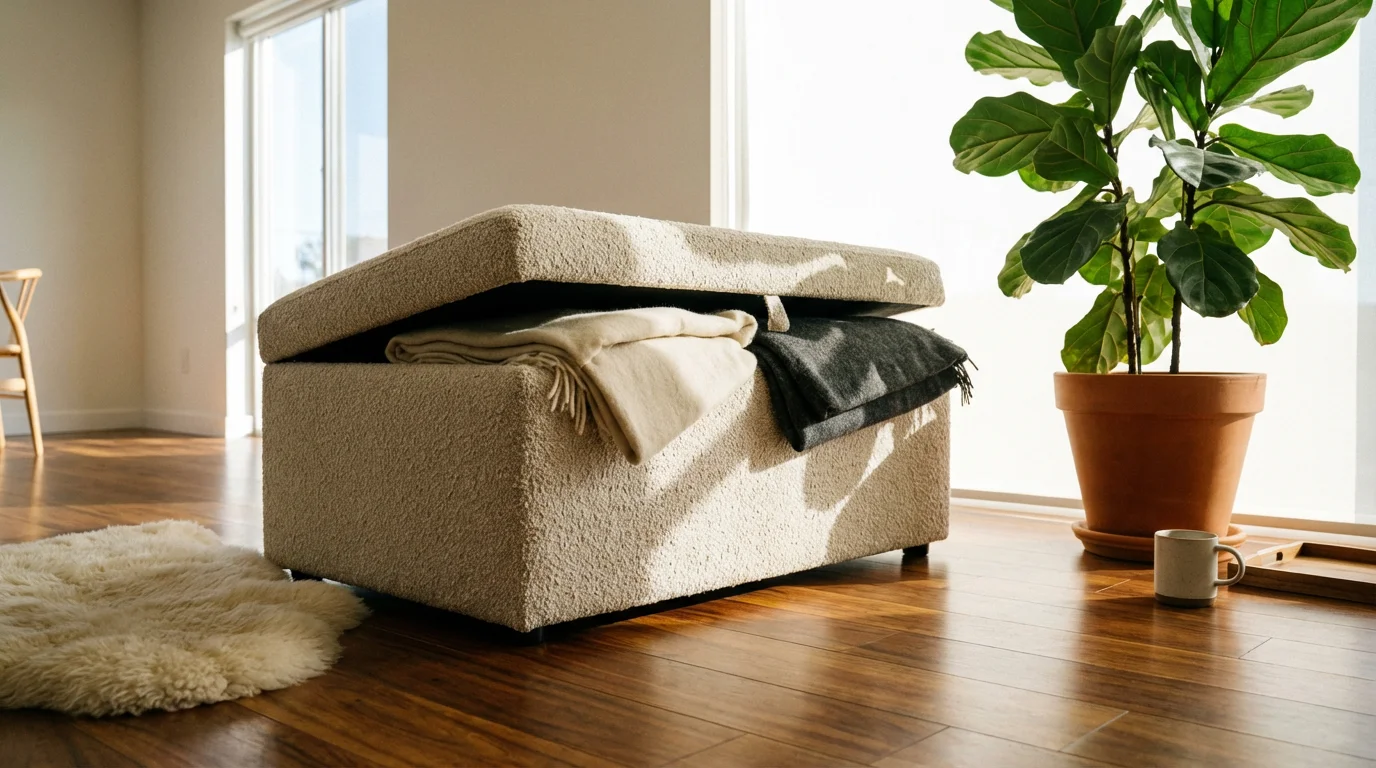
Focus on multi-functional furniture. A sofa bed for guests, an ottoman with storage, or a dining table that expands when needed all serve multiple purposes, optimizing space. Vertical storage solutions, like tall bookshelves or wall-mounted cabinets, utilize often-overlooked areas. Light colors and reflective surfaces can also make smaller rooms feel more expansive and inviting.
Integrate smart home technology for comfort and efficiency. Smart lighting systems, controllable via voice or app, adjust ambiance and save energy. Smart thermostats learn your preferences, optimizing heating and cooling. Devices like robotic vacuums handle daily chores, freeing up your time. These innovations allow your home to work smarter for you, contributing to a truly effortless lifestyle.
Consider your personal flow and habits when arranging your new space. Do you enjoy cooking? Prioritize an efficient kitchen layout. Do you read extensively? Design a comfortable, well-lit reading nook. This customization ensures your home actively supports your interests and daily routines.
Key design principles for your downsized home:
- Multi-Functional Furniture: Choose pieces that serve more than one purpose.
- Vertical Storage: Utilize walls for shelving, cabinets, and display.
- Smart Home Integration: Install smart lighting, thermostats, and security systems.
- Declutter Continually: Maintain your streamlined environment by regularly reviewing possessions.
- Personalize: Infuse your personality with art, photos, and cherished items, but avoid over-cluttering.
This intentional design process ensures your smaller home feels spacious, functional, and perfectly tailored to your modern retirement lifestyle.

Embracing the Downsized Lifestyle: Your New Horizon
The true reward of downsizing extends far beyond a tidy home; it unlocks a world of new possibilities. You gain precious time, financial freedom, and mental clarity, allowing you to fully embrace the vibrant, purposeful retirement you have designed. This is not just a change of address; it is a fundamental shift in how you live and interact with the world.
With fewer possessions and less home maintenance, you find more time for experiences. Travel more spontaneously, pursue long-dormant hobbies, or invest in new learning opportunities. Many modern retirees find that a downsized lifestyle fuels their desire for adventure, whether it is exploring new cultures or mastering a new skill. Research from MIT AgeLab frequently highlights the importance of engaging with new experiences for cognitive health and life satisfaction.
Financial liberation is another significant benefit. Reduced mortgage payments, lower utility bills, and fewer property taxes free up capital. You can reinvest this into your passions, secure your financial future, or simply enjoy a higher disposable income. This financial flexibility supports your choices, whether you dream of extended travel or contributing more to causes you care about.
Ultimately, downsizing empowers you to live life on your own terms. It fosters a sense of lightness, knowing that your home supports your future goals rather than anchoring you to the past. You are not just reducing; you are optimizing, setting the stage for a retirement filled with purpose, joy, and boundless opportunity.
“Life’s challenges are not supposed to paralyze you; they’re supposed to help you discover who you are.” — Bernice Johnson Reagon
Embrace this chapter. You have intentionally created a foundation for a retirement that is rich in experiences, freedom, and personal growth. The modern retiree thrives on choice, and your decision to downsize is a powerful testament to that philosophy.
Frequently Asked Questions
Is downsizing before retirement always the right choice?
Downsizing is not a universal mandate, but it offers significant benefits for many modern retirees. It depends on your personal financial situation, desired lifestyle, and emotional attachment to your current home. Consider it if you seek reduced home maintenance, financial flexibility, or a living space better suited to travel and new experiences. Analyze your goals; if freedom and simplicity top your list, downsizing likely aligns with your vision.
How early should I start the downsizing process?
Begin your downsizing journey several years before your intended retirement date, ideally 3-5 years out. This extended timeline allows for a gradual, less stressful process. You can tackle categories methodically, make thoughtful decisions about sentimental items, and effectively sell or donate possessions without feeling rushed. A phased approach minimizes emotional fatigue and ensures you make the best choices for your future home.
What are the biggest challenges of downsizing?
The primary challenges often revolve around emotional attachment to possessions and the sheer volume of items accumulated over decades. Overcoming decision fatigue and managing family expectations about heirlooms also present hurdles. Addressing these challenges requires a clear vision for your future, a systematic approach to decluttering, and open communication with loved ones. Remind yourself of the freedom you gain by shedding excess.
Can I save money by downsizing my home?
Yes, downsizing frequently leads to substantial financial savings. You typically reduce or eliminate mortgage payments, lower property taxes, decrease utility bills, and minimize home maintenance costs. The capital freed up from selling a larger home can also provide a financial cushion, fund retirement adventures, or be invested. These savings contribute directly to your overall financial well-being and flexibility in retirement.
Disclaimer: This article is for informational purposes. Technology, apps, and services mentioned may change over time. We encourage readers to research current options and consider their individual needs when making decisions.







Leave a Reply