

For many, retirement once signified a graceful exit, a winding down into quiet leisure. You worked your career, saved your money, and then you rested. This outdated narrative no longer resonates with the modern retiree. Today, you possess the energy, experience, and tools to architect a future rich with meaning, engagement, and profound personal fulfillment. Your retirement is not an ending; it is a vibrant new beginning, an unprecedented opportunity to discover what truly drives you.
This phase of life is often the perfect time for downsizing your home to reduce obligations and focus entirely on your new passions.
The question shifts from “What will I do now that I am retired?” to “How will I leverage this freedom to live my most purposeful life?” This exploration transcends financial metrics or vacation plans. It delves into the deeper satisfaction that comes from contributing, learning, creating, and connecting. You are defining success on your own terms.

The Modern Retirement Paradigm: Beyond Leisure and Rest
The traditional image of retirement, filled primarily with golf courses and gardening, misses the mark for today’s generation. You are not simply retiring *from* work; you are retiring *to* a new phase of life defined by choice and opportunity. This new paradigm recognizes your vibrant health, extended lifespans, and a profound desire for continued relevance.
Modern retirees actively seek out new challenges and avenues for growth. They reject passive consumption in favor of active participation. This shift reflects a deeper understanding that sustained well-being depends on more than just relaxation; it thrives on mental stimulation, social connection, and a sense of contribution. AARP research shows a significant portion of older adults want to remain engaged in meaningful ways, challenging the idea of a complete withdrawal.
Why Purpose Matters: The Data-Backed Benefits
Finding purpose after retirement is not merely a feel-good aspiration; it offers concrete, scientifically proven benefits for your health and longevity. A strong sense of purpose acts as a protective factor, enhancing your physical and mental well-being. It provides a framework for daily life, motivating you and giving your actions direction.
Research consistently highlights the positive impact of purpose. The Harvard T.H. Chan School of Public Health points to studies linking a strong sense of purpose with lower risks of heart disease, stroke, and Alzheimer’s disease. Individuals with purpose also report higher levels of life satisfaction, greater resilience, and better overall mental health. When you have a clear reason to get out of bed, your entire outlook shifts.
“The future belongs to those who believe in the beauty of their dreams.” — Eleanor Roosevelt

Deconstructing Purpose: What Does “Fulfillment” Truly Mean for You?
Purpose is deeply personal. It is not a one-size-fits-all concept. What brings fulfillment to one person might not resonate with another. Understanding your unique drivers requires introspection and an honest assessment of your values, passions, and skills. This self-discovery process forms the bedrock of a purposeful retirement.
Consider these questions as you begin to explore your personal definition of purpose:
- What activities make you lose track of time?
- What problems in your community or the world genuinely bother you?
- What skills or knowledge do you possess that you enjoy sharing with others?
- What causes or issues ignite your passion?
- What did you always wish you had more time to do during your working years?
- What kind of legacy do you hope to create or leave behind?
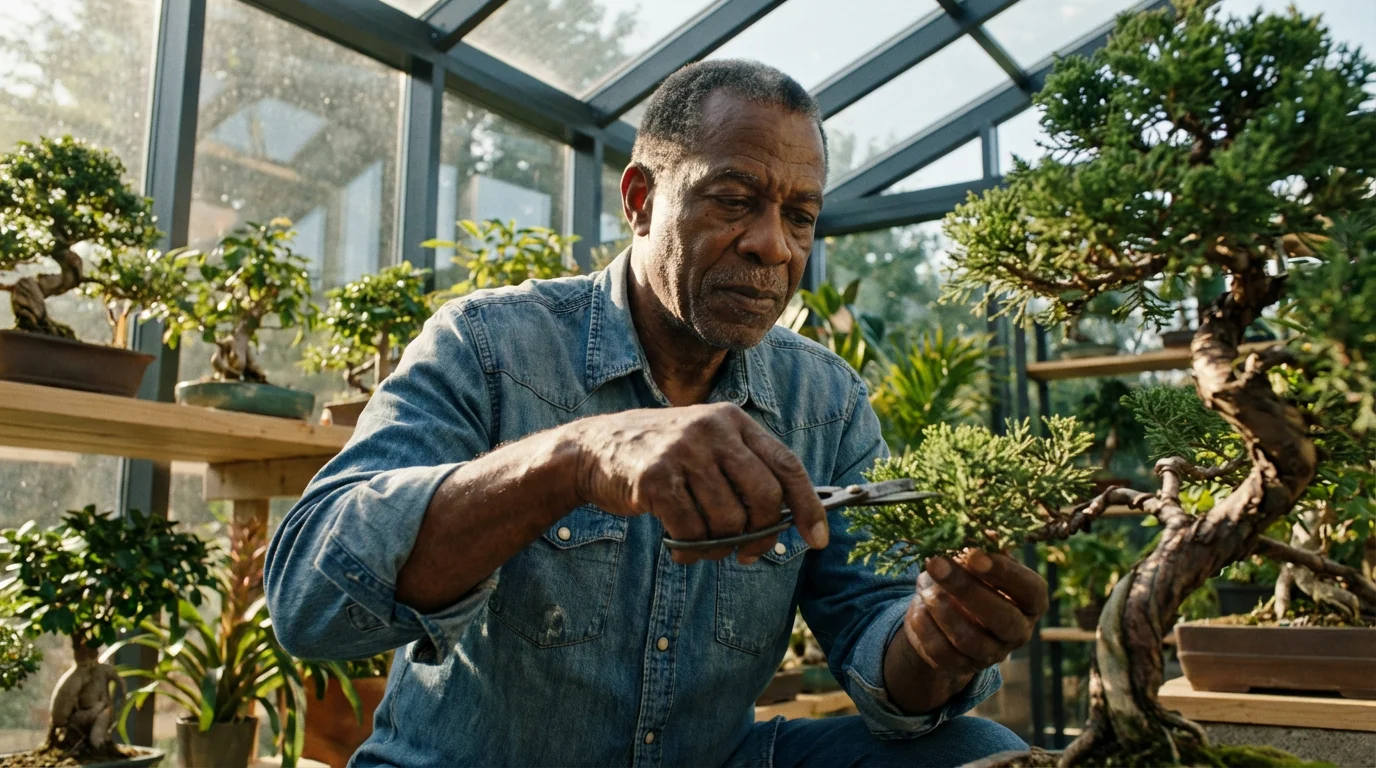
Your purpose might be intellectual, such as continuous learning or research. It could be social, like building community or advocating for a cause. Perhaps it is creative, through art, writing, or music. Many find their purpose in altruism, helping others, or even in physical pursuits that challenge and strengthen them. The key is to identify what authentically aligns with your inner self.

Leveraging Technology to Discover and Sustain Your Purpose
Technology is not just for younger generations; it is a powerful ally for modern retirees designing a purposeful life. Digital tools and platforms break down barriers, offering unprecedented access to learning, connection, and contribution opportunities. You can expand your horizons and engage in meaningful activities from anywhere.
Here are some ways technology empowers your search for purpose:
- Online Learning Platforms: Sites like Coursera, edX, and MasterClass offer courses from top universities and experts, allowing you to acquire new skills, delve into new subjects, or formalize existing knowledge.
- Virtual Volunteer Portals: Websites such as VolunteerMatch or Taproot Foundation connect you with remote volunteer opportunities, leveraging your professional skills for non-profits worldwide.
- Community & Interest Groups: Platforms like Meetup or dedicated online forums allow you to find and join groups based on shared hobbies, causes, or professional interests, fostering social connection and collaborative projects.
- Digital Content Creation: Start a blog, a podcast, or a YouTube channel to share your expertise, passions, or life experiences. Tools like WordPress or Anchor make this accessible.
- Project Management Tools: Apps like Trello or Asana can help you organize personal projects, manage volunteer initiatives, or even plan an entrepreneurial venture.
- Health & Wellness Trackers: Wearable devices and apps like Fitbit or Apple Health encourage physical activity and mindfulness, providing the energy and focus needed for purposeful engagement.
By integrating these tools, you transform your smartphone or tablet into a portable hub for discovery and action. Technology removes geographical constraints and opens up a world of possibilities for finding and expressing your purpose. Consumer Reports often reviews many of these user-friendly devices and platforms, guiding your choices.

Practical Pathways to Purposeful Engagement
Translating your personal purpose into tangible actions requires exploring various avenues. Modern retirement offers a spectrum of choices, allowing you to tailor your engagement to your energy levels, interests, and desired impact. You do not need to commit to a full-time endeavor; even small, consistent actions create significant meaning.
If your purpose involves physical activity and nature, you might find inspiration when exploring national parks across the country.
For some, finding purpose starts with a change of scenery by finding an ideal retirement home in a community that matches your new lifestyle.
Consider these practical pathways for finding purpose:
- Volunteering Your Expertise: Offer your professional skills, whether in finance, marketing, teaching, or management, to non-profit organizations. Many organizations desperately need experienced minds.
- Mentorship: Guide younger professionals or entrepreneurs. Share your wisdom and experience through formal programs or informal connections. This provides immense satisfaction and tangible impact.
- Encore Careers or Entrepreneurial Ventures: Pursue a second career that aligns with your passions, or start a small business. Platforms like Etsy or Fiverr allow you to monetize hobbies or specific skills.
- Lifelong Learning & Education: Enroll in college courses, audit university classes, or participate in local adult education programs. Learning a new language, instrument, or subject keeps your mind sharp and engaged.
- Creative Pursuits: Dedicate time to writing, painting, pottery, music, or photography. The process of creation itself offers profound fulfillment and a sense of accomplishment.
- Community Building: Organize local events, join neighborhood initiatives, or start a book club or walking group. Fostering connections strengthens your community and your own social ties.
- Advocacy: Champion a cause you believe in, whether environmental protection, social justice, or support for a particular demographic. Your voice and experience carry significant weight.
Each of these pathways offers a different blend of challenge, social interaction, and personal satisfaction. The key is to experiment and find the perfect fit for your evolving desires.

Building Your Purpose Portfolio: A Step-by-Step Approach
Think of your purposeful activities not as isolated tasks but as a “purpose portfolio,” a collection of engagements that collectively enrich your life. Just as you diversified your financial assets, you can diversify your sources of fulfillment. This strategic approach ensures balance, resilience, and sustained meaning.
Follow these steps to build your purpose portfolio:
- Self-Assessment and Reflection: Revisit your values, passions, and skills. Use journaling, meditation apps, or discussions with trusted friends to gain clarity on what matters most to you.
- Research and Exploration: Identify potential areas of interest. Look at local volunteer organizations, online course catalogs, community centers, or professional groups. Talk to people already engaged in activities you find interesting.
- Pilot Projects and Experimentation: Do not overcommit initially. Try short-term volunteer roles, attend a single class, or participate in a trial period for a new group. This low-risk approach helps you test the waters.
- Skill Development: Identify any new skills you need to pursue your chosen purposes. Enroll in an online course, find a mentor, or use YouTube tutorials to bridge knowledge gaps.
- Build Your Network: Connect with like-minded individuals, both online and in person. A strong social network provides support, collaboration opportunities, and new ideas.
- Structure and Schedule: Intentionally block out time in your week for purposeful activities. Treat these commitments with the same respect you gave professional appointments.
- Review and Adapt: Regularly assess whether your current activities still bring you joy and fulfillment. Be open to letting go of what no longer serves you and embracing new opportunities. Your purpose portfolio is dynamic.
Building a purpose portfolio allows for flexibility and growth. It helps you avoid the “all or nothing” trap, fostering a sustainable and evolving sense of meaning throughout your retirement.

Navigating Challenges and Embracing Evolution
The journey to a purpose-driven retirement, while incredibly rewarding, is not without its challenges. You might encounter moments of doubt, financial considerations, or the need to adapt to unforeseen circumstances. Embracing these challenges as opportunities for growth is crucial for sustained fulfillment.
While this transition is exciting, overcoming retirement fear regarding your new identity is a common step toward finding lasting fulfillment.
Some common hurdles include:
- Fear of Failure or Starting Over: It is natural to feel apprehensive about new ventures. Remember your vast experience provides a strong foundation. Every attempt offers learning.
- Financial Constraints: Some purposeful activities, like starting a small business, may require initial investment. Research low-cost options or seek grants for non-profit work. Many meaningful pursuits are free or low-cost.
- Lack of Initial Direction: Feeling adrift is common at the outset. Trust the process of exploration and experimentation. Small steps often reveal larger paths.
- Shifting Identities: Moving beyond a career-defined identity takes time. Be patient with yourself as you forge a new self-image rooted in your passions and contributions.
- Adapting to Change: Your interests, health, or family situation may evolve. Your purpose portfolio must also be flexible. What brings you joy today might be different five years from now, and that is perfectly fine.
The modern retiree understands that purpose is not a fixed destination but a dynamic journey. Cultivate resilience, seek support from your network, and view every challenge as a chance to refine your path. Your ability to adapt and evolve ensures your retirement remains vibrant and meaningful.
Frequently Asked Questions
What defines success in modern retirement, beyond financial stability?
Modern retirement success extends beyond financial security to encompass a rich, purpose-driven life. It involves actively pursuing personal fulfillment, engaging with communities, embracing continuous learning, and maintaining physical and mental well-being. Modern retirees measure success by their impact, their growth, and the joy they find in their daily activities.
How can I identify my personal purpose after a career of defined work roles?
Identifying your purpose involves introspection and experimentation. Reflect on what truly energizes you, the skills you love to use, and causes you care deeply about. Consider past hobbies, passions you set aside, or problems you want to solve. Try short-term volunteer roles, online courses, or join interest groups to test different avenues. Your purpose often emerges from these explorations.
Can technology genuinely help in finding and sustaining purpose in retirement?
Absolutely. Technology serves as a powerful enabler. Online learning platforms like Coursera or edX provide access to new knowledge and skills. Virtual communities and social platforms connect you with like-minded individuals and causes globally. Apps dedicated to volunteering, project management, or health and wellness can organize your efforts and track progress, helping you integrate purposeful activities seamlessly into your daily life.
What if my purpose evolves over time? Is that normal?
Purpose is rarely static; it evolves naturally with your experiences, interests, and life stages. It is completely normal for your sense of purpose to shift. Embrace this evolution. The modern retirement journey emphasizes adaptability and continuous growth. Revisit your values, explore new interests, and allow your purpose to transform as you do.
Your retirement represents an extraordinary chapter, a canvas on which you paint your most meaningful life. By actively seeking and cultivating purpose, you not only redefine success but also unlock unparalleled fulfillment, health, and happiness. Embrace this opportunity to thrive.
Disclaimer: This article is for informational purposes. Technology, apps, and services mentioned may change over time. We encourage readers to research current options and consider their individual needs when making decisions.









Leave a Reply