
You define your retirement. For many modern individuals, this means embracing a solo journey, crafting a life rich with purpose, connection, and adventure on your own terms. Solo retirement offers unparalleled freedom, allowing you to design every aspect of your day, pursue passions without compromise, and cultivate a lifestyle perfectly aligned with your desires. This approach challenges outdated notions of retirement, proving that thriving as a single retiree is not just possible, but incredibly fulfilling.
While the transition can feel daunting, overcoming retirement fear is the first step toward embracing this liberating new chapter.

Embracing Your Solo Journey: Redefining Independence
Stepping into solo retirement means seizing the reins of your life fully. You gain the freedom to make all decisions, from where you live to how you spend your time, without needing to negotiate or compromise. This isn’t about isolation; it’s about intentional living and celebrating your inherent strength. You curate your experiences precisely to your preferences, fostering a deep sense of personal fulfillment.
Many find that creating a retirement bucket list provides a roadmap for all the solo adventures they wish to experience.
Establishing a personalized daily routine can help you structure this newfound freedom effectively while ensuring you meet your personal goals.
Many people consider the perceived `challenges of solo retirement`, yet this perspective often misses the profound opportunities. It shifts your focus from merely adapting to actively designing a life that truly resonates. You become the sole architect of your happiness, discovering new dimensions of `independence` and self-discovery.
Here are key aspects of embracing your solo journey:
- Autonomy in Decisions: You choose your daily schedule, travel plans, and social engagements. This complete control fosters a sense of empowerment.
- Personal Growth: Solo retirement provides fertile ground for self-reflection and personal development. You explore new hobbies or revisit old ones with renewed vigor.
- Defined Purpose: You have the opportunity to define new purposes that bring meaning to your post-career life. This might involve volunteering, mentorship, or creative pursuits.
- Celebrating Individuality: Your unique interests and personality shape every aspect of your retirement. You live authentically, free from external expectations.

Navigating the Financial Landscape for One
Financial planning takes on specific nuances when you approach `solo retirement`. You rely solely on your own resources, making proactive and meticulous planning essential. This includes understanding your income streams, managing expenses, and planning for unforeseen costs. Accurate financial foresight provides immense peace of mind.
Start by creating a comprehensive budget that reflects your anticipated retirement lifestyle. Consider all income sources, such as Social Security, pensions, and investment withdrawals. On the expense side, factor in housing, healthcare, transportation, and discretionary spending. You need a clear picture of your financial inflows and outflows.
Long-term care planning is a critical consideration for `single` retirees. Without a spouse to provide care, you must plan for potential future care needs, whether through long-term care insurance or dedicated savings. Research options early to make informed decisions that protect your assets and provide for your well-being. According to NerdWallet, effective budgeting and an emergency fund are paramount for single individuals.
Key financial strategies for solo retirees include:
- Detailed Budgeting: Utilize apps like Mint or Personal Capital to track spending and adhere to your budget. This helps you identify areas for savings and optimize your finances.
- Robust Emergency Fund: Aim for 6-12 months of living expenses in an easily accessible account. This provides a crucial safety net for unexpected events.
- Healthcare Planning: Understand Medicare options, consider supplemental insurance, and plan for out-of-pocket medical costs. Healthcare can be a major expense in retirement.
- Investment Review: Work with a financial advisor to ensure your investment portfolio aligns with your risk tolerance and withdrawal strategy. Rebalance regularly to meet your long-term goals.
- Long-Term Care Solutions: Explore long-term care insurance or dedicated savings plans. Early planning often provides more favorable rates and options.

Building Your Robust Social Ecosystem
One common question asked is, “what are the `challenges of solo retirement`?” A significant concern for many is maintaining social connections and avoiding loneliness. However, `solo retirement` presents a powerful opportunity to intentionally build a diverse and fulfilling social ecosystem. You choose your connections, investing in relationships that truly enrich your life.
Proactively engaging with communities, both online and offline, is vital. Look for groups centered around your interests, whether it is a book club, a hiking group, or a volunteer organization. Technology serves as a powerful bridge, connecting you with friends and family, and introducing you to new social circles.
Research consistently shows that strong social ties correlate with better health outcomes and increased longevity. You actively combat isolation by cultivating a vibrant network. This personal commitment transforms potential challenges into opportunities for deep connection.
Strategies for building your social network include:
- Join Interest-Based Groups: Utilize platforms like Meetup.com to find local groups for hobbies, sports, or social activities.
- Volunteer: Dedicate your time to a cause you care about. Volunteering provides purpose and introduces you to like-minded individuals.
- Online Communities: Participate in online forums, Facebook Groups, or specialized platforms related to your passions. These can offer global connections and support.
- Lifelong Learning Classes: Enroll in courses at local community colleges, senior centers, or online platforms. These environments foster interaction and new friendships.
- Stay Connected with Family and Friends: Schedule regular video calls, phone calls, or in-person visits. Prioritize these existing relationships.

Leveraging Technology for Connection and Convenience
Technology is your ally in `solo retirement`, offering unparalleled ways to connect, learn, and manage your life with ease. From video calls with loved ones to smart home devices that enhance safety and comfort, digital tools empower your `independence`. You stay connected, informed, and secure, all at your fingertips.
To get the most out of your devices, explore our list of essential apps designed specifically for the lifestyle of a modern retiree.
Embrace video conferencing apps like Zoom, FaceTime, or Google Meet to see family and friends no matter the distance. Social media platforms, used mindfully, can keep you updated on friends’ lives and allow you to join interest-based groups. These tools ensure you never feel truly alone.
Smart home technology also provides significant advantages for single individuals. Devices like smart lights, thermostats, and voice assistants (Amazon Echo, Google Home) simplify daily tasks and enhance home security. You control your environment with simple commands, adding convenience and a layer of safety. CNET offers extensive reviews on smart home devices that can assist in daily living.
Technological tools for thriving in solo retirement:
- Communication Apps: Master video calling with Zoom, FaceTime, or WhatsApp to maintain face-to-face connections with loved ones.
- Social Platforms: Use Facebook Groups, Nextdoor, or specialized hobby forums to engage with communities sharing your interests.
- Smart Home Devices: Install smart speakers for reminders, smart thermostats for energy efficiency, and smart doorbells for security.
- Ride-Sharing and Delivery Services: Apps like Uber, Lyft, Instacart, and DoorDash provide convenient transportation and grocery delivery, enhancing `independence`.
- Online Banking and Bill Pay: Streamline your finances by managing accounts and paying bills digitally. Most banks offer robust online platforms.
- Wearable Tech: Smartwatches with fall detection and health monitoring features offer peace of mind and immediate assistance if needed.

Designing Your Ideal Living Space
Your home serves as your sanctuary, and in `solo retirement`, you possess complete freedom to design it exactly as you wish. This means optimizing your space for comfort, accessibility, and personal expression. Whether you downsize, relocate, or age in place, your living environment directly supports your `independence`.
If your ideal living space isn’t fixed in one spot, consider the location independent lifestyle of a digital nomad.
Consider “right-sizing” your home. This might involve moving to a smaller house, a condo, or even an active adult community. The goal is to reduce maintenance burdens and free up resources for experiences you value. A well-designed space enhances both your daily living and your ability to entertain.
Incorporate smart home technologies that make your space more convenient and secure. Motion-sensing lights, voice-activated controls, and automated security systems contribute significantly to your peace of mind as a `single` retiree. You create an environment that caters specifically to your needs and preferences.
Design considerations for your solo retirement home:
- Accessibility: Plan for future needs by considering features like no-step entries, wider doorways, and grab bars. Small modifications can make a big difference.
- Smart Home Integration: Install smart lighting, temperature control, and security systems for enhanced convenience and safety.
- Decluttering and Organization: Create a minimalist and organized space that reduces stress and improves functionality.
- Personalization: Decorate your home to reflect your personality, passions, and life journey. It is your unique retreat.
- Community Amenities: If considering a community, evaluate amenities like fitness centers, social clubs, and maintenance services.
Prioritizing Health and Well-being as a Solo Retiree
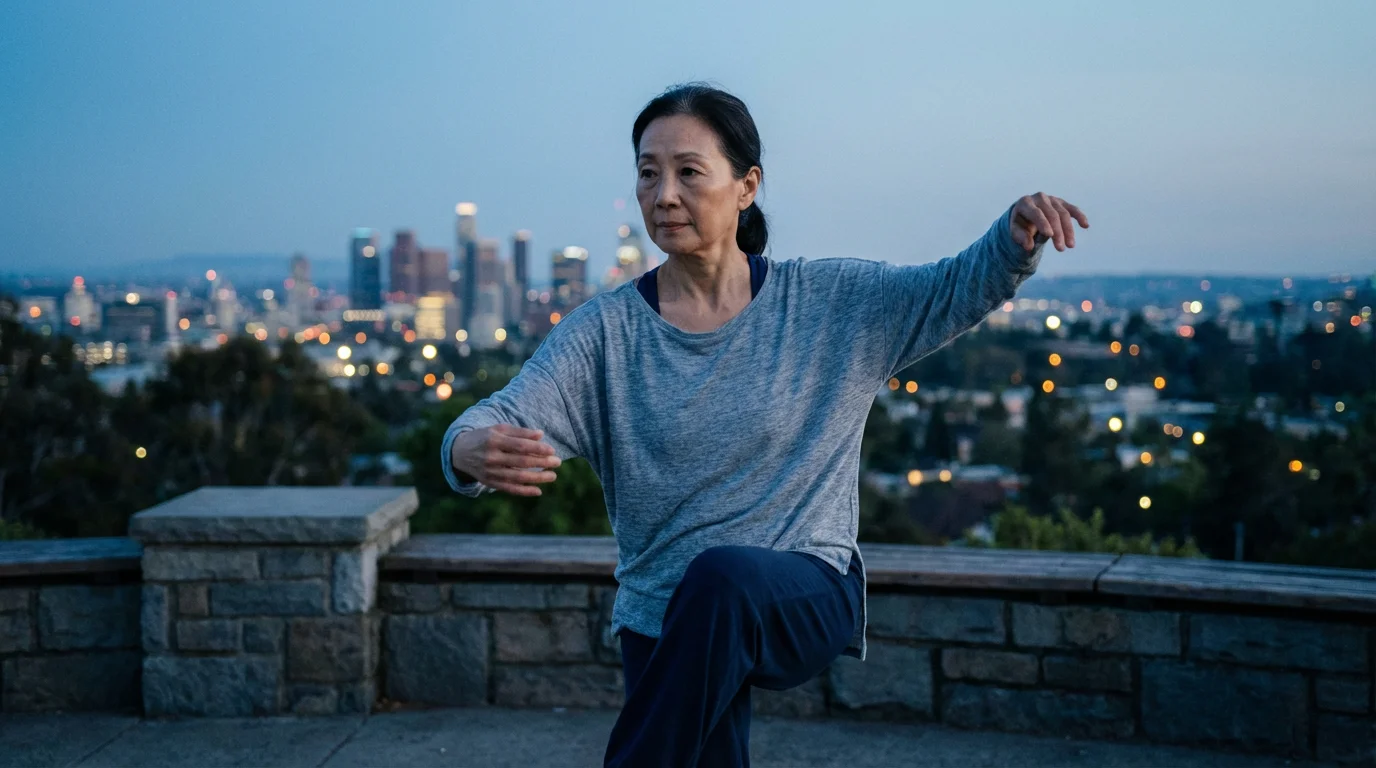
Maintaining your physical and mental health becomes a top priority when living independently. As a `single` retiree, you take full responsibility for your well-being, proactively engaging in habits that promote vitality and longevity. This comprehensive approach ensures you have the energy and capacity to enjoy your vibrant retirement.
Embrace regular physical activity, tailoring it to your interests and abilities. This could range from walking and cycling to yoga or strength training. Many apps offer guided workouts and fitness tracking, providing motivation and structure. Consistent movement significantly impacts your physical and mental state.
Mental well-being is equally crucial. Stay mentally active through learning, puzzles, and engaging conversations. Utilize mindfulness apps, or explore telemedicine options for mental health support if needed. Harvard Health emphasizes the benefits of regular exercise and social engagement for cognitive function and mood.
Key aspects of health and well-being for solo living:
- Regular Exercise: Implement a consistent fitness routine. Use apps like MyFitnessPal or Apple Health to track progress and find motivating programs.
- Balanced Nutrition: Focus on a diet rich in fruits, vegetables, lean proteins, and whole grains. Meal planning services or healthy cooking classes can assist.
- Mental Stimulation: Engage in brain-challenging activities such as reading, learning a new language, or playing strategy games.
- Stress Management: Practice mindfulness, meditation, or spend time in nature. Apps like Calm or Headspace offer guided relaxation techniques.
- Proactive Healthcare: Schedule regular check-ups, preventive screenings, and utilize telemedicine for convenient consultations when appropriate.
- Adequate Sleep: Prioritize 7-9 hours of quality sleep per night. Good sleep profoundly impacts mood, energy, and cognitive function.

Embracing Lifelong Learning and New Adventures
Retirement, especially `solo retirement`, provides an unparalleled canvas for continuous growth and exploration. You gain the time and freedom to pursue interests you put on hold, learn new skills, or even embark on entirely new career paths. This commitment to lifelong learning keeps your mind sharp and your spirit invigorated.
Consider enrolling in online courses through platforms like Coursera, edX, or MasterClass. These offer access to world-class education on virtually any subject, from history and science to photography and cooking. Local community centers and universities also provide classes tailored to retirees, fostering both learning and social interaction.
Travel, whether solo or with friends, offers profound opportunities for adventure and perspective. You can plan trips that align perfectly with your interests, whether it is exploring national parks, visiting historical sites, or experiencing different cultures. The `independence` of `single` retirement makes these adventures truly your own.
Ways to embrace learning and adventure:
- Online Education: Explore Coursera, edX, or Udemy for courses on a vast array of subjects. Many are free or low-cost.
- Local Classes: Enroll in art, music, language, or technical classes at community colleges or adult education centers.
- Travel: Plan enriching trips tailored to your interests. Consider group tours designed for solo travelers if you prefer companionship.
- New Hobbies: Dive into a new creative pursuit like painting, writing, gardening, or playing a musical instrument.
- Volunteer Opportunities: Learn new skills and contribute to your community simultaneously. This creates purpose and expands your network.

Safeguarding Your Future: Legal and Practical Preparations
Proactive planning for the future is a cornerstone of thriving as a `single` retiree. Without a spouse to handle affairs, you take full ownership of your legal, medical, and practical arrangements. This foresight protects your wishes, assets, and ensures a smooth path for those who might assist you later.
Establish essential legal documents well in advance. These include a will, a durable power of attorney for finances, and an advance directive for healthcare. Clearly outlining your wishes alleviates potential stress for both you and your chosen fiduciaries. Regularly review these documents to ensure they reflect your current circumstances.
Consider digital legacy planning. Document your online accounts, passwords, and instructions for managing your digital footprint. This thoughtful preparation ensures your digital life is handled according to your preferences, providing clarity for your chosen executor or trusted contact.
Essential preparations for your `solo retirement` future:
- Will and Estate Plan: Clearly outline how you wish your assets to be distributed and designate an executor.
- Durable Power of Attorney: Appoint someone you trust to make financial decisions on your behalf if you become incapacitated.
- Advance Healthcare Directive: Document your medical wishes, including a living will and a designated healthcare proxy.
- Emergency Contacts List: Create an easily accessible list of important contacts, including doctors, family, and legal advisors.
- Digital Legacy Plan: Compile a secure list of online accounts and passwords, along with instructions for managing them.
- Insurance Review: Periodically review your life, health, home, and auto insurance policies to ensure adequate coverage.
Frequently Asked Questions
What are the challenges of solo retirement?
While solo retirement offers immense freedom, challenges can include financial planning for one, ensuring a robust social network to combat loneliness, and planning for potential future care needs without a spouse. Proactive engagement with finances, community building, and legal preparations effectively mitigates these concerns.
How to thrive as a single retiree?
Thriving as a single retiree involves embracing `independence`, designing a life aligned with your values, and leveraging resources. Focus on meticulous financial planning, actively building a diverse social ecosystem, utilizing technology for connection and convenience, prioritizing health, and committing to lifelong learning and adventure.
How do single retirees stay socially connected?
Single retirees build social connections by joining interest-based groups, volunteering, engaging in online communities, and using video calling apps. Proactive outreach and participation in activities that align with your passions create meaningful relationships and combat isolation.
What unique financial considerations apply to solo retirement?
Unique financial considerations for solo retirement include relying entirely on your own income and savings, meticulous budgeting for all expenses, and planning independently for long-term care. Building a substantial emergency fund and regularly reviewing your estate plan are also critical.
Can technology truly enhance solo retirement?
Absolutely. Technology significantly enhances solo retirement by providing tools for communication, convenience, safety, and learning. Video calls connect you with loved ones, smart home devices simplify daily tasks, and online platforms offer endless opportunities for education and social engagement.
Disclaimer: This article is for informational purposes. Technology, apps, and services mentioned may change over time. We encourage readers to research current options and consider their individual needs when making decisions.








Leave a Reply