
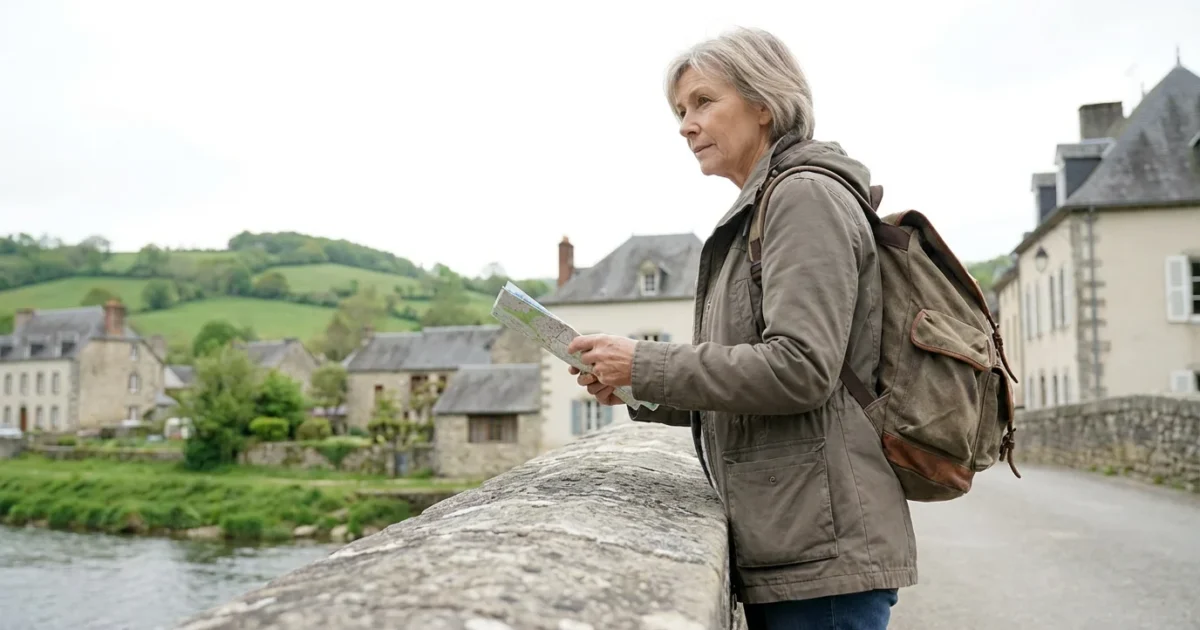
The landscape of retirement has transformed. Today’s retirees are not slowing down; you are redefining what it means to live your best life, seeking adventure, growth, and personal fulfillment. One of the most powerful ways to embrace this new chapter involves embarking on a solo journey, discovering both the world and the incredible person you have become. Independent travel offers unparalleled freedom, allowing you to craft experiences precisely tailored to your desires and curiosity.
You possess a lifetime of wisdom and a readiness to explore. This guide empowers you to navigate the path of solo travel, providing actionable insights, essential safety tips, and the technological tools needed to make your independent adventure not just possible, but truly transformative. Prepare to embrace the world on your own terms.
Embracing the Solo Journey in Modern Retirement
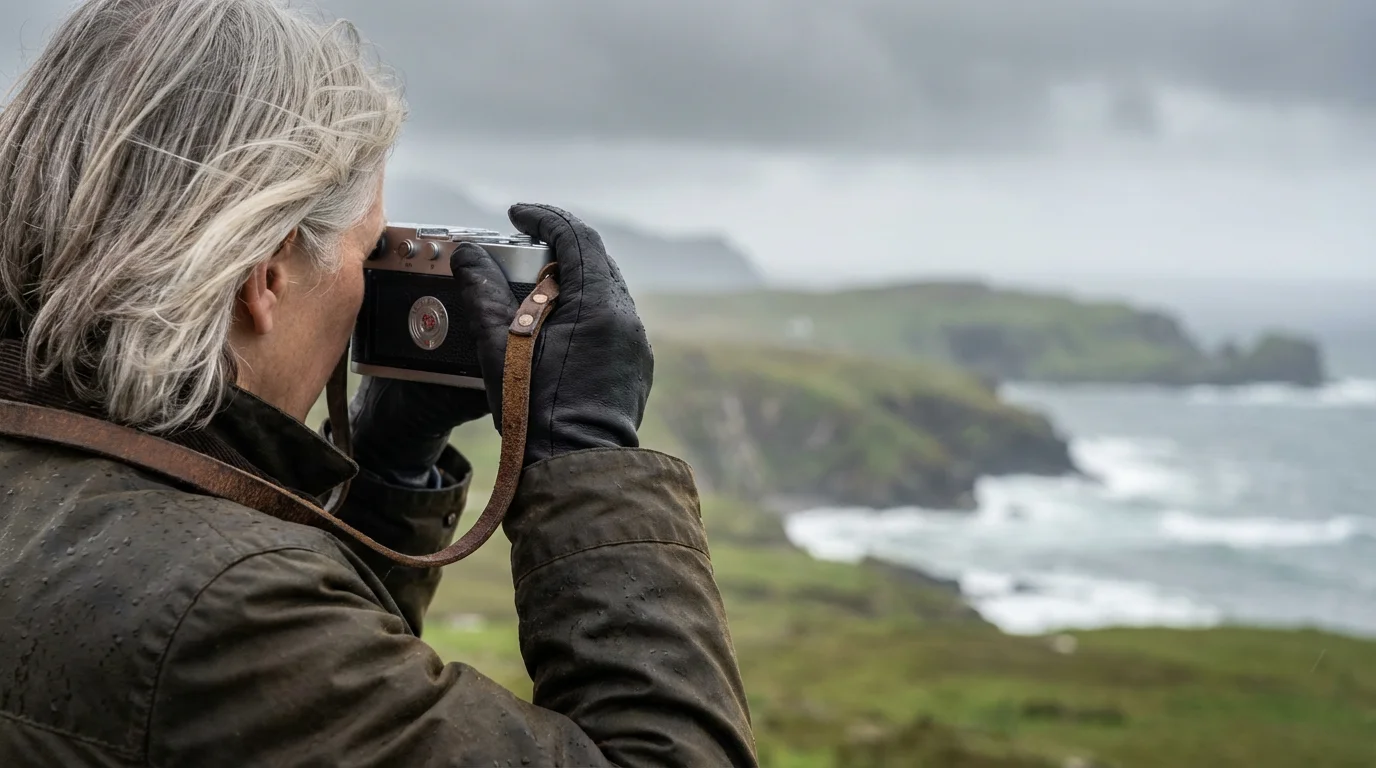
Retirement today means unlocking possibilities, not settling into routines. You now have the time, experience, and often the resources to explore passions long deferred. Solo travel emerges as a powerful expression of this newfound freedom, offering a unique path for self-discovery and unparalleled exploration.
Solo travel often features prominently on a well-crafted retirement bucket list, serving as a milestone for personal growth.
This approach to independent travel directly challenges outdated stereotypes. You are not a “senior” needing assistance; you are an experienced individual choosing to engage with the world dynamically. This choice represents a commitment to personal growth and an adventurous spirit that defines the modern retiree.
Why Solo Travel Resonates with Today’s Retiree
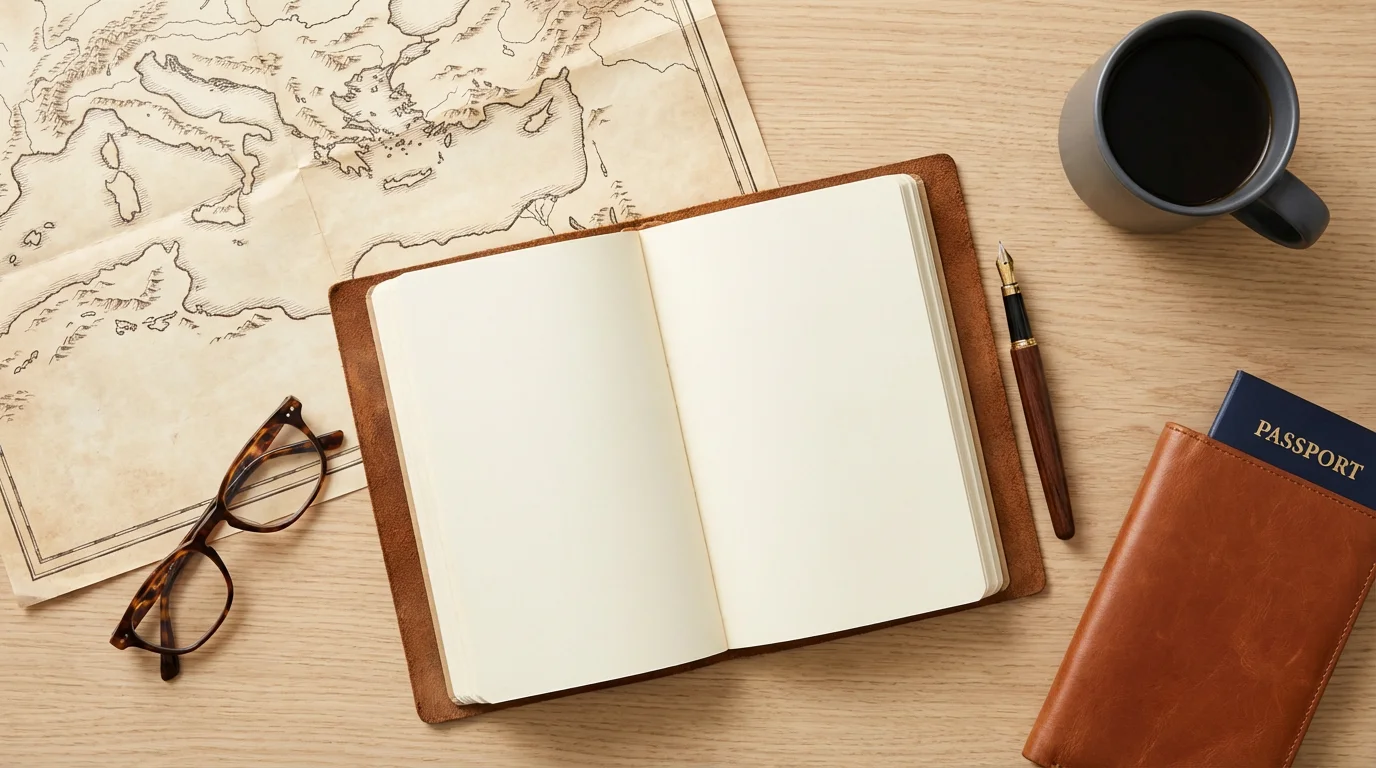
The benefits of solo travel for retirees are profound, extending beyond mere sightseeing. It offers a unique blend of independence and enrichment that many find deeply satisfying in this phase of life.
If you enjoy the water but still want social opportunities, senior-friendly cruises can be an excellent entry point for solo exploration.
- Unfettered Freedom and Flexibility: You dictate every aspect of your journey, from wake-up times to itinerary changes. There is no need to compromise on activities or dining preferences. This complete control over your schedule creates a truly personalized experience.
- Deep Self-Discovery and Introspection: Traveling alone provides space for reflection and a deeper understanding of your desires and capabilities. You connect with your inner self, often discovering new strengths and perspectives. This journey of introspection is invaluable.
- Enhanced Personal Growth and Resilience: Navigating new environments independently builds confidence and problem-solving skills. Each challenge overcome strengthens your resolve, proving your ability to adapt and thrive. You return home with a renewed sense of empowerment.
- Meeting New People on Your Terms: While solo, you become more approachable and open to interactions with locals and fellow travelers. These spontaneous connections often lead to rich, authentic cultural exchanges and lasting friendships. You choose when and with whom you engage.
- Pursuing Specific Interests Without Compromise: Whether your passion lies in ancient history, culinary arts, or nature photography, solo travel allows you to immerse yourself fully. You can spend hours at a museum, linger at a market, or chase the perfect sunset without considering anyone else’s schedule.
The future belongs to those who believe in the beauty of their dreams. — Eleanor Roosevelt

Planning Your Independent Adventure: From Dream to Destination
Successful solo travel begins with meticulous yet flexible planning. Thinking through the logistics beforehand reduces stress and enhances your enjoyment. This methodical approach ensures your trip aligns perfectly with your goals.
For those who want to extend their stay and save on costs, house sitting is a fantastic way to live like a local.
- Destination Research: Investigate potential destinations thoroughly. Consider factors such as safety, climate, local culture, language barriers, and accessibility. Look for places that match your interests, whether it is vibrant cities, serene natural landscapes, or historical sites.
- Budgeting Your Journey: Create a realistic budget encompassing flights, accommodation, transportation, food, activities, and a contingency fund. Understanding your financial parameters allows for informed decisions and prevents unexpected expenses. Tools like NerdWallet offer excellent resources for managing travel finances.
- Accommodation Choices: Explore various lodging options. Boutique hotels, guesthouses, and reputable Airbnb rentals offer comfort and safety. Some modern hostels now provide private rooms with ensuite bathrooms, offering a social atmosphere without sacrificing privacy. Read reviews carefully to ensure suitability.
- Crafting a Flexible Itinerary: While some structure is helpful, leave room for spontaneity. Plan key attractions and activities, but also schedule free time to explore unexpected opportunities or simply relax. This balance prevents burnout and encourages authentic discovery.
- Packing Smart and Light: Prioritize versatile clothing, comfortable walking shoes, and essential medications. Consider a capsule wardrobe to minimize luggage. Many travelers find a quality carry-on sufficient for trips up to two weeks, saving time and hassle at airports.
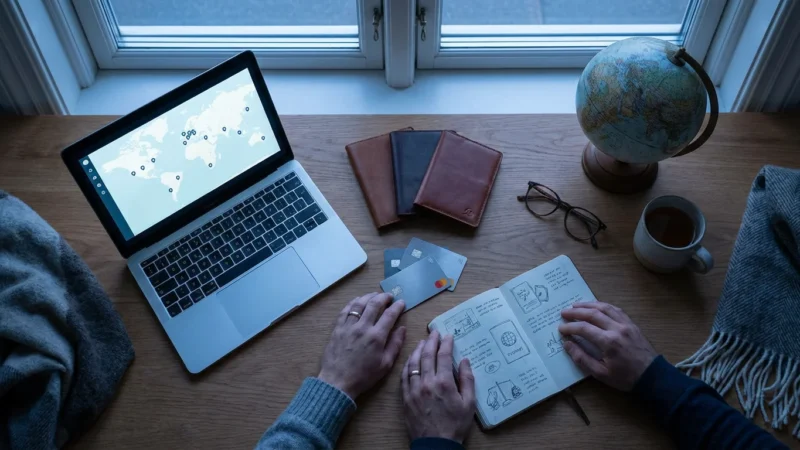
- Essential Document Checklist: Ensure your passport, visas, travel insurance, and driver’s license (if needed) are current. Keep digital copies stored securely in the cloud or on a separate device, in addition to physical copies. Having these documents organized is crucial.

Leveraging Technology for Seamless Solo Travel
Technology serves as your ultimate travel companion, empowering you with information, connectivity, and safety. Embracing modern tools enhances your independent travel experience significantly. These innovations transform logistical challenges into minor details.
For those who want to stay active professionally while exploring, a digital nomad retirement provides the perfect framework for location-independent living.
- Connectivity Solutions: An eSIM, like those offered by Airalo or Holafly, provides instant data access in many countries without needing a physical SIM card swap. Alternatively, consider a portable Wi-Fi hotspot or purchasing a local SIM card upon arrival for reliable internet access. Reliable connectivity is fundamental for navigation and communication.
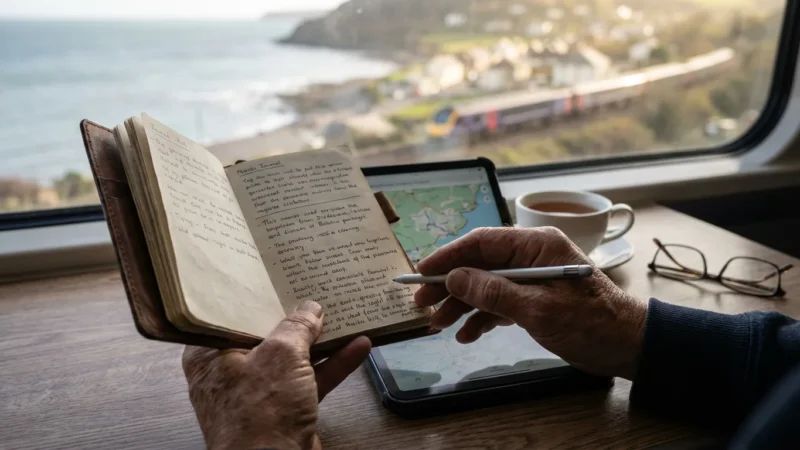
- Navigation Apps: Google Maps remains indispensable for walking, public transit, and driving directions. For city-specific transit, apps like Citymapper offer detailed routes and real-time updates. Download offline maps before you leave your accommodation to ensure navigation access even without internet.
- Communication Tools: WhatsApp is a global standard for free messaging and calls, keeping you connected with loved ones. Google Translate assists with language barriers, offering real-time voice and text translation. This makes communicating with locals far easier and more engaging.
- Booking Platforms: Use apps like Booking.com, Kayak, Skyscanner, or Airbnb to find and book accommodation, flights, and rental cars. Always check multiple platforms for the best deals and read recent reviews for insights into property quality and service.
- Safety and Emergency Apps: Install a medical ID app on your phone, storing essential health information and emergency contacts. Apps like bSafe or Noonlight offer personal safety features, connecting you to help with a tap. For general travel tips, sites like AARP provide excellent resources on staying safe abroad.
- Financial Management: Mobile banking apps allow you to monitor transactions and manage funds on the go. Travel-specific credit cards often waive foreign transaction fees and offer rewards points, making purchases more economical. Digital wallets like Apple Pay or Google Pay provide secure payment options without carrying physical cards.
Prioritizing Your Safety: Smart Strategies for Independent Explorers
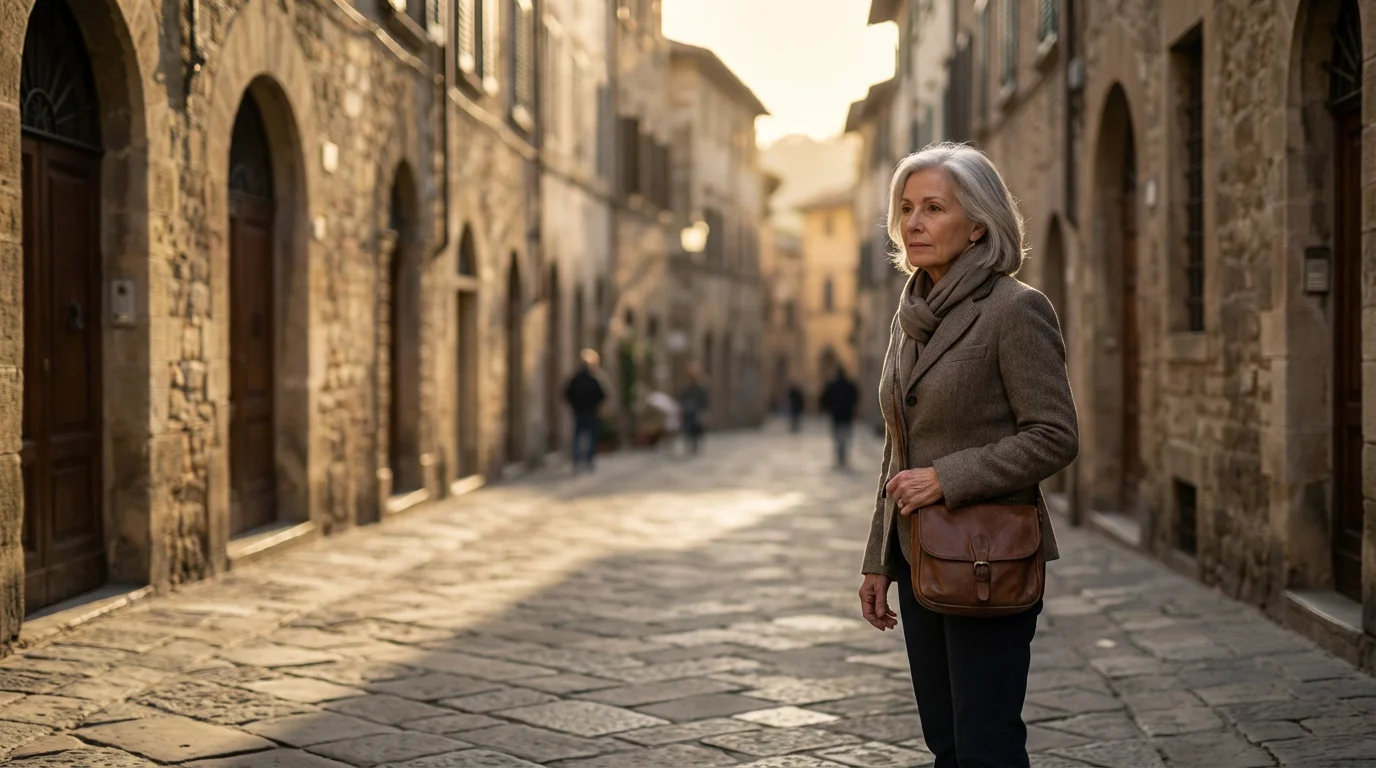
Safety is paramount for any traveler, and especially when exploring solo. Proactive measures and a keen awareness of your surroundings ensure a confident and secure journey. Your peace of mind allows for genuine enjoyment of your adventure.
- Research Safe Destinations and Neighborhoods: Before booking, research the general safety profile of your chosen destination. Pay attention to specific neighborhoods or areas with known safety concerns. Consulting government travel advisories or reputable travel blogs provides valuable context.
- Share Your Itinerary with Trusted Contacts: Provide a detailed itinerary, including flight numbers, accommodation addresses, and planned activities, to a family member or close friend. Check in regularly, especially when moving between locations. This ensures someone always knows your whereabouts.
- Maintain Situational Awareness: Be observant of your surroundings, especially in crowded areas or unfamiliar settings. Avoid walking alone at night in poorly lit or deserted areas. Projecting confidence and awareness can deter potential issues.
- Secure Valuables Discreetly: Use a money belt or a secure cross-body bag to keep your passport, cash, and credit cards out of sight and reach. Avoid flashing expensive jewelry or electronics. Leave important documents in your accommodation’s safe when possible, carrying only what you need for the day.
- Invest in Comprehensive Travel Insurance: This is a non-negotiable for solo independent travel. Ensure your policy covers medical emergencies, trip cancellations, lost luggage, and emergency evacuation. Review policy details carefully to understand your coverage.
- Know Local Emergency Numbers: Familiarize yourself with the local emergency services numbers (police, ambulance, fire). Keep these saved in your phone and easily accessible. Knowing how to access help quickly is vital.
- Trust Your Instincts: If a situation or person feels off, err on the side of caution. Remove yourself from uncomfortable situations without hesitation. Your gut feeling is a powerful safety tool, especially when traveling alone.

Financing Your Freedom: Smart Budgeting for Solo Trips
Achieving your solo travel dreams often involves smart financial planning. Effective budgeting extends your adventures and provides peace of mind. You can experience incredible journeys without overspending by making conscious choices.
You might even consider options like house sitting as a way to reduce accommodation costs significantly while enjoying a local home environment.
- Track Expenses Before and During Travel: Use budgeting apps like Mint or You Need A Budget (YNAB) to track your spending. Categorize expenses to identify areas where you can save. Understanding your financial flow helps you stay within your limits.
- Seek Off-Season Travel Deals: Traveling during shoulder seasons or the off-peak offers significant savings on flights and accommodation. Destinations are often less crowded, enhancing your experience. Flexibility with dates opens up many cost-effective opportunities.
- Consider Alternative Accommodation: Beyond traditional hotels, explore guesthouses, private rooms in hostels, or even house-sitting opportunities through platforms like TrustedHousesitters. These options can dramatically reduce accommodation costs and offer unique local experiences.
- Embrace Local Cuisine Economically: Enjoy local markets for fresh produce and picnic supplies. Dine at local eateries away from tourist hotspots for authentic flavors at lower prices. Cooking some of your meals in self-catering accommodations also generates substantial savings.
- Utilize Travel Credit Card Benefits: Many credit cards offer points for travel expenses, no foreign transaction fees, and travel insurance benefits. Research cards that align with your spending habits and travel goals to maximize rewards. NerdWallet provides detailed comparisons of travel credit cards.
- Set Daily Spending Limits: Establish a daily budget for incidentals, food, and activities. Using cash for small purchases can help you visualize and control spending. Stick to your limits to avoid budget overruns.
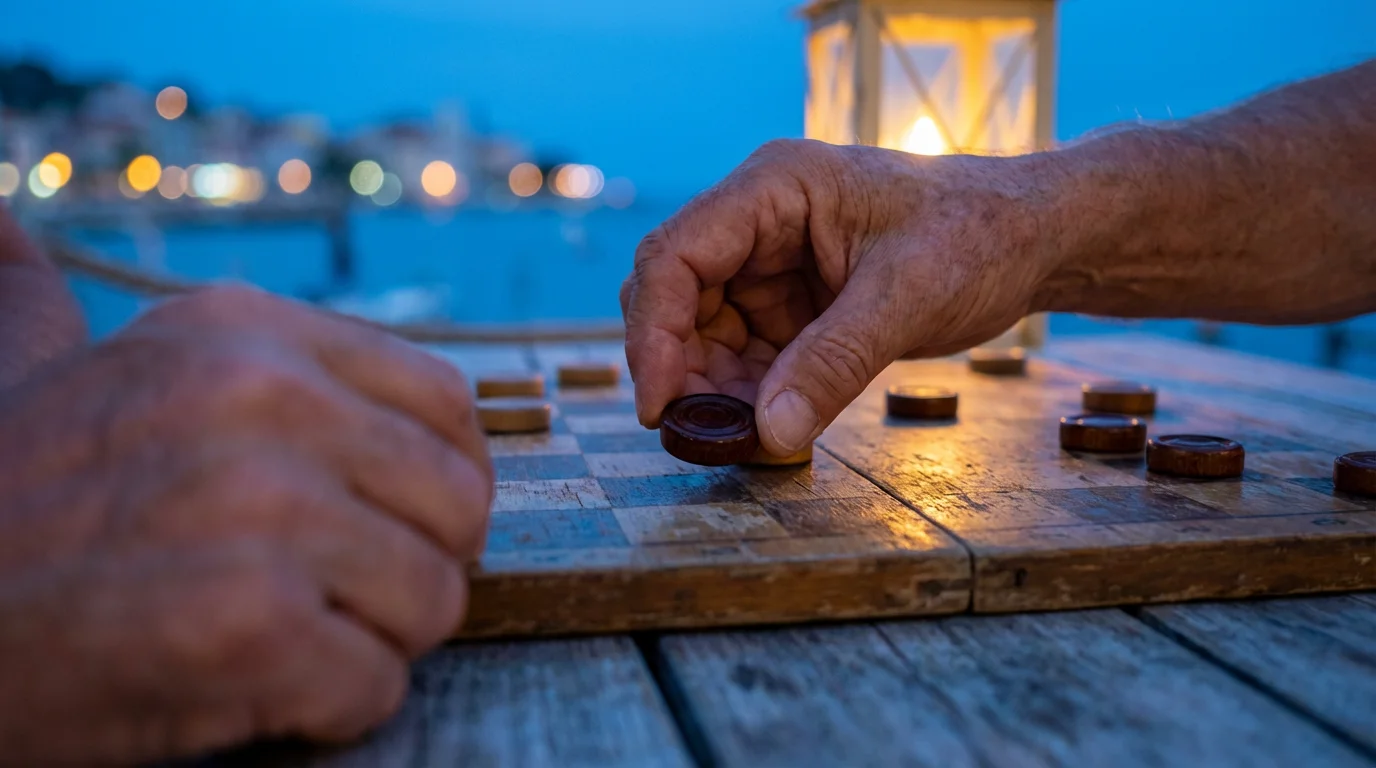
Building Connections on the Road: You Are Never Truly Alone
While you travel solo, you are rarely truly alone unless you choose to be. Independent travel often paradoxically fosters deeper, more meaningful connections than group tours. You control the pace and depth of your interactions.
Engaging in activities like hiking for seniors is another great way to meet like-minded explorers during your travels.
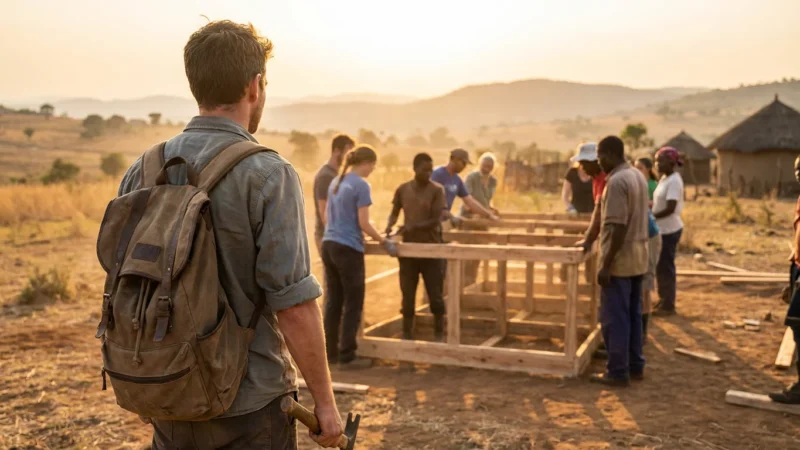
- Engage in Local Activities: Join local tours, cooking classes, language exchanges, or volunteer programs. These are excellent ways to meet both locals and fellow travelers who share your interests. Such activities provide structured opportunities for connection.
- Utilize Social Apps and Platforms: Meetup.com helps you find local interest groups and events. Facebook groups dedicated to solo travelers or specific destinations can connect you with others planning similar trips or already on the ground. These digital platforms bridge geographical gaps.
- Stay Connected with Home: Regular video calls with family and friends keep you grounded and combat any feelings of loneliness. Sharing your adventures through photos and stories enriches your experience and brings your loved ones along vicariously.
- Embrace Serendipitous Conversations: Strike up conversations with people at cafes, museums, or on public transport. A friendly smile and an open demeanor can lead to fascinating encounters and unexpected friendships. Be open to genuine human connection.
- Choose Social Accommodation: If you enjoy meeting people, consider staying in guesthouses, bed and breakfasts, or even a private room in a highly-rated hostel. These environments naturally encourage interaction and communal experiences. Many places have common areas perfect for mingling.
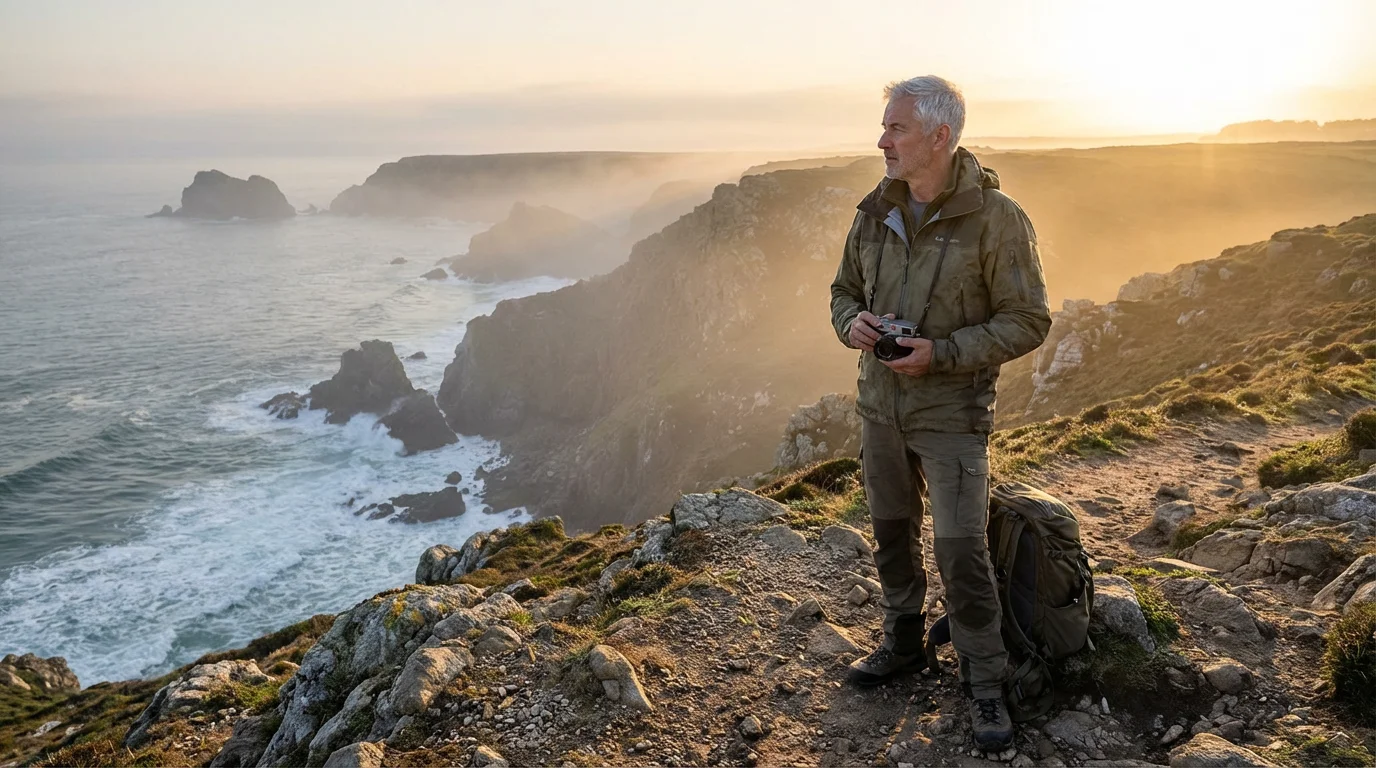
Navigating the World with Confidence and Purpose
The decision to embrace solo travel in retirement is a testament to your modern, independent spirit. You are not simply observing the world; you are actively engaging with it, shaping your experiences, and forging a deeper connection with yourself.
This journey of independent travel offers more than just new stamps in your passport. It cultivates resilience, expands your worldview, and reaffirms your capability to navigate life on your own terms. Step out with confidence, leverage the tools available, and discover the incredible freedom that awaits you. Your adventure awaits, ready to be written by you, for you.
Frequently Asked Questions
Is solo travel really safe for someone my age?
Yes, solo travel is very safe for retirees, provided you plan wisely and remain aware of your surroundings. Researching your destination, sharing your itinerary with trusted contacts, using reliable transportation, and trusting your instincts are key strategies. Many destinations are incredibly welcoming to independent travelers, and technology further enhances your safety measures. The Stanford Center on Longevity highlights the importance of maintaining an active lifestyle, which includes engaging with new experiences like travel.
How do I manage loneliness when traveling alone?
Managing loneliness involves proactive strategies. While traveling alone, you often meet more people than when traveling with companions. Engage in local activities, join walking tours, or stay in guesthouses where interaction is common. Utilize social media and communication apps to stay connected with friends and family back home. Remember, being alone does not equal being lonely; it is an opportunity for self-reflection and meeting new people on your terms.
What if I have a medical emergency far from home?
Prepare for medical emergencies by purchasing comprehensive travel insurance that covers medical treatment and emergency evacuation. Carry a list of your medications, dosages, and any allergies. Research local hospitals or clinics at your destination beforehand. Your smartphone can also store emergency contacts and medical information, making it accessible to first responders. Ensure your insurance policy provides a 24/7 assistance line.
How much does solo travel typically cost?
The cost of solo travel varies widely based on your destination, travel style, and duration. Generally, solo travel can sometimes incur a “single supplement” for accommodations, but you save money by making all your own choices. Budget-conscious options include traveling during the off-season, staying in guesthouses or private hostel rooms, utilizing public transport, and enjoying local markets for food. High-tech travel tools, as discussed by CNET, can also help you find the best deals on flights and lodging, ultimately saving you money.
What are some good first destinations for solo retirees?
Excellent first destinations for solo retirees often include countries with good infrastructure, friendly locals, and a strong sense of safety. European countries like Portugal, Italy, Spain, and Ireland are popular choices due to their rich culture, efficient public transport, and English speakers in tourist areas. Destinations like Costa Rica or New Zealand offer incredible natural beauty and are well-regarded for their safety and welcoming atmosphere. Choose a place that aligns with your primary interests and comfort level.
Disclaimer: This article is for informational purposes. Technology, apps, and services mentioned may change over time. We encourage readers to research current options and consider their individual needs when making decisions.

Leave a Reply