

The modern retirement redefines what it means to age, emphasizing vitality, engagement, and a proactive approach to well-being. Technology plays a central role in this shift, empowering you to take charge of your health in ways previously unimaginable. Activity trackers, far from being mere step counters, now offer sophisticated tools for monitoring your heart health, providing insights that help you live your best life.
This guide walks you through leveraging these devices to understand and improve your cardiovascular well-being. You gain practical knowledge on selecting, setting up, and interpreting data from activity trackers, turning raw numbers into actionable steps for a healthier heart. Embrace these tools as companions on your journey to a vibrant, tech-enhanced retirement.

Embracing the Modern Approach to Heart Health
Gone are the days when health monitoring meant infrequent doctor visits and a reactive stance towards wellness. Modern retirees actively seek tools and knowledge to maintain peak performance and preemptively address health concerns. Your heart health, a cornerstone of overall well-being, benefits immensely from this proactive mindset.
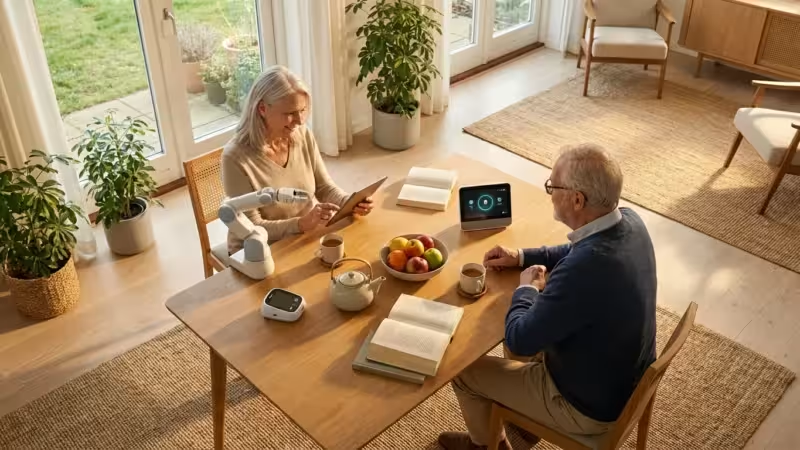
Having these daily metrics on hand is particularly useful during telehealth consultations, allowing you to share real-time health trends with your doctor.
Activity trackers transform abstract health concepts into tangible, daily metrics. They empower you with continuous insights, allowing you to observe trends and make informed lifestyle choices. This continuous feedback loop helps you stay attuned to your body and its needs. You gain the ability to spot subtle changes and discuss them proactively with your healthcare team.
This innovative approach aligns perfectly with the contemporary retirement ethos. You control your health narrative, utilizing cutting-edge technology to support your goals of an active, fulfilling life. It is about living smarter, not harder, and using available resources to your advantage.

Understanding Your Activity Tracker’s Heart Health Capabilities
Activity trackers have evolved significantly, moving beyond simple step counting. Today’s devices offer a suite of sophisticated sensors designed to collect critical vital signs related to your heart health. They integrate these measurements into comprehensive dashboards, making complex data accessible.
Monitoring your cardiovascular response is especially helpful when participating in virtual fitness classes from the comfort of your home.
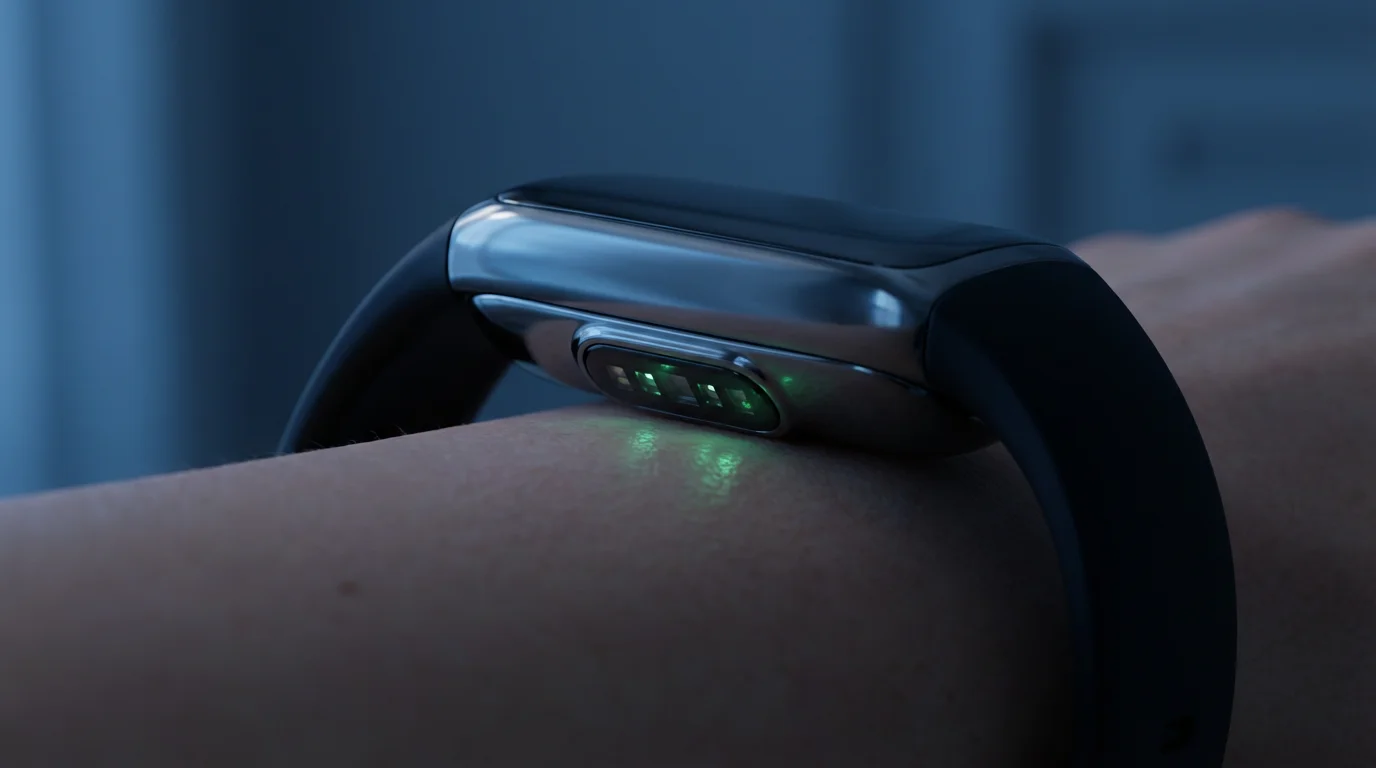
Most modern trackers use optical heart rate sensors, which shine light onto your skin and measure blood flow. This technology provides continuous heart rate monitoring throughout your day and during workouts. Some advanced models also include electrocardiogram, ECG, capabilities.
These features allow for a more nuanced understanding of your cardiovascular system. You receive detailed reports on your resting heart rate, heart rate variability, and even potential arrhythmias. Understanding these core functions helps you maximize the benefits your device offers.

Key Metrics for Monitoring Heart Health
Monitoring your heart health effectively involves understanding several key metrics your activity tracker collects. Each data point offers a unique window into your cardiovascular system’s performance. Learning to interpret these numbers empowers you to make informed decisions about your daily activities and overall wellness.
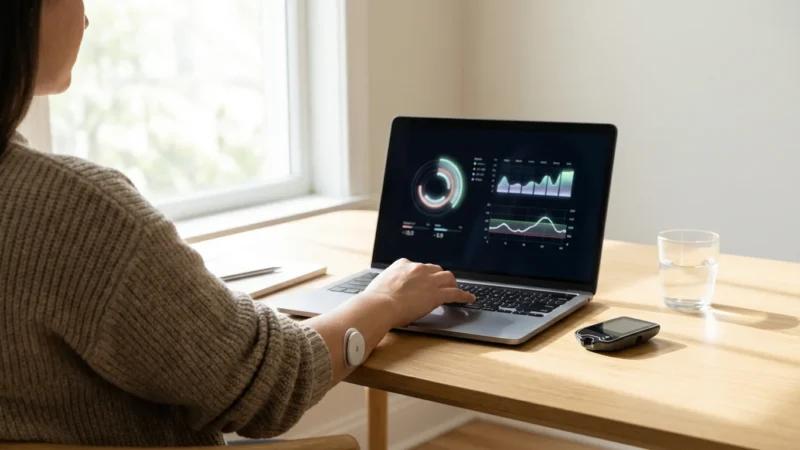
For a complete picture of your metabolic health, combining heart rate tracking with modern glucose monitoring technology can provide deeper insights.
Here are the essential metrics your activity tracker can help you monitor:
- Resting Heart Rate (RHR): This measures how many times your heart beats per minute while you are at rest. A lower RHR often indicates better cardiovascular fitness. Your tracker typically records this overnight or during periods of inactivity.
- Heart Rate During Activity: This shows how your heart responds to physical exertion. Maintaining your heart rate within target zones during exercise optimizes cardiovascular benefits. Most trackers provide real-time readings during workouts.
- Heart Rate Variability (HRV): HRV measures the variation in time between each heartbeat. High HRV often signifies a well-functioning autonomic nervous system and better adaptability to stress. Many advanced trackers now offer this metric.
- ECG/EKG Readings: Some trackers include a single-lead ECG function, which can detect signs of atrial fibrillation, AFib, an irregular heart rhythm. This feature offers a snapshot of your heart’s electrical activity.
- Oxygen Saturation (SpO2): While not directly a heart rhythm metric, blood oxygen levels are crucial for overall cardiovascular health. Trackers measure the percentage of oxygen-carrying hemoglobin in your blood.
Paying attention to trends in these vital signs over time gives you a powerful tool. You can identify patterns related to stress, sleep, activity levels, and overall recovery. This continuous feedback loop is invaluable for proactive health management.
Choosing the Right Activity Tracker for Your Needs
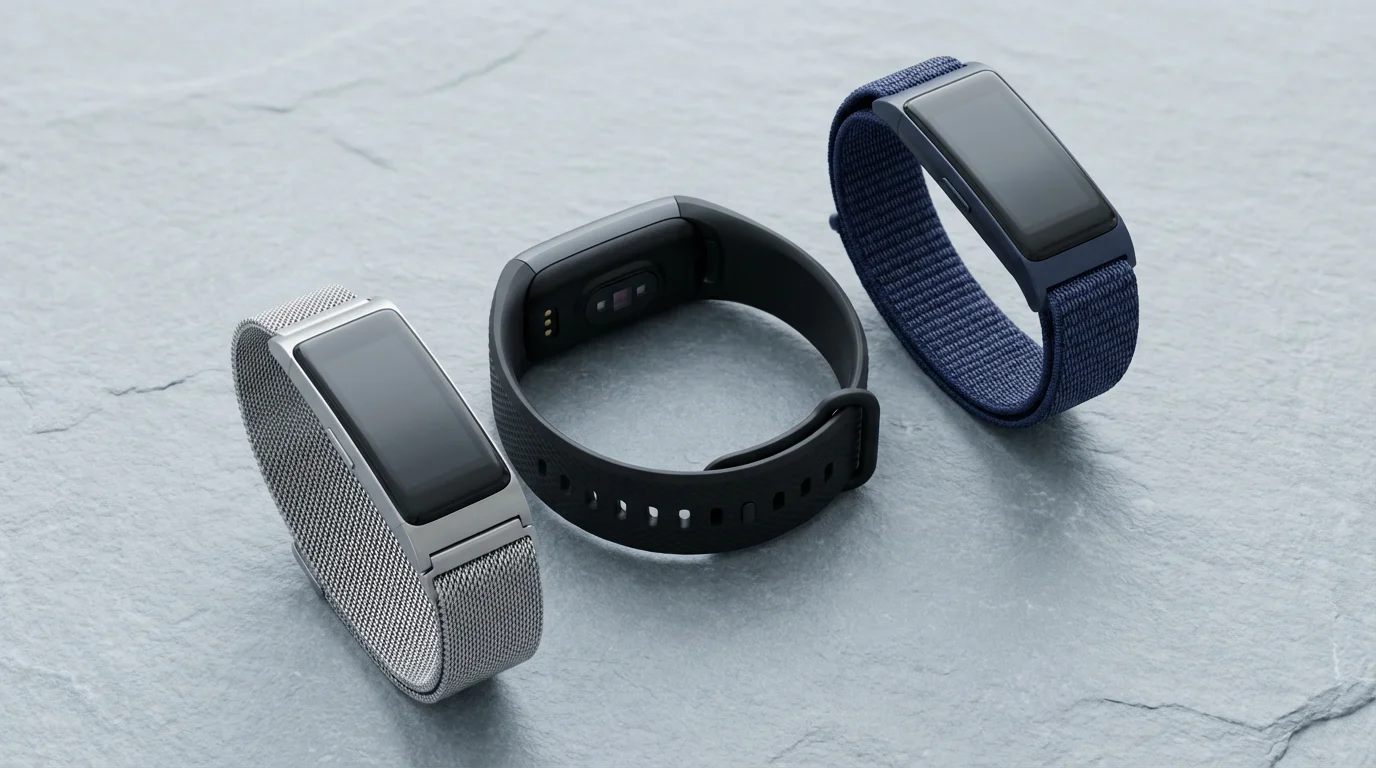
The market offers a diverse range of activity trackers, each with varying features, prices, and designs. Selecting the best device requires you to consider your specific needs, budget, and desired level of data sophistication. Focus on what heart health metrics matter most to you.
Additionally, many modern wearables offer built-in fall prevention technology to provide peace of mind during your outdoor activities.
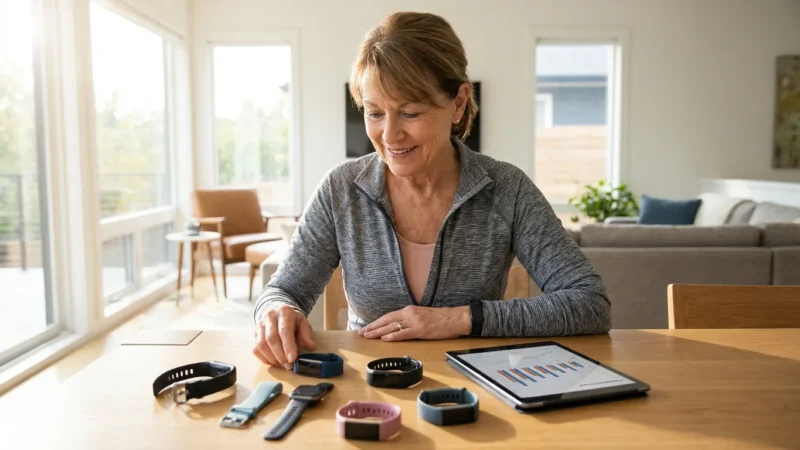
For a detailed comparison of specific models, see our guide on choosing the right fitness tracker for an active retirement.
Consider these factors when making your choice:
- Specific Heart Health Features: Prioritize trackers offering ECG capabilities if detecting potential AFib is important. For general fitness and trend monitoring, a device with accurate continuous heart rate and HRV might suffice.
- Accuracy and Reliability: Research device reviews from trusted sources. Consumer Reports often provides in-depth analyses of wearable technology, evaluating their accuracy for various health metrics.
- Battery Life: Assess how often you are willing to charge your device. Some trackers offer multi-day battery life, while others require daily charging, especially with continuous heart rate monitoring enabled.
- Comfort and Style: You wear this device daily, so ensure it feels comfortable and suits your personal style. Trackers come in various forms, from sleek wristbands to smartwatch designs.
- App Ecosystem and User Interface: Evaluate the companion app. Is it user-friendly? Does it present data clearly? Can it integrate with other health apps you use?
- Water Resistance: If you swim or engage in water-based activities, choose a tracker designed for water immersion.
According to CNET, the best activity trackers blend robust health features with user-friendly interfaces, making them accessible for diverse users. Your ideal tracker should feel like an extension of your lifestyle, not a chore.
Setting Up Your Tracker for Optimal Heart Monitoring
Once you select your activity tracker, proper setup ensures you receive accurate and meaningful heart health data. This process usually involves pairing the device with your smartphone and configuring specific settings within its companion app. Do not skip these crucial steps for the best experience.
Keeping your heart health data well-organized makes it easier to export and integrate directly into your personal digital health records.
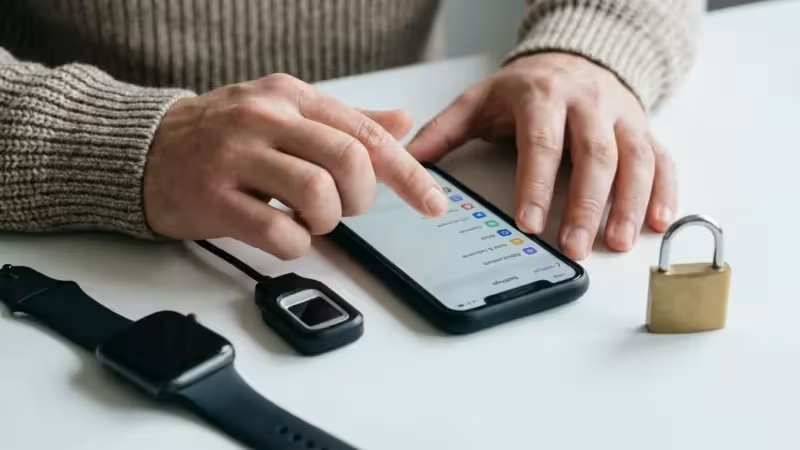
As you configure your device, it is also important to consider protecting your privacy while using digital health applications.
Follow these general steps to set up your tracker effectively:
- Charge Your Device: Fully charge your new activity tracker before its first use. This ensures a smooth initial setup and allows for immediate data collection.
- Download the Companion App: Find and install the official app for your tracker on your smartphone. These apps are available on both iOS and Android platforms.
- Create an Account and Pair: Open the app, create a user account, and follow the on-screen instructions to pair your tracker via Bluetooth. Ensure your personal details, such as age, height, and weight, are accurate, as these influence calorie burn and other calculations.
- Enable Heart Rate Monitoring: Navigate to the device settings within the app and ensure continuous heart rate monitoring is enabled. This setting provides the most comprehensive data.
- Configure ECG/SpO2 Settings (if applicable): If your device supports ECG or SpO2, follow the in-app instructions to enable and calibrate these features. You might need to perform an initial reading to set a baseline.
- Wear It Correctly: For accurate readings, wear your tracker snugly on your non-dominant wrist, typically about one finger’s width above your wrist bone. Avoid wearing it too loose, which can cause inconsistent readings.
- Sync Regularly: Make a habit of regularly syncing your tracker with the app. This uploads your data to the cloud, allowing you to view trends and ensures your information is backed up.
Proper fit is paramount for optical heart rate sensors. A loose fit often results in gaps where light can interfere, leading to inaccurate readings. Take a moment to adjust the strap for a snug, yet comfortable, feel.
Interpreting Your Data: What the Numbers Mean
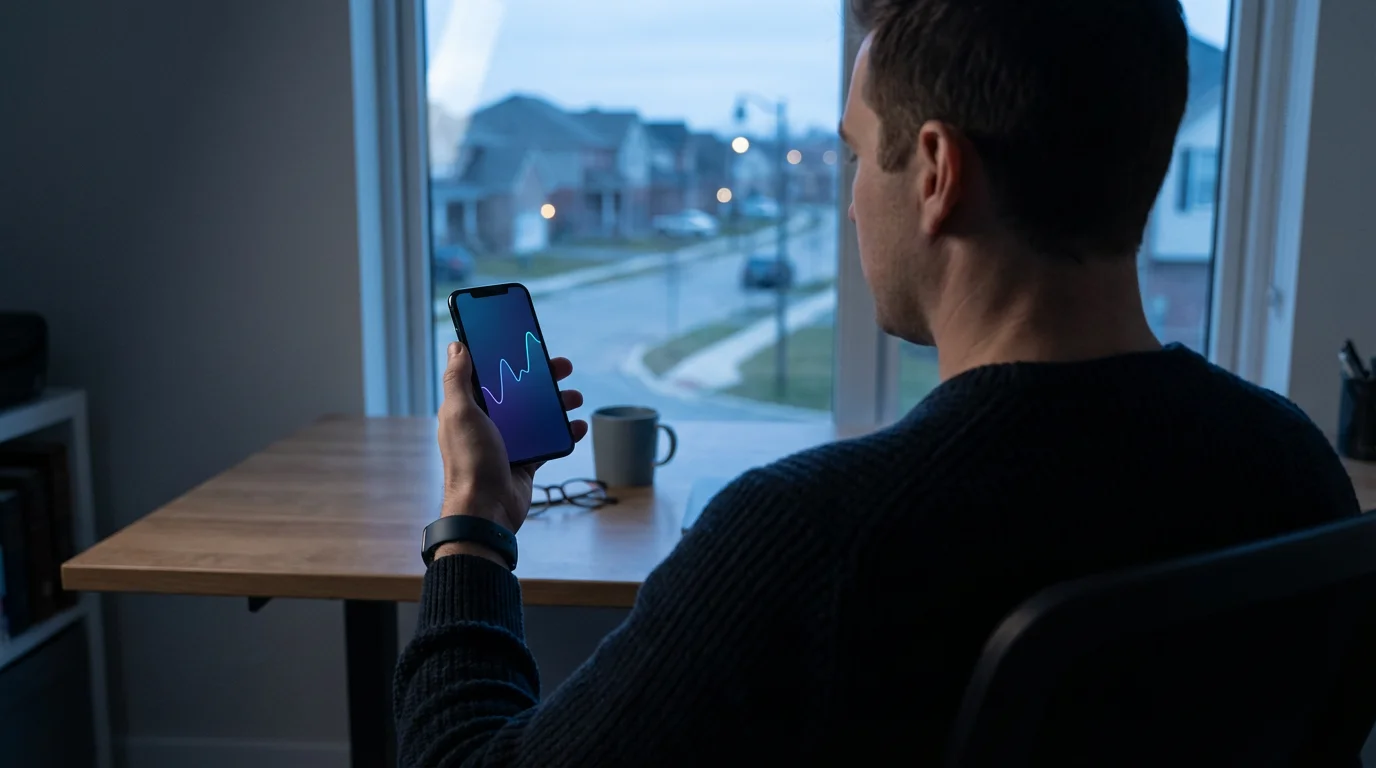
Collecting data is only the first step. The real power of an activity tracker lies in understanding what your heart health metrics reveal. Learning to interpret the numbers allows you to identify patterns, understand your body’s responses, and make informed choices to enhance your well-being. Look beyond individual data points to see the broader picture.
For instance, your heart rate readings while hiking on local trails will show very different exertion levels compared to a casual neighborhood stroll.
Here is how to make sense of your tracker’s output:
- Monitor Trends, Not Just Snapshots: A single high heart rate reading might be an anomaly. However, a consistent upward trend in your resting heart rate over weeks or months could signal decreased fitness or increased stress. Focus on observing changes over time.
- Understand Context: Your heart rate fluctuates throughout the day due to various factors like stress, caffeine intake, illness, and activity. Consider the context of each reading. Did you just finish a brisk walk, or are you relaxing on the couch?
- Benchmark Against Baselines: Once you have a week or two of data, you establish your personal baseline for metrics like RHR and HRV. Compare future readings against this baseline to identify significant deviations.
- Recognize Normal Ranges: While individual baselines are key, familiarize yourself with general healthy ranges. For example, a resting heart rate between 60 and 100 beats per minute is typically considered normal for adults. Athletes often have lower RHRs.
- Pay Attention to Alerts: Many trackers offer notifications for unusually high or low heart rates or irregular heart rhythms. Take these alerts seriously and consider following up as recommended by the device or your doctor.
Regularly reviewing your data helps you connect lifestyle choices to physiological responses. Did a poor night’s sleep impact your HRV? Did a new exercise routine lower your resting heart rate? These insights empower you to fine-tune your approach to wellness.

Integrating Tracker Data into Your Wellness Routine
Your activity tracker is a valuable ally in designing a modern, proactive wellness routine. It provides objective data that complements your subjective feelings, helping you build healthier habits. Integrate these insights into your daily life to optimize your physical and mental well-being.
Consider these actionable strategies:
- Set Achievable Goals: Use your heart health data to set realistic fitness goals. For example, if your RHR is high, aim to gradually lower it through consistent cardiovascular exercise. Your tracker provides tangible progress markers.
- Optimize Your Workouts: Monitor your heart rate during exercise to ensure you are training in your target zones. This maximizes the cardiovascular benefits without overtraining. Many apps offer guided workouts based on heart rate.
- Improve Sleep Quality: Notice how sleep duration and quality impact your resting heart rate and HRV. Prioritize consistent sleep to support heart health and overall recovery. Your tracker often offers sleep stage analysis.
- Manage Stress Effectively: High stress often correlates with elevated RHR and lower HRV. Use your tracker’s data as a reminder to incorporate stress-reducing practices, such as meditation or deep breathing exercises.
- Stay Consistent: The real power of an activity tracker comes from consistent use and data collection. Make wearing your tracker and reviewing its insights a regular part of your daily routine.
- Share with Your Healthcare Provider: Bring your tracker data to your doctor’s appointments. This objective information provides a more complete picture of your heart health than intermittent measurements.
Harvard Health emphasizes that consistent exercise is one of the best ways to maintain heart health. Your activity tracker serves as a powerful motivator and feedback tool, helping you stick to your fitness commitments. Use it to reinforce positive behaviors and celebrate your progress.

When to Consult Your Healthcare Provider
Activity trackers offer incredible insights into your heart health, but they are not medical devices. They serve as excellent tools for personal monitoring and trend identification. Always remember that your healthcare provider remains your primary resource for diagnosis, treatment, and medical advice.
Modern telehealth services make it increasingly convenient to share your heart health trends with a doctor without leaving home.
You should consult your healthcare provider if you experience any of the following:
- Persistent Irregular Rhythms: If your tracker frequently alerts you to irregular heart rhythms, especially potential AFib, schedule an appointment promptly.
- Significant Changes in RHR: A sudden and unexplained increase or decrease in your resting heart rate, particularly if it deviates significantly from your baseline, warrants medical attention.
- Concerning Symptoms: If you experience symptoms such as chest pain, shortness of breath, dizziness, or fainting, regardless of your tracker’s readings, seek immediate medical advice.
- Consistently High or Low Heart Rate: If your heart rate consistently stays outside normal healthy ranges for you, even if you feel fine, discuss it with your doctor.
- Any Questions About Your Data: If you have concerns or questions about the data your tracker collects or what it means for your specific health situation, do not hesitate to ask your medical professional.
Your activity tracker provides a valuable starting point for conversations with your doctor. Share your data, discuss any observed trends, and use it as a tool to collaboratively manage your heart health. This proactive partnership is key to maintaining your well-being in the modern age.
The Future of Wearable Tech and Heart Health
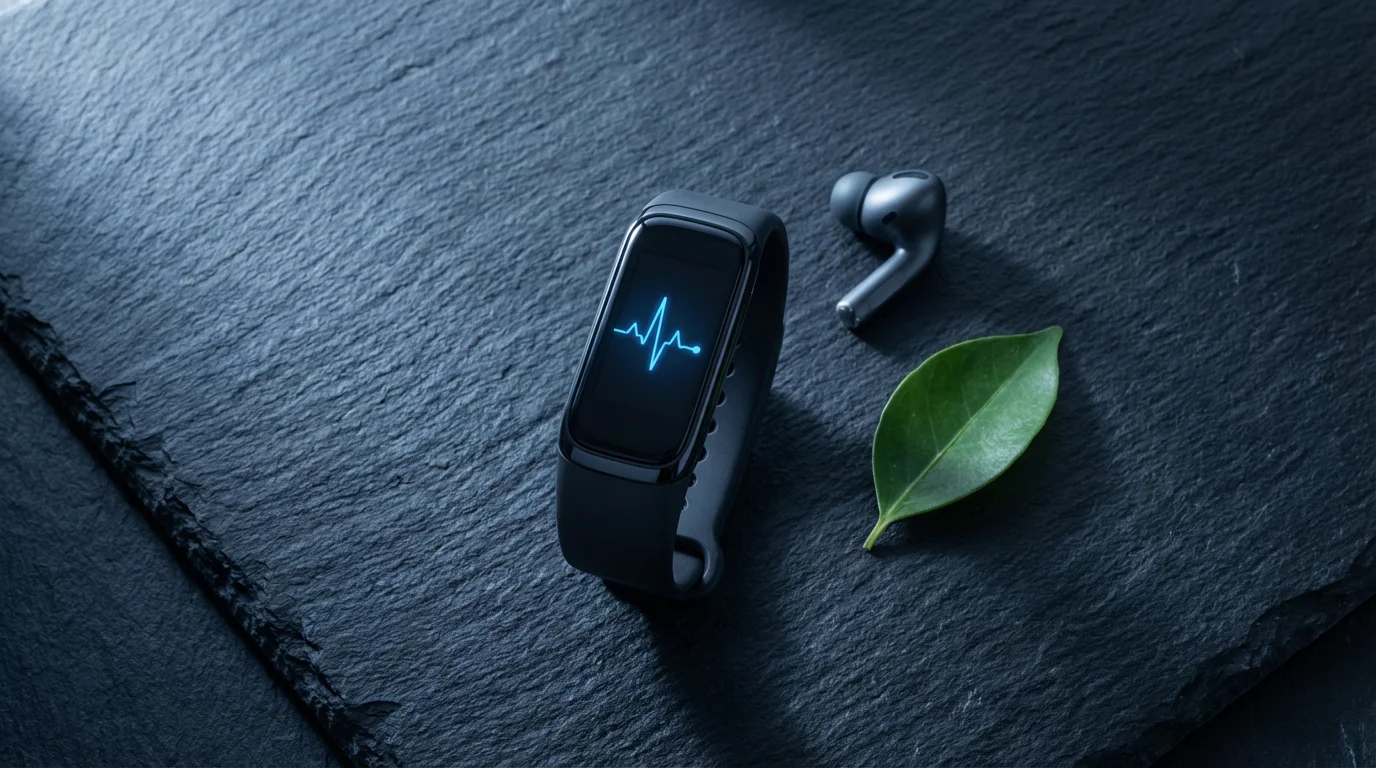
The evolution of activity trackers and wearable technology continues at a rapid pace. The devices available today hint at an even more integrated and personalized future for heart health monitoring. Expect greater accuracy, more sophisticated algorithms, and seamless integration into broader healthcare ecosystems.
Innovations on the horizon include:
- Enhanced Sensor Technology: Next-generation sensors will likely offer even more precise and varied physiological measurements, potentially tracking blood pressure continuously from the wrist.
- Advanced AI and Machine Learning: Artificial intelligence will play a larger role in interpreting your data, identifying subtle risk factors, and offering highly personalized health recommendations. Imagine a device that predicts potential issues before they become problems.
- Seamless Doctor Integration: Future systems aim for effortless data sharing with your healthcare team, reducing administrative burdens and providing doctors with richer, real-time insights into your health.
- Multi-device Synergy: Your activity tracker may become part of a network of smart devices in your home, all contributing to a holistic picture of your health and well-being.
- Non-invasive Glucose Monitoring: While challenging, non-invasive glucose monitoring from wearables is a highly anticipated development that could significantly impact metabolic and cardiovascular health management.
This ongoing technological revolution empowers modern retirees to embrace a future where health is actively managed, not passively observed. You stand at the forefront of this transformation, leveraging innovation to sustain a vibrant and independent lifestyle.
Frequently Asked Questions
Can an activity tracker replace a medical ECG?
No, an activity tracker cannot replace a medical ECG. While some trackers offer a single-lead ECG function that can detect signs of atrial fibrillation, they provide a limited view compared to a multi-lead medical ECG performed by a healthcare professional. Always consult your doctor for a definitive diagnosis or medical advice.
How accurate are activity trackers for heart rate monitoring?
Modern activity trackers generally offer good accuracy for heart rate monitoring during rest and steady-state activities. However, accuracy can vary between devices and may be less reliable during high-intensity or erratic movements. Proper fit and consistent wear significantly improve accuracy.
Do I need an activity tracker specifically designed for seniors?
No, you do not necessarily need a tracker specifically designed for seniors. Many mainstream activity trackers offer features beneficial for all adults, including those in retirement. Focus on devices with clear displays, easy-to-use apps, and the specific heart health monitoring capabilities you desire.
How often should I check my heart health data?
You can check your heart health data daily for general trends and insights. Your tracker automatically records continuous heart rate, and you might take manual ECG or SpO2 readings as needed or as suggested by your doctor. The key is consistent monitoring to understand your personal baselines and identify changes over time.
Disclaimer: This article is for informational purposes. Technology, apps, and services mentioned may change over time. We encourage readers to research current options and consider their individual needs when making decisions.




Leave a Reply