

The concept of retirement continues to evolve dramatically. For a generation that built the internet and embraced digital innovation, settling into a static, predictable post-career life feels increasingly outdated. You now envision a retirement brimming with adventure, personal growth, and unparalleled freedom.
This location independent lifestyle allows you to prioritize experiences over physical assets.
Imagine waking up to a new landscape every week, with the comfort of your own home traveling with you. This is the compelling reality of RV living, a lifestyle embraced by modern retirees seeking flexibility and immersion in the world around them. This guide helps you navigate the exciting path to freedom on four wheels, blending innovation with the call of the open road.

The Allure of the Open Road: Redefining Retirement Freedom
Modern retirement rejects the traditional narrative of slowing down and staying put. Instead, it champions an active, engaged life where personal passions drive your daily schedule. RV living perfectly aligns with this forward-thinking mindset, offering a dynamic platform for continuous exploration and personal enrichment.
The key to long-term success is designing a retirement routine that balances spontaneous travel with your personal wellness goals.
Embracing life on the road is an excellent way to systematically tackle your retirement bucket list while maintaining total flexibility.
You gain the ultimate control over your environment, choosing mountain vistas one month and coastal serenity the next. This mobile lifestyle allows you to pursue hobbies like photography, hiking, or birdwatching in diverse settings. It transforms every journey into an immersive experience, fostering a deep connection with nature and different communities.
The growth of the RV living trend among retirees highlights a powerful shift. People are not just retiring from work, they are retiring to a life of adventure. This movement reflects a desire for experiential living, prioritizing new memories and unique opportunities over static possessions. It’s a testament to the idea that age enhances, rather than diminishes, your capacity for discovery.
“Age is no barrier. It’s a limitation you put on your mind.” — Jackie Joyner-Kersee
Choosing Your Mobile Oasis: Types of RVs and Digital Integration
Selecting the right RV is the foundational step in your journey. The market offers a wide array of options, each with unique features and capabilities. Your choice impacts your comfort, maneuverability, and how seamlessly you integrate technology into your mobile home.
Many use their mobile home to test-drive different climates and communities before deciding on a final retirement relocation destination.
Understanding RV Types
- Class A Motorhomes: These resemble tour buses, offering ample space, luxury amenities, and often robust storage. They are excellent for full-time RV living, providing a comprehensive living environment.
- Class B Camper Vans: Compact and agile, Class B vans are built on van chassis, ideal for solo travelers or couples seeking maneuverability and ease of parking. They often feature efficient, smart designs.
- Class C Motorhomes: Built on a truck or van chassis with an attached RV body, Class C models provide a good balance of space and drivability. They are a popular choice for families or those wanting more room than a Class B.
- Fifth-Wheel Trailers: These towable RVs connect to a special hitch in a pickup truck bed. They are known for their spacious interiors, high ceilings, and often residential-style amenities, making them popular for long-term stays.
- Travel Trailers: Towed by a hitch on the rear of a vehicle, travel trailers come in various sizes and are highly versatile. They offer flexibility, allowing you to unhitch and explore in your tow vehicle.
Consider your travel style, the number of people traveling with you, and your comfort preferences. Research models thoroughly to ensure they meet your needs for power, connectivity, and storage. Websites like Consumer Reports offer objective reviews and purchasing guides, providing valuable insights into different RV models and their reliability.
Digital Integration from the Start
As you evaluate RVs, prioritize models designed with modern technology in mind or those easily upgradable. Look for features like generous battery banks, solar panel compatibility, and robust electrical systems. Many newer RVs include USB charging ports and integrated entertainment systems.
Even if an RV lacks cutting-edge tech, you can always retrofit it. Modern inverters, DC-to-DC chargers, and solar kits are readily available to transform any rig into a fully powered, connected hub. This ensures your mobile oasis supports your digital lifestyle, no matter where the road takes you.

Planning Your Journey: From Route to Connectivity
Effective planning transforms potential challenges into smooth adventures. Whether you embark on short trips or commit to full-time RV travel, a thoughtful approach to routes, accommodations, and staying connected makes all the difference for your retiree RV experience.
Mastering Route Planning and Navigation
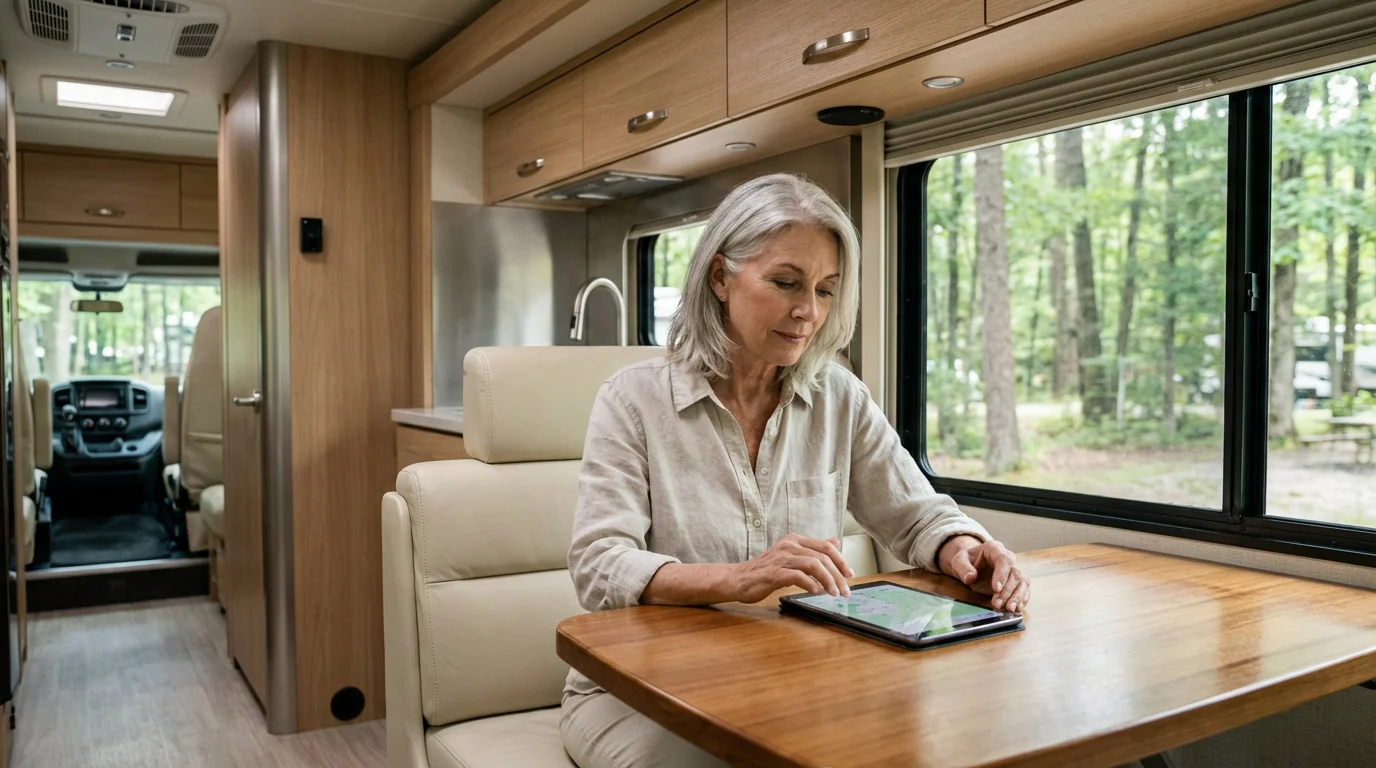
Traditional maps have their place, but digital tools revolutionize RV navigation. Apps like RV LIFE Pro GPS consider your RV’s dimensions, weight, and propane status to avoid low bridges or weight-restricted roads. Roadtrippers helps you discover attractions and plan stops along your route.
For more spontaneous exploration, apps like iOverlander and Campendium provide user-generated reviews and details on campgrounds, boondocking spots, and amenities. They offer real-time insights from fellow RVers, helping you find ideal overnight stays and essential services.
Securing Your Digital Lifeline: Staying Connected
Maintaining reliable internet access is paramount for many modern retirees. It allows you to stay in touch with family, manage finances, stream entertainment, and even work remotely. Several robust solutions exist to ensure you remain connected on the go.
Essential Connectivity Tools:
- Mobile Hotspots: Dedicated devices provide Wi-Fi by connecting to cellular networks. Consider unlimited data plans from major carriers, specifically designed for hotspot use.
- Cellular Boosters: These devices amplify weak cellular signals, significantly improving internet speed and reliability in remote areas. Brands like WeBoost are popular among RVers.
- Starlink Satellite Internet: For truly remote locations, Starlink offers high-speed, low-latency internet via satellite. Its portability and performance make it a game-changer for digital nomads and RVers.
- Public Wi-Fi Finders: Apps like Wi-Fi Map identify nearby public Wi-Fi hotspots, though security considerations are important for sensitive activities.
Before any trip, research cellular coverage along your planned route using online maps from providers. Having multiple internet options, like a mobile hotspot and Starlink, provides redundancy and greater peace of mind. Your retiree RV experience should include reliable access to the digital world.

What Are the Pros and Cons of RV Living? Navigating the Realities
Embracing RV living means weighing its many advantages against its unique set of challenges. Understanding both sides helps you make an informed decision, ensuring your adventure aligns with your expectations. This lifestyle offers unparalleled freedom, but it also requires adaptability and planning.
The Pros: Unmatched Freedom and Experience
- Unparalleled Freedom and Flexibility: You control your itinerary, staying as long as you wish in any location. This allows for spontaneous detours and prolonged stays in places you love.
- Diverse Experiences: Explore national parks, quaint towns, vibrant cities, and serene landscapes. Each day brings potential for new discoveries and personal growth.
- Community Connection: RV parks and communities foster a strong sense of camaraderie. You meet like-minded individuals, share stories, and build lasting friendships.
- Potential Cost Savings: For some, RV living can be more affordable than traditional homeownership, especially if you minimize campground fees through boondocking or seasonal work.
- Minimalism and Decluttering: Living in a smaller space naturally encourages a minimalist lifestyle. You prioritize experiences and essentials over accumulated possessions.
- Closer to Nature: Park your home directly in beautiful natural settings. Enjoy sunrises over mountains and sunsets over oceans from your front door.
The Cons: Adaptability and Practicalities
- Maintenance and Repairs: RVs require regular maintenance and are susceptible to unexpected repairs. This demands a budget for upkeep and a willingness to troubleshoot.
- Fuel Costs: Large RVs can be fuel-inefficient, making gas a significant expense, especially during extensive RV travel. Fuel price fluctuations directly impact your budget.
- Limited Space: While efficient, an RV is a compact living area. This requires smart storage solutions and a comfortable adjustment to smaller quarters.
- Connectivity Challenges: Although solutions exist, reliable internet can be inconsistent in very remote areas. This necessitates proactive planning for communication.
- Learning Curve: Driving a large vehicle, understanding RV systems (water, electrical, waste), and navigating different campground hookups all require a learning period.
- Finding Quality Campgrounds: Popular destinations require advance booking, particularly during peak seasons. Some desirable spots fill up quickly.
Your journey with RV living involves navigating these realities with a flexible and positive mindset. The rewards of exploration and freedom often outweigh the practical challenges, creating a retirement filled with rich experiences.

How Much Does RV Living Cost? Budgeting for Your Adventure
Understanding the financial aspects is crucial for a sustainable RV retirement. The question, “How much does RV living cost?” has a varied answer, largely depending on your lifestyle choices, RV type, and travel frequency. A detailed budget helps you manage expenses and enjoy your journey without financial stress.
Applying general budget travel tips to your itinerary can help you extend your travels without straining your nest egg.
Key Expense Categories:
- RV Purchase or Rental: This is often the largest initial cost. Used RVs offer significant savings, while rentals allow you to test the waters before committing. Prices range from tens of thousands for used models to hundreds of thousands for new luxury rigs.
- Insurance: RV insurance is mandatory and varies based on your RV type, coverage limits, and driving record. Expect annual costs similar to car insurance, potentially higher for full-timers.
- Fuel: This is a major variable expense. Larger RVs consume more fuel. Plan for significant fuel costs, especially if you cover long distances. Using apps to find the best gas prices helps manage this.
- Campground Fees: These range widely. Basic state park sites might cost $20-40 per night, while luxury resorts can be $80-150+. Membership programs (e.g., Passport America, Thousand Trails) offer discounts.
- Maintenance and Repairs: Budget for routine upkeep like oil changes, tire rotations, and system checks. Also, set aside funds for unexpected repairs to appliances, plumbing, or engine components. A good rule of thumb is 1-2% of the RV’s purchase price annually.
- Utilities and Connectivity: While on the road, your utilities include propane, water, and waste disposal services. Your internet plan, whether cellular or satellite, is a monthly recurring cost.
- Food and Personal Expenses: These remain similar to your current lifestyle but can be managed more efficiently by cooking in your RV and planning meals.
- Tolls and Ferries: Depending on your travel routes, these can add up. Researching toll-free alternatives can save money.
Many RVers find creative ways to reduce costs, such as boondocking (camping without hookups, often free) or participating in workamping programs. You can also leverage loyalty programs and seasonal discounts. For comprehensive financial planning, consider consulting resources like NerdWallet for budgeting tools and advice, ensuring your retirement finances are robust and flexible for your mobile life.

Technology on Wheels: Staying Connected and Safe
Technology transforms RV living from a rustic experience into a sophisticated, comfortable adventure. Modern retirees embrace smart devices and digital solutions to enhance safety, connectivity, and convenience on the road. Integrating tech thoughtfully ensures you enjoy the best of both worlds: nature’s beauty and modern amenities.
Enhancing Connectivity and Communication
- High-Speed Internet: As discussed, Starlink, cellular hotspots, and boosters provide essential internet access. This allows for video calls with family, managing investments, and enjoying streaming entertainment.
- Voice Assistants: Smart speakers like Amazon Echo or Google Nest can operate in your RV, providing weather updates, playing music, or even controlling smart RV features.
- Telemedicine Apps: Services like Teladoc or Amwell connect you with healthcare professionals virtually. This is invaluable when you are far from your primary care provider.
Boosting Safety and Security
- RV-Specific GPS: Apps and devices like the Garmin RV series factor in your vehicle’s height, weight, and length, preventing hazardous routes.
- Tire Pressure Monitoring Systems (TPMS): These systems alert you to tire pressure and temperature issues, preventing blowouts and improving fuel efficiency.
- Rear-View and Side Cameras: Essential for maneuvering large RVs, these systems enhance visibility and make parking significantly easier. Many new RVs include these as standard.
- Portable Security Cameras: Wi-Fi enabled cameras like those from Ring or Arlo can monitor your RV’s exterior or interior when you are away. They provide motion alerts directly to your smartphone.
Smart Living and Convenience
- Smart RV Monitoring Systems: Apps like RV Whisper monitor tank levels, battery voltage, and temperature remotely. This keeps you informed about your RV’s vital statistics.
- Portable Power Stations: Devices like Jackery or Goal Zero provide off-grid power for charging laptops, phones, and small appliances. They are indispensable for boondocking.
- Digital Entertainment: Smart TVs, streaming sticks (Roku, Fire Stick), and portable projectors make movie nights under the stars a reality. Satellite TV options also exist for consistent channel access.
The strategic integration of technology into your RV life allows you to maintain your modern comforts and connections, regardless of your location. It supports a seamless transition to a mobile lifestyle, proving that you do not need to sacrifice innovation for adventure.

Community and Connection: Building Bonds on the Road
One of the most enriching aspects of RV living for retirees is the vibrant community you discover along the way. Far from being isolated, RVers often find themselves part of a welcoming, supportive network. This mobile lifestyle fosters connections that can become incredibly meaningful.
Joining the RV Tribe
RV clubs and organizations provide excellent avenues for meeting fellow travelers. Groups like Escapees RV Club, Good Sam Club, and Family Motor Coach Association (FMCA) offer membership benefits, rallies, and forums. These platforms help you connect with others who share your passion for RV travel.
Online forums and social media groups also thrive with RV enthusiasts. You can find groups dedicated to specific RV types, travel styles, or even niche interests. These digital communities offer a wealth of information, advice, and opportunities to plan meetups on the road.
Fostering Local Connections
Beyond the RV community, your travels expose you to countless local cultures and interactions. Engage with locals in small towns, participate in regional festivals, or volunteer your time for a cause you care about. These experiences deepen your understanding of different places and create memorable encounters.
Many RVers also enjoy forming spontaneous connections at campgrounds. A shared campfire, a walk with your pet, or a common interest in exploring the area can quickly lead to new friendships. This constant interaction keeps your social life dynamic and prevents feelings of isolation.
Preparing for the Unexpected: Health, Maintenance, and Flexibility
While RV living promises freedom and adventure, proactive preparation for unforeseen circumstances ensures a smoother journey. Addressing health, maintenance, and the need for flexibility empowers you to handle any curveballs the road throws your way.
Prioritizing Health and Wellness on the Go
- Healthcare Planning: Understand your health insurance coverage across different states. Research options for finding doctors and specialists in new locations, or leverage telemedicine for routine consultations. AARP offers valuable resources for navigating healthcare and insurance in retirement.
- Medication Management: Plan for prescription refills well in advance. Consider mail-order pharmacies or discuss extended supplies with your doctor to avoid interruptions.
- Emergency Preparedness: Keep a well-stocked first-aid kit, and know the locations of urgent care centers and hospitals along your routes. Carry copies of important medical documents.
- Stay Active: Embrace the active RV lifestyle. Utilize walking trails, practice yoga outdoors, or join local fitness classes. Your mobile life offers endless opportunities for physical activity.
RV Maintenance: Your Mobile Home’s Wellbeing
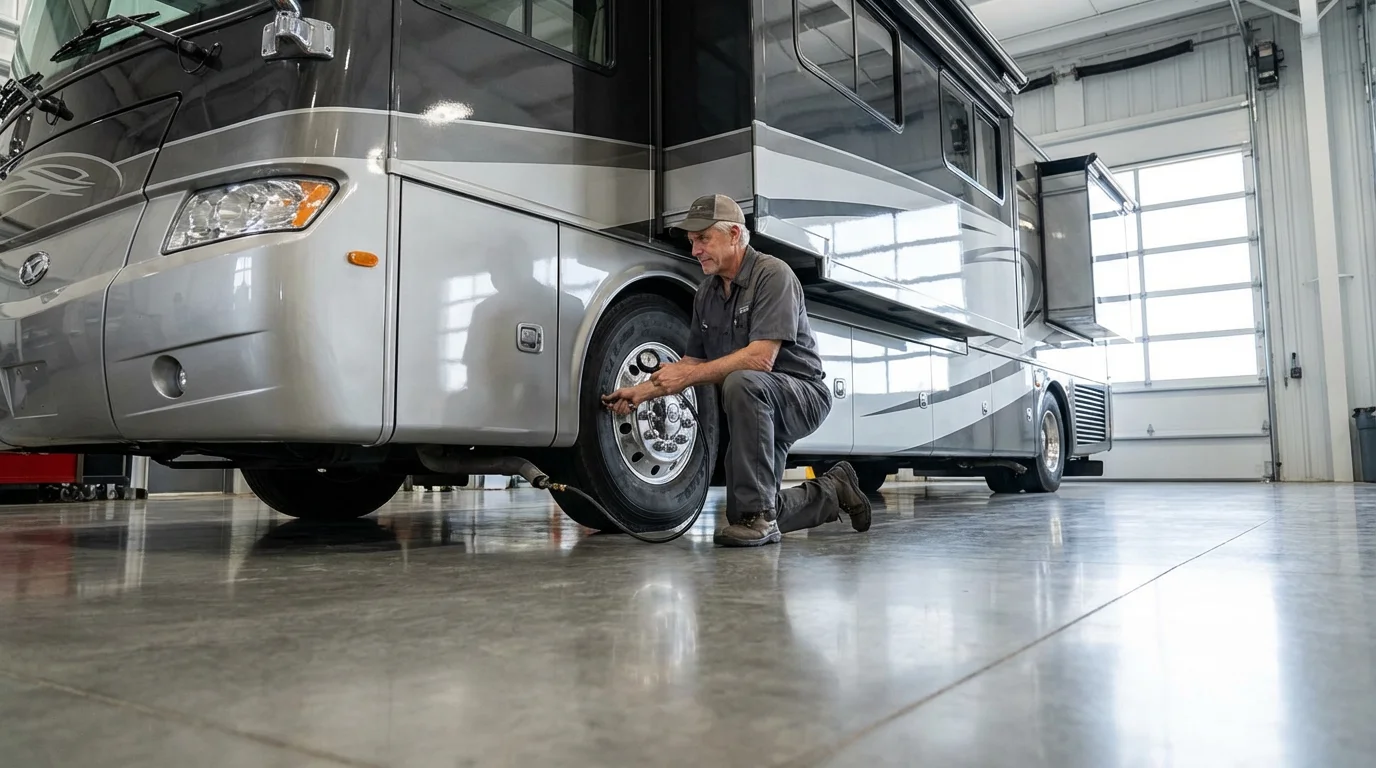
Regular maintenance is non-negotiable for safe and reliable RV travel. Follow your manufacturer’s recommended service schedule. Conduct pre-trip inspections, checking tires, fluid levels, lights, and brakes. Learning basic troubleshooting for common issues saves time and money on the road.
Carry essential tools and spare parts, such as fuses, light bulbs, and a basic repair kit. For more complex issues, research mobile RV technicians or reputable repair shops in advance. Proactive care prevents major breakdowns and ensures your RV remains a dependable companion.
Embracing Flexibility
The beauty of RV living lies in its adaptability, but this also means plans can change. Weather conditions, unexpected detours, or sudden changes in personal circumstances might require you to alter your itinerary. A flexible mindset is your most valuable asset on the road.
Do not overschedule your trips. Build in buffer days for relaxation, spontaneous exploration, or handling minor issues. Embracing flexibility reduces stress and allows you to truly savor the journey, rather than rigidly adhering to a schedule.

Making the Leap: Your Actionable Roadmap to RV Retirement
The vision of RV living for retirees is more attainable than you might imagine. This isn’t just a dream, it is a meticulously planned lifestyle choice that offers boundless rewards. Take control of your retirement narrative and embark on an adventure that truly reflects your modern, forward-thinking spirit.
Your Steps to Freedom on Four Wheels:
- Research Thoroughly: Dive deep into RV types, costs, and lifestyle variations. Read blogs, watch videos, and talk to current RVers.
- Plan a Trial Run: Rent an RV for a week or two. This offers invaluable hands-on experience without the full commitment. It helps you understand your preferences and comfort levels.
- Budget Wisely: Create a detailed financial plan covering initial purchase, ongoing expenses, and an emergency fund. Understand how much does RV living cost for your specific desires.
- Declutter and Downsize: Prepare for a minimalist lifestyle. Decide what truly matters and what you can let go of.
- Invest in Connectivity: Secure reliable internet solutions before you hit the road. Connectivity ensures you stay connected to loved ones and resources.
- Prioritize Safety and Maintenance: Understand your RV’s systems and commit to regular upkeep. Your safety depends on a well-maintained rig.
- Embrace the Community: Join RV clubs and online forums. These networks provide support, camaraderie, and essential information for your RV travel.
RV living for retirees represents a powerful reclaiming of your time and freedom. It offers a canvas for creating unforgettable memories, exploring new horizons, and connecting with a vibrant community. Your next chapter awaits, open road ready and full of possibilities.
Frequently Asked Questions
Is RV living a practical option for retirees?
Absolutely. Modern RVs offer comforts and technology that make long-term living practical and enjoyable. Many retirees choose RV living for the flexibility, adventure, and potential cost savings compared to traditional homeownership. With proper planning for health, finances, and connectivity, it becomes a highly feasible and rewarding lifestyle.
What are the biggest challenges of RV travel for older adults?
The main challenges involve ongoing maintenance, managing fuel costs, and ensuring reliable internet access in remote areas. Adjusting to a smaller living space and navigating larger vehicles also presents a learning curve. However, these challenges are manageable with preparation, a flexible mindset, and leveraging available technology and support networks.
How do retirees manage healthcare while living in an RV?
Retirees typically manage healthcare by ensuring their insurance provides nationwide coverage and by utilizing telemedicine services. They also research hospitals and urgent care centers along their planned routes. Proactive medication management and carrying important medical documents are also essential practices for health and wellness on the road.
Can I still work or earn income while living in an RV?
Yes, many retirees engage in remote work, freelancing, or seasonal workamping jobs that offer campground stays and small stipends. The proliferation of reliable internet solutions, such as Starlink and robust mobile hotspots, makes it easier than ever to maintain professional connections and earn income from virtually anywhere, supporting an active and engaged retirement.
What kind of budget should I plan for RV living?
Your budget for RV living depends heavily on your lifestyle. Initial costs include the RV purchase or rental, plus insurance. Ongoing expenses involve fuel, campground fees, maintenance, utilities like propane, and internet. A general range for full-time RV living can be from $2,000 to $5,000+ per month, but this varies significantly based on how much you travel, how often you boondock, and the luxury level of your chosen RV.
Disclaimer: This article is for informational purposes. Technology, apps, and services mentioned may change over time. We encourage readers to research current options and consider their individual needs when making decisions.









Leave a Reply