

Retirement today looks nothing like it did for previous generations. You define your future, leveraging technology to enhance every aspect of your life. This includes your finances. Online banking moves your money management from a chore into an efficient, empowering part of your modern lifestyle. It offers unparalleled convenience, control, and clarity over your financial world.

Embracing the Digital Wallet: What is Online Banking?
Online banking revolutionizes how you interact with your money. It provides a secure, digital portal to your financial institution, accessible from any internet-connected device. Instead of visiting a physical branch, you conduct transactions, monitor accounts, and manage your financial life from your home office, a café, or even while traveling the world.
Incorporating these digital checks into a well-planned retirement routine keeps your finances organized while freeing up more time for your passions.
As you move your money management online, it is also wise to consider estate planning in the digital age to ensure all your digital accounts are properly handled in the future.
This shift to digital finance empowers you with immediate access and control. It removes geographical and time constraints, aligning perfectly with a dynamic, modern retirement. You navigate your finances on your terms, reflecting the autonomy you value in this new chapter.

The Tangible Benefits of Online Banking
Many modern retirees ask, “what are the benefits of online banking?” The advantages extend far beyond simple convenience. Online banking transforms routine financial tasks into seamless experiences, saving you time and providing greater insight into your money. Consider these key benefits:
Just as banking has moved online, managing digital health records is another way to streamline your personal life through modern technology.
- 24/7 Accessibility: Access your accounts anytime, anywhere. You do not wait for bank hours or specific days.
- Enhanced Convenience: Pay bills, transfer funds, and check balances without leaving your home. This eliminates trips to the bank and postage costs.
- Improved Financial Oversight: Easily track spending, review transaction histories, and monitor account activity in real time. This offers a clear picture of your financial health.
- Faster Transactions: Transfers often process immediately, and bill payments reach their destination quickly. This avoids delays common with traditional methods.
- Reduced Paperwork: Opt for electronic statements and notices, reducing clutter and contributing to a greener footprint. Your bank stores these documents securely online.
- Budgeting Tools: Many platforms offer integrated tools to categorize expenses, set budgets, and visualize your financial flow. This simplifies effective financial management.
Studies consistently show a growing comfort with digital finance among older adults. A Pew Research Center study indicates that a significant percentage of adults aged 65 and older use the internet daily, demonstrating widespread digital literacy. This digital comfort directly translates to embracing the efficiency online banking offers.

Getting Started: How to Set Up Online Banking
Setting up online banking is a straightforward process, designed for user-friendliness. If you already have an account with a financial institution, you are likely just a few steps away from digital access. Follow these general steps to establish your online banking presence:
- Visit Your Bank’s Website: Navigate to your bank’s official website. Look for options like “Enroll,” “Register,” or “Sign Up for Online Banking.”
- Gather Necessary Information: You will typically need your account number, debit card number, Social Security number, and other personal verification details. Have these ready to expedite the process.
- Create a Username and Password: Choose a strong, unique password. Combine uppercase and lowercase letters, numbers, and symbols. Banks often provide guidelines for password strength.
- Set Up Security Questions: You will select and answer several security questions. These provide an extra layer of protection if you ever need to reset your password or verify your identity.
- Review and Accept Terms: Read your bank’s terms and conditions for online banking. Understand the services offered and your responsibilities regarding security.
- Verify Your Identity: Your bank may send a verification code to your phone or email. Enter this code to confirm your identity and complete the setup.
Once registered, you can log in immediately and begin exploring your online banking portal. If you encounter any issues, your bank’s customer service team stands ready to assist, often with dedicated online banking support.

Mastering Your Accounts: Core Features of Online Banking
Once you set up online banking, a world of powerful tools opens at your fingertips. These features empower you to take charge of your `financial management` with unprecedented ease. Understanding them allows you to maximize the utility of your digital banking experience.
Furthermore, online dashboards make it simple to track contributions to tax-advantaged savings accounts for better long-term planning.
- Bill Pay: Schedule one-time or recurring payments for utilities, credit cards, and other expenses. This prevents late fees and ensures timely payments.
- Funds Transfers: Move money effortlessly between your own accounts or to other individuals. This facilitates quick savings deposits or sending money to family.
- Account Monitoring: View your current balances, transaction history, and pending deposits. You gain a real-time understanding of your account status.
- Electronic Statements: Access digital versions of your bank statements. This reduces paper clutter and makes historical record-keeping simple.
- Alerts and Notifications: Set up custom alerts for low balances, large transactions, or incoming deposits. These proactive notifications help you stay informed and prevent surprises.
- Mobile Check Deposit: Deposit checks using your smartphone’s camera. This eliminates the need to visit an ATM or a branch.
You access these features through a secure dashboard, allowing you to control your finances from a single, intuitive interface. This centralization simplifies financial tasks and provides clarity.

Fortifying Your Digital Fortress: Online Security Essentials
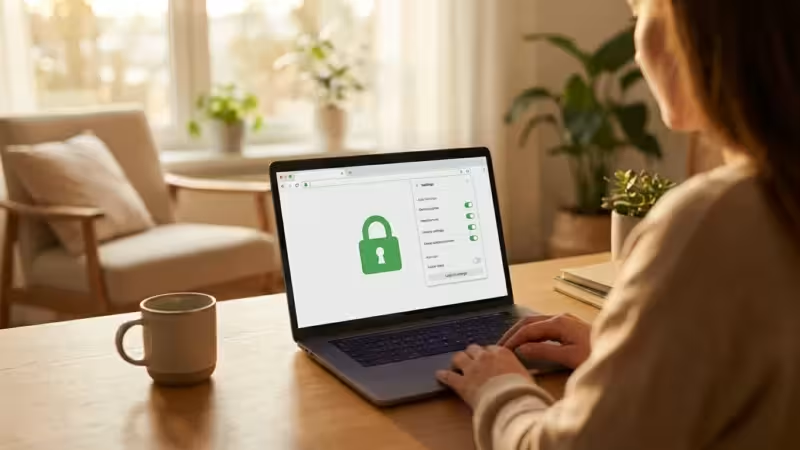
The thought of `online security` understandably raises questions for many. Rest assured, banks invest heavily in protecting your digital assets. They employ advanced encryption and fraud detection systems. However, your active participation in security practices significantly strengthens your protection. Maintaining a robust digital fortress ensures your financial peace of mind.
Beyond banking, taking a proactive approach to protecting your privacy online helps safeguard all aspects of your digital life.
“The best defense is a good offense.”
This adage holds true for online security. Take proactive steps to safeguard your accounts:
- Use Strong, Unique Passwords: Create complex passwords for each online financial account. Avoid using easily guessable information. Consider a password manager to securely store and generate these.
- Enable Two-Factor Authentication (2FA): This adds a critical layer of security. After entering your password, you receive a code via text or an authenticator app, which you must also enter. This prevents unauthorized access even if someone obtains your password.
- Monitor Your Accounts Regularly: Check your bank statements and transaction history frequently. Promptly report any suspicious activity to your bank.
- Be Wary of Phishing Attempts: Scammers often send emails or texts impersonating banks, asking for personal information. Banks will never ask for your password or sensitive data via email. Always navigate directly to your bank’s official website.
- Keep Software Updated: Ensure your operating system, web browser, and antivirus software are current. Updates often include critical security patches.
- Use Secure Wi-Fi: Avoid accessing online banking over public or unsecured Wi-Fi networks. These can be vulnerable to eavesdropping. Use a virtual private network (VPN) for added protection on public networks if necessary.
Financial institutions like banks actively employ state-of-the-art security measures. According to experts at CNET, combining these bank-level protections with your diligent security practices creates a formidable defense against potential threats. Your awareness and proactive measures form the cornerstone of secure online financial management.

Leveraging Apps and Tools for Enhanced Financial Management
Beyond your bank’s primary online portal, a vibrant ecosystem of apps and tools exists to further enhance your `financial management`. These resources integrate seamlessly with your online banking, offering specialized functionalities for budgeting, investing, and comprehensive financial planning. Embrace these modern aids to gain even greater control over your wealth.
For those looking to diversify, digital tools also make it easier to decide if considering cryptocurrency is right for your current financial goals.
These tools are particularly effective when calculating your true living expenses to ensure your retirement strategy remains on track.
- Budgeting Apps: Tools like Mint or YNAB (You Need A Budget) connect to your bank accounts, categorize your spending, and help you track progress toward financial goals. They provide visual insights into where your money goes.
- Investment Platforms: Services such as Fidelity, Vanguard, or Schwab allow you to manage your investment portfolio online. You can buy and sell securities, monitor performance, and access research tools.
- Financial Planning Software: Platforms like Personal Capital aggregate all your financial accounts, including banking, investments, and retirement funds, into one dashboard. This offers a holistic view of your net worth and helps with long-term planning.
- Payment Apps: Peer-to-peer payment services like Venmo or Zelle facilitate quick transfers to friends and family. These integrate directly with your bank account for secure transactions.
- Credit Monitoring Services: Many banks and third-party apps offer free credit score monitoring and alerts. This helps you stay vigilant against identity theft.
Consumer Reports often highlights various financial apps, providing unbiased reviews that can help you select tools best suited for your specific needs. Integrating these modern tools into your financial routine empowers you to make informed decisions and achieve your retirement aspirations with confidence.

Common Challenges and Smart Solutions
While online banking offers immense advantages, you may occasionally encounter challenges. Addressing these proactively ensures a smooth and continuous digital banking experience.
- Forgotten Passwords: This happens to everyone. Most bank websites provide a clear “Forgot Password” or “Reset Password” link. Follow the prompts, which often involve answering security questions or receiving a verification code.
- Navigating New Interfaces: Websites and apps sometimes update, altering their layout. Take a moment to explore the new design. Most changes aim to improve user experience. Look for help sections or search bars within the platform.
- Slow Internet Connection: A sluggish connection can hinder your online banking experience. Ensure your home Wi-Fi is strong, or consider using mobile data if available and secure.
- Suspicious Emails or Texts: As discussed in security, never click on links in unsolicited messages claiming to be from your bank. Always open your browser and type your bank’s official URL directly.
- Technical Glitches: Occasionally, a bank’s website or app may experience temporary issues. These are usually resolved quickly. Try logging in again after a short wait, or check your bank’s social media for outage announcements.
Remember, your bank’s customer support is a valuable resource. They staff dedicated teams to assist with online banking questions and technical difficulties. Do not hesitate to contact them for personalized help.

The Future is Now: Evolving with Digital Finance
Digital finance is not static; it constantly evolves, bringing new innovations that further streamline your financial life. Embracing these advancements allows you to stay ahead, maintaining robust control over your retirement funds. Consider the emerging trends already impacting how you manage your money.
Mastering digital banking is just the beginning; you can also explore online learning for new hobbies to continue expanding your horizons.
Artificial intelligence assists with personalized budgeting and spending insights, predicting future cash flow to help you plan. Enhanced mobile experiences mean your smartphone becomes an even more powerful financial hub. Contactless payments, digital wallets, and biometric authentication offer unparalleled speed and security for transactions. These technologies are not just for the young; they serve the modern retiree who values efficiency and cutting-edge convenience.
Your journey into online banking is an investment in your financial autonomy and peace of mind. You gain the tools to manage your wealth actively, intelligently, and securely. By embracing these basics and staying open to future innovations, you define what true financial freedom means in the modern age.
Frequently Asked Questions
Is online banking truly secure?
Yes, major banks employ advanced encryption, fraud monitoring, and multi-factor authentication to protect your accounts. Your active participation, through strong passwords and vigilance against phishing, further strengthens this security.
Can I pay all my bills through online banking?
Most online banking platforms allow you to pay nearly any bill electronically. You can typically set up payments for utilities, credit cards, loans, and even rent. Some banks even offer a bill pay guarantee against late payments.
What if I lose my internet connection while doing a transaction?
If your internet connection drops during a transaction, most banking systems are designed to either complete the transaction once connection resumes or roll it back safely. Always check your transaction history to confirm completion once you regain connectivity.
Do I still receive paper statements if I use online banking?
You usually have the option to choose. You can continue receiving paper statements, or opt for paperless statements, which are accessible digitally through your online banking portal. Most modern retirees prefer paperless for convenience and environmental reasons.
Is there a fee for using online banking services?
For most standard accounts, online banking services, including bill pay and transfers, come free of charge. Some specialized services or expedited transfers might incur fees, but banks clearly disclose these. Always check your bank’s fee schedule for details.
Disclaimer: This article is for informational purposes. Technology, apps, and services mentioned may change over time. We encourage readers to research current options and consider their individual needs when making decisions.








Leave a Reply